
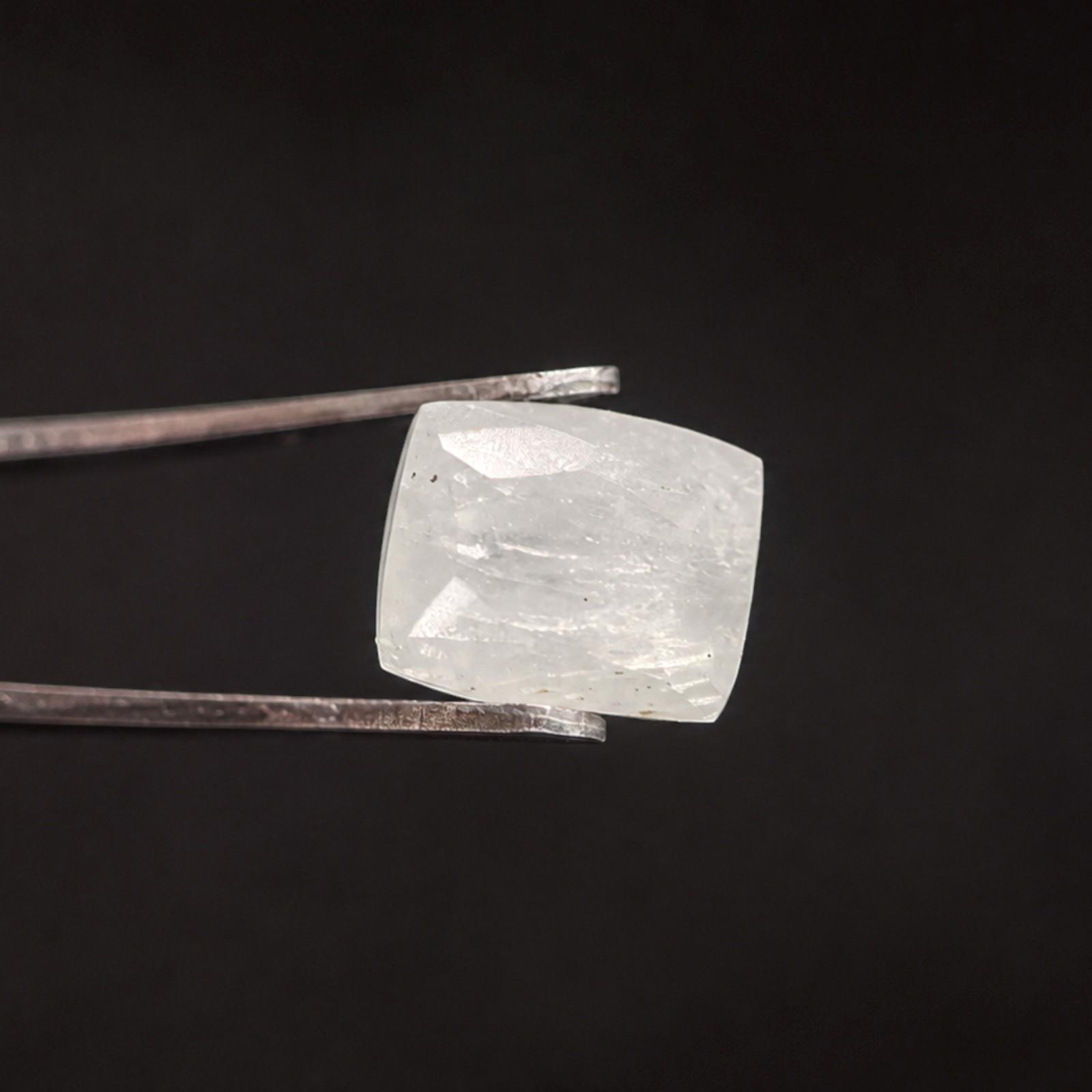
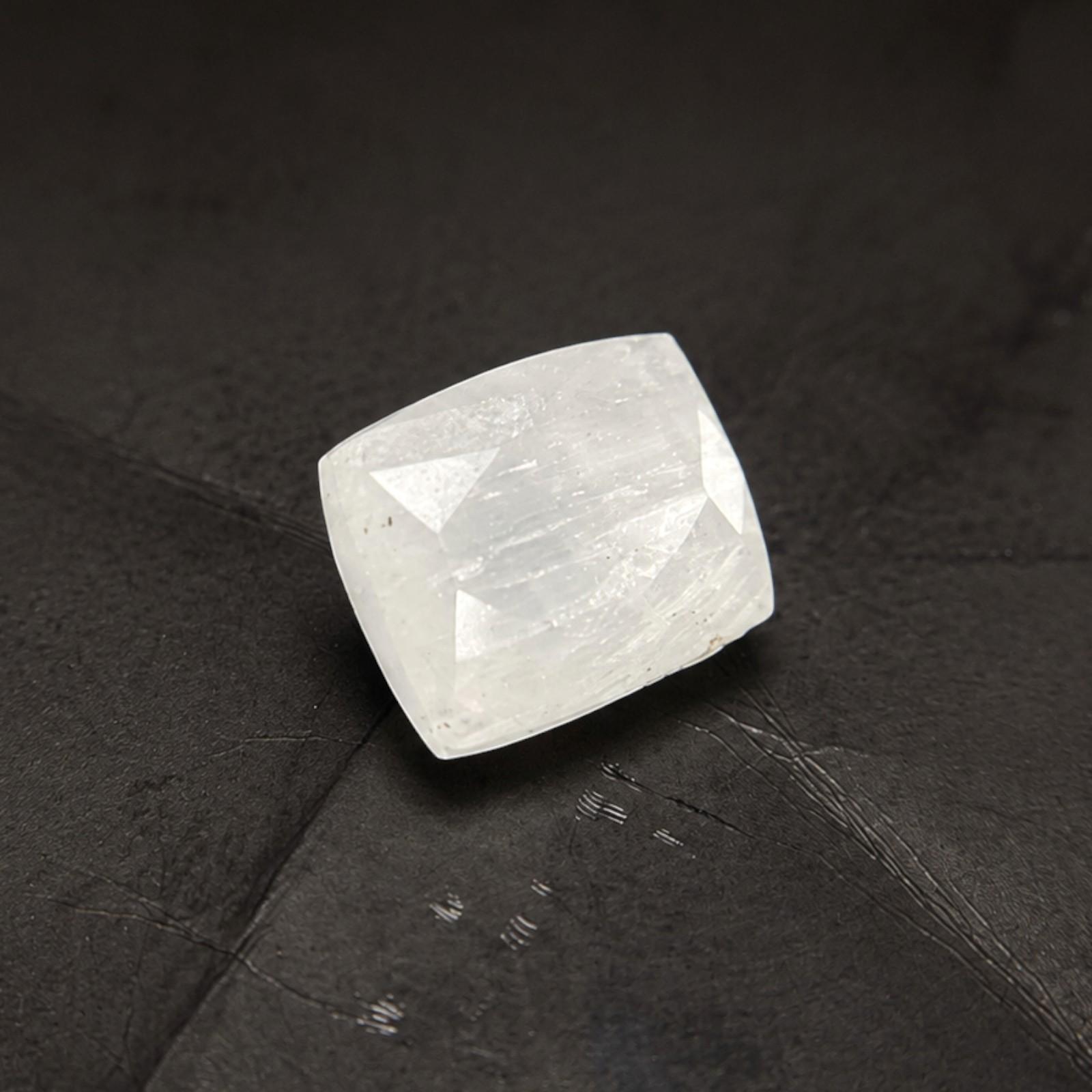
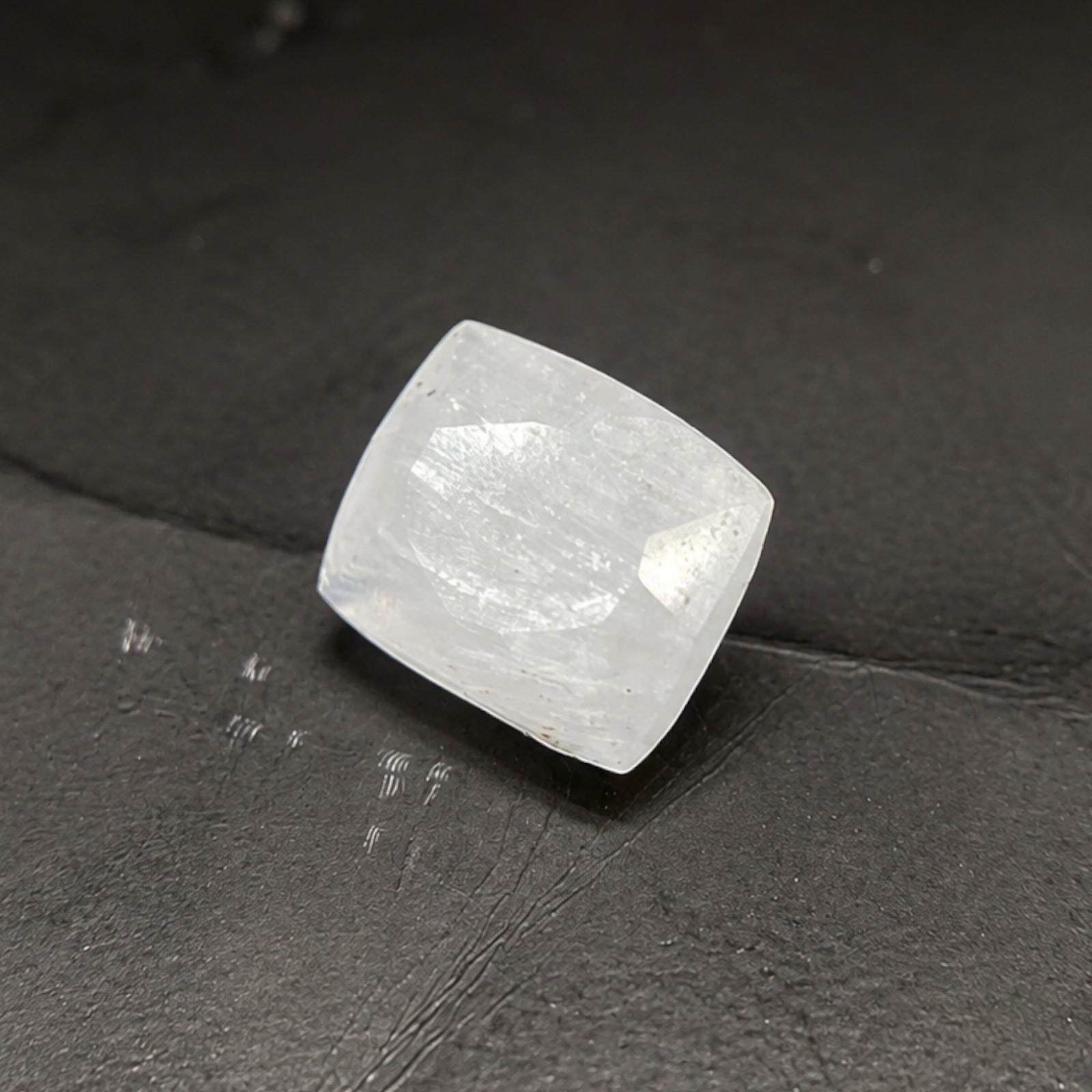
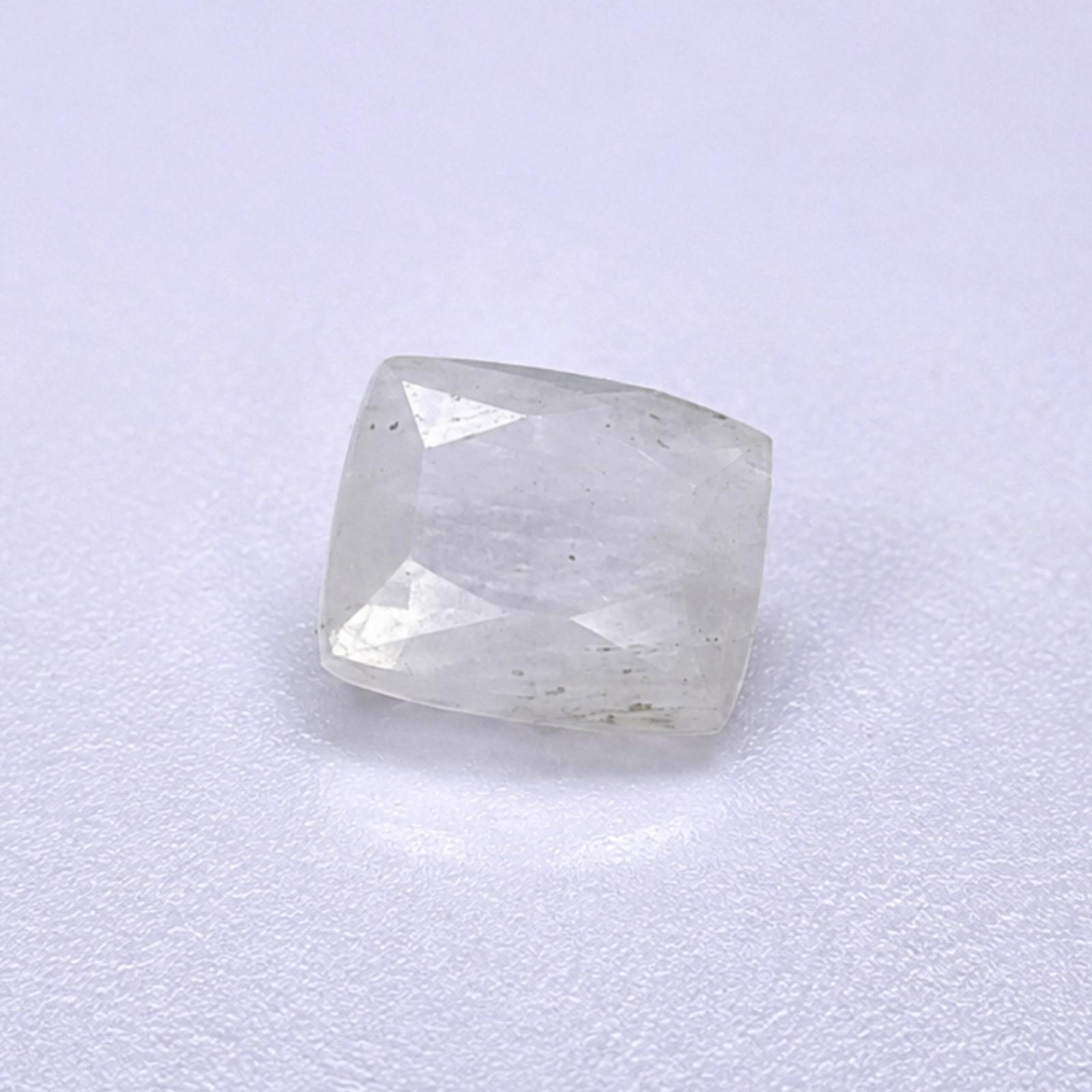
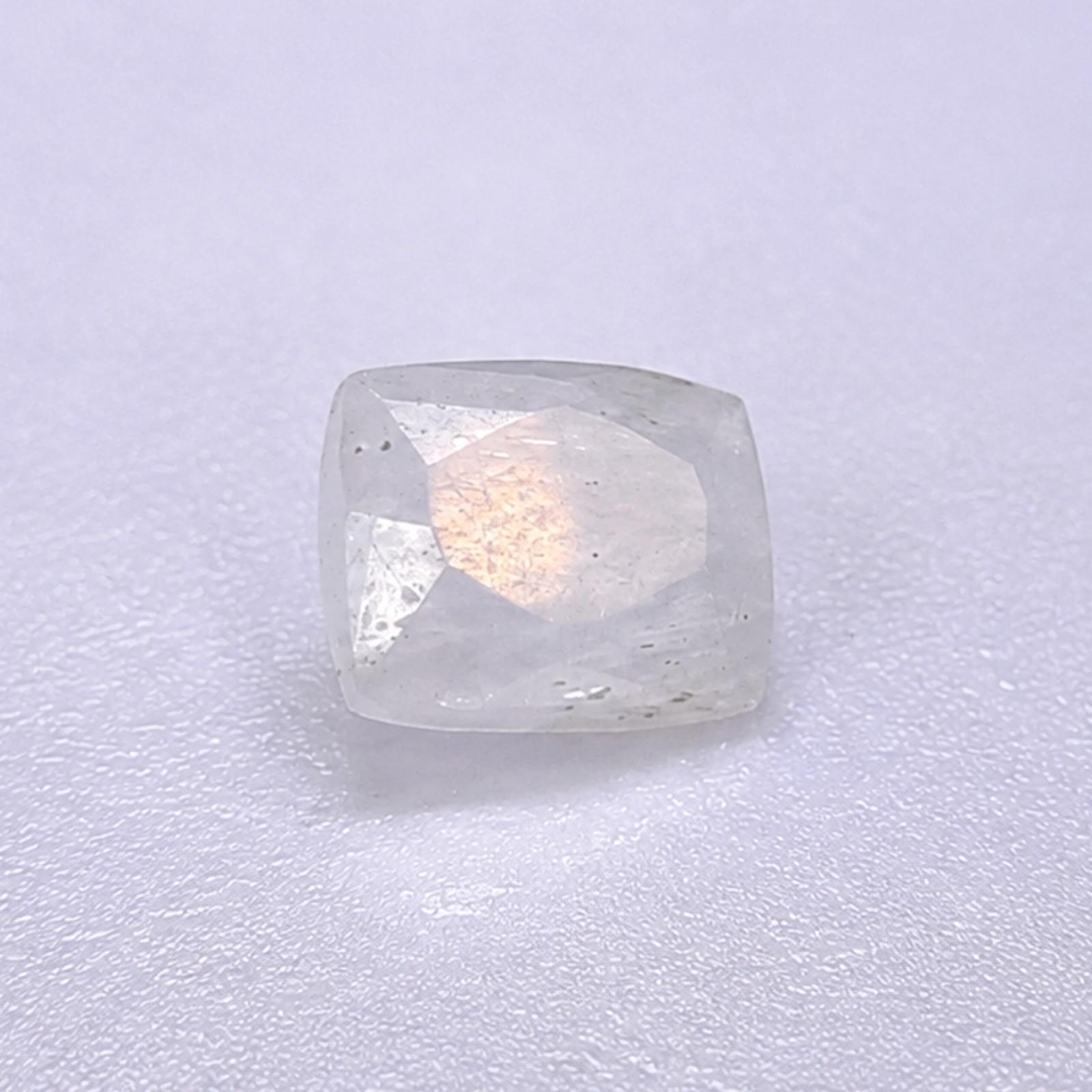
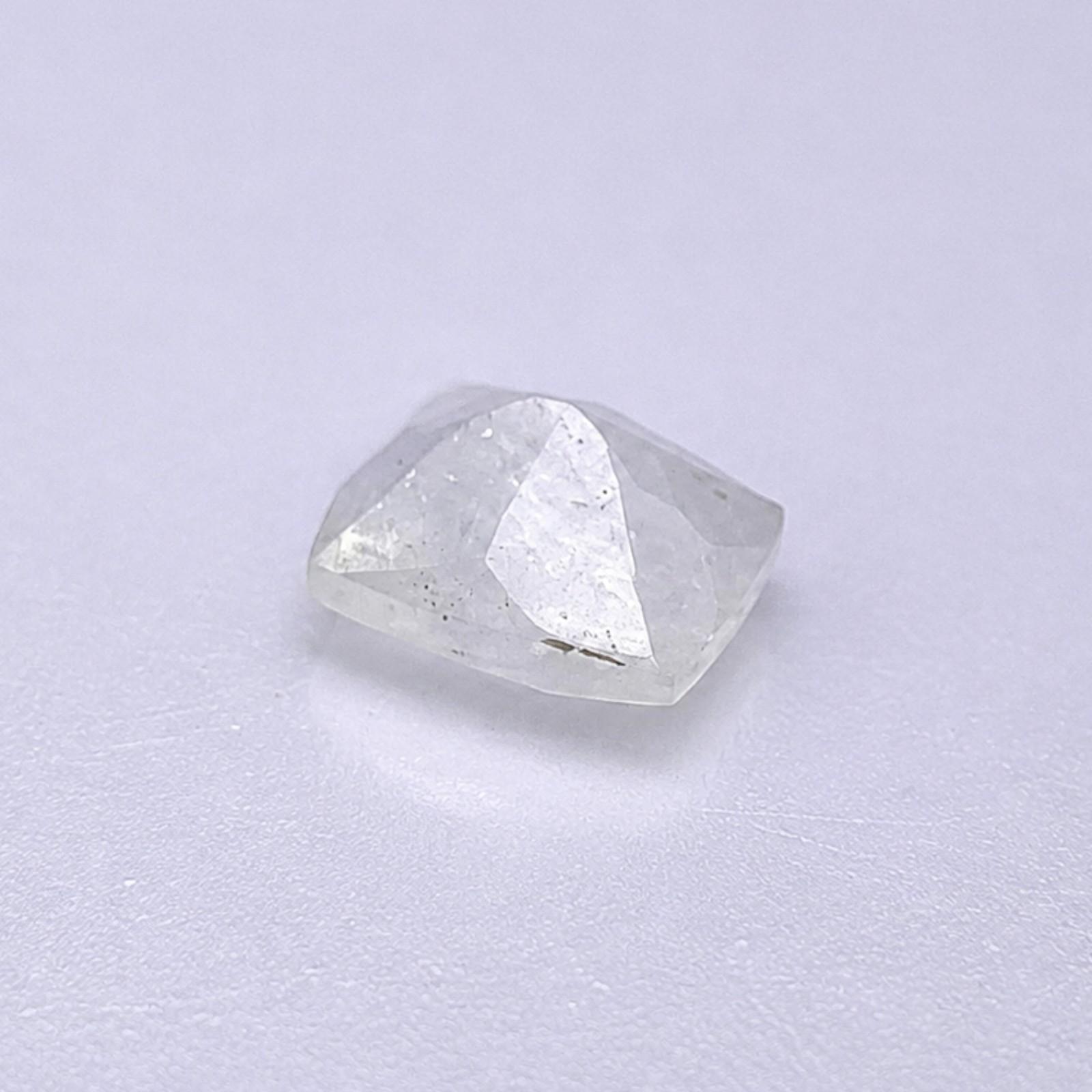
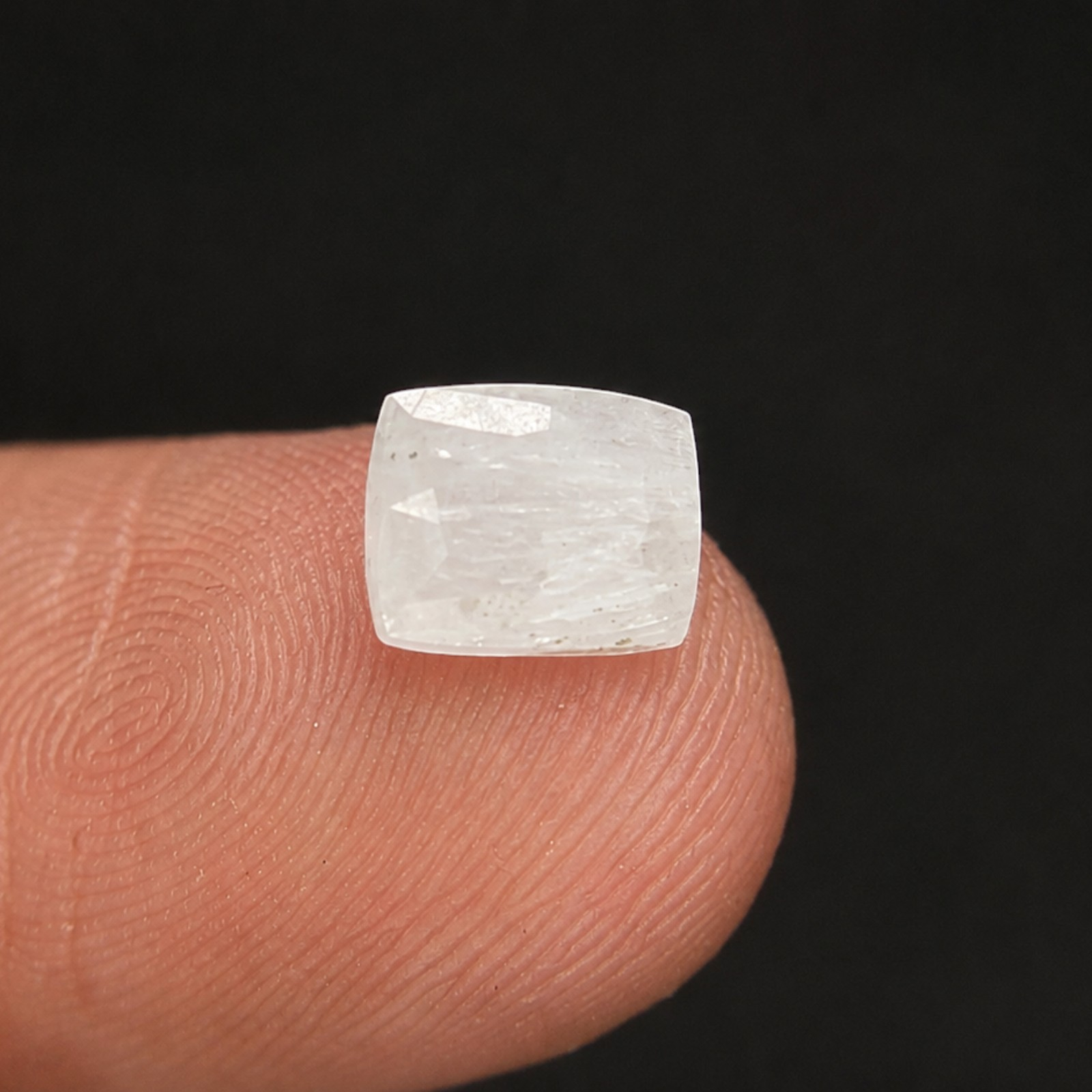
1.30 ct MONTICELLITE – CANADA
EXPERT VERIFIED
- Expert Verified Gemstone
- Fast Handling & Shipping
- Secure Vault Packaging
$ 150
Offer amount Feild


Smart Collector Choice


Pay with Crypto & Get 10% Automatic Discount

Availability: 1 in stock


- Freakingcats Gemstone Database
Monticellite
Monticellite is a gemstone that occupies a rare branch of the olivine family tree. While most people are familiar with its vibrant green cousin, Peridot, Monticellite offers a more muted, sophisticated palette ranging from colorless to a soft, smoky grey or pale honey-yellow. I have always found it to be a mineral of quiet strength; it forms at the intense interface where magma meets limestone, essentially “cooking” the rock into something entirely new. Faceting Monticellite is a rare pleasure for a specialist because of its crisp, vitreous luster and its solid presence. It is a gem for the collector who values the “hidden” members of well-known mineral groups—a stone that carries the structural elegance of an olivine but with a chemical signature and a color story all its own.
The Heritage & Discovery
Historical Significance: Monticellite is a classic “skarn” mineral, serving as a vital indicator for geologists studying the contact between igneous intrusions and carbonate rocks. Historically, it has been a centerpiece in the study of high-temperature metamorphism. It represents the moment of geological transformation, where calcium and magnesium are forced into a new silicate framework. In the world of rare gems, it is prized for its rarity and its historical pedigree, standing as the calcium-rich counterpart to the more common magnesium-iron olivines we see in jewelry.
Discovery: The mineral was first described in 1831 and was named in honor of Teodoro Monticelli (1759–1845), an Italian mineralogist and priest who was a leading authority on the minerals of Mount Vesuvius. Naming this high-temperature silicate after him was a tribute to his extensive work cataloging the volcanic treasures of Italy, cementing his legacy within the very rocks he spent his life studying.
Important Mines: The legendary type locality for Monticellite is Mount Vesuvius in Italy, where it was first found in the volcanic ejecta. However, for the most spectacular gem-quality crystals, I look toward the Magnet Cove region in Arkansas, USA, and the Palabora Mine in South Africa. I have also seen fine material from the Khibiny Massif in Russia. I prioritize specimens from South Africa or Arkansas for faceting, as these localities often yield the transparency and size necessary to create a truly world-class collector’s gem.
Mineralogical Profile
Description: Monticellite is a calcium magnesium silicate and a member of the olivine group, crystallizing in the orthorhombic system. It sits at a 5 to 5.5 on the Mohs scale, making it a relatively soft stone that is best suited for protected display or specialized collections. It is characterized by its vitreous luster and its typically colorless, grey, or yellowish appearance.
One of its most identifying traits is its relationship to Peridot; while they share a similar structure, the introduction of large calcium ions into the lattice changes the symmetry and optical properties. It has a moderate refractive index (n \approx 1.63 to 1.66), giving it a bright, clean “snap” when faceted. Because it is a product of high-temperature contact metamorphism, it is often found with interesting inclusions of other skarn minerals, adding a layer of geological narrative to every stone. It is a dense, well-ordered mineral that captures the refined chemistry of the deep earth.
Chemical Formula: CaMgSiO4


