
1.63 ct CATS EYE ALEXANDRITE – INDIA
EXPERT VERIFIED
- Expert Verified Gemstone
- Fast Handling & Shipping
- Secure Vault Packaging
$ 200
Offer amount Feild


Smart Collector Choice


Pay with Crypto & Get 10% Automatic Discount

Availability: 1 in stock
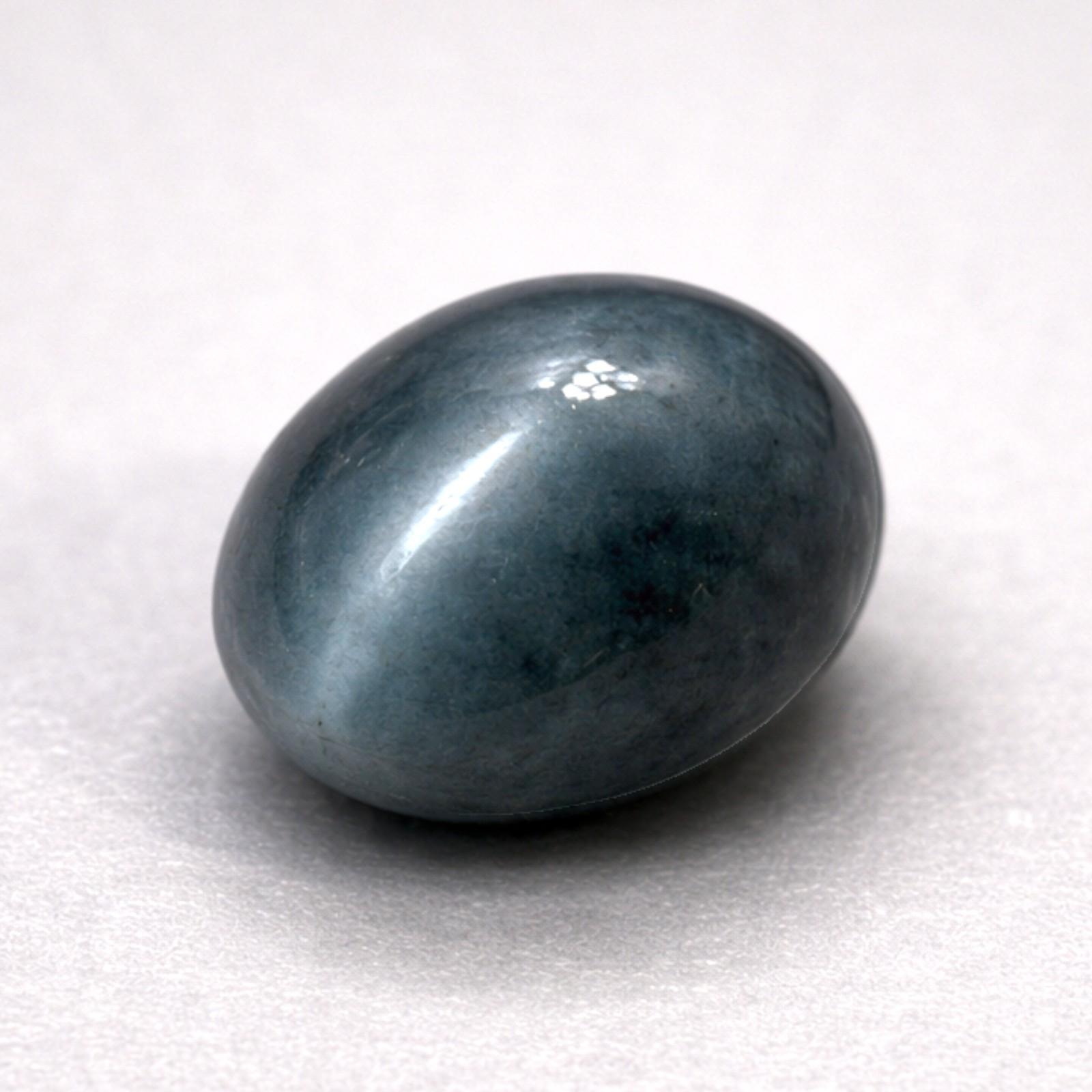
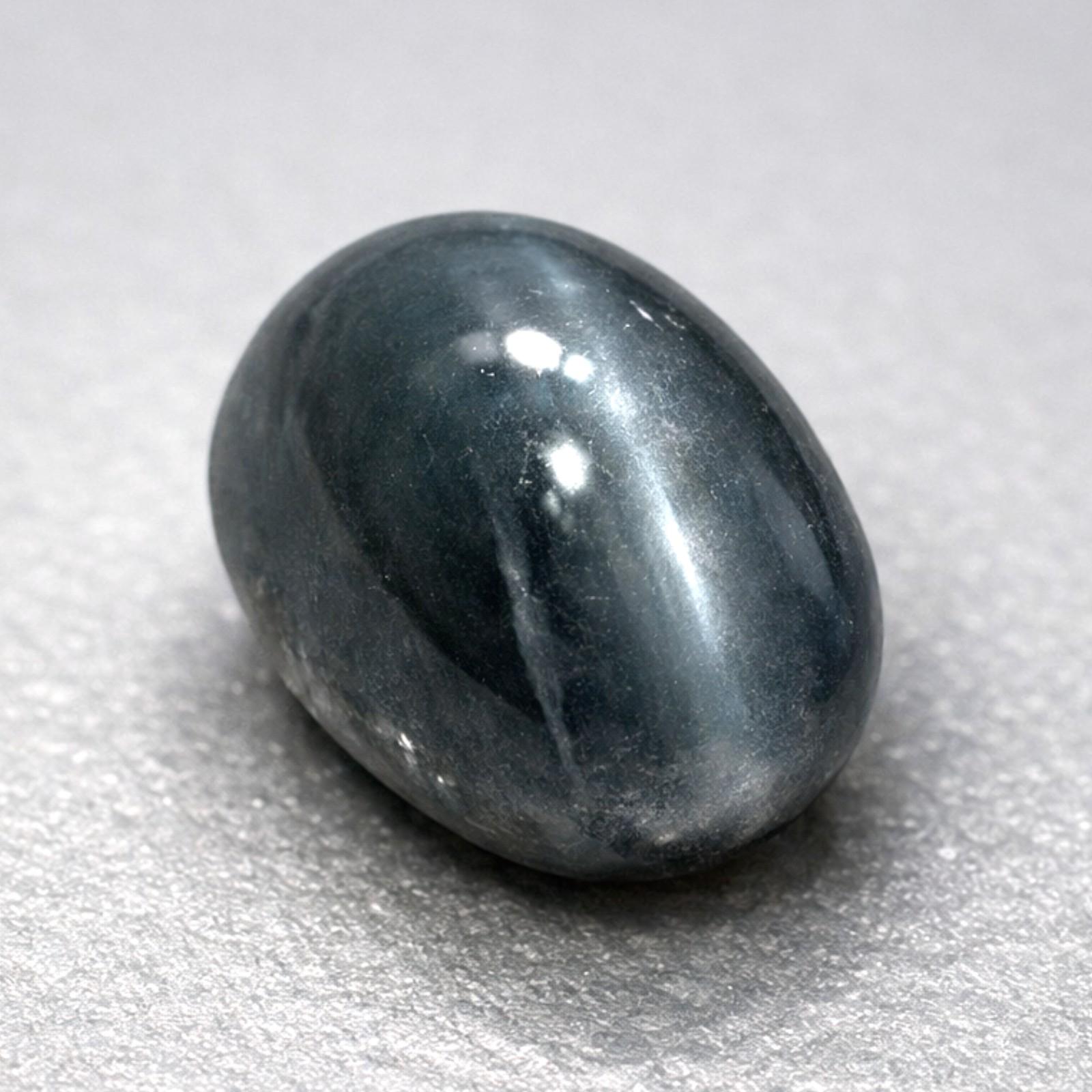
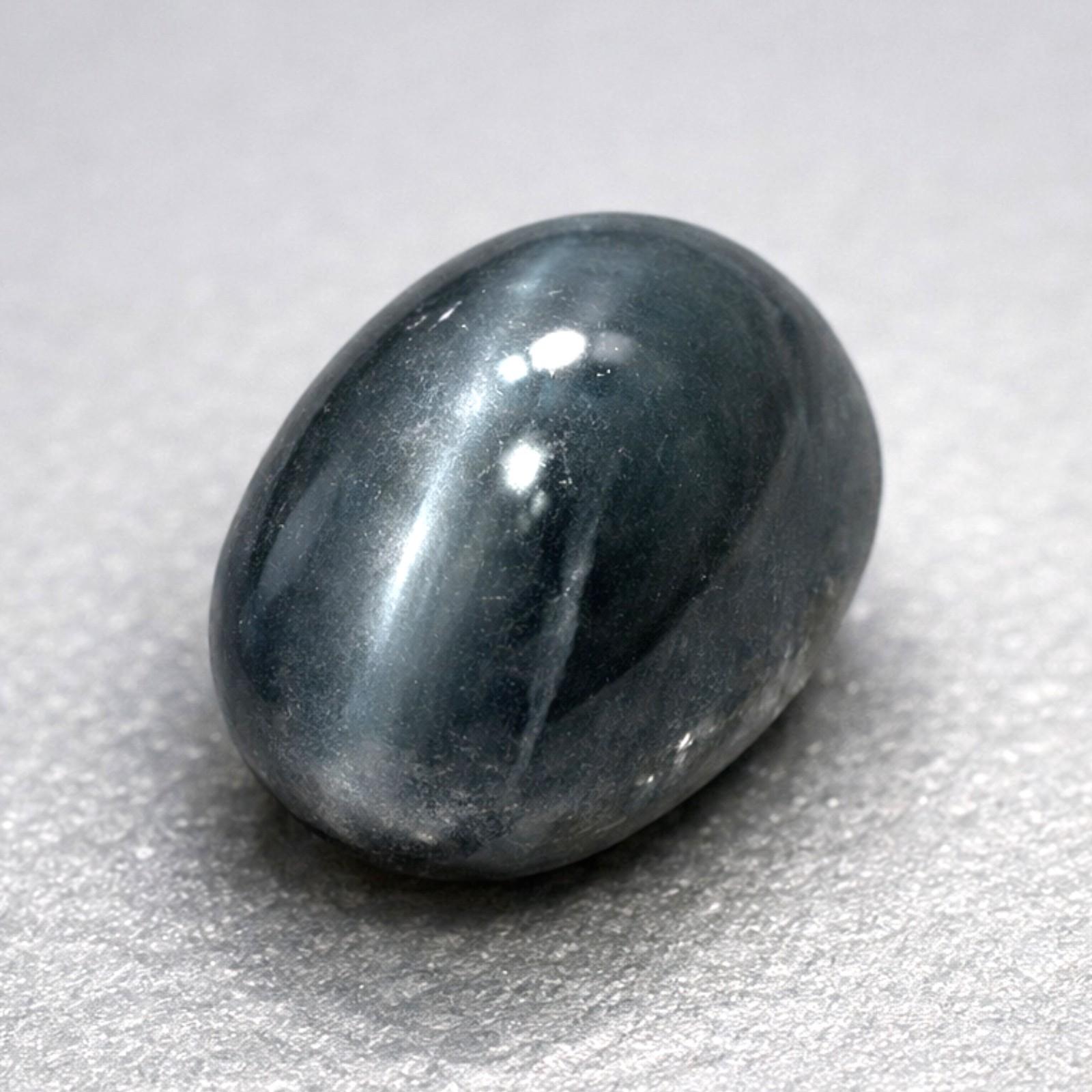
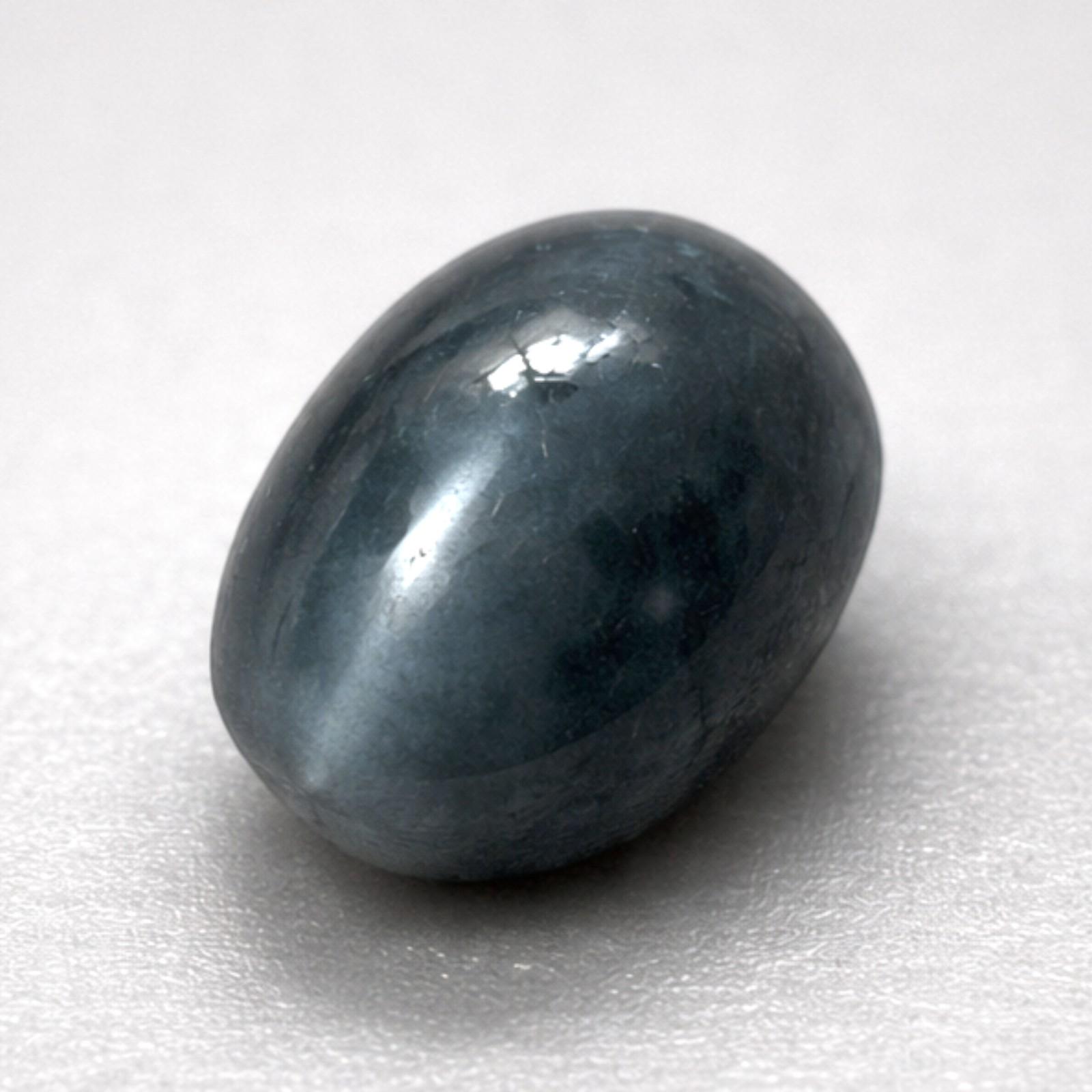
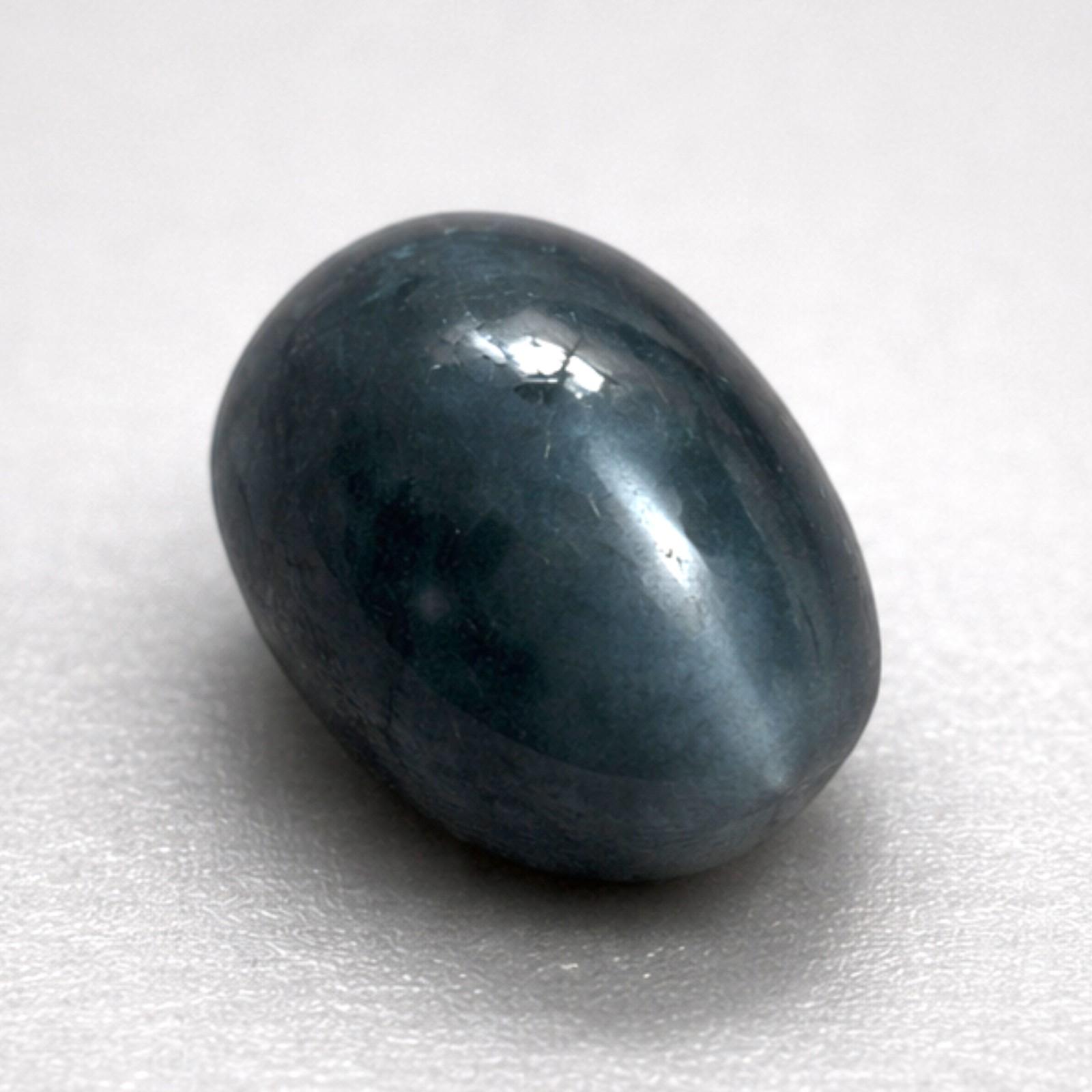
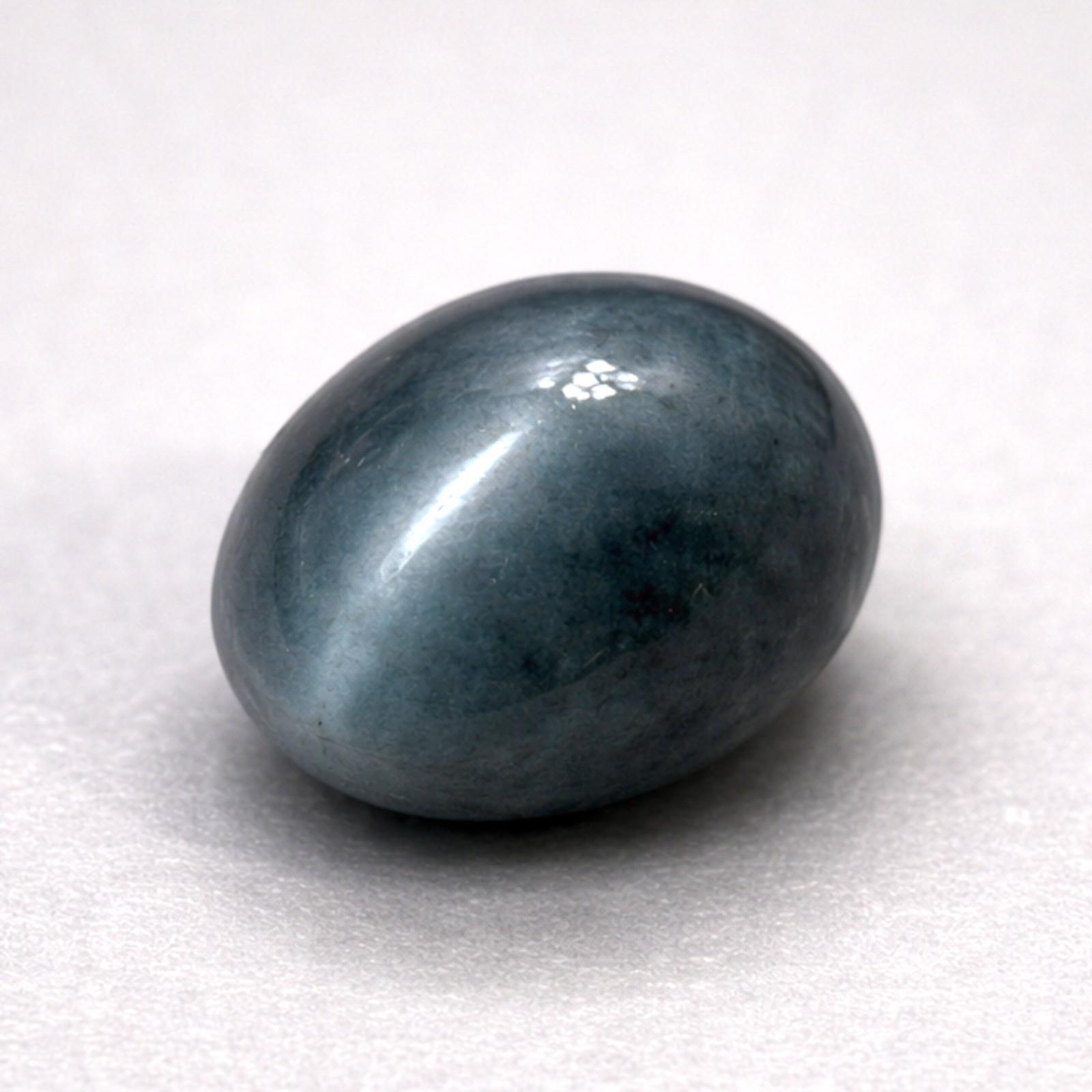
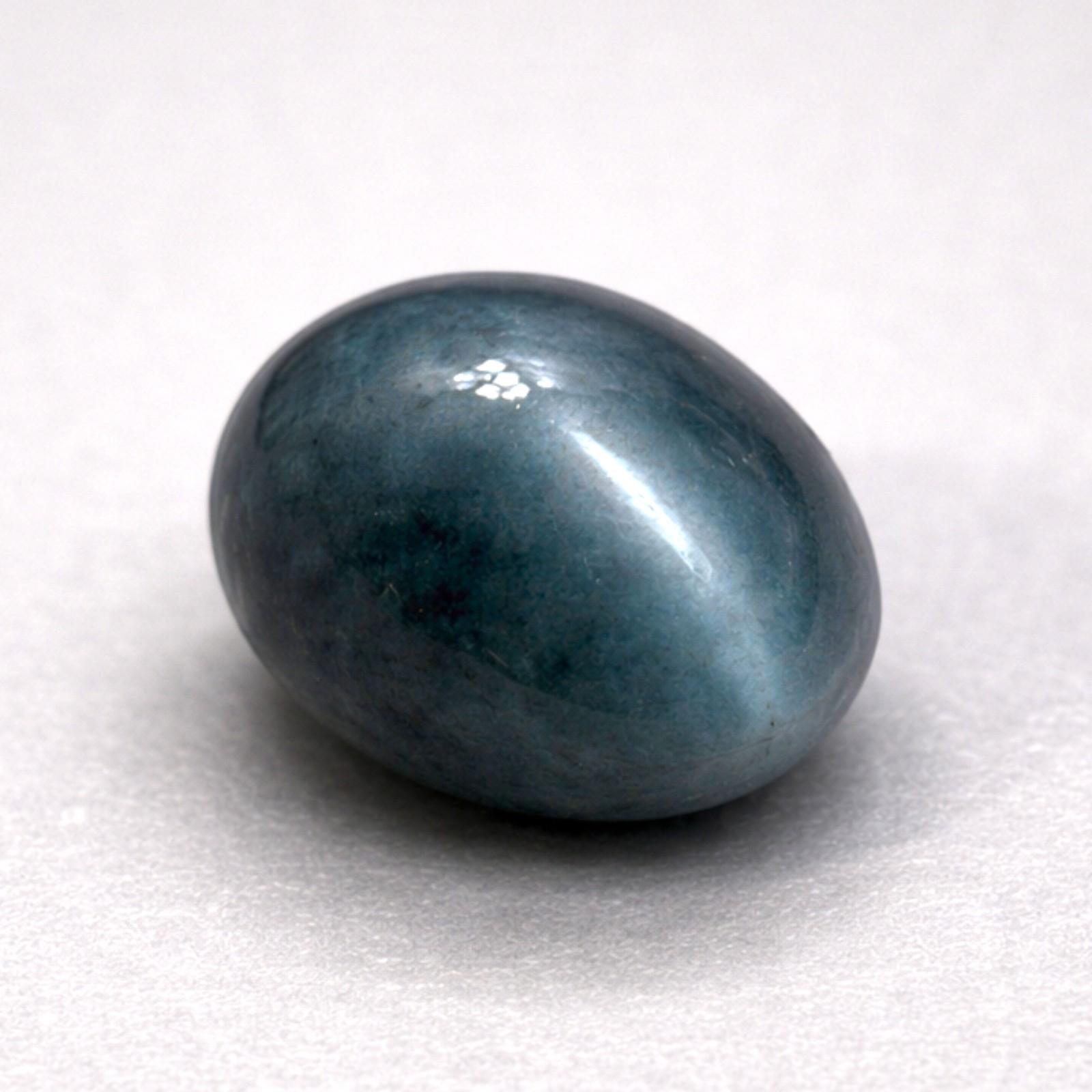
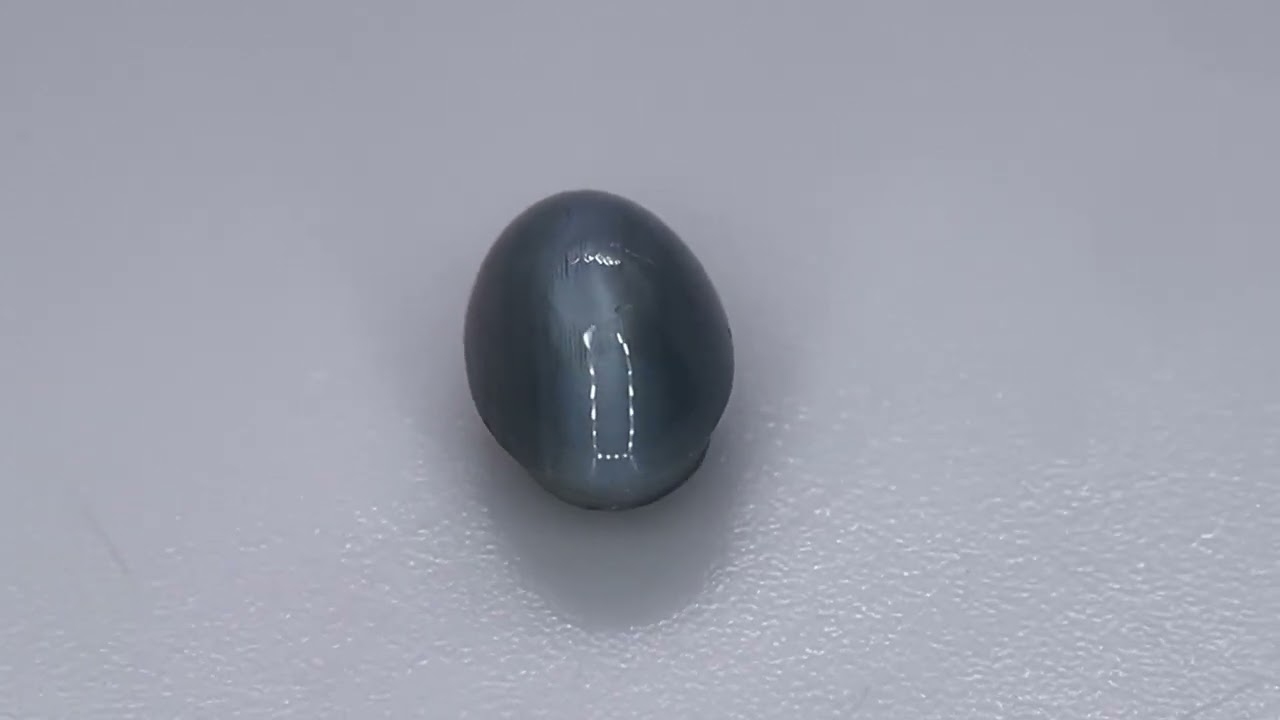


- Freakingcats Gemstone Database
Alexandrite Cat’s Eye (India)
Alexandrite Cat’s Eye from India represents the “phenomenal-dual” peak of the chrysoberyl world. A beryllium aluminum oxide, it is a species I have always respected for its “mystical” ability to combine two of nature’s rarest optical effects: a dramatic color change and a sharp chatoyancy. For the specialist, a top-tier Indian Alexandrite Cat’s Eye is a prize of inclusion-driven excellence; it offers a sub-adamantine luster and a “liquid” brilliance that makes it a true “high-vibration” asset for the systematic vault. As an artist, I find the “shifting-eye” that glides across a color-changing body to be one of nature’s most sophisticated and “alive” designs.
The Heritage & Discovery
Historical Significance: Alexandrite is a vital variety for understanding the rare substitution of Chromium (Cr) in the chrysoberyl lattice. Historically, it was named after Tsar Alexander II of Russia, but the discovery of significant deposits in India during the late 20th century provided the world with a new source of “world-class” phenomenal material. In the world of fine minerals, it is celebrated for its natural, “emerald-to-raspberry” transition. It stands as a symbol of royal endurance and optical focus, bridging the gap between common oxides and the elite world of “hyper-rare” collector gems. It serves as a reminder that the most “complex” light-play often occurs in the most “disciplined” crystal structures.
Discovery: The most famous Indian deposits were discovered in the states of Orissa (Odisha) and Andhra Pradesh. Scientifically, the “Cat’s Eye” effect is caused by the reflection of light off microscopic, parallel-oriented needle-like inclusions (typically Rutile). Its discovery in the Visakhapatnam region provided mineralogists with the first clear look at the species’ potential for “sharp-eyed” perfection in a color-changing host. My own respect for this material grew from observing its “vivid” shift; specifically, when a single stone transitions from a “teal-green” in daylight to a “purplish-red” under a lamp while maintaining a “silvery” eye, the visual impact is unmistakable to the trained eye.
Important Mines: The undisputed world capital for the finest, “phenomenal” Alexandrite Cat’s Eye is the Narsipatnam area in Andhra Pradesh, India. These Indian specimens set the global benchmark for the “crispness” of the eye and the “saturation” of the color change. I also have a high regard for the spectacular finds from Odisha and the classic “honey-gold” Cat’s Eye Chrysoberyls from Sri Lanka. For the vault, I prioritize the Indian material for its unmatched “neon-shift” and its iconic “razor-sharp” chatoyancy.
Mineralogical Profile
Description: Alexandrite is a beryllium aluminum oxide that crystallizes in the orthorhombic system. It sits at an 8.5 on the Mohs scale, making it one of the hardest and most durable gemstones in existence, surpassed only by Sapphire and Diamond. It is characterized by its sub-adamantine luster and its unmistakable, “green-to-red” color palette.
One of its most identifying traits is its strong pleochroism and its chatoyant “eye,” which is always cut en cabochon to showcase the light reflection. It has a high refractive index. Because it forms in pegmatites and metamorphic rocks, it is often found in association with Quartz, Feldspar, and Mica. When I select a piece for the collection, I look for a “centered” eye and a “distinct” color change without “muddiness,” as these highlight the sophisticated, three-dimensional geometry of the mineral’s growth. It is a dense, high-vibration mineral that offers a unique, “phenomenal-neon” beauty unlike any other oxide species.
Chemical Formula: BeAl2O4


