
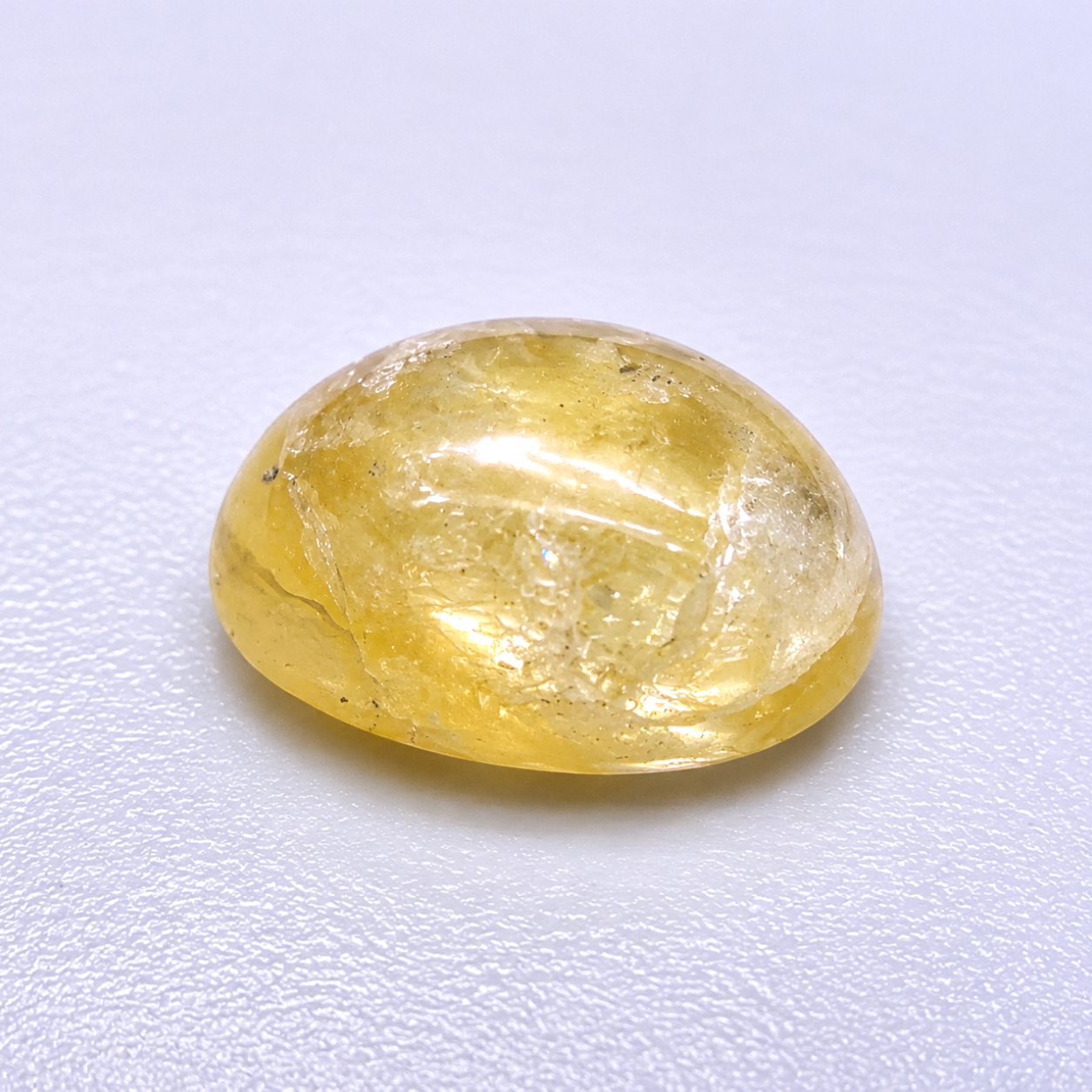
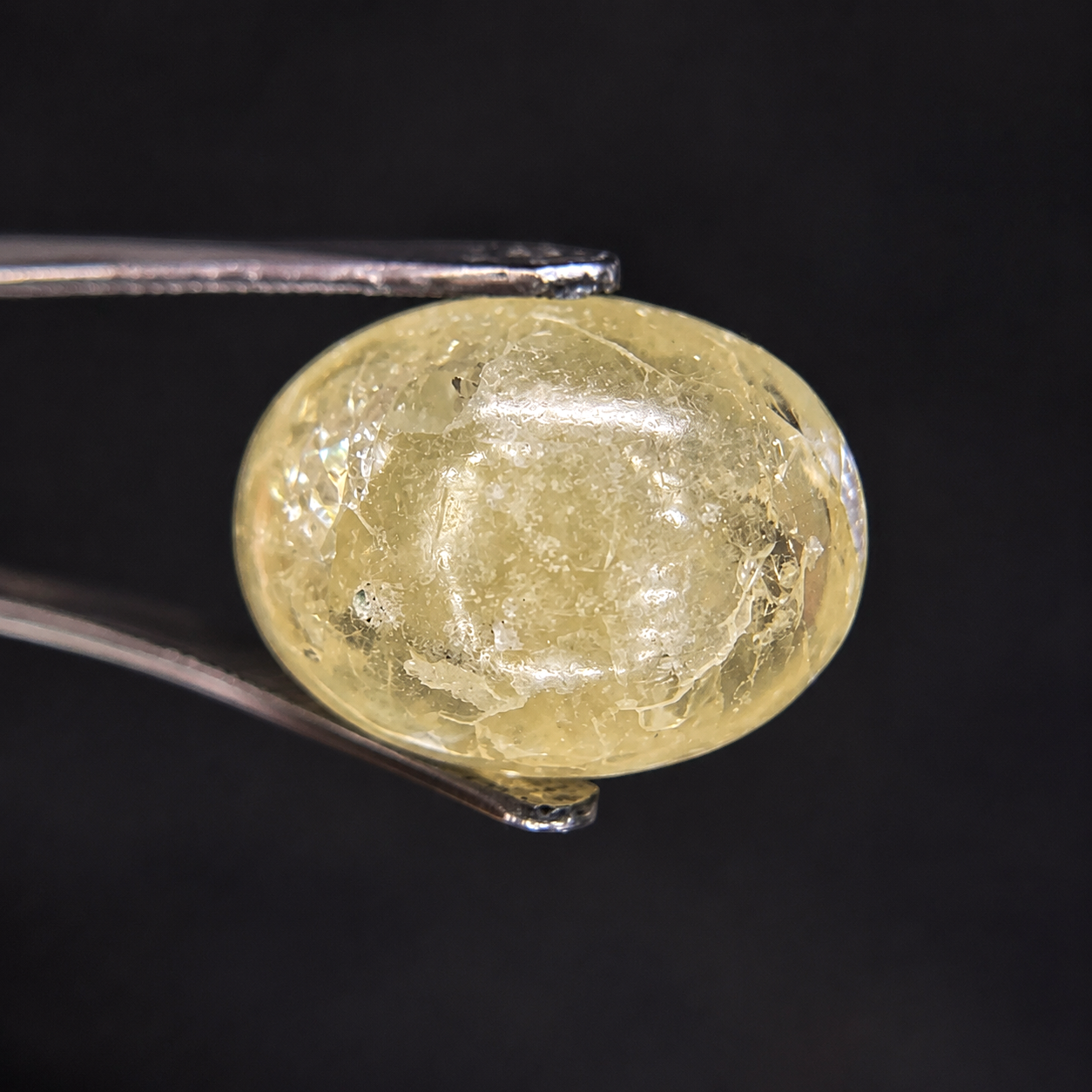
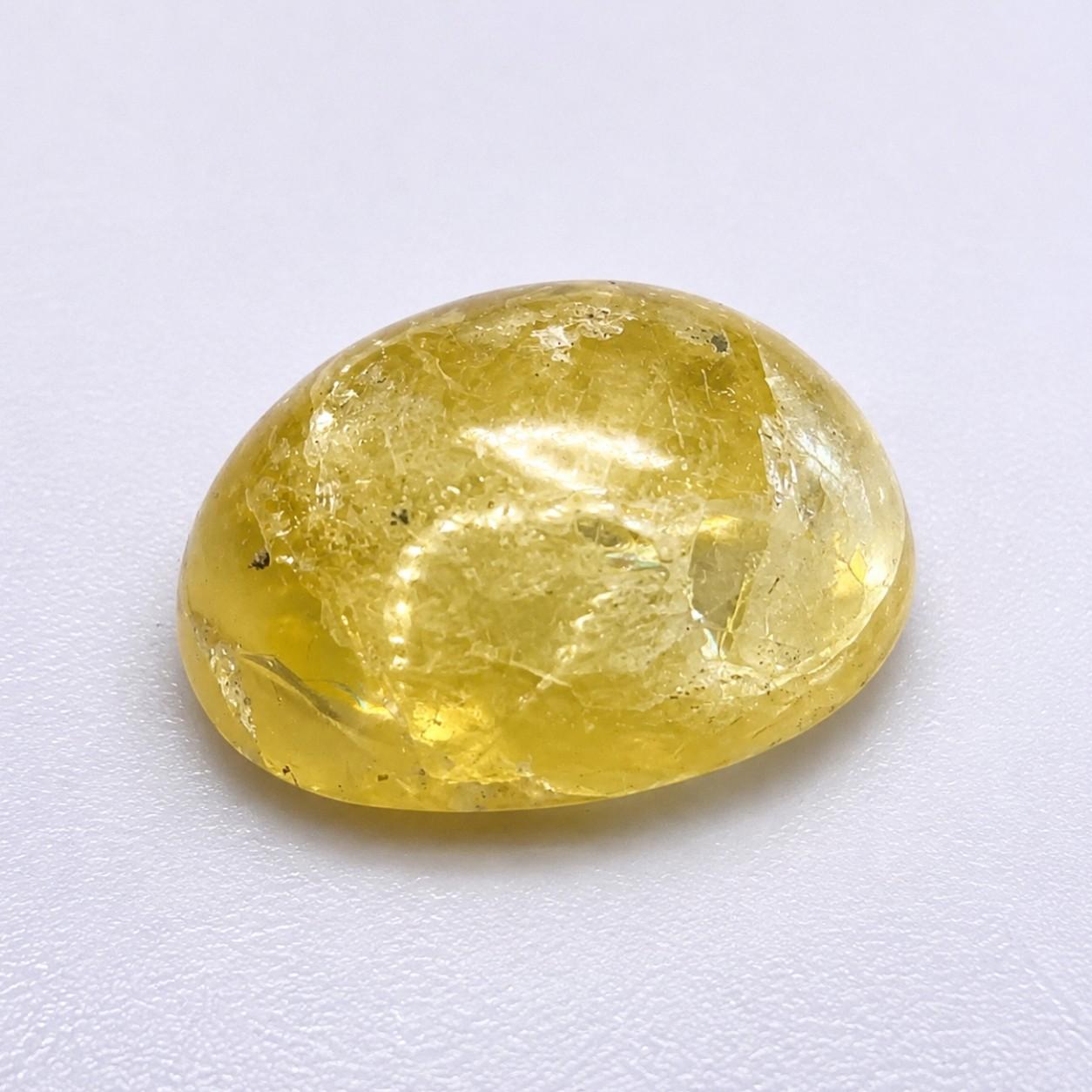
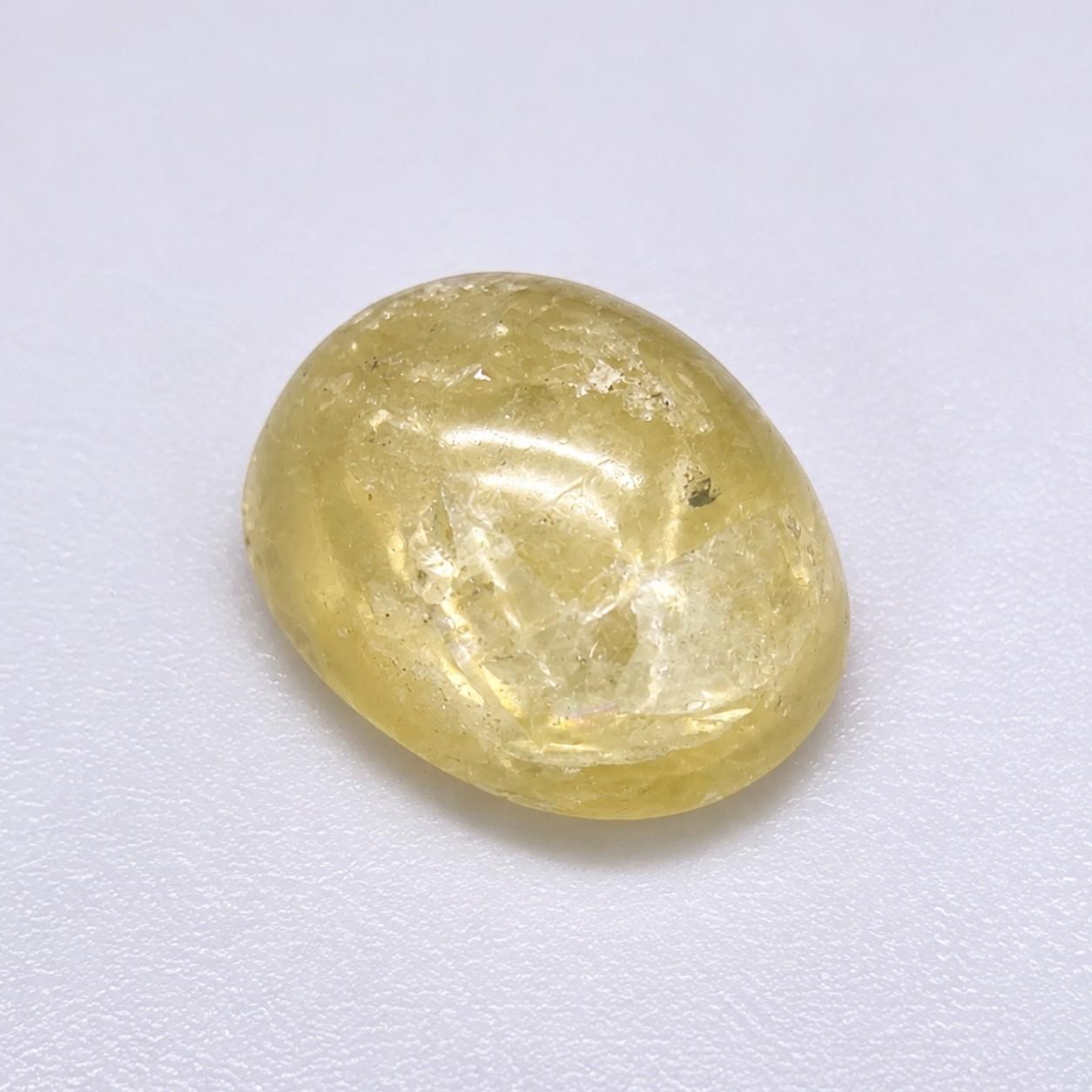
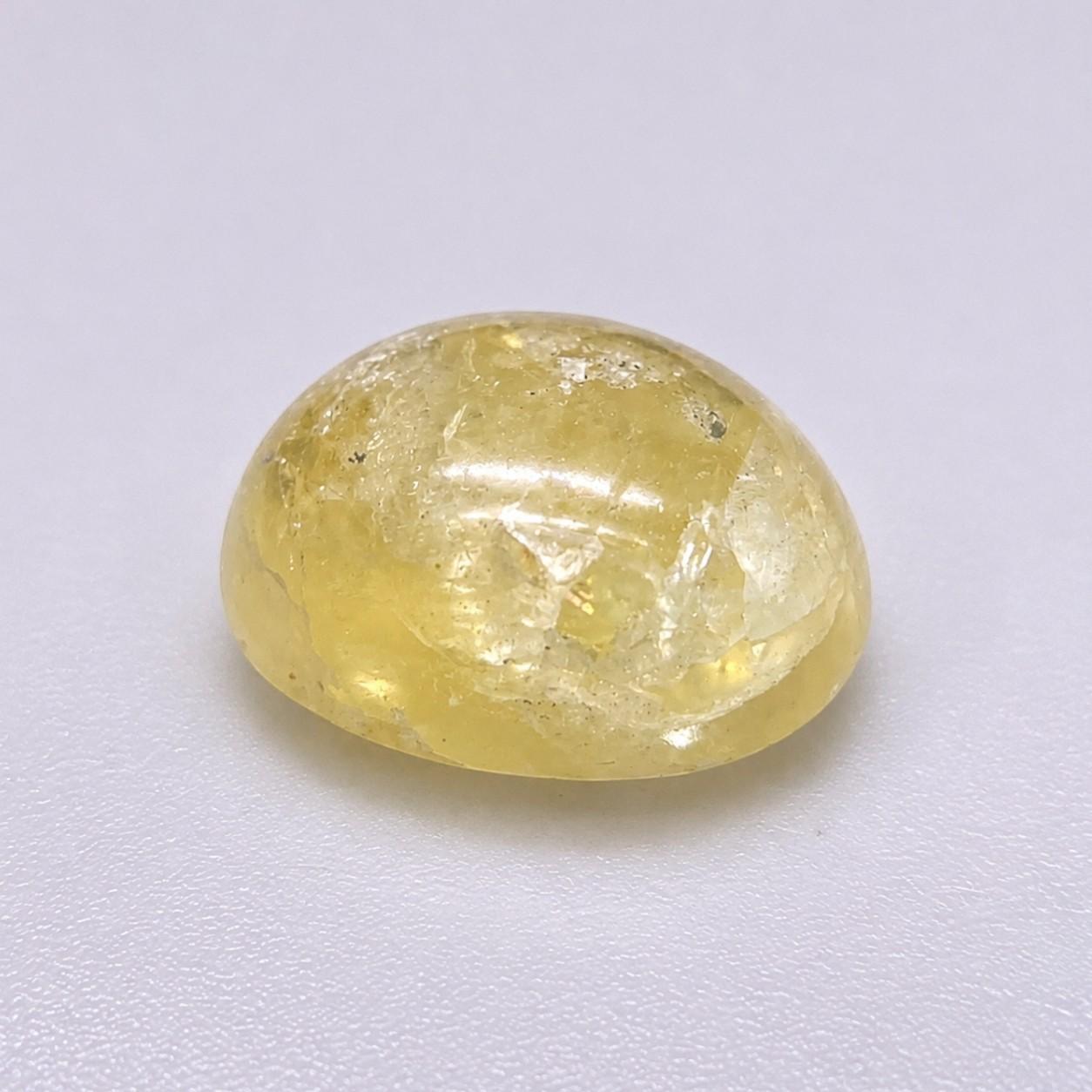
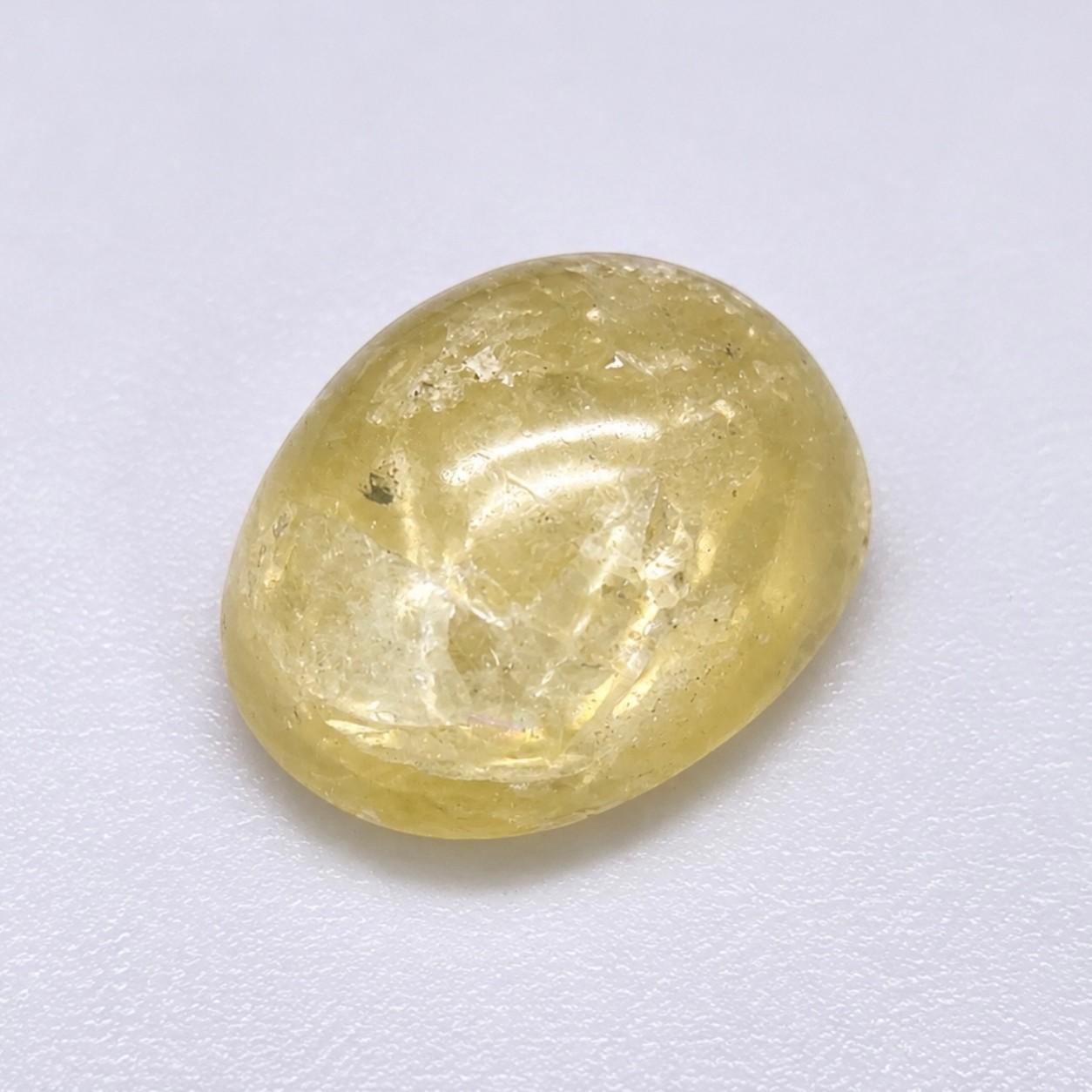
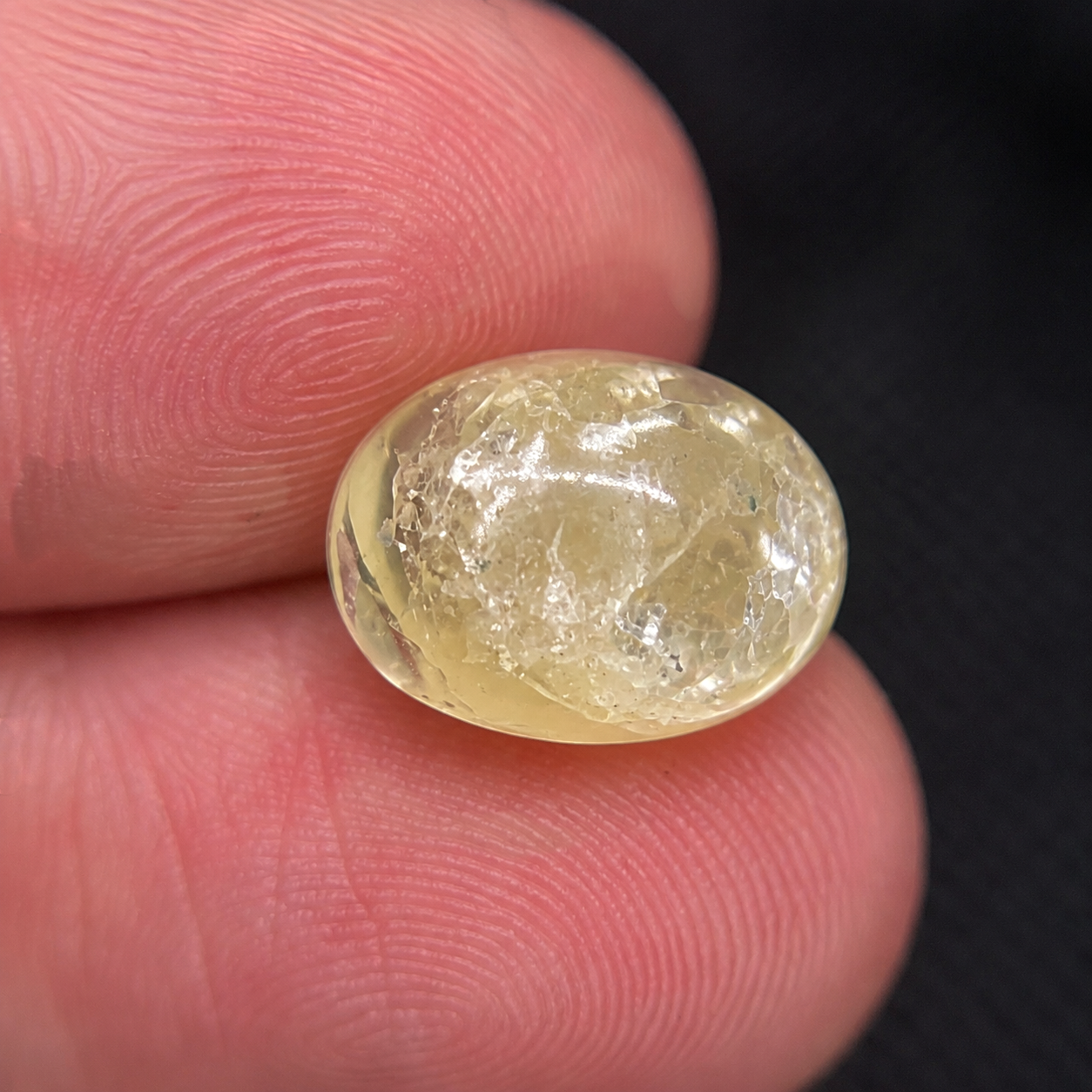
7.15 ct PERICLASE – ITALY
EXPERT VERIFIED
- Expert Verified Gemstone
- Fast Handling & Shipping
- Secure Vault Packaging
$ 320
Offer amount Feild


Smart Collector Choice


Pay with Crypto & Get 10% Automatic Discount

Availability: 1 in stock


- Freakingcats Gemstone Database
Periclase
Periclase is a gemstone that represents the raw, high-temperature heart of the Earth’s metamorphic processes. A magnesium oxide that is rarely found in its natural, transparent state, it often appears as modest, rounded grains or cubic crystals tucked away within marble. I have always been fascinated by its simplicity; it is chemically straightforward but optically impressive, possessing a vitreous luster and a clarity that can rival the finest glass. Faceting natural Periclase is a rare endeavor because the material is so often tiny or heavily included. However, when a clean crystal is found, it produces a gemstone with a crisp, “icy” brilliance. It is a stone for the true mineralogical specialist—one who appreciates the understated beauty of a mineral that is as chemically pure as it is rare.
The Heritage & Discovery
Historical Significance: Periclase is a vital mineral in the study of high-grade contact metamorphism, typically forming when magnesian limestones or dolomites are “baked” by intruding magma. Historically, it is known for its instability at the Earth’s surface; in the presence of moisture, it slowly hydrates into Brucite. This makes finding well-preserved, gem-quality crystals a significant event. In the world of rare gems, it stands as the natural counterpart to synthetic “Magnesia” used in industrial refractories, representing the original, natural blueprint for materials designed to withstand extreme heat.
Discovery: The mineral was first described in 1840 and was named by Arcangelo Scacchi. The name is derived from the Greek words peri (around) and klasis (cleavage), referring to the fact that the mineral possesses perfect cubic cleavage that allows it to be split evenly in three directions. Its discovery at Mount Vesuvius provided mineralogists with a key example of how simple oxides form in the violent, high-temperature environment of a volcano.
Important Mines: The type locality and most famous source for mineralogical specimens is Mount Vesuvius in Italy. However, for gem-quality material, some of the most interesting finds have come from the Predazzo region in the Italian Alps and parts of Sweden (Långban). I also keep a close eye on material from Russia and the USA (California). I prioritize the Italian specimens for the vault, as they hold the deepest historical connection to the mineral’s discovery and often exhibit the sharpest cubic forms.
Mineralogical Profile
Description: Periclase is a magnesium oxide that crystallizes in the isometric (cubic) system, sharing the same structure as Halite (salt). It sits at a 5.5 to 6 on the Mohs scale, making it durable enough for display or carefully handled jewelry. It is characterized by its vitreous luster and is typically colorless, though it can take on a brownish, yellowish, or even greenish tint due to traces of iron or manganese.
One of its most identifying features is its perfect cubic cleavage, which makes the faceting process a delicate balancing act to avoid splitting the stone. It has a relatively high refractive index (n \approx 1.73), which gives it a brilliance similar to Spinel. Because it is an oxide of a relatively light metal, it has a moderate density. When faceted, it offers a “water-clear” purity that is a hallmark of the simple oxide minerals, providing a clean, architectural aesthetic that I find incredibly rewarding.
Chemical Formula: MgO


