

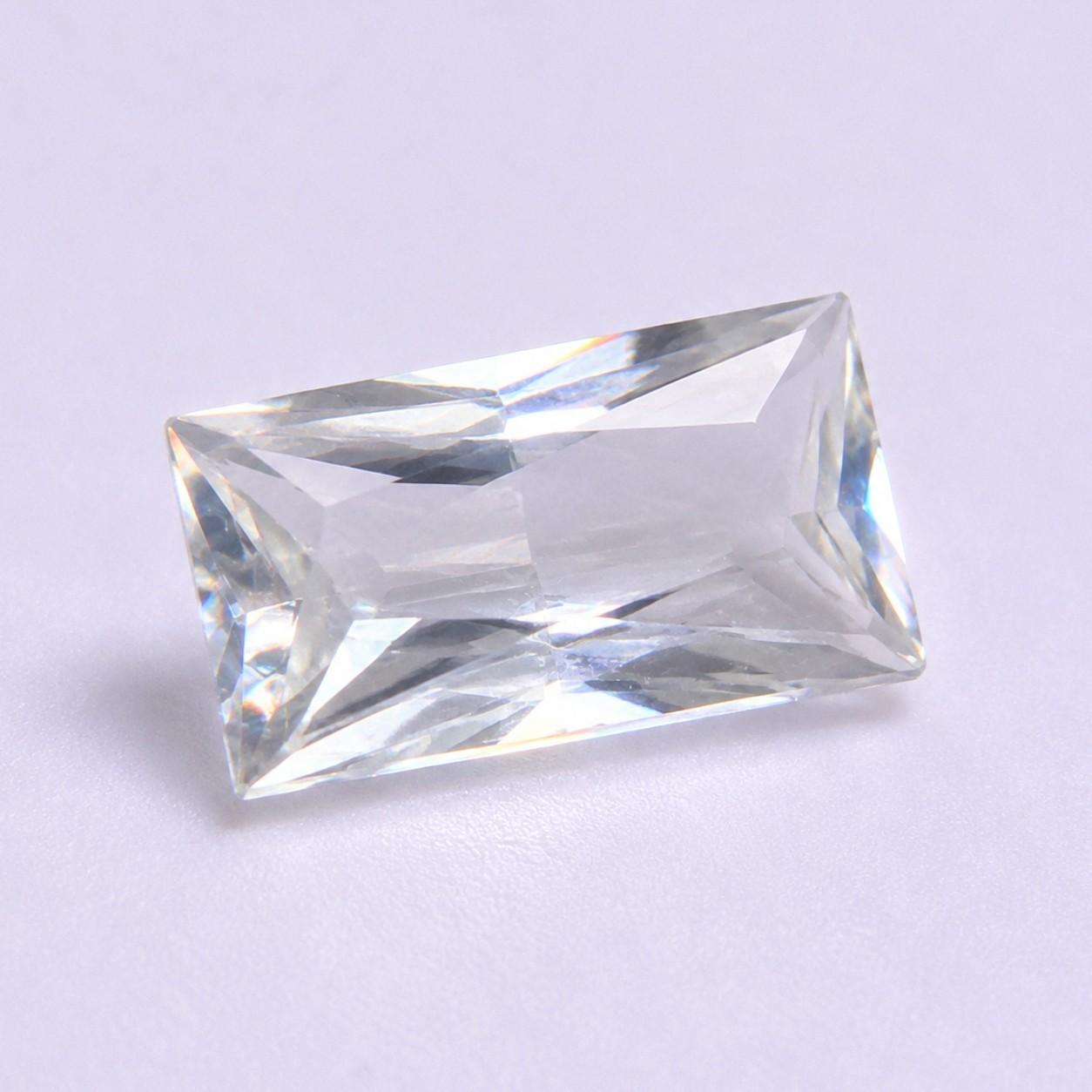
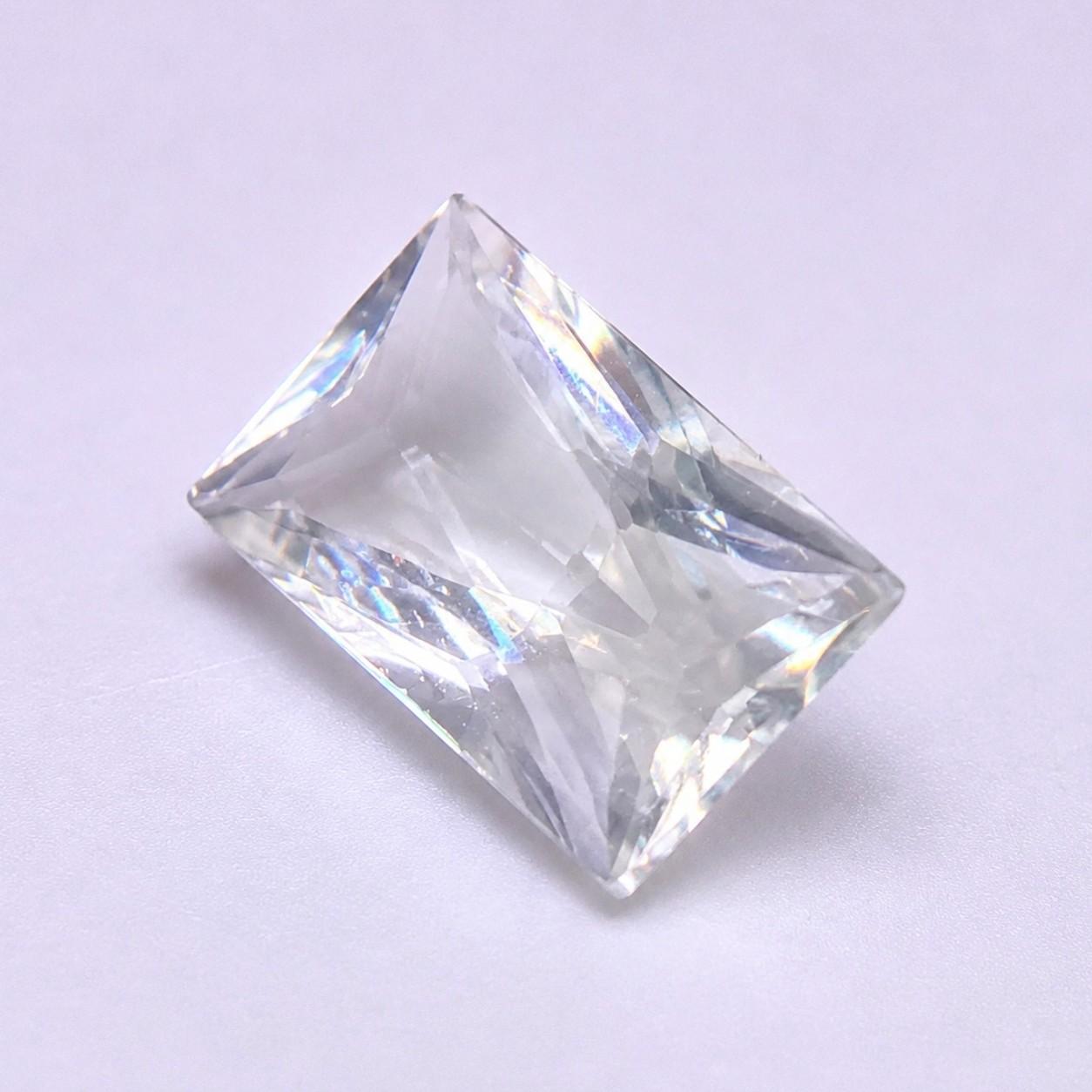
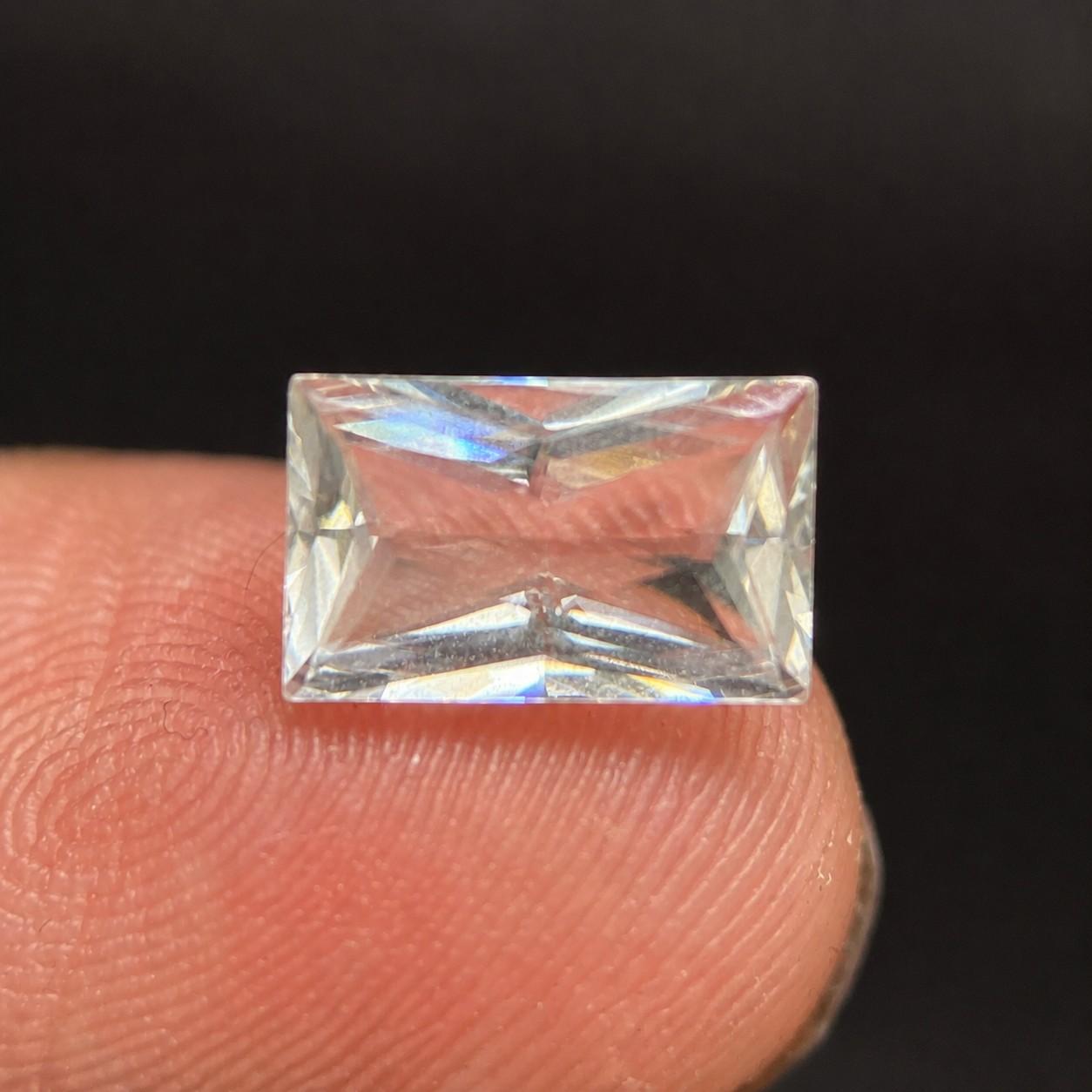
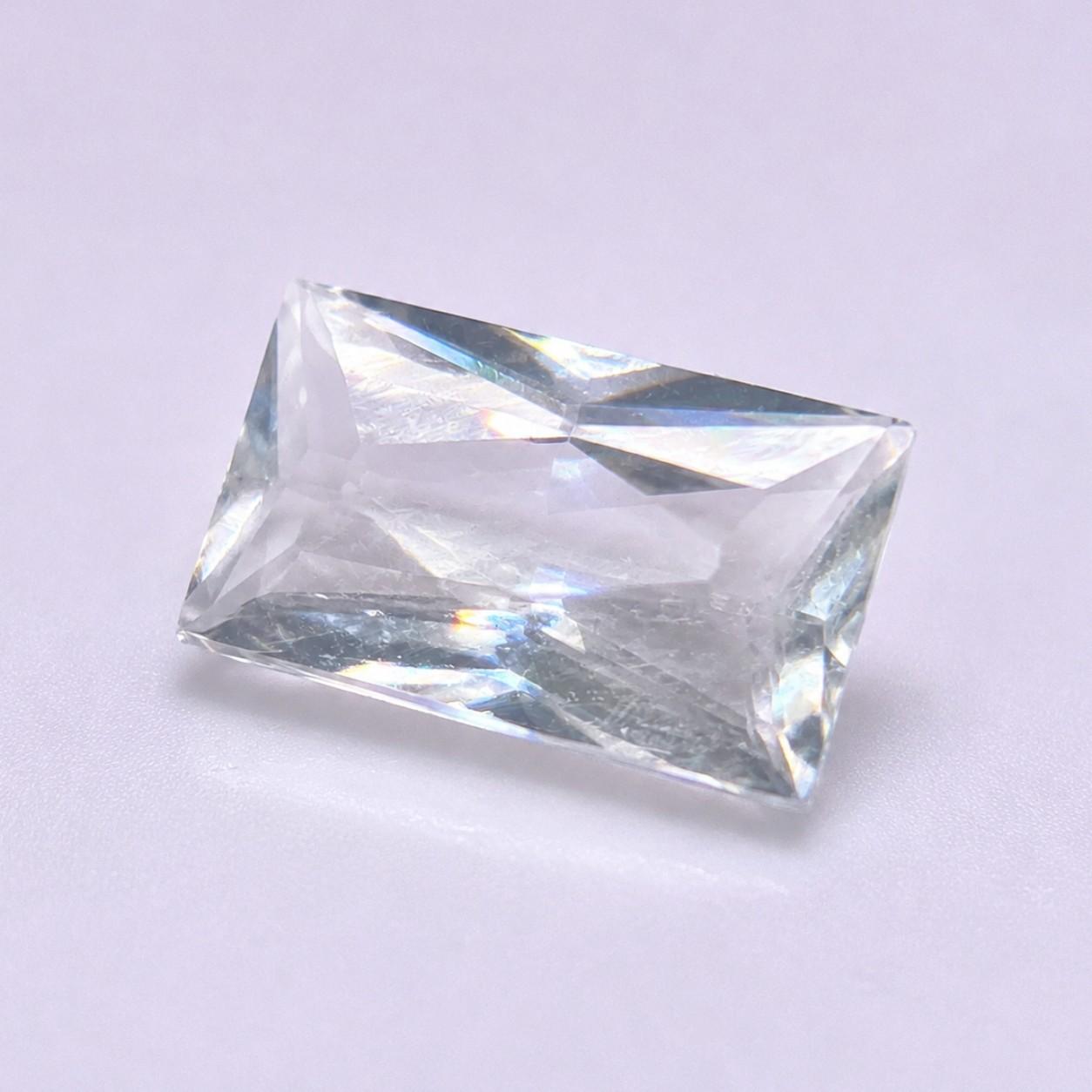
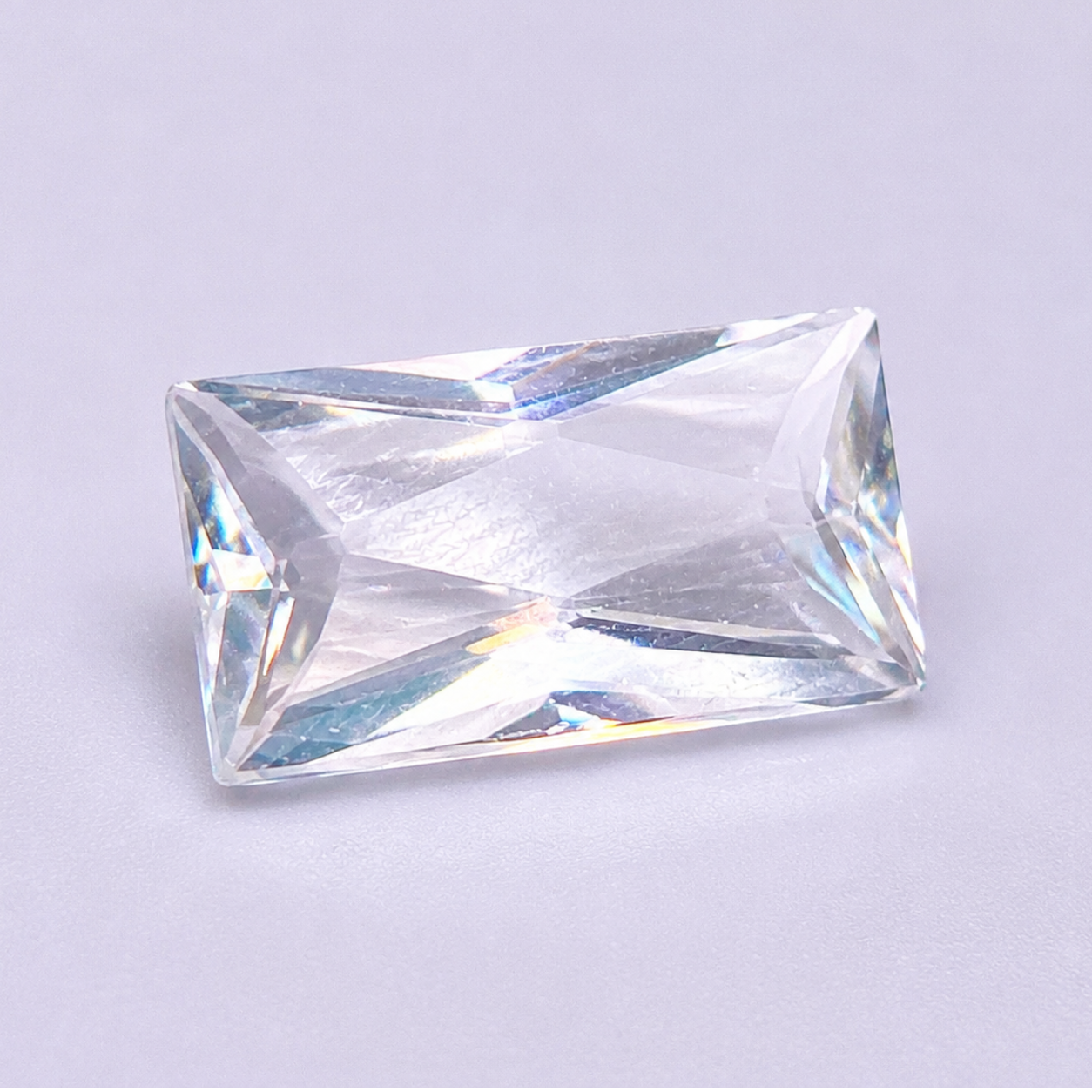
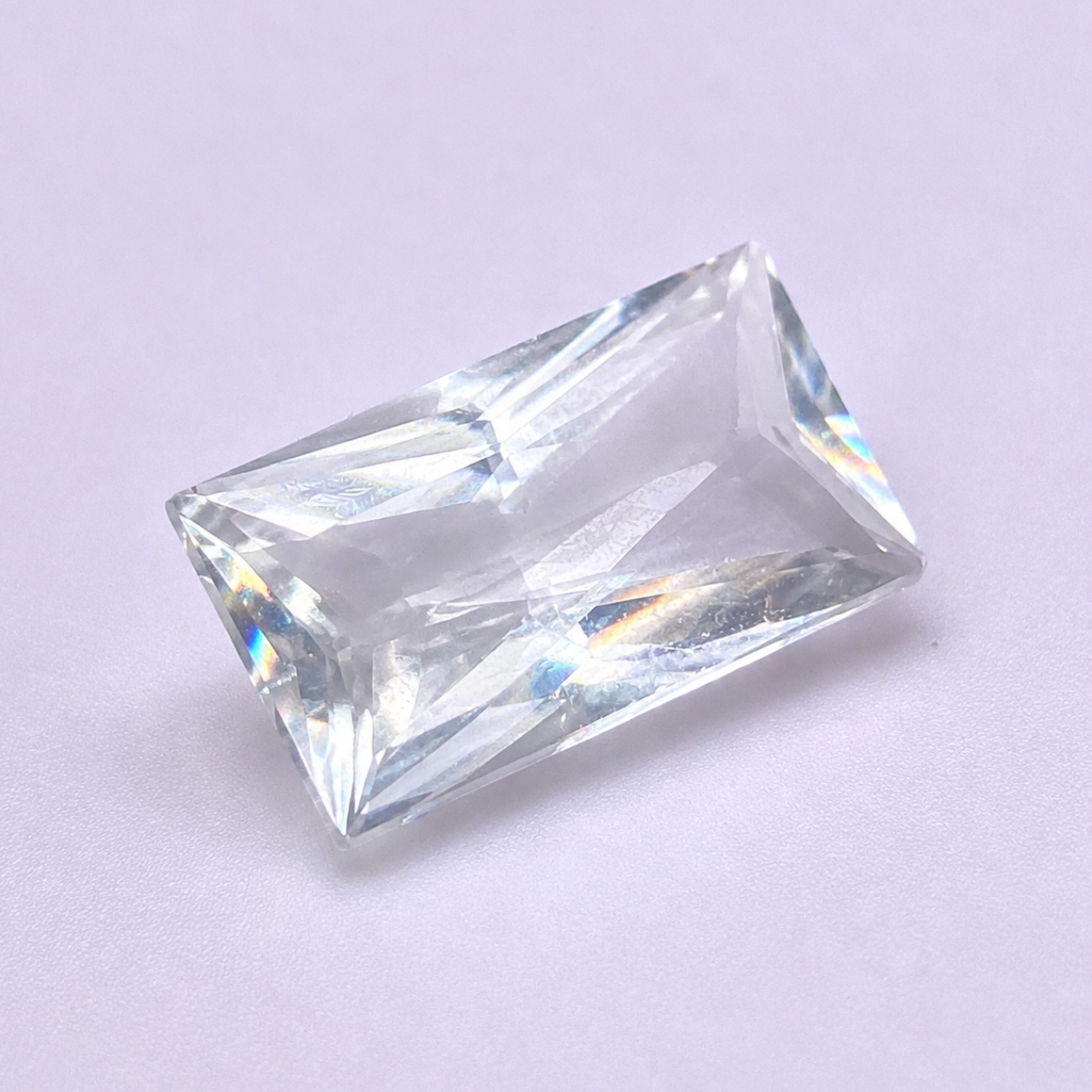
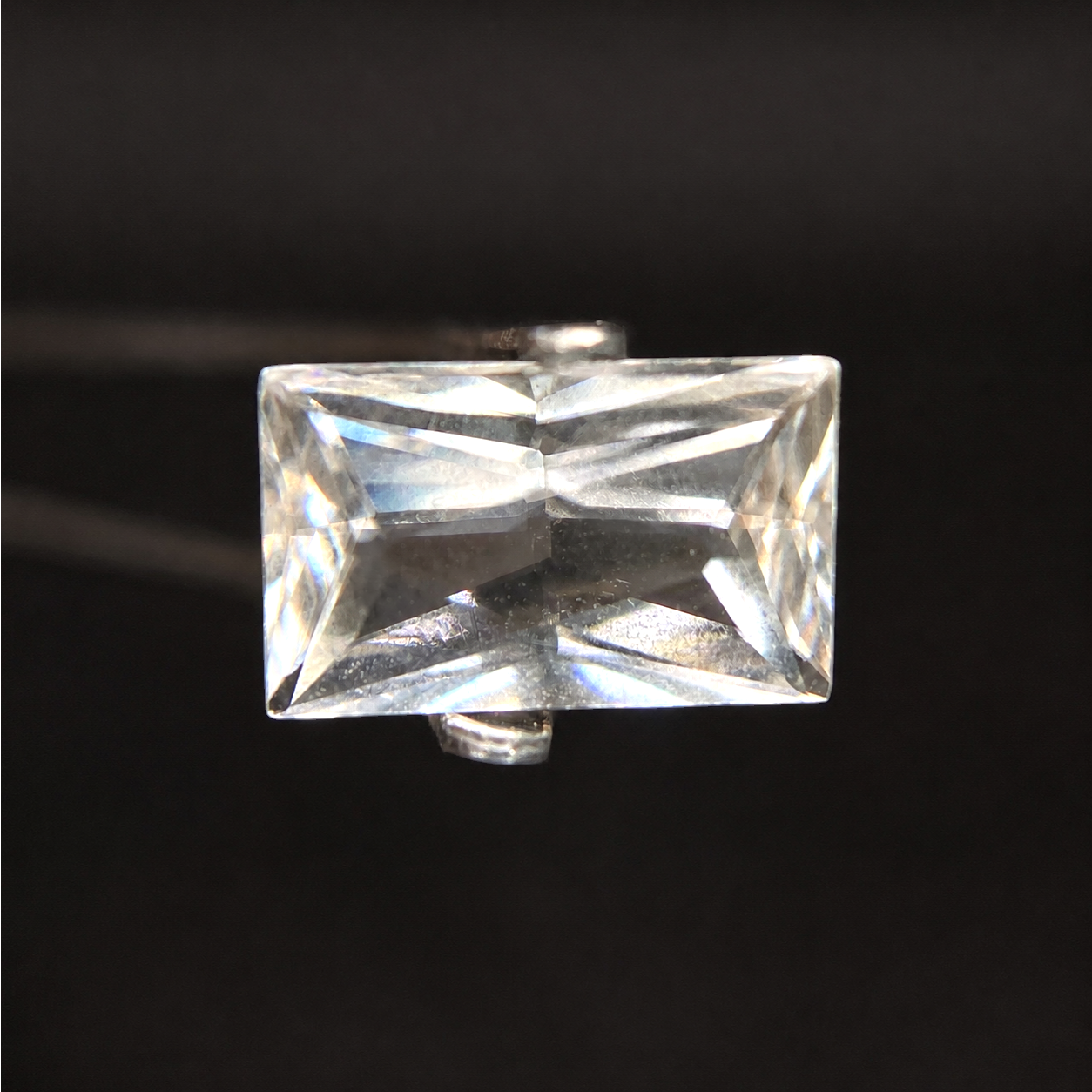
1.45 ct PHENAKITE – MYANMAR
EXPERT VERIFIED
- Expert Verified Gemstone
- Fast Handling & Shipping
- Secure Vault Packaging
$ 290 Original price was: $ 290.$ 250Current price is: $ 250.
Offer amount Feild


Smart Collector Choice


Pay with Crypto & Get 10% Automatic Discount

Availability: 1 in stock


- Freakingcats Gemstone Database
Phenakite
Phenakite is the ultimate “deceiver” of the gemstone world, and it is a stone I have always held in high regard for its sheer brilliance. It is a beryllium silicate that is so clear and has such a high refractive index that it was frequently mistaken for Quartz or even Diamond in the early days of mineralogy. I have always found Phenakite to possess a “cold,” electric energy; its transparency is often so absolute that a well-cut stone seems to disappear into the light. While it lacks the fire of a Diamond, its luster is piercing and its hardness makes it a formidable contender for high-end jewelry. For the collector, Phenakite represents the pinnacle of beryllium minerals—a stone that doesn’t need color to command attention, relying instead on its structural purity and its ability to outshine almost everything else in the vault.
The Heritage & Discovery
Historical Significance: Phenakite has a long history of being the “undercover” gem. Historically, it was often found alongside Emerald and Chrysoberyl in the Ural Mountains, where it was frequently dismissed as common Quartz until its unique properties were identified. It represents a specific type of pegmatitic and hydrothermal crystallization where beryllium is present without the chromium or vanadium needed to make Emerald. In the world of rare gems, it is prized for its extreme clarity and its association with some of the most famous gemstone localities on Earth.
Discovery: The mineral was officially named in 1833 by Nils Gustaf Nordenskiöld. He chose the name from the Greek word phenax, meaning “deceiver,” because of its uncanny ability to mimic Quartz. His discovery allowed mineralogists to finally categorize this high-order silicate correctly, separating it from the more common minerals it had been hiding among for centuries.
Important Mines: The historic Emerald mines of the Ural Mountains in Russia remain the legendary source for large, museum-quality Phenakite crystals. However, in recent years, Nigeria and Madagascar have produced incredible, water-clear crystals that have redefined the market for faceted stones. I also have a high regard for the specimens from Mount Antero in Colorado, USA, which are highly sought after by mineral collectors. I prioritize the Nigerian and Russian material for the vault, as they provide the size and clarity necessary to create truly breathtaking, large-scale faceted gems.
Mineralogical Profile
Description: Phenakite is a beryllium silicate that crystallizes in the trigonal system (rhombohedral). It sits at a 7.5 to 8 on the Mohs scale, making it exceptionally hard and durable, perfect for any jewelry application. It is characterized by its vitreous luster and its typically colorless appearance, though it can occasionally be found in pale yellow, pink, or brown tints.
One of its most identifying features is its high refractive index (n \approx 1.65 to 1.67), which is significantly higher than Quartz, giving it a much sharper “snap” and brilliance when faceted. Its crystals often form as rhombohedrons or long, slender prisms with complex terminations. Unlike many other beryllium minerals, Phenakite is often found with remarkably few internal inclusions, allowing for the creation of “loupe-clean” gems that act as perfect prisms for white light.
Chemical Formula: Be2SiO4
Related products
- Sale!Suggest a Price
![0.40 ct ANTHRACITE - USA]()
- Sale!Suggest a Price
![1.48 ct ANDALUSITE - BRAZIL]()
- Sale!Suggest a Price
![12.30 ct AMAZONITE - USA]()
- Sale!Suggest a Price
![0.28 ct ADAMITE - MEXICO]()


