
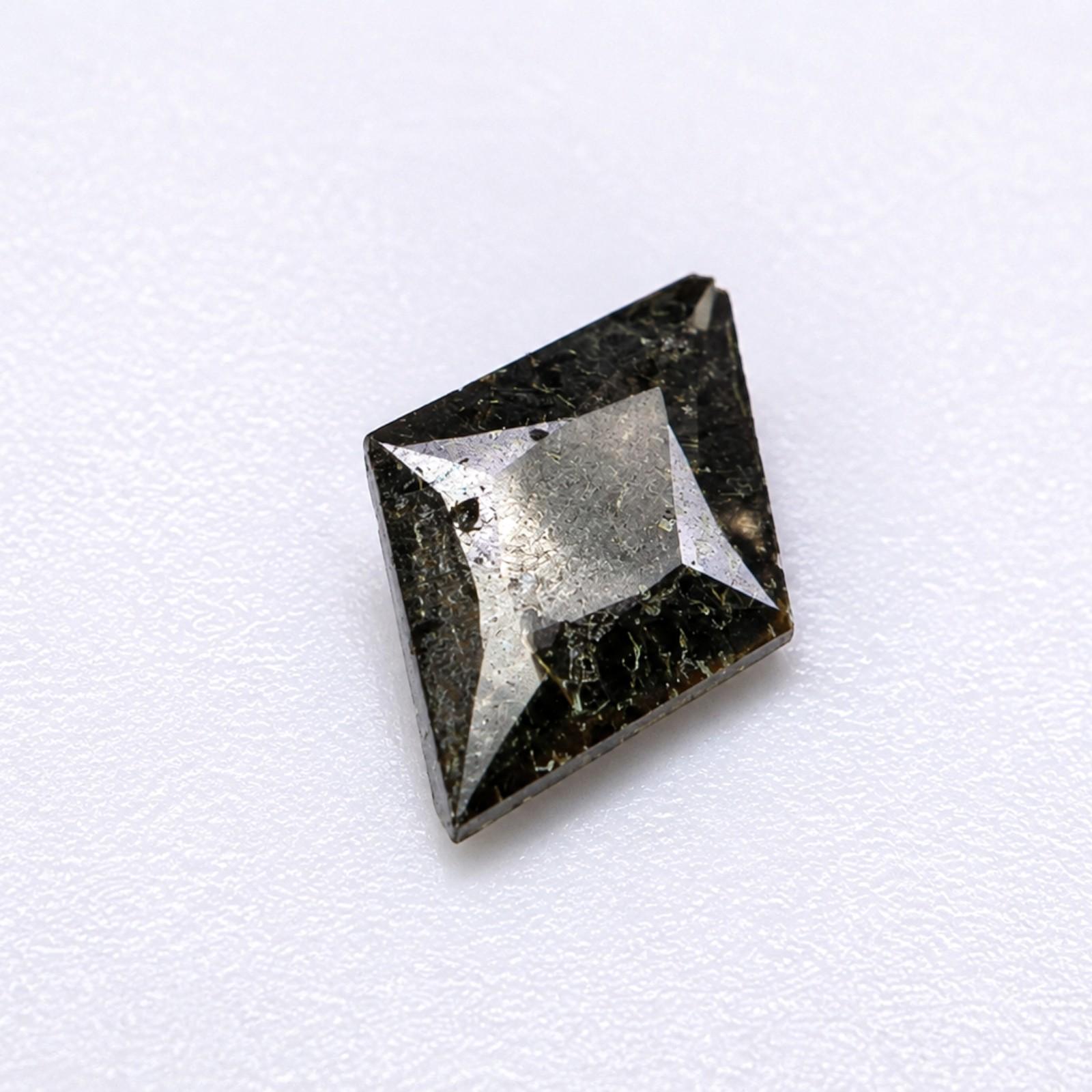
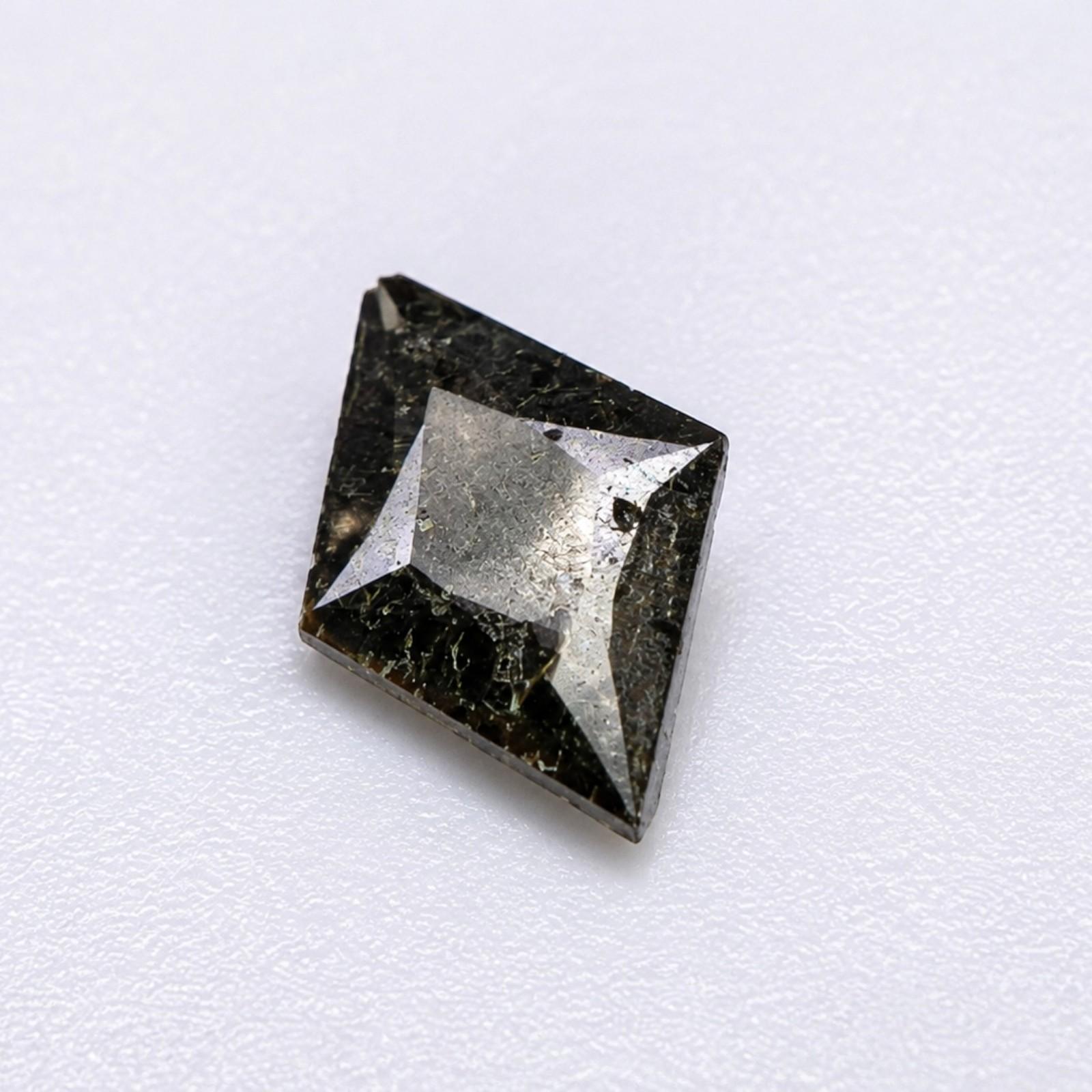
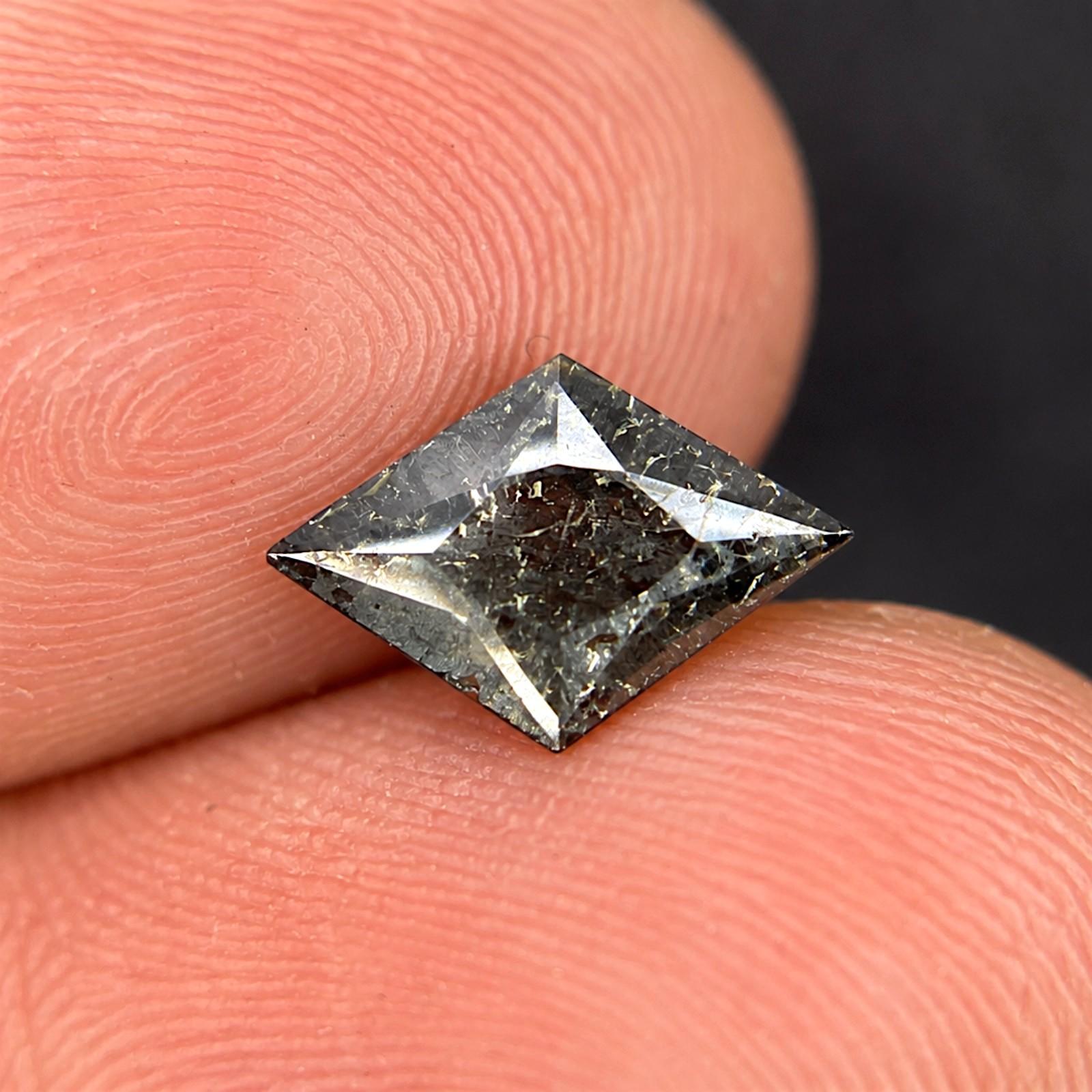
1.25 ct SAMARSKITE – USA
EXPERT VERIFIED
- Expert Verified Gemstone
- Fast Handling & Shipping
- Secure Vault Packaging
$ 150
Offer amount Feild


Smart Collector Choice


Pay with Crypto & Get 10% Automatic Discount

Availability: 1 in stock
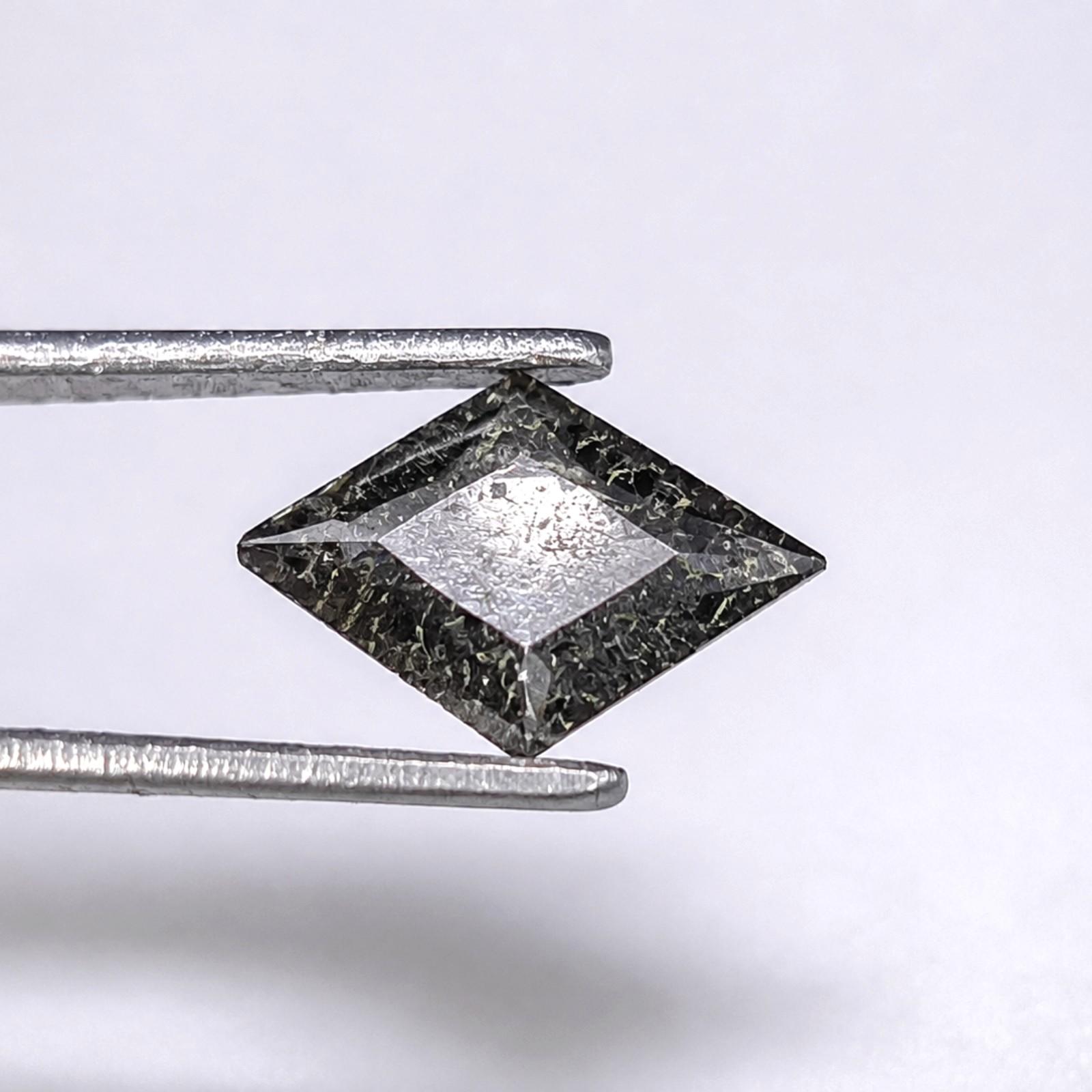
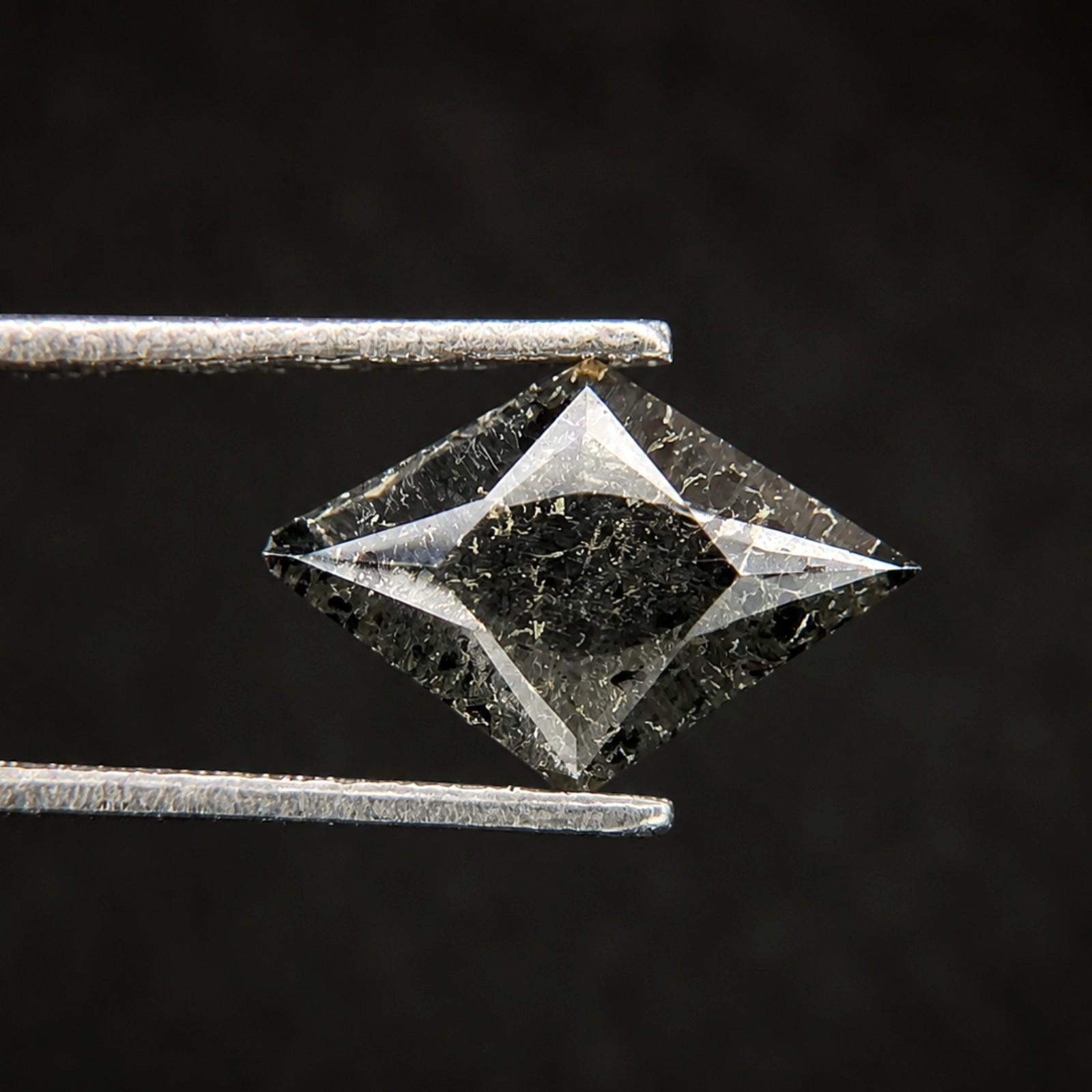
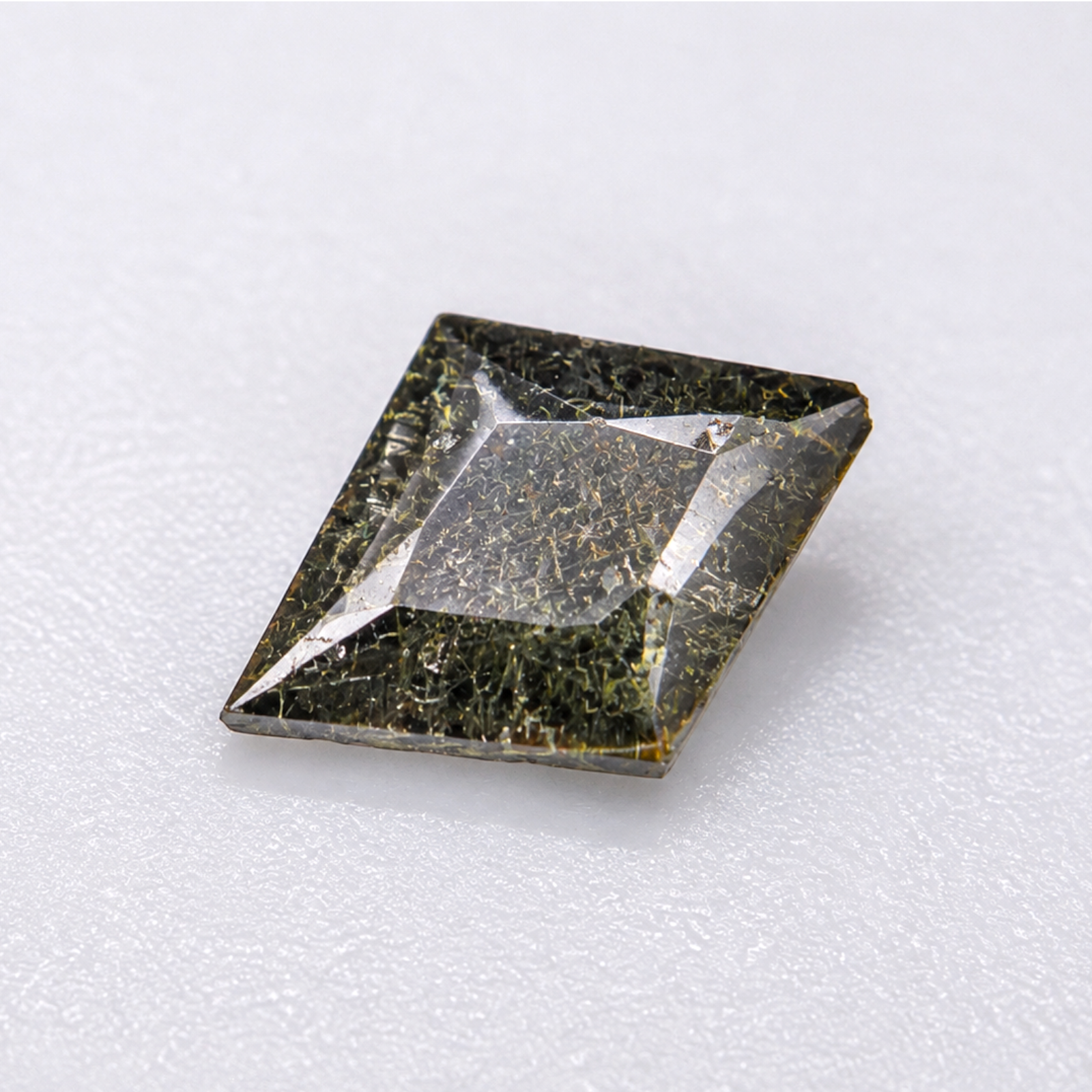
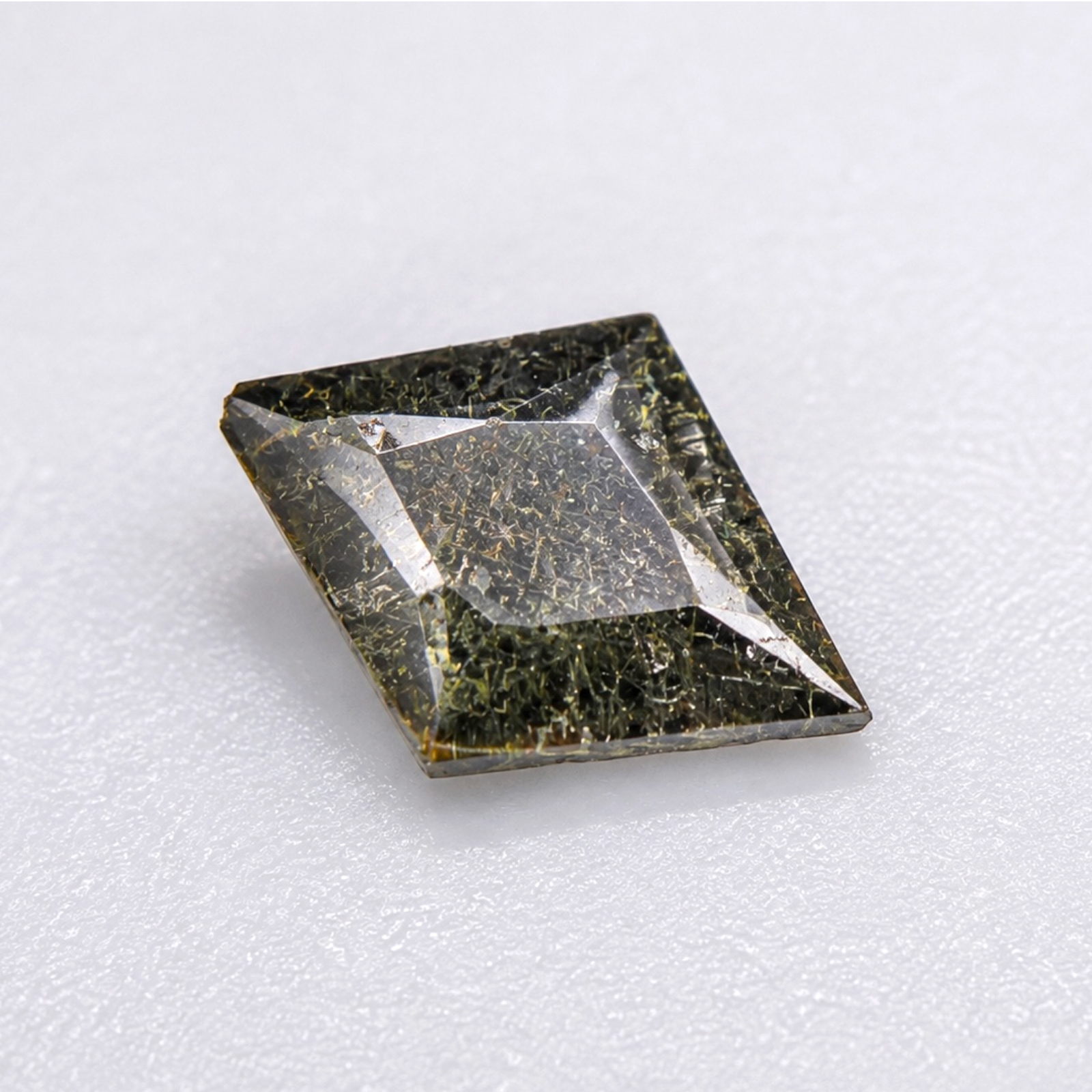


- Freakingcats Gemstone Database
Samarskite-(Y)
Samarskite-(Y) is a mineral that commands respect, not just for its complex chemistry but for its dark, imposing presence. It is a rare-earth oxide that often appears as velvet-black to brownish-black masses or crude, tabular crystals. I have always found it to be one of the most “mysterious” minerals in the vault; it is often radioactive due to its uranium and thorium content, which, over millions of years, can actually destroy the mineral’s own crystal lattice—a process we call “metamictization.” Despite this internal chaos, it possesses a brilliant, sub-metallic to vitreous luster that looks like black glass when broken. Faceting Samarskite-(Y) is a rare feat for the specialist collector, as it requires careful handling and a deep appreciation for the heavy, rare-earth elements that give this stone its incredible density and dark soul.
The Heritage & Discovery
Historical Significance: Samarskite-(Y) is a titan in the history of chemistry. It was the “mother mineral” from which the element Samarium was first isolated, and it played a crucial role in the discovery of other rare-earth elements like Gadolinium. Historically, it represents the complexity of pegmatite mineralogy, where rare elements like Yttrium, Niobium, and Tantalum congregate. In the world of mineral collecting, it is a prized “radioactive rarity,” serving as a physical archive of the elemental diversity of the Earth’s most evolved magmas.
Discovery: The mineral was first described in 1847 and was named in honor of Vasili Samarsky-Bykhovets, a Russian mining engineer and Chief of the Russian Mining Cadet Corps. Interestingly, because Samarium was named after the mineral, Samarsky-Bykhovets became the first person to have a chemical element named after them—albeit indirectly. This mineral stands as a bridge between the golden age of Russian mineralogy and the birth of modern elemental chemistry.
Important Mines: The type locality for Samarskite-(Y) is the Miass region in the Ilmen Mountains of Russia, a legendary site for rare-earth minerals. However, some of the most significant specimens have also emerged from the Mitchell County pegmatites in North Carolina, USA, and various localities in Madagascar and Brazil. I look for the most “vitreous” specimens from Madagascar for documentation, as they often show the best luster and the most interesting conchoidal fractures, which are characteristic of its metamict state.
Mineralogical Profile
Description: Samarskite-(Y) is a complex oxide containing yttrium, iron, niobium, and tantalum, crystallizing in the orthorhombic system (though often found in an amorphous, metamict state). It sits at a 5 to 6 on the Mohs scale, making it relatively hard, but it is brittle and prone to fracturing. It is characterized by its velvet-black color and a streak that ranges from dark reddish-brown to black.
One of its most identifying features is its high density (5.6 to 5.8 g/cm³), which gives even small pieces a surprising “heft.” Because it often contains Uranium (UO_{2}), it is frequently radioactive; this radiation eventually breaks down the internal structure, turning the once-ordered crystal into a glass-like state. When faceted, it takes a high polish and displays a dark, obsidian-like brilliance that is uniquely captivating for those who appreciate the beauty of the “forbidden” minerals.
Chemical Formula: (Y,Fe3+,Fe2+,U,Th,Ca)2(Nb,Ta)2O8


