
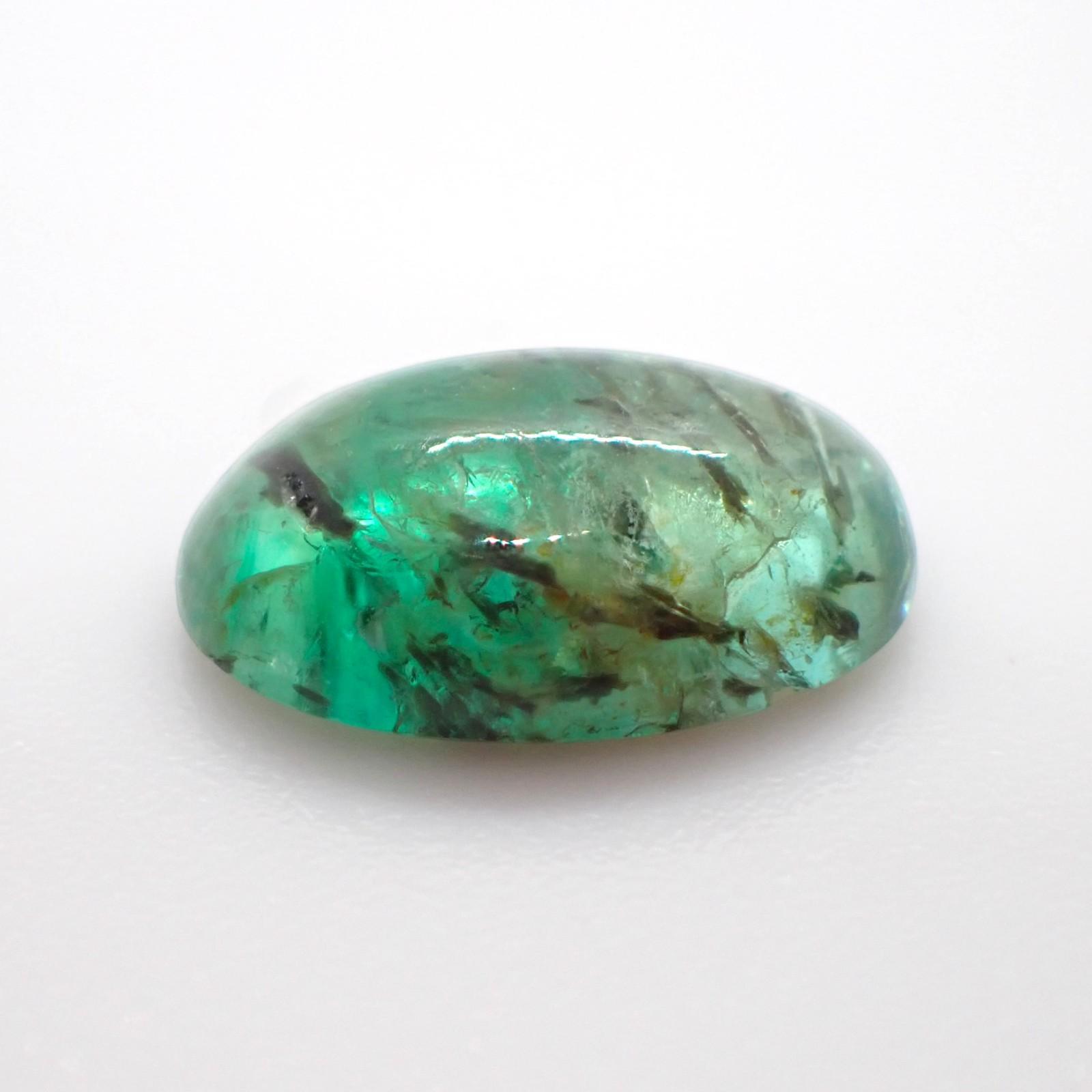
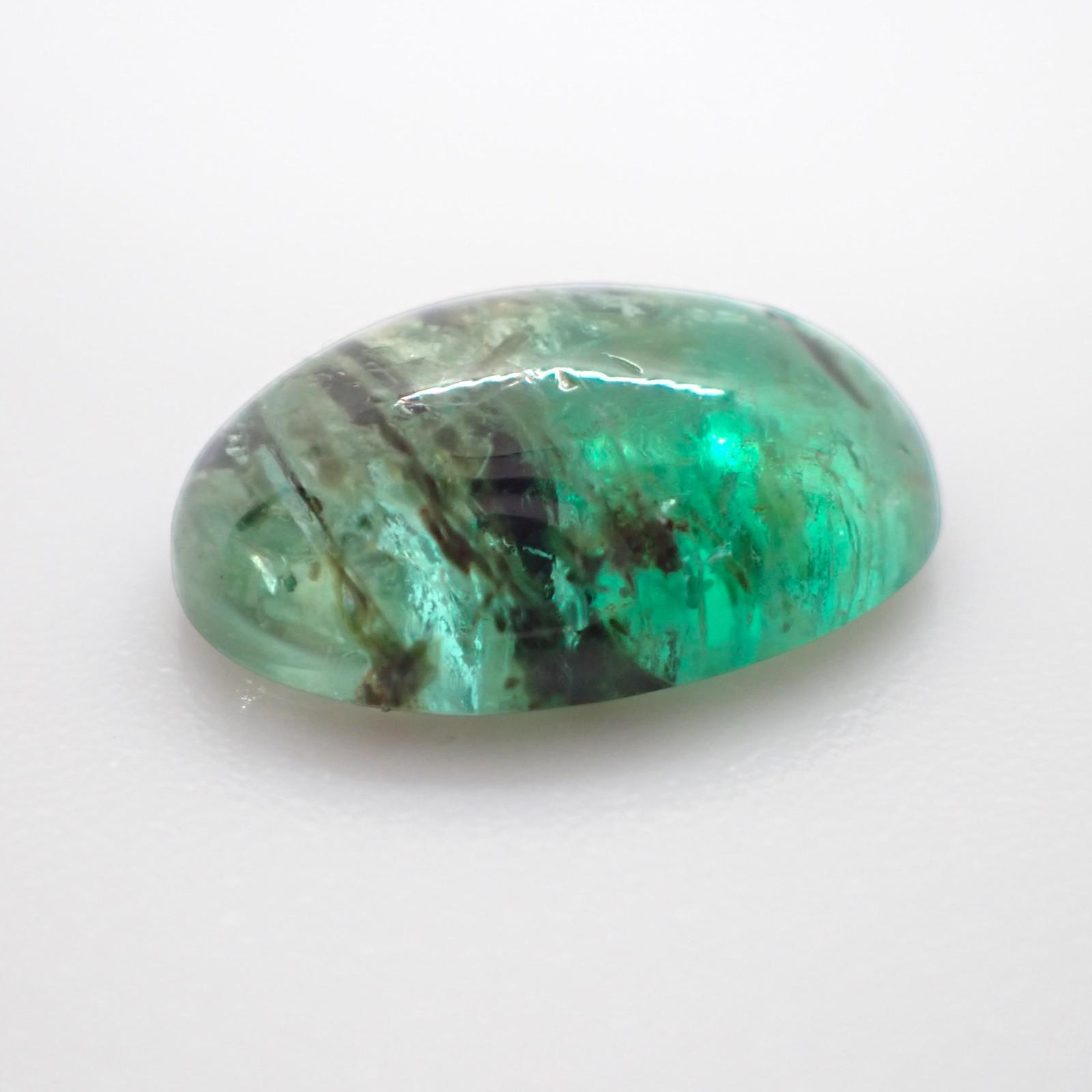
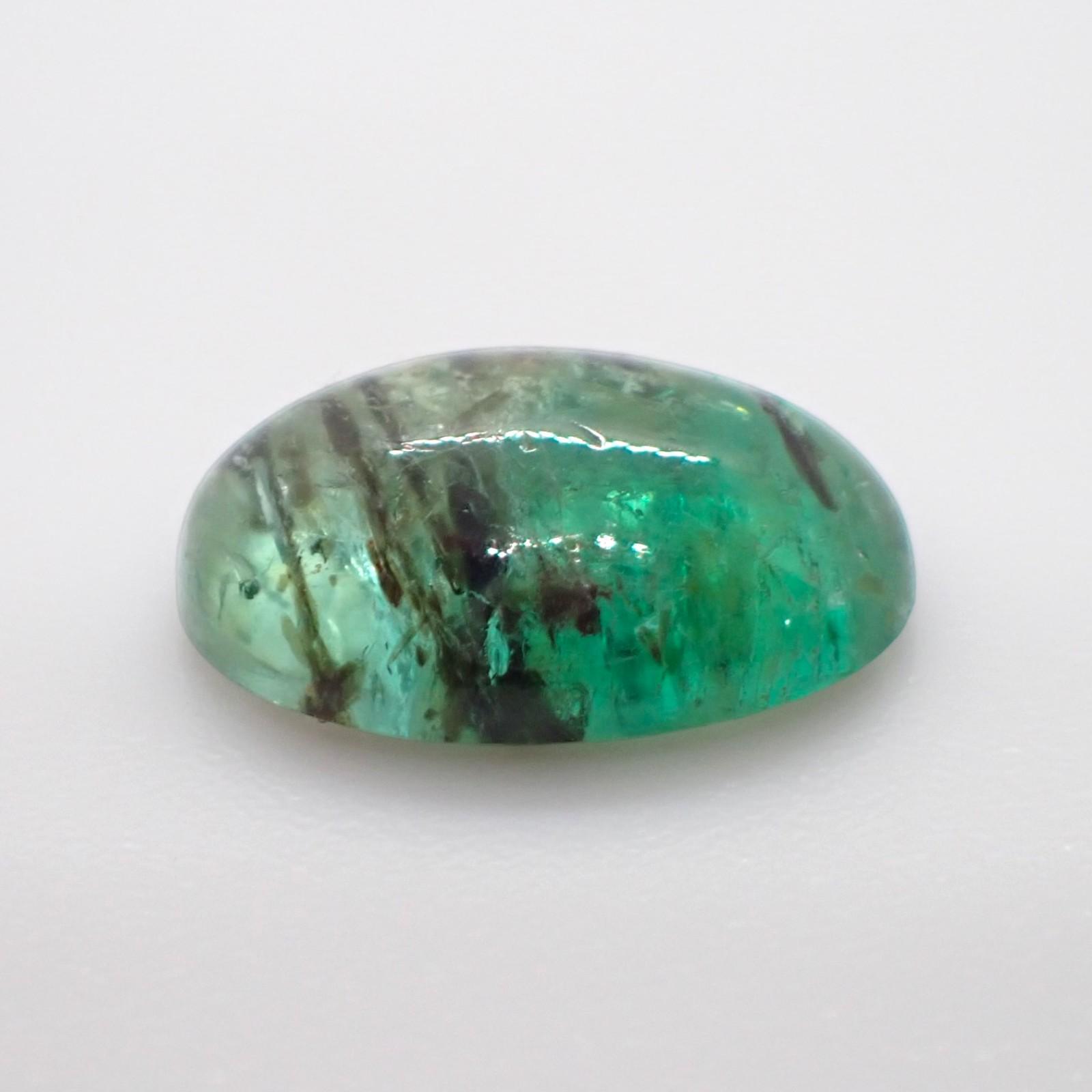
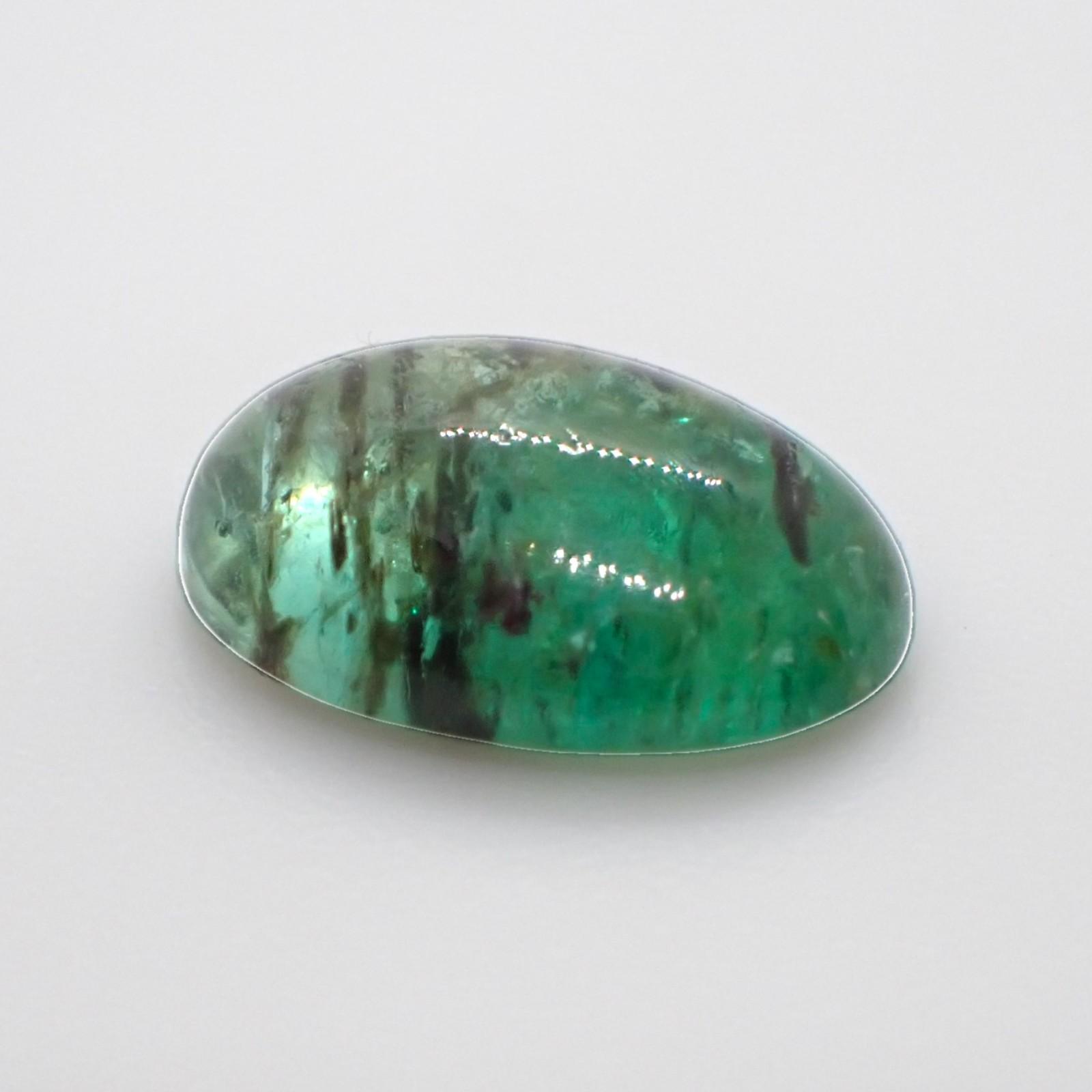
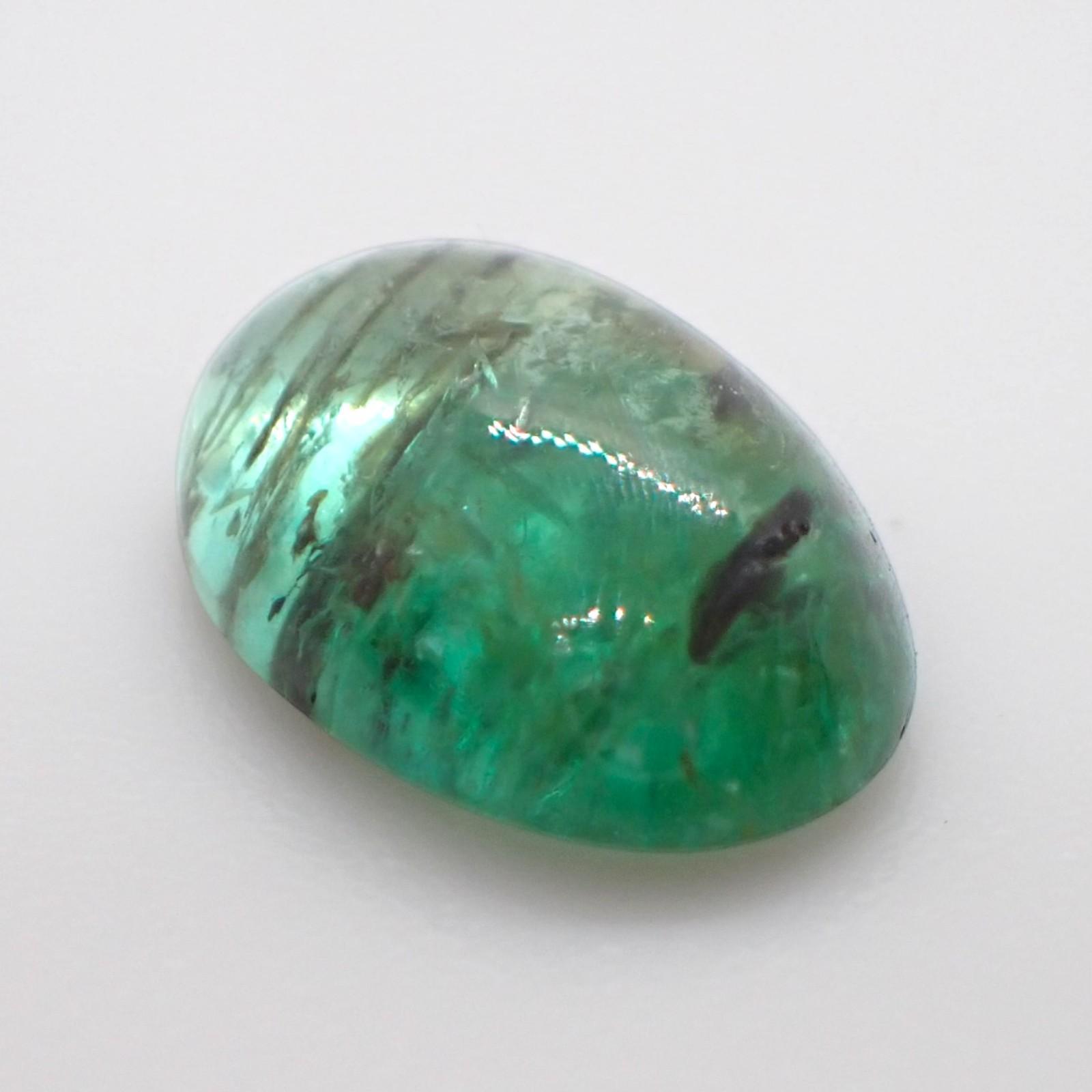
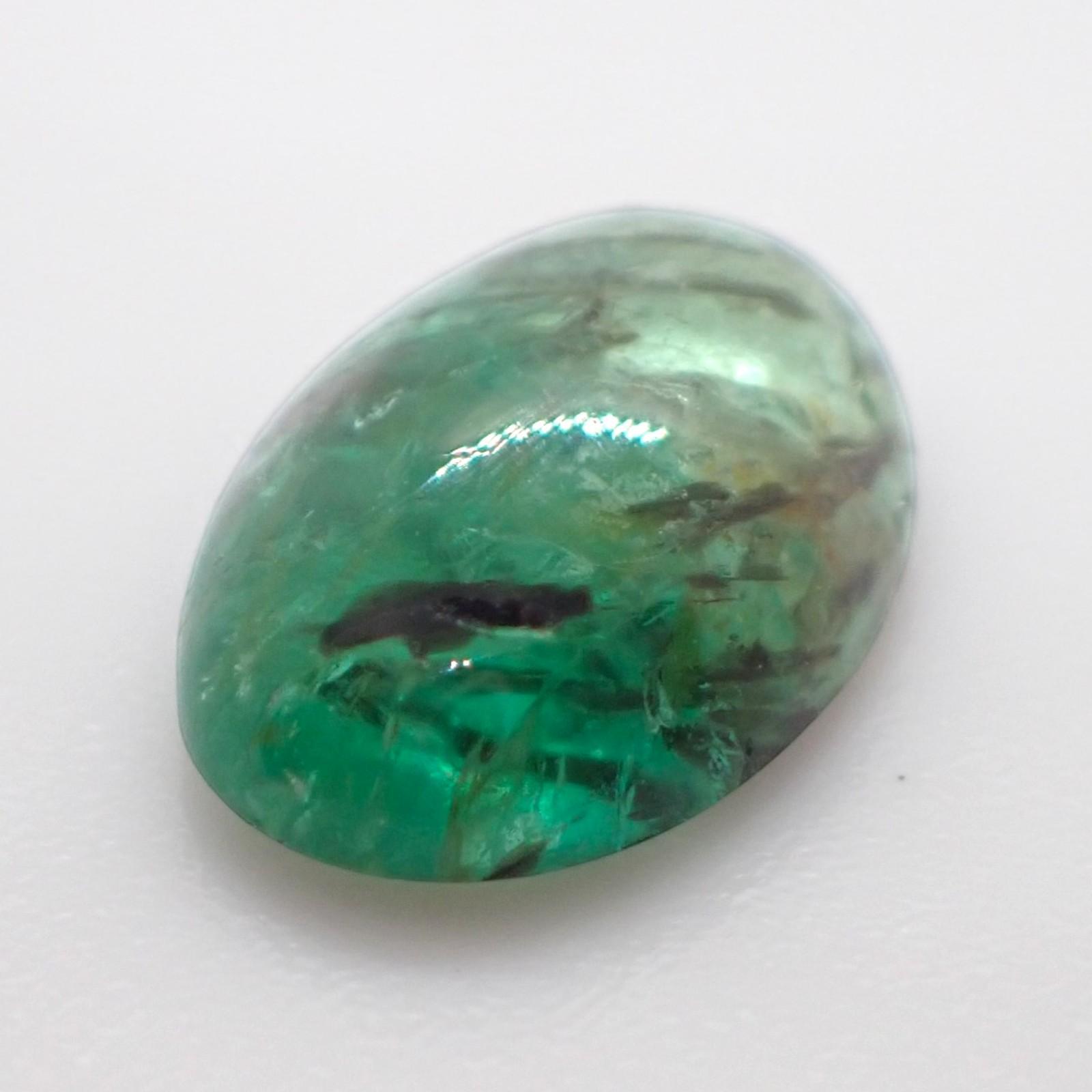
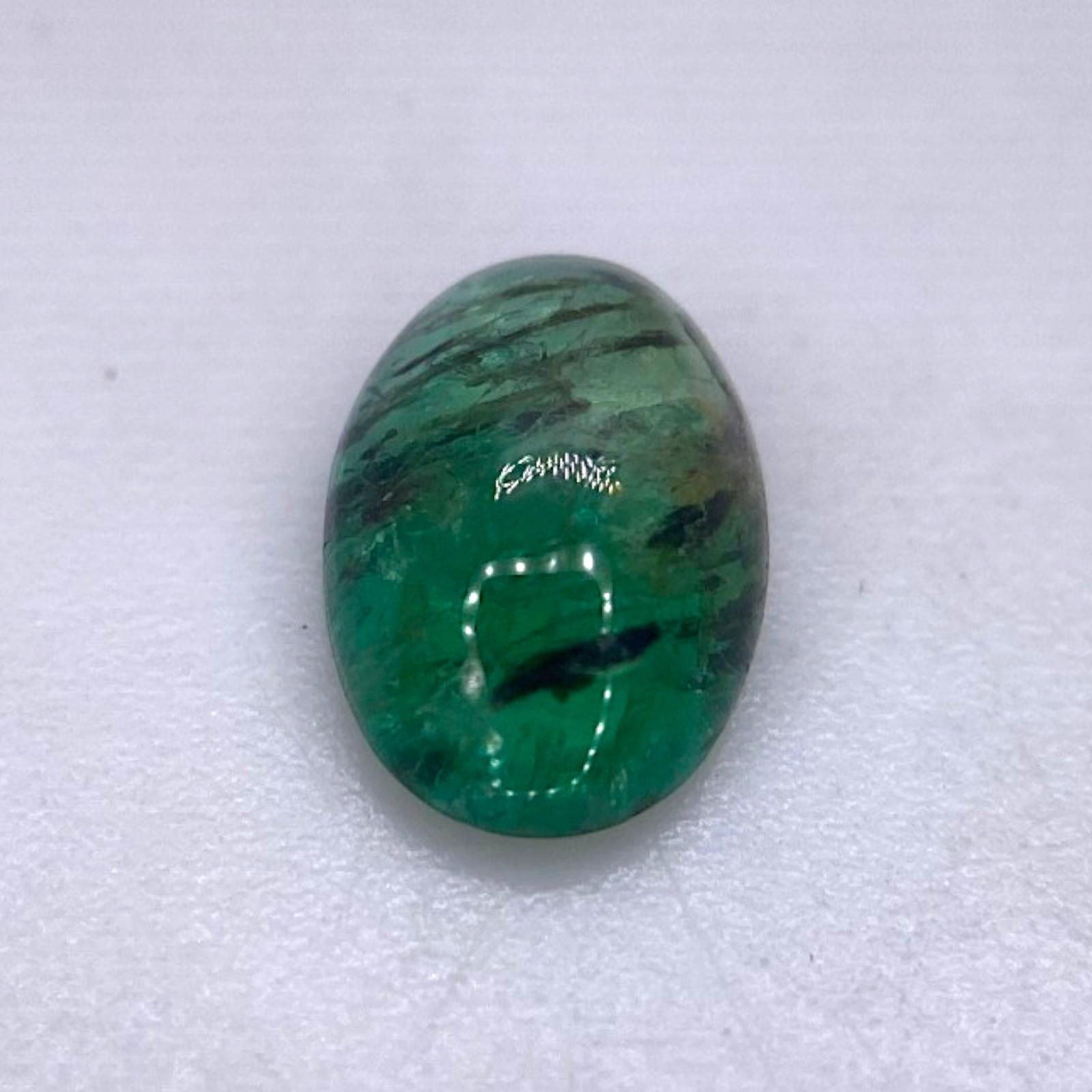
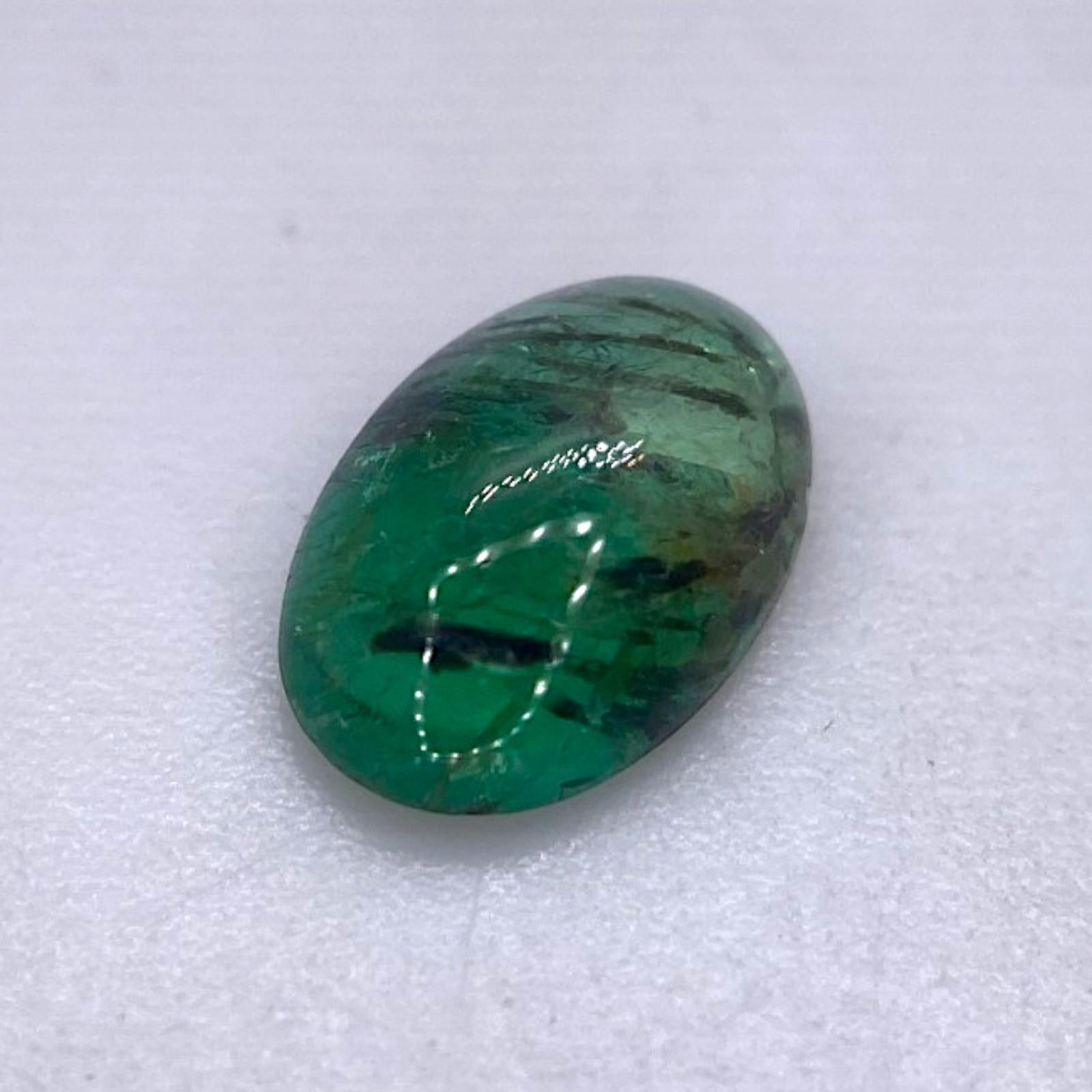
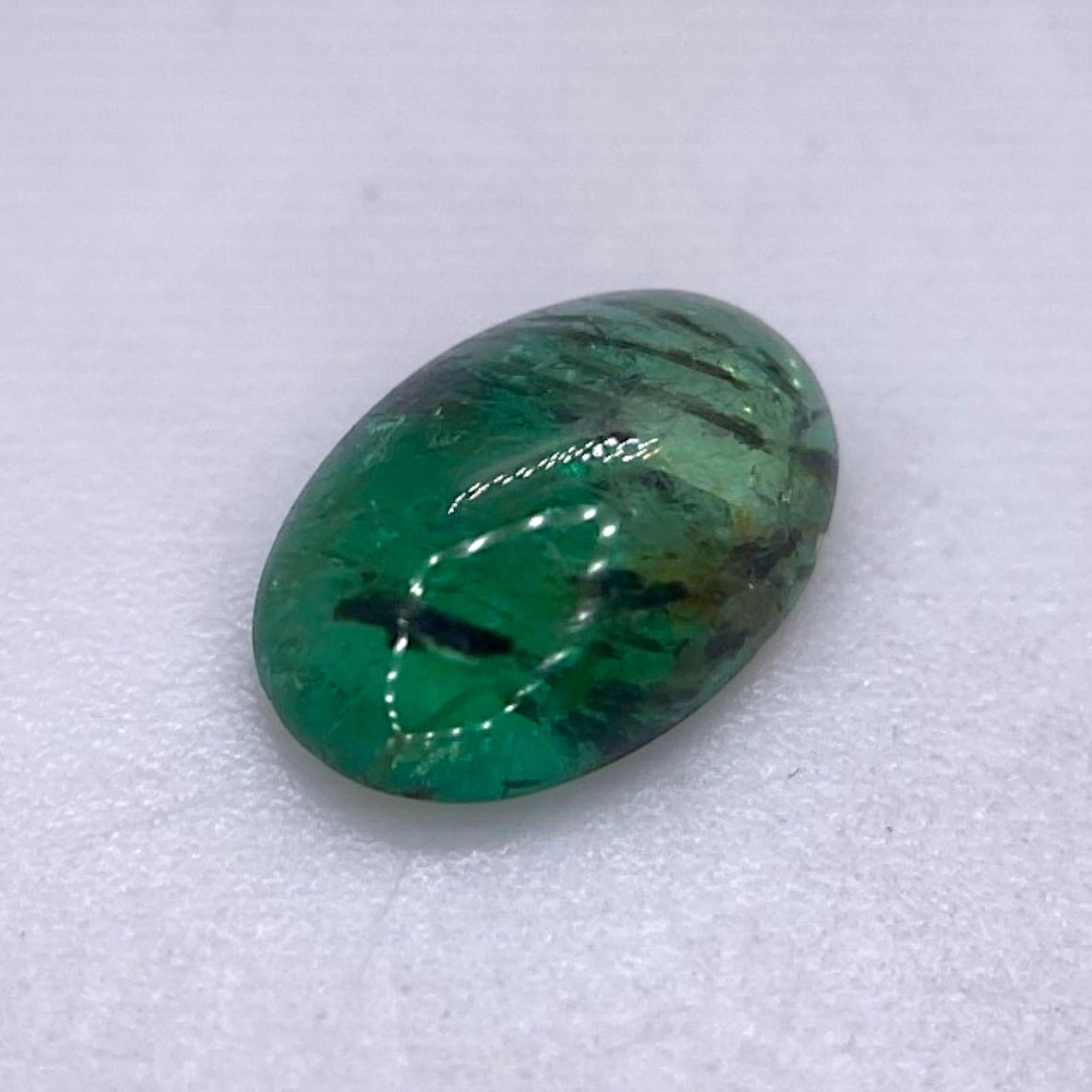
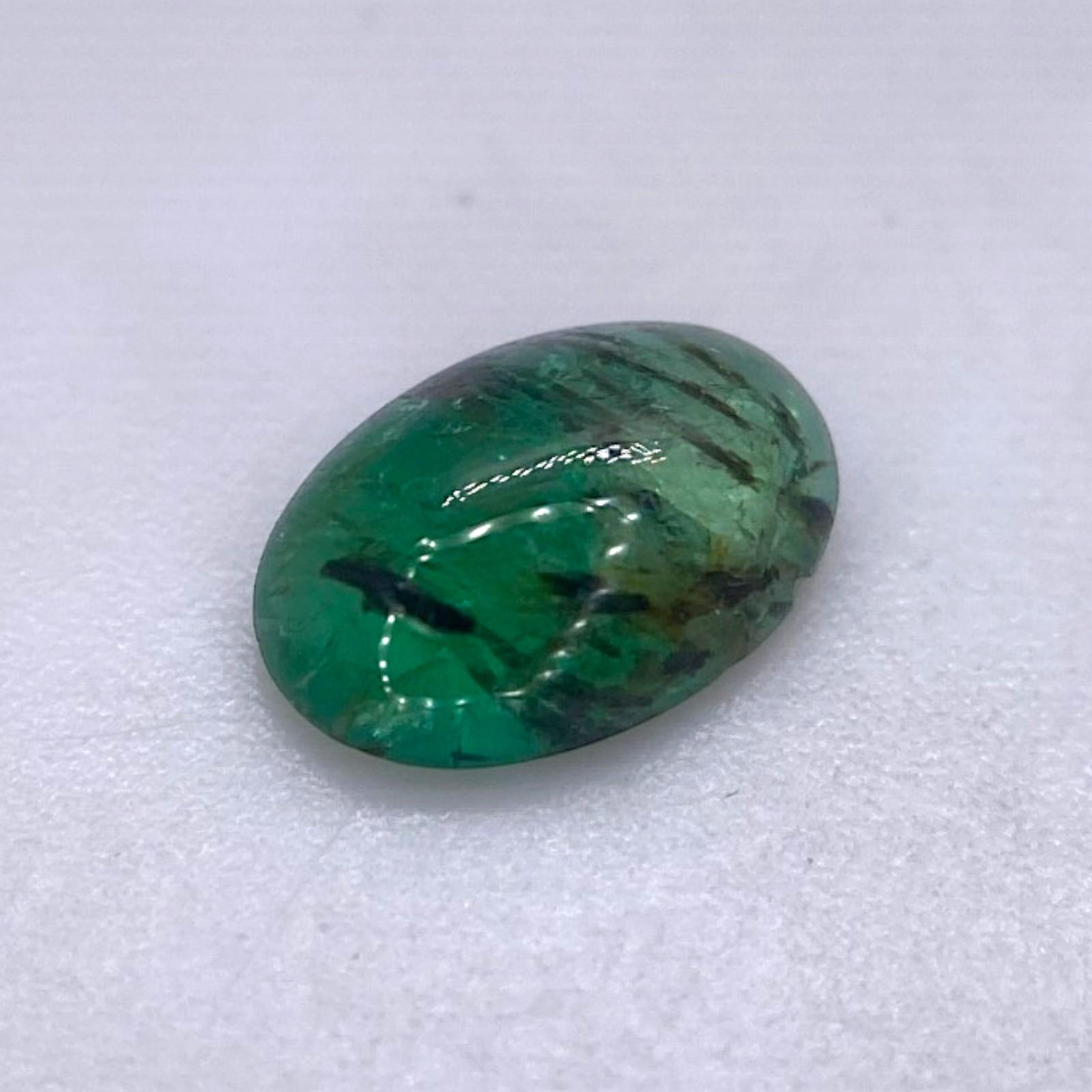
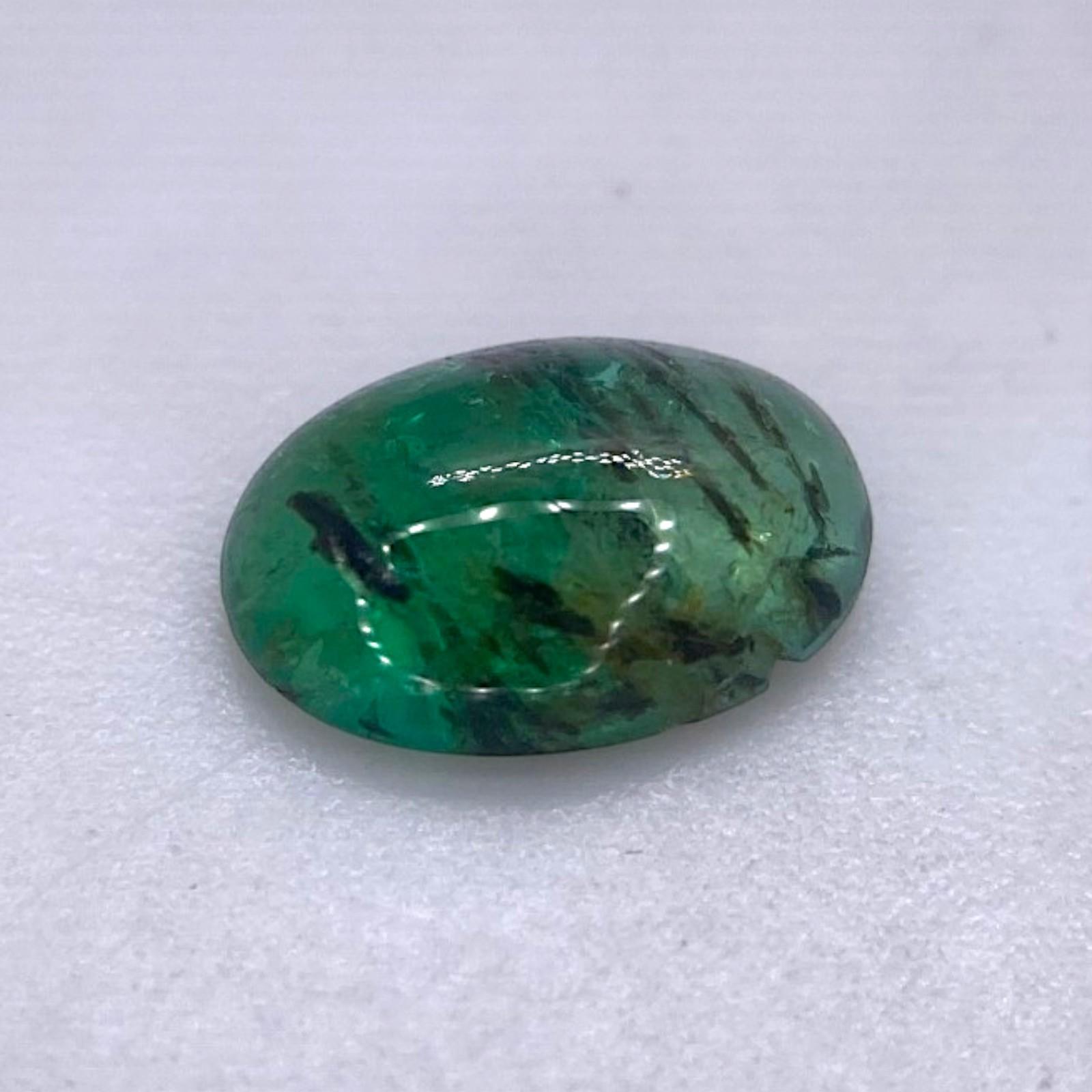
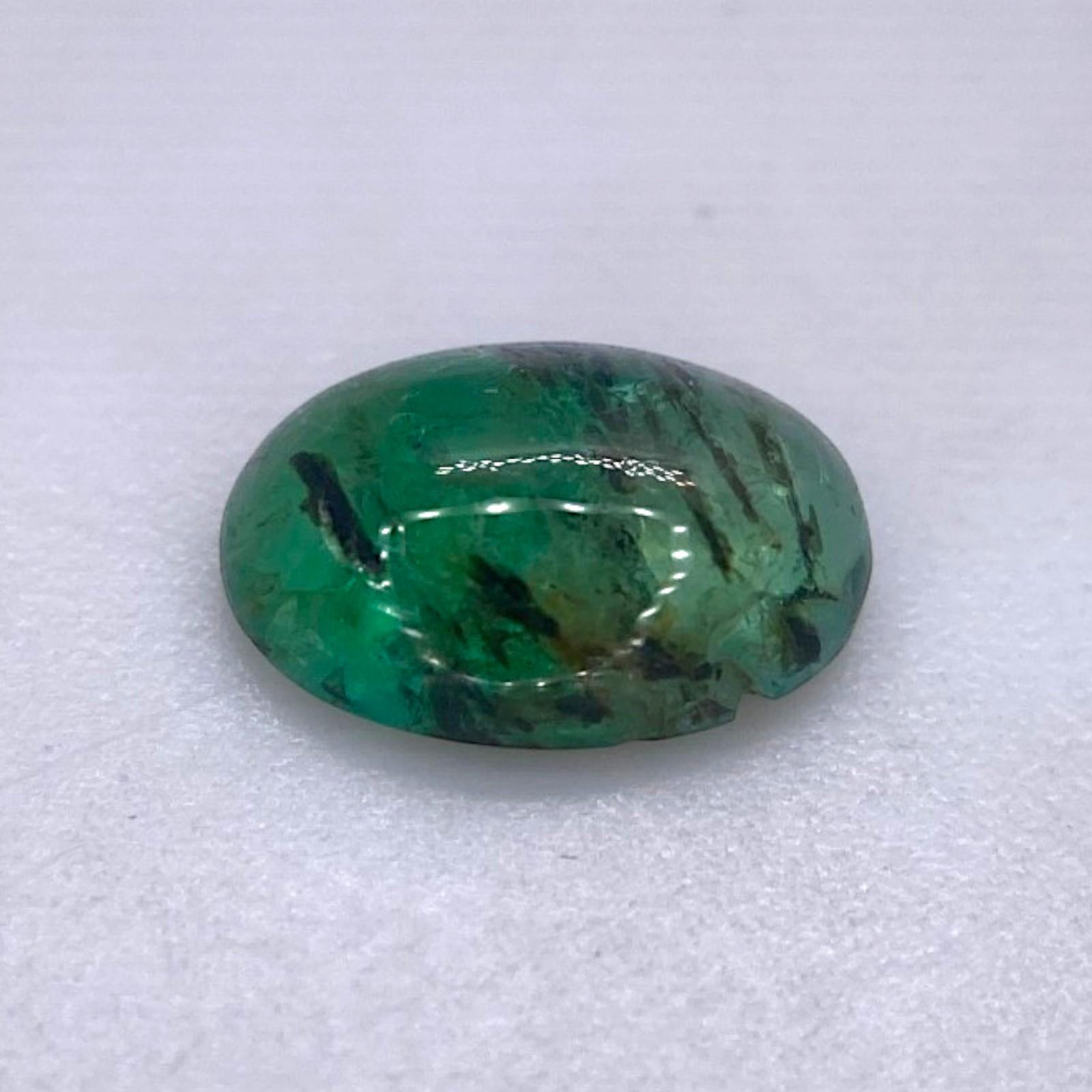
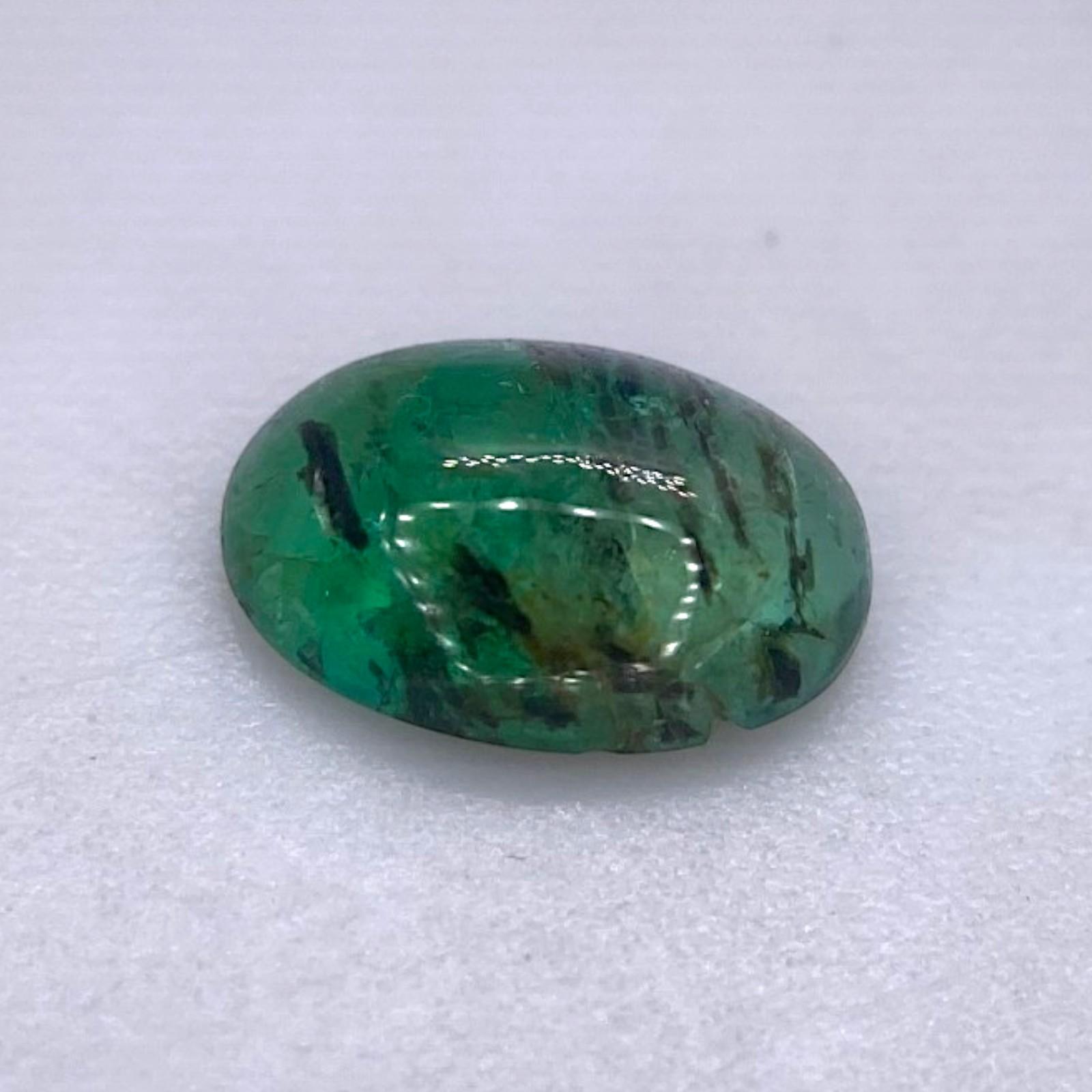
1.35 ct EMERALD WITH TREMOLITE EMERALD – ZIMBABWE
EXPERT VERIFIED
- Expert Verified Gemstone
- Fast Handling & Shipping
- Secure Vault Packaging
$ 300
Offer amount Feild


Smart Collector Choice


Pay with Crypto & Get 10% Automatic Discount

Out of stock


- Freakingcats Gemstone Database
Emerald with Tremolite Inclusions
Emerald is the most celebrated variety of Beryl, but for the collector of mineralogical curiosities, it is the internal world of the stone that holds the true treasure. Finding an Emerald with Tremolite inclusions is a journey into the heart of a high-pressure metamorphic struggle. I have always been fascinated by how these two distinct minerals—a beryllium silicate and a calcium-magnesium amphibole—can coexist. In the finest specimens, the Tremolite appears as delicate, hair-like “bamboos” or needle-like fibers drifting through the lush green “garden” (jardin) of the emerald. These inclusions aren’t just flaws; they are the “DNA” of the stone, proving its natural origin and telling the story of the intense geological forces that birthed it in the mountain schist.
The Heritage & Discovery
Historical Significance: Emeralds have been the “Crown Jewels” of the gem world for millennia, but the specific study of their inclusions became a science in the 20th century. Historically, identifying “needle-like” inclusions helped gemologists distinguish between the hydrothermal emeralds of Colombia and the schist-hosted emeralds of Africa and Russia. In the world of fine minerals, Tremolite-bearing emeralds are celebrated as the definitive “biography” of a stone formed within metamorphic mica schists. They stand as a testament to the complex chemical exchange that happens when beryllium-rich fluids meet magnesium-rich host rocks deep within the Earth’s crust.
Discovery: While Emerald has been known since the Pharaohs, the specific identification of Tremolite inclusions was a milestone for 20th-century gemology. Scientifically, it proved that these stones grew in an environment rich in magnesium and calcium. This “internal fingerprinting” allows us to trace a stone back to its specific mountain range, ensuring that the history and provenance of the gem are as transparent as its crystal structure.
Important Mines: The legendary source for Emeralds featuring these classic “actinolite-tremolite” needles is the Sandawana Mine in Zimbabwe. These stones are famous for their deep, vivid green and their distinct internal “forest” of needles. I also have a high regard for the material from the Habachtal in Austria and the Ural Mountains in Russia. For the vault, I prioritize these “schist-type” emeralds, as their unique inclusions provide a character and a “glow” that differentiate them from the cleaner, fluid-filled inclusions of Colombian material.
Mineralogical Profile
Description: Emerald is a variety of Beryl (beryllium aluminum silicate) colored by trace amounts of chromium and/or vanadium. It sits at a 7.5 to 8 on the Mohs scale, though the presence of inclusions makes it more brittle than other beryls. It is characterized by its vitreous luster and its unmistakable “emerald green” hue.[Image showing a microscopic view of “bamboo-like” Tremolite needles encased within a vibrant green Emerald crystal]
One of its most identifying traits in this variety is the paragenesis with Tremolite. The Tremolite inclusions often form as long, thin prisms with characteristic cross-fractures that resemble bamboo stalks. Emerald itself has a refractive index (n approx 1.57 to 1.58). When I facet an Emerald with these inclusions, my goal is to balance the transparency of the Beryl with the placement of the Tremolite needles, allowing them to catch the light without “extinguishing” the stone’s brilliance. The presence of these needles is a hallmark of “old-world” schist emeralds, offering a depth and a “silky” texture to the green that is highly prized by those who know what to look for.
Chemical Formula: Be3Al2(SiO3)6 (with Tremolite: Ca2Mg5Si8O22(OH)2)


