
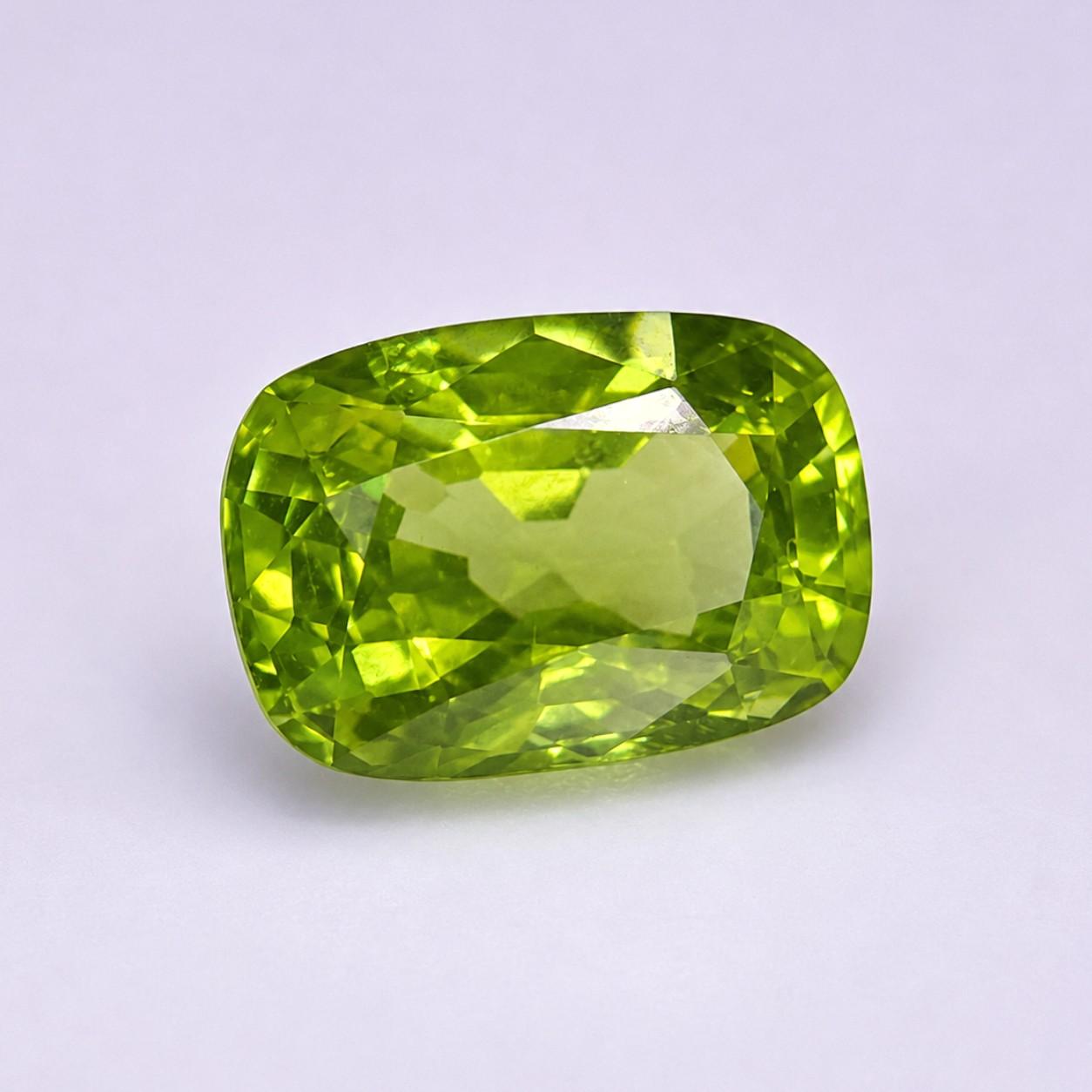
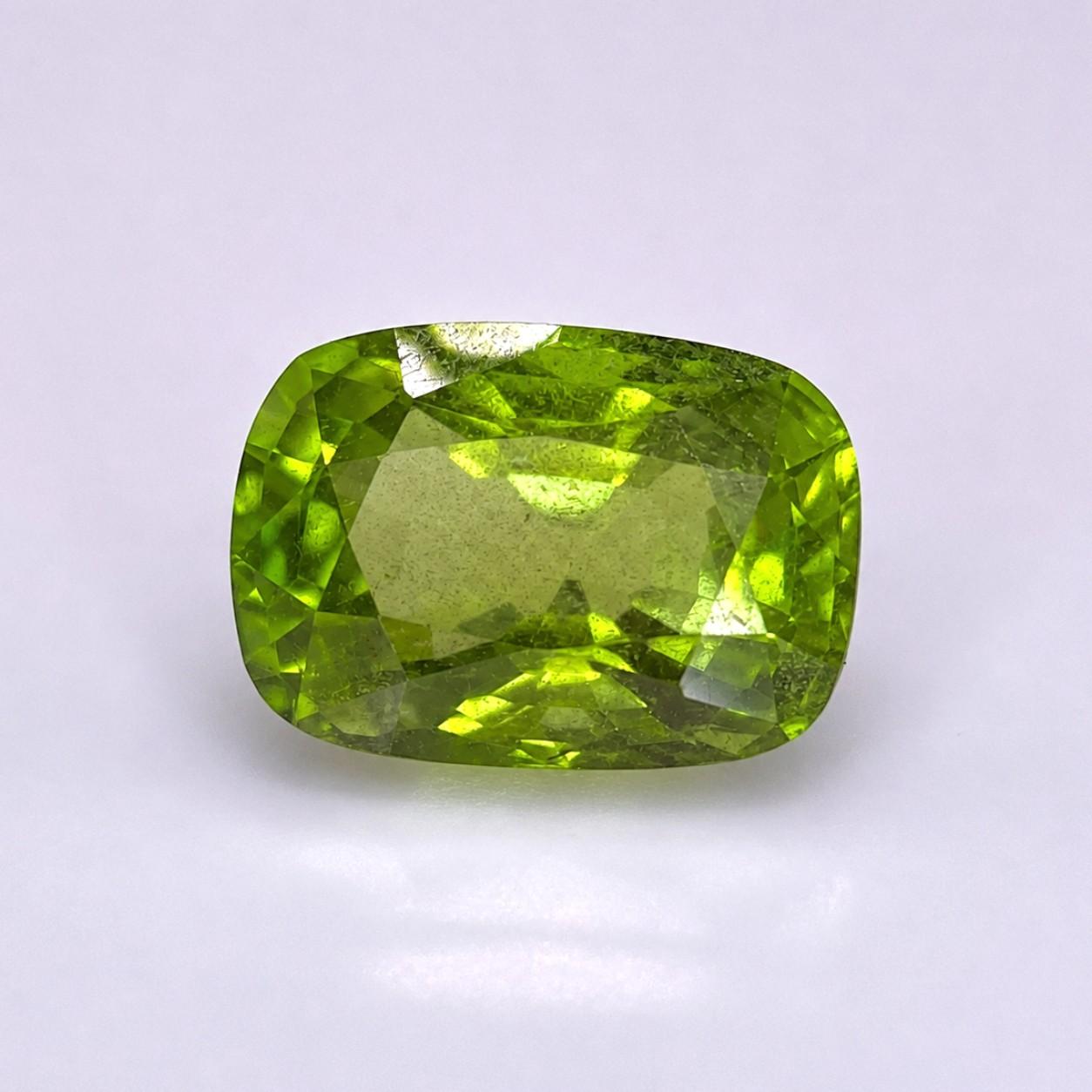
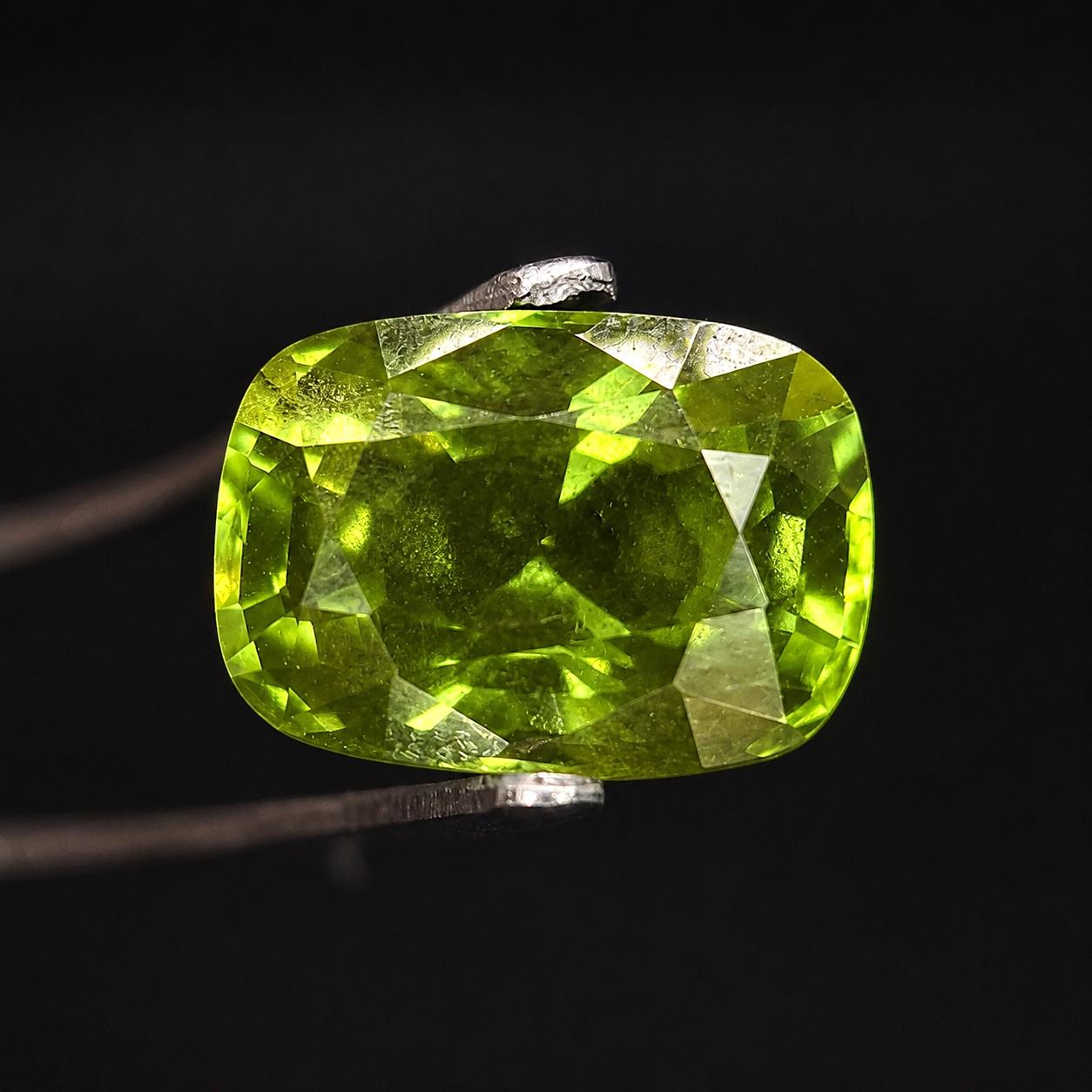
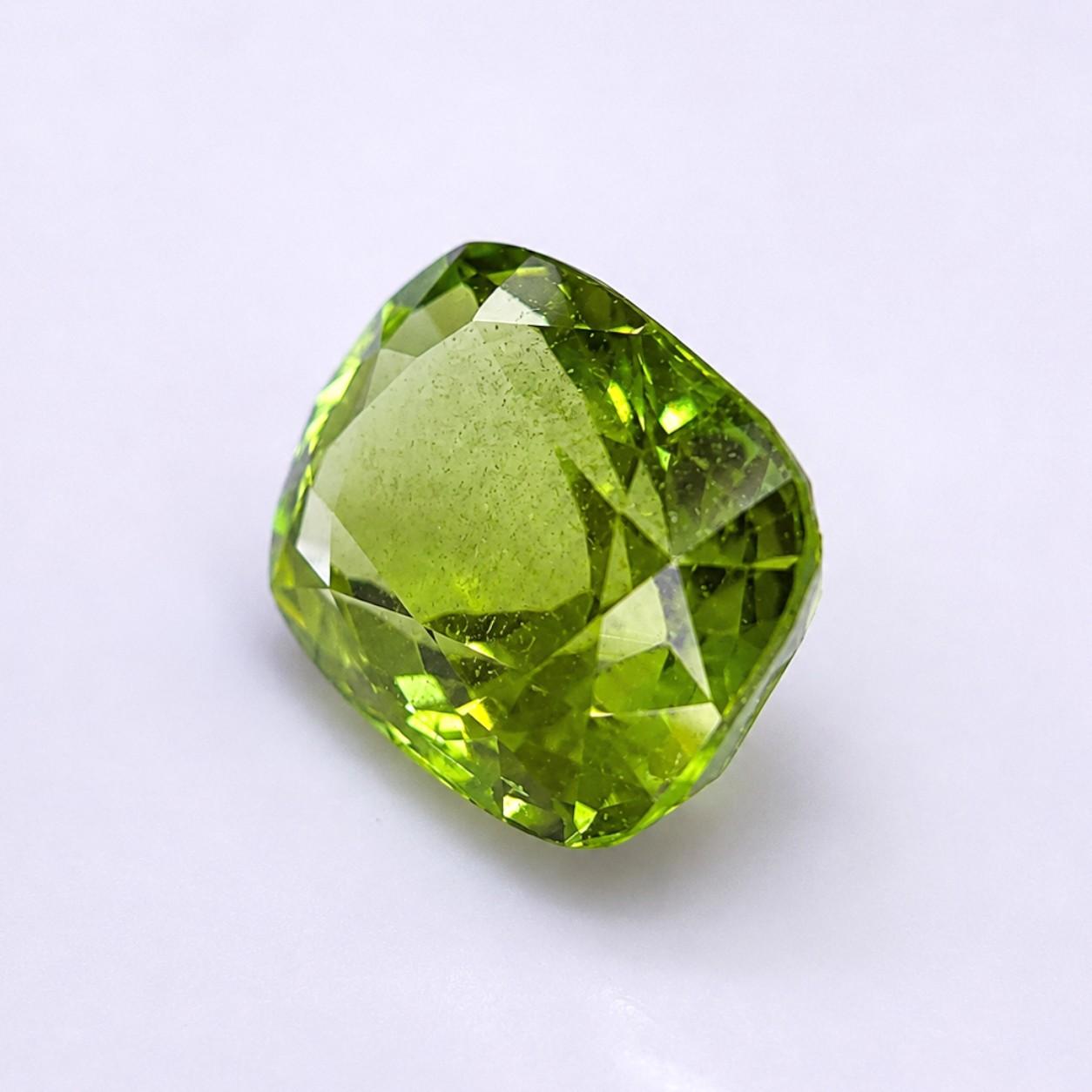
3.29 ct PERIDOT – KASHMERE
EXPERT VERIFIED
- Expert Verified Gemstone
- Fast Handling & Shipping
- Secure Vault Packaging
$ 300
Offer amount Feild


Smart Collector Choice


Pay with Crypto & Get 10% Automatic Discount

Availability: 1 in stock
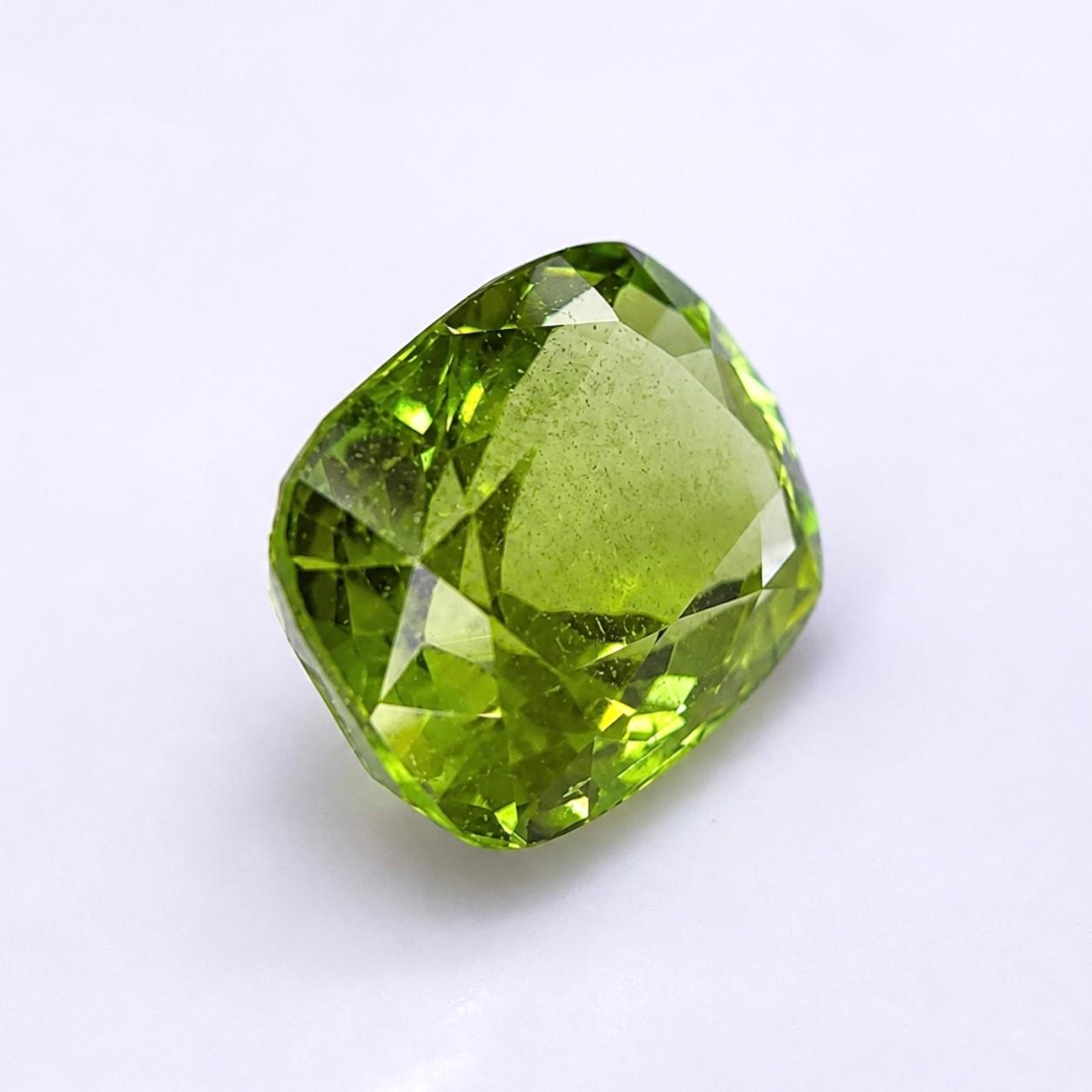
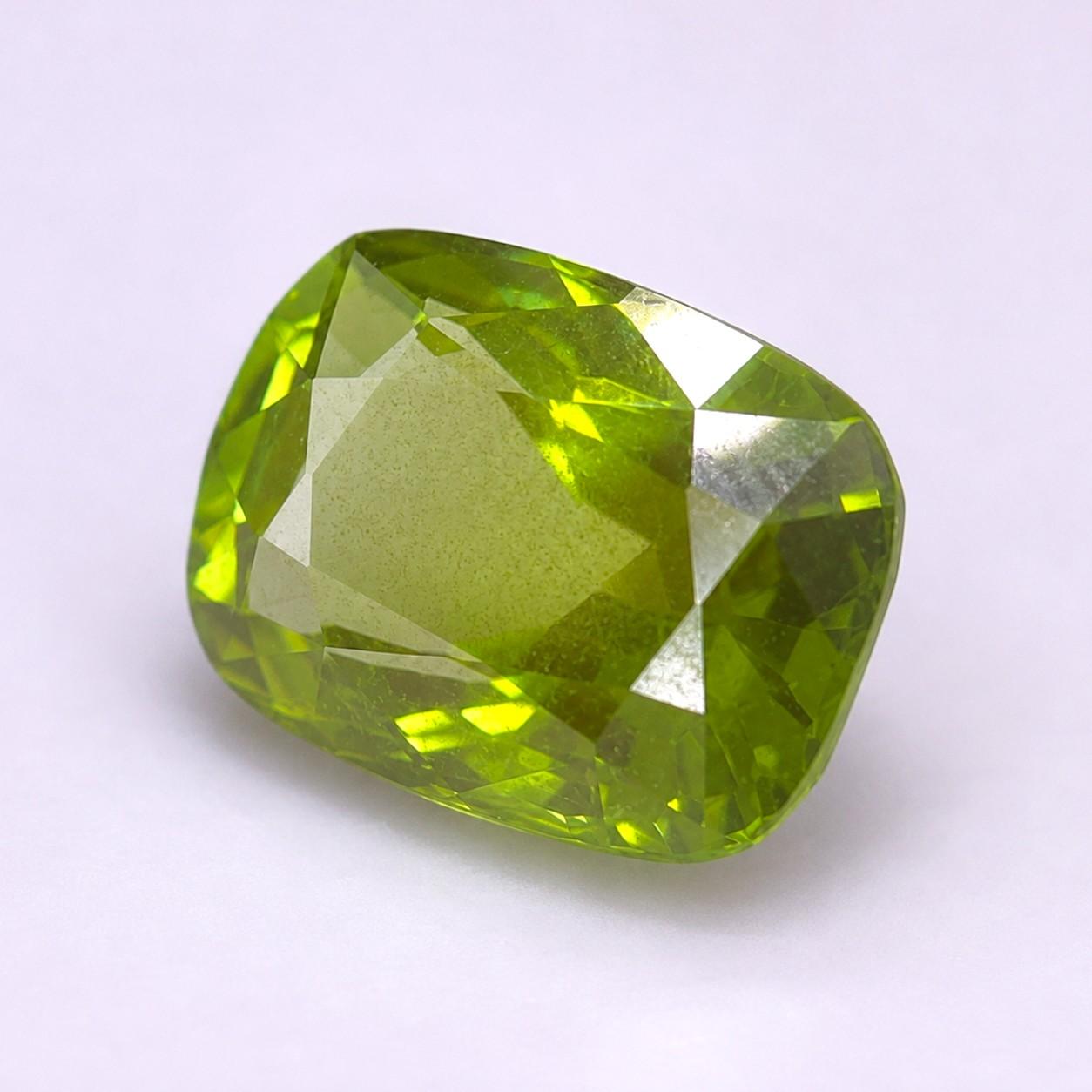
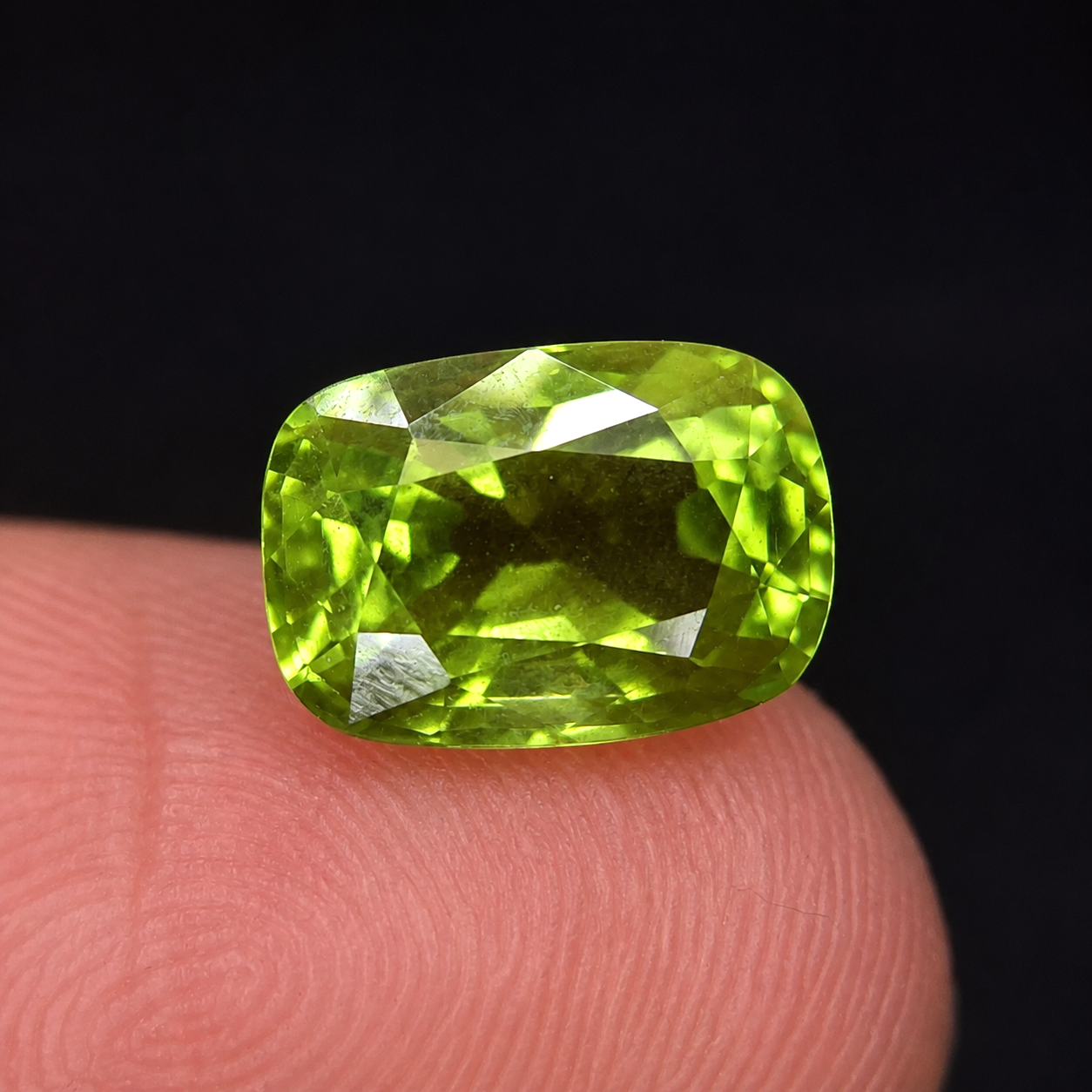


- Freakingcats Gemstone Database
Peridot (Kashmir)
Peridot from the high-altitude deposits of Kashmir represents the “Himalayan peak” of the olivine group. While many are familiar with the “olive-toned” material from Arizona or China, I have always held the Kashmir specimens in the highest regard for their extraordinary “electric” saturation and their remarkable crystal size. These are the “monarchs” of the species, often exhibiting a vivid, silky neon-green that remains bright even under incandescent light—a trait that distinguishes them from the darker, “mossier” tones found elsewhere. For the specialist, a Kashmir Peridot is a prize of magnesium purity; it offers a “liquid” brilliance and a sub-adamantine luster that feels almost supernatural. It is a stone of “crystalline vitality,” providing a sophisticated, high-frequency aesthetic that makes it a true “must-have” for the high-end collector’s vault.
The Heritage & Discovery
Historical Significance: For centuries, the world’s finest Peridots were thought to come exclusively from the legendary St. John’s Island (Zabargad) in the Red Sea. However, the 1992 discovery in the Sapat Gali region of the Nanga Parbat massif changed the mineralogical landscape forever. These stones are found at extreme altitudes—over 4,000 meters—in a rugged, unforgiving terrain that mirrors the intensity of the crystals themselves. In the world of fine minerals, it stands as a symbol of “modern discovery,” bridging the gap between ancient royal treasures and the elite world of “investment-grade” contemporary finds. It serves as a reminder that the most inaccessible corners of the Earth still harbor the most profound “neon” secrets.
Discovery: The Kashmir deposit was discovered by local herdsmen and formally introduced to the global market in the early 1990s. Scientifically, it is the magnesium-rich member of the olivine group (Forsterite). Its discovery provided mineralogists with a clear look at how low-iron, high-chromium environments can produce a green so pure it rivals the finest Emerald, but with the superior “fire” of the olivine lattice. My own respect for this material grew from observing its “silk-like” internal texture; the finest Kashmir stones often possess tiny, needle-like inclusions of Ludwigite-Vonsenite, which can give the gem a “sleepy” yet vibrant glow that is the definitive signature of the Sapat Gali locality.
Important Mines: The undisputed world capital for this elite material is the Sapat Gali (Sapat Valley) in the Kohistan District, Kashmir, Pakistan. This remote locality produces the legendary “Medusa” crystals—large, tabular individuals that set the global benchmark for the species. For the vault, I prioritize the Kashmir material for its unmatched “neon-lime” saturation and its capability to produce clean, faceted gems exceeding 50 carats, a rarity for the species.
Mineralogical Profile
Description: Peridot is a magnesium iron silicate that crystallizes in the orthorhombic system. It sits at a 6.5 to 7 on the Mohs scale, making it a durable gemstone suitable for sophisticated jewelry, though it should be protected from sharp impacts. It is characterized by its vitreous luster and its unmistakable “spring-green” to “meadow-green” color palette.
One of its most identifying traits is its extreme birefringence (n \approx 1.63 to 1.69); when looking through the table of a faceted stone, the “doubling” of the back facets is often visible to the naked eye—a trait that gives Kashmir Peridot its characteristic “lively” and “sparkling” appearance. It has a specific gravity (SG \approx 3.34), making it feel notably denser than Quartz. Because it is a product of high-temperature geological activity, it is often found in association with Magnetite, Chromite, and Serpentine. When I select a piece for the collection, I look for “even” color distribution and the absence of “lily pad” (cleavage) inclusions, as these highlight the sophisticated, three-dimensional geometry that makes Kashmir Peridot a standout for the systematic specialist.
Chemical Formula: (Mg,Fe)2SiO4


