
5.00 ct TRINITITE – USA
EXPERT VERIFIED
- Expert Verified Gemstone
- Fast Handling & Shipping
- Secure Vault Packaging
$ 500
Offer amount Feild


Smart Collector Choice


Pay with Crypto & Get 10% Automatic Discount

Availability: 1 in stock


- Freakingcats Gemstone Database
Trinitite
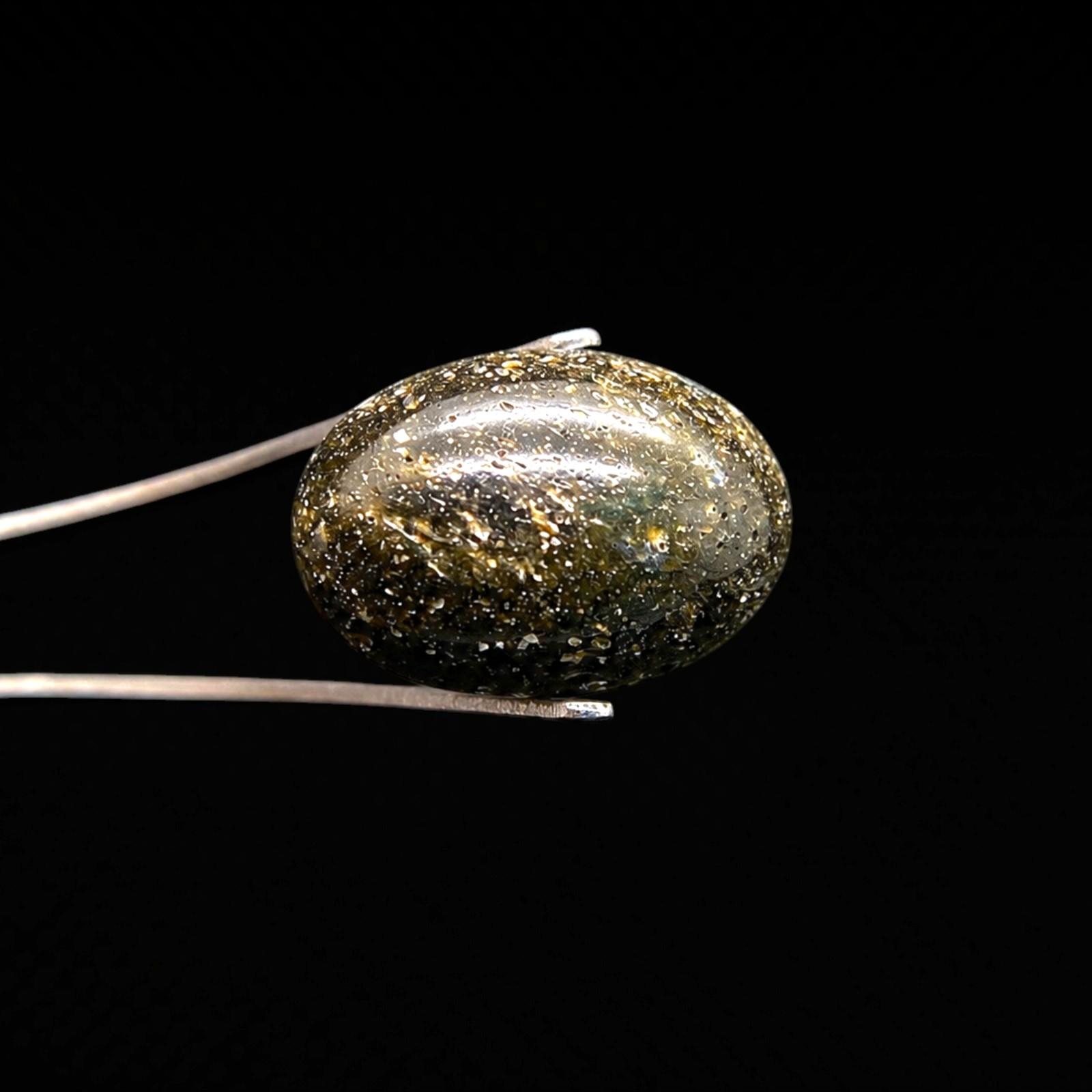
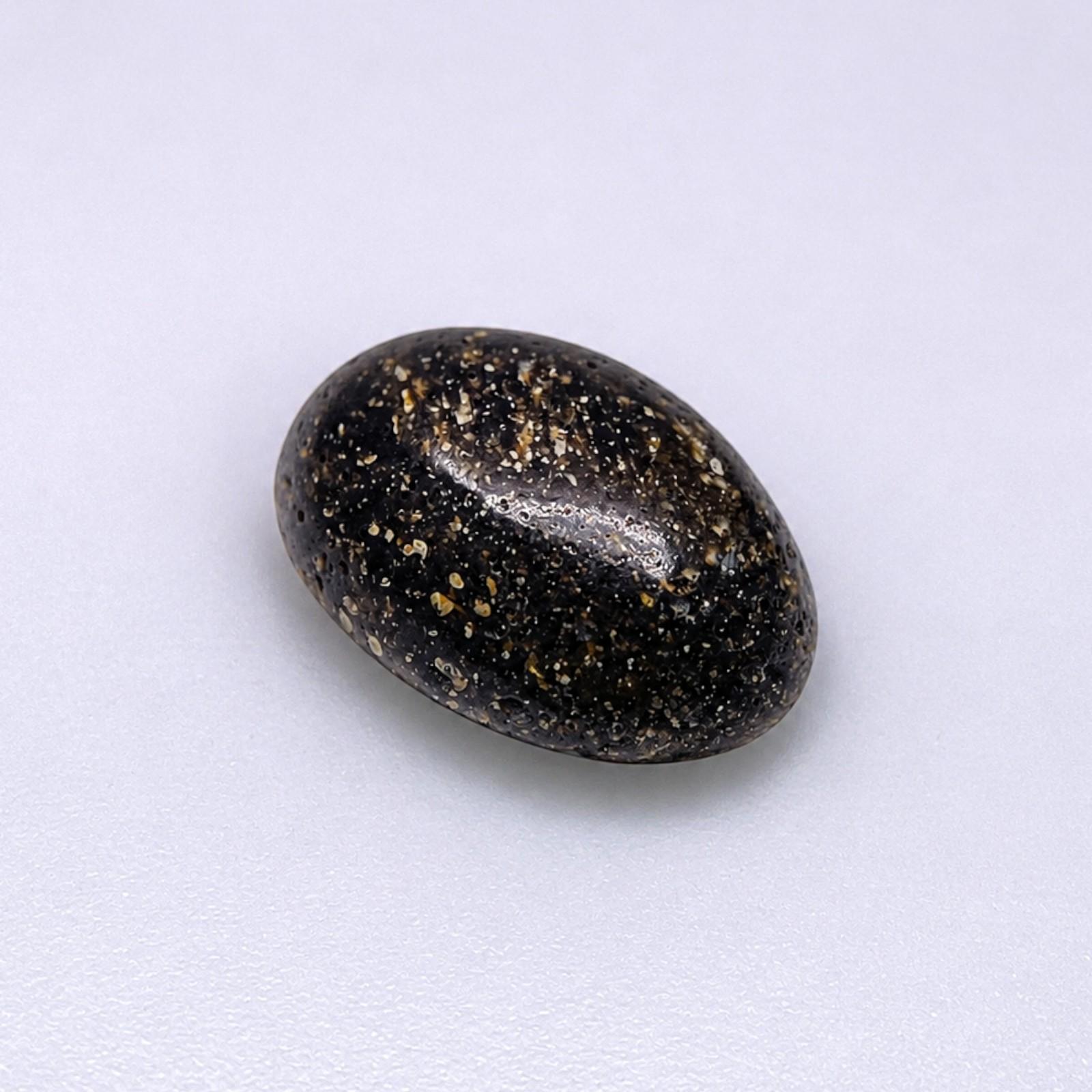
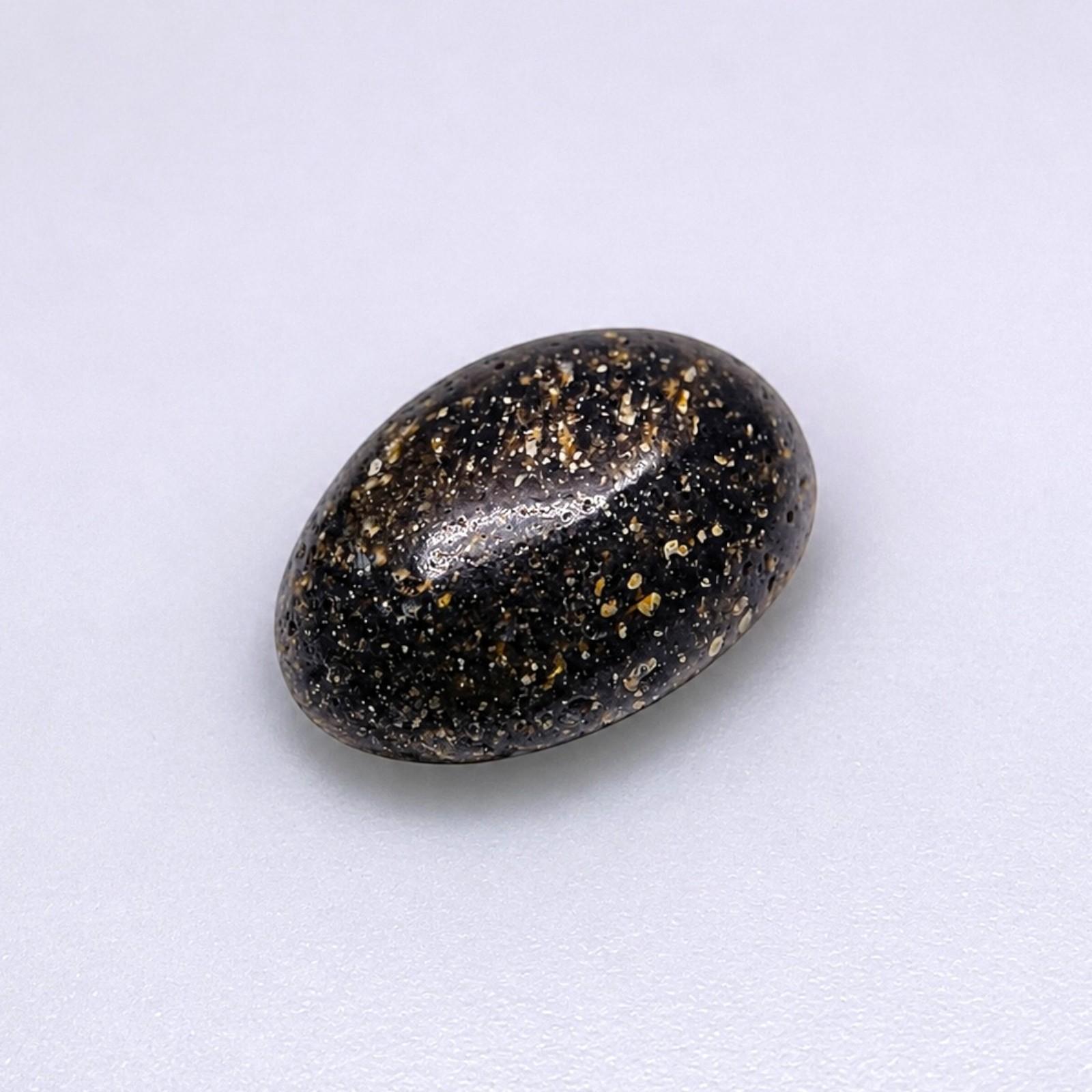
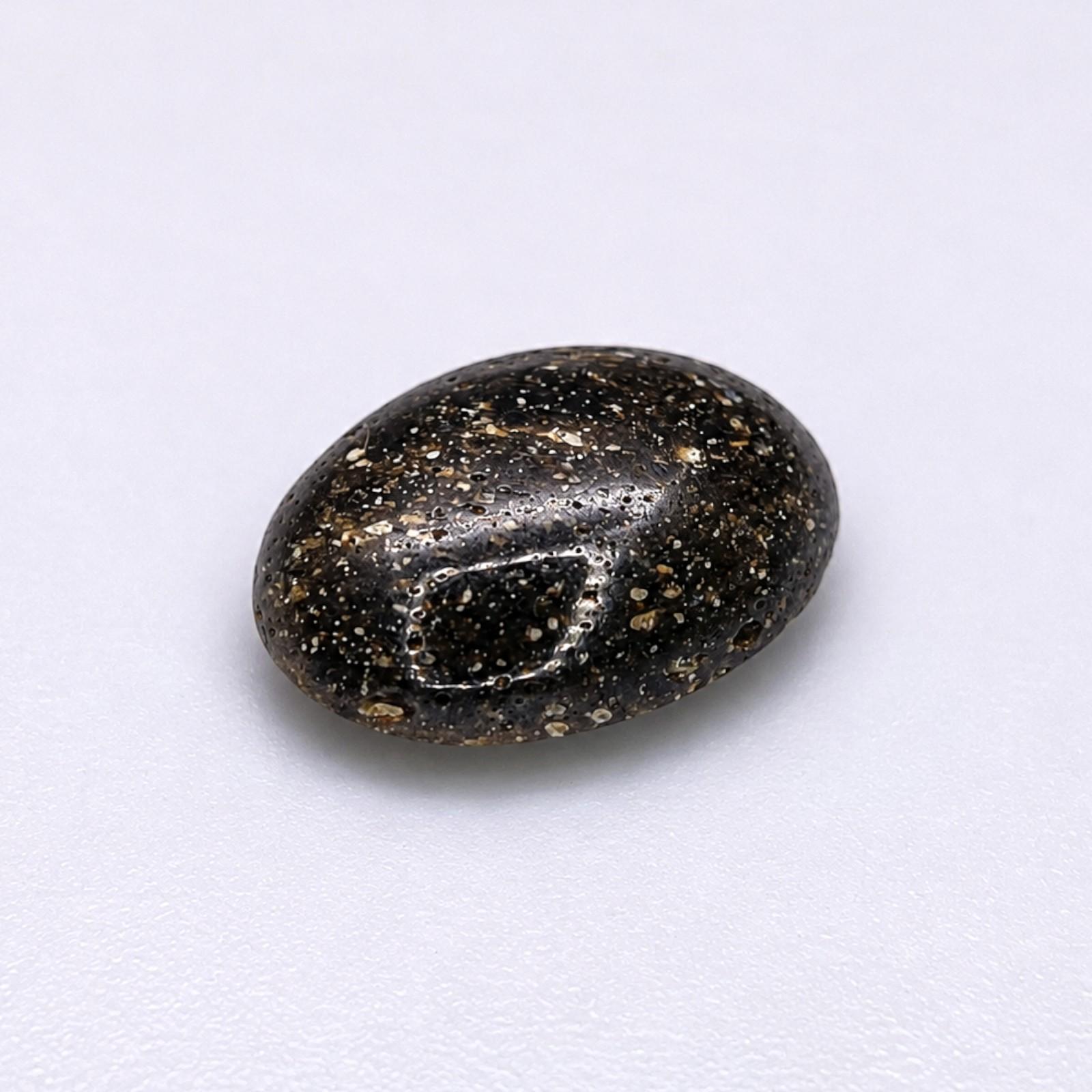
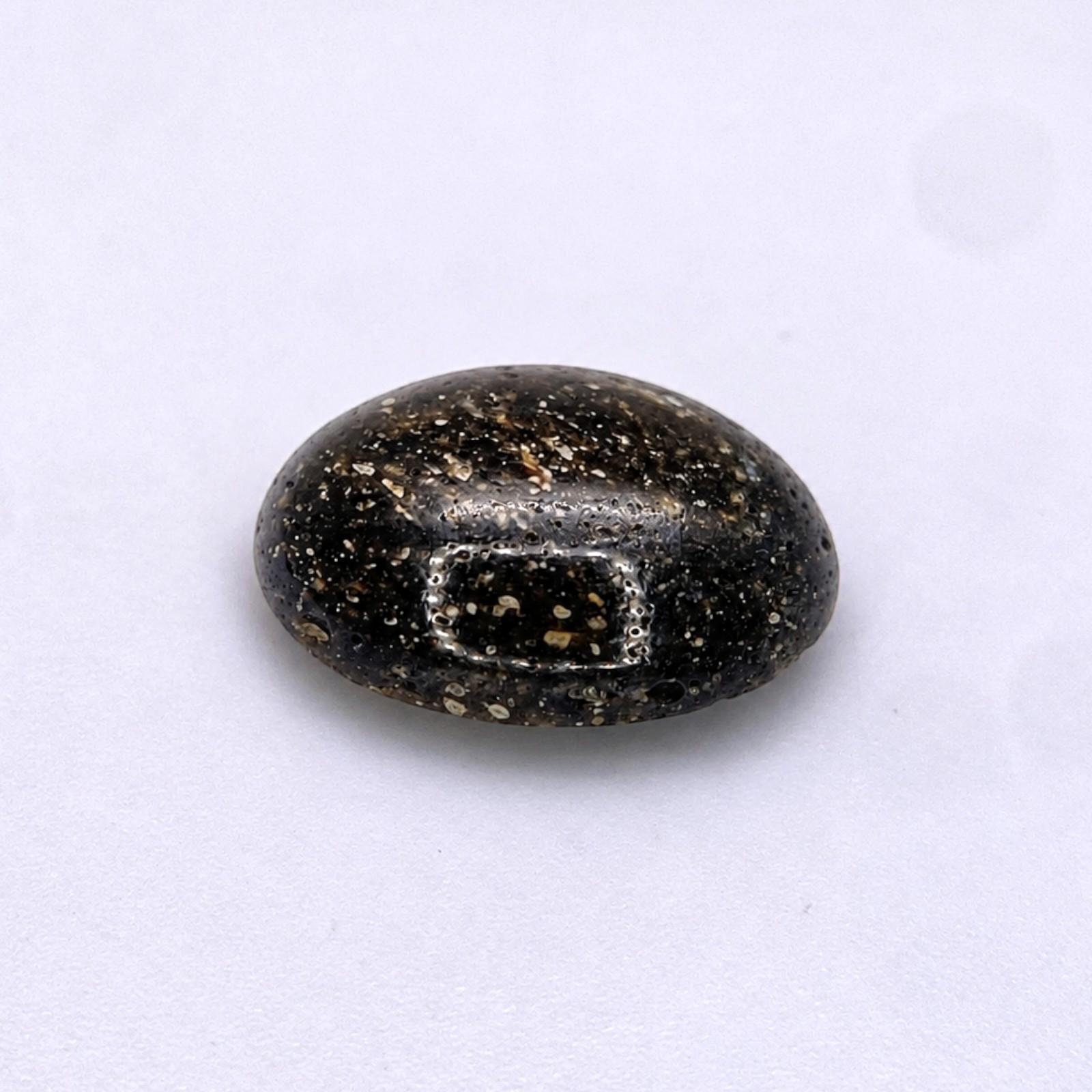
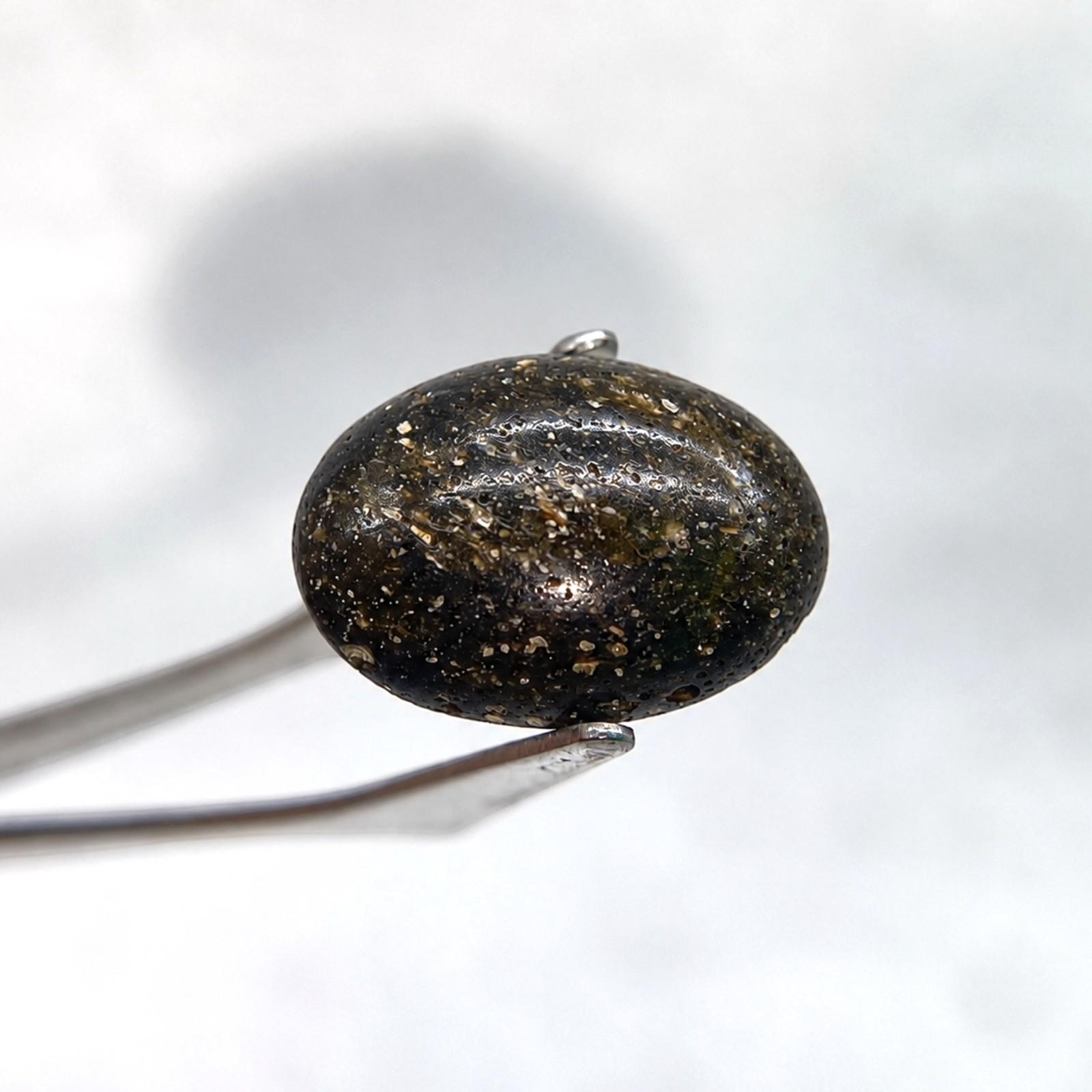
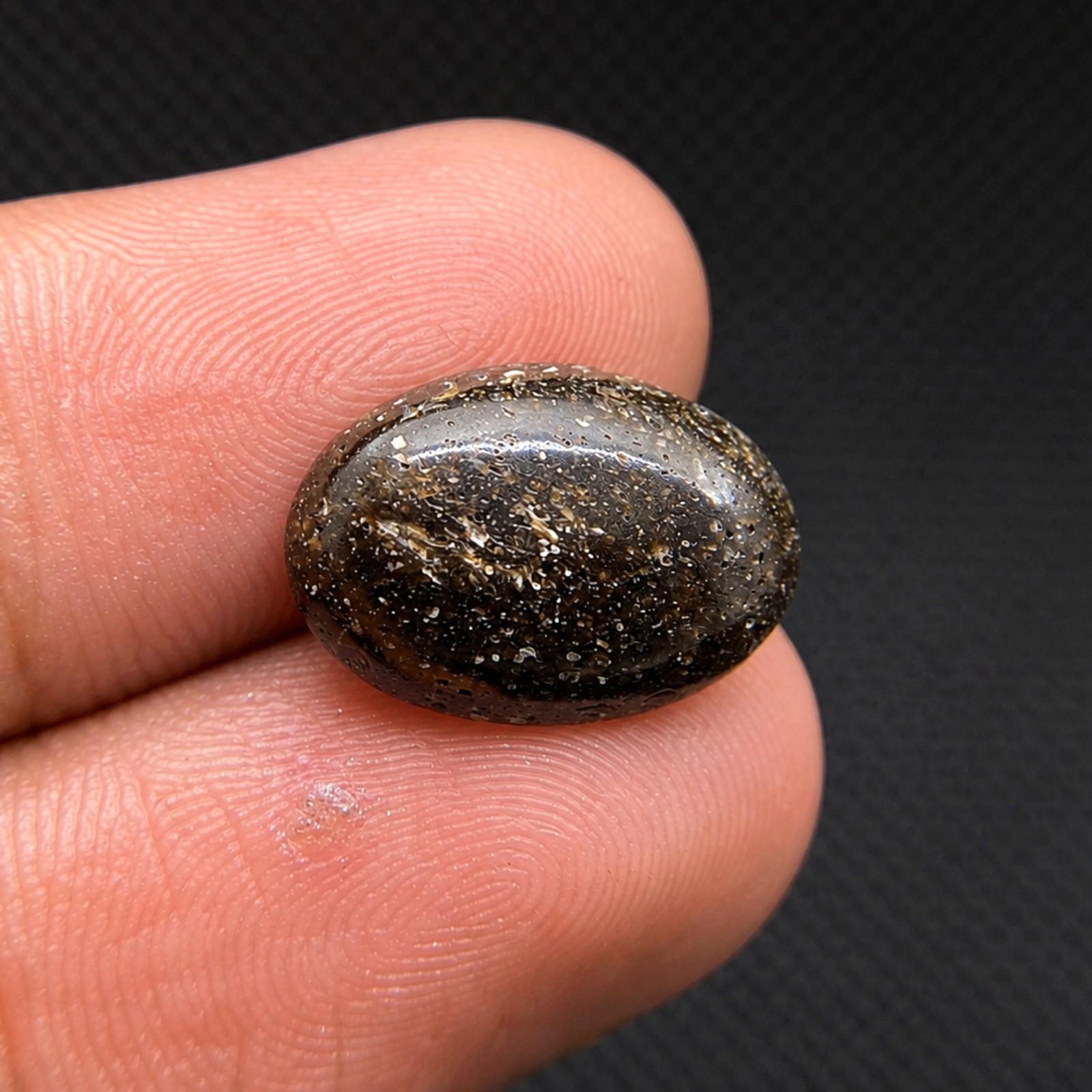
Trinitite represents the “atomic glass” born of the dawn of the nuclear age. A glassy residue formed from the molten sand of the desert floor, it is a material I have always respected for its somber historical weight and its unique, “frosted-olive” appearance. While I generally prefer to collect and facet natural minerals, Trinitite occupies a singular place in my vault as a synthetic-anthropogenic “gem”. It typically presents as vesiculated, bottle-green glass, often containing trapped bubbles and metallic microscopic inclusions. For the specialist, Trinitite is a prize of geological transformation; it is the physical evidence of a moment where human technology reached a temperature sufficient to instantly transmute a desert landscape into a new form of matter. It is a stone of “terrible beauty,” providing a sophisticated, “etched” aesthetic that serves as a powerful historical anchor for the systematic vault.
The Heritage & Discovery
Historical Significance: Trinitite is the radioactive “relic” of the Trinity Test, the world’s first nuclear explosion, which took place on July 16, 1945. As a child, I was deeply fascinated with rockets and the history of space exploration, which naturally led me to learn about the immense power of the first atomic bomb explosion. Only later, when I had already begun my journey as a collector of rare gemstones, did I discover that a unique material had actually been created in that blast—melted sand fused by the searing heat of the fireball. Even though it was difficult to source due to its historical protection and rarity, I finally managed to get my hands on this super rare material. I have even successfully managed to facet just a few rare gemstones from the most solid fragments, revealing the internal “glow” of this atomic glass.
Discovery: The material was discovered in the days following the explosion at the Alamogordo Bombing and Gunnery Range. It was named “Trinitite” after the name of the test site. Scientifically, it is a “glassy melt” primarily composed of arkosic sand, but it also contains traces of the steel tower that held the bomb, as well as remnants of the device itself. My own respect for this material grew from observing its complex, “bubble-rich” texture; while it resembles obsidian or moldavite, its history makes it a category of its own. It stands as a symbol of the Anthropocene, bridging the gap between traditional mineralogy and the artifacts of human history. Since its formation, it has become a “must-have” for collectors who value the intersection of science, history, and rare-matter documentation.
Important Mines: There are no “mines” for this material, as it exists only at the Trinity Site within the White Sands Missile Range in New Mexico, USA. Although the site was bulldozed and buried shortly after the test, fragments remain highly sought after by collectors of rare “impact” and anthropogenic materials. For the vault, I prioritize the “classic” light green glass for its transparency and potential for faceting, as it captures the light in a way that is hauntingly beautiful.
Mineralogical Profile
Description: Trinitite is an amorphous silicate glass. Because it is a fused product of sand and other debris, it sits at approximately 5.5 to 6 on the Mohs scale, similar to other volcanic or man-made glasses. It is characterized by its vitreous luster on fresh surfaces and its characteristic “pitted” or “bubbled” external texture.
One of its most identifying traits is its radioactivity; while most pieces today have decayed to safe levels for handling, they still emit a distinct signature that can be detected by a Geiger counter. It has a refractive index ($n \approx 1.48 to 1.52) and a specific gravity (SG \approx 2.4 to 2.5). Because it was formed in a nuclear fireball, it is technically an “impactite-like” material, often found in association with scorched desert sand. When I select a piece for faceting, I look for “dense” zones without excessive bubbles, as these allow for the most sophisticated, three-dimensional light play. It is a light, high-vibration material that offers a unique, “historic-fire” beauty unlike any other glass in the collection.
Chemical Formula: Primarily SiO2 (with Al, Ca, Mg, and radioactive isotopes)


