
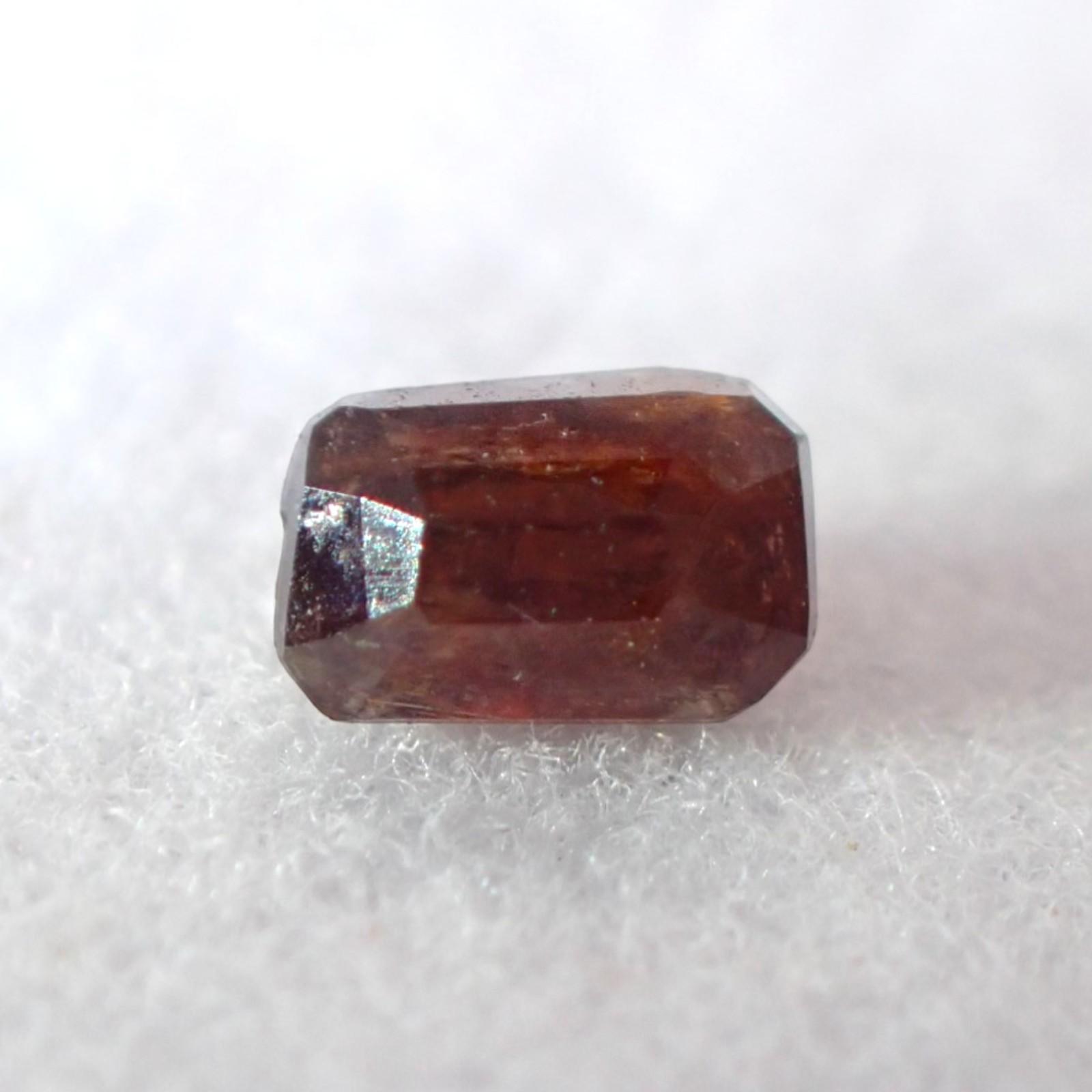
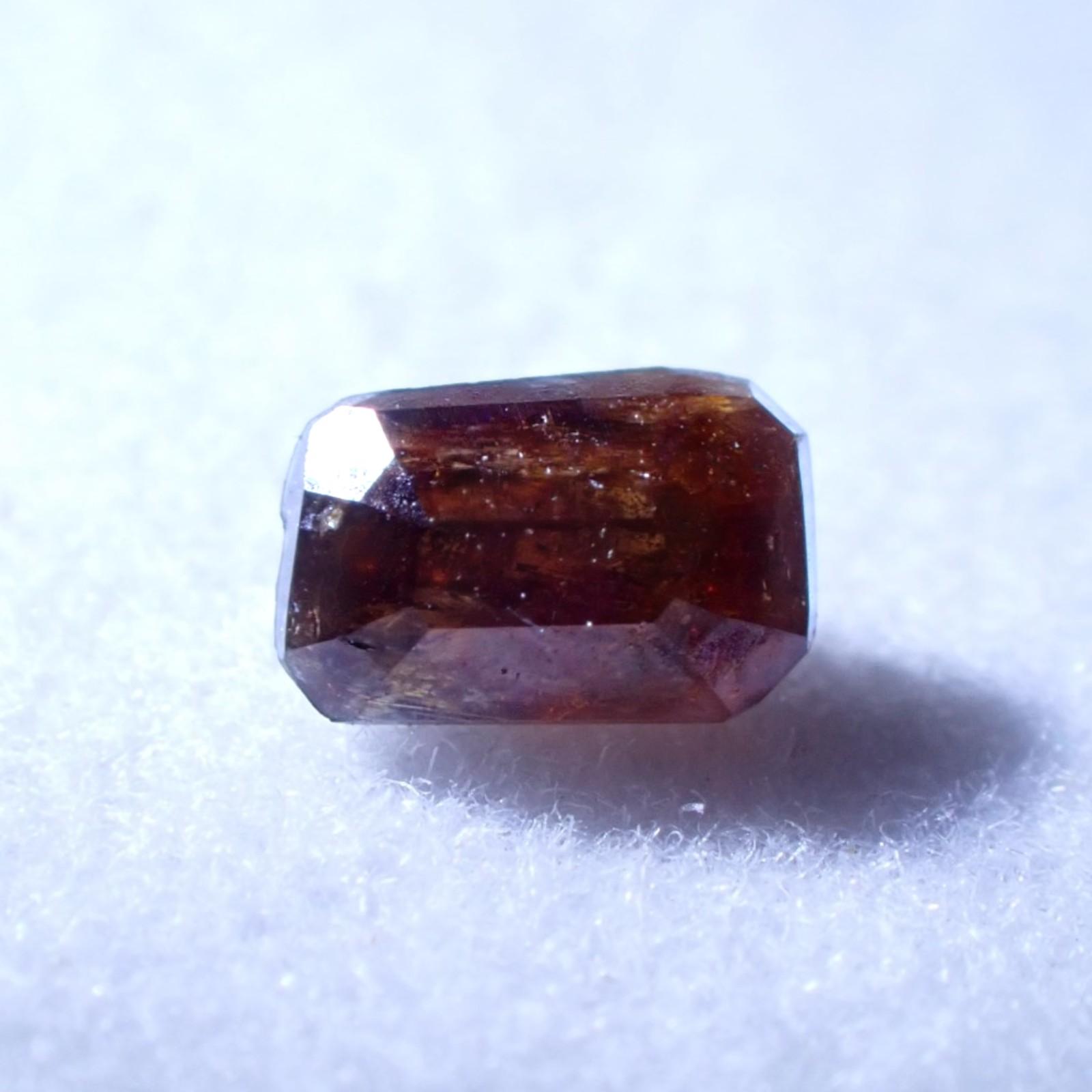
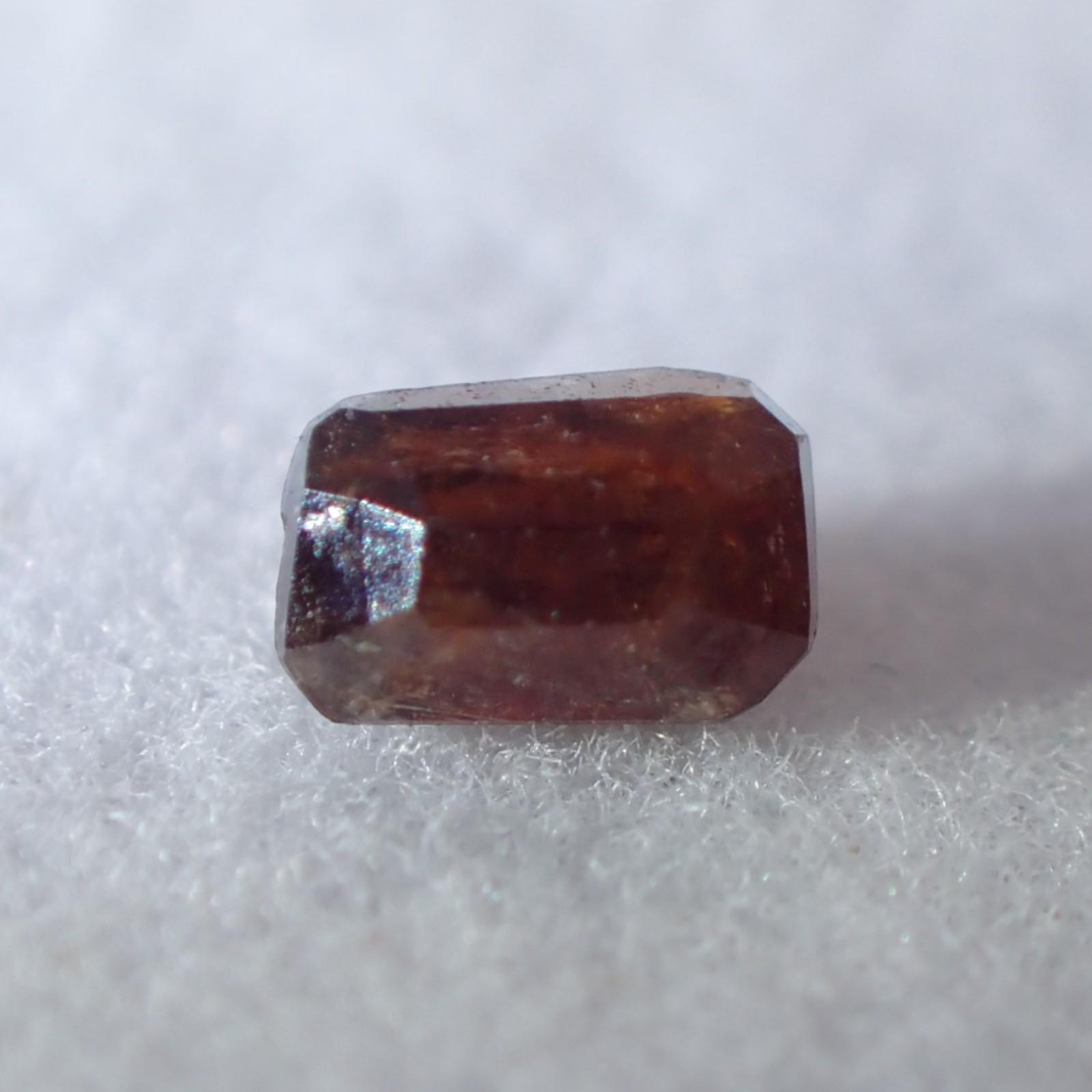
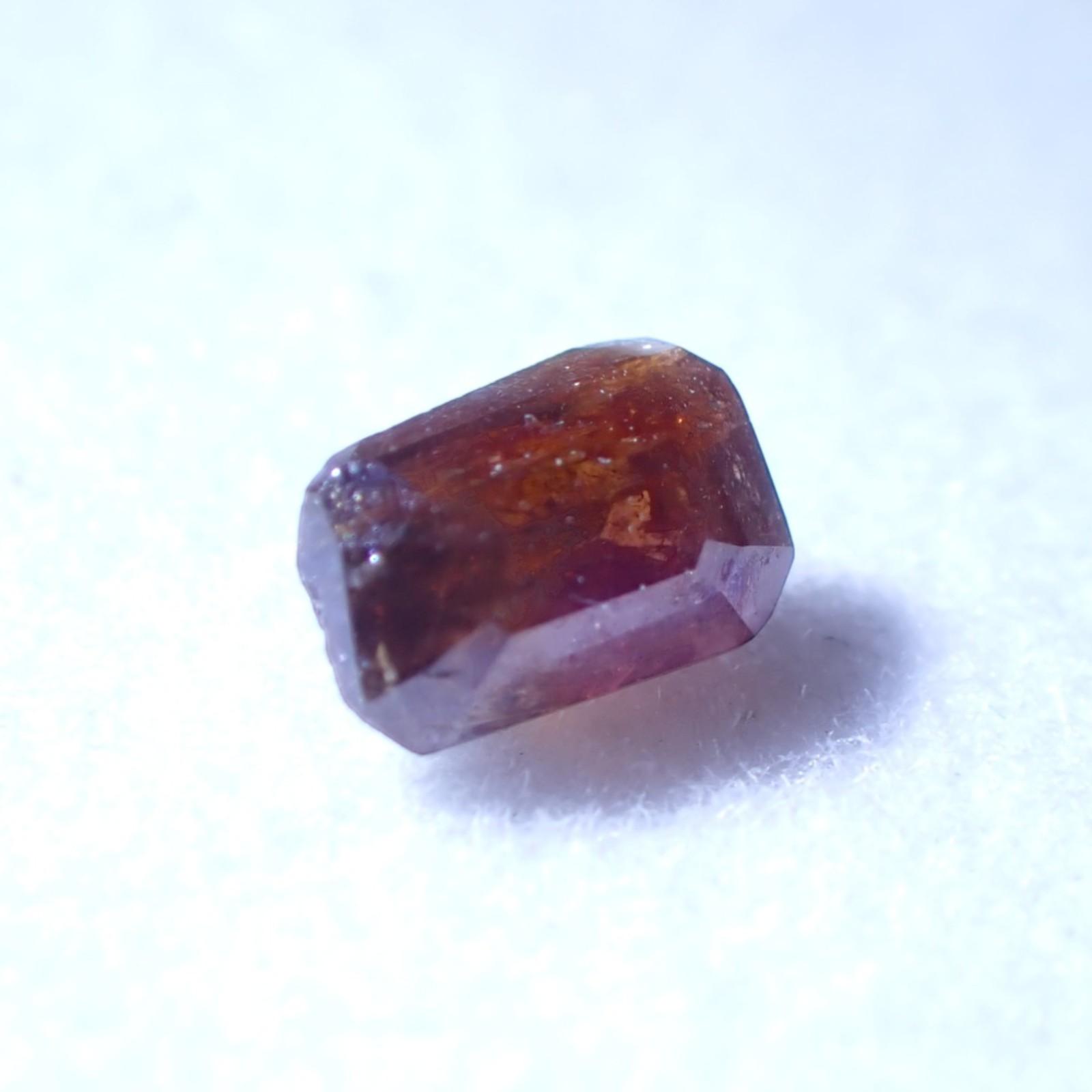
0.12 ct PAINITE – Myanmar
EXPERT VERIFIED
- Expert Verified Gemstone
- Fast Handling & Shipping
- Secure Vault Packaging
$ 250
Offer amount Feild


Smart Collector Choice


Pay with Crypto & Get 10% Automatic Discount

Availability: 1 in stock


- Freakingcats Gemstone Database
Painite
I will never forget the moment many, many years ago when Mr. Than, one of my rare mineral connections from Burma, walked into my office in Bangkok with a simple plastic bag in his hand. He placed it on my desk, and as I peered inside, I saw it was filled with dark, almost black crystals. He asked me what I thought they were. I guessed Serendibite? Or perhaps an unusual Tourmaline? He just kept shaking his head, laughing. Then he said one word that shook me: “Painites!” It didn’t seem possible. At that time, Painite was considered the rarest mineral in the world, with only three tiny documented pieces in existence—and here was a full bag in front of me. We studied them for hours and eventually agreed on a price for the entire pocket. It was a significant investment, but I knew I held a treasure. Over the years, those Painites have been distributed to happy collectors all over the world, and the supply has dried up once again; nothing of that caliber has been found since. I’ve noticed sellers on eBay offering “Painites” from India as large as chicken eggs, but those are fakes. Genuine, real Painites are once again becoming a phantom of the gem world. I have only very limited pieces left—get one before the stock is entirely depleted!
The Heritage & Discovery
Historical Significance: For decades, Painite held the Guinness World Record for the world’s rarest mineral. Historically, it represents the “Holy Grail” of gem collecting. Its discovery and subsequent rarity challenged mineralogists to understand the unique geological “pressure cooker” of the Mogok Stone Tract, where boron and zirconium meet under specific metamorphic conditions. It stands as a symbol of the ultimate rarity, a mineral that exists only because of a nearly impossible coincidence of chemistry and heat.
Discovery: The mineral was first discovered in Myanmar in the early 1950s by the British gemologist and mineral dealer Arthur C.D. Pain. For years, the original specimen was misidentified as Ruby until it was proven to be a new species in 1957. Between its discovery and the early 2000s, only a handful of specimens were known to exist, making the “pocket” brought to me by Mr. Than a historic event in the timeline of this mineral.
Important Mines: The only significant source for gem-quality Painite is the Mogok and Kyatpyin regions of Myanmar (Burma). While a few secondary deposits were found later in the Namya area, the original Mogok material remains the most prestigious. As I mentioned, the supply from these mines has effectively ceased, and the market is now flooded with misidentified Garnets or outright fakes from other regions.
Mineralogical Profile
Description: Painite is a complex calcium zirconium borate aluminum oxide that crystallizes in the hexagonal system. It sits at a 8 on the Mohs scale, making it exceptionally hard and suitable for any high-end jewelry—if one is brave enough to wear such a rarity. It is characterized by its vitreous luster and deep brownish-red to nearly black color.
One of its most defining traits is its strong pleochroism; when viewed from different angles, it can shift from a deep ruby-red to a pale orange-brown. It has a high refractive index ($n \approx 1.78$ to $1.81$), giving it a brilliance that matches its prestige. Despite the dark appearance of the rough crystals, thin sections reveal a magnificent, fiery red glow. It is a dense, formidable mineral that remains the undisputed king of rare gemstones.
Chemical Formula: CaZrAl9O15(BO3)


