
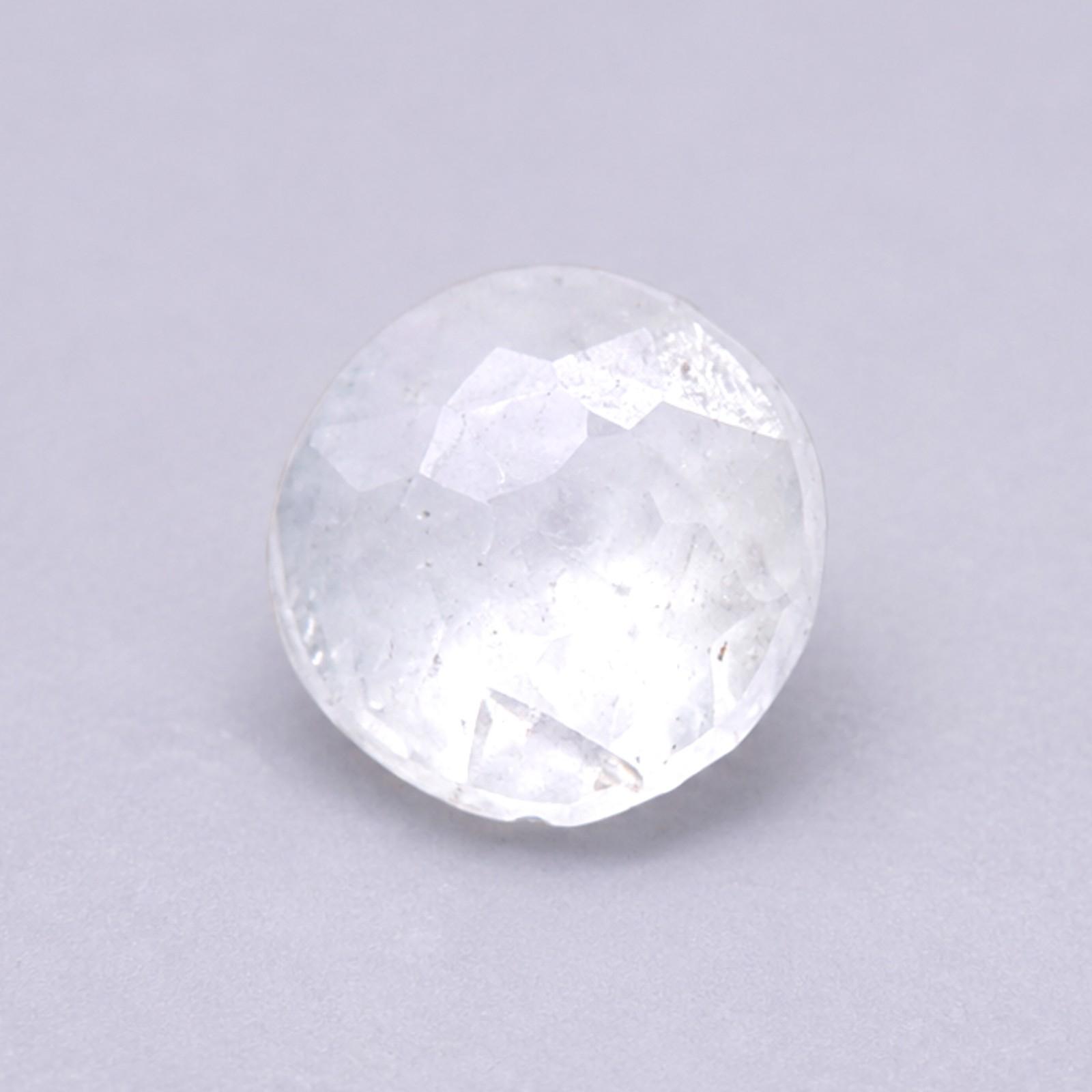
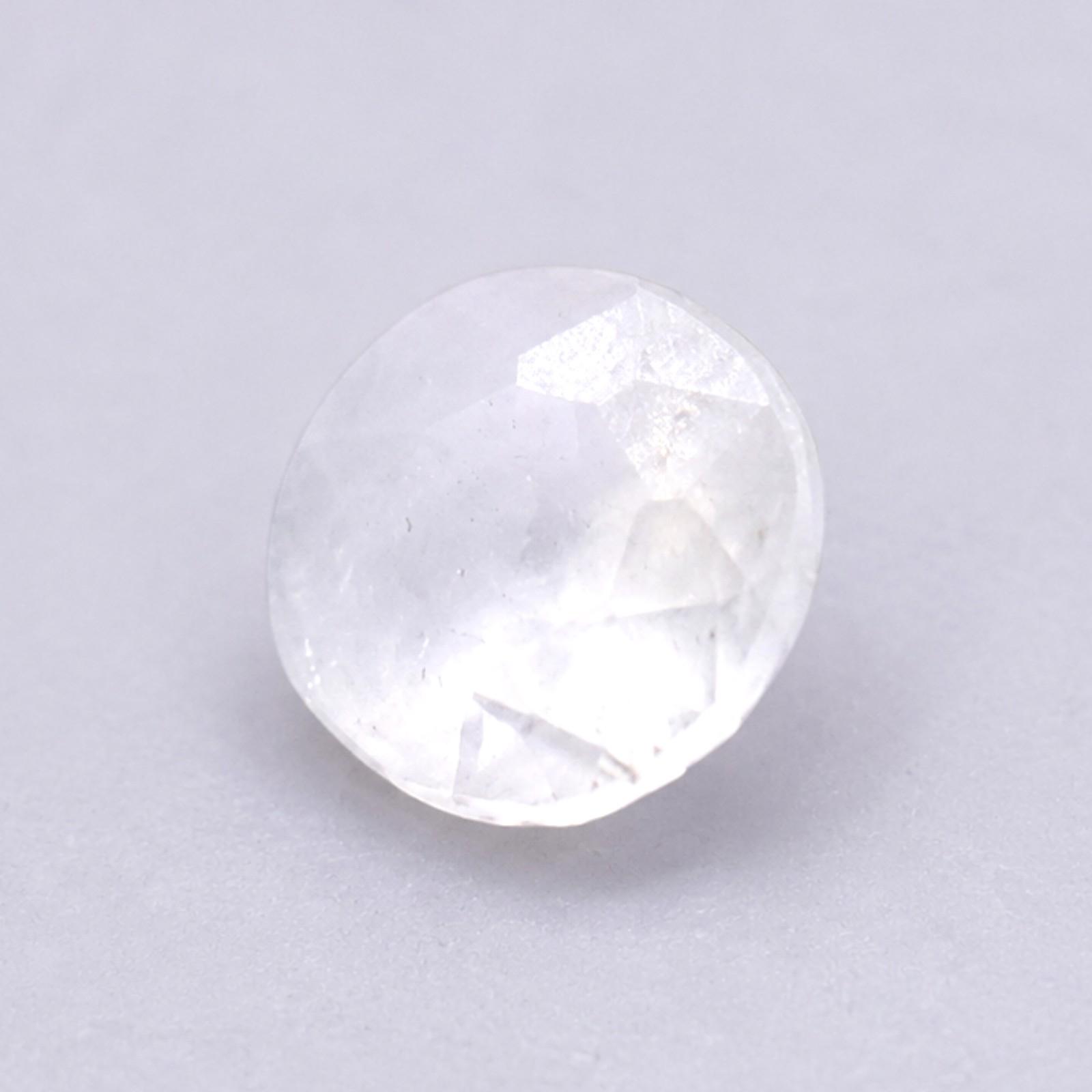
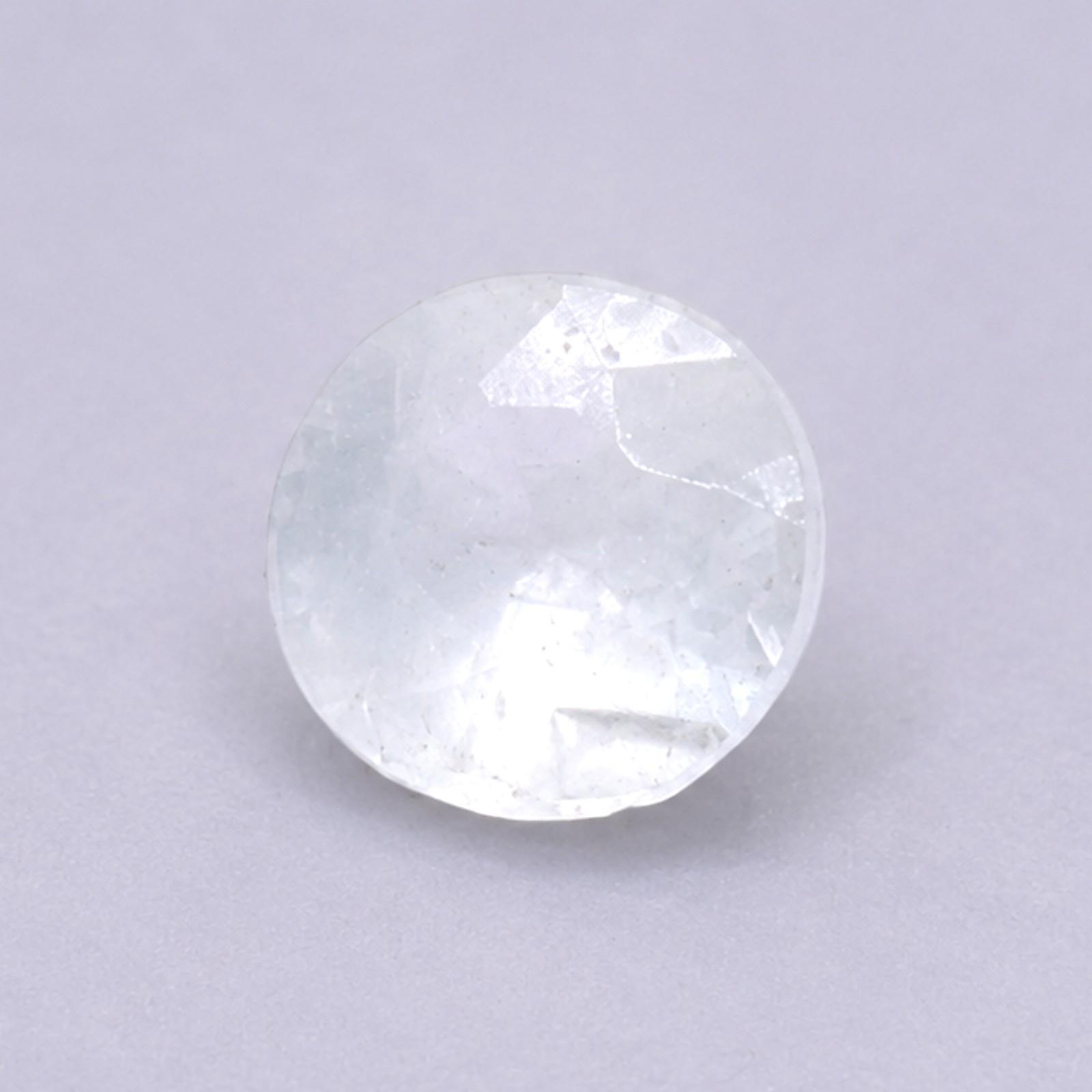
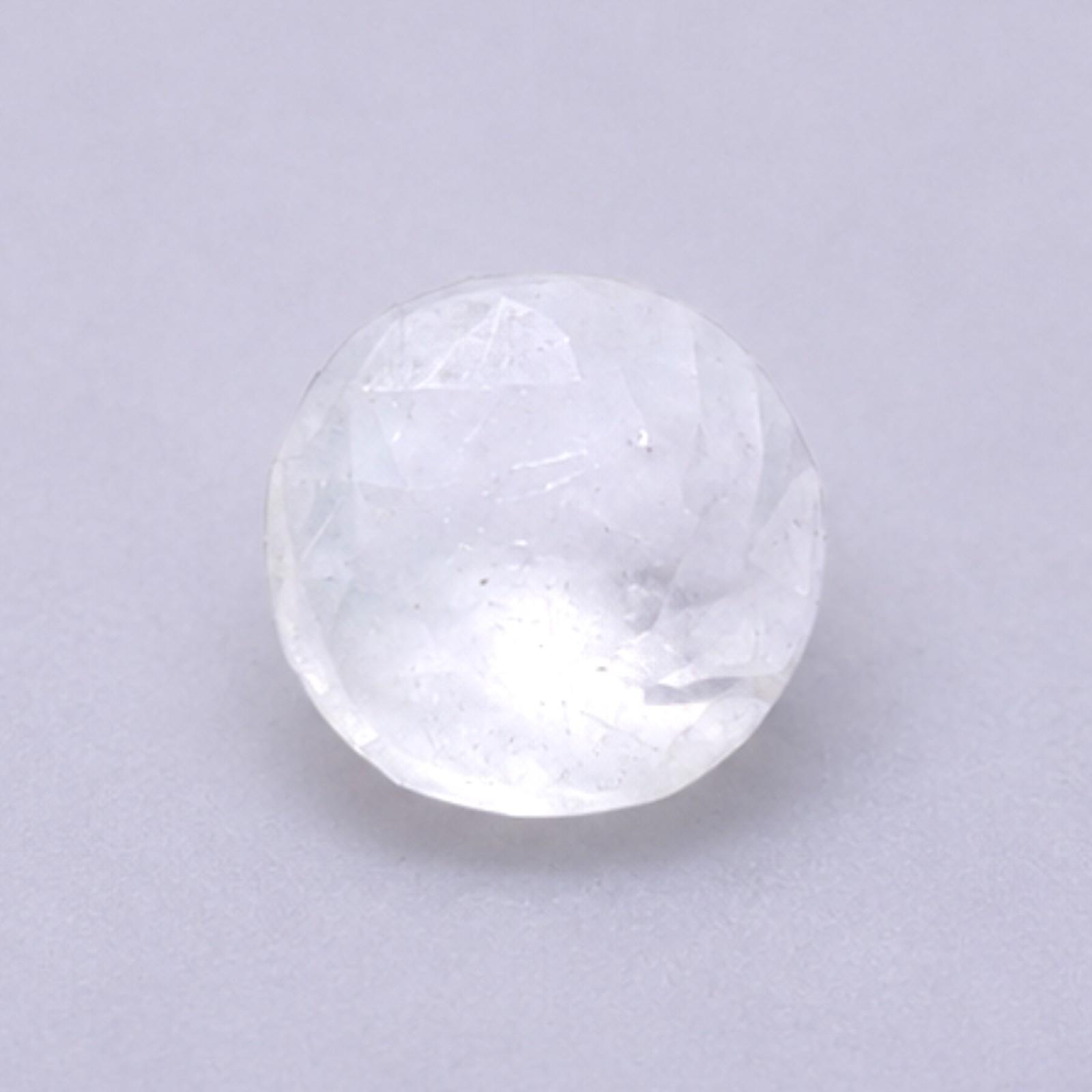
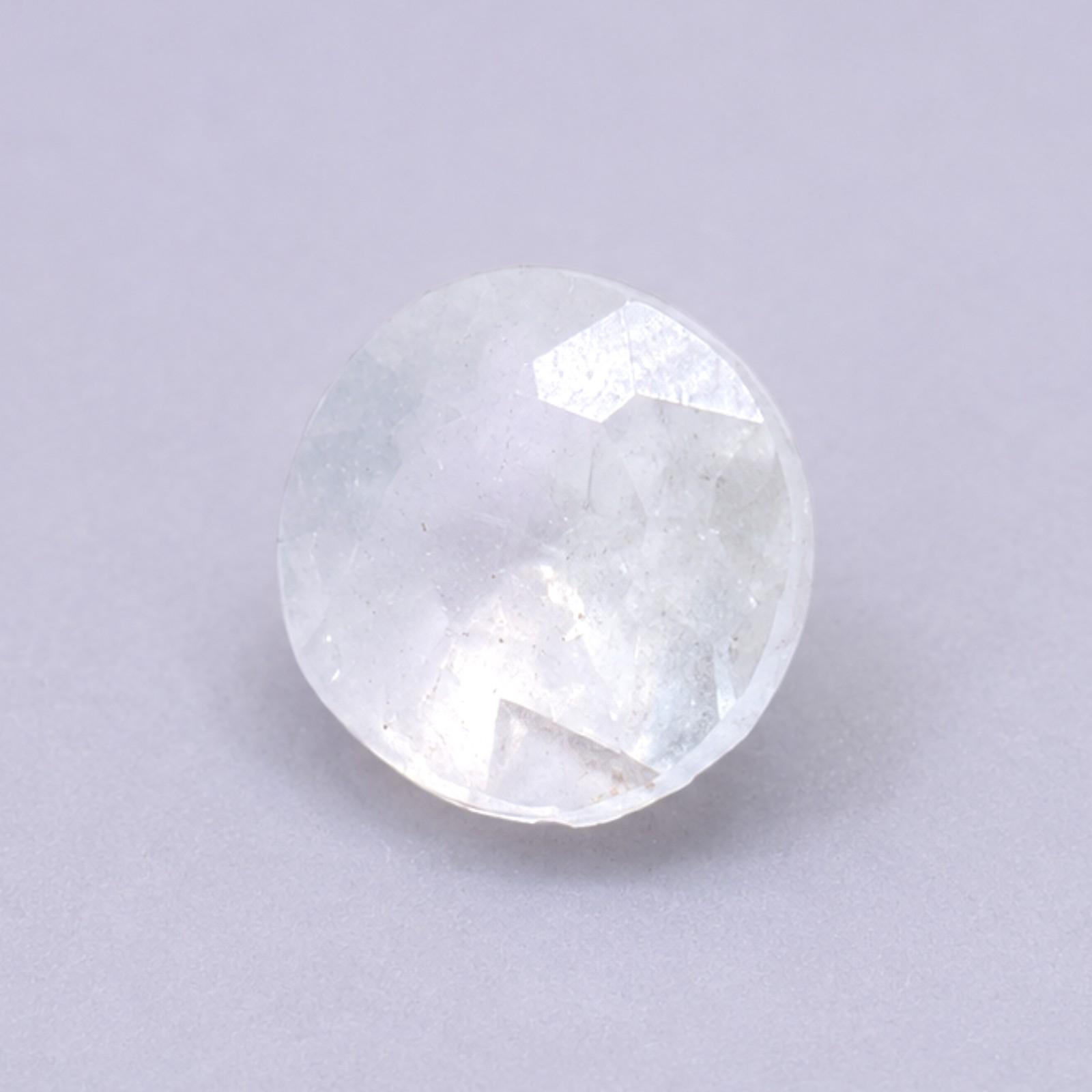
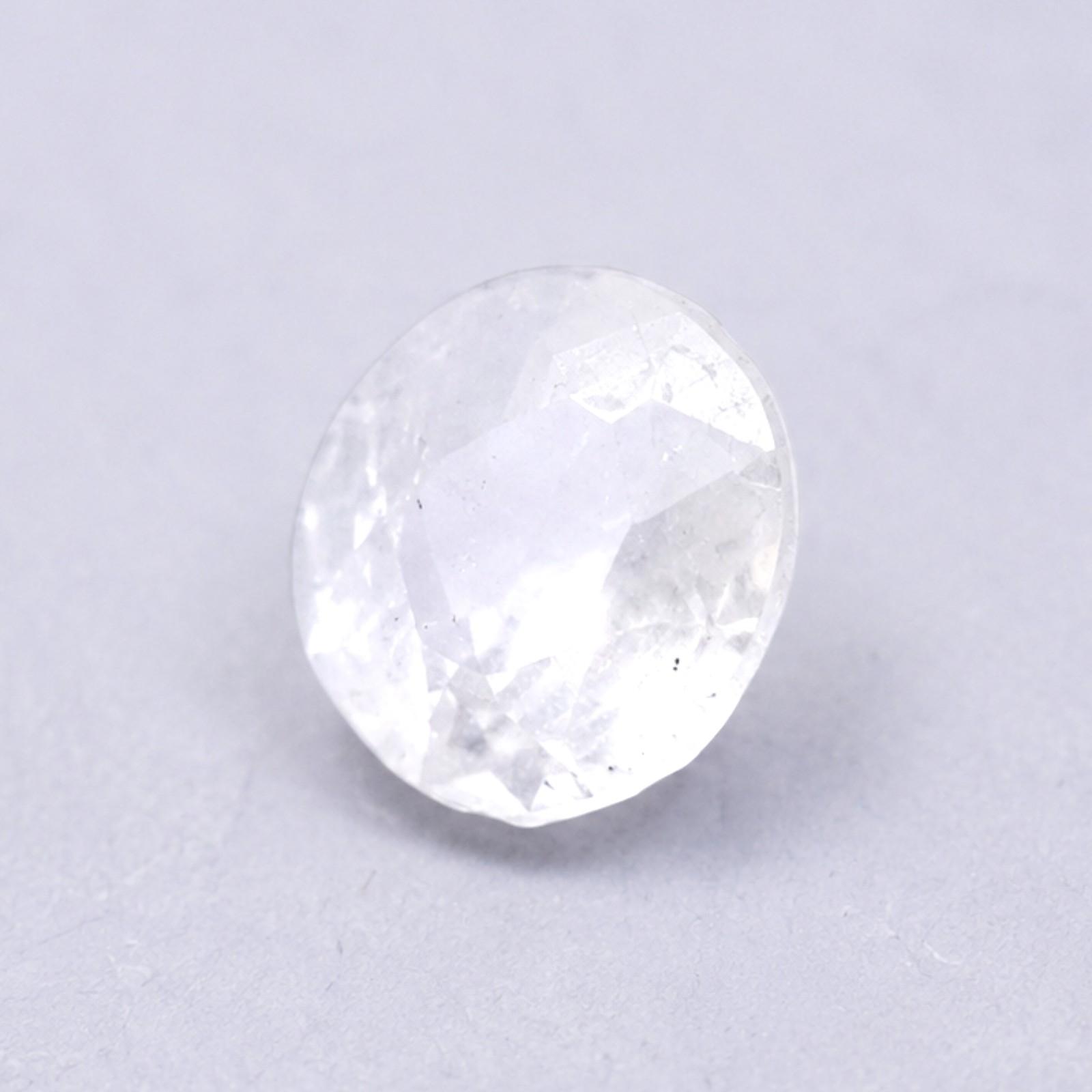
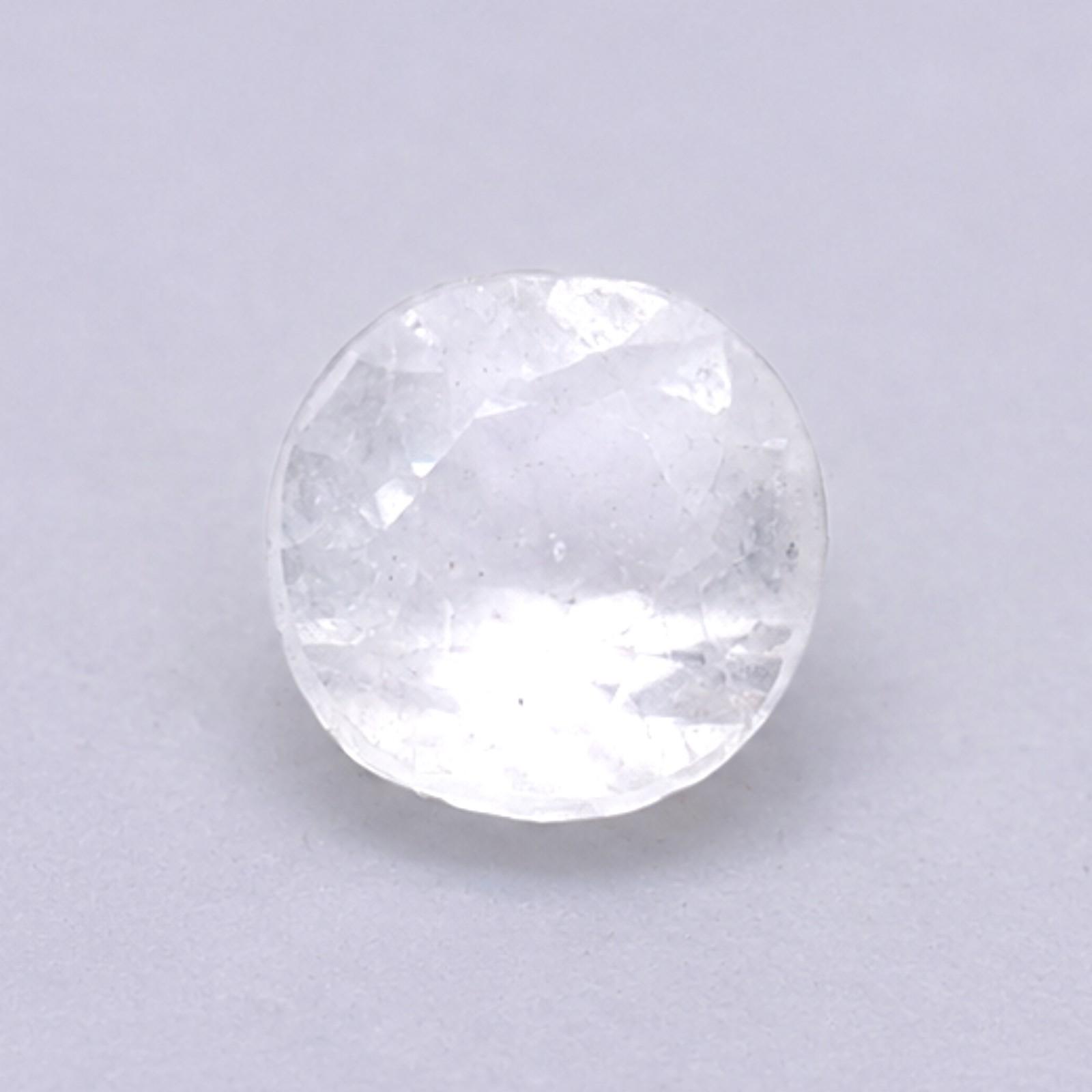
0.15 ct EPISTILBITE – INDIA
EXPERT VERIFIED
- Expert Verified Gemstone
- Fast Handling & Shipping
- Secure Vault Packaging
$ 100
Offer amount Feild


Smart Collector Choice


Pay with Crypto & Get 10% Automatic Discount

Out of stock


- Freakingcats Gemstone Database
Epistilbite
Epistilbite is a gemstone that represents the rare, architectural side of the Zeolite group. While its cousin, Stilbite, is known for its “bow-tie” aggregates, Epistilbite is far more elusive and structurally distinct. I have always been captivated by its sharp, prismatic crystals that often form as “twinned” or “V-shaped” configurations. It possesses a vitreous to pearly luster and a clean, “icy” transparency that ranges from colorless to a soft, milky white. It is a stone of the high-silica hydrothermal veins, typically found in the cavities of volcanic basalt. For the collector, Epistilbite is a prize of symmetry and rarity; it is the “quiet” Zeolite that requires a keen eye to distinguish from its more common relatives, but its geometric precision makes it a standout in any systematic vault.
The Heritage & Discovery
Historical Significance: Epistilbite is a key species for understanding the low-temperature hydrothermal alteration of volcanic rocks. Historically, it was often confused with other Zeolites until its unique monoclinic structure was formally mapped. It represents a specific geochemical “niche” where the ratio of calcium to silica is perfectly balanced to favor its formation over Stilbite or Heulandite. In the world of fine minerals, it is celebrated for its rare “twinned” crystals, standing as a favorite for those who value the structural diversity of the silicate family. It serves as a beautiful reminder of the intricate crystalline lattices that can grow within the silent, gas-filled bubbles of ancient lava flows.
Discovery: The mineral was first described in 1826 and was named by the German mineralogist Gustav Rose. Its name is derived from the Greek epi (meaning “upon”) and stilbite, referencing its close relationship and occasional growth upon its more common namesake. Its discovery helped mineralogists refine the classification of the Zeolite group, providing a clear definition for this calcium-rich, framework silicate. Since its naming, it has remained a sought-after rarity for those collecting the world’s great basalt-hosted mineral suites.
Important Mines: The legendary and type-locality for world-class Epistilbite is Teigarhorn in Iceland. I also have a high regard for the spectacular, large crystals found in the Pashan Quarries in Pune, India, and the pristine specimens from the Faroe Islands. For the vault, I prioritize the Icelandic material for its historic pedigree and the Indian specimens for their incredible clarity and sharp, “sword-like” crystal habits.
Mineralogical Profile
Description: Epistilbite is a hydrated calcium aluminum silicate that crystallizes in the monoclinic system. It sits at a 4 on the Mohs scale, making it a delicate mineral that should be protected from physical shock and sudden temperature changes. It is characterized by its vitreous luster on crystal faces and a distinct pearly luster on its cleavage planes.
One of its most identifying traits is its crystal habit and twinning—it almost always forms as elongated, bladed prisms that are frequently twinned to create a “V” or “swallow-tail” appearance. It has a moderate refractive index (n approx 1.50 to 1.51) and a relatively low density (2.2 g/cm³), which is typical for the porous Zeolite family. Like all Zeolites, it has the remarkable ability to lose and gain water within its framework structure without collapsing. When I select a piece for the collection, I look for “water-clear” twins with sharp, un-etched terminations, as these highlight the sophisticated, three-dimensional geometry that makes Epistilbite a refined treasure for the specialist.
Chemical Formula: (Ca,Na2)[Al2Si6O16]·5H2O


