

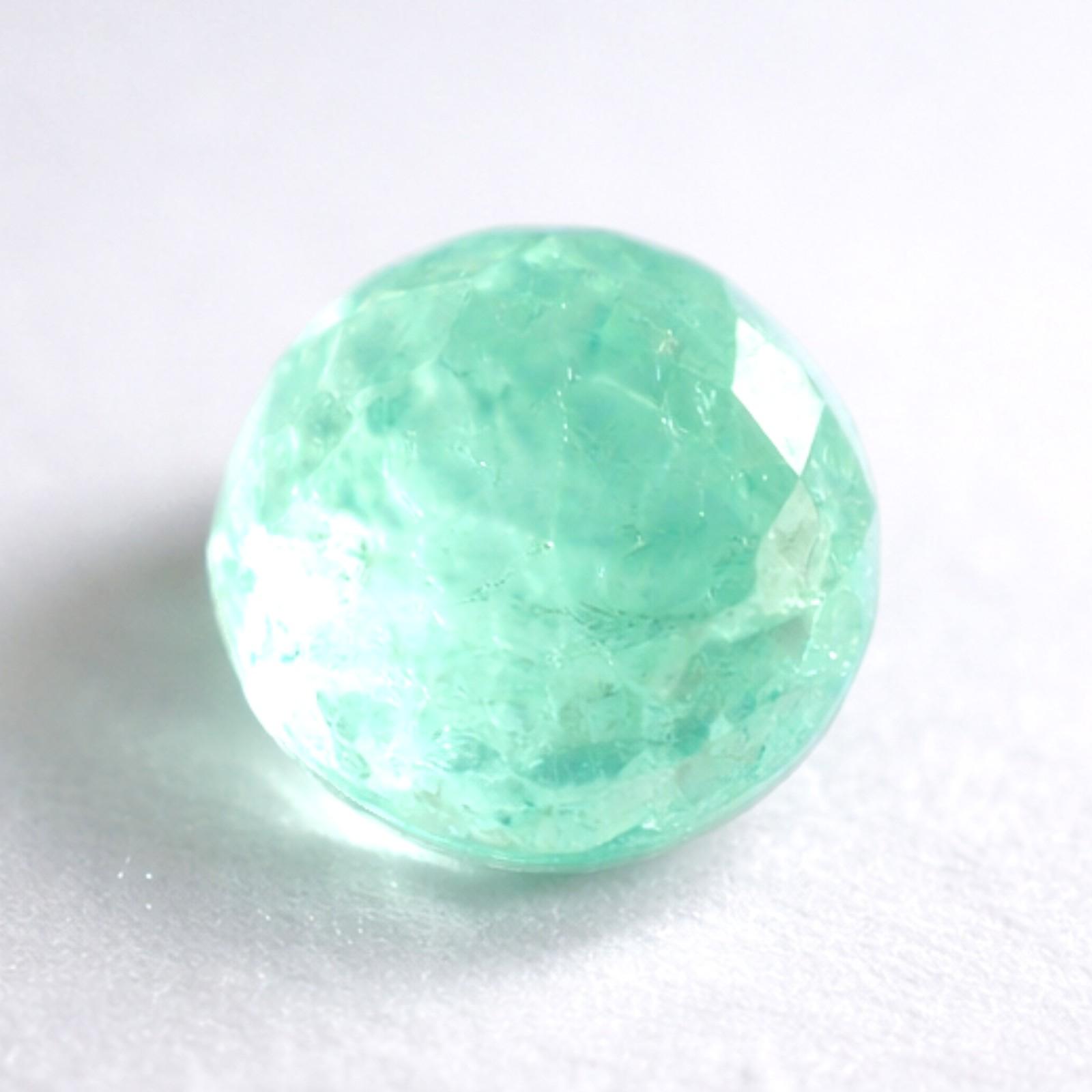
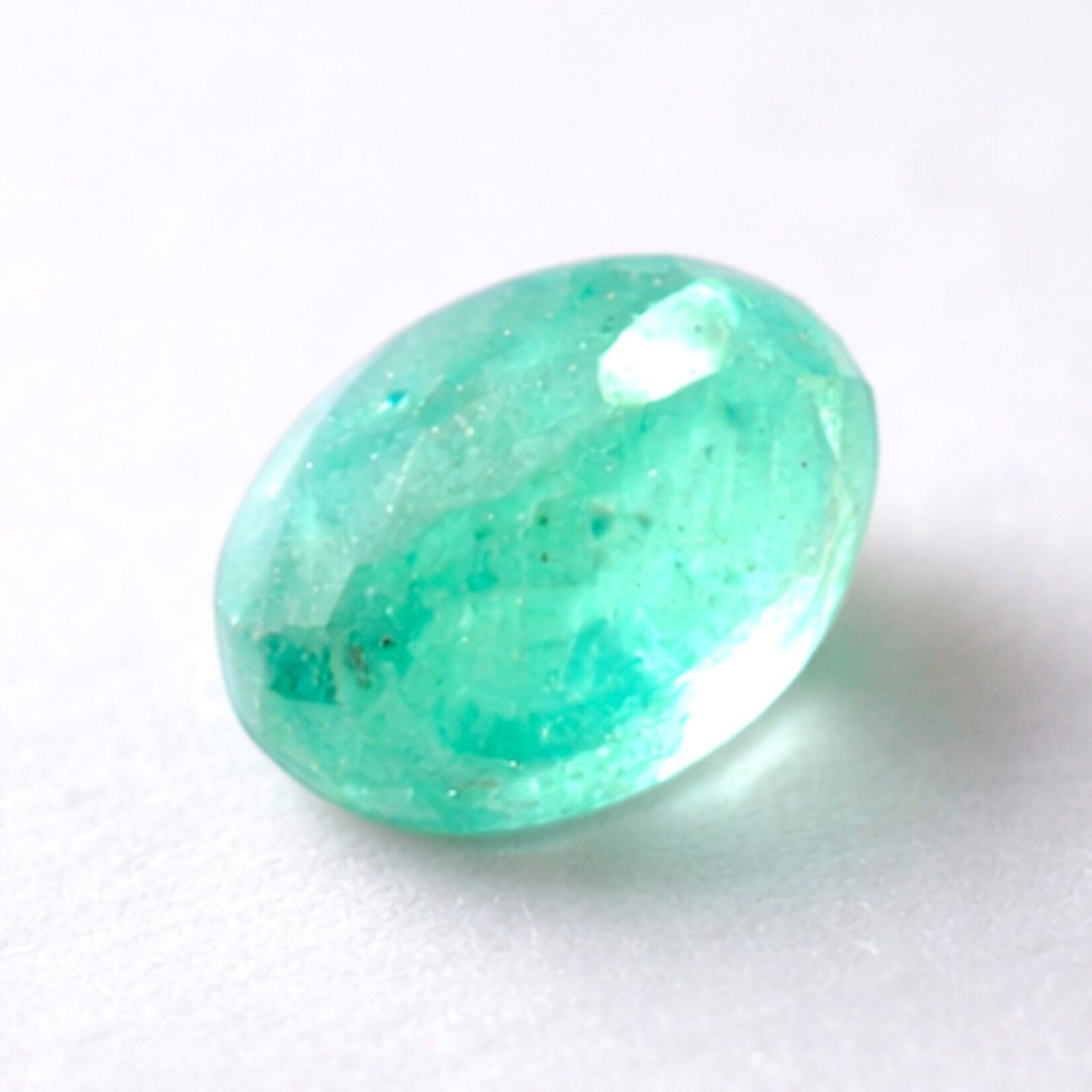
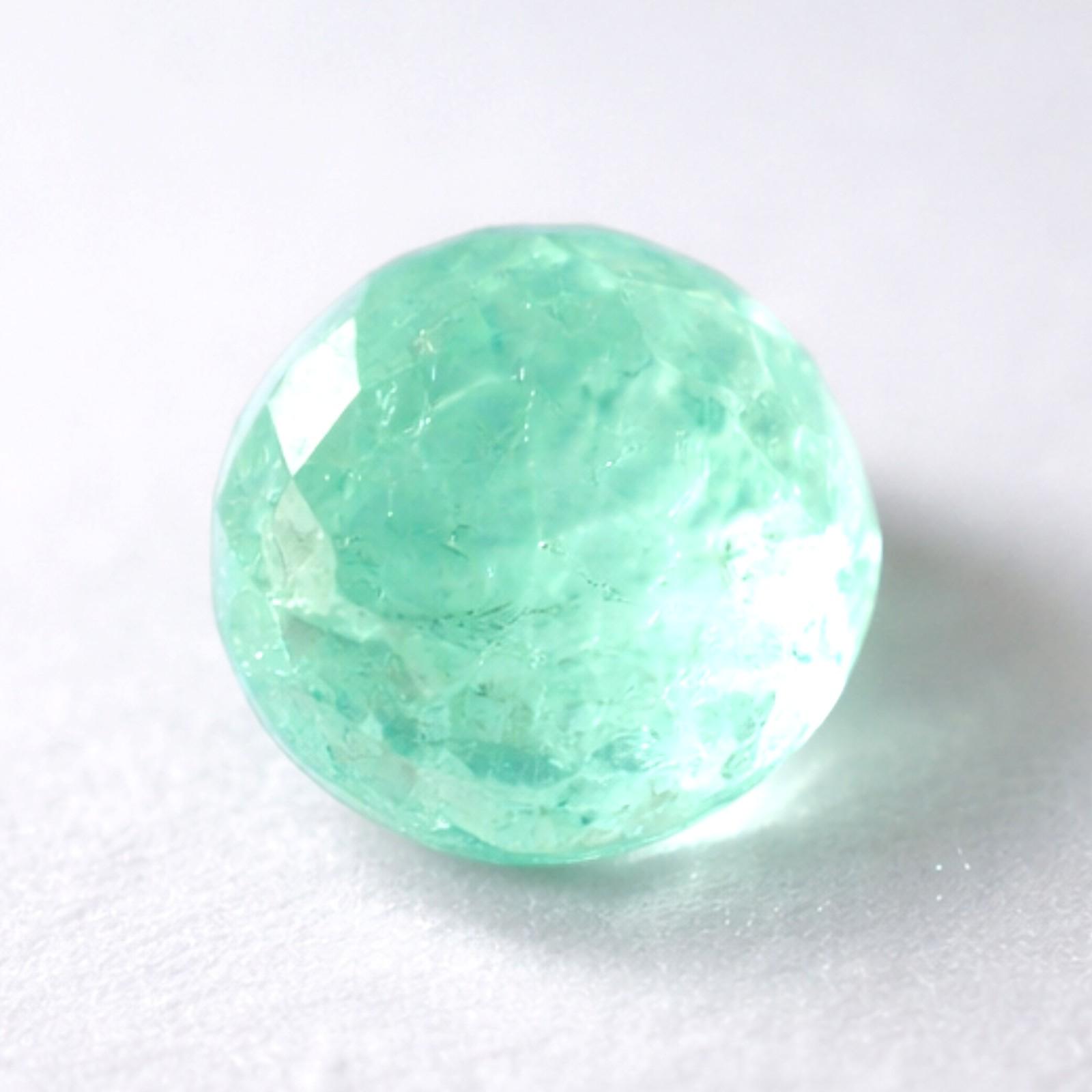
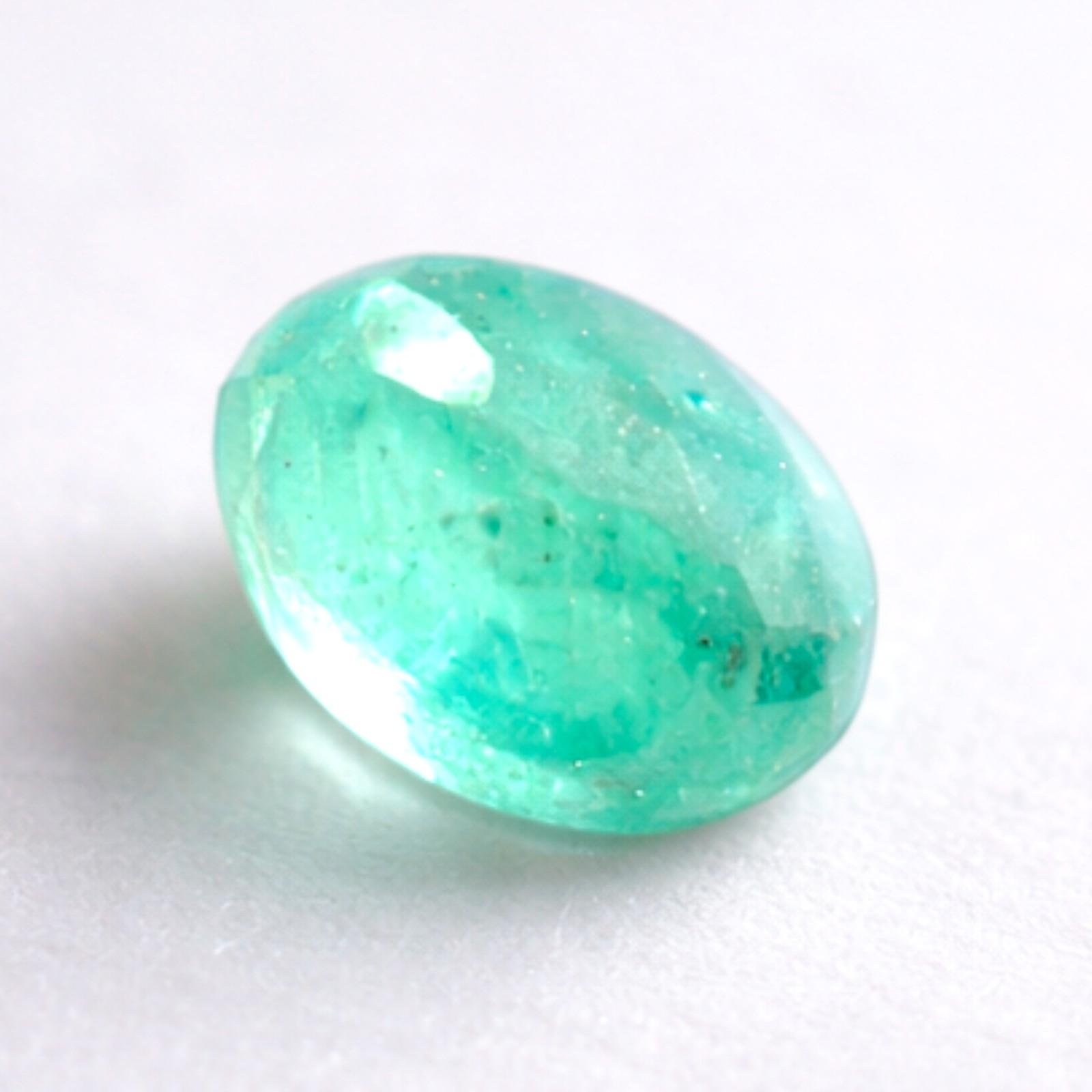
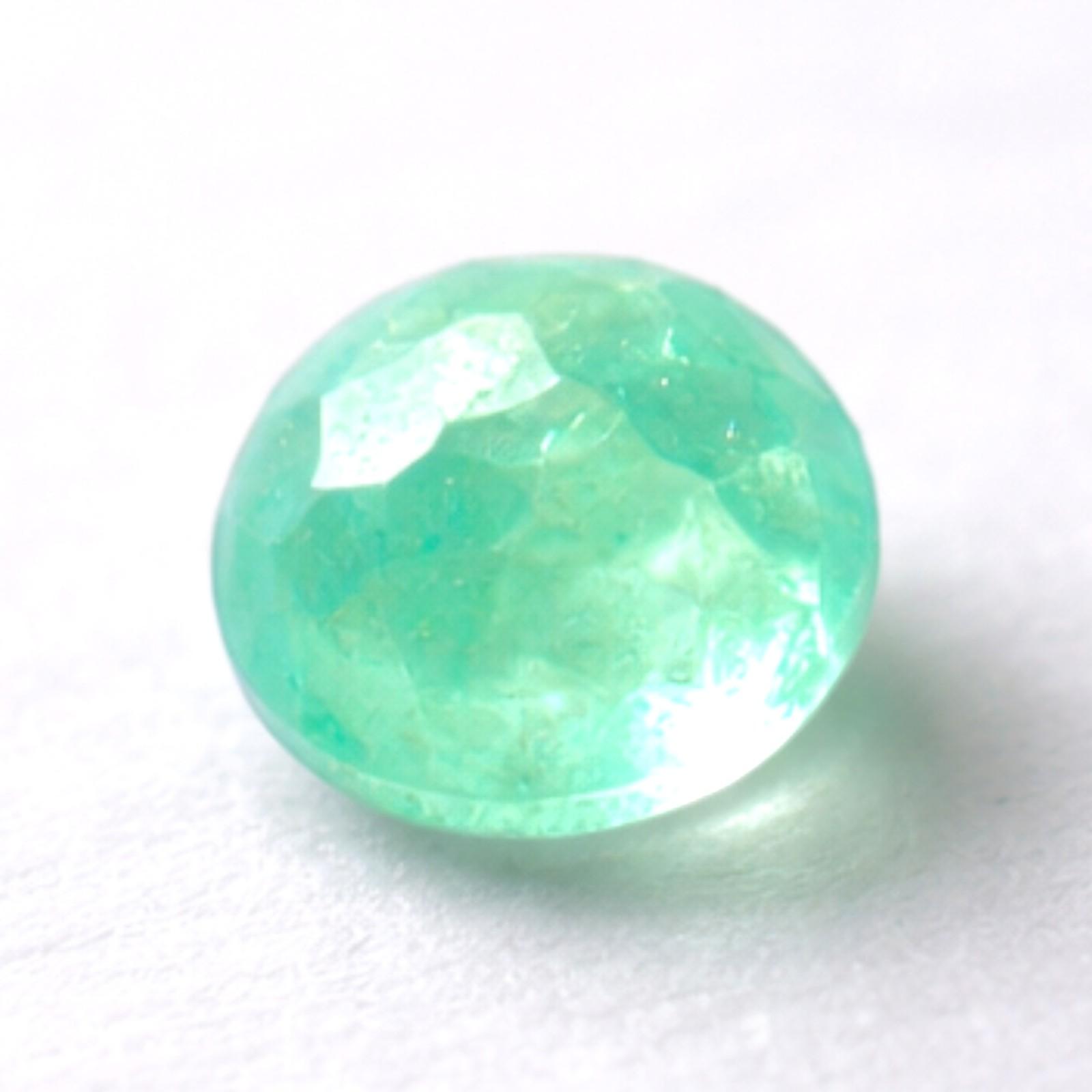
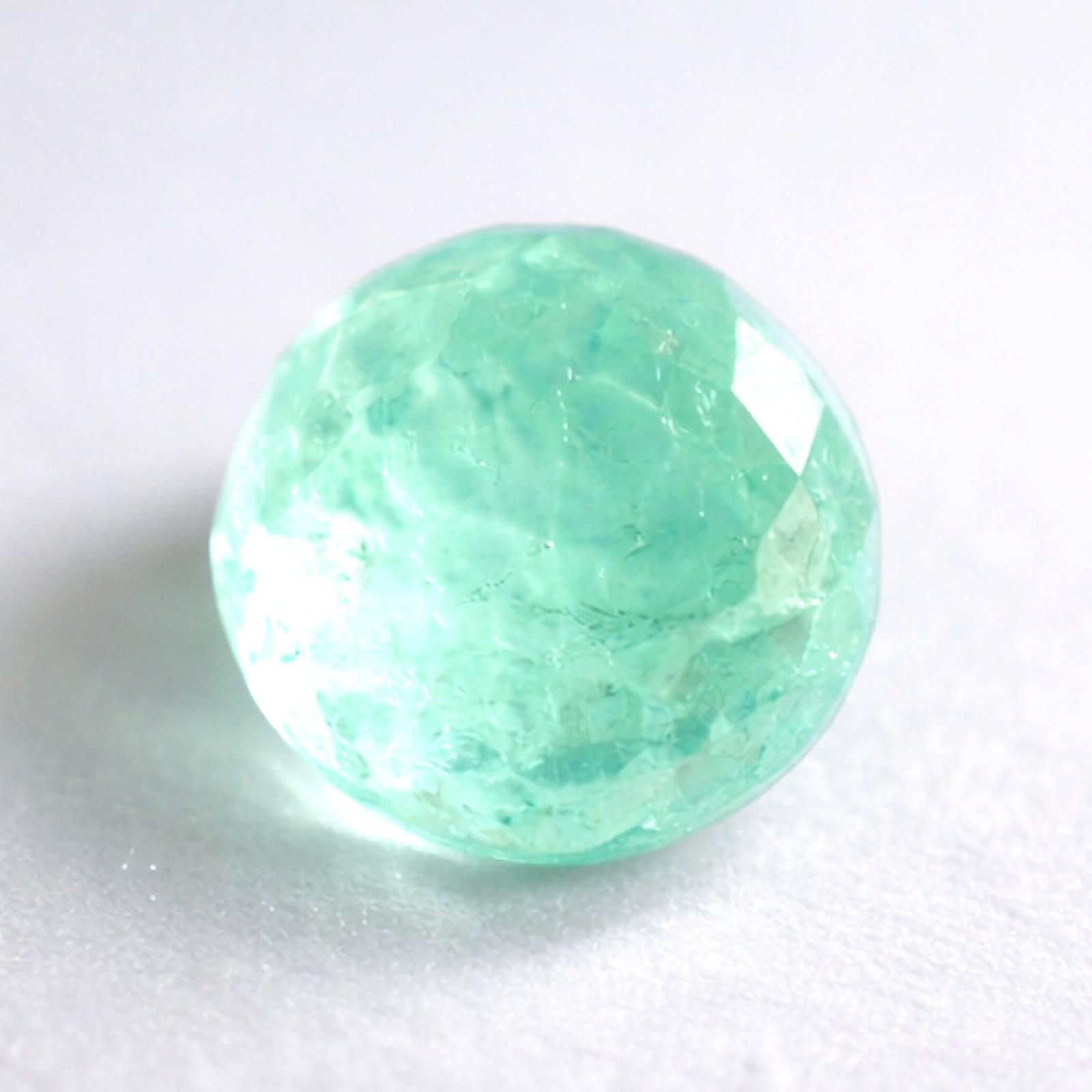
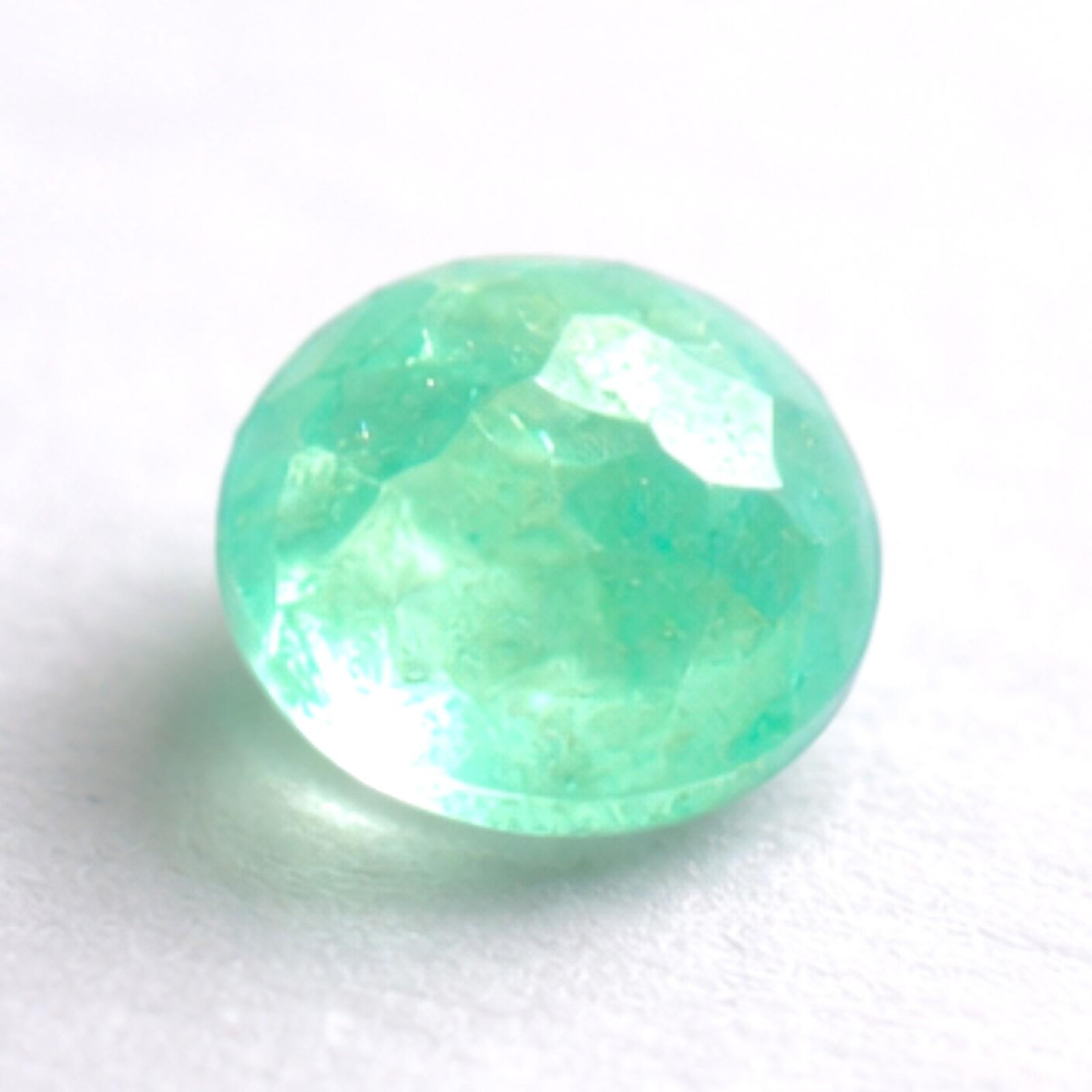
0.20 ct PHOSPHOPHYLLITE – BOLIVIA
EXPERT VERIFIED
- Expert Verified Gemstone
- Fast Handling & Shipping
- Secure Vault Packaging
$ 240 Original price was: $ 240.$ 180Current price is: $ 180.
Offer amount Feild


Smart Collector Choice


Pay with Crypto & Get 10% Automatic Discount

Out of stock


- Freakingcats Gemstone Database
Phosphophyllite (EXTREMELY RARE LOCATION – Bolivia)
Images taken under strong light source. Phosphophyllite from the historic silver mines of the Bolivian Andes represents the “zinc-phosphate” peak of the mineral world. A hydrated zinc iron manganese phosphate, it is widely considered the “Holy Grail” of mineral collecting due to its “electric-seafoam” saturation and its status as a masterpiece of “monoclinic” structural discipline. For the specialist, a top-tier Bolivian Phosphophyllite—specifically from the Unificada Mine—is a prize of extreme hydrothermal focus; it offers a vitreous luster and a “luminous” presence that makes it a true “high-vibration” asset for the systematic vault. As an artist, I find the “aqueous-neon” depth and the “razor-sharp” twinning of these crystals to be one of nature’s most sophisticated and “fragile” palettes.
The Heritage & Discovery
Historical Significance Phosphophyllite is a vital species for understanding the complex chemistry of phosphate minerals in the oxidation zones of tin-silver deposits. Historically, it was named in 1920 from the Greek phospho (for its phosphate content) and phyllon (leaf), a tribute to its perfect cleavage. In the world of fine minerals, it is celebrated for its natural, “aqueous-mint” pigment, which stands as a symbol of mental clarity and structural integrity. It serves as a reminder that the most “hostile” geological environments of the Altiplano can produce extraordinary crystalline results when zinc and phosphorus are allowed to organize undisturbed.
Discovery While found in small, inferior crystals in Germany and the USA, the “monumental” discoveries in Bolivia during the mid-20th century redefined the mineralogical benchmark for the species’ size and transparency. Scientifically, it is a hydrated zinc phosphate. Its discovery in Potosí provided mineralogists with the first clear look at the species’ potential for “water-clear,” fish-tail twinned crystals that exhibit a “sharp” sea-green brilliance. My own respect for this material grew from observing its “optical” depth; specifically, the way its light-green surfaces handle light—often exhibiting a “radiant” glow that is unmistakable to the trained eye.
Important Mines The undisputed world capital for the finest, “legendary” Phosphophyllite is the Unificada Mine (Cerro de Potosí) in Potosí, Bolivia. These specimens set the global benchmark for color purity and “sharp” crystal architecture. I also have a high regard for the rare finds from the Huanuni Mine in Oruro. For the vault, I prioritize the Potosí material for its unmatched “seafoam-depth” and its status as a rare-location masterpiece of the phosphate group.
Mineralogical Profile
Description Phosphophyllite is a hydrated zinc iron manganese phosphate that crystallizes in the monoclinic system. It sits at a 3 to 3.5 on the Mohs scale, making it an exceptionally fragile mineral that must be handled with extreme care to preserve its “razor-sharp” edges and vitreous surfaces. It is characterized by its vitreous luster and its unmistakable, “delicate-blue-green to mint-green” color palette.
One of its most identifying traits is its frequent contact twinning (fish-tail twins) and its association with secondary phosphate minerals. It has a moderate refractive index and a specific gravity (SG approx 3.1) that reflects its zinc-rich structure. Because it forms in the late stages of hydrothermal mineralization, it is often found in association with Cassiterite, Triphylite, and Sphalerite. When I select a piece for the collection, I look for “pure” transparency and the rarest “neon-seafoam” saturation, as these highlight the sophisticated, three-dimensional geometry of the mineral’s growth. It is a light, high-vibration mineral that offers a unique, “aqueous-neon” beauty unlike any other phosphate variety.
Chemical Formula Zn2(Fe2+,Mn2+)(PO4)2 · 4H2O
Related products
- Sale!Suggest a Price
![1.25 ct ANDALUSITE - BRAZIL]()
- Sale!Suggest a Price
![1.63 ct CATS EYE ALEXANDRITE - INDIA]()
- Sale!Suggest a Price
![12.30 ct AMAZONITE - USA]()
- Sale!Suggest a Price
![12.75 ct AMAZONITE - USA]()


