
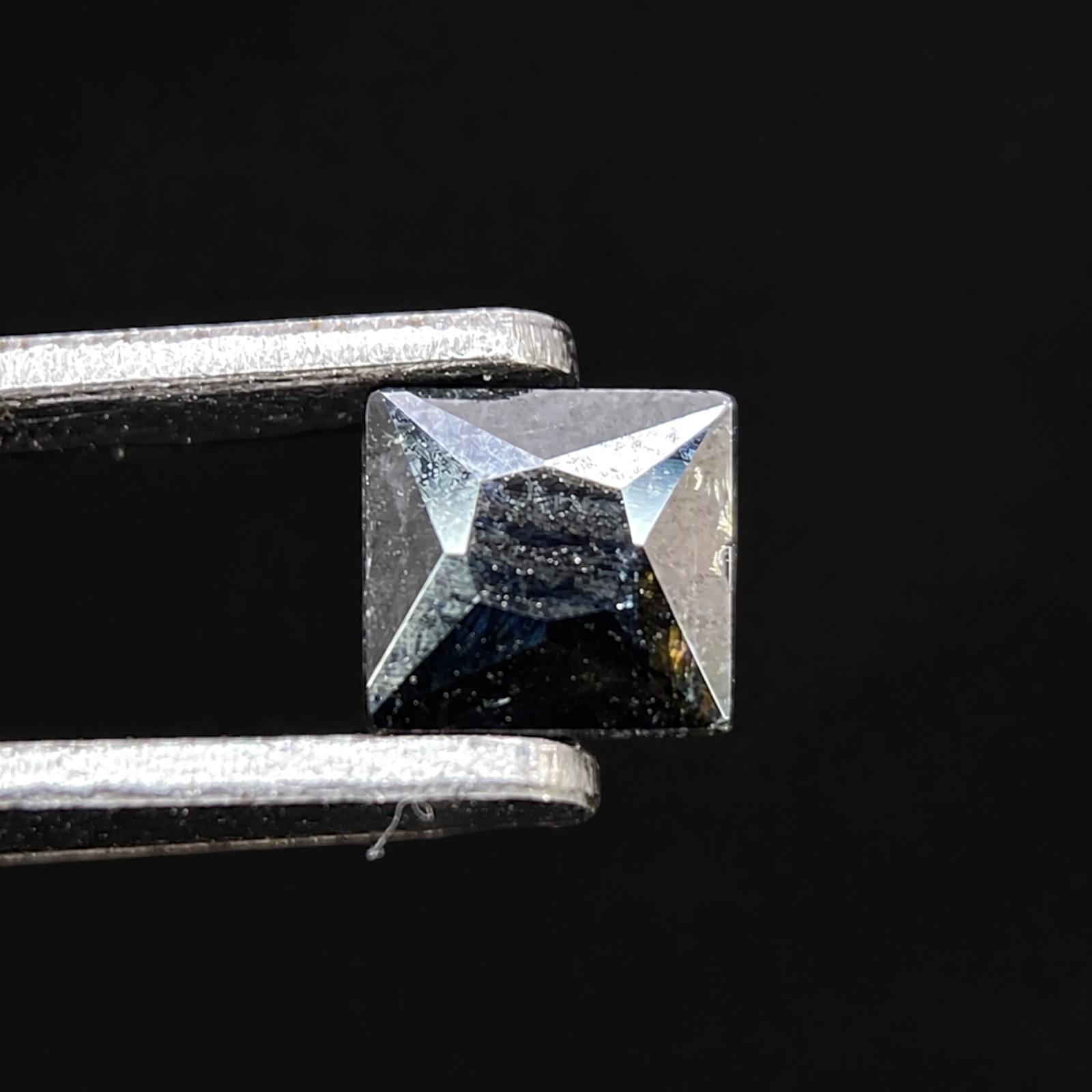
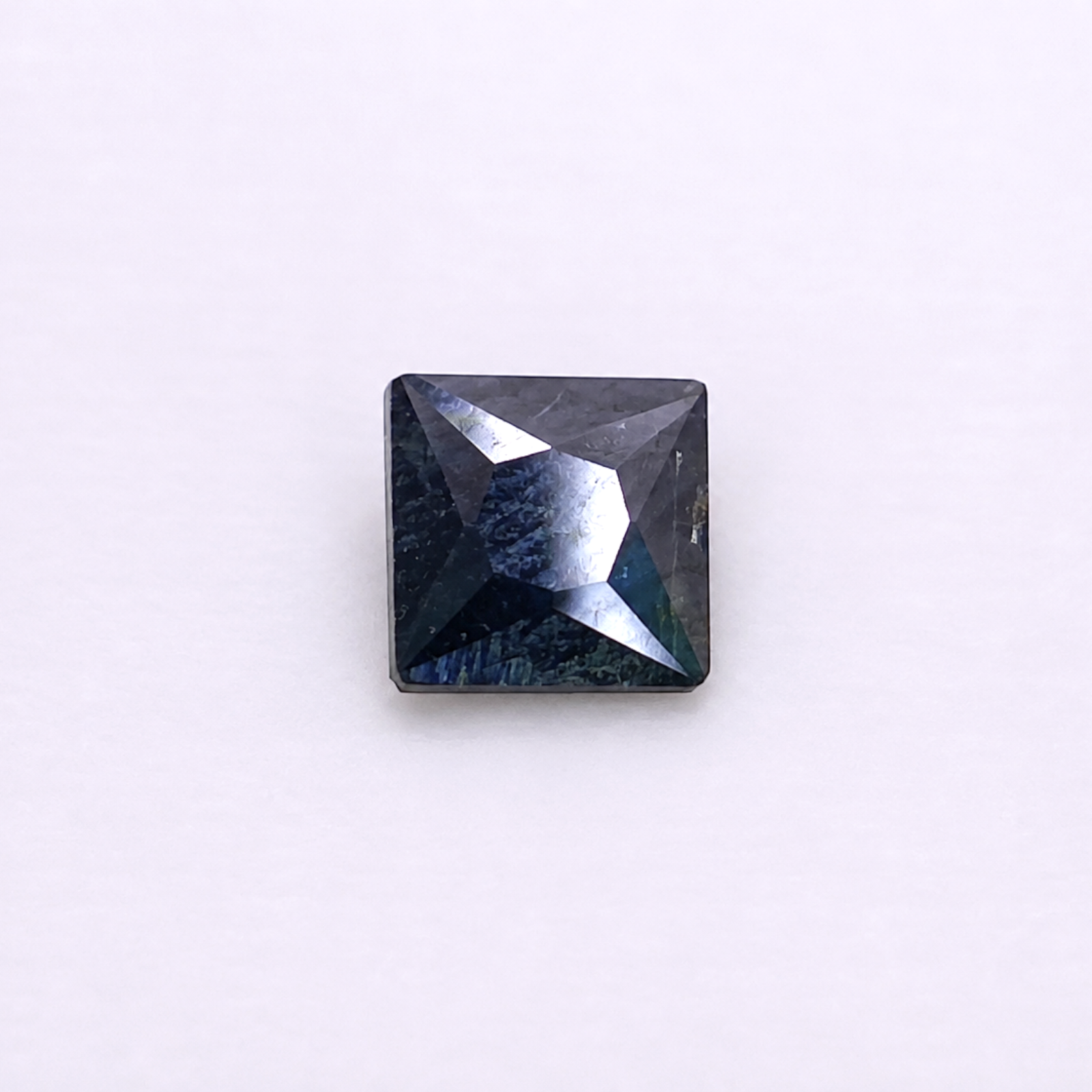
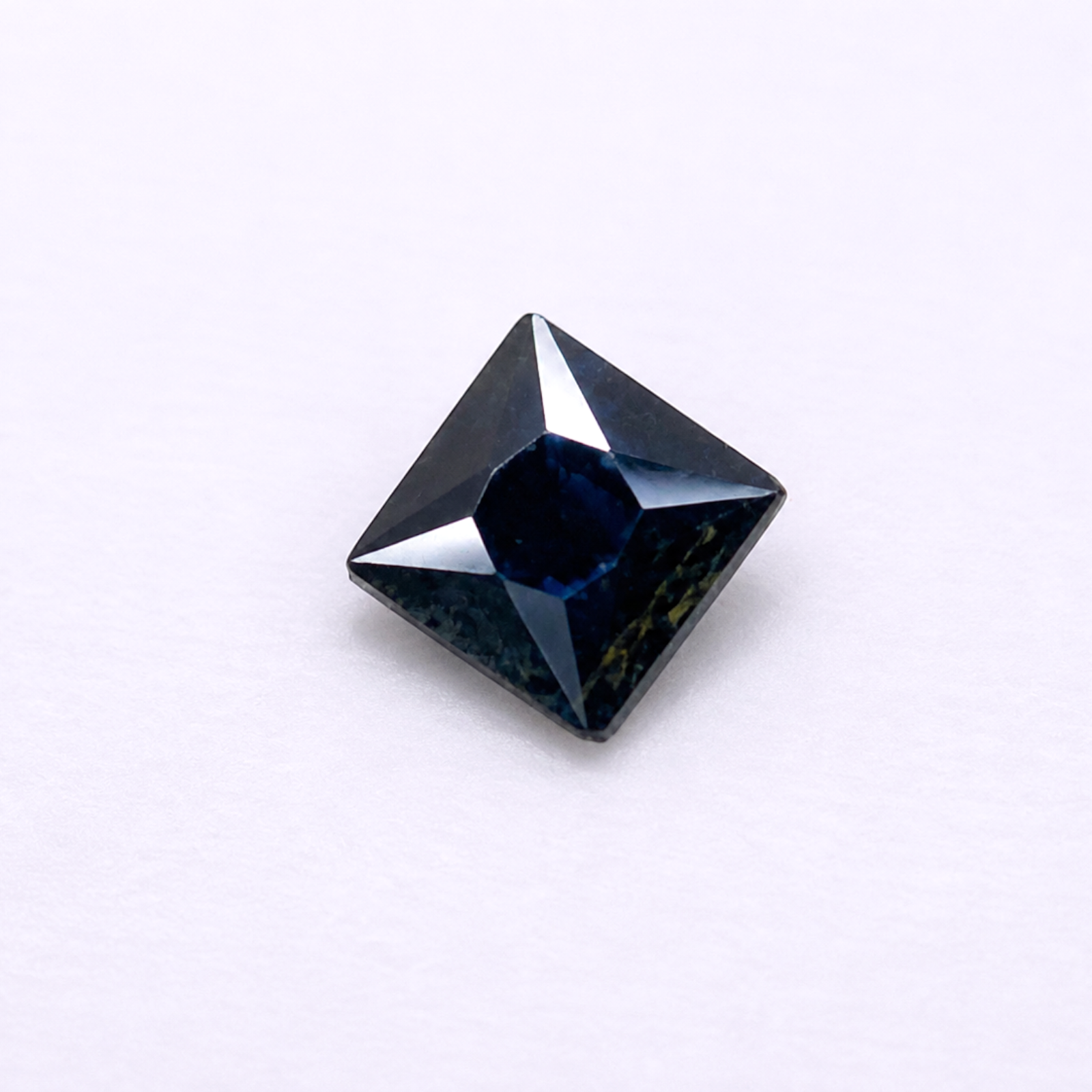
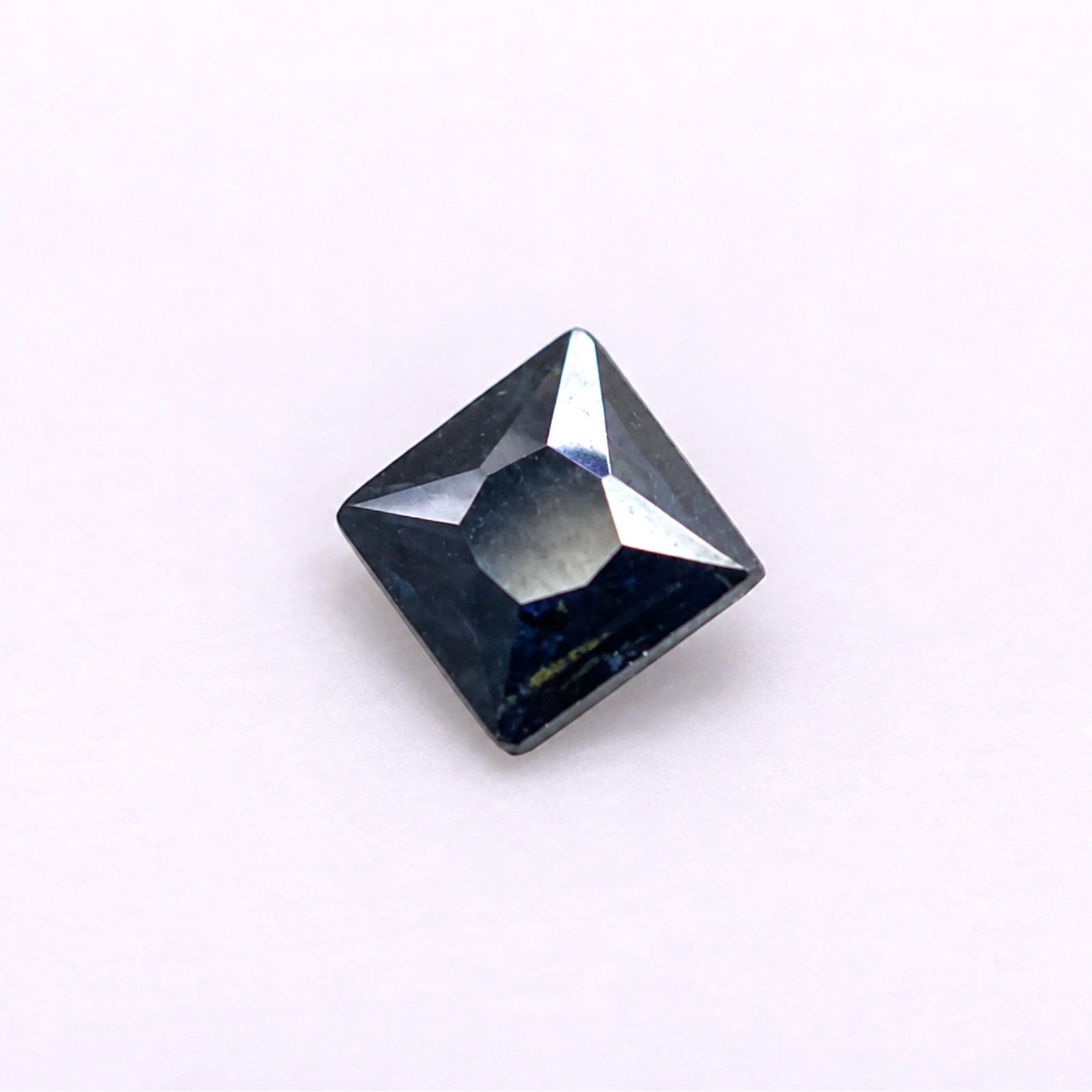
0.27 ct ANATASE – AUSTRALIA
EXPERT VERIFIED
- Expert Verified Gemstone
- Fast Handling & Shipping
- Secure Vault Packaging
$ 120
Offer amount Feild


Smart Collector Choice


Pay with Crypto & Get 10% Automatic Discount

Availability: 1 in stock
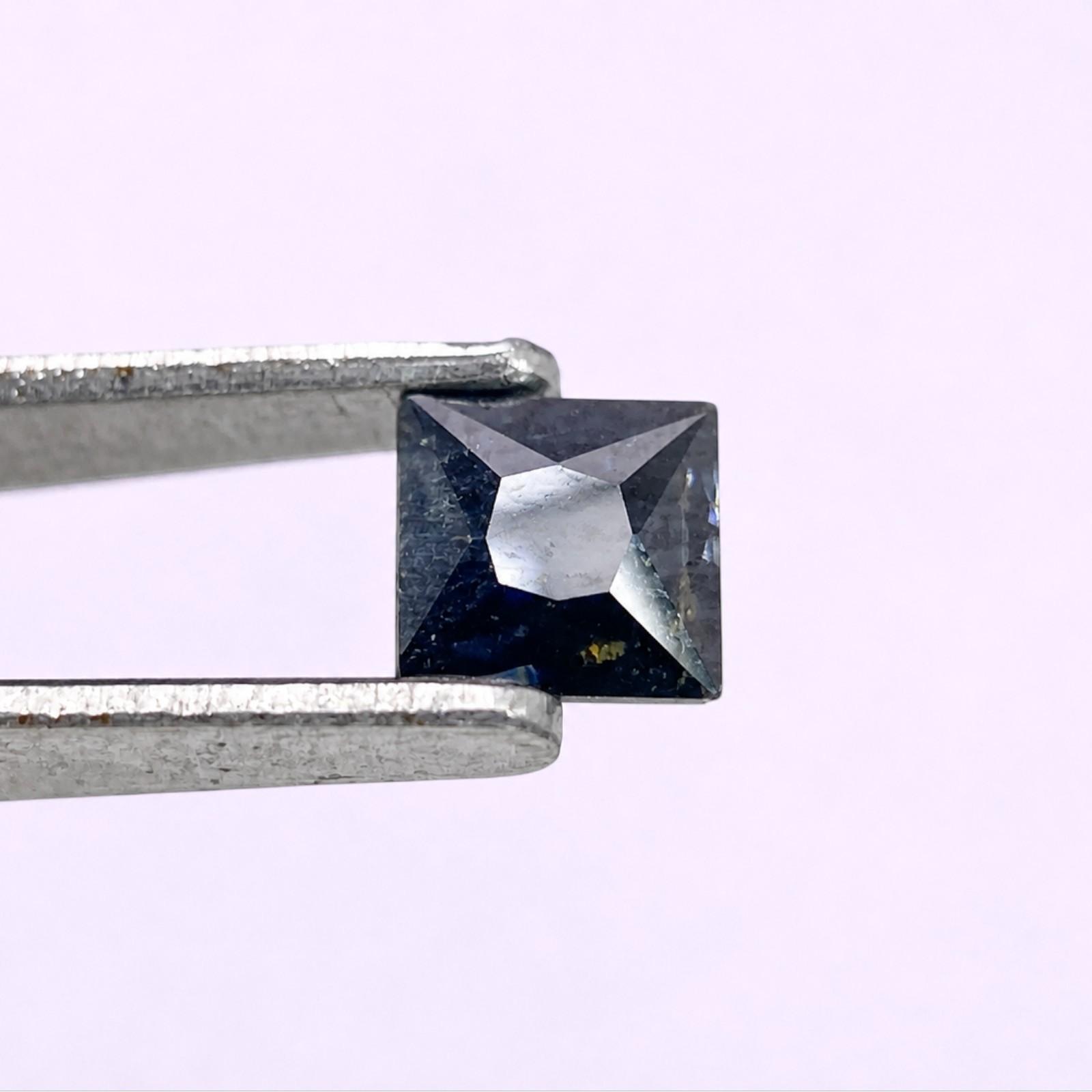
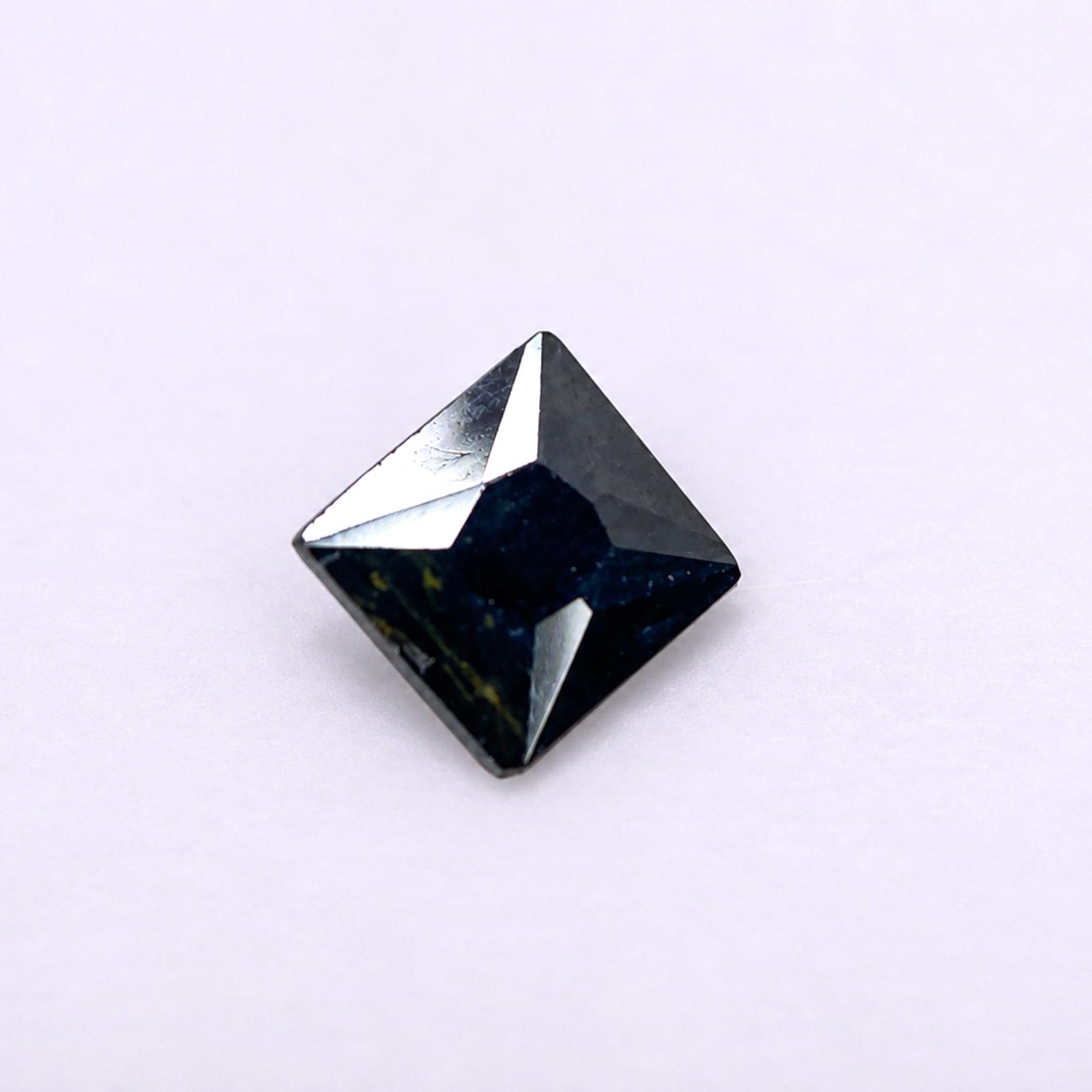
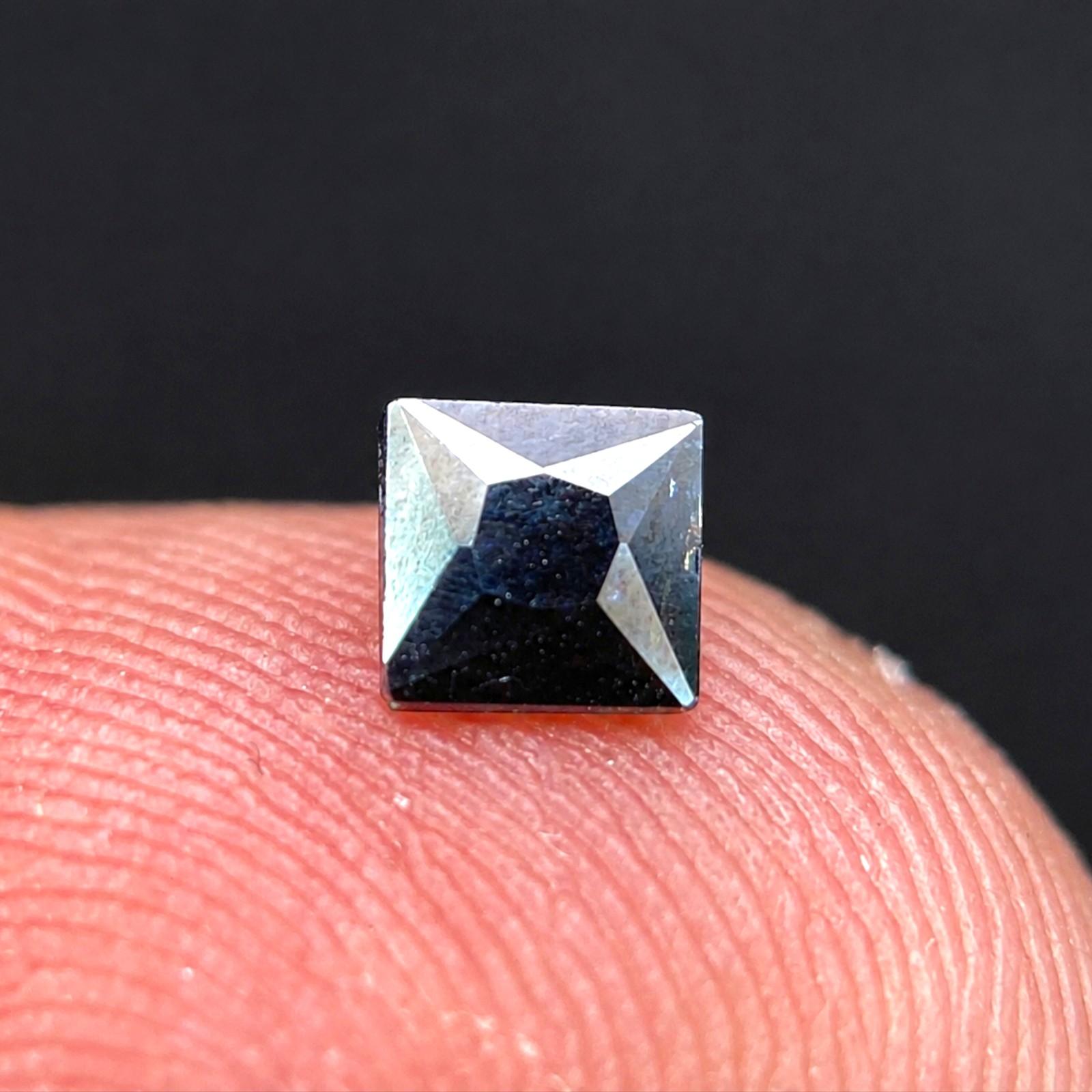


- Freakingcats Gemstone Database
Anatase (Australia)
Anatase from the ancient metamorphic terrains, alpine-type veins, and heavy mineral sand horizons of Australia represents a crisp, structural masterclass in low-temperature titanium dioxide crystallization. A distinct polymorph sharing its chemical formula with rutile and brookite, it is a mineral I have always respected for its “gunmetal-indigo” to “warm-bronze-neon” reflections and its status as a masterpiece of “tetragonal” structural discipline. For the specialist, a fine Australian Anatase—whether forming razor-sharp, sub-metallic dipyramids perched on quartz matrix or concentrated in ancient heavy-mineral placers—is a prized trophy of localized titanium mobilization; it offers a brilliant adamantine to sub-metallic luster and a highly structured, anchoring presence that makes it an essential asset for the systematic vault. As an artist, I find the stark geometric contrast between its dark, highly reflective bipyramidal crystals and the muted, earthy tone of its host silicate matrices to be one of nature’s most sophisticated and geometrically disciplined palettes.
The Heritage & Discovery
Historical Significance Anatase is an indispensable index species for decoding the precise thermochemical limits, low-temperature hydrothermal fluid pathways, and titanium migration vectors that govern alpine-type vein formation and altered metamorphic rocks. Historically, while Australia is globally renowned for its massive economic rutile and ilmenite deposits, the discovery of macrocrystalline, sharply faceted anatase crystals across various Australian mining fields provided scientists with a valuable model for low-temperature TiO2 crystallization. In the world of fine systematic minerals, Australian specimens stand as an enduring symbol of structural precision, tectonic resistance, and elemental focus.
Discovery The unearthing of aesthetic anatase across Australian metamorphic and pegmatitic zones occurred during regional mineralogical surveys and gold-field exploration across the continent. Scientifically, Anatase is the low-temperature, metastably formed tetragonal polymorph of titanium dioxide. Under high-temperature conditions or intense thermal overprinting, its structure permanently converts into its denser, more common counterpart, rutile. The discovery of preserved anatase crystals in ancient Australian fissures confirms that these localized pocket environments remained thermally stable and undisturbed following their low-temperature hydrothermal precipitation. My own respect for this material grew from analyzing its deceptive optical nature; specifically, the way its dark, metallic-looking faces reveal fiery internal amber or blue flashes under targeted, high-intensity lighting is an optical characteristic that is deeply captivating to the systematic specialist.
Important Locations Notable expressions of anatase within Australia are documented across several key geological provinces. Outstanding, sharply formed acute dipyramids have been recovered from the alpine-type metamorphic veins and pegmatite boundaries of the New England Orogen in New South Wales, as well as select quartz-bearing fissures in Victoria and Tasmania. Additionally, microcrystalline to macro-grained anatase is heavily studied within the ancient heavy-mineral strandline deposits of Western Australia (such as the Eneabba and Capel fields) where it occurs as a secondary alteration product of ilmenite. For the systematic vault, I prioritize specimens that exhibit sharp, unblemished dipyramidal crystal faces, strong adamantine luster, and a clean, freestanding position on a protective matrix.
Mineralogical Profile
Description Anatase is a titanium dioxide mineral that crystallizes in the tetragonal system. It sits at a robust 5.5 to 6 on the Mohs scale, meaning its highly reflective but brittle dipyramidal crystals must be protected from sudden physical impacts and preserved within stable archival conditions to safeguard its delicate, horizontally striated faces. It is characterized by its exceptionally bright adamantine to sub-metallic luster and an unmistakable, “deep gunmetal-black, indigo-blue, to warm honey-amber” color palette.
One of its most identifying traits is its perfect basal and prismatic cleavage, routinely forming sharp, acute bipyramids or tabular habits that cleanly map out historical fluid channels through metamorphic fractures. It possesses an extraordinarily high refractive index running from approximately 2.488 to 2.564, contributing to its near-diamond surface reflectivity and powerful light-gathering capabilities, and an average specific gravity ranging between 3.82 and 3.97 that reflects its dense, titanium-heavy architecture. Because it forms in late-stage cavities of granitic and metamorphic rocks, it is commonly found in close association with Quartz, Rutile, Brookite, Albite, Titanite, and Clinozoisite. When I select an example for documentation, I look for sharp, “crisp” dipyramidal habits or freestanding, highly lustrous crystals on matrix, as these emphasize the sophisticated, three-dimensional chemistry of the mineral’s fluid-driven birth.
Chemical Formula


