
0.30 MARCASITE – USA
EXPERT VERIFIED
- Expert Verified Gemstone
- Fast Handling & Shipping
- Secure Vault Packaging
$ 150
Offer amount Feild


Smart Collector Choice


Pay with Crypto & Get 10% Automatic Discount

Availability: 1 in stock
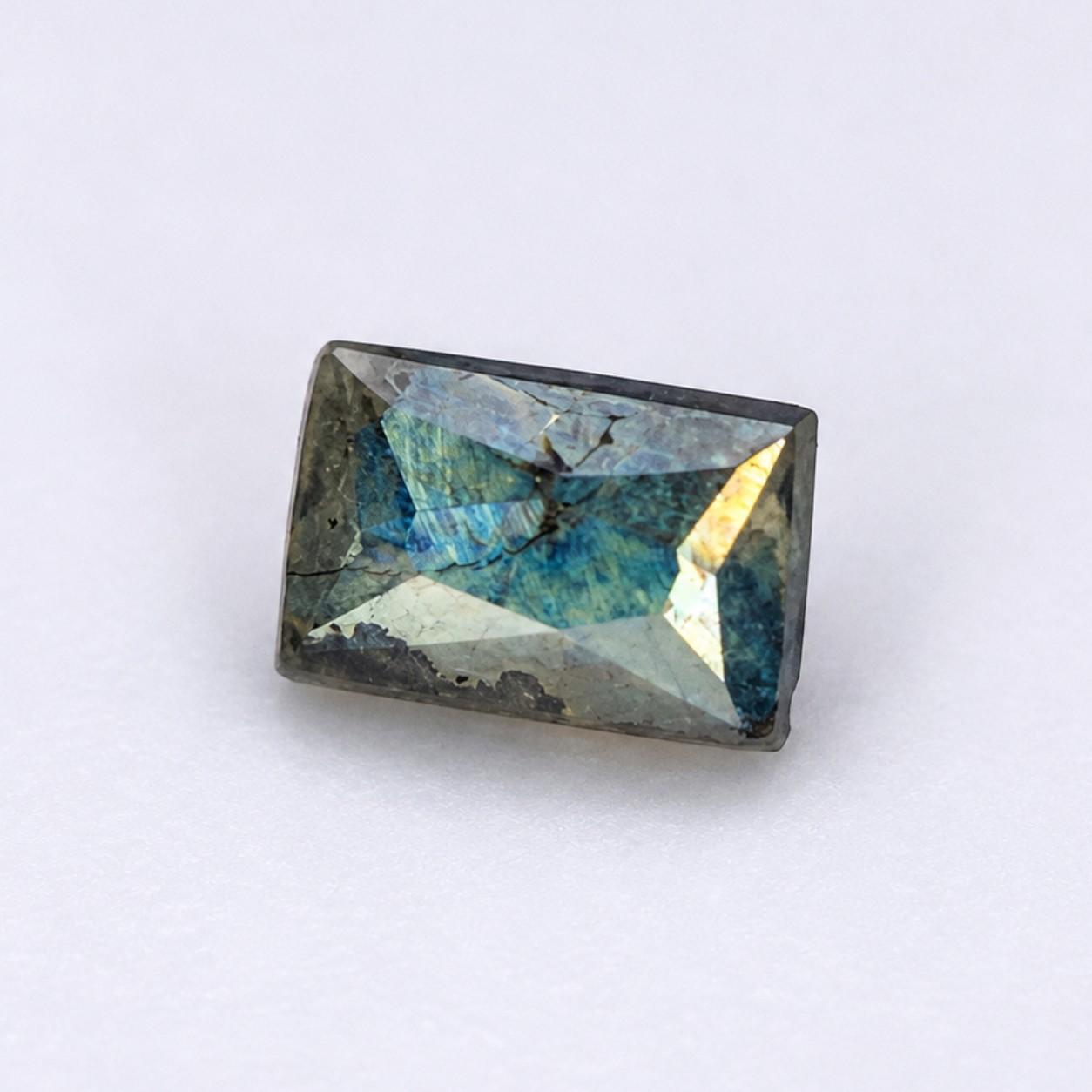
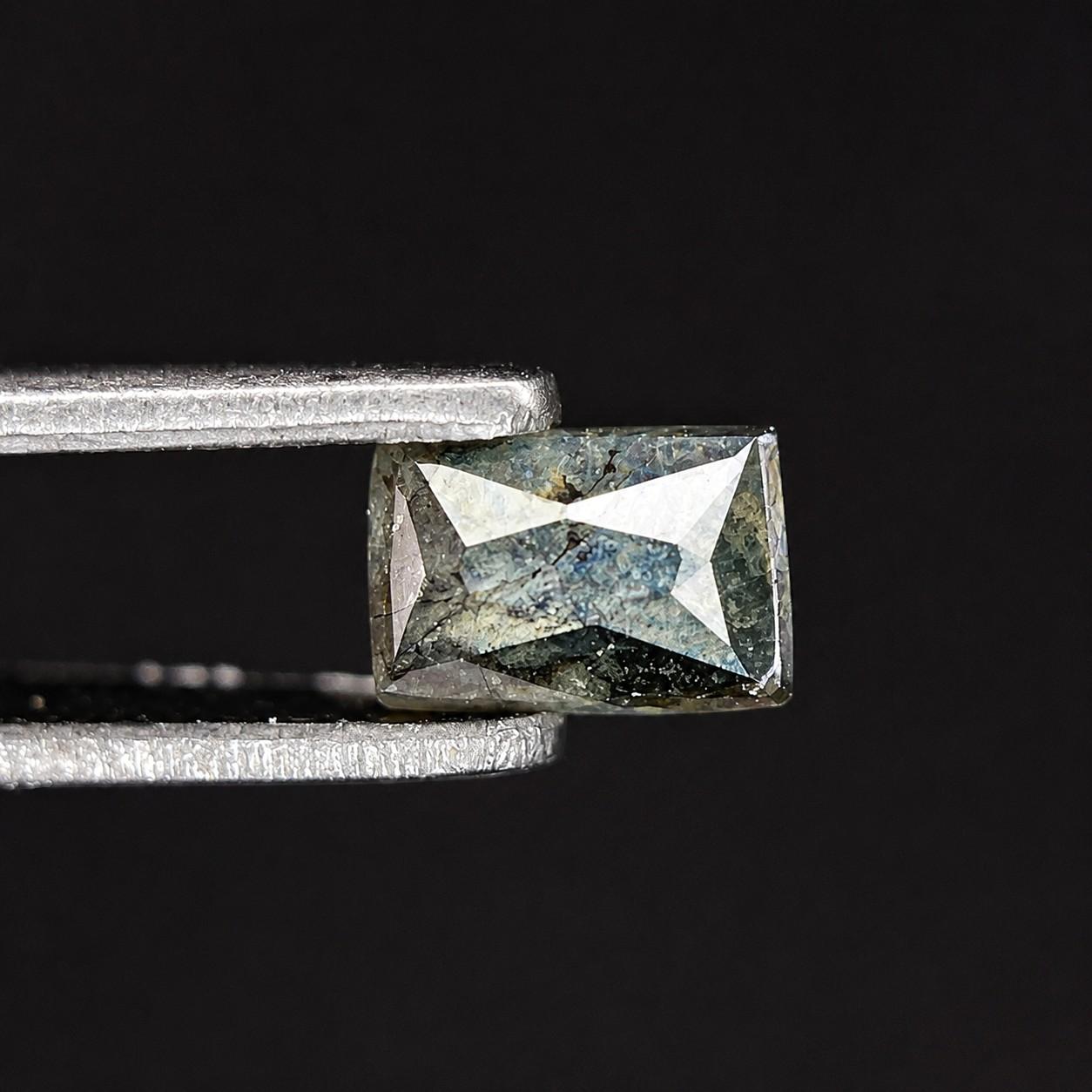
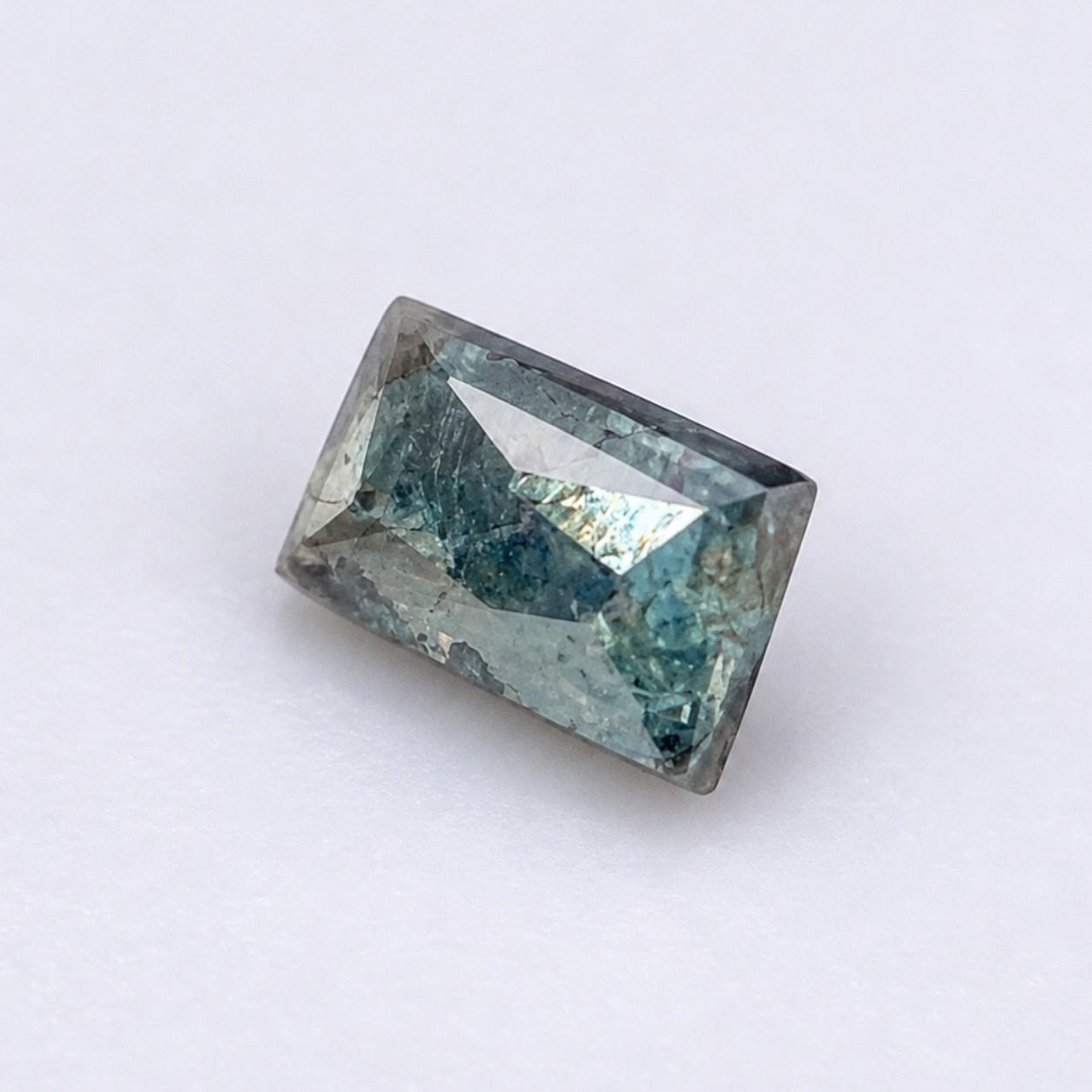
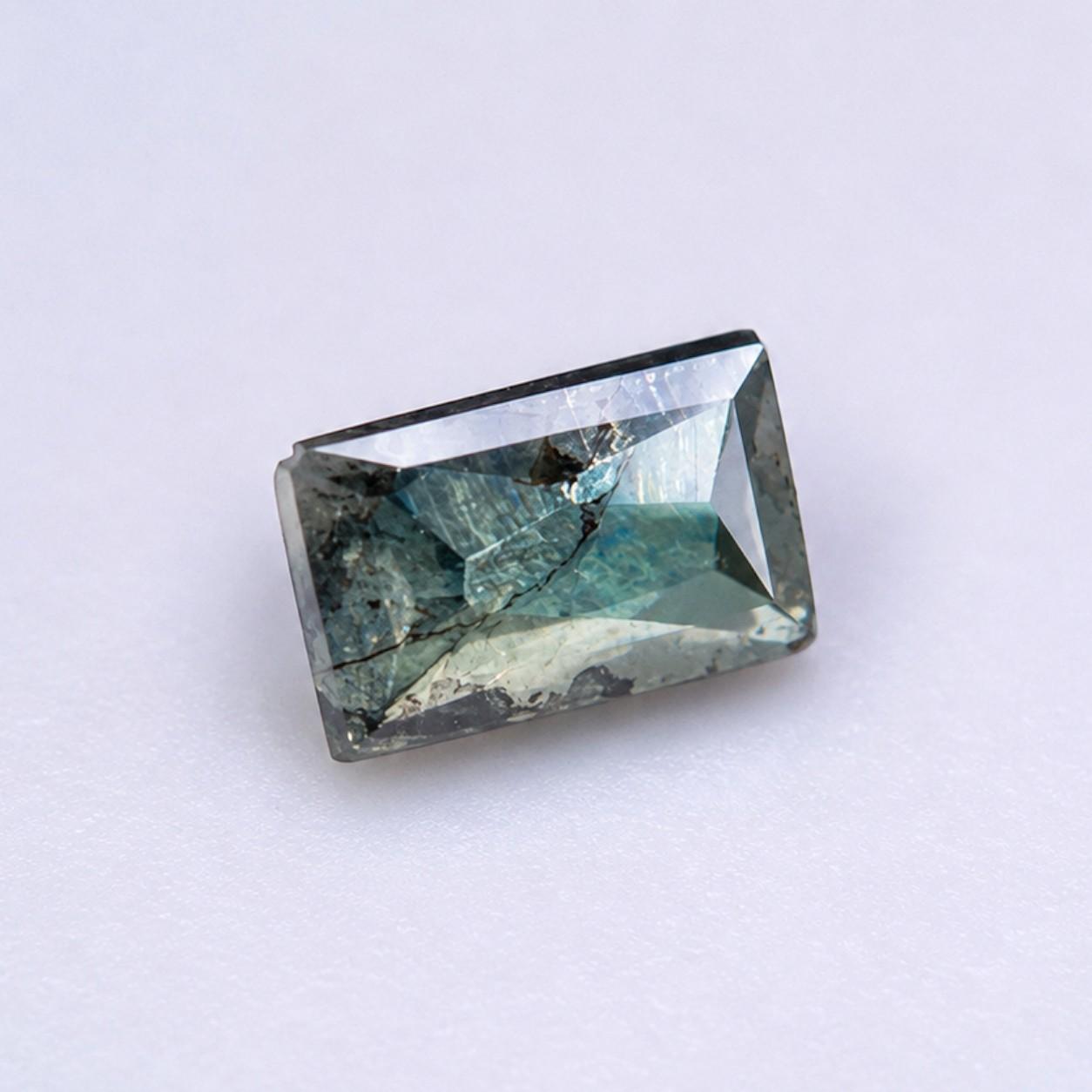
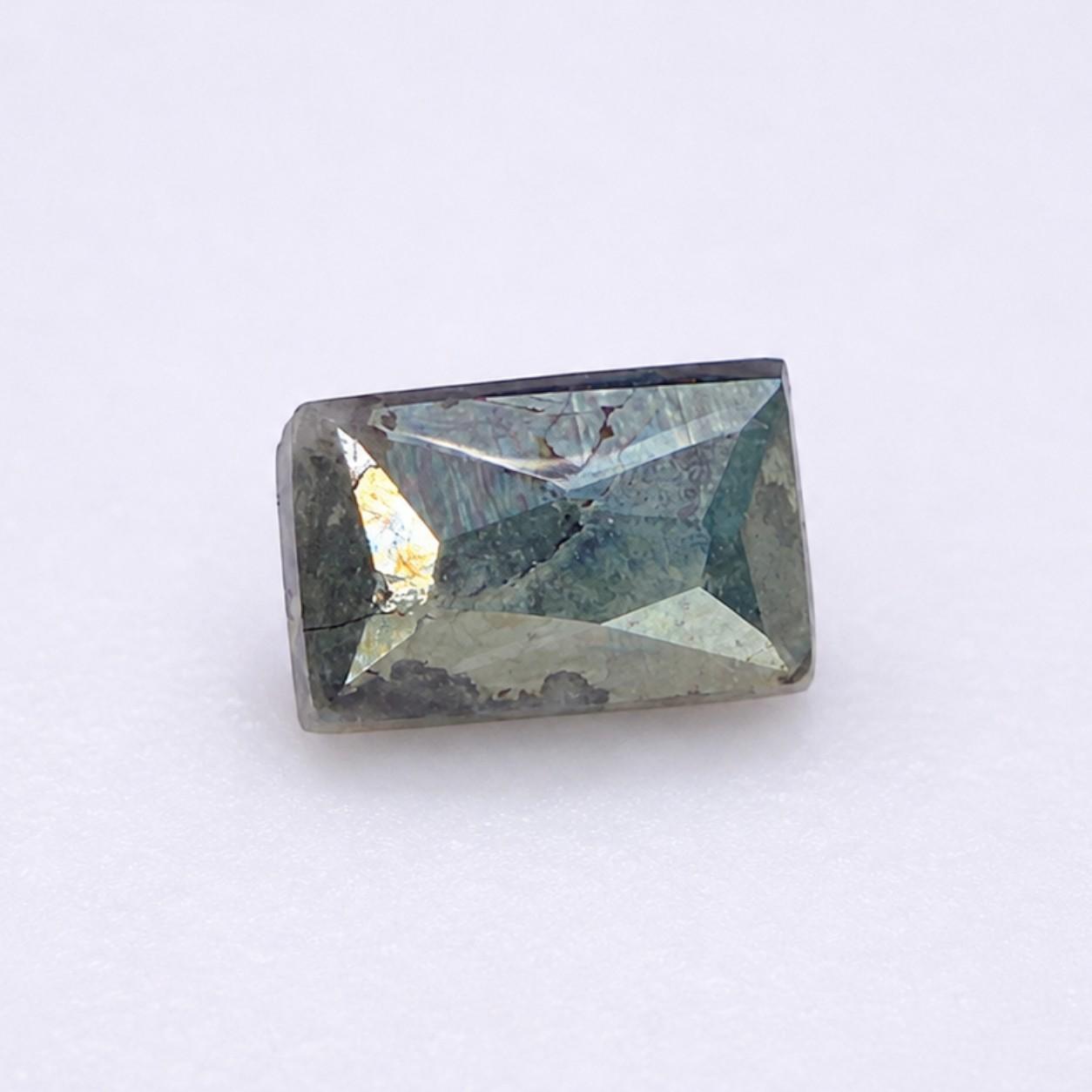
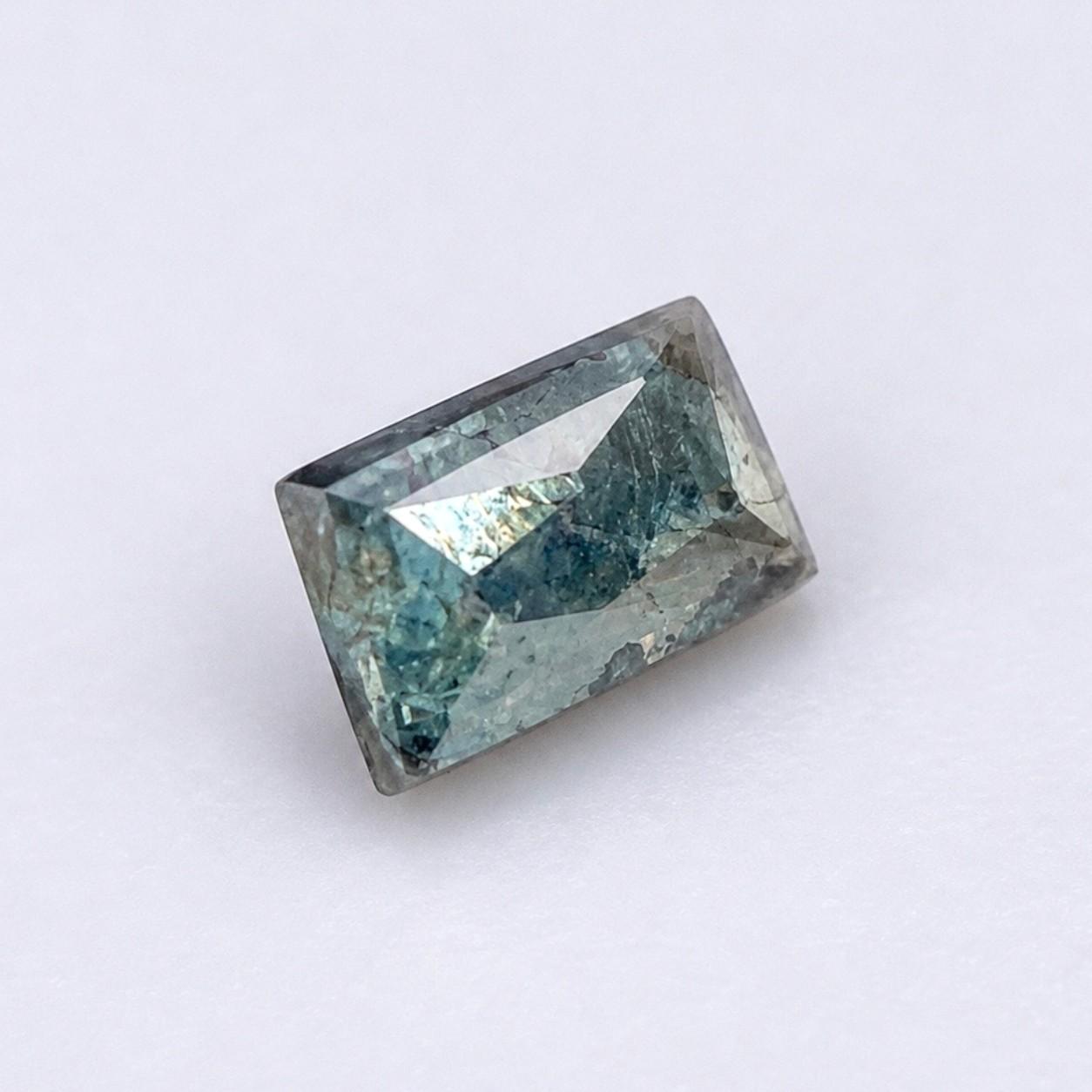
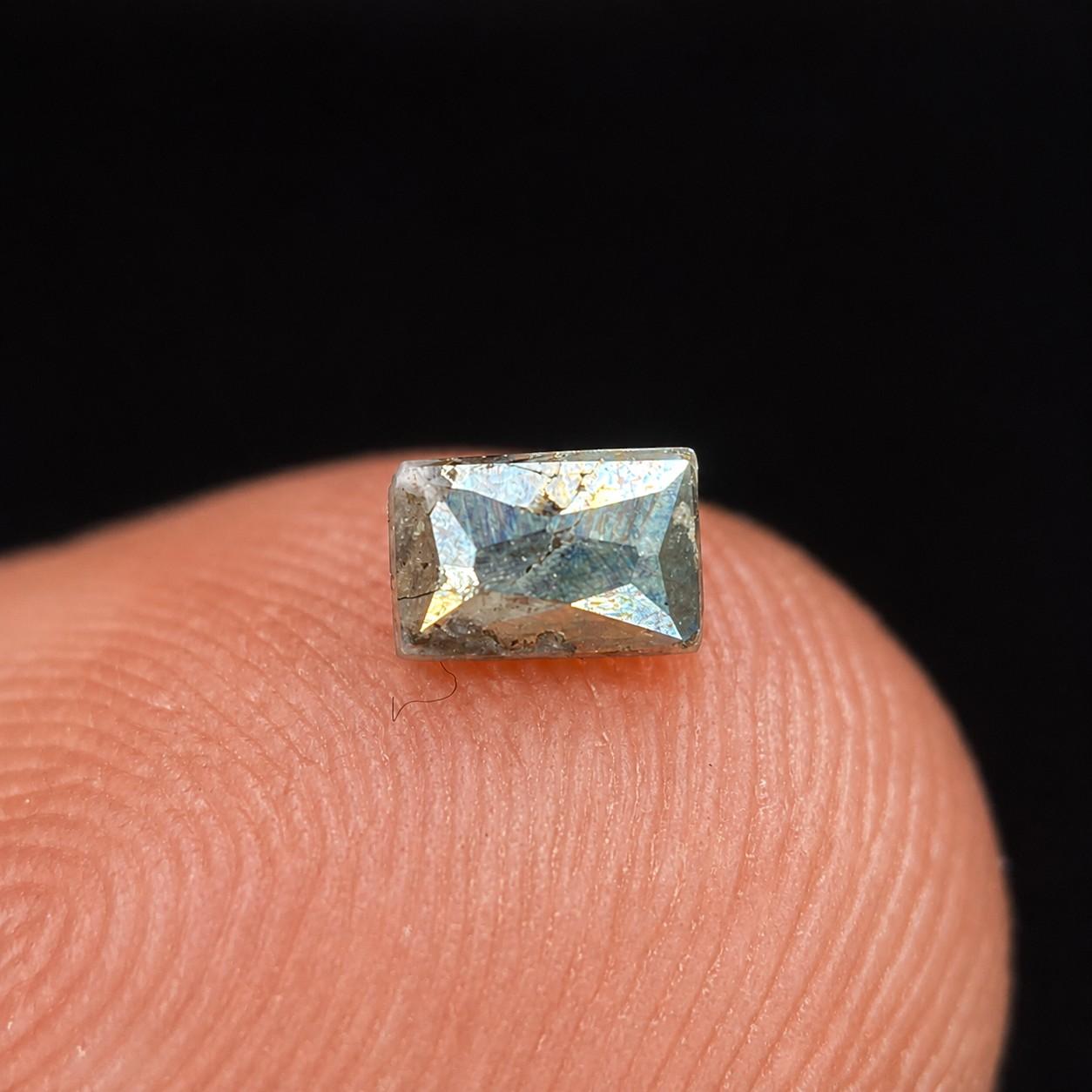


- Freakingcats Gemstone Database
Marcasite
Marcasite is a gemstone that possesses a sharp, metallic “snap” that has captivated jewelers for centuries. Often called “white iron pyrites,” it has a pale, brassy-yellow color that is much cooler and more silver-toned than the common pyrite. I have always appreciated its architectural beauty; it forms in wonderful “cockscomb” aggregates that look like a series of jagged, metallic waves. In the trade, “marcasite jewelry” often actually uses small bits of pyrite for stability, but the true mineral Marcasite is a different creature entirely—more brittle, more complex, and possessing a lighter, more sophisticated metallic glow. Working with genuine Marcasite requires a patient hand, as its tabular crystals are delicate, but for the collector who prizes the “mercurial” side of the sulfide group, it is an essential piece of mineral history.
The Heritage & Discovery
Historical Significance: Marcasite has been a staple of decorative arts since the ancient Greeks, but it reached the height of its popularity during the Victorian era. Historically, it was used as a more affordable, yet incredibly brilliant, alternative to diamonds, particularly in “mourning jewelry” where its dark, metallic luster felt appropriately somber yet elegant. Geologically, it is a low-temperature mineral, often forming in sedimentary rocks like chalk or limestone. In the world of fine minerals, it is celebrated for its “cockscomb” habit, standing as a testament to the diverse ways that iron and sulfur can arrange themselves under different environmental pressures.
Discovery: The name is derived from the Arabic or Moorish word marqashitha, which was used for pyrite and similar metallic minerals for over a millennium. It wasn’t until 1845 that it was scientifically distinguished from pyrite as a separate orthorhombic species. This distinction was a major step for mineralogy, proving that minerals with the exact same chemical formula can have entirely different structures and properties—a phenomenon known as polymorphism.
Important Mines: Some of the most spectacular, well-defined crystals come from the Cap-Blanc-Nez area in France, where they are found in the chalk cliffs. I also have a high regard for the historic specimens from Cornwall, England, and the Joplin District in Missouri, USA. For the vault, I prioritize the French “cockscomb” material, as its sculptural form and bright, metallic luster represent the absolute pinnacle of the species’ aesthetic potential.
Mineralogical Profile
Description: Marcasite is an iron sulfide that crystallizes in the orthorhombic system. It sits at a 6 to 6.5 on the Mohs scale, making it relatively hard, though its internal structure is quite brittle and prone to shattering if struck. It is characterized by its bright metallic luster and its pale, brassy-yellow to tin-white color.
One of its most identifying traits is its habit—it often forms tabular crystals that twin into the famous “cockscomb” or “spearhead” shapes. While it shares the same chemistry as Pyrite (FeS_2), its orthorhombic symmetry gives it a different crystal shape and a slightly lower density (4.8 g/cm³). It is also known for “pyrite decay” or “marcasite disease,” where it can slowly react with moisture in the air to form sulfuric acid; therefore, it must be kept in a stable, dry environment. When I select a piece, I look for specimens with a high, “white-gold” metallic sheen that hasn’t begun to tarnish, ensuring that the ancient, Victorian-style brilliance is preserved in its purest form.
Chemical Formula: FeS2


