
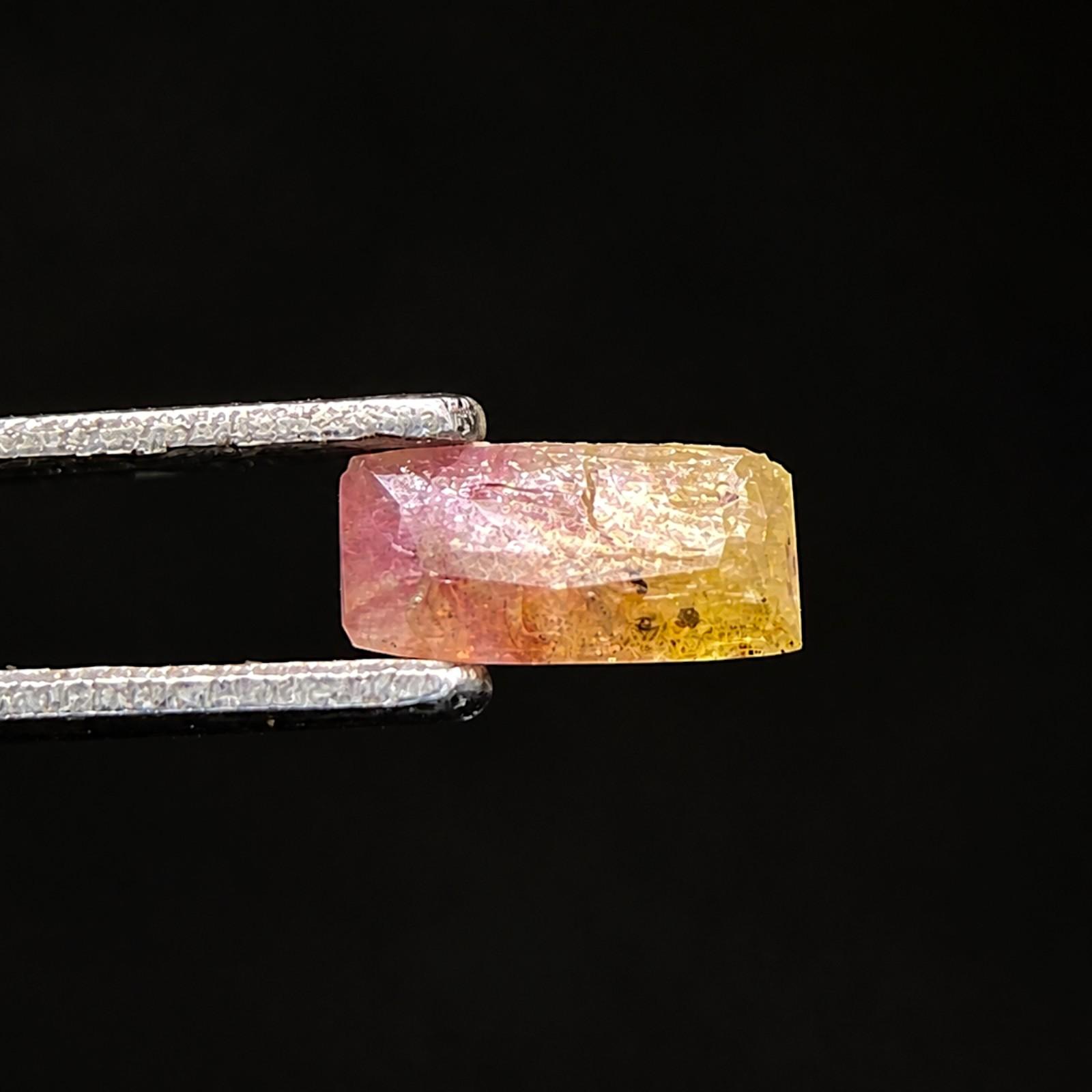
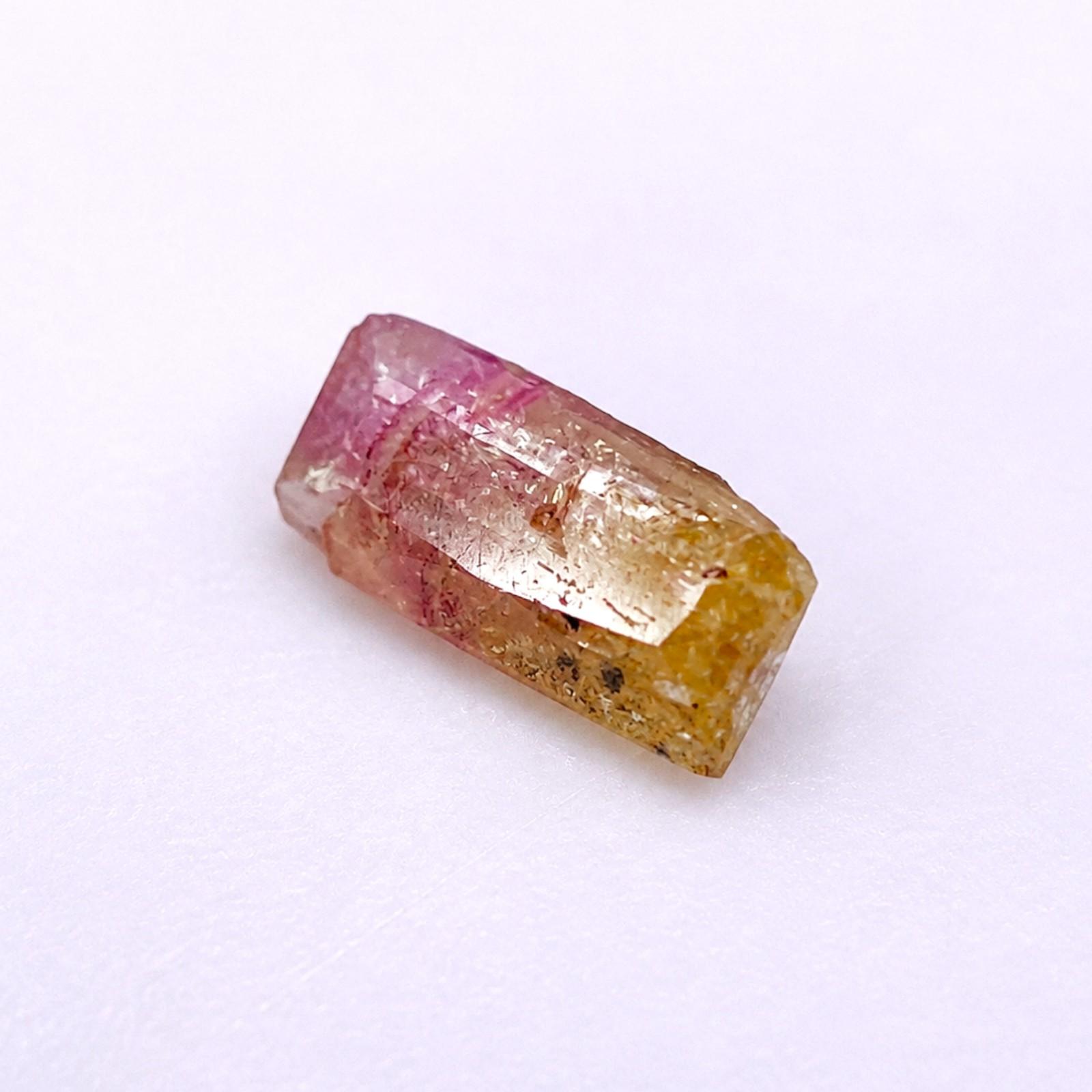
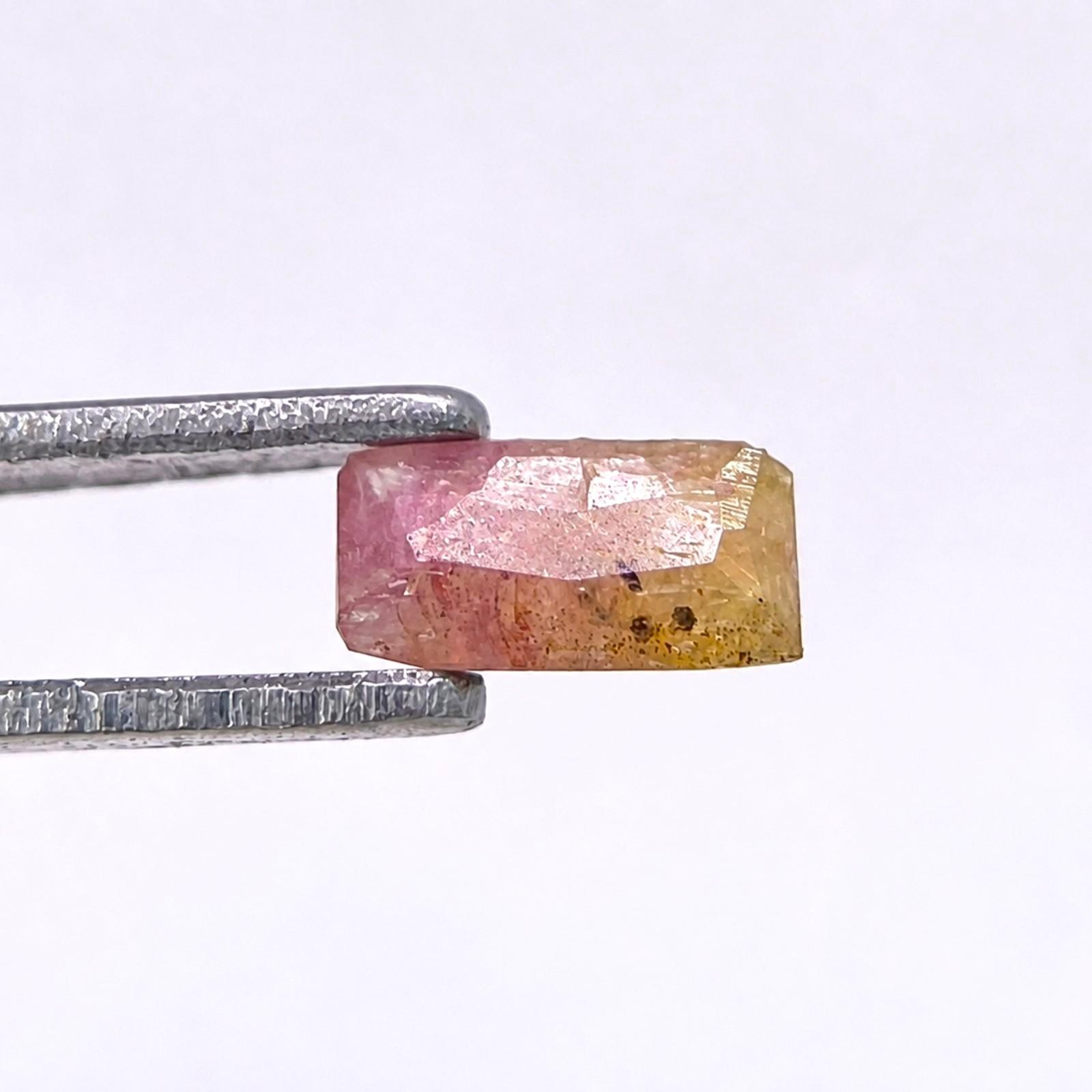
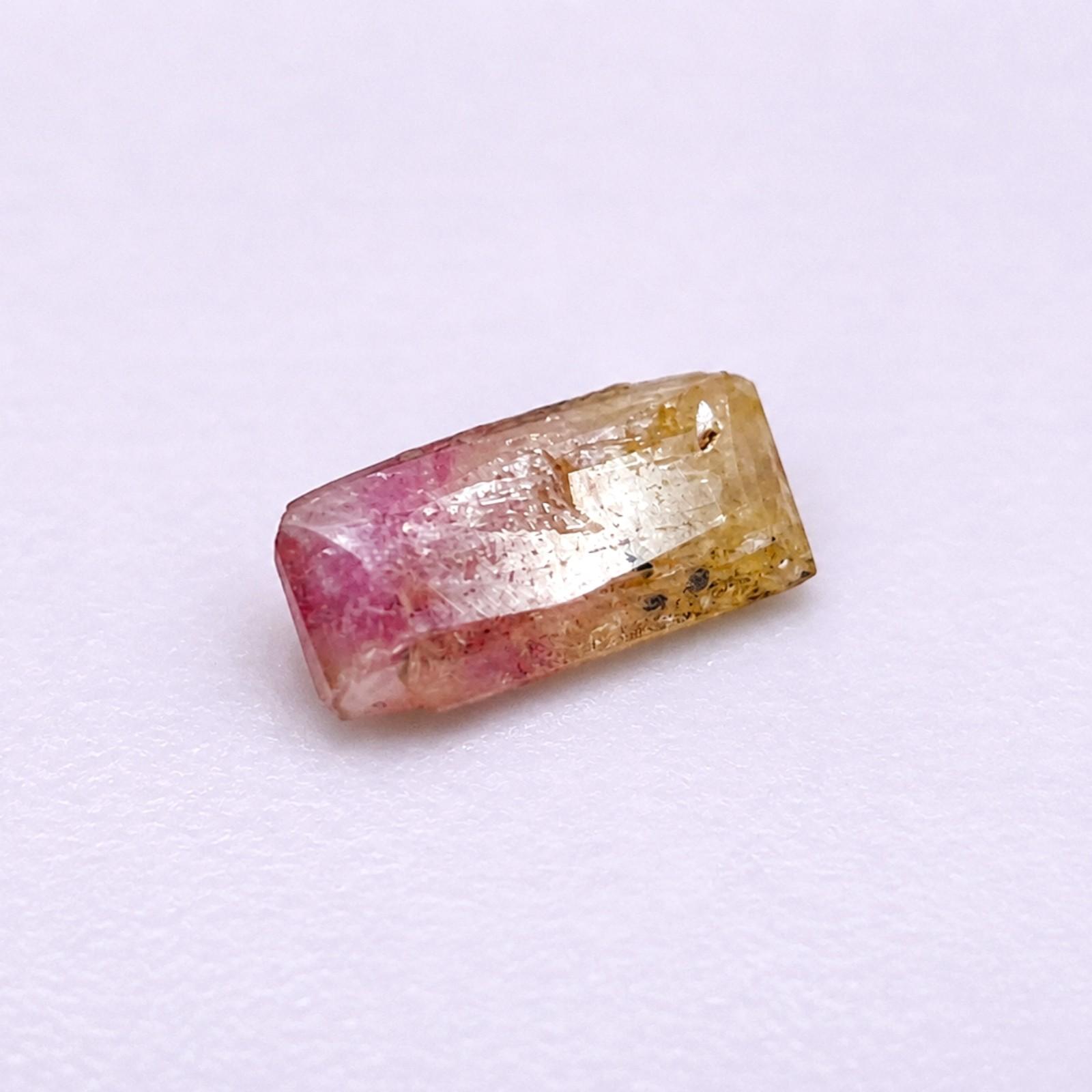
0.31 ct MANGANOAN ADAMITE – MEXICO
EXPERT VERIFIED
- Expert Verified Gemstone
- Fast Handling & Shipping
- Secure Vault Packaging
$ 120
Offer amount Feild


Smart Collector Choice


Pay with Crypto & Get 10% Automatic Discount

Availability: 1 in stock
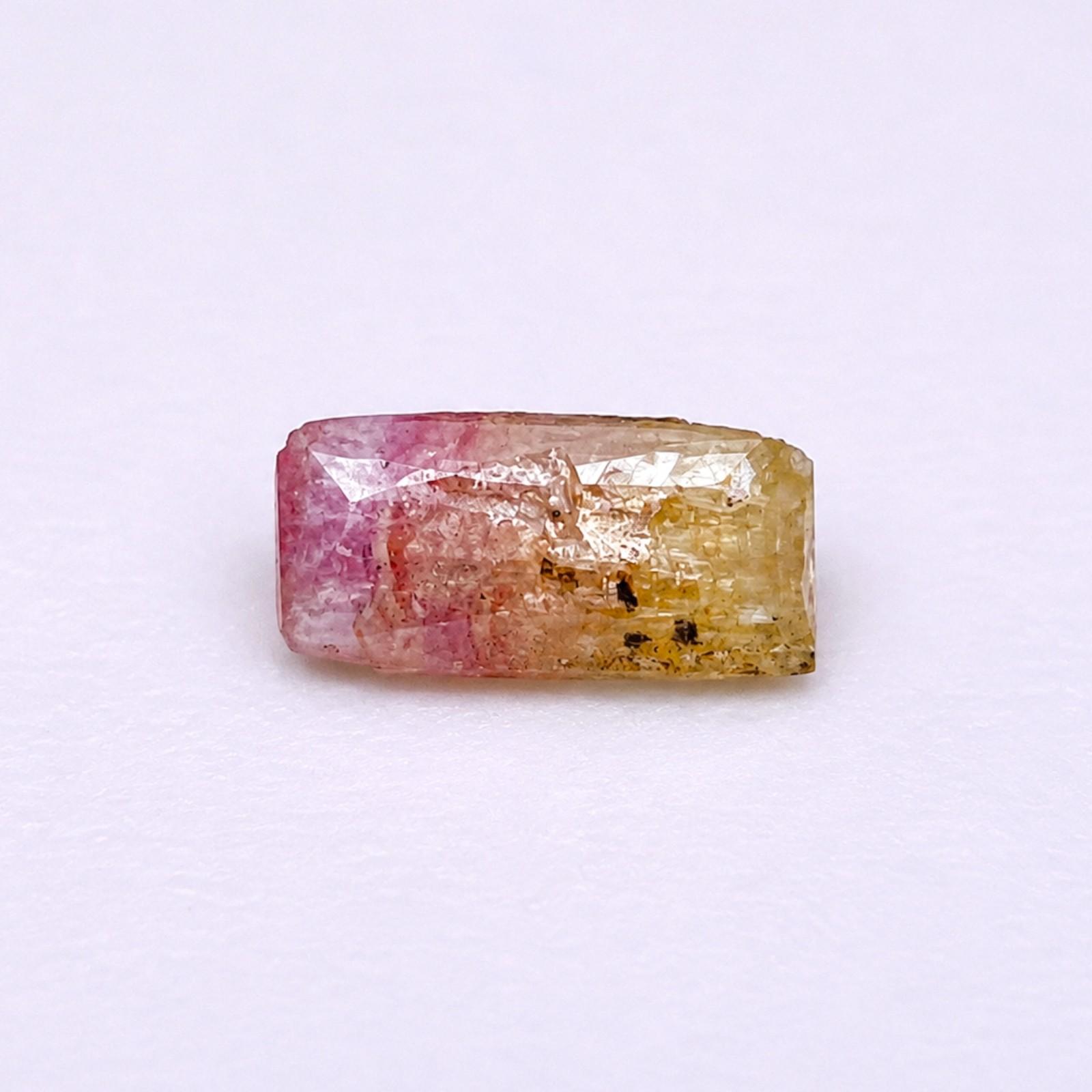
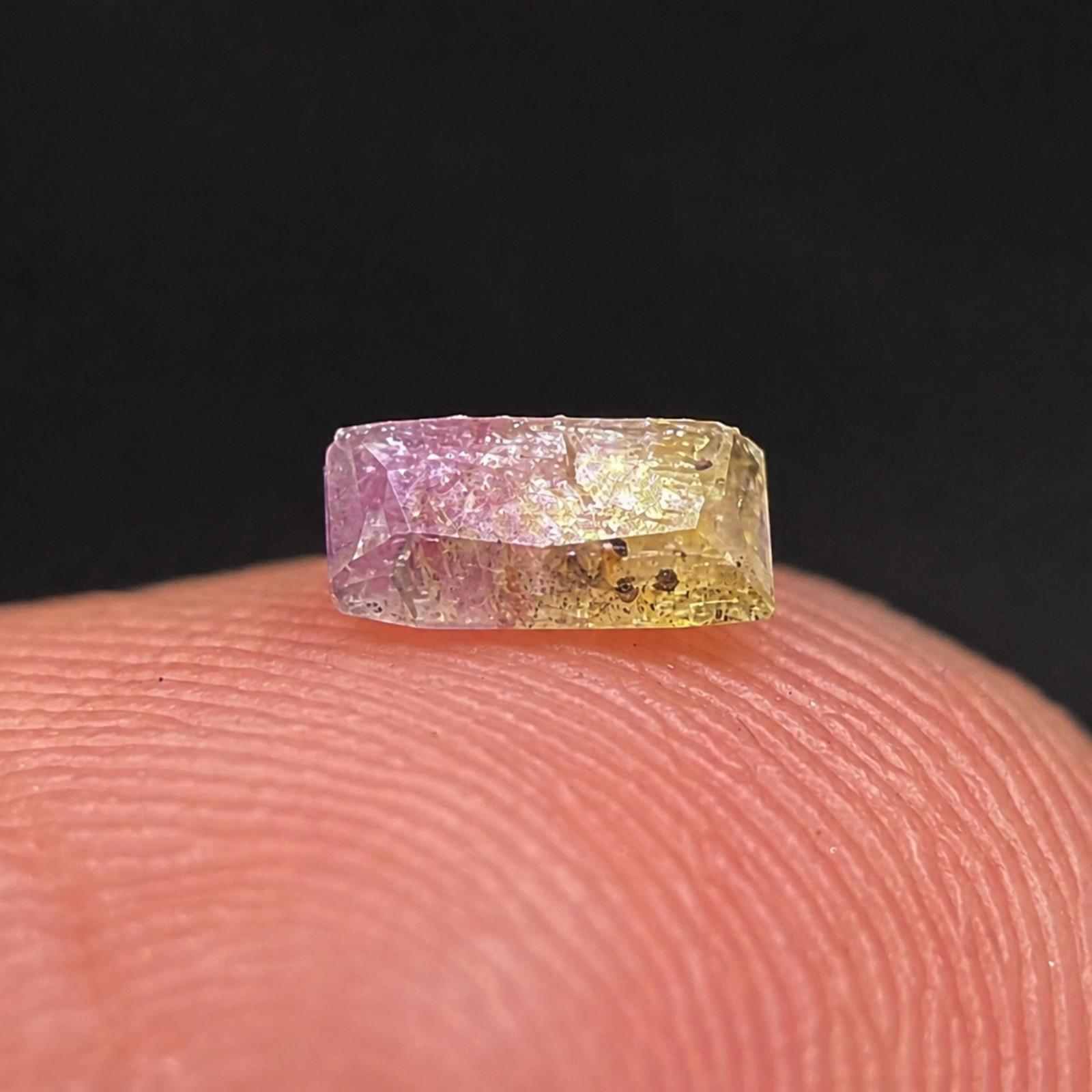
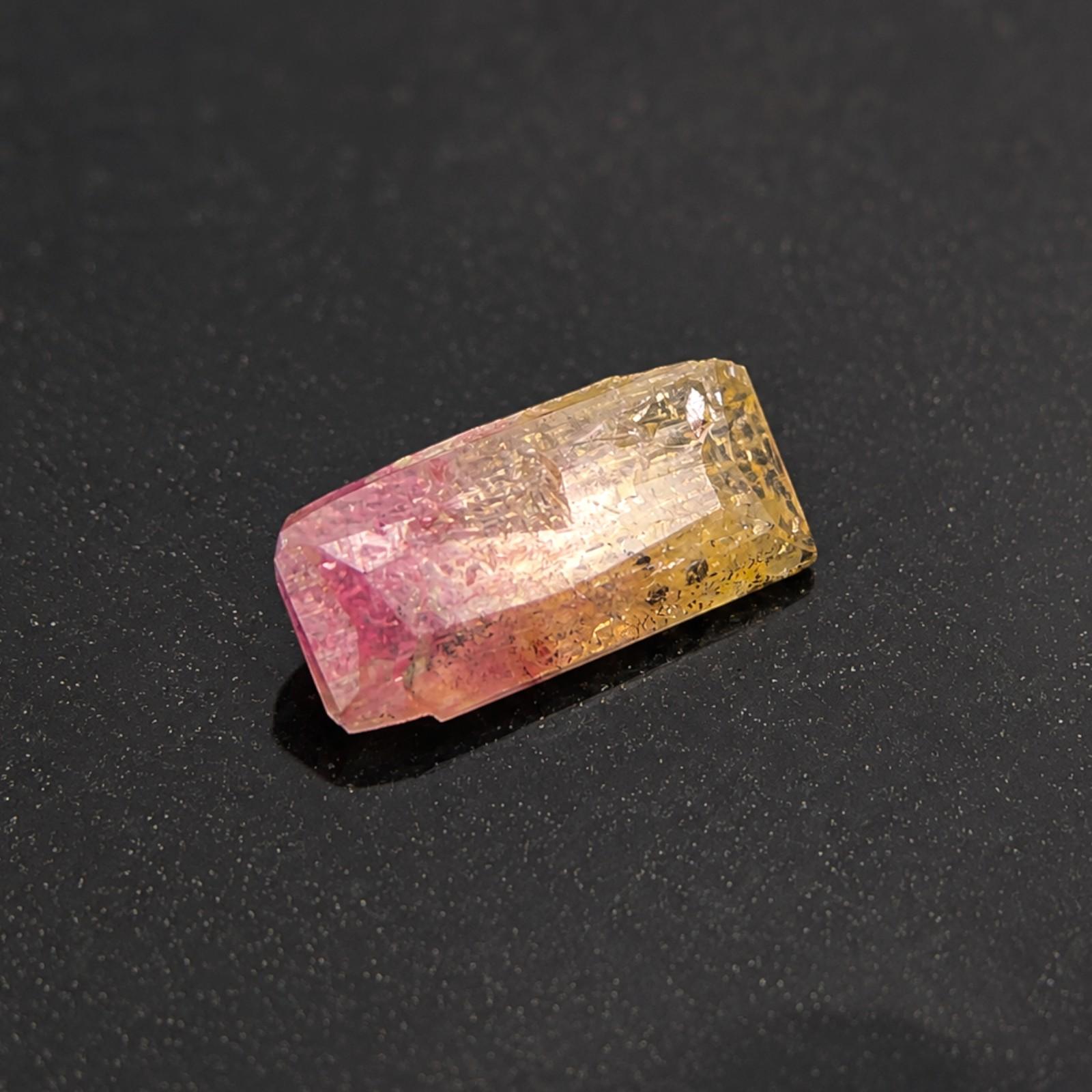


- Freakingcats Gemstone Database
Manganoan Adamite (Mexico)
Manganoan Adamite from the legendary oxidation zones of the Ojuela Mine in Mapimí, Durango, Mexico, represents one of the most aesthetically electrifying and chemically distinctive arsenate occurrences in the mineral kingdom. A manganese-bearing variety of the zinc arsenate hydroxide series, it is a species I have always respected for its “electric-purple” to “vivid-rose-violet” saturation and its status as a masterpiece of “orthorhombic” structural discipline. For the specialist, a top-tier Mexican Manganoan Adamite—featuring sharp, lustrous, pinwheel-like crystal rosettes or bladed sheaves perched dramatically on dark, gossanous limonite matrix—is a prized trophy of complex supergene enrichment; it offers a bright vitreous to adamantine surface luster and a commanding, high-contrast presence that makes it an essential anchor for the systematic vault. As an artist, I find the breathtaking juxtaposition between its glowing magenta-violet crystals and the rustic, velvety chocolate-brown goethite host to be one of nature’s most sophisticated and visually arresting palettes.
The Heritage & Discovery
Historical Significance
Manganoan Adamite is an indispensable index species for decoding the localized oxidation mechanics, heavy-metal fluid migrations, and trace-element substitution limits that govern the secondary weathering of polymetallic hydrothermal deposits. Historically, while standard zinc adamite is famed for its bright yellow-green uranium-activated hue, the historic Ojuela Mine in Durango established the undisputed global benchmark for the ultra-rare manganese-substituted variety. Discovered during extensive silver-lead-zinc extraction in the mid-to-late 20th century, Ojuela’s manganoan adamite redefined collector standards worldwide, standing as an enduring symbol of Mexican mineralogical excellence and crystalline precision.
Discovery
The unearthing of deep, carbonate-hosted oxide zones within the Sierra de la Campana range revealed vast gossan pockets where acidic, arsenic-rich fluids reacted directly with zinc and manganese minerals. Scientifically, Adamite is an orthorhombic zinc arsenate hydroxide. In the manganoan variety, divalent manganese (Mn2+) ions substitute extensively for zinc (Zn2+) within the octahedral structural sites. This specific manganese chromophore absorbs green and yellow wavelengths, transforming the mineral’s baseline color into a spectrum of lavender, lilac, deep rose-magenta, and saturated purple. My own respect for this material grew from analyzing its diagnostic response under diverse lighting; specifically, watching the rich violet blades gleam with sub-adamantine luster against dark iron gossan under targeted gallery lights creates an optical contrast that is unmistakable to the trained eye.
Important Mines
The undisputed, world-exclusive capital for museum-grade specimens of this variety is the historic Ojuela Mine, located in Mapimí, Mapimí Municipality, Durango, Mexico. Operating through miles of underground workings in deeply oxidized limestone chimneys, the Ojuela Mine is internationally celebrated for producing the finest manganoan adamite crystal sprays, botryoidal crusts, and aesthetic rosettes ever recorded. For the vault, I prioritize specimens that exhibit sharp, undamaged crystal terminations, deep rose-to-purple color saturation without dull brown zones, clean crystal separation, and an active presentation perched high on contrasting limonite or goethite matrix.
Mineralogical Profile
Description
Manganoan Adamite is a manganese-bearing zinc arsenate hydroxide mineral that crystallizes in the orthorhombic system. It sits at a moderate 3.5 on the Mohs scale, meaning its highly lustrous crystal faces are delicate and somewhat brittle, with good cleavage parallel to the pinacoid, requiring careful archival handling to protect its crisp crystal edges, terminations, and fragile radial sprays from physical shock or abrasion. It is characterized by its exceptionally bright vitreous to adamantine surface luster and an unmistakable, vibrant color palette dominated by rose-pink, lavender-violet, deep magenta-purple, and reddish-purple.
One of its most identifying traits is its varied crystal habit, routinely forming radiating wheel-like clusters, bladed prismatic sheaves, or spherical botryoidal aggregates that cleanly map out fluid channels through porous gossan cavities. It possesses a high refractive index running from approximately 1.708 to 1.773, giving it exceptional surface reflectivity and internal sparkle, and a dense average specific gravity ranging between 4.32 and 4.48 that reflects its zinc-arsenic-manganese framework. Because it forms exclusively in the hyper-oxidized upper zones of zinc-lead-arsenic hydrothermal veins, it is commonly found in close association with Limonite, Goethite, Calcite, Hemimorphite, Smithsonite, Austinite, and Legrandite. When I select an example for documentation, I look for sharp, well-developed crystal rosettes, deep purple-magenta saturation, and strong visual contrast against the dark iron-hydroxide matrix, as these emphasize the sophisticated, secondary chemistry of the mineral’s dramatic subterranean birth.
Chemical Formula Zn2(AsO4)(OH) (with significant Mn2+ substituting for Zn2+)


