
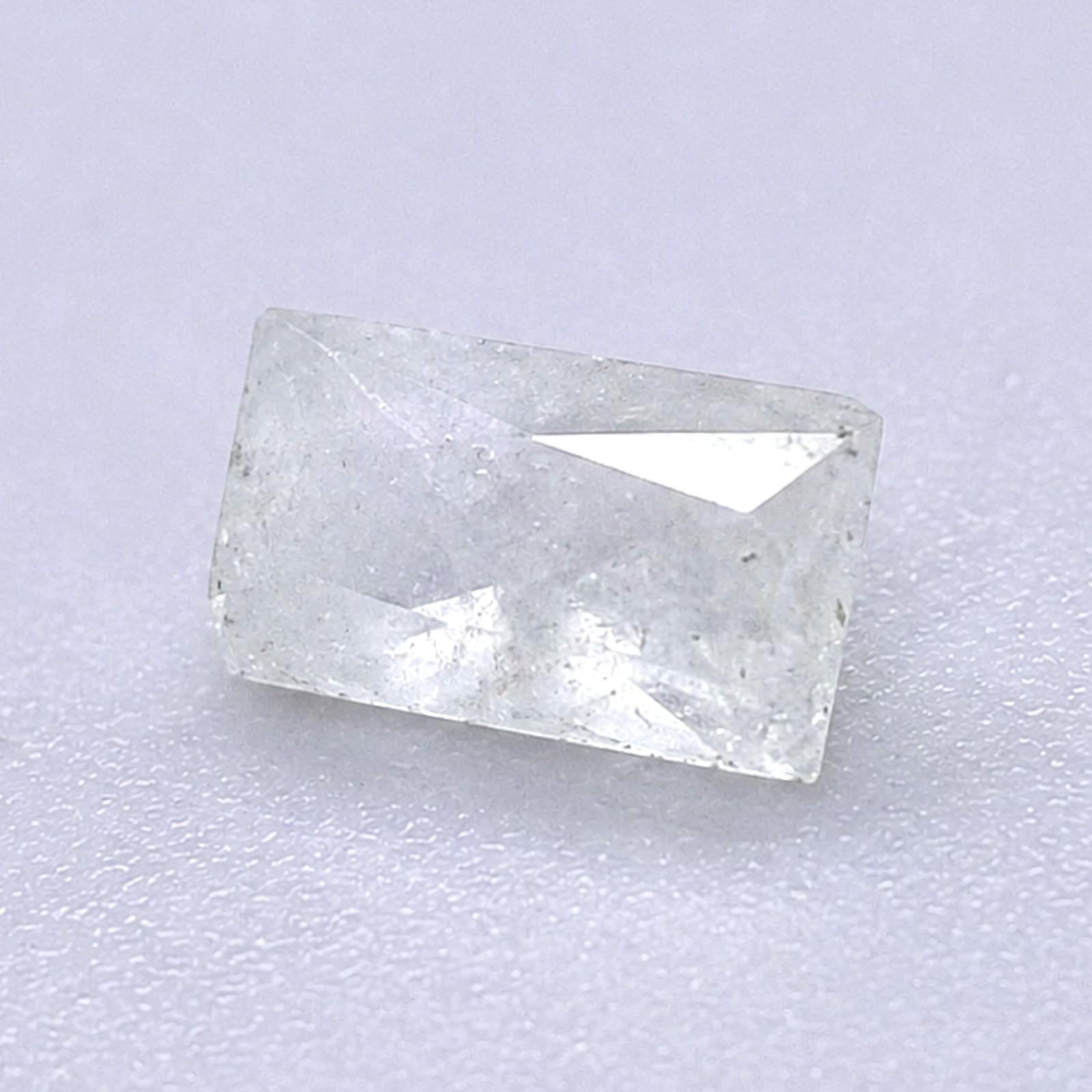
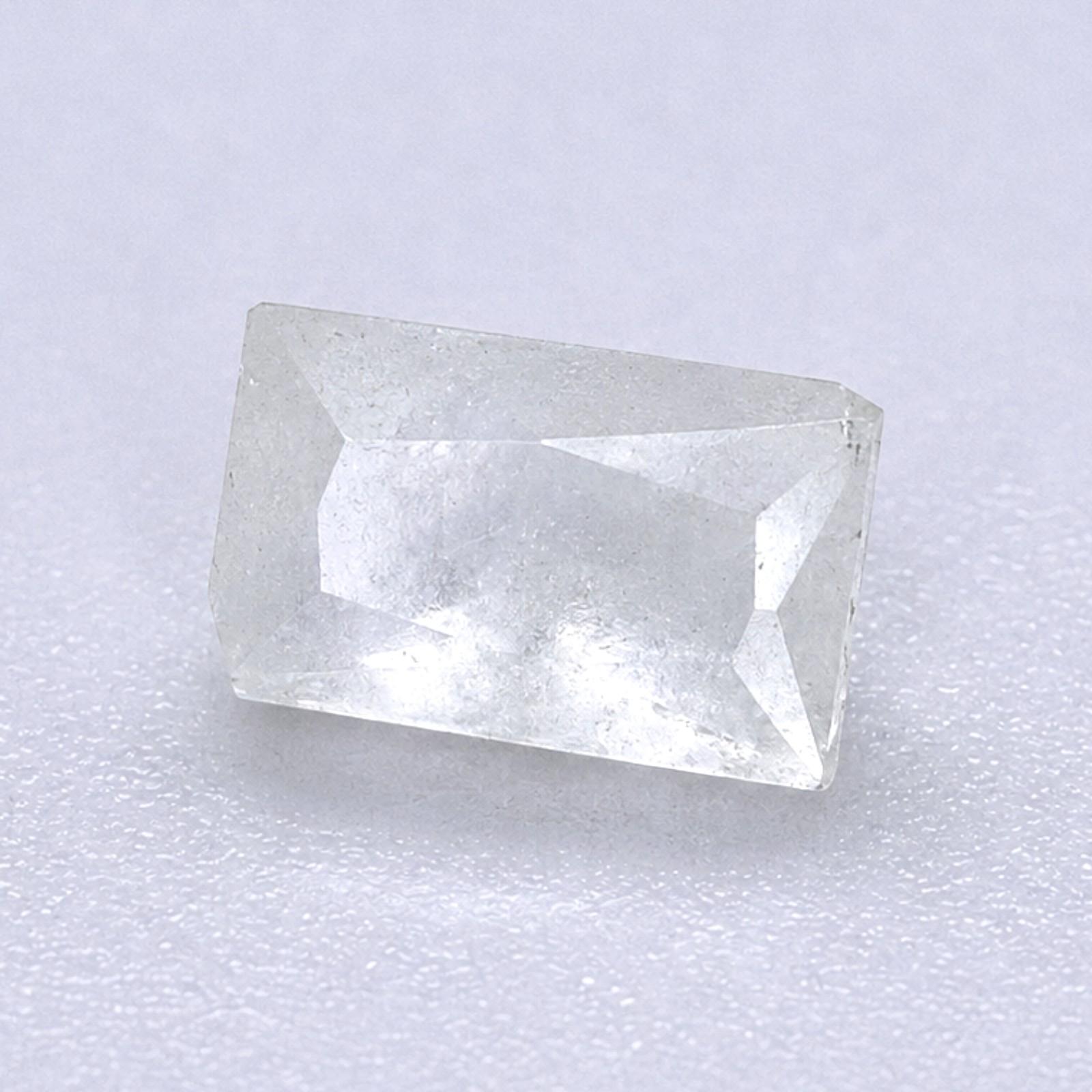
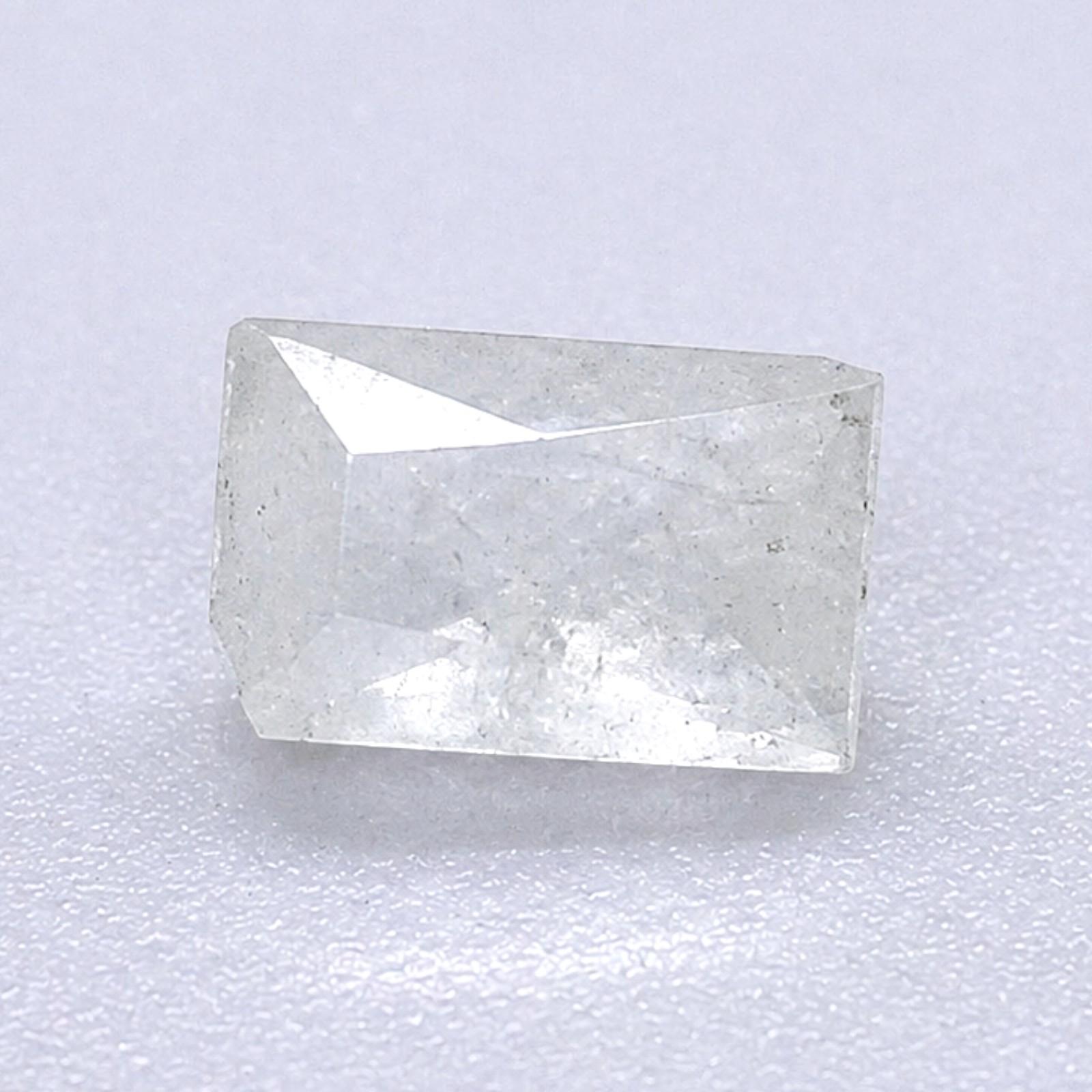
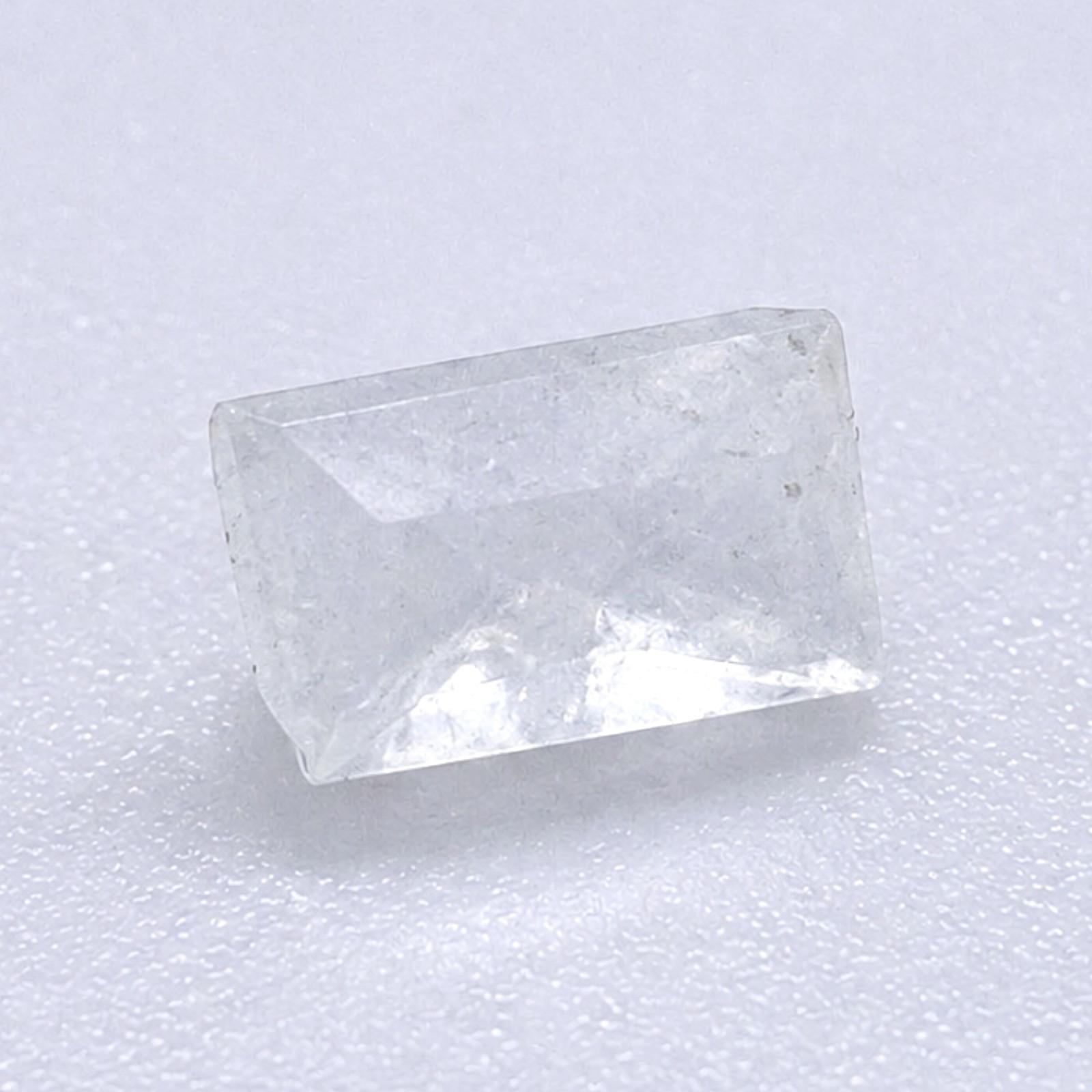
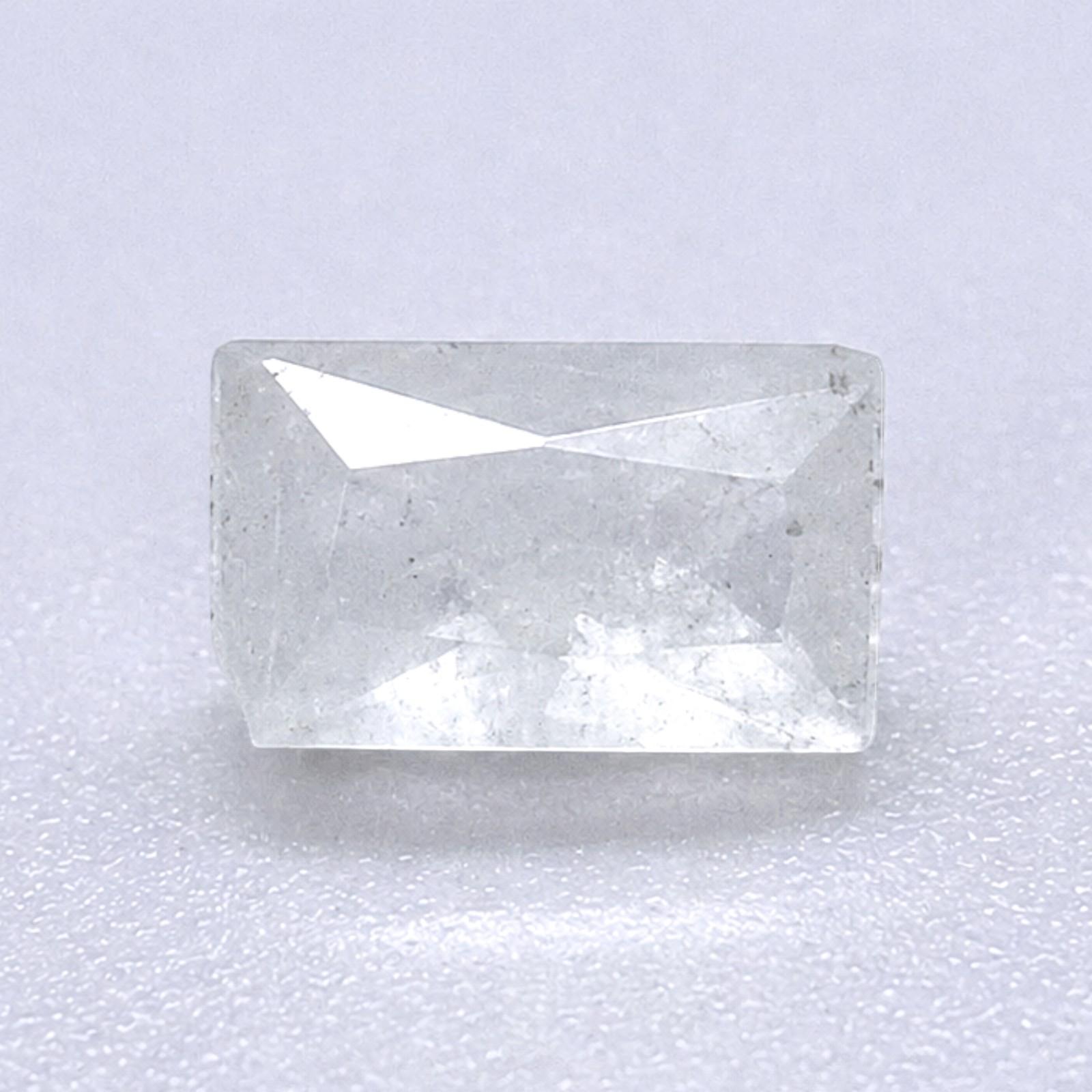
0.36 ct DATOLITE – SPAIN
EXPERT VERIFIED
- Expert Verified Gemstone
- Fast Handling & Shipping
- Secure Vault Packaging
$ 100
Offer amount Feild


Smart Collector Choice


Pay with Crypto & Get 10% Automatic Discount

Out of stock


- Freakingcats Gemstone Database
Datolite
Datolite represents the “vitreous architectural” peak of the borosilicate world. A calcium borosilicate hydroxide, it is a species I have always respected for its extraordinary crystal diversity and its “glass-like” transparency. While it can occur in “porcelain-white” or “creamy” massive forms, the definitive collector’s specimens are the sharp, complex crystals that range from a delicate “mint-green” and “honey-yellow” to a pure, “water-clear” brilliance. For the specialist, Datolite is a prize of crystallographic complexity; it often forms short, stout prisms with a multitude of faces that shimmer with a high vitreous luster. It is a stone of “structured light,” providing a sophisticated, geometric aesthetic that makes it an essential pillar for the systematic vault.
The Heritage & Discovery
Historical Significance: Datolite is a vital species for understanding the late-stage hydrothermal alteration of mafic volcanic rocks. Historically, it was a prized discovery in the copper mines of North America, but its prestige as a fine mineral was truly solidified by the “gemmy” finds in Europe and Eurasia. In the world of fine minerals, it is celebrated for its optical “cleanliness” and its ability to form large, textbook-perfect crystals. It stands as a symbol of clarity and chemical focus, bridging the gap between common silicates and the elite world of “high-lustre” collector gems. It serves as a reminder that the most “complex” crystal systems can yield the most “serene” visual results.
Discovery: The mineral was formally named in 1806 by Jens Esmark. The name is derived from the Greek dateisthai, meaning “to divide,” in reference to the granular structure of its massive varieties. Scientifically, it is a member of the gadolinite-datolite group. Its discovery provided mineralogists with the first clear look at how boron can be integrated into a calcium-silicate framework to create a stable, monoclinic lattice. My own respect for this material grew from observing its “adamantine-adjacent” luster; a well-formed Datolite crystal reflects light with a sharpness that is far superior to most other borosilicates.
Important Mines: The undisputed world capital for the finest, largest, and most “gemmy” Datolite crystals is Dal’negorsk in Primorskiy Kray, Russia. These Russian specimens are legendary for their size and “water-clear” to “pale-green” transparency. I also have a high regard for the spectacular, sharp crystals from the Charcas region in Mexico and the rare, “high-gloss” specimens from Spain. For the vault, I prioritize the Dal’negorsk material for its unmatched “architectural” scale and the Spanish pieces for their exceptional surface luster and crystal definition.
Mineralogical Profile
Description: Datolite is a calcium borosilicate that crystallizes in the monoclinic system. It sits at a 5 to 5.5 on the Mohs scale, making it a relatively durable mineral, though its lack of cleavage makes it brittle and prone to conchoidal fracturing. It is characterized by its vitreous luster and its unmistakable “liquid” transparency.
One of its most identifying traits is its lack of cleavage and its relatively high refractive index (n approx 1.62 to 1.67), which contributes to its “bright” and “sparkling” appearance. It has a specific gravity (SG approx 2.9 to 3.0), making it feel slightly denser than Quartz. Because it is a product of hydrothermal activity in basaltic cavities, it is often found in association with Prehnite, Danburite, and various Zeolites. When I select a piece for the collection, I look for “razor-sharp” faces and a “water-clear” interior, as these highlight the sophisticated, three-dimensional geometry of the mineral’s growth. It is a light, high-vibration mineral that offers a unique, “aqueous” beauty unlike any other borosilicate species.
Chemical Formula: CaBSiO4(OH)


