
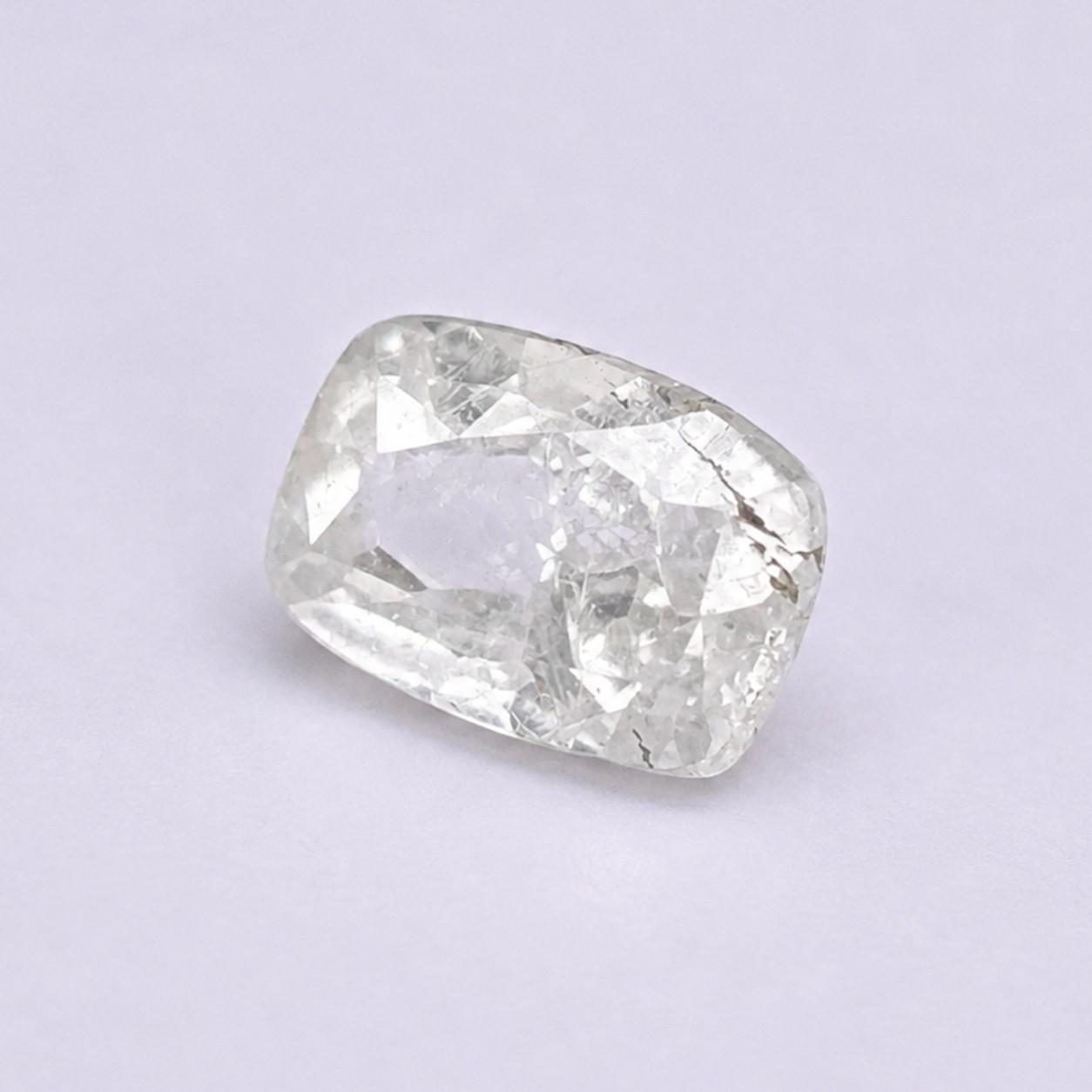
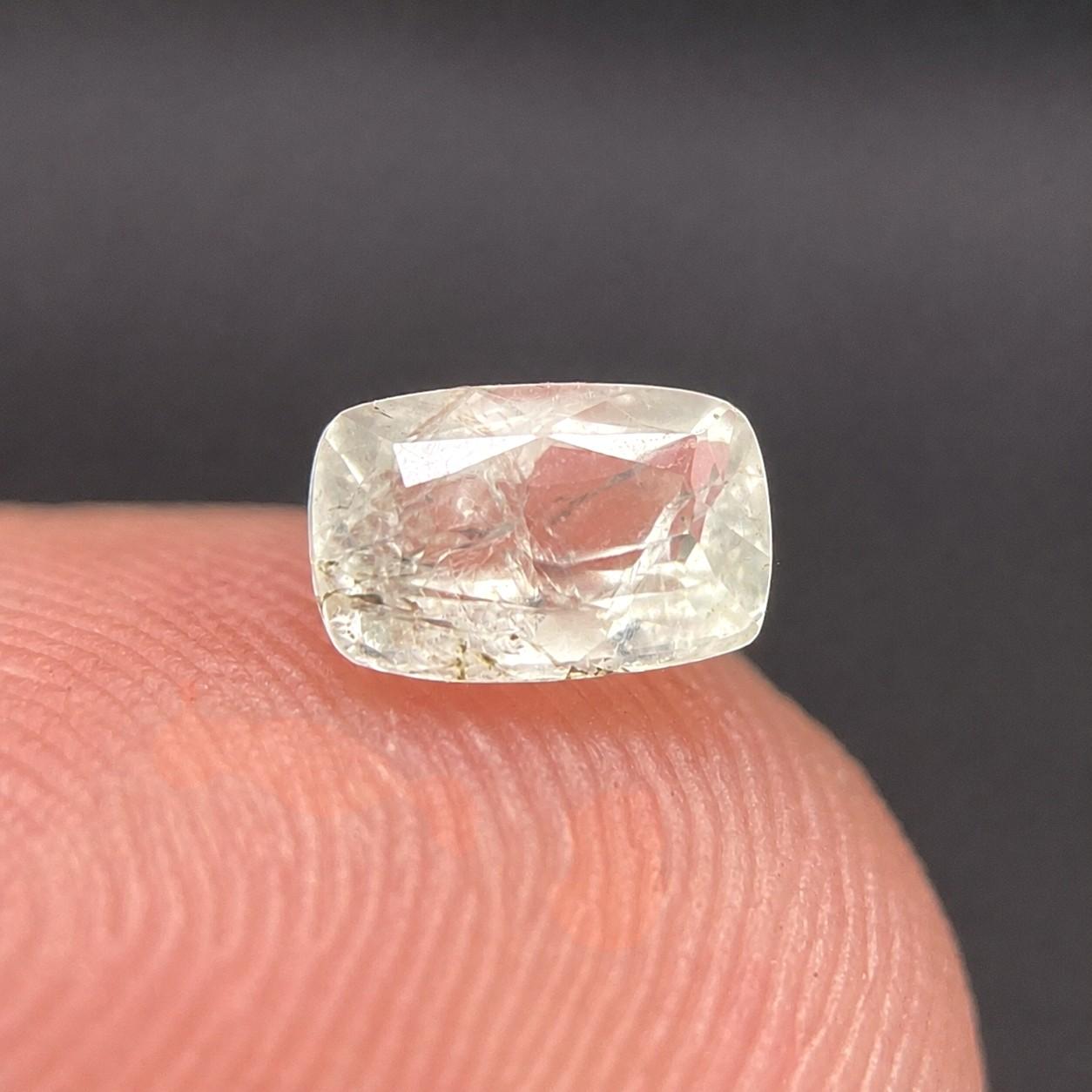
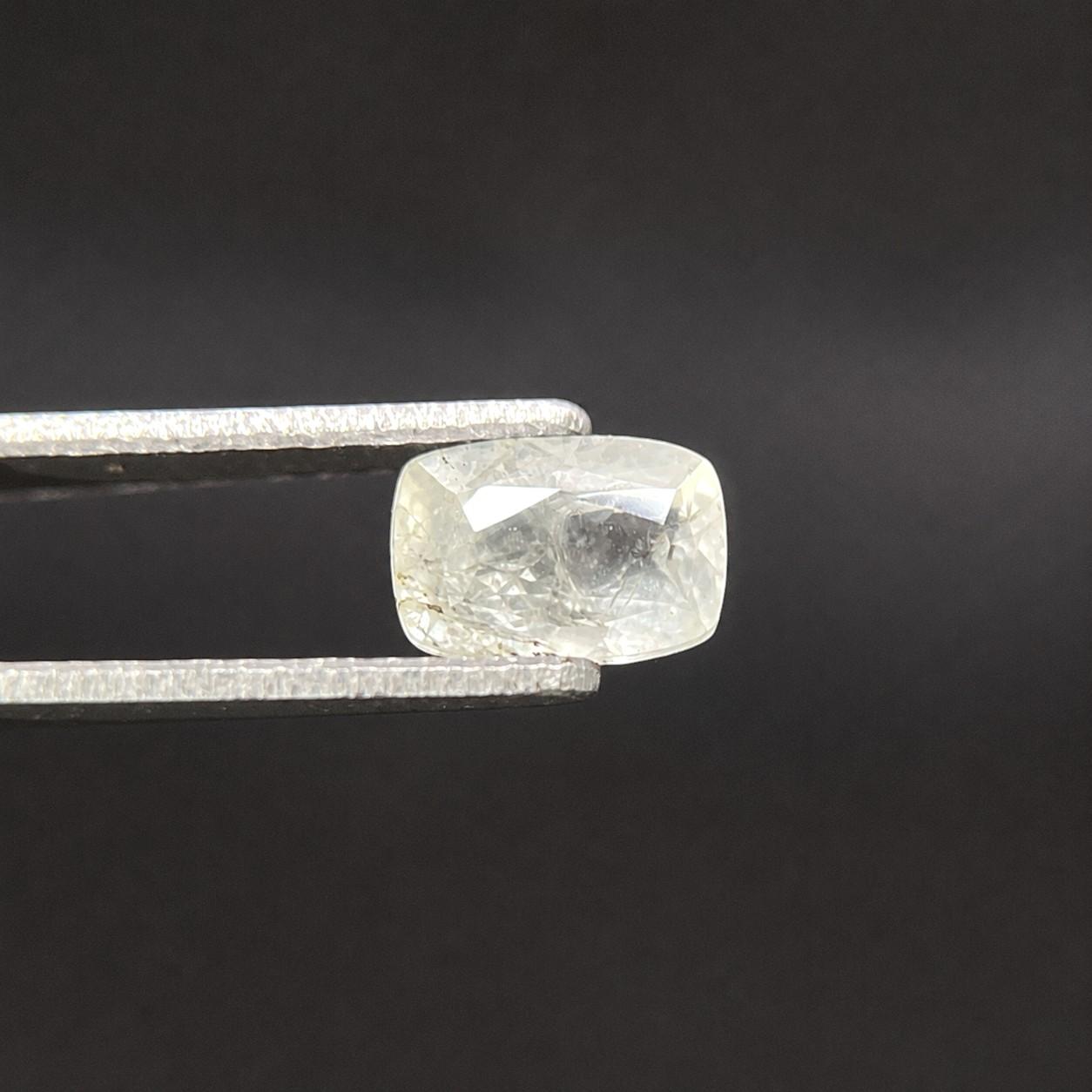
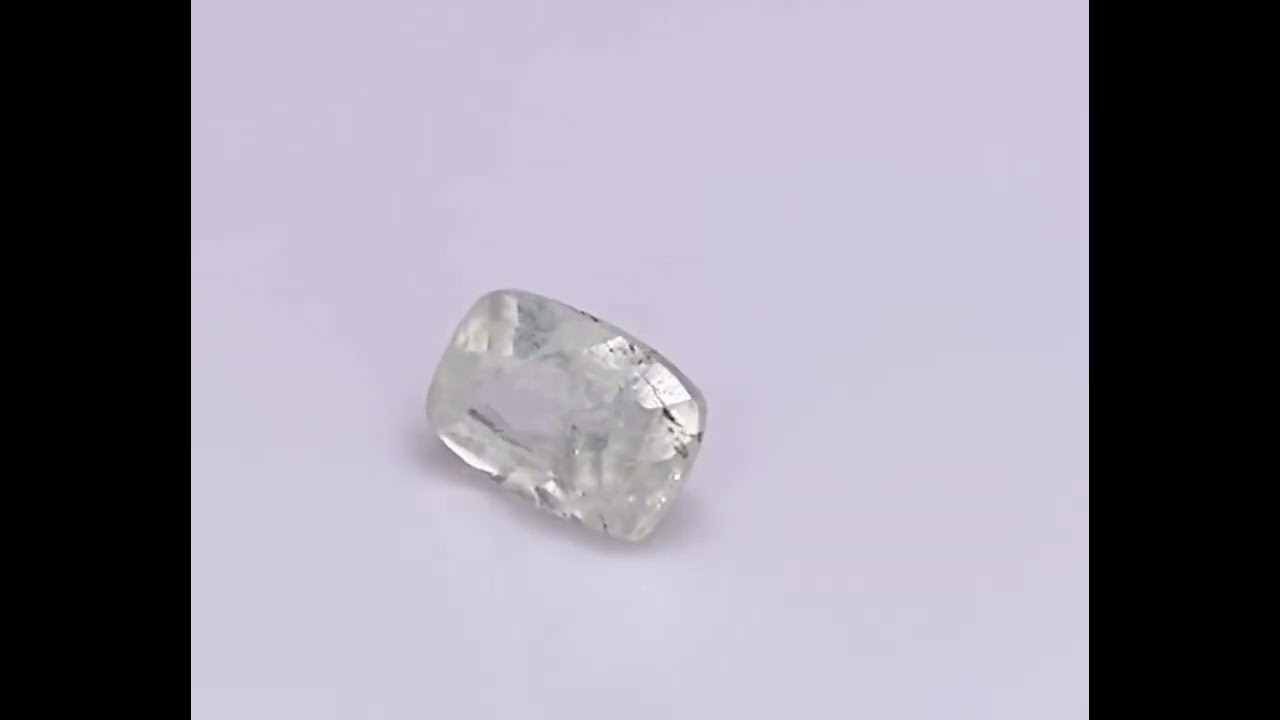
0.46 ct HUMITE – MYANMAR
EXPERT VERIFIED
- Expert Verified Gemstone
- Fast Handling & Shipping
- Secure Vault Packaging
$ 100
Offer amount Feild


Smart Collector Choice


Pay with Crypto & Get 10% Automatic Discount

Availability: 1 in stock
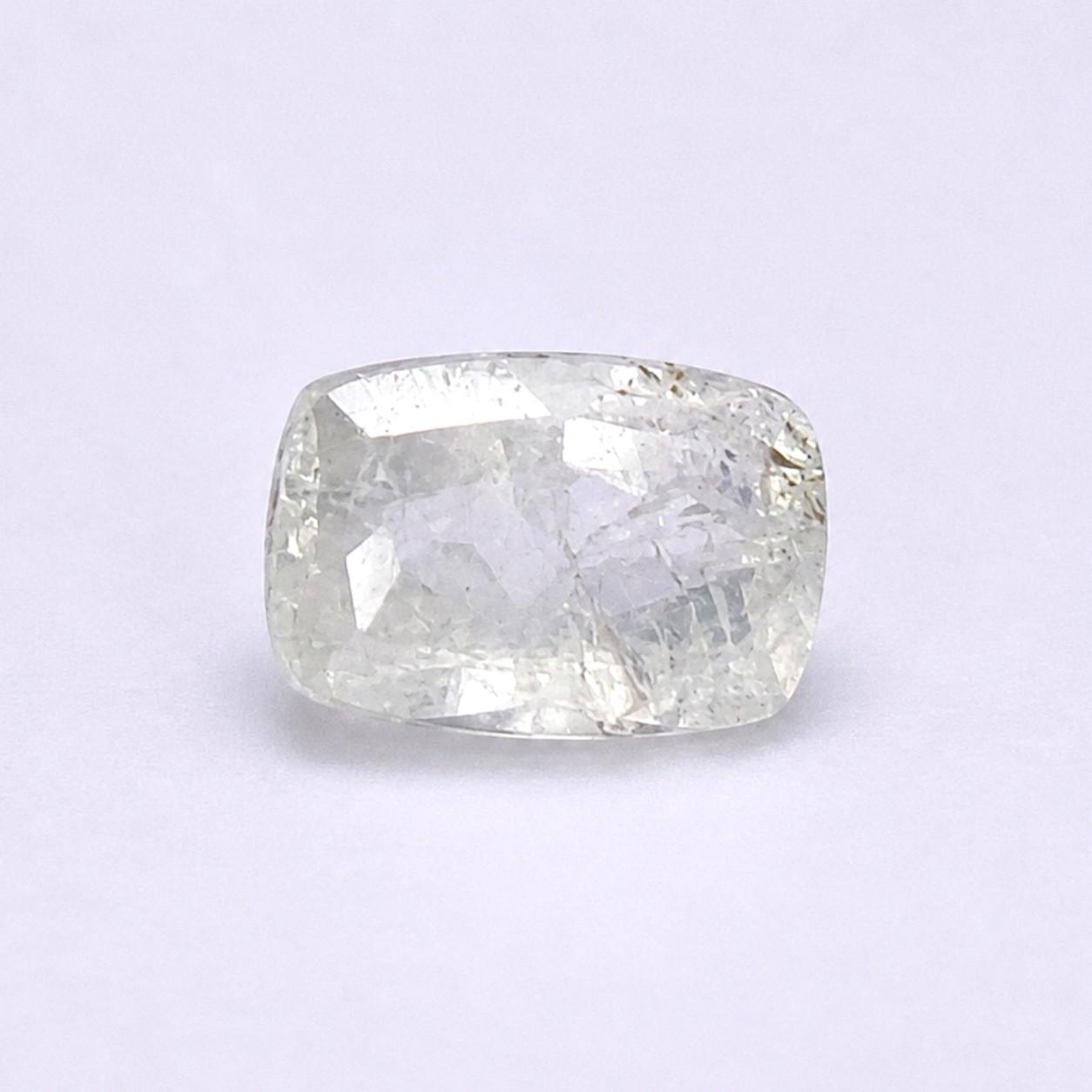
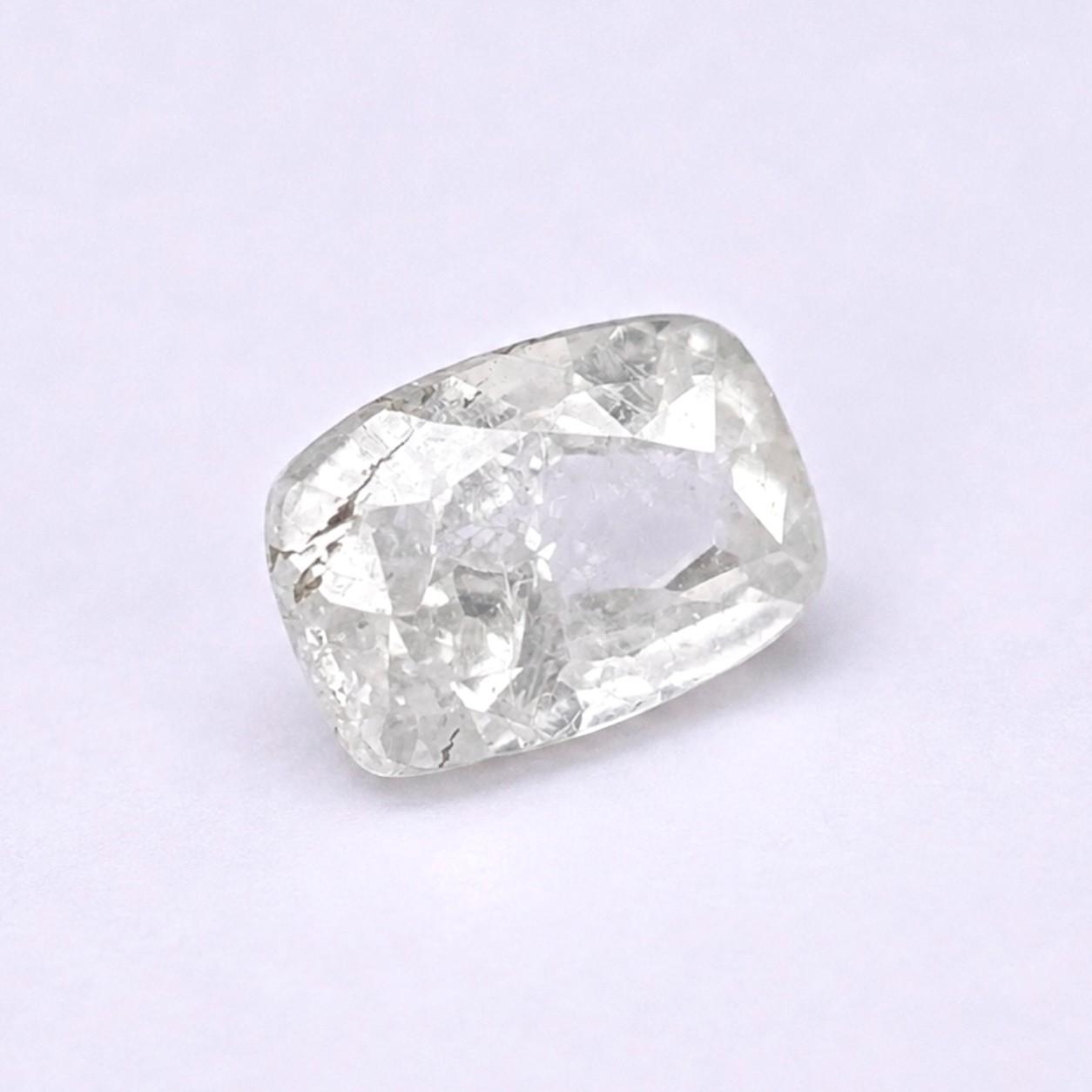
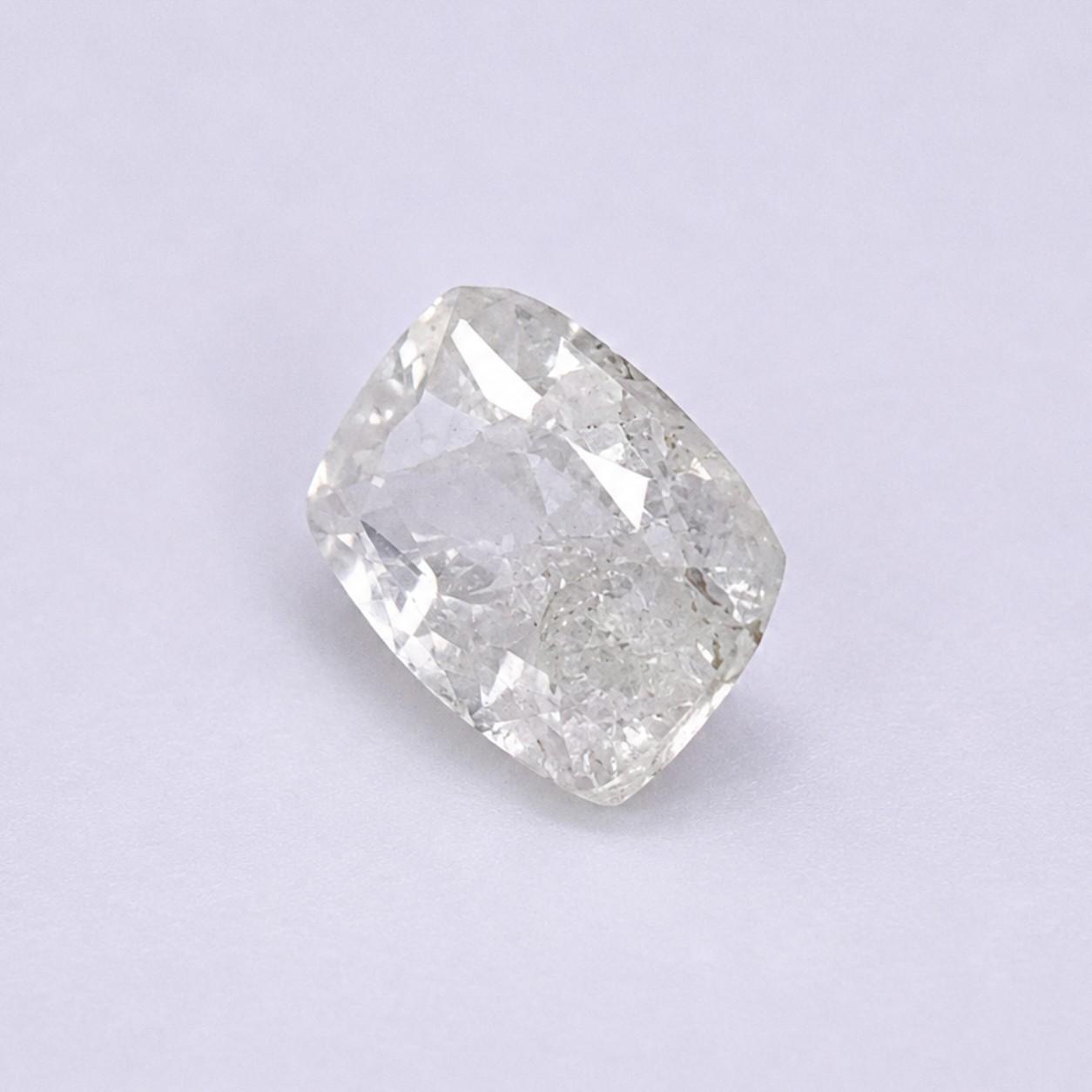
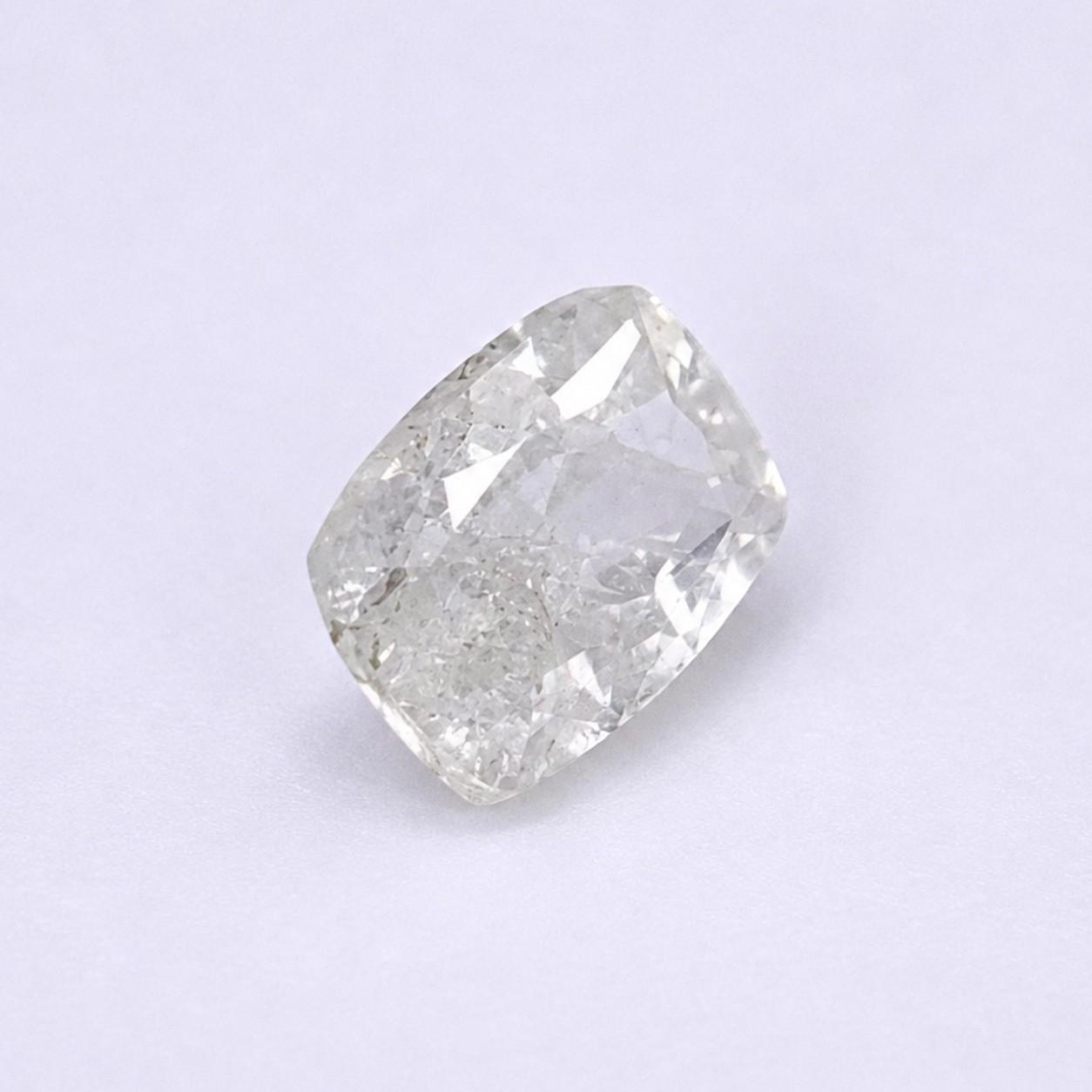


- Freakingcats Gemstone Database
Humite (Myanmar)
Humite from the legendary, deep-seated metamorphic marbles of Myanmar represents the absolute peak of rare magnesium-iron silicate crystallization and intense, warm tonal purity. A member of its eponymous humite group, it is a species I have always respected for its “honey-cognac” to “vivid-mandarin-neon” saturation and its status as a masterpiece of “orthorhombic” structural discipline. For the specialist, a top-tier Burmese Humite—particularly those rare, gem-quality translucent crystals sourced from highly localized contact zones—is a prize of specialized volatile-driven metasomatism; it offers a brilliant vitreous luster and a warm, glowing presence that makes it a true “high-vibration” asset for the systematic vault. As an artist, I find the rich, radiant contrast between its deep orange-yellow crystal bodies and the stark, snowy-white calcite matrix to be one of nature’s most sophisticated and comforting palettes.
The Heritage & Discovery
Historical Significance
Humite is an essential species for decoding the highly complex fluid chemistry and fluorine-rich environments within high-grade contact metamorphic limestone profiles. Historically, the humite group holds a highly respected position in advanced mineralogy, named in 1813 after the prominent British mineralogist and collector Sir Abraham Hume. In the world of fine collectibles, specimens emerging from the classic Burmese terrains are celebrated for their natural, iron- and manganese-influenced coloration, which stands as a symbol of structural clarity and elemental focus. It serves as a striking reminder that the interaction of magmatic gases with ancient skarn marbles can reorganize simple magnesium and silica into magnificent, hyper-saturated crystalline treasures.
Discovery
While the species was first identified in the volcanic ejecta of Mount Vesuvius, Italy, the discovery of world-class, macrocrystalline gem-quality crystals within the deep metamorphic valleys of Southeast Asia completely redefined the mineralogical boundaries of the group. Scientifically, Humite is part of a complex polymorphic series involving norbergite, chondrodite, and clinohumite, chemically differentiating itself through its specific repeating structural layers of silicate and magnesium layers. The opening of these remote marble deposits provided mineralogists with spectacular, thick tabular crystals that showcase an exceptional internal depth. My own respect for this material grew from observing its incredible light reactivity; specifically, the way its faces capture low-angle lighting to exhibit a warm, liquid internal fire is a visual impact that is unmistakable to the trained eye.
Important Mines
The undisputed global capital for aesthetic, gem-grade expressions of this species remains the legendary Mogok Stone Tract in the Katha District, Mandalay Region of Myanmar (Burma). Famed for its hyper-complex metamorphic skarns and marble contacts, the Mogok valley yields outstanding, freestanding groups and highly transparent waterworn crystals from local alluvial gravels, particularly around the areas of Bernardmyo and Pein Pyit. For the vault, I prioritize specimens that exhibit high internal optical transparency, well-defined edge geometry, and robust color purity on a contrasting light matrix, as they represent a highly active, pristine masterpiece of deep-crustal geology.
Mineralogical Profile
Description
Humite is a magnesium iron silicate hydroxy-fluoride mineral that crystallizes in the orthorhombic system. It sits at a robust 6 to 6.5 on the Mohs scale, meaning its tough, durable crystal faces are highly resistant to physical abrasion and require only standard archival handling to safeguard its brilliant vitreous to resinous surfaces. It is characterized by its bright vitreous luster and an unmistakable, “golden-yellow, deep amber, to intense orange-brown” color palette.
One of its most identifying traits is its poor basal cleavage combined with an irregular to conchoidal fracture, often forming blocky, complexly modified tabular crystals or compact granular aggregates that trace old volatile fluid channels through host skarn fractures. It possesses a moderate to high refractive index running from approximately 1.607 to 1.675, contributing to its strong internal color depth and exceptional brilliance, and an average specific gravity ranging between 3.20 and 3.32 that reflects its tightly bound, magnesium-heavy architecture. Because it forms exclusively in fluorine-bearing contact metamorphic environments, it is commonly found in close association with Calcite, Spinel, Phlogopite, Chondrodite, Forsterite, and Diopside. When I select a piece for documentation, I look for sharp, “crisp” crystal boundaries or highly transparent, facet-grade specimens resting on clean matrix, as these highlight the sophisticated, multi-element chemistry of the mineral’s deep-seated birth.
Chemical Formula
(Mg,Fe)7(SiO4)3(F,OH)2


