
SKU: ZIRC0008
0.62 ct RED ZIRCON – SRI LANKA
EXPERT VERIFIED
- Expert Verified Gemstone
- Fast Handling & Shipping
- Secure Vault Packaging
$ 100
Offer amount Feild


Smart Collector Choice


Pay with Crypto & Get 10% Automatic Discount

Availability: 1 in stock
Gemstone Details
Gem Variety:
Zircon
Origin:
Sri Lanka
Carat Weight:
0.62
Length (mm):
6.00
Width (mm):
4.20
Depth (mm):
2.50
Shape:
Pear
Color
Red
Treatment:
No Treatment
Certificate:
On Request
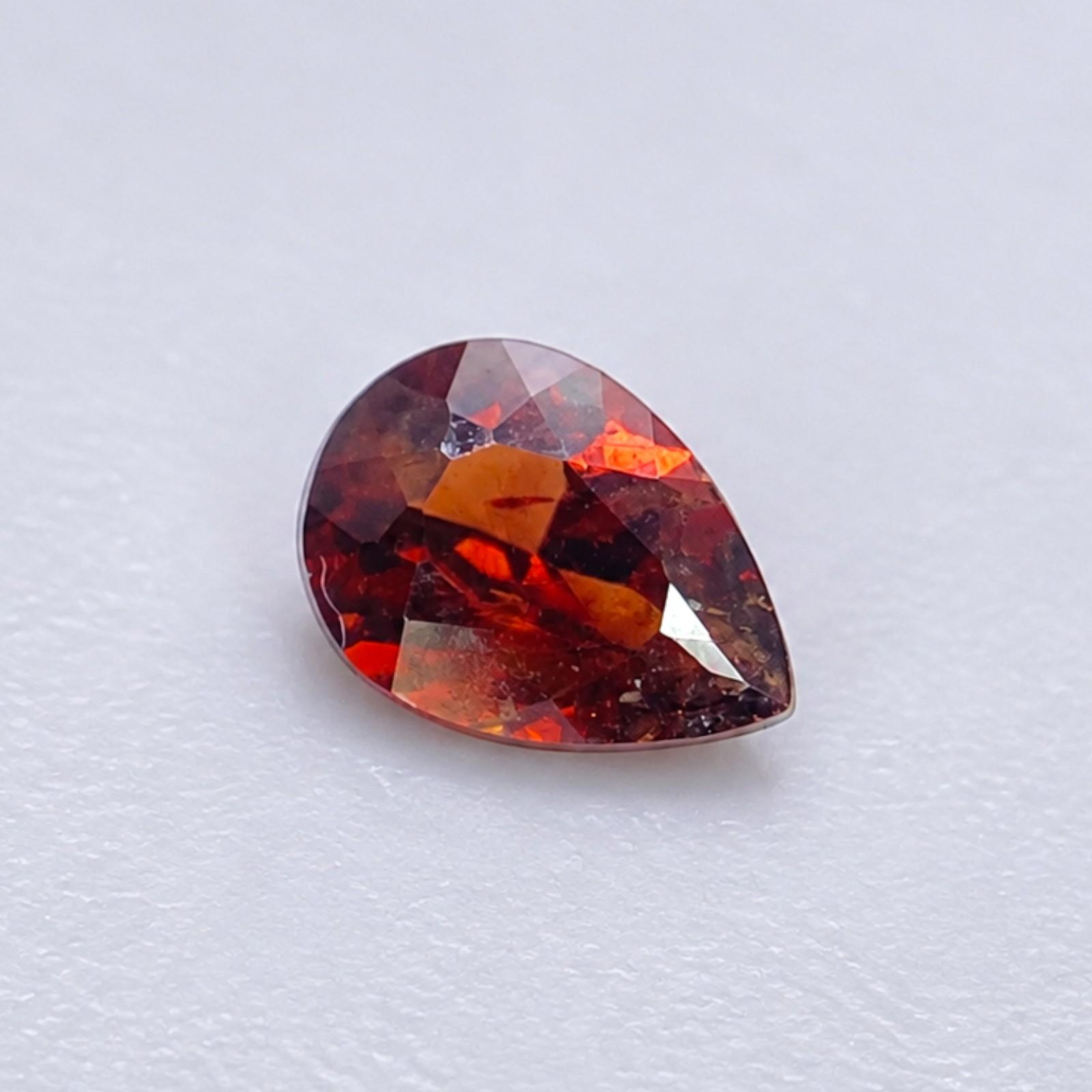
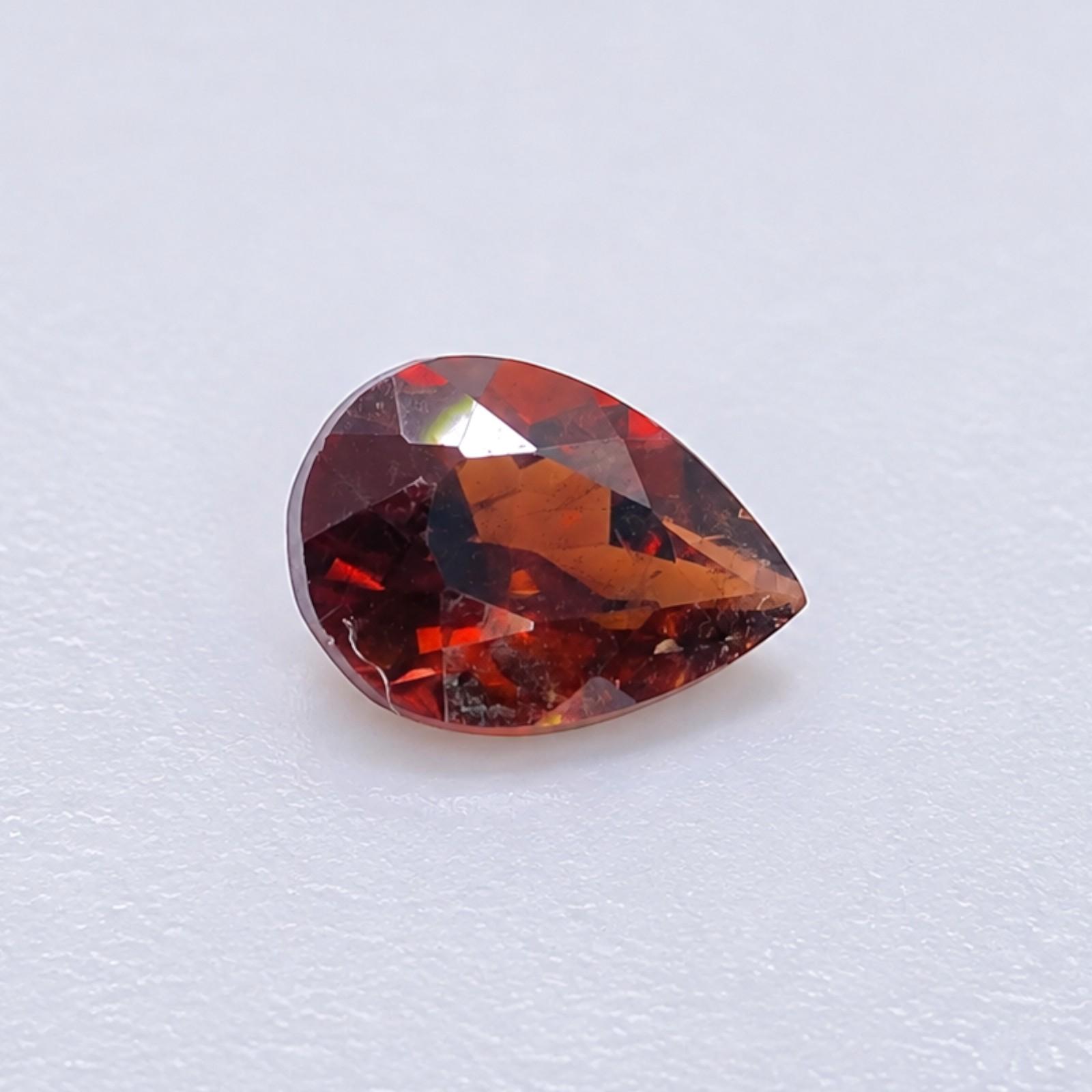
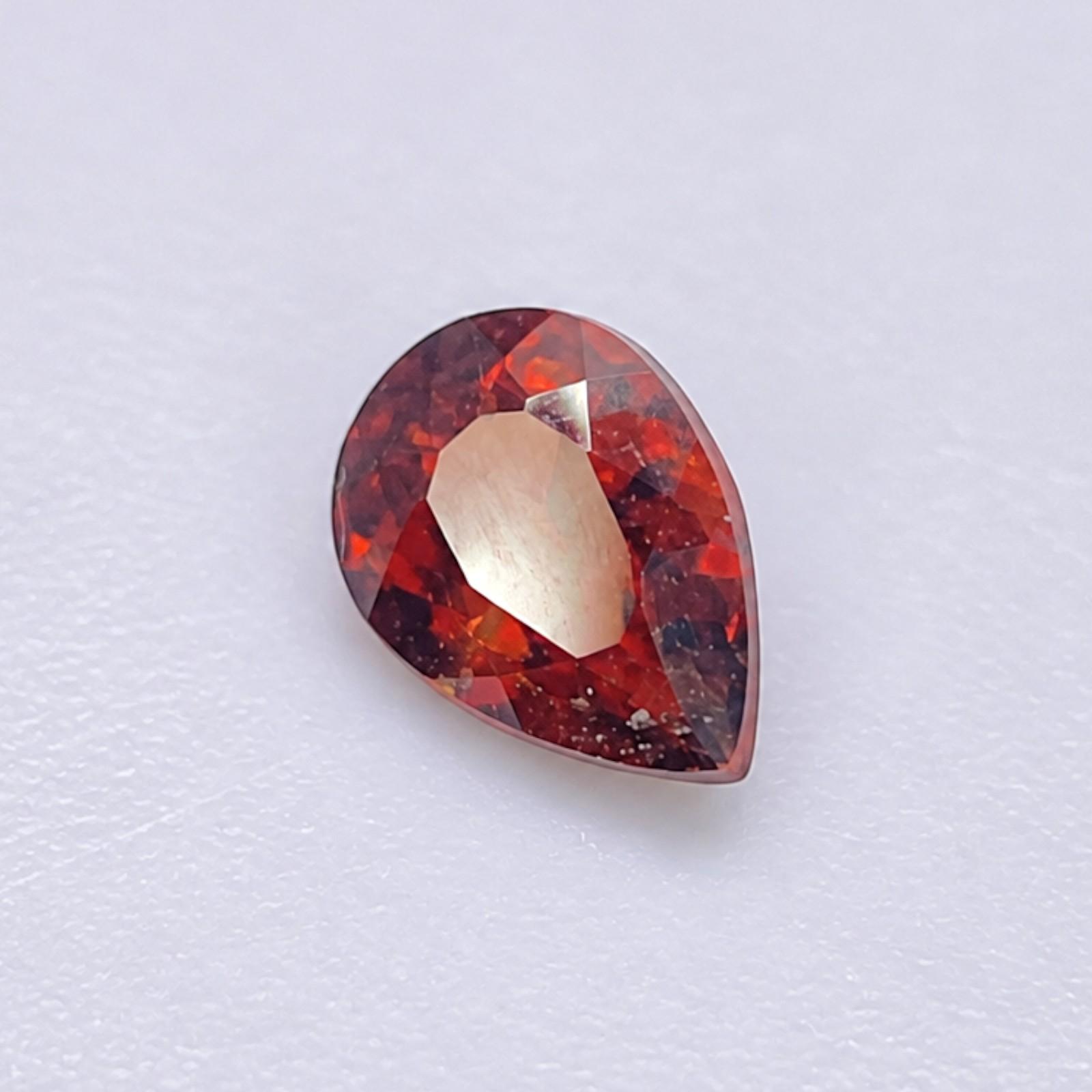
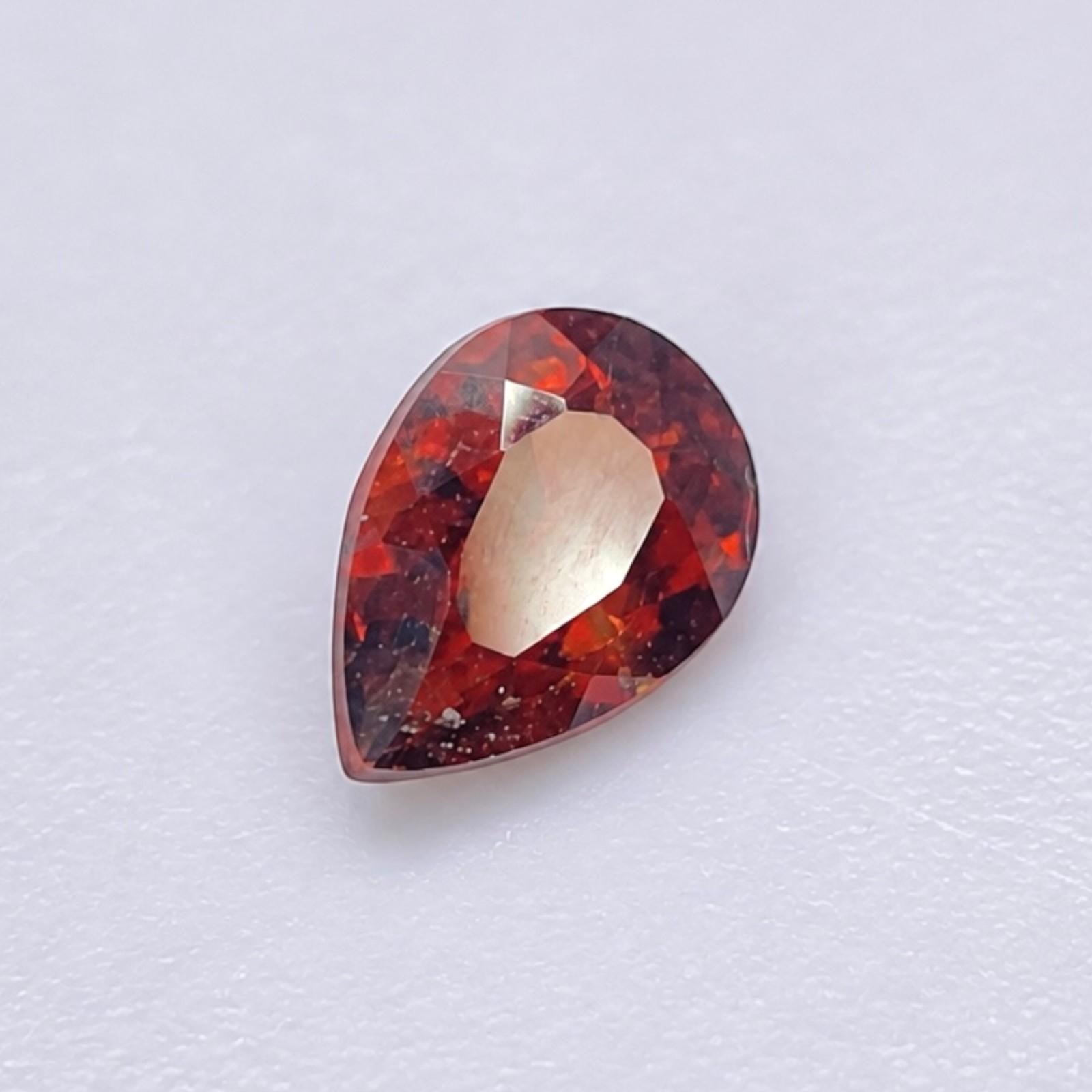
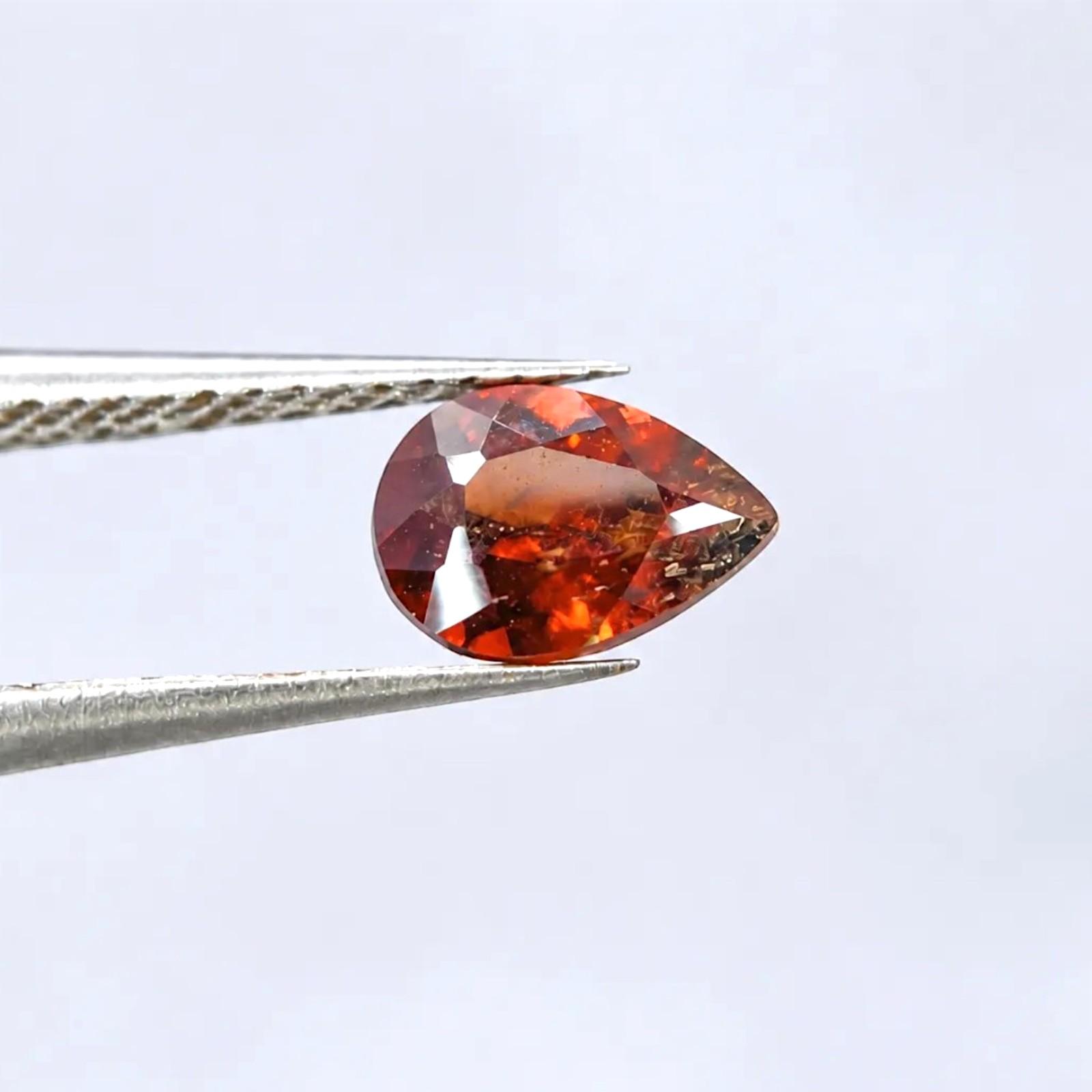
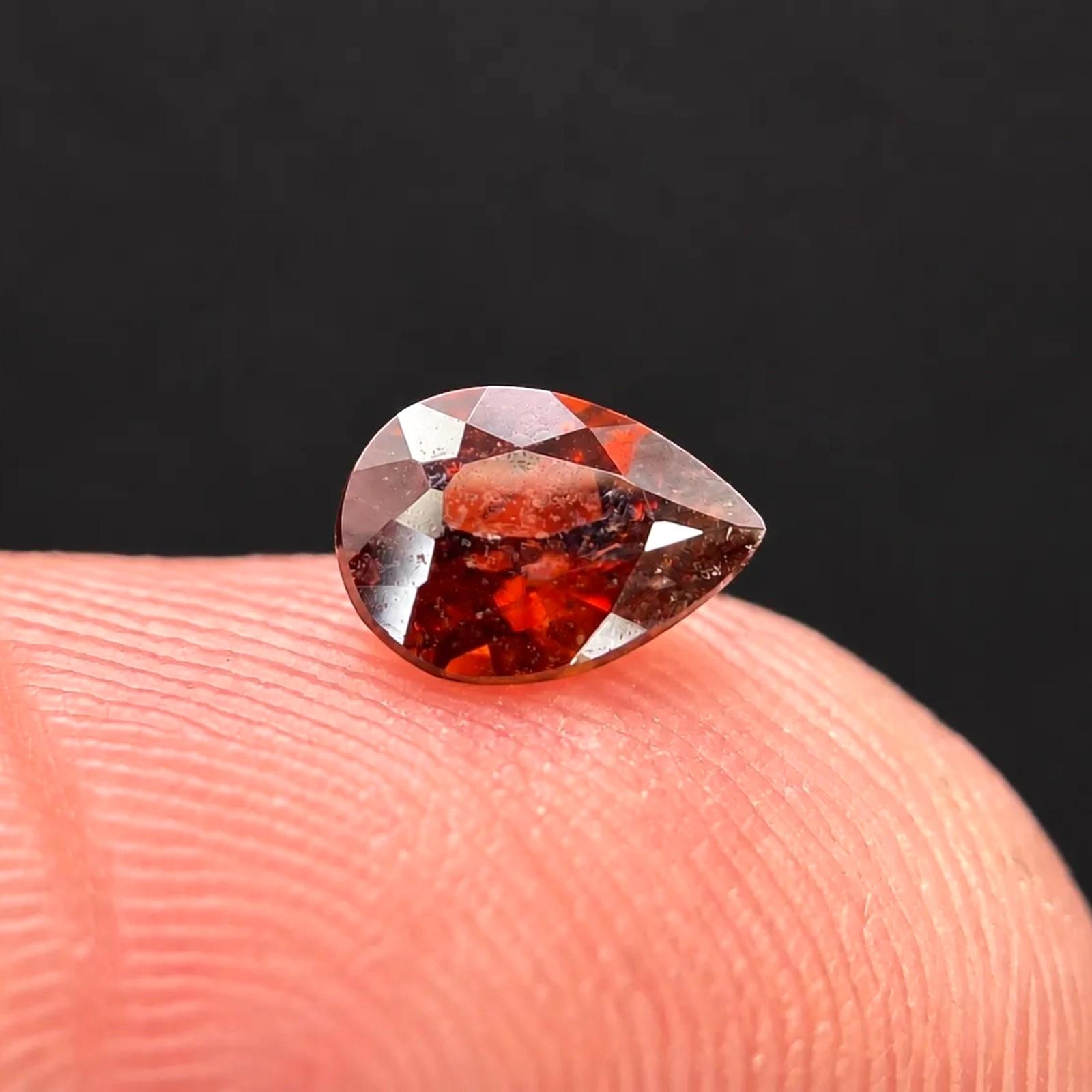
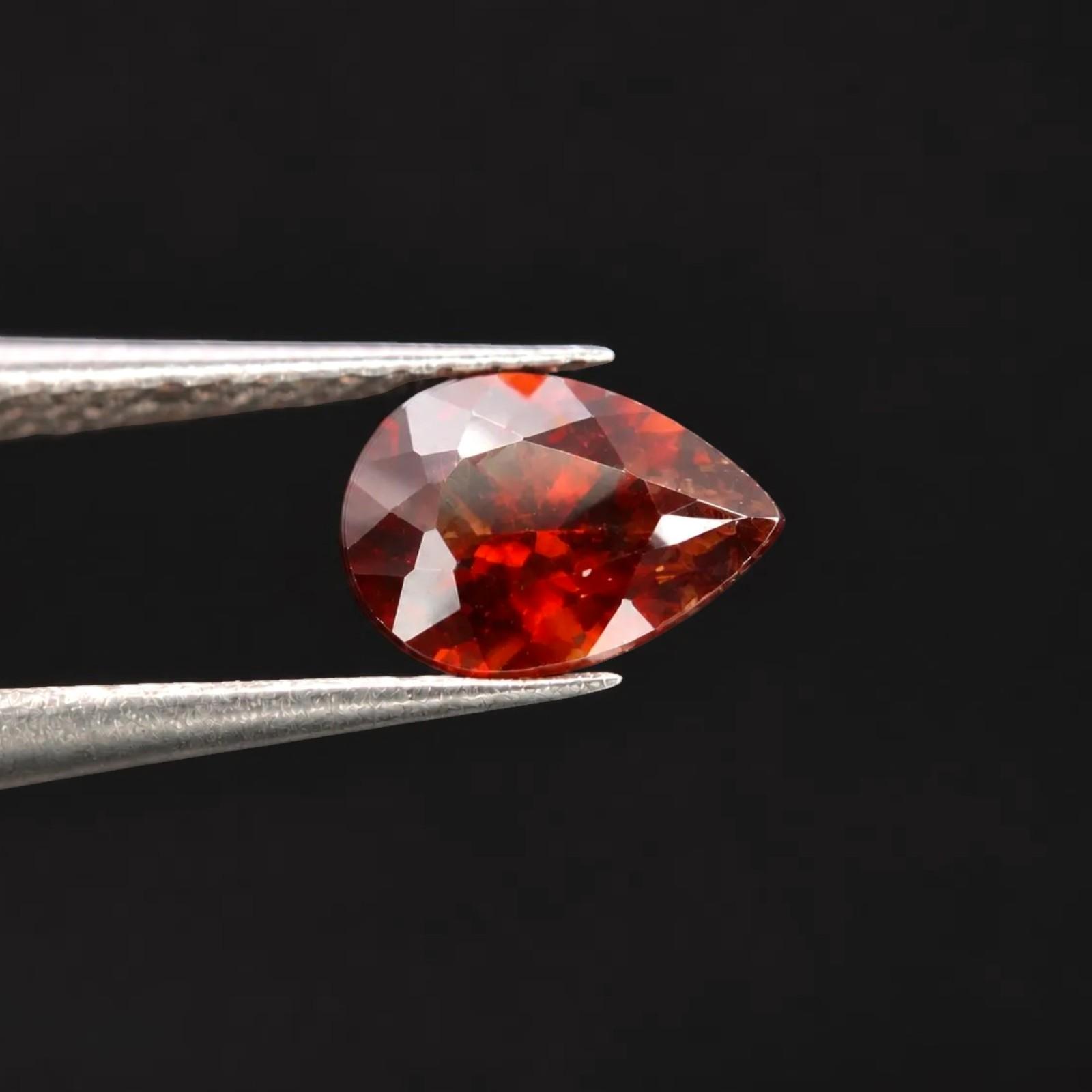


- Freakingcats Gemstone Database
Red Zircon (Sri Lanka)
Red Zircon—historically celebrated in classic gemological literature under the archaic varietal name “Hyacinth” or “Jacinth”—from the ancient alluvial gem gravels (illam) and high-grade granulite basements of Sri Lanka represents the absolute global benchmark for natural, unheated nesosilicate fire, adamantine brilliance, and deep, smoldering optical saturation. A zirconium orthosilicate of immense geological antiquity and gemological prestige, it is a species I have always respected for its “liquid-garnet” to “blazing-cinnamon-ruby” daylight fire, exceptional optical density, and its status as the supreme textbook benchmark of “tetragonal-dipyramidal” structural discipline. For the specialist, a top-tier Sri Lankan Red Zircon—whether presenting as a pristine, water-worn alluvial pebble with an intact tetragonal core, an unheated, razor-sharp dipyramidal crystal from the Highland Complex, or a masterfully cut collector gem—is a prized trophy of deep-seated Pan-African orogenic metamorphism and resilient geochemical survival; it offers a splendent adamantine luster, vivid optical dispersion, and an authoritative, shelf-commanding presence that makes it an indispensable gemstone cornerstone for the systematic vault. As an artist, I find the smoldering, fiery red light that explodes from its faceted depths—displaying an adamantine flash and optical double refraction that outshines even the finest pyrope-almandine garnets—to be one of nature’s most sophisticated, warm, and visually arresting spectacles.
The Heritage & Discovery
Historical Significance
Red Zircon is an indispensable index species for decoding continental crustal growth, deep granulite-facies metamorphic equilibria, and U-Pb geochronological timelines across the ancient supercontinents of Rodinia and Gondwana. Historically, the island of Sri Lanka—known in antiquity as Ratna-Dweepa (the “Gem Island”) and celebrated by Arab traders as Serendib—has served as the world’s most historic and enduring supplier of collector-grade zircon for over two millennia. In ancient and medieval lapidaries, orange-red to fiery cinnamon-red zircons were revered as “hyacinths,” prized as protective talismans that brought prosperity and mental clarity to travelers. In modern systematic mineralogy and gemology, Sri Lankan zircon stands as the historical type reference for “high-type” (fully crystalline, non-metamict) zircon, celebrated internationally for its extreme refractive power, structural integrity, and clean optical fire.
Discovery
The unearthing of macrocrystalline red zircon across Sri Lanka occurs primarily through traditional artisanal mining of the illam, the secondary alluvial and eluvial gem-bearing gravels resting in river valleys and ancient floodplains. Scientifically, Zircon crystallizes in the tetragonal system (space group I41/amd), constructed from isolated silicon-oxygen tetrahedra (SiO44-) cross-linked by eight-coordinated zirconium cations (Zr4+). In the geochemically evolved high-grade metamorphic rocks of the Sri Lankan Highland Complex, zircon originally grew at deep-crustal temperatures exceeding 750°C. Natural red coloration in Sri Lankan zircon is governed by specific color centers—predominantly lattice-defect centers induced by natural background radioactivity over hundreds of millions of years, often modulated by trace transition elements such as iron (Fe3+). While low levels of uranium (U) and thorium (Th) substitute into zirconium sites, high-type Sri Lankan red zircons have retained their intact crystal lattice with minimal metamictization, maintaining their peak refractive index, density, and adamantine fire. My own respect for this material grew from analyzing its diagnostic optical doubling under direct gallery spotlights; specifically, observing the crisp doubling of pavilion facet junctions caused by its strong optical birefringence while radiating a deep, natural blood-red hue confirms a crystalline precision that is deeply satisfying to the trained eye.
Important Mines
The undisputed historical capital for world-class, unheated red zircon within Sri Lanka is the legendary gem district of Ratnapura (“The City of Gems”), situated in the Sabaragamuwa Province. In the fertile river basins around Ratnapura, Pelmadulla, Balangoda, and Kuruwita, traditional pit mining systematically extracts gem-bearing illam containing water-worn alluvial crystals of remarkable transparency and red saturation. Additionally, notable occurrences of in-situ crystals and alluvial gravels have been documented in the Elahera gem field in the Central Province, renowned for producing high-type gem zircons associated with sapphire, chrysoberyl, and spinel, as well as the southern alluvial basins near Kataragama and Tissamaharama. For the systematic vault, I prioritize specimens that exhibit pure natural, unheated red-to-crimson saturation without muddy brown overtones, exceptional internal optical clarity, verified “high-type” structural crystallinity, and pristine crystal or faceted form.
Mineralogical Profile
Description
Red Zircon is a zirconium orthosilicate mineral belonging to the zircon group that crystallizes in the tetragonal system within the dipyramidal crystal class. It sits at a robust 7.5 on the Mohs scale, meaning its highly lustrous crystal faces possess exceptional structural hardness and resistance to surface scratching, though its brittle tenacity, conchoidal fracture, and indistinct cleavage parallel to {100} and {111} require dedicated archival care to protect its crisp facet junctions, delicate crystal edges, and terminations from sharp mechanical shocks or edge chipping. It is characterized by its bright, splendent adamantine surface luster (approaching the luster of diamond) and a warm, smoldering color palette dominated by pure crimson-red, blood-red, fiery orange-red, rich cinnamon-amber (“hyacinth”), and deep wine-red.
One of its most identifying traits is its crisp tetragonal habit in unweathered crystals, routinely forming square prismatic columns terminated by steep, four-sided dipyramids, or presenting as rounded, tumbled alluvial pebbles that preserve an adamantine sheen beneath a frosted exterior. It possesses an exceptionally high refractive index running from approximately 1.925 to 1.984 with very high optical birefringence (0.059), which produces a pronounced doubling of internal reflections and facet edges that is easily observed under magnification, paired with an unusually dense average specific gravity ranging between 4.60 and 4.70 that reflects its tightly bonded, high-type zirconium silicate framework. Because it forms primarily in high-grade metamorphic granulites, gneisses, and syenitic pegmatites before weathering into secondary placers, it is commonly found in close association with Corundum (Sapphire and Ruby), Chrysoberyl, Spinel, Almandine-Pyrope Garnet, Tourmaline, Sillimanite, and Quartz. When I select an example for documentation, I look for intense natural red color purity, exceptional internal transparency free from metamict cloudiness, and a dazzling adamantine brilliance, as these emphasize the sophisticated, ancient metamorphic chemistry of the mineral’s dramatic Precambrian birth.
Chemical Formula
ZrSiO4 (with trace U, Th, Fe, and radiation-induced color centers)


