

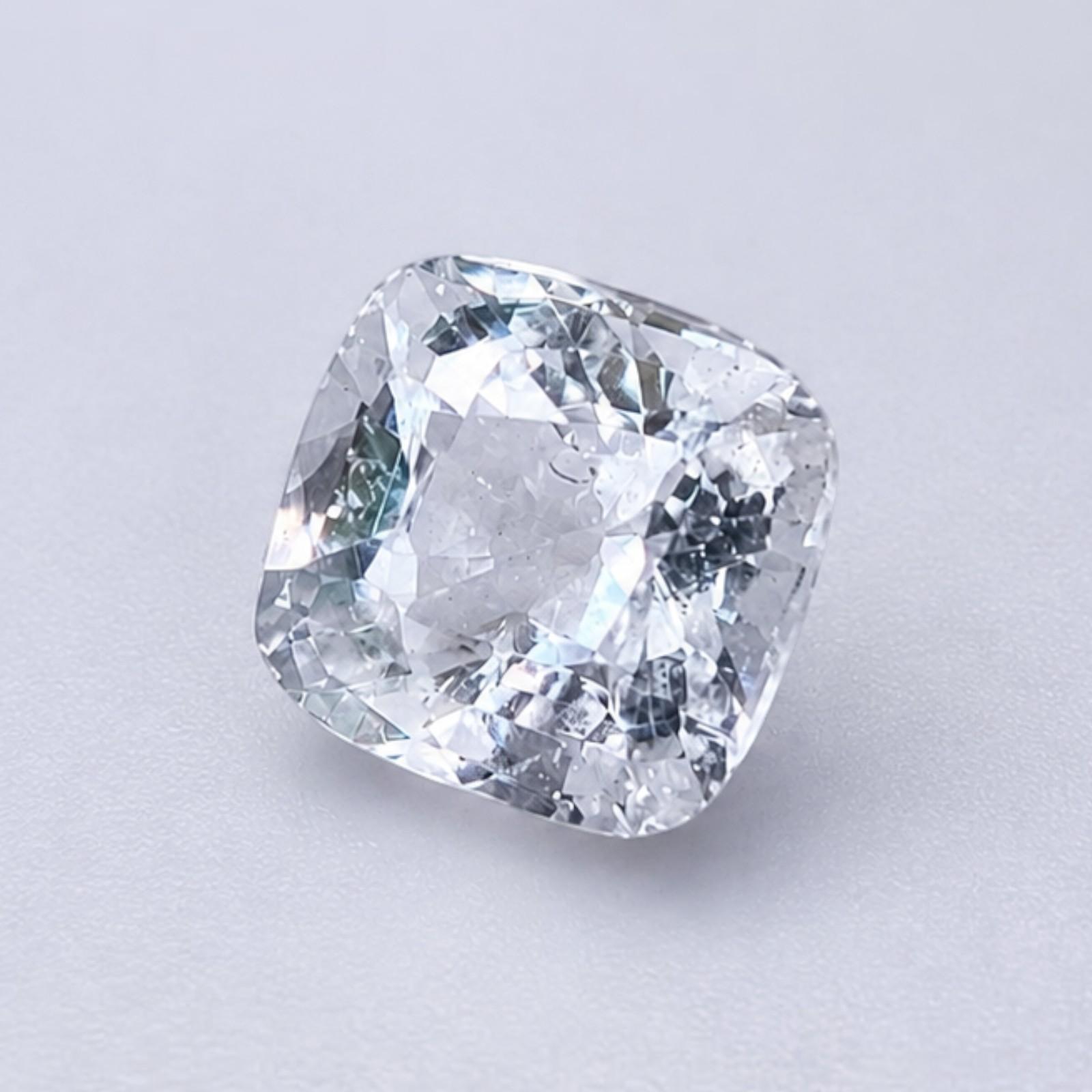
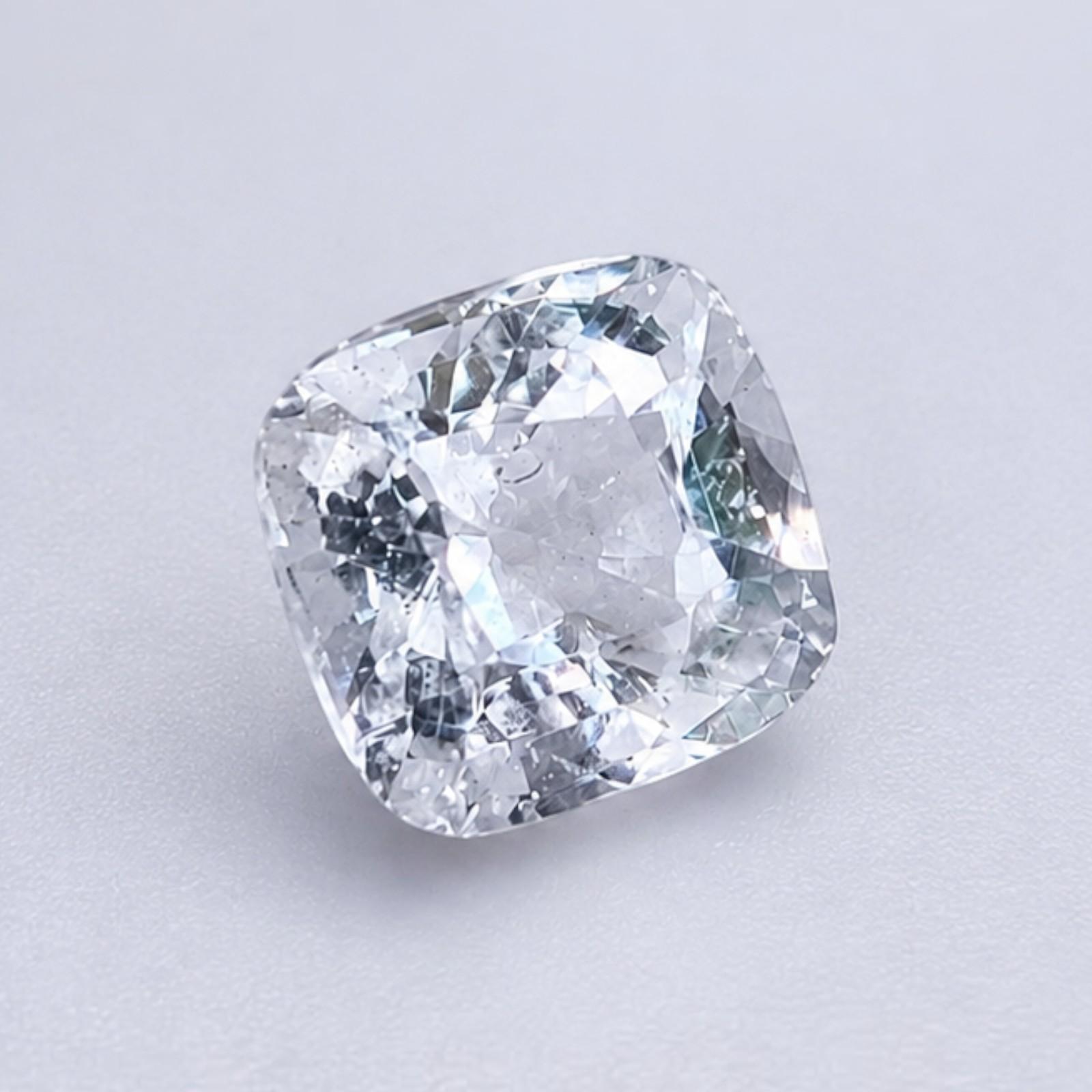
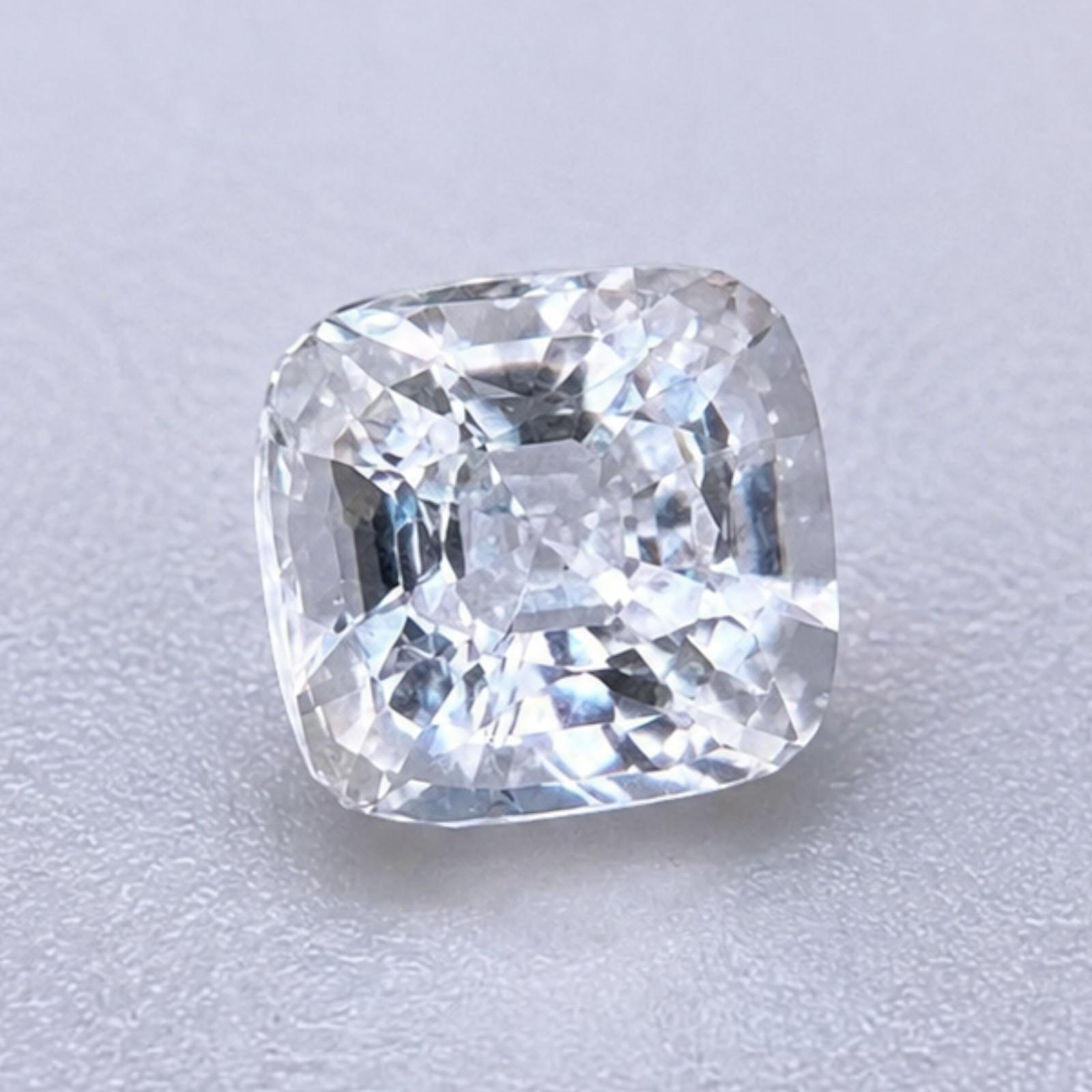
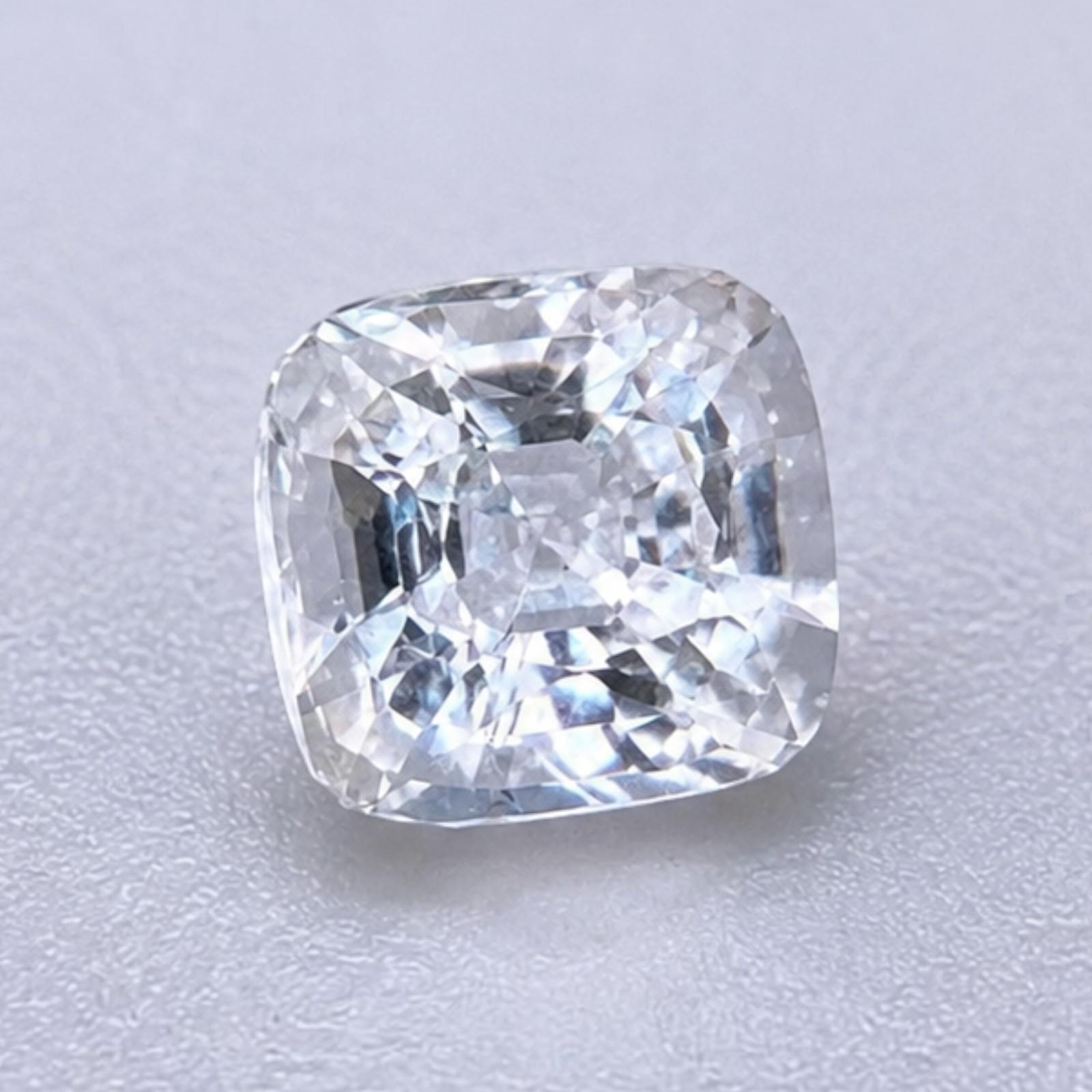
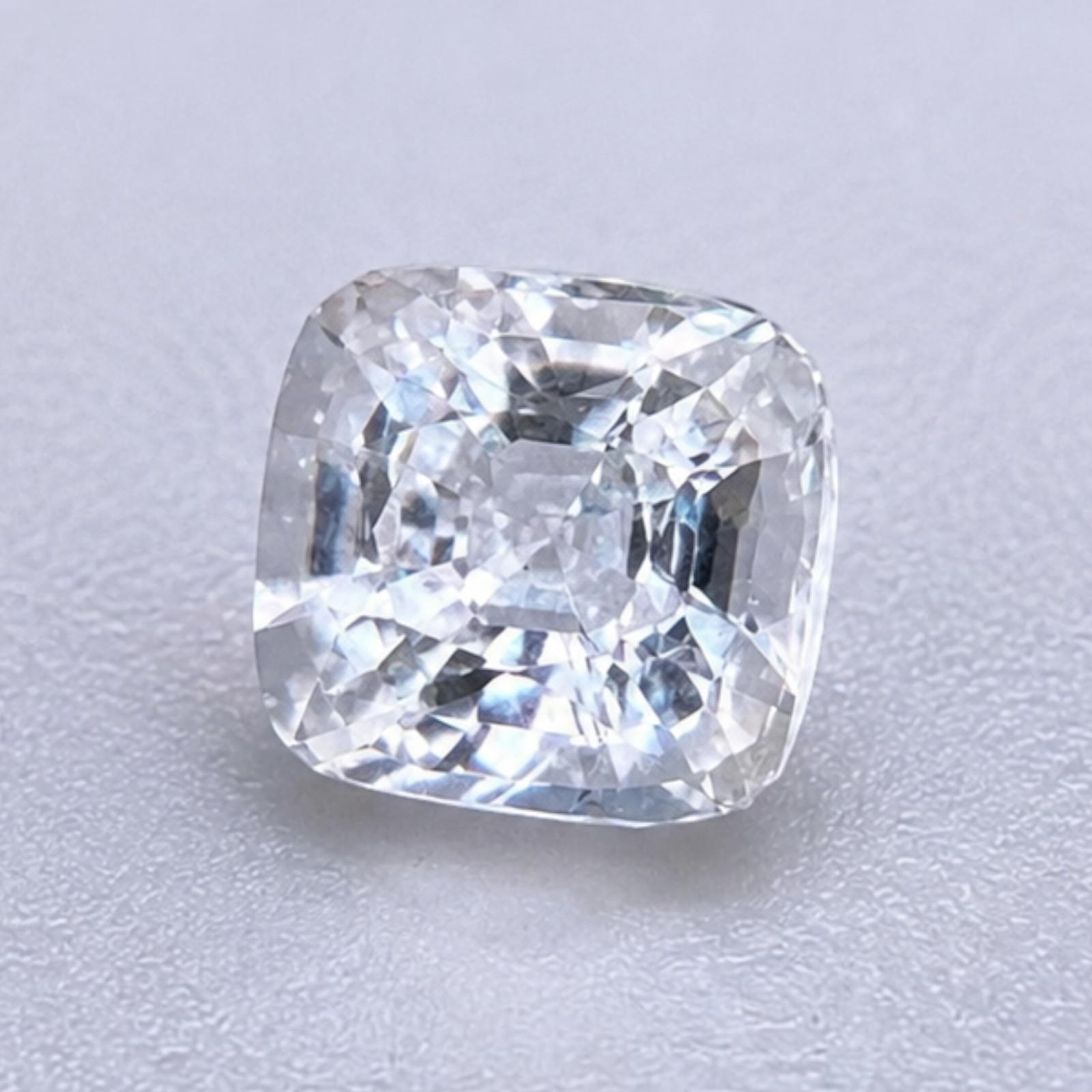
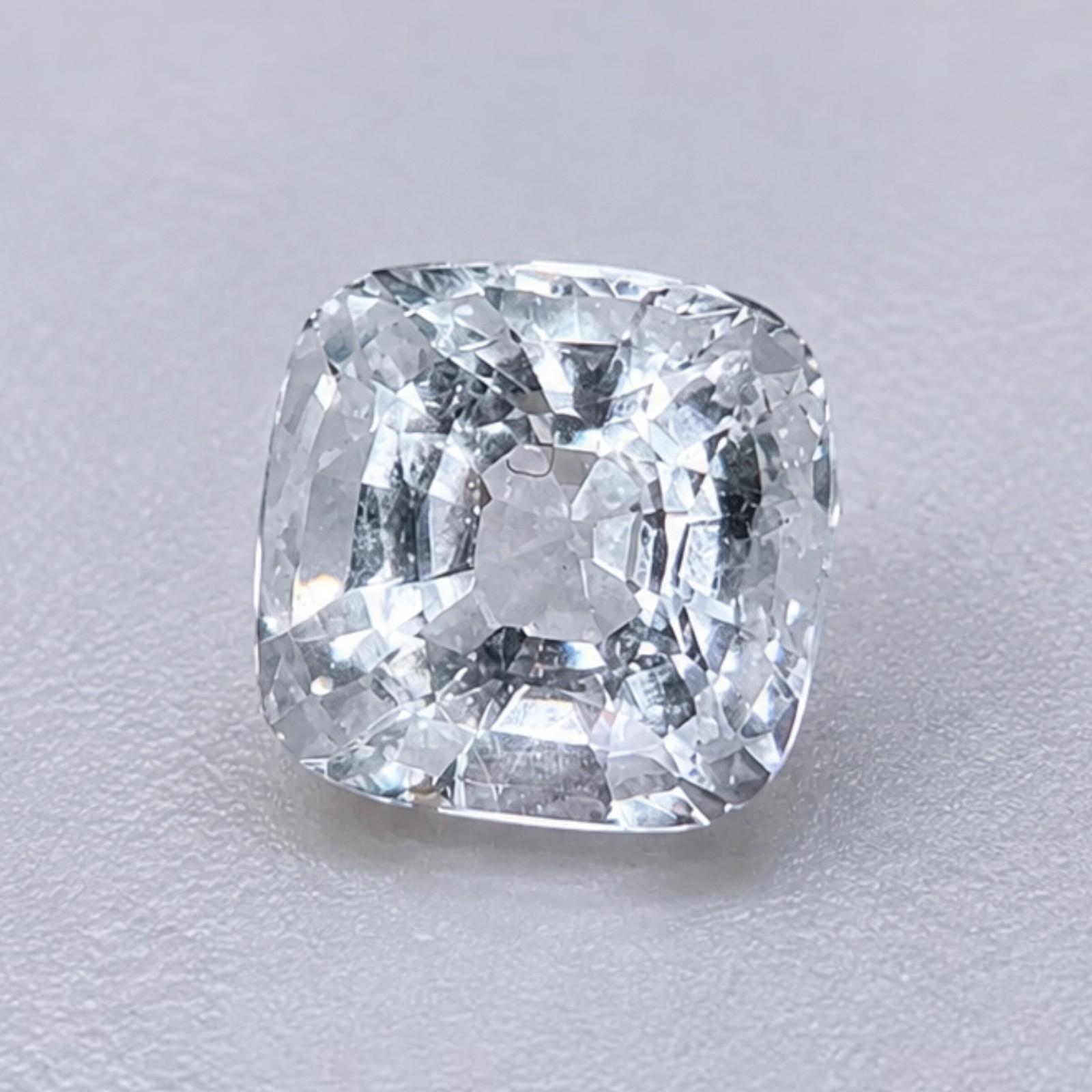
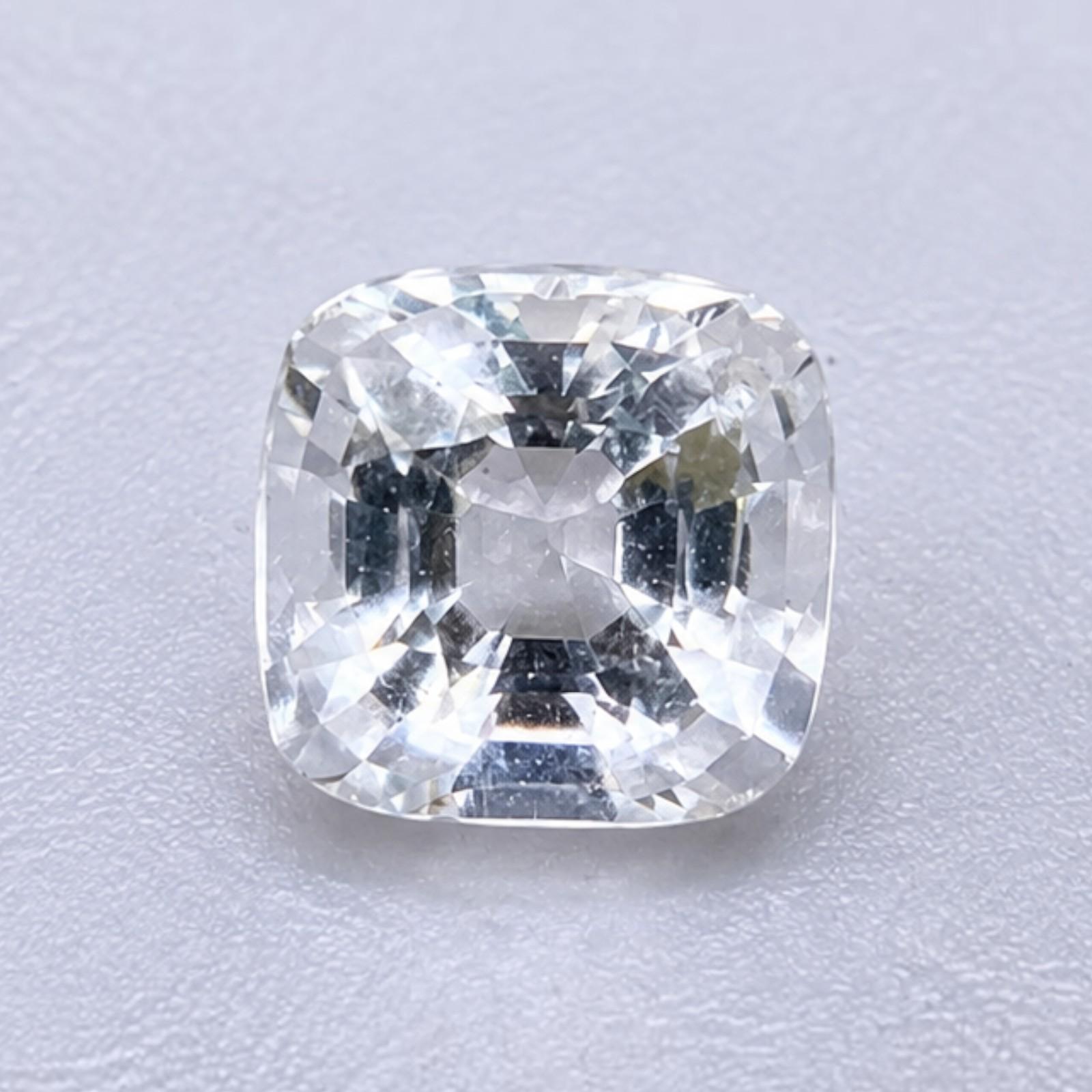
0.64 ct GOSHENITE – MYANMAR
EXPERT VERIFIED
- Expert Verified Gemstone
- Fast Handling & Shipping
- Secure Vault Packaging
$ 100 Original price was: $ 100.$ 80Current price is: $ 80.
Offer amount Feild


Smart Collector Choice


Pay with Crypto & Get 10% Automatic Discount

Availability: 1 in stock


- Freakingcats Gemstone Database
Goshenite (Myanmar)
Goshenite from the legendary pegmatite fields of Upper Myanmar represents the “pure-beryllium-aluminum” peak of the beryl world. The colorless variety of the beryl species, it is one I have always respected for its “water-clear,” “ice-like” absolute clarity and its status as a masterpiece of “hexagonal” structural discipline. For the specialist, a top-tier Burmese Goshenite is a prize of flawless chemical purity; completely uncolored by transition metals, it offers a high-vitreous luster and a “luminous” presence that makes it a true “high-vibration” asset for the systematic vault. As an artist, I find the “aqueous” transparency and the “razor-sharp” geometric discipline of these pristine hexagonal prisms to be one of nature’s most sophisticated and “ethereal” palettes.
The Heritage & Discovery
Historical Significance Goshenite is a vital species for understanding the behavior of beryllium in highly fractionated granitic pegmatites when chromophores like iron, chromium, or manganese are entirely absent. Historically, the name is derived from its discovery locality in Goshen, Massachusetts, but the “gem-grade” discoveries in Myanmar have established the ultimate aesthetic benchmark for crystal symmetry. In the world of fine minerals, it is celebrated for its natural, “pure-spectrum” brilliance, which stands as a symbol of mental clarity and structural integrity. It serves as a reminder that the same geological “womb” that produces intense rubies and sapphires can also achieve a state of absolute, unblemished stillness.
Discovery While Goshenite is found in numerous pegmatite fields worldwide, the macrocrystalline, facet-grade discoveries in Myanmar redefined the mineralogical standard for crystal size, luster, and habit. Scientifically, it is a beryllium aluminum silicate. Its discovery in the Mogok valley provided mineralogists with the first clear look at the species’ potential for “sharp,” tabular to elongated hexagonal prisms of total transparency, untainted by the inclusion veiling common in other localities. My own respect for this material grew from observing its “optical” depth; specifically, the way its faces handle daylight—projecting a crisp, silver-white internal flash that is unmistakable to the trained eye.
Important Mines The undisputed world capital for the finest “aesthetic” Goshenite is the Mogok Stone Tract in the Pyin-Oo-Lwin District, Myanmar, with notable specimens emerging from the complex pegmatites of Sakangyi and the alluvial gravels of Kyatpyin. These specimens set the global benchmark for color purity and “sharp” hexagonal architecture, often found sitting on a stark white feldspar matrix. I also have a high regard for the exceptional finds from the Molo pegmatite in the Momeik region. For the vault, I prioritize the Sakangyi material for its unmatched “aqueous-purity” and its status as a rare-purity masterpiece of Southeast Asian pegmatite mineralogy.
Mineralogical Profile
Description Goshenite is a beryllium aluminum silicate that crystallizes in the hexagonal system. It sits at a 7.5 to 8 on the Mohs scale, making it an exceptionally durable mineral that maintains its “razor-sharp” prismatic edges and glassy surfaces for eons. It is characterized by its brilliant vitreous luster and its unmistakable, “colorless-to-water-clear” palette.
One of its most identifying traits is its flat pinacoidal terminations and its association with highly evolved granite pegmatites. It possesses a refractive index running from approximately 1.57 to 1.59, offering a bright, clear reflection, and a specific gravity (SG approx 2.6 to 2.8) that reflects its open, ring-silicate framework structure. Because it forms in volatile-rich pockets, it is often found in association with Quartz, Schorl, Lepidolite, and Albite. When I select a piece for the collection, I look for absolute “water-white” clarity and the absence of internal fractures, as these highlight the sophisticated, three-dimensional geometry of the mineral’s undisturbed growth. It is a light, high-vibration mineral that offers a unique, “aqueous-neon” beauty unlike any other beryl variety.
Chemical Formula Be3Al2(Si6O18)
Related products
- Sale!Suggest a Price
![12.75 ct AMAZONITE - USA]()
- Sale!Suggest a Price
![1.63 ct CATS EYE ALEXANDRITE - INDIA]()
- Sale!Suggest a Price
![0.28 ct ADAMITE - MEXICO]()
- Sale!Suggest a Price
![6.80 ct 2 pc AERINITE - SPAIN]()


