
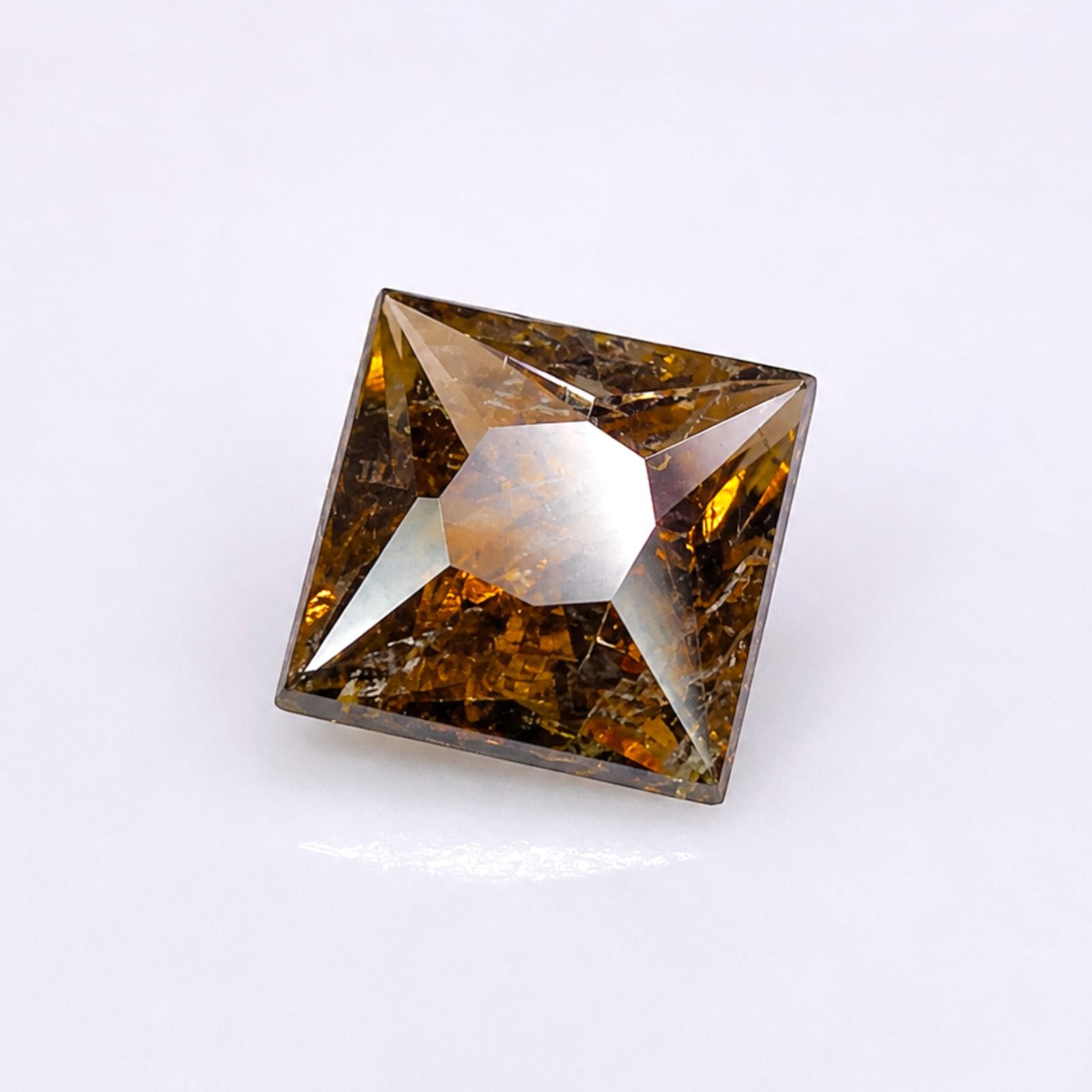
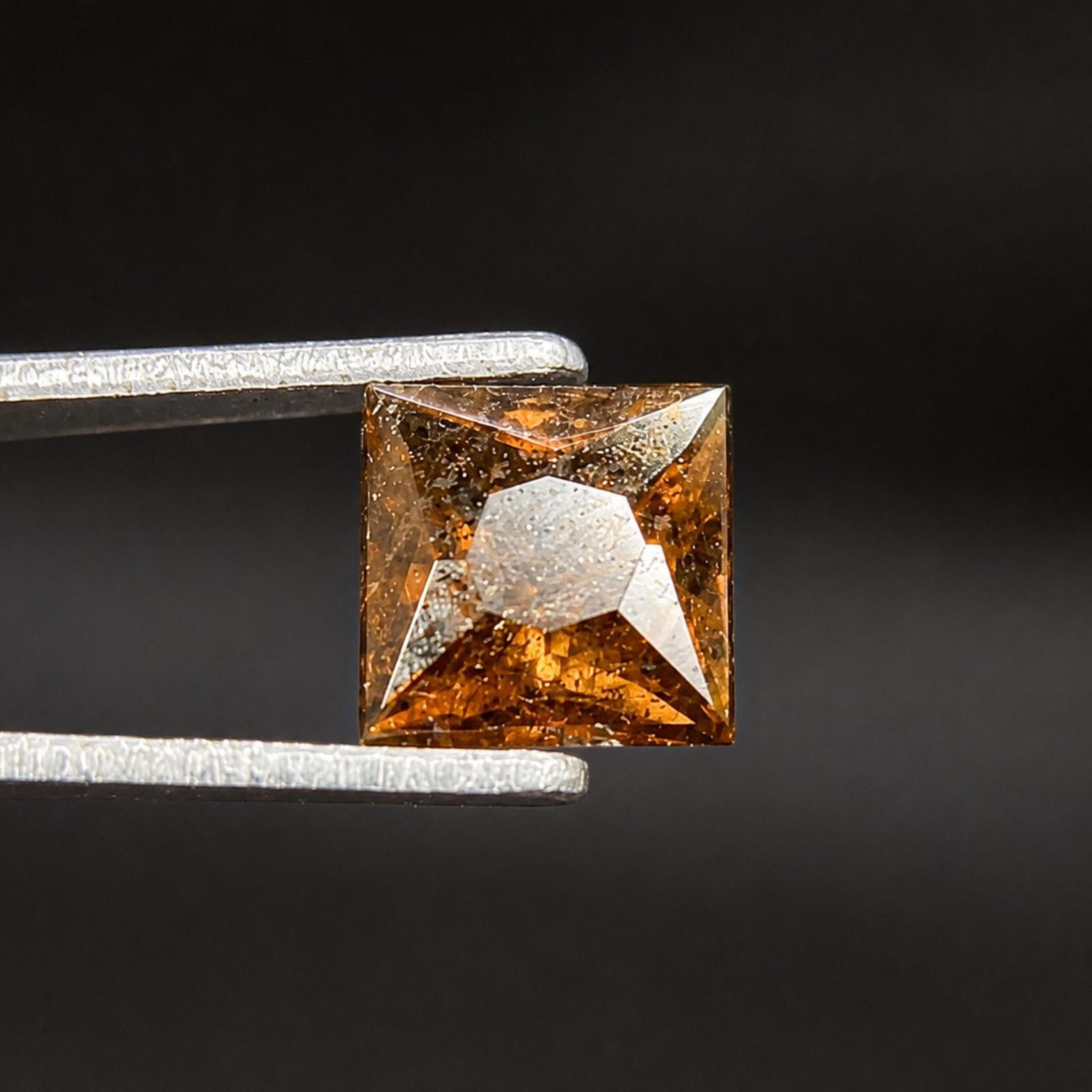
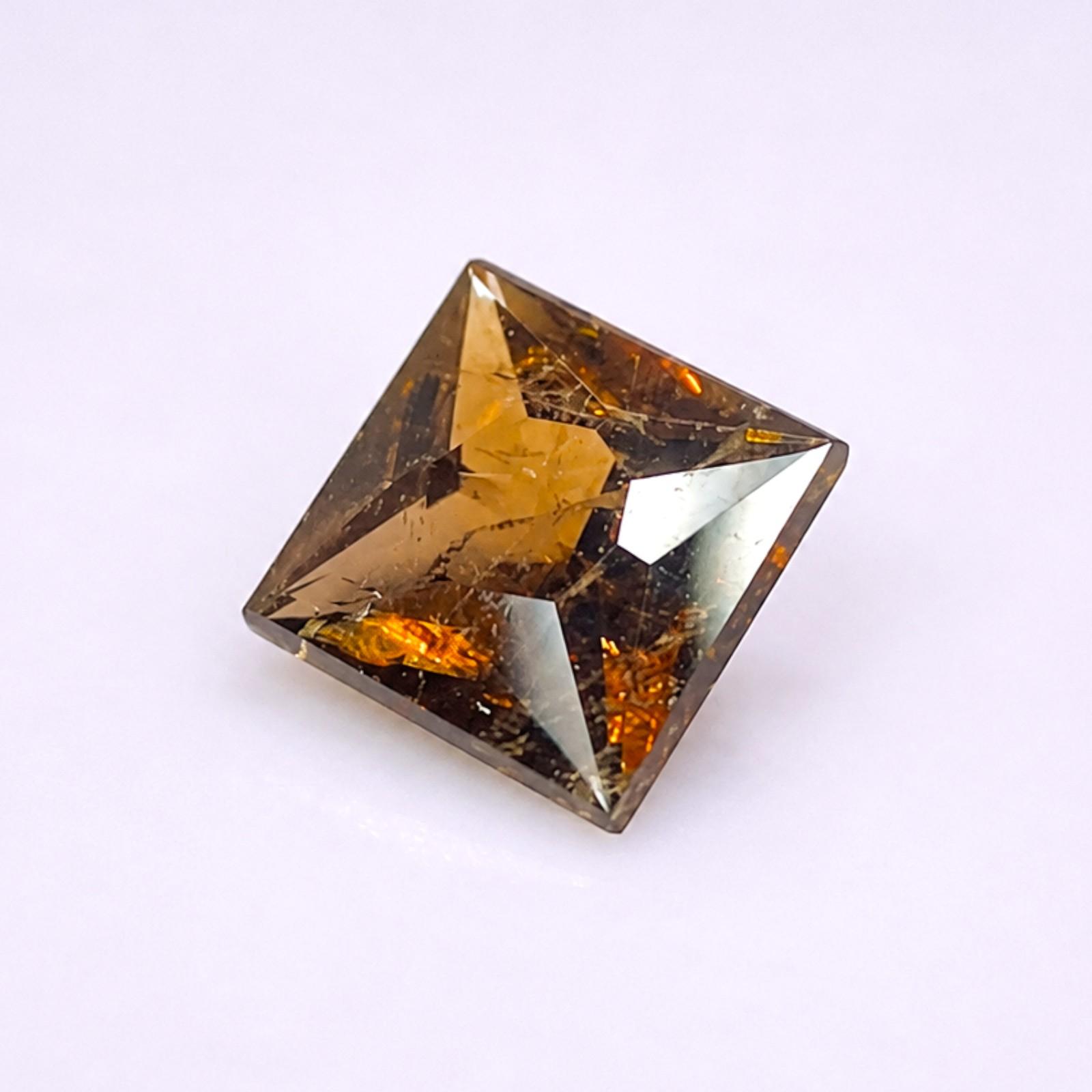
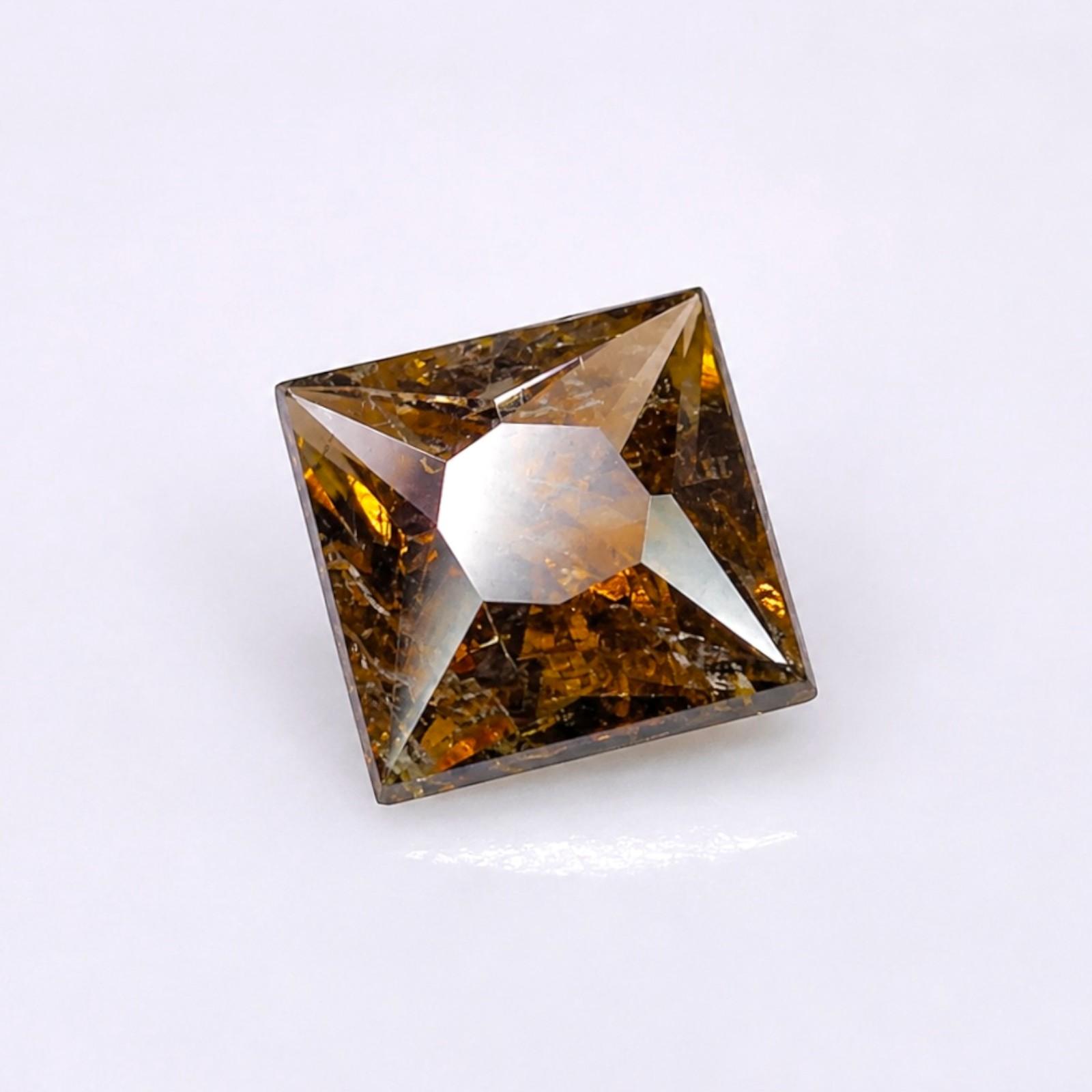
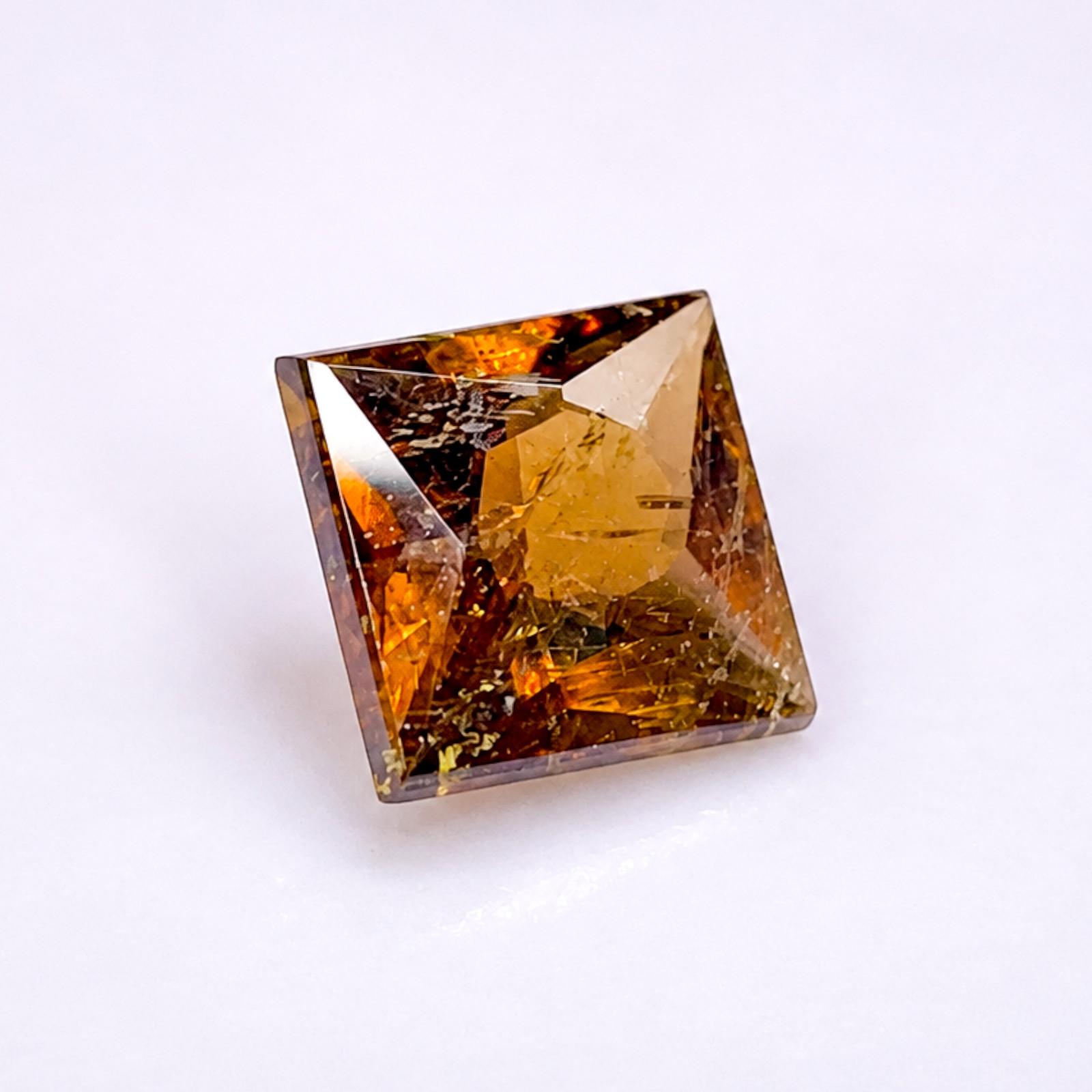
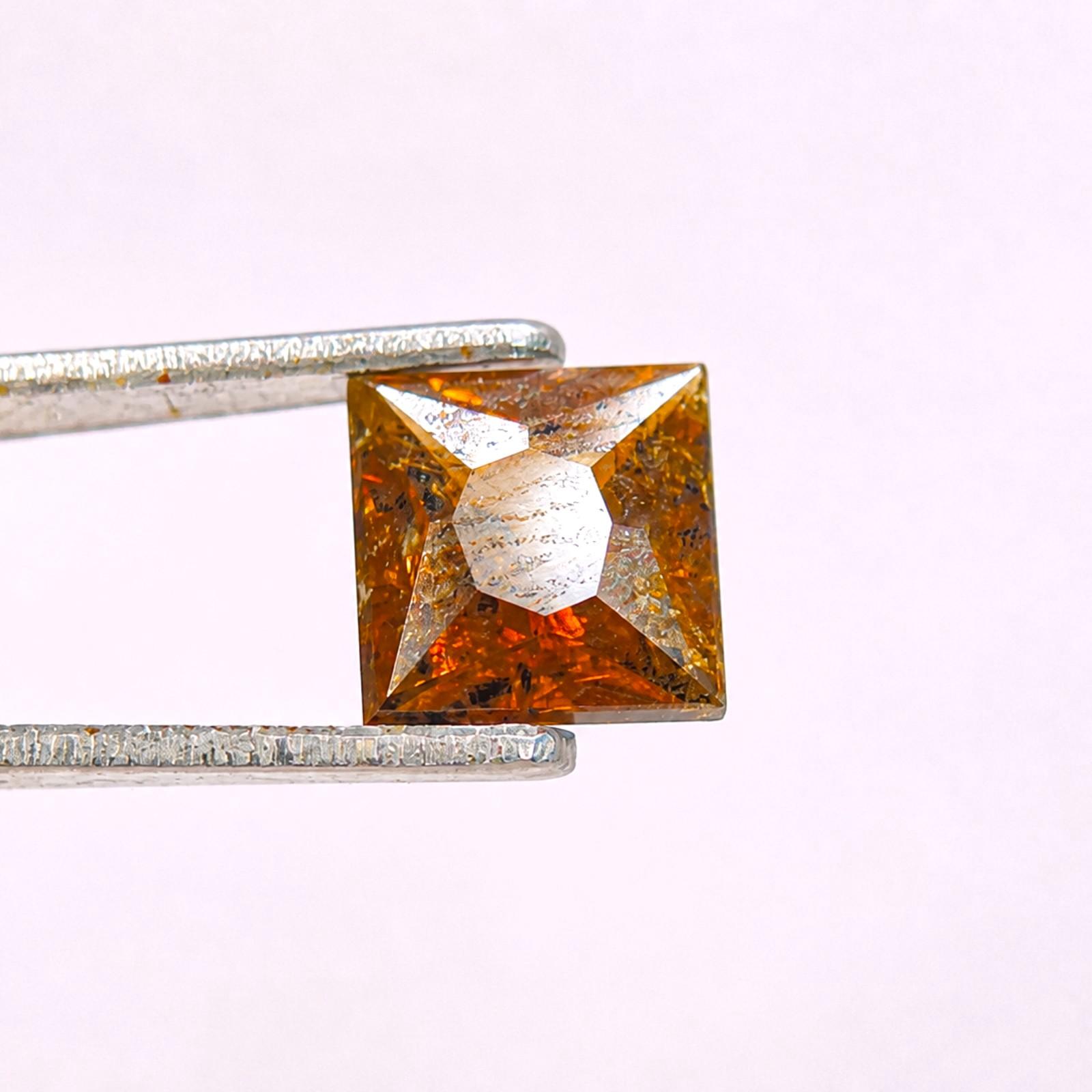
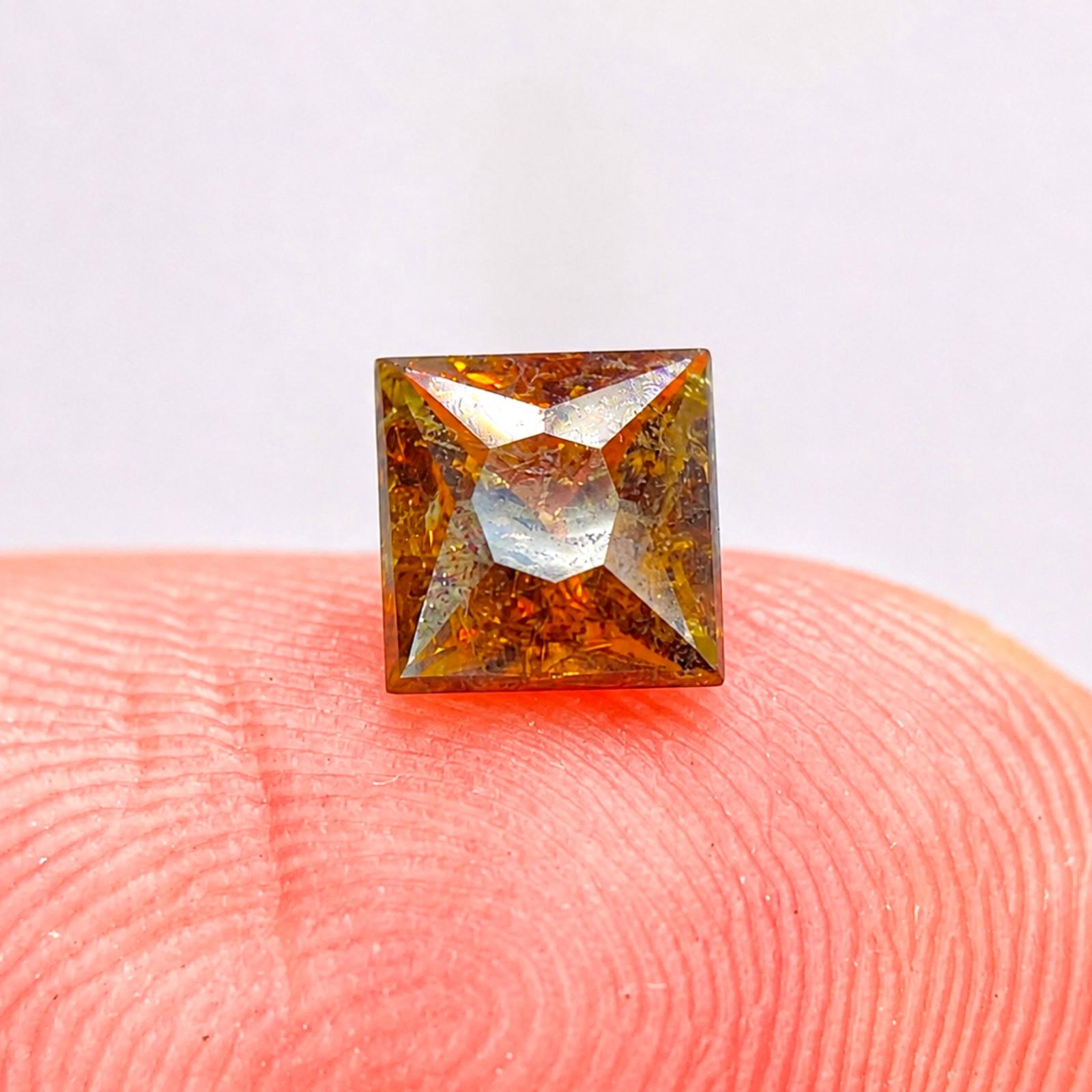
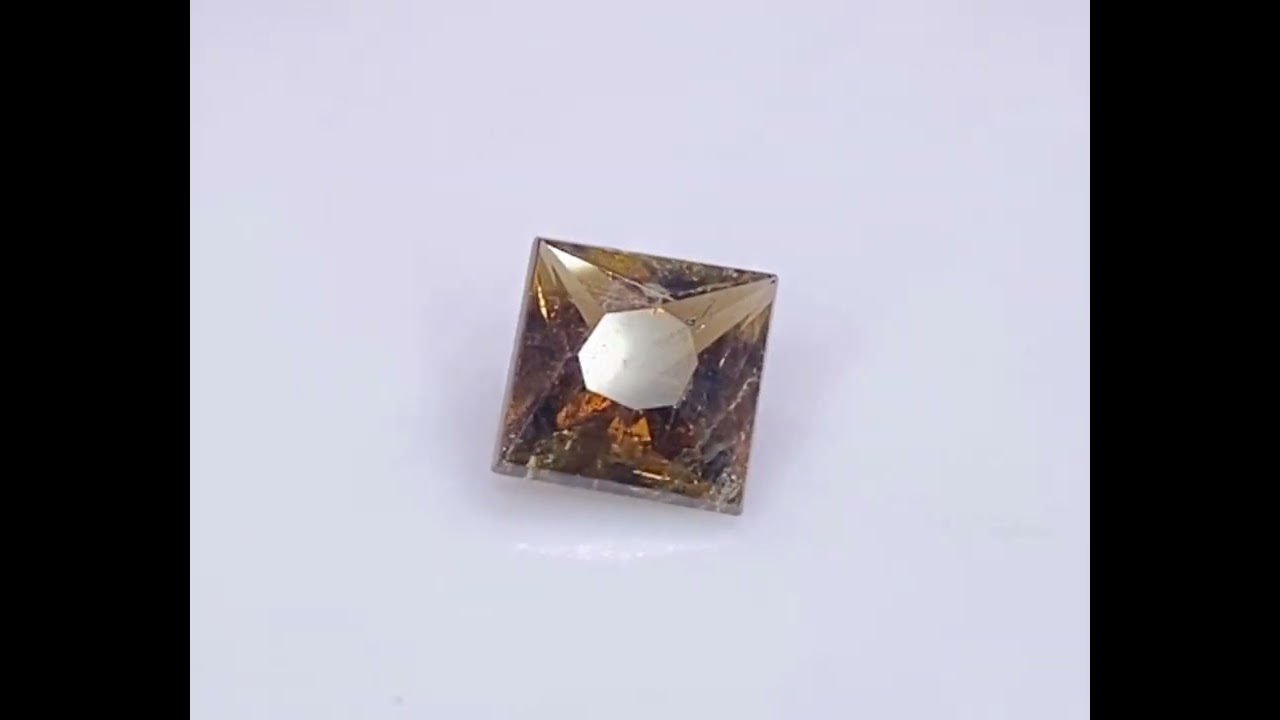
0.70 ct BRONZITE – USA
EXPERT VERIFIED
- Expert Verified Gemstone
- Fast Handling & Shipping
- Secure Vault Packaging
$ 150
Offer amount Feild


Smart Collector Choice


Pay with Crypto & Get 10% Automatic Discount

Availability: 1 in stock


- Freakingcats Gemstone Database
Bronzite
Bronzite is a gemstone that embodies the grounded, metallic strength of the deep earth. A variety of Enstatite within the Pyroxene group, it is a mineral I have always respected for its “armored” appearance; it is distinguished by a high iron content that has undergone a specific sub-microscopic alteration. This process creates a spectacular, bronze-like schiller—a metallic shimmer that dances across the surface of the stone when light catches its internal cleavage planes. It typically presents in deep chocolate browns to olive-greens with a sub-metallic to silky luster. For me, Bronzite is a stone of quiet confidence and structural integrity; it is the “warrior” of the pyroxenes, offering a chatoyant beauty that is far more rugged and earthy than the bright brilliance of faceted silicates.
The Heritage & Discovery
Historical Significance: Bronzite holds a unique place in the study of magmatic crystallization. Historically, it was valued as an indicator mineral for ultramafic rocks and was often used in ancient decorative arts due to its unique metallic sheen. In the world of fine minerals, it represents the intermediate stage of the Enstatite-Ferrosilite series, where the iron content is perfectly calibrated to produce its namesake “bronze” effect. It stands as a symbol of protection and grounding, bridging the gap between common rock-forming minerals and the elite world of “phenomenal” collector gems. It serves as a reminder that even the most “industrial-looking” minerals can hide a world of shimmering light within their rigid structures.
Discovery: The mineral has been recognized since the early 19th century as a distinct iron-rich variety of Enstatite. Its name is a direct reference to its characteristic bronze color and luster. Scientifically, it is a magnesium iron silicate. Its discovery in the deep-seated “plutonic” rocks provided mineralogists with a clear look at the structural changes that occur as iron replaces magnesium in the pyroxene lattice. Since its identification, it has become a staple for those who appreciate the “masculine” aesthetic of dark, metallic gems.
Important Mines: The legendary source for world-class, shimmering Bronzite is the Bushveld Complex in South Africa. I also have a high regard for the spectacular material found in Austria (the type-locality for many early studies) and the robust specimens from the Ural Mountains in Russia. For the vault, I prioritize the South African material for its exceptional “bronze” schiller and the Austrian pieces for their historical pedigree and sharp, bladed crystal forms.
Mineralogical Profile
Description: Bronzite is an iron-bearing variety of Enstatite that crystallizes in the orthorhombic system. It sits at a 5.5 to 6 on the Mohs scale, making it a durable stone that takes a magnificent, high-gloss polish that accentuates its metallic sheen. It is characterized by its sub-metallic luster and its range of golden-brown to deep bronze colors.
One of its most identifying traits is its schiller effect (or “pseudo-chatoyancy”). This is caused by the presence of minute, parallel-aligned inclusions or sub-microscopic plates of iron oxides that reflect light in a shimmering band. It has a moderate refractive index (n \approx 1.66 to 1.68) and a characteristic “wood-grain” texture on its cleavage surfaces. Because it is an iron-rich silicate, it is quite dense and has a grounding, heavy feel in the hand. When I select a piece for the collection, I look for “even” schiller across the entire surface and a deep, rich color saturation, as these represent the species in its most perfect and aesthetic form. It is a dense, high-vibration mineral that offers a unique, metallic depth unlike any other pyroxene.
Chemical Formula: (Mg,Fe)SiO3


