
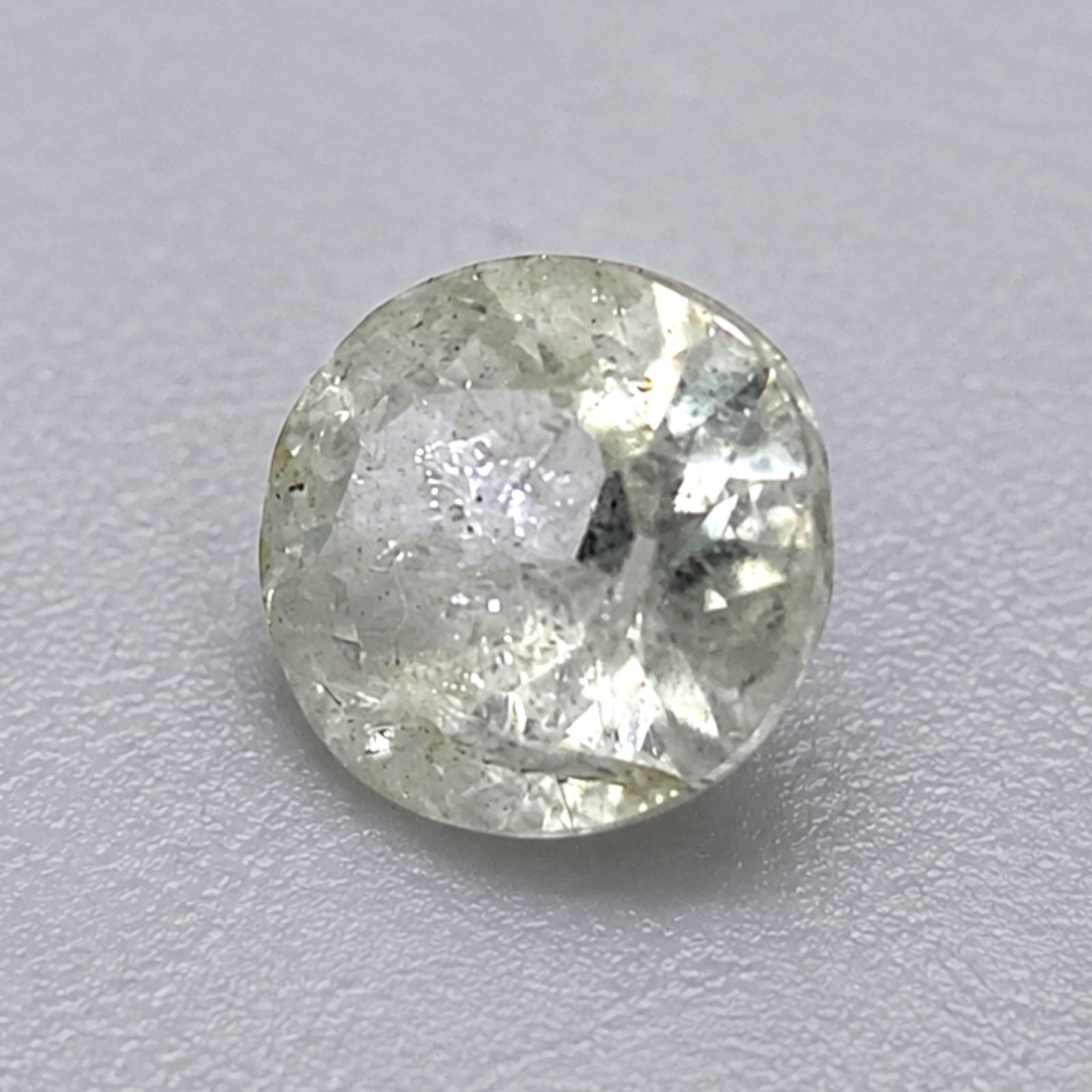
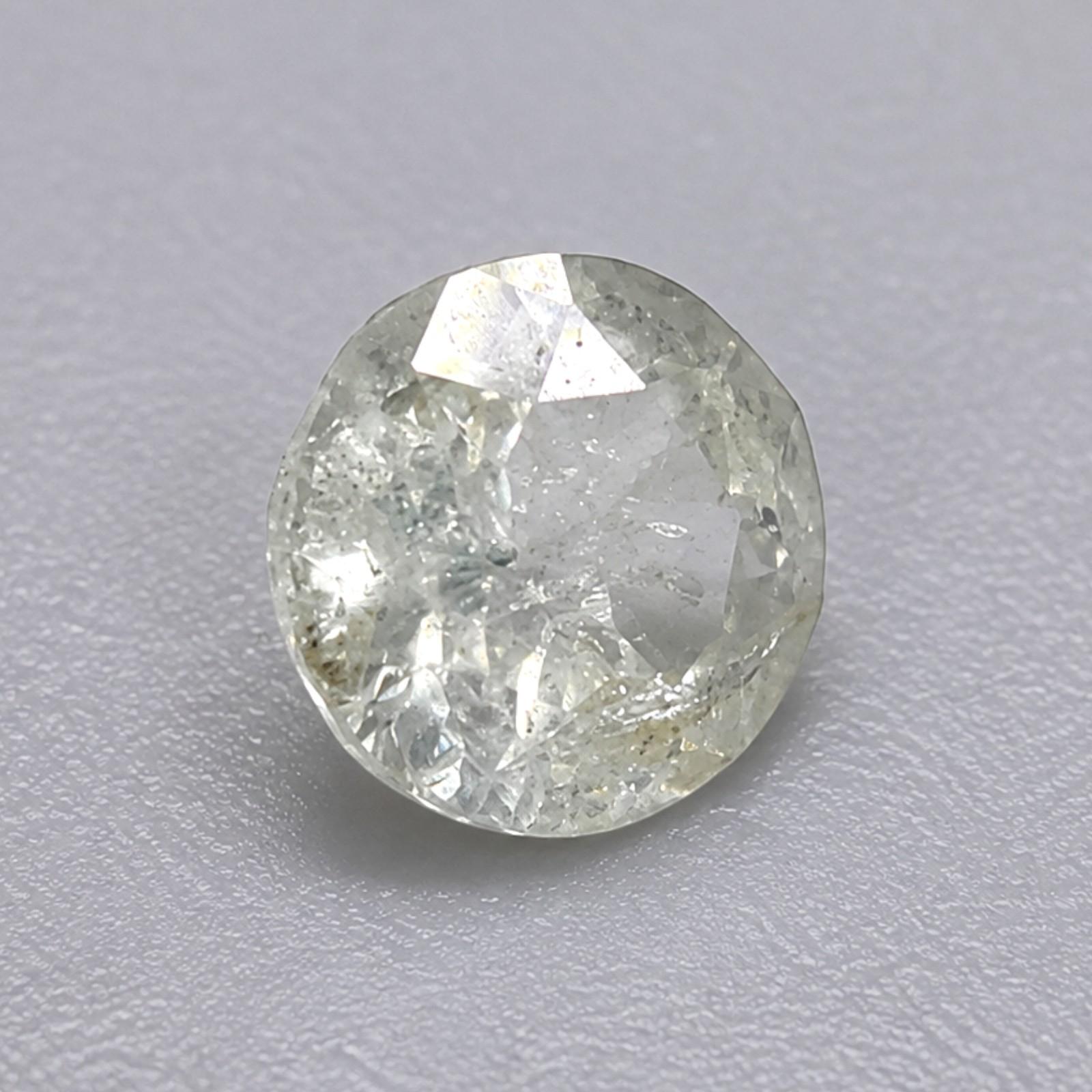
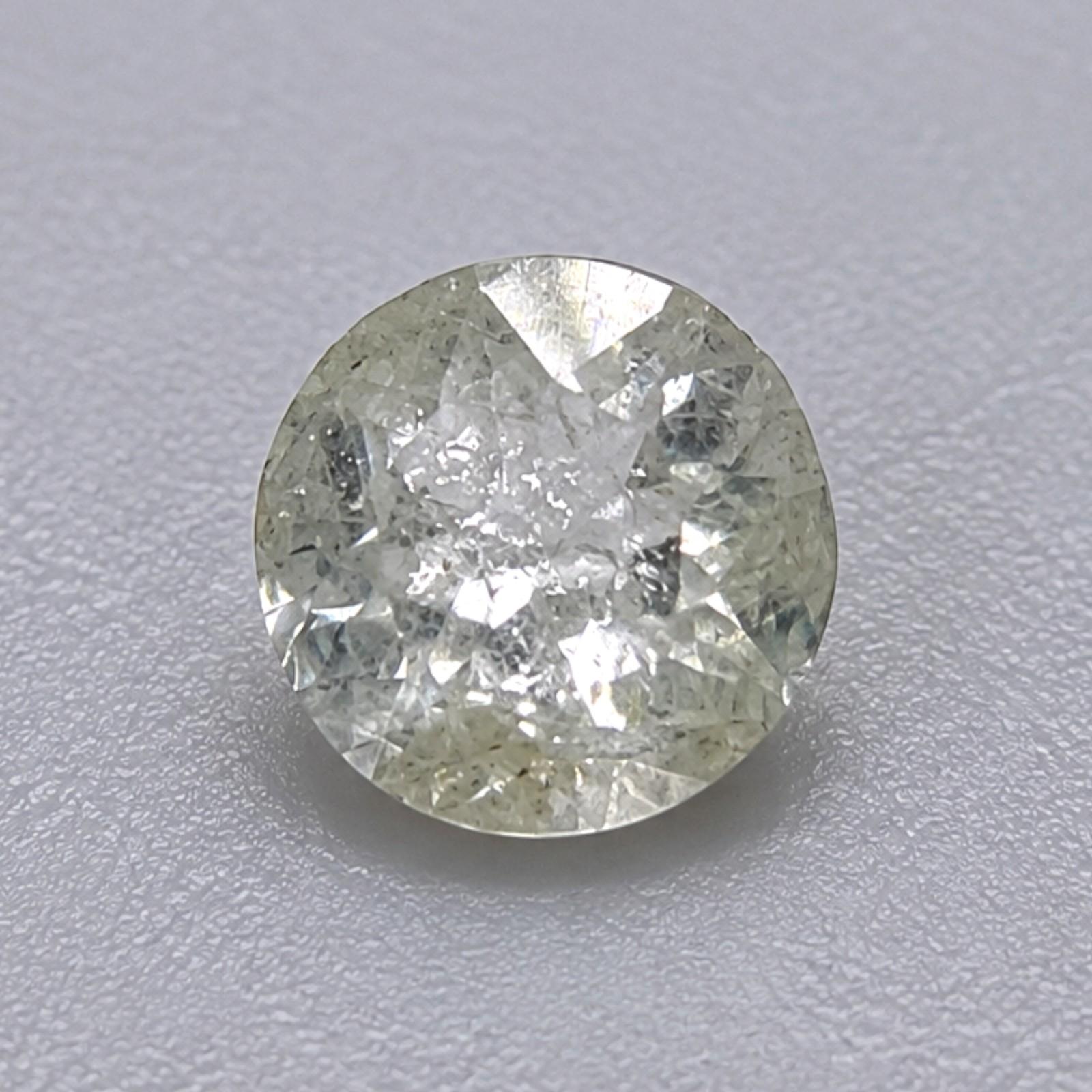
0.70 ct FORSTERITE – MYANMAR
EXPERT VERIFIED
- Expert Verified Gemstone
- Fast Handling & Shipping
- Secure Vault Packaging
$ 150
Offer amount Feild


Smart Collector Choice


Pay with Crypto & Get 10% Automatic Discount

Availability: 1 in stock
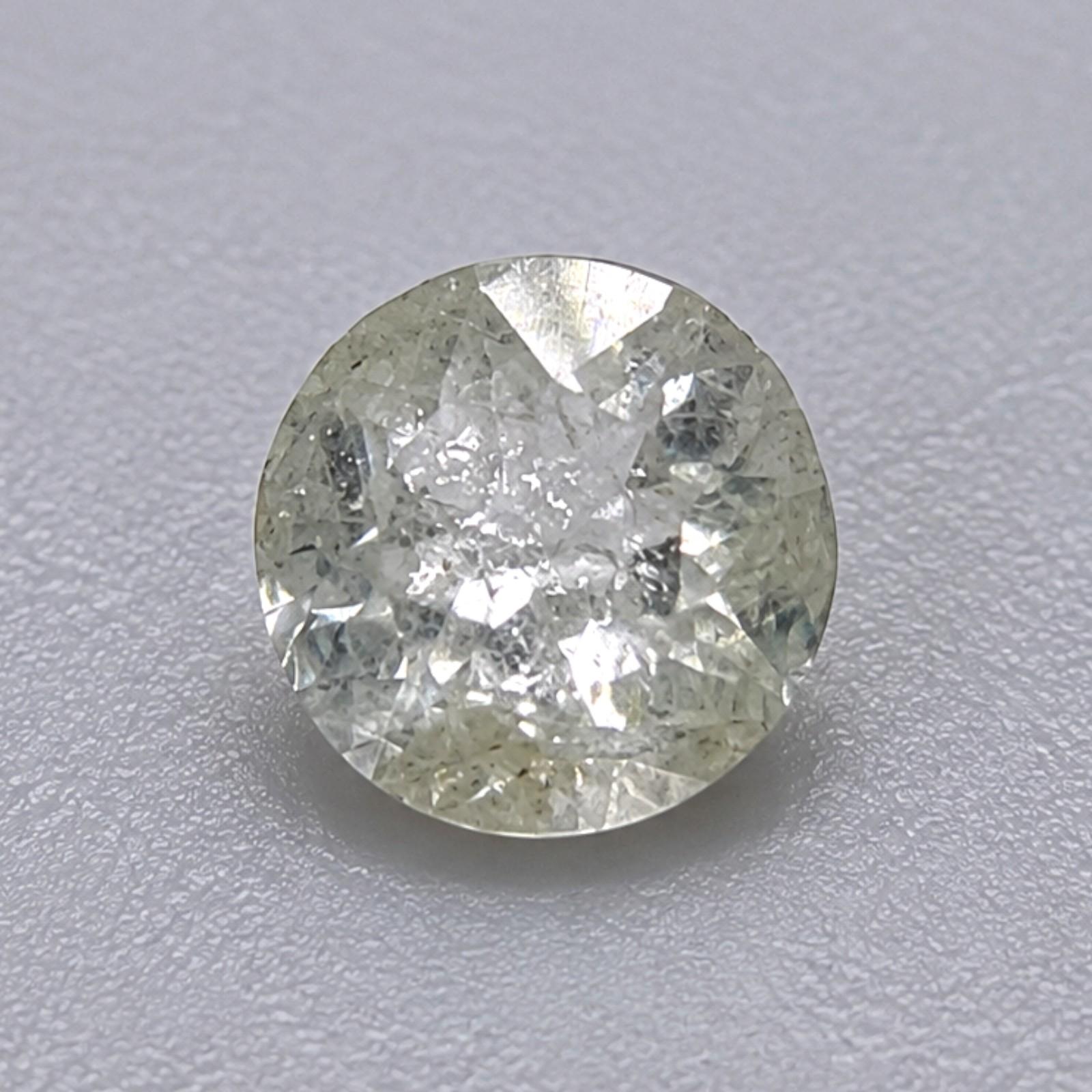
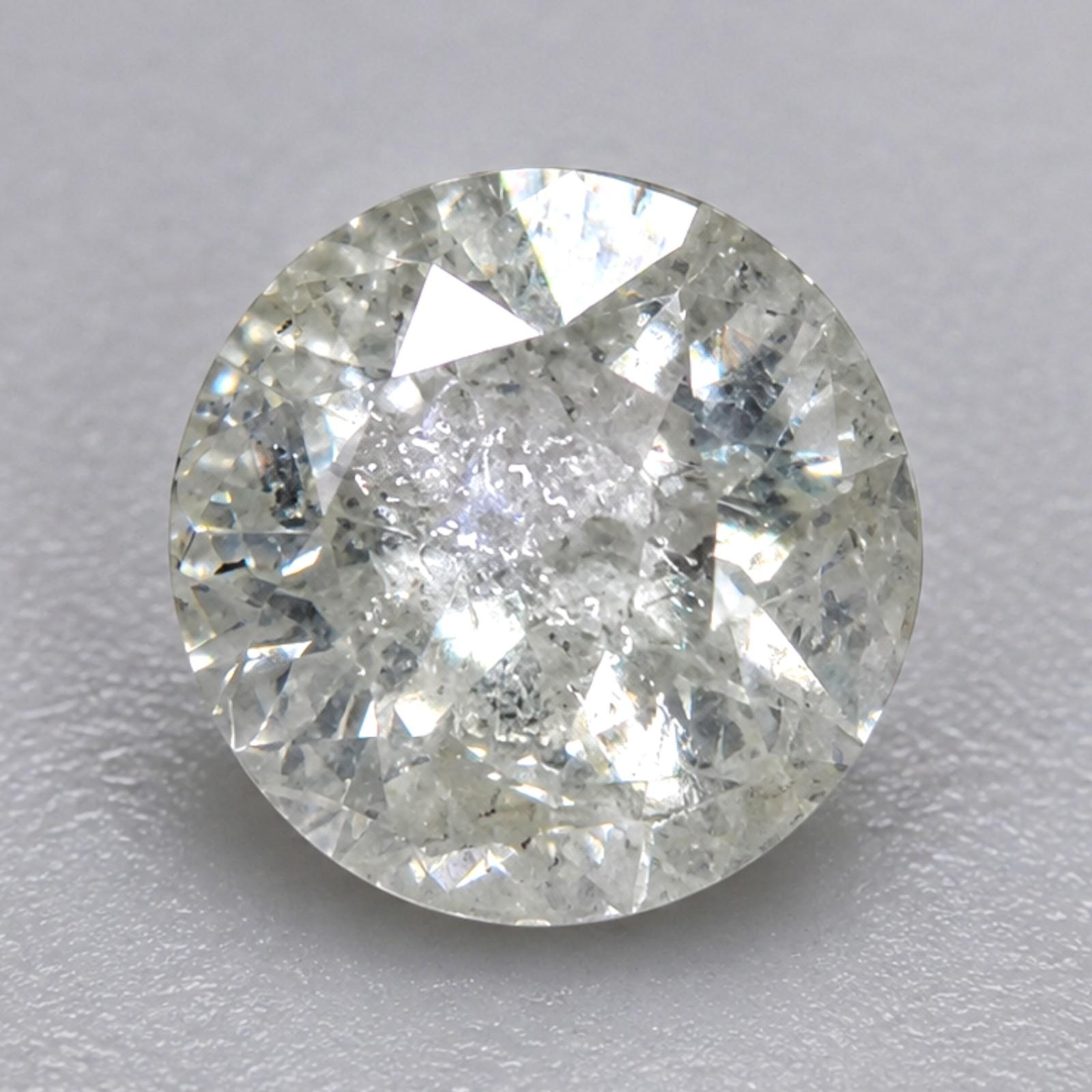
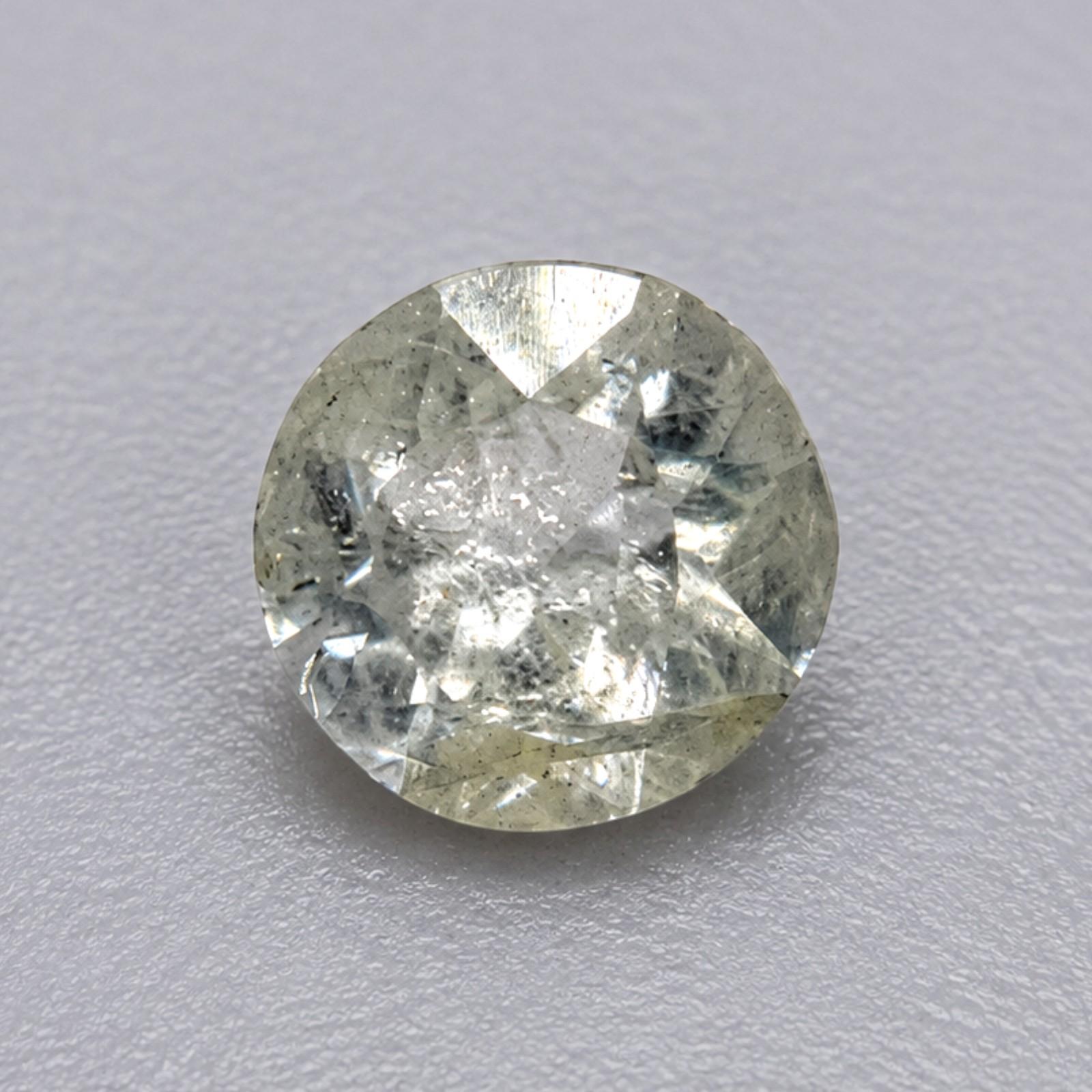
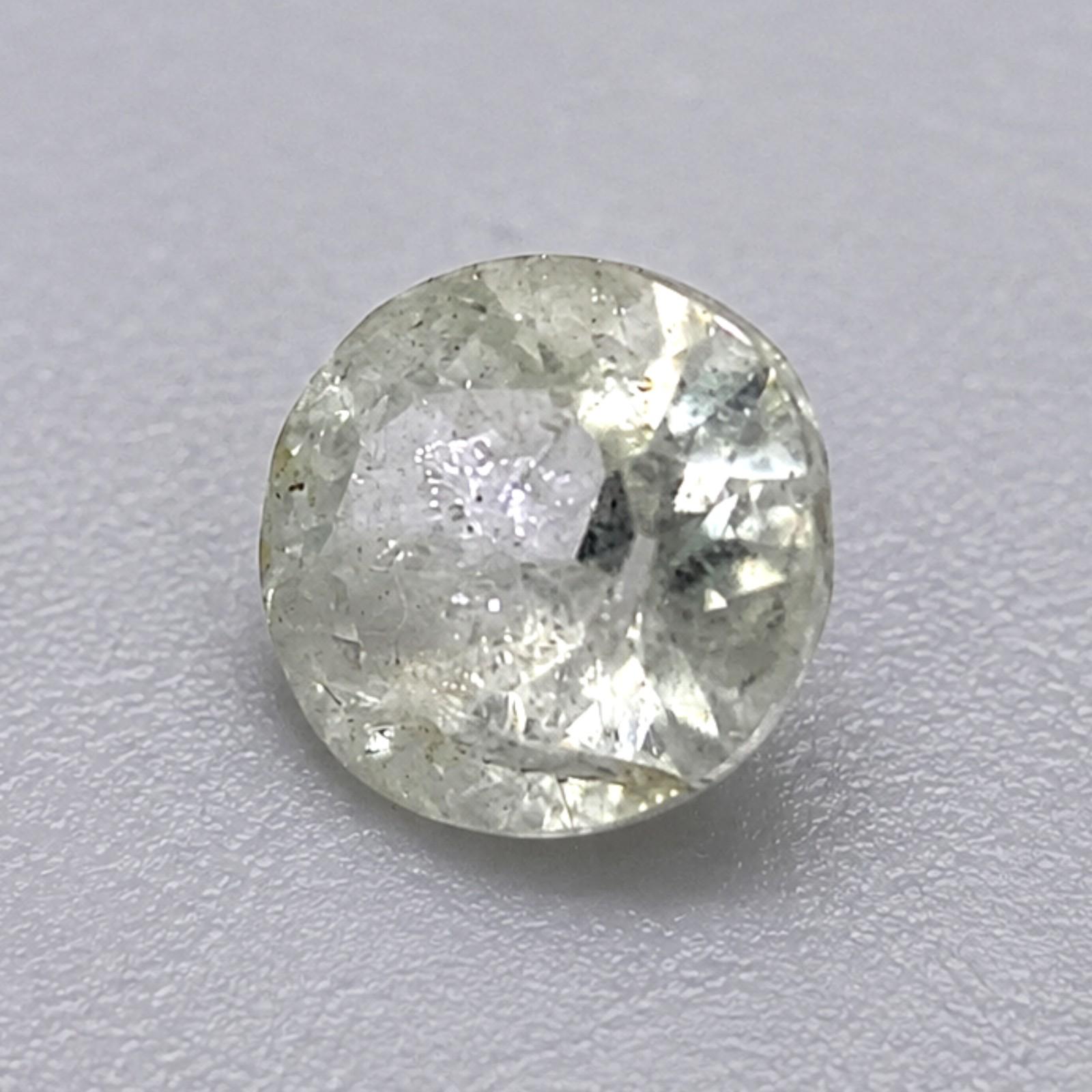


- Freakingcats Gemstone Database
Forsterite (Myanmar)
Forsterite from Myanmar represents the “purest breath” of the olivine group. While most collectors focus on the iron-rich variety, Peridot, I have always held a deep respect for the magnesium-pure endmember, Forsterite. One of the great moments in my years of hunting rough materials was the find of “clean and clear” forsterites. Even though these are typically small crystals, the amazing luster they exhibit is simply extraordinary—far surpassing the “sleepier” tones of common olivine. These Burmese treasures are born from the high-temperature metamorphic environments of the Mogok Stone Tract, where the absence of iron allows for a level of transparency and light-return that is almost celestial. For the expert, a Burmese Forsterite is a prize of “liquid clarity,” a rare gem that serves as a high-vibration anchor for any systematic vault.
The Heritage & Discovery
Historical Significance: Historically, Forsterite was often overlooked or misidentified as other colorless gems like Danburite or White Sapphire. However, in the world of fine minerals, it is celebrated as the magnesium-rich progenitor of the olivine series. It stands as a symbol of geological refinement, bridging the gap between common volcanic rocks and the elite world of “water-clear” collector rarities. In Myanmar, these stones are found in the same legendary gravels that yield the world’s finest Rubies and Spinels. My own experience in the field has taught me that the most famous mines still hide these “secret” species for the patient hunter who knows how to spot the exceptional luster of a rare rough.
Discovery: The mineral was named in 1824 in honor of Adolarius Jacob Forster, a famous German mineral collector and dealer. Scientifically, it is the magnesium silicate endmember of the olivine group. Its discovery in the Mogok region provided mineralogists with the first clear look at “gem-grade” pure Forsterite, which is exceptionally rare compared to its iron-bearing cousin. The thrill of finding “clean” material in the rough is rooted in the rarity of such preservation; because Forsterite is so susceptible to weathering and internal fractures, finding a truly clear crystal is a testament to an extraordinary moment of geological luck.
Important Mines: The undisputed world capital for the finest, most transparent Forsterite is the Mogok Stone Tract in Myanmar, particularly the Pyaung-Gaung and Kyatpyin areas. While fine Forsterite is also documented from the Kagan Valley in Pakistan, I prioritize the Burmese material for its superior luster and historical association with the world’s most elite gemstone deposits.
Mineralogical Profile
Description: Forsterite is a magnesium silicate that crystallizes in the orthorhombic system. It sits at a 7 on the Mohs scale, providing enough hardness for it to be faceted into brilliant, durable gemstones. It is characterized by its exceptionally bright vitreous luster and its range from colorless to a very pale, “minty” green or straw yellow.
One of its most identifying traits is its high birefringence (n approx 1.63 to 1.67), which often causes a “doubling” effect of the back facets when viewed through the table—a trait that gives the stone its characteristic “lively” and “glowing” appearance. It has a specific gravity (SG approx 3.27), which is slightly lighter than its iron-rich counterpart, Peridot. Because it is a high-temperature mineral, it is often found in association with Calcite, Spinel, and Phlogopite in the Burmese marbles. When I select a piece for the collection, I look for that “diamond-like” surface luster and a total absence of internal “veils,” as these highlight the sophisticated, three-dimensional geometry that makes Burmese Forsterite a standout for the systematic specialist.
Chemical Formula: Mg2SiO4


