
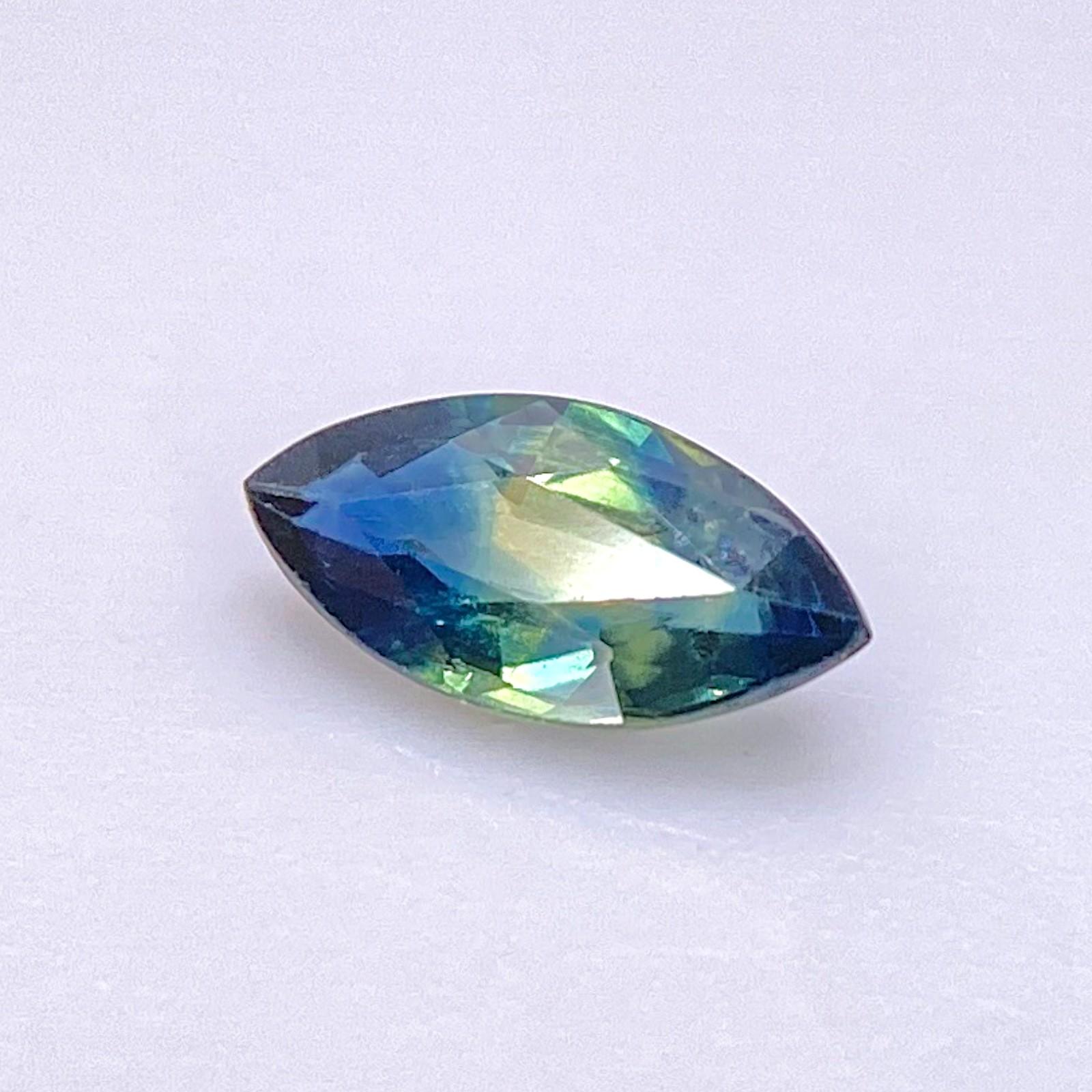
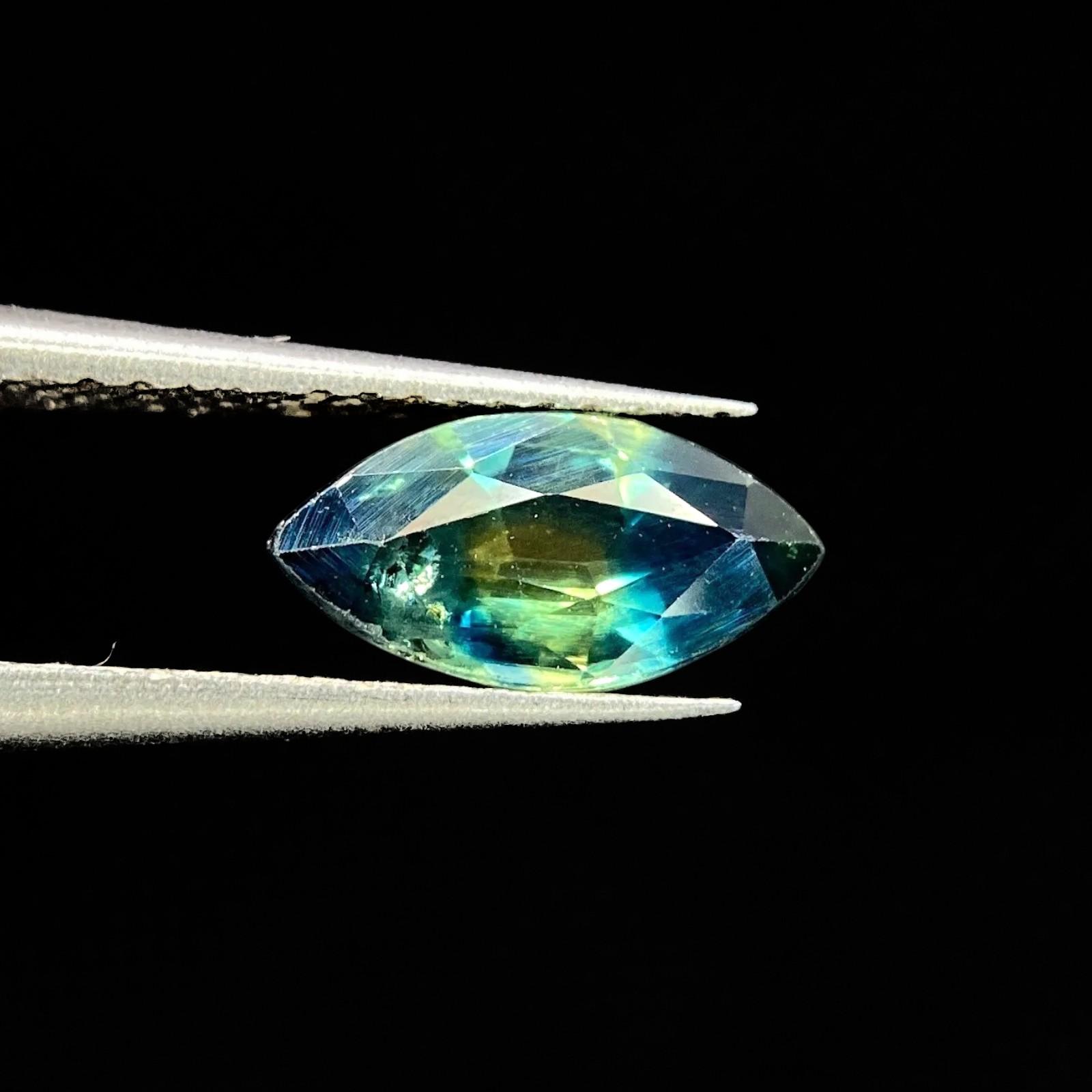
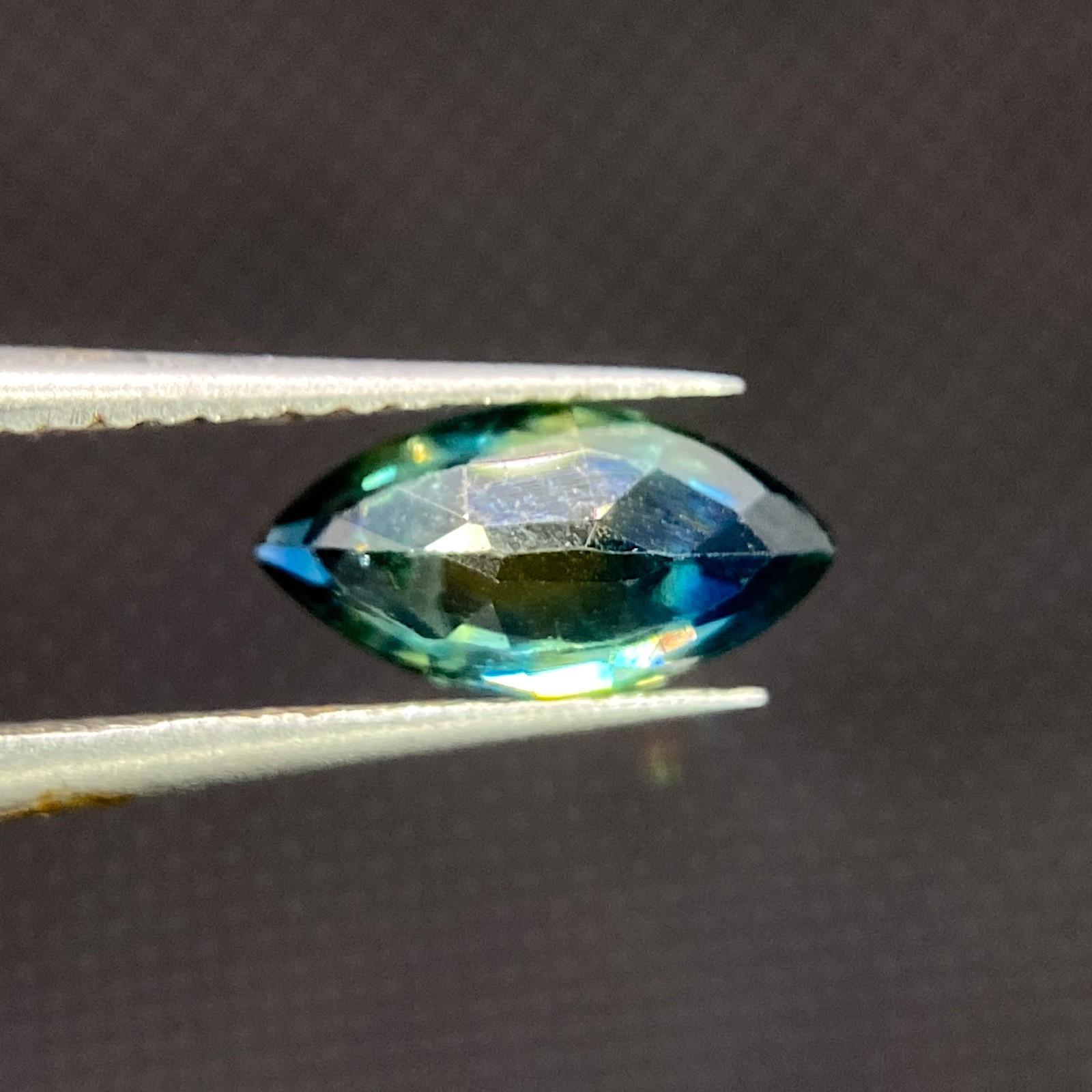
0.73 ct BI – COLOR SAPPHIRE – SRI LANKA
EXPERT VERIFIED
- Expert Verified Gemstone
- Fast Handling & Shipping
- Secure Vault Packaging
$ 295
Offer amount Feild


Smart Collector Choice


Pay with Crypto & Get 10% Automatic Discount

Availability: 1 in stock
Gemstone Details
Gem Variety:
Sapphire
Origin:
Sri Lanka
Carat Weight:
0.73
Length (mm):
8.10
Width (mm):
4.00
Depth (mm):
2.60
Shape:
Marquise
Color
Bi-Color/Multicolor
Treatment:
Heated
Certificate:
On Request
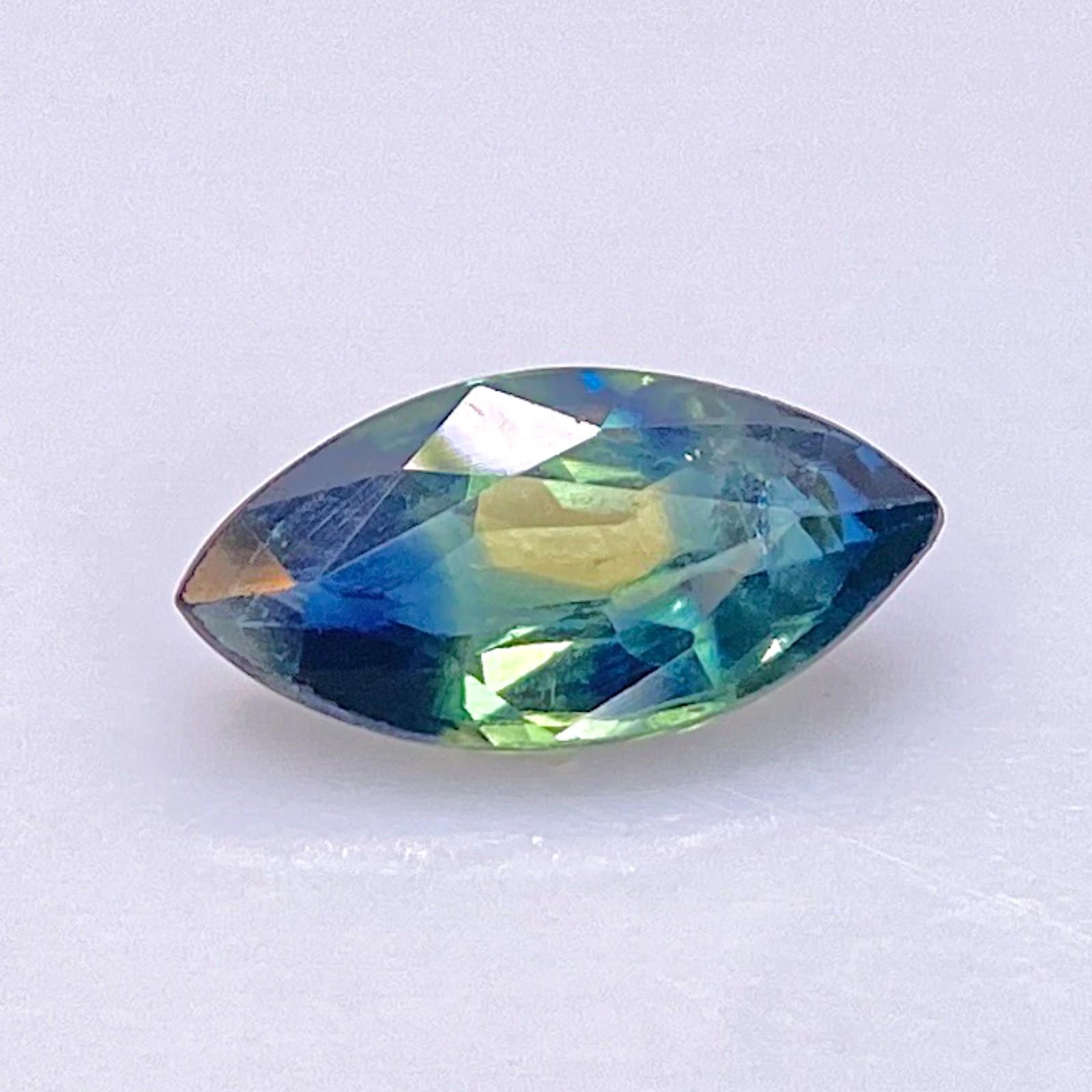
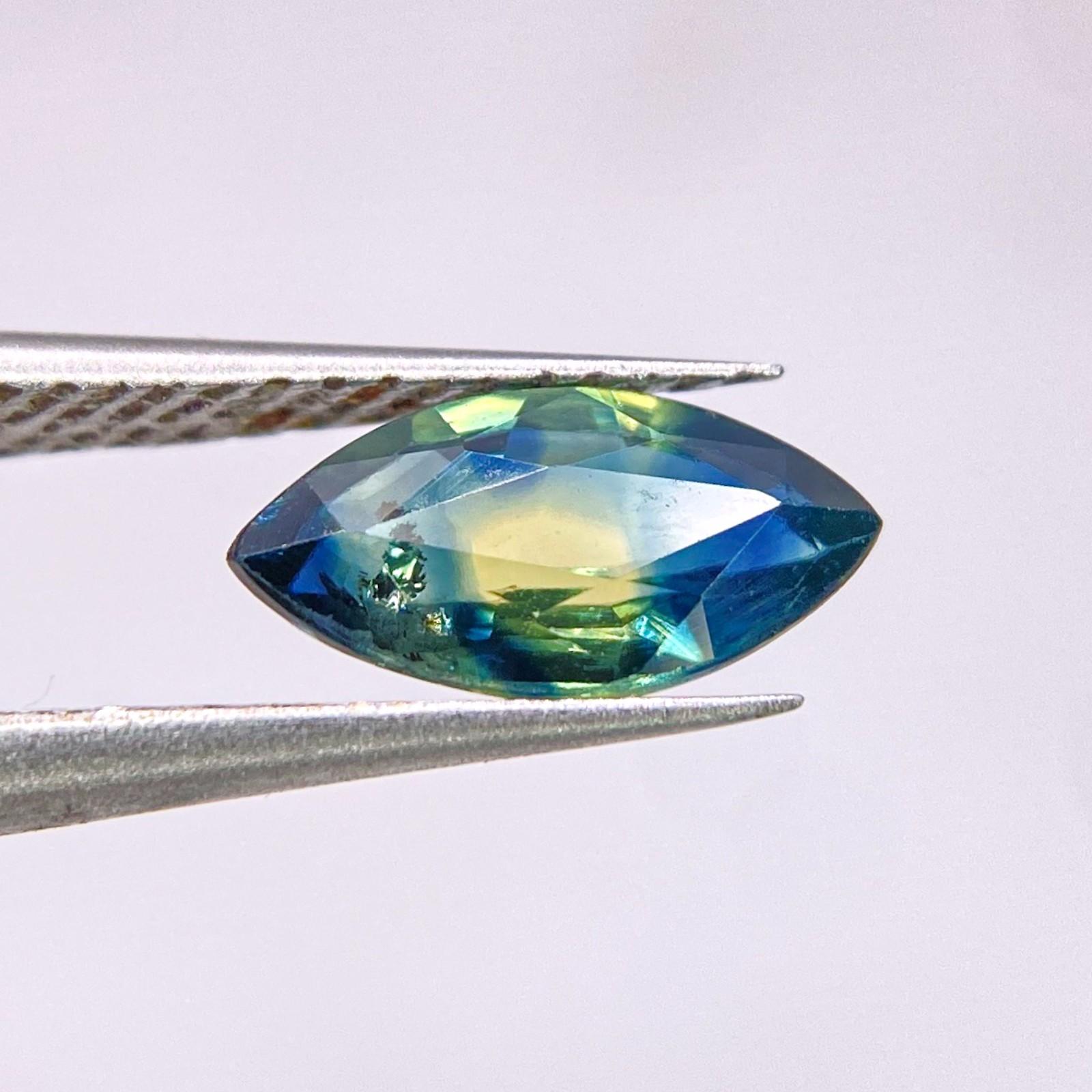
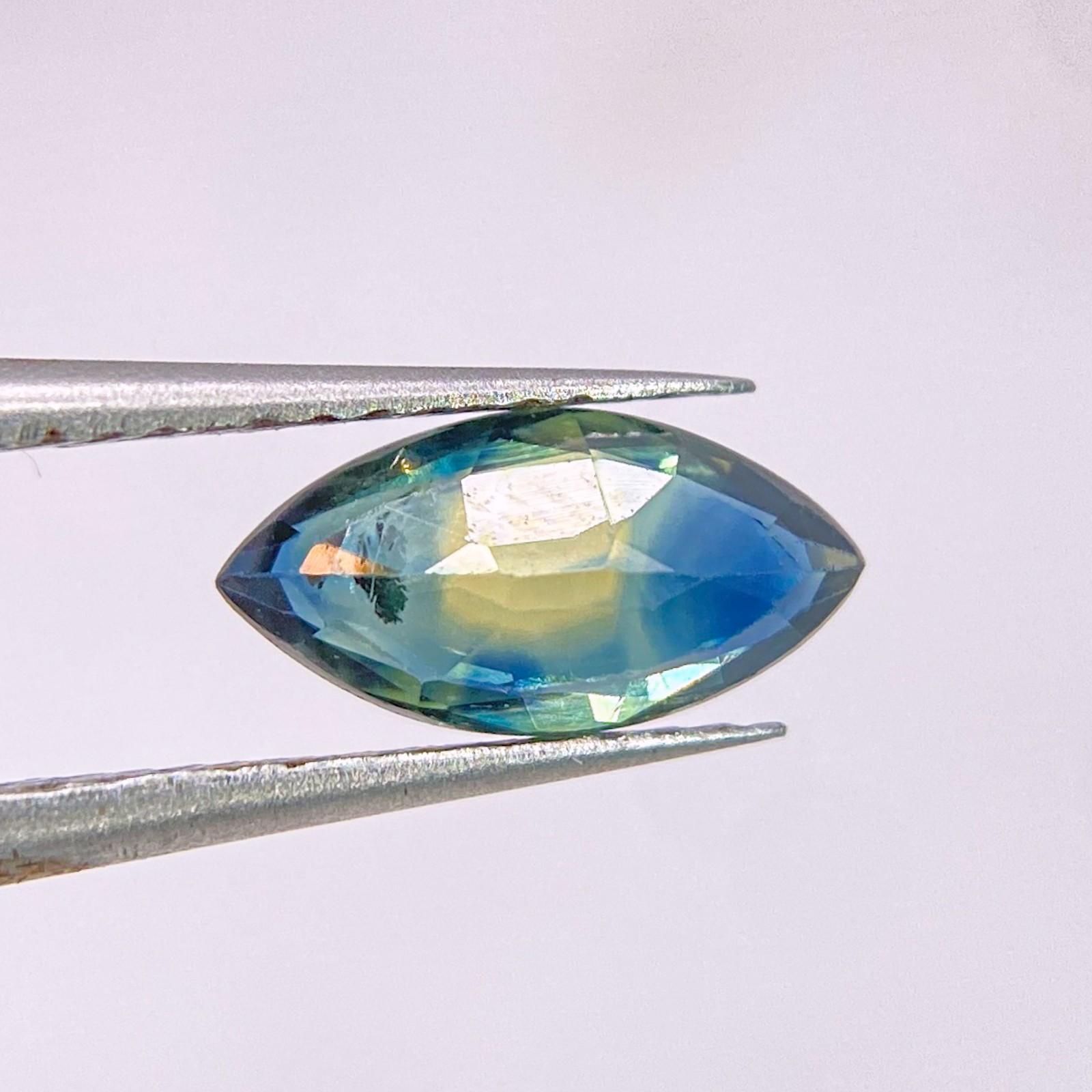
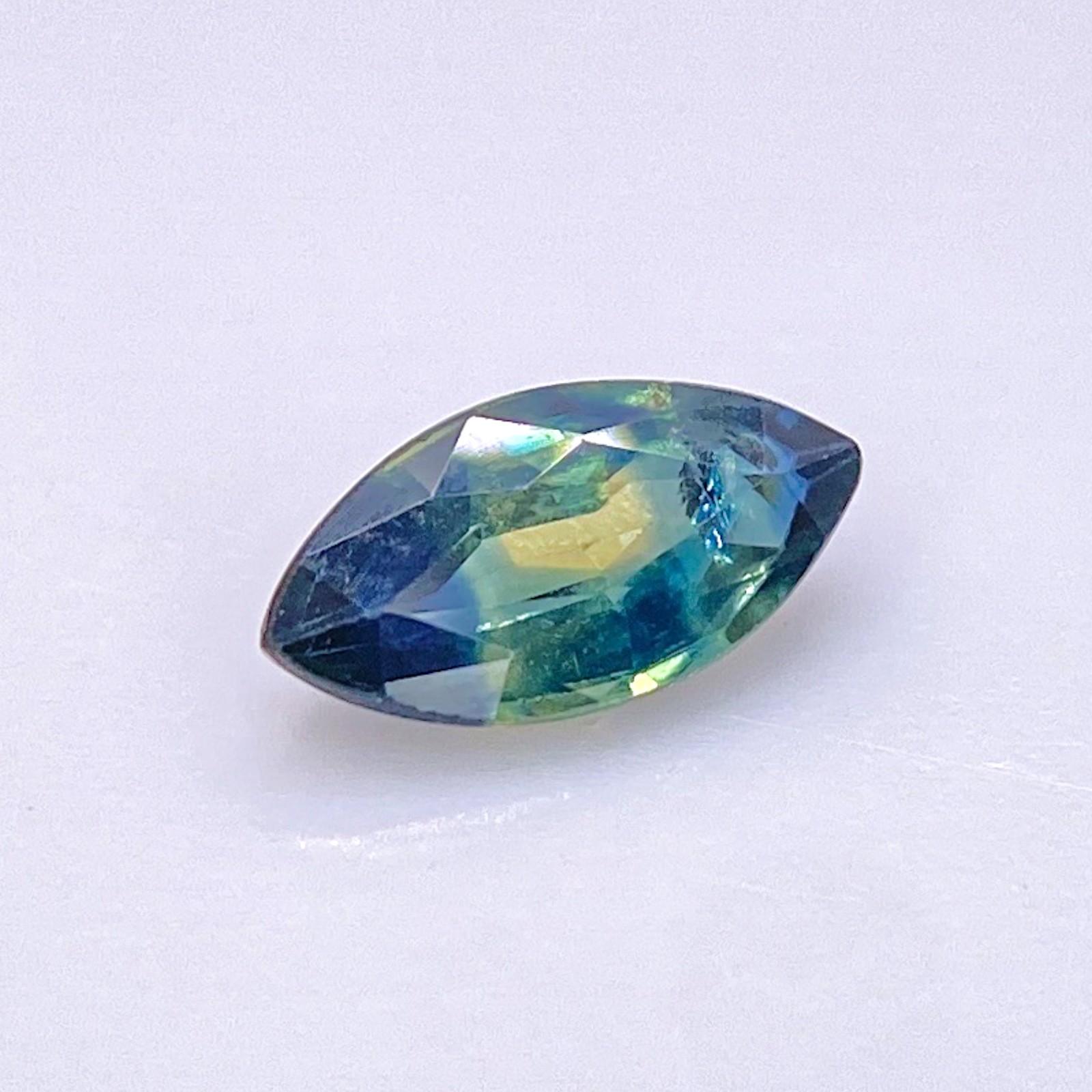


- Freakingcats Gemstone Database
Bi-Color Sapphire (Sri Lanka)
Bi-color sapphire from the legendary alluvial gem gravels and metamorphic gem tracts of Sri Lanka—historically renowned across the Indian Ocean as the ancient island of Serendib or Ceylon—represents one of the most captivating optical achievements of corundum crystallization, distinguished by its natural, dual-toned color zonation. An aluminum oxide mineral of premier gemological and historical importance, it is a species I have always respected for its high internal clarity, smooth silk-free or fine-rutile silk zoning, and its status as a classic benchmark of metamorphic fluid evolution. For the specialist, a fine Sri Lankan bi-color sapphire—whether presenting as an unheated crystal cluster or a precision-cut master gem displaying distinct divisions of blue and yellow, green and yellow, or pink and blue—is a prized acquisition; it offers a bright adamantine to vitreous luster and an exceptional, shifting color play that anchors any systematic vault. As an artist, I find the internal division within these stones—where distinct trace-element concentrations create contrasting chromatic zones inside a single unified crystal matrix—to be one of nature’s most sophisticated and poetic demonstrations of crystal growth.
The Heritage & Discovery
Historical Significance
Sri Lanka holds a preeminent place in human history as one of the world’s oldest and most continuous sources of fine corundum, with trade records spanning over two millennia. Historically, while single-color blue, pink, and yellow sapphires established the island’s legendary reputation among royal treasuries and global gem markets, natural bi-color and party sapphires were always treasured by connoisseurs as unique geological anomalies. Sourced from the weathered Precambrian Highland Complex of metamorphic rocks, Sri Lankan sapphires set an enduring international standard for high brilliance, transparency, and crystal scale, standing as a celebrated testament to South Asian mineral wealth.
Discovery
The systematic unearthing of bi-color sapphires across Sri Lanka occurs primarily through the traditional mining of secondary alluvial gravel deposits, known locally as “illam,” situated in river valleys and ancient floodplains around districts such as Ratnapura, Pelmadulla, and Elahera. Scientifically, corundum is pure aluminum oxide, but its varied coloration results from trace transition elements substituting into the crystal lattice—such as iron, titanium, and chromium. Bi-color and parti-colored stones form when chemical conditions, temperature, or fluid composition fluctuate during the crystal’s growth cycle, causing one zone to incorporate iron-titanium pairs (producing blue) while an adjacent zone incorporates chromium or trapped defect centers (producing yellow, pink, or green). My own respect for this material grew from analyzing its growth planes and optical windows; examining a well-cut Sri Lankan bi-color sapphire that cleanly partitions two distinct hues without muddying the transition demonstrates a structural purity and growth stability that is deeply satisfying to the trained eye.
Important Mines
The primary historical and modern capital for collector-grade fancy and bi-color sapphires within Sri Lanka is the Ratnapura District (known universally as the “City of Gems”) in the Sabaragamuwa Province, alongside the rich gem gravels of Elahera in the Central Province and Kataragama in the south. In these deposits, corundum crystals weather out from high-grade granulite-facies metamorphic rocks and accumulate in deep, gravel-bearing sedimentary layers. For the systematic vault, I prioritize specimens that exhibit high daylight transparency, balanced and distinct color zoning, absence of heavy thermal or chemical treatment, and a clean polish that maximizes the stone’s natural brilliance.
Mineralogical Profile
Description
Bi-color sapphire is a colored variety of corundum, an aluminum oxide mineral crystallizing in the trigonal system (ditrigonal scapycloidal class). It sits at 9.0 on the Mohs hardness scale, serving as the universal defining benchmark mineral for that hardness level just below diamond, making it exceptionally durable for archival collections and fine curation; it possesses no true cleavage, instead breaking along distinct parting planes parallel to rhombohedral faces. It is characterized by a bright adamantine to vitreous luster, with a daylight color palette combining zones of blue, yellow, green, pink, purple, or colorless transparency within a single stone.
Morphologically, Sri Lankan corundum crystals commonly form barrel-shaped hexagonal prisms, steep pyramids, or tabular crystals with striated faces. It possesses a high refractive index running from approximately 1.762 to 1.770, a low birefringence of 0.008 to 0.009, and a heavy specific gravity averaging 3.99 to 4.00. Because it precipitates during deep-seated regional metamorphism and metasomatism of aluminum-rich silicate rocks, it is commonly found in close association with Spinel, Zircon, Tourmaline, Garnet, and Sillimanite. When I select an example for documentation, I look for clean structural integrity, sharp color separation, and high internal clarity that highlights the unique chemical shifts of its subterranean birth.
Chemical Formula
Al2O3 (with trace Ti, Fe, and Cr chromophore substitutions defining the color zones)


