
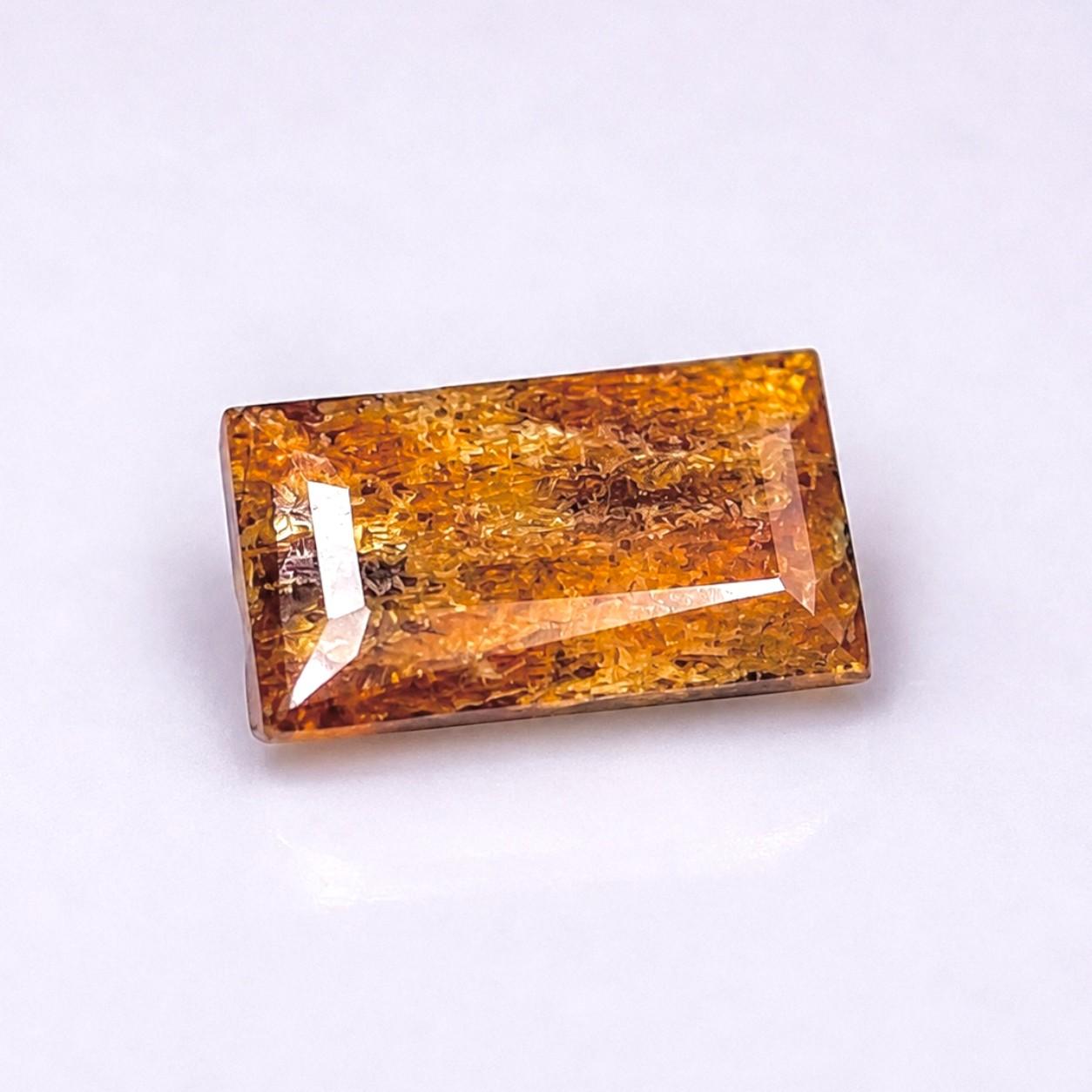
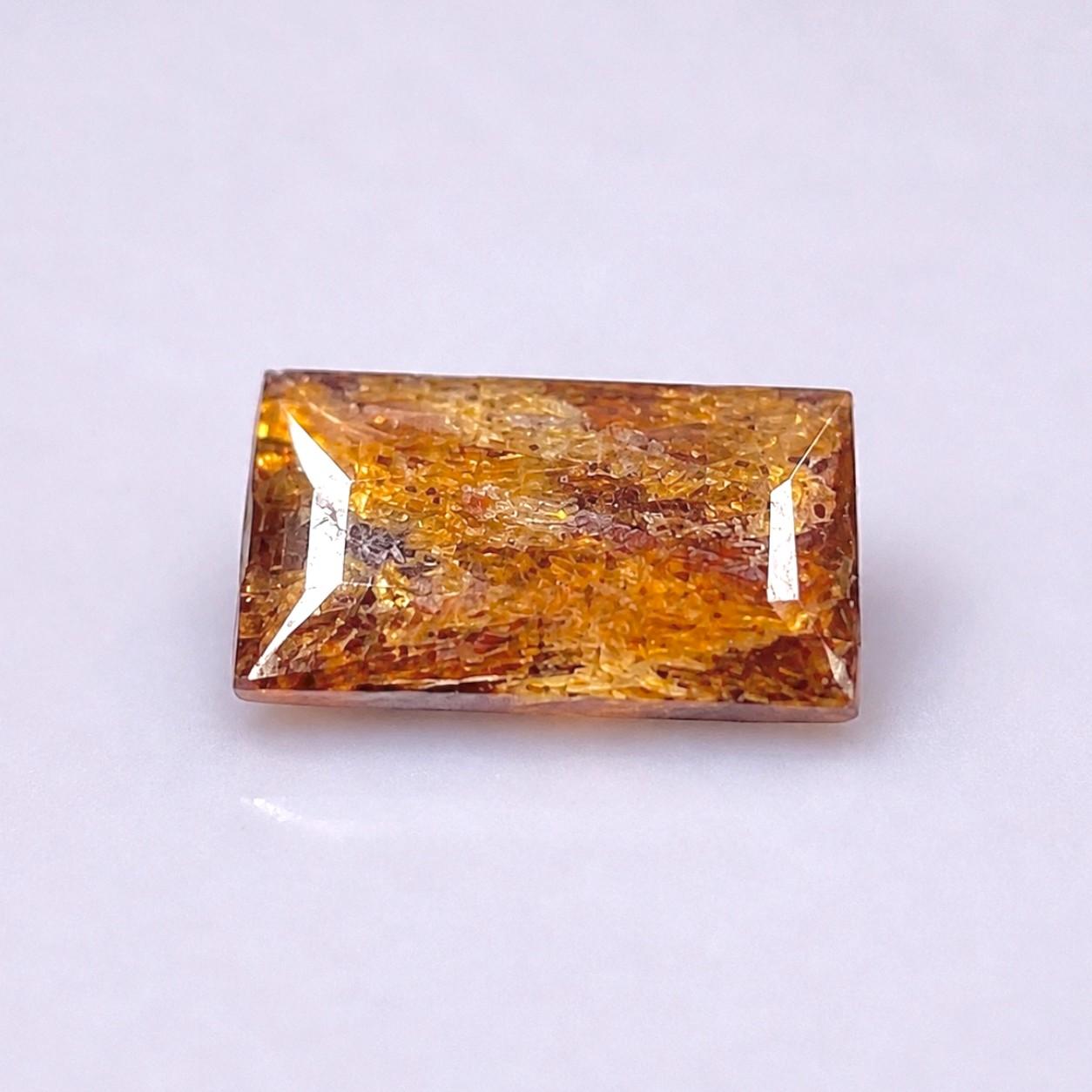
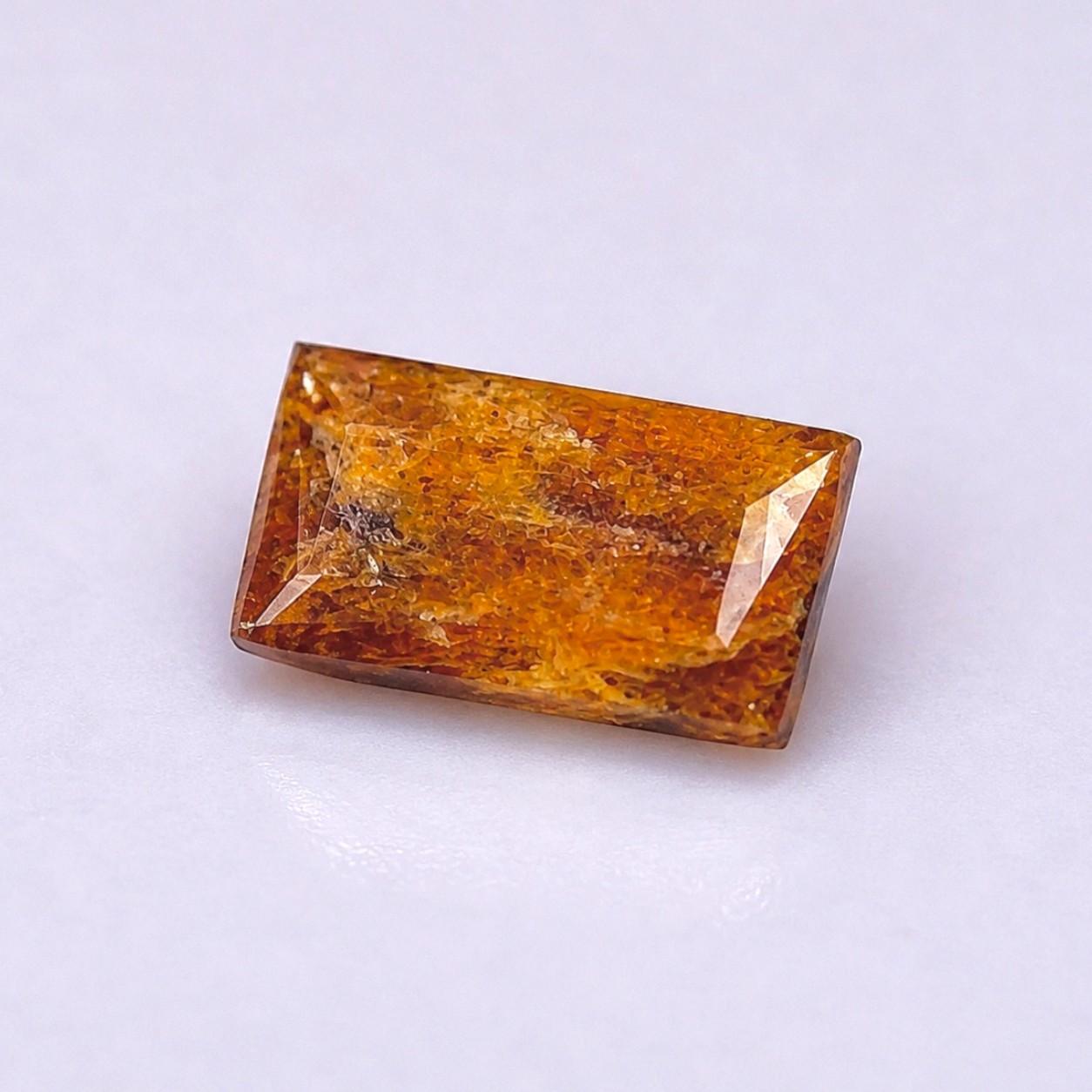
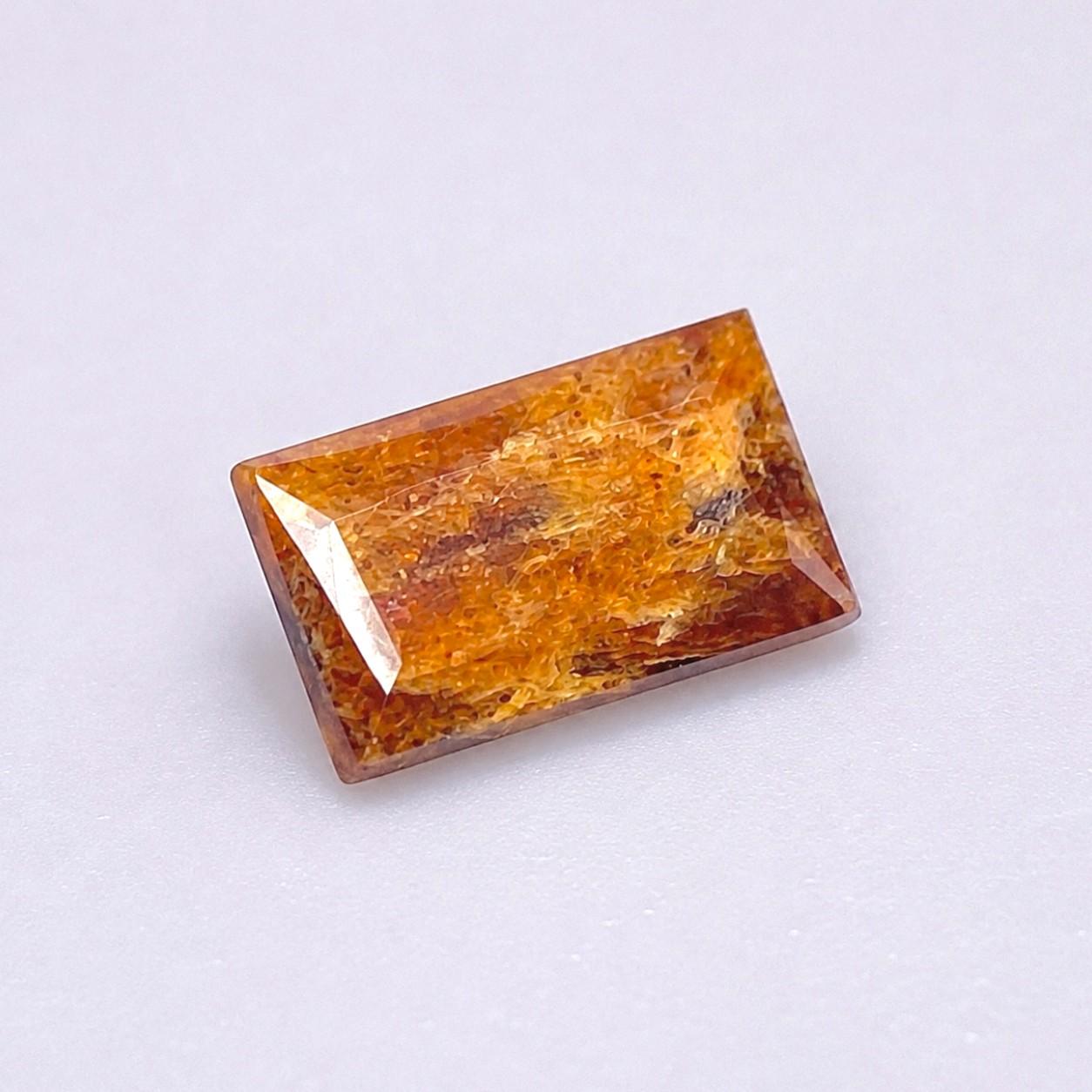
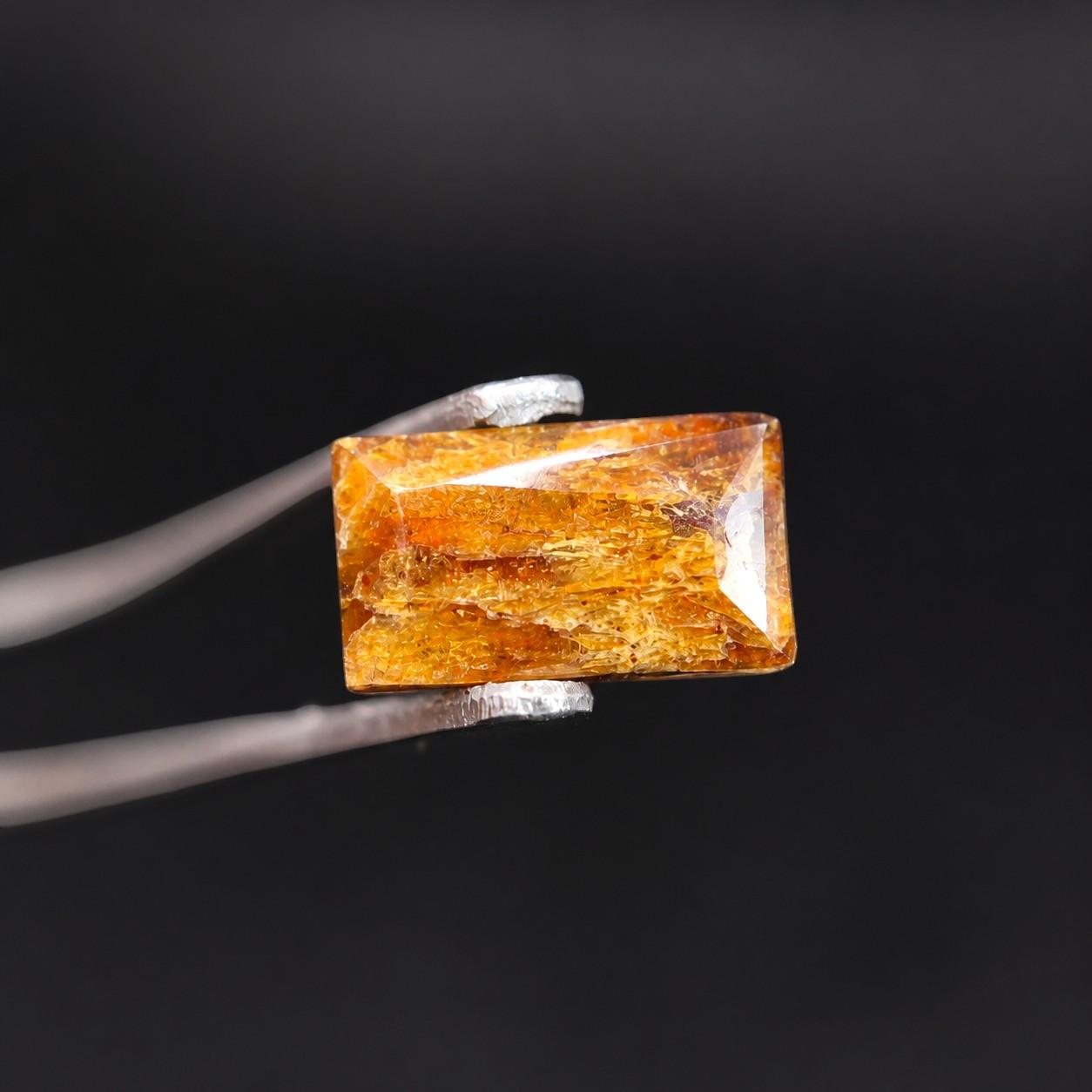
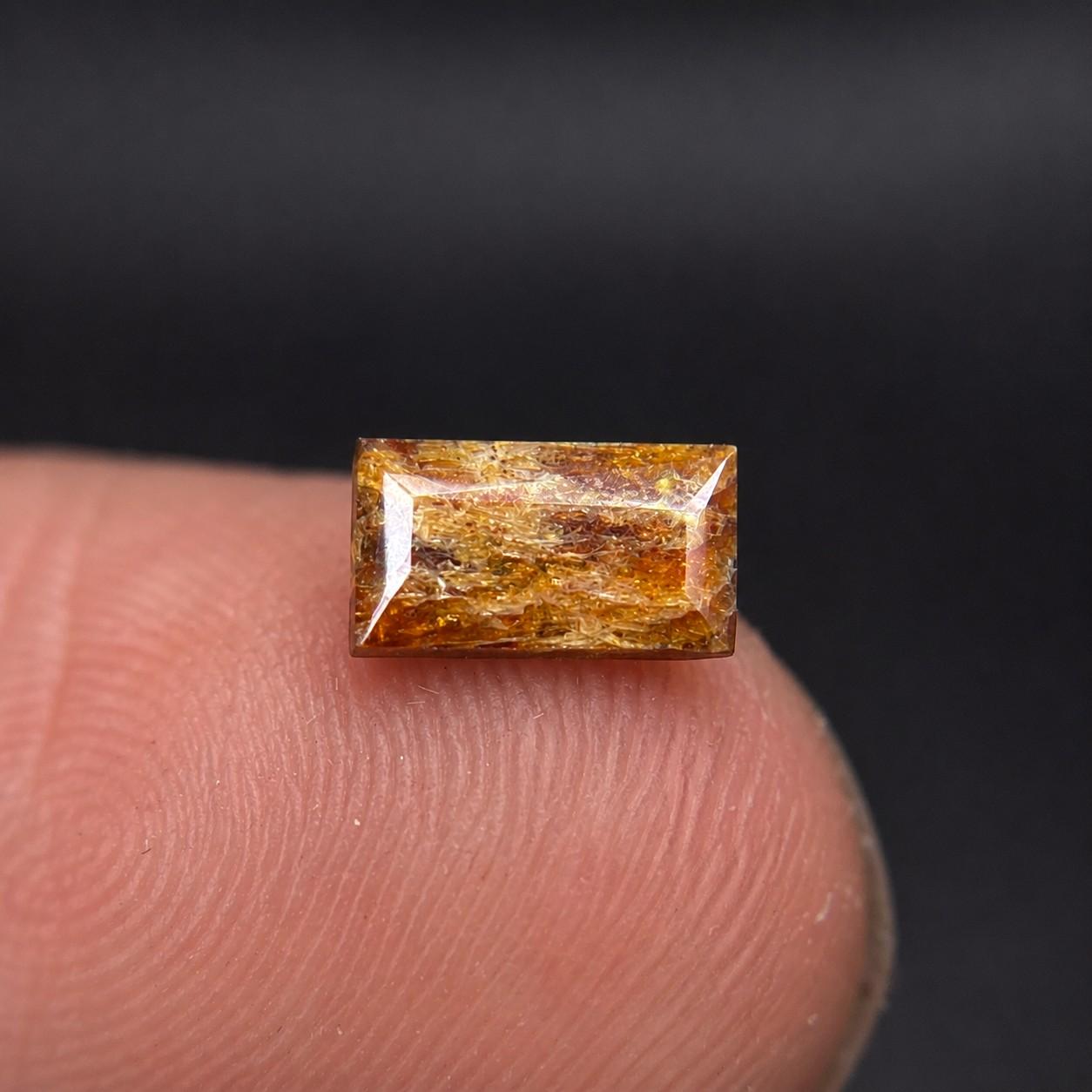
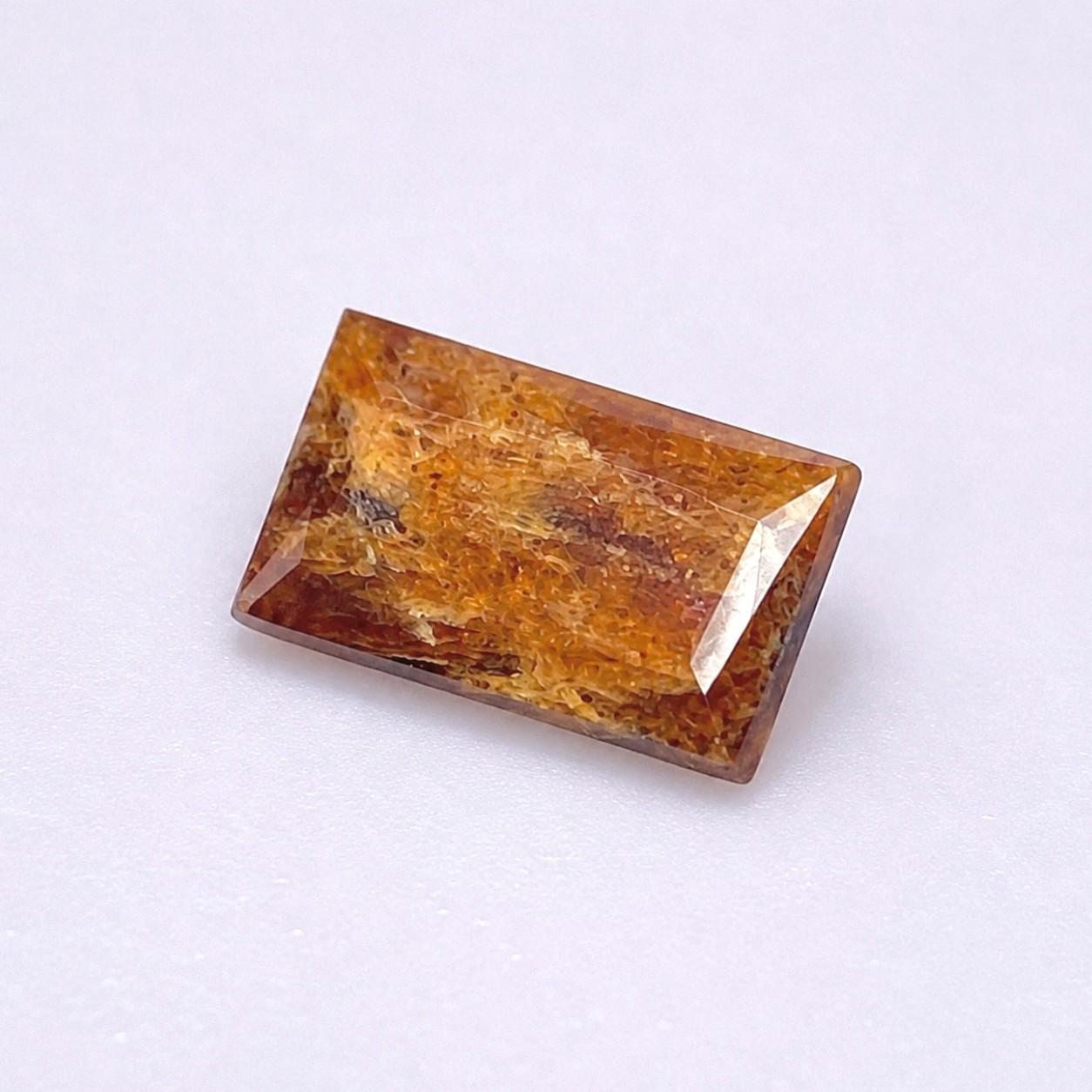
0.78 ct PARISITE – USA
EXPERT VERIFIED
- Expert Verified Gemstone
- Fast Handling & Shipping
- Secure Vault Packaging
$ 250
Offer amount Feild


Smart Collector Choice


Pay with Crypto & Get 10% Automatic Discount

Availability: 1 in stock


- Freakingcats Gemstone Database
Parisite-(Ce)
Parisite is a gemstone that truly belongs in the “collector’s inner circle.” It is one of the most famous rare earth minerals, and for me, it has always been synonymous with the legendary emerald mines of Colombia. I remember the first time I held a sharp, honey-brown Parisite crystal; there is a unique, “stepped” geometry to its hexagonal prisms that feels incredibly deliberate. It is an exceptionally difficult stone to facet because of its distinct cleavage and the fact that most crystals are heavily included or too small. When you find a clean, faceted Parisite, you are looking at a mineral that captured the rare earth elements of the earth and hid them inside the most famous emerald deposits on the planet. It is a gem of deep sophistication and immense rarity.
The Heritage & Discovery
Historical Significance: Parisite is a rare calcium-cerium carbonate that serves as a fascinating marker for the complex fluids found in hydrothermal environments. Historically, it is most famous for its occurrence in the Muzo Mine in Colombia, where it grows alongside some of the world’s finest emeralds. It represents a specific moment in geological history where rare earth elements (REEs) like cerium, lanthanum, and neodymium became concentrated enough to form their own distinct species. In the gem world, it is prized not just for its rarity, but for its direct association with the “nobility” of the emerald world.
Discovery: The mineral was first identified in 1845 by J.J. Paris, who was the manager of the Muzo Emerald Mine at the time. While he was searching for green gems, he noticed these distinct, brownish-orange crystals and recognized they were something entirely different. It was subsequently named in his honor. While it has since been found in other parts of the world, the “Muzo Parisite” remains the standard by which all other specimens are judged.
Important Mines: The Muzo and Chivor mines in Colombia remain the premier sources for the finest, most transparent gem-grade crystals. However, spectacular specimens have also emerged from the Zagi Mountain in Pakistan and certain alkaline complexes in Malawi and China. For our collection, we exclusively seek out the Colombian material when possible, as it tends to have the most vibrant “burnt orange” or honey-yellow color and the sharpest hexagonal terminations.
Mineralogical Profile
Description: Parisite-(Ce) is a calcium cerium carbonate-fluoride that crystallizes in the trigonal (pseudo-hexagonal) system. It sits at a 4.5 on the Mohs scale, making it a delicate collector’s stone that requires a protective setting if used in jewelry. It is characterized by its vitreous to resinous luster and its distinct, “stepped” prismatic habit. Its color ranges from a pale yellowish-brown to a deep, saturated brownish-orange. One of its most interesting properties is its high refractive index, which gives faceted stones a surprising amount of “life” and brilliance despite their often darker body colors.
Chemical Formula: Ca(Ce,La)2(CO3)3F2


