
0.81 ct AQUAMARINE – BRAZIL
EXPERT VERIFIED
- Expert Verified Gemstone
- Fast Handling & Shipping
- Secure Vault Packaging
$ 120
Offer amount Feild


Smart Collector Choice


Pay with Crypto & Get 10% Automatic Discount

Out of stock
Gemstone Details
Gem Variety:
Aquamarine
Origin:
Brazil
Carat Weight:
0.81
Length (mm):
6.80
Width (mm):
5.00
Depth (mm):
2.50
Shape:
Oval
Color
Blue
Treatment:
No Treatment
Certificate:
On Request
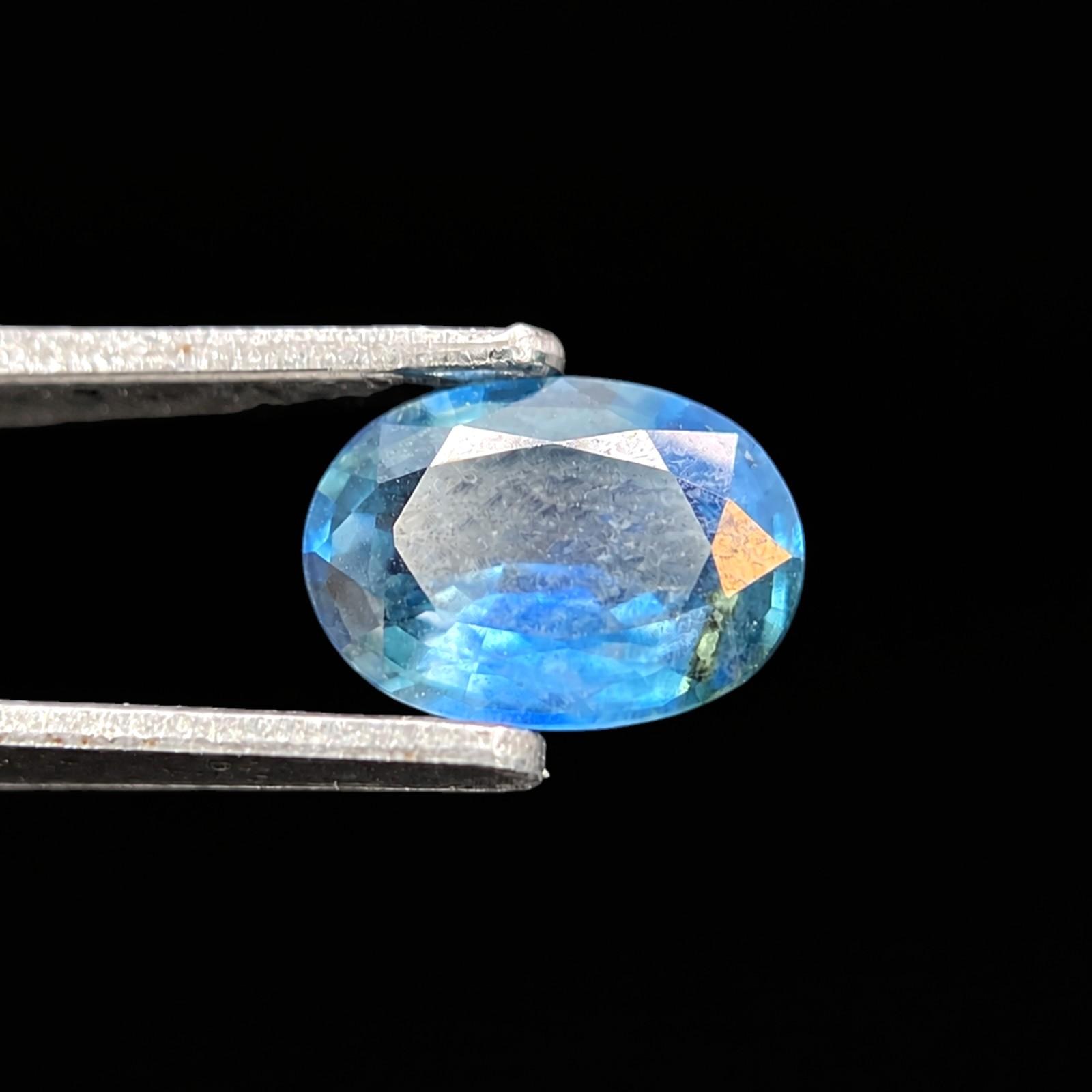
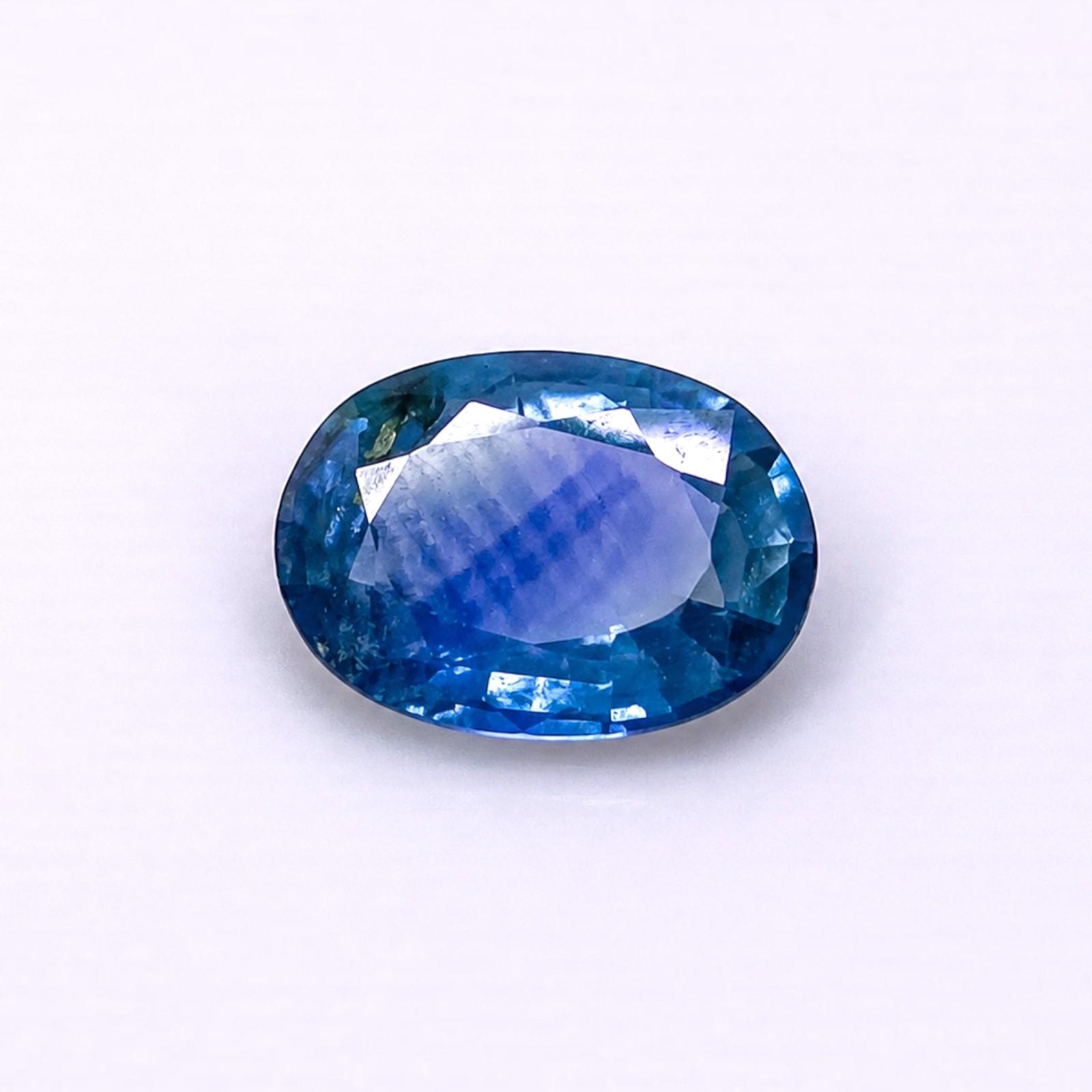
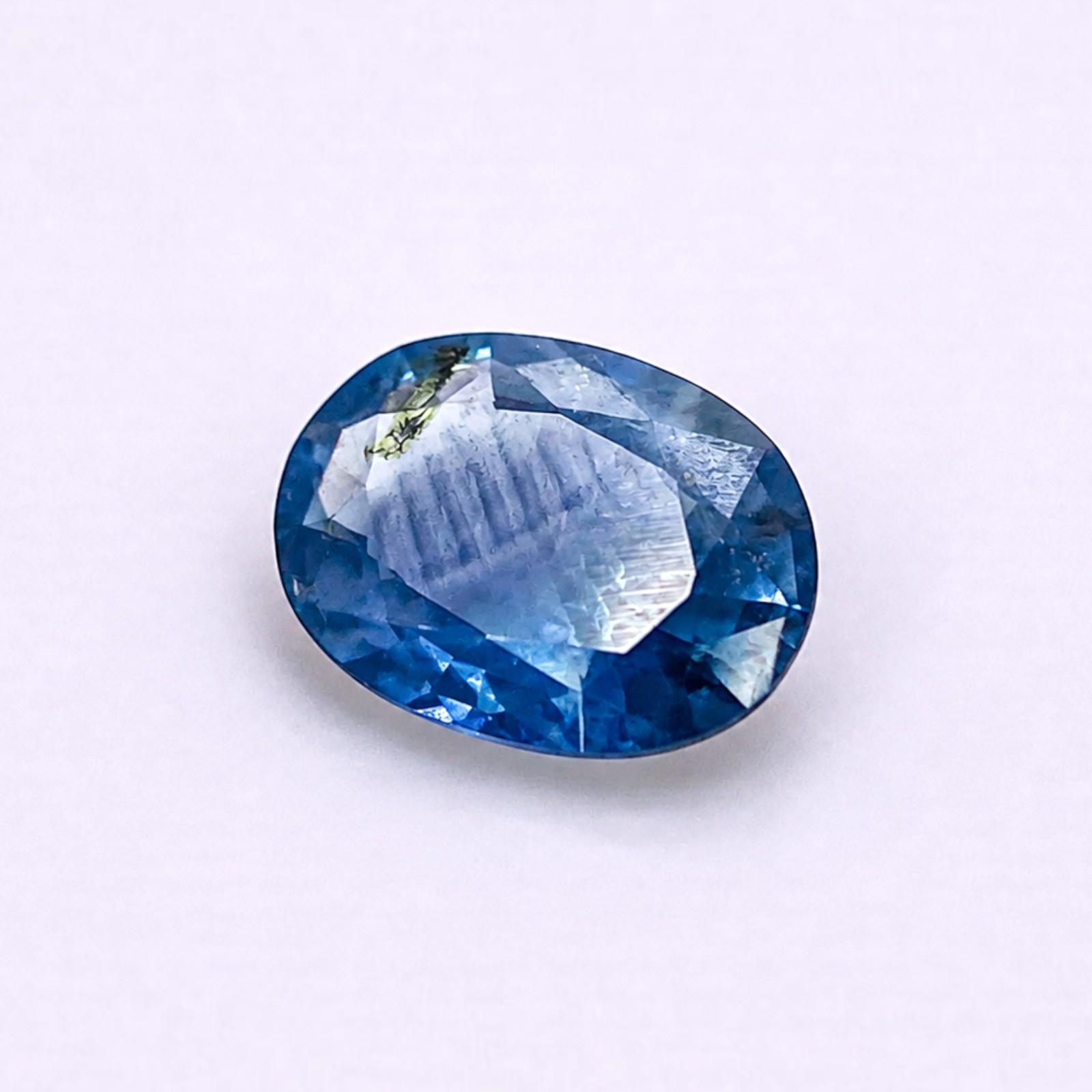
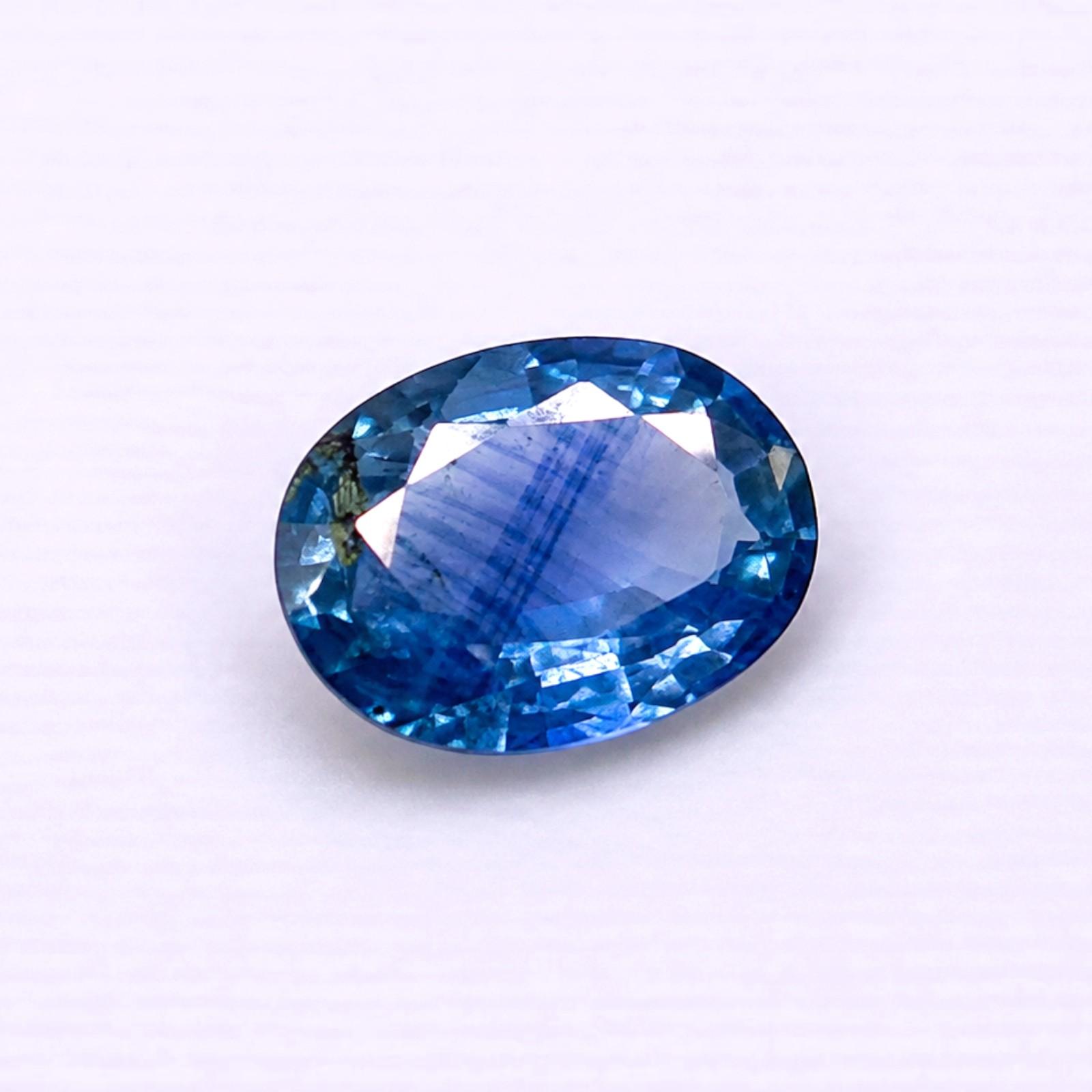
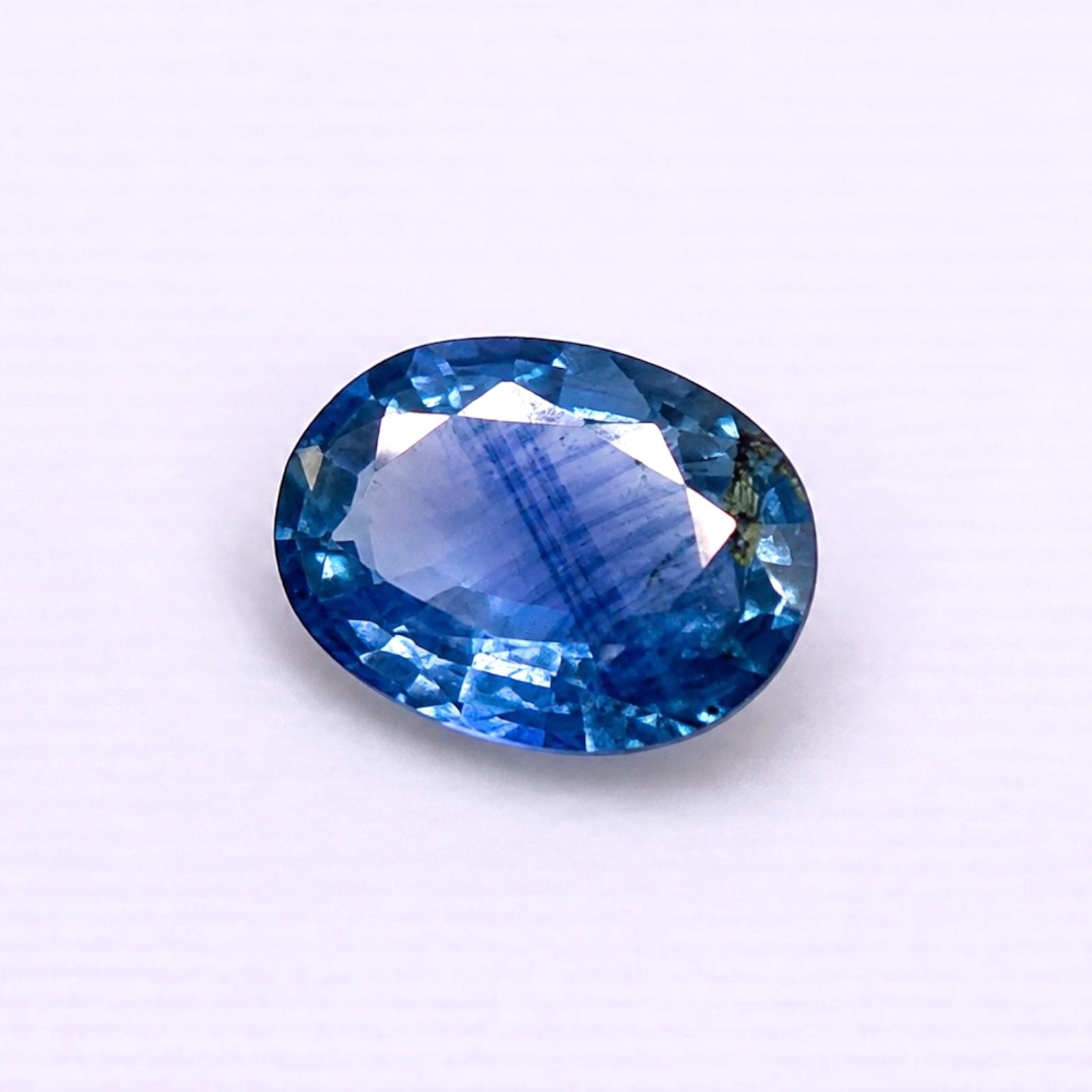
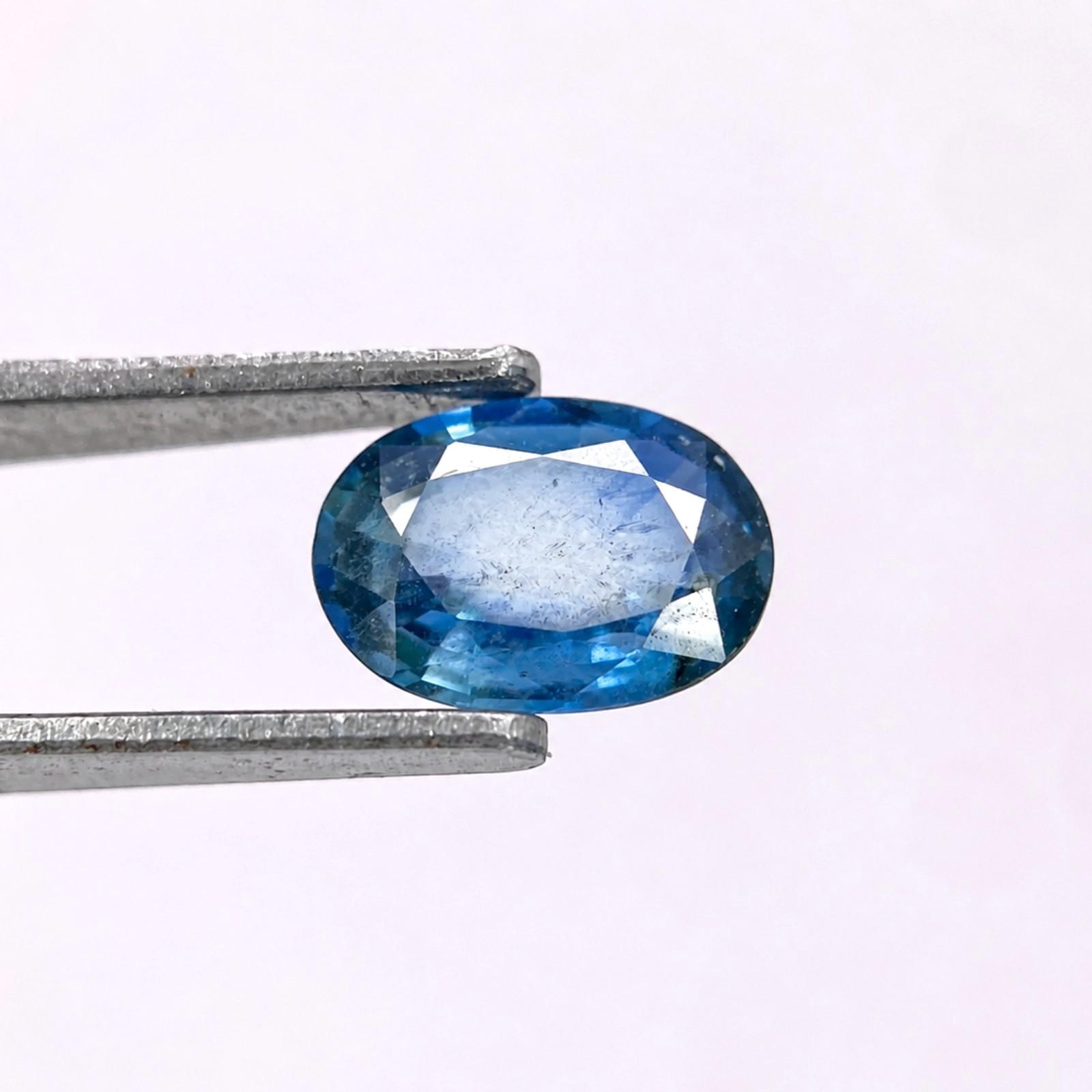
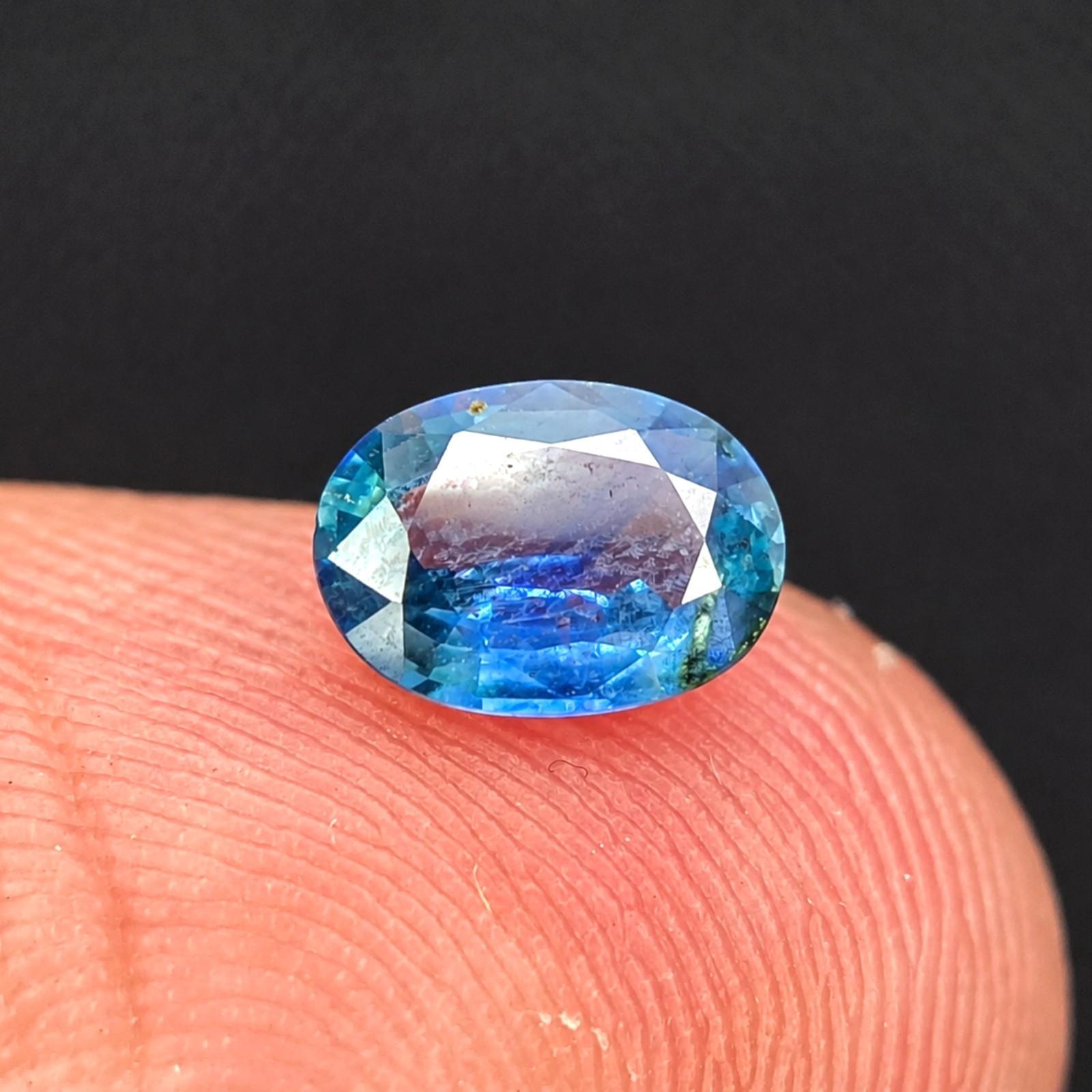


- Freakingcats Gemstone Database
Aquamarine (Brazil)
Aquamarine from the vast, ancient granitic pegmatites of Brazil represents the undisputed international gold standard for hexagonal crystal scale, flawless internal transparency, and deep, ocean-blue iron saturation. The ocean-blue variety of the beryl group, it is a species I have always respected for its “ice-water” to “vivid-deep-sea-neon” clarity and its status as a masterclass in “hexagonal” structural discipline. For the specialist, a top-tier Brazilian Aquamarine—whether presenting as a precision-cut, loop-clean gemstone or a towering, glass-like prismatic crystal—is a prized trophy of late-stage magmatic-hydrothermal pegmatite differentiation; it offers a bright vitreous luster and a serene, highly luminous presence that makes it an essential anchor for the systematic vault. As an artist, I find the breathtaking, cool serenity of its deep sea-blue optical transmission contrasting against snowy albite or dark schorl matrices to be one of nature’s most refined and visually captivating canvases.
The Heritage & Discovery
Historical Significance
Aquamarine is a vital index species for decoding the complex fluid cooling rates, beryllium enrichment vectors, and volatile pressure sequences that govern granitic pegmatite evolution. Historically, Brazil has stood as the premier global source for gem-quality aquamarine for over three centuries, supplying the world’s most prestigious royal collections and museum vaults. Brazilian mines set historical records for crystal size, most famously yielding the legendary “Martha Rocha” (57 kg) and the breathtaking “Dom Pedro” aquamarine—the largest cut aquamarine in history—standing as permanent monuments to the country’s extraordinary geological heritage.
Discovery
The unearthing of world-record pegmatite pocket networks across the Brazilian Shield provided mineralogists and lapidaries with unprecedented access to macrocrystalline beryl crystals. Scientifically, Aquamarine owes its signature blue-to-green palette to trace amounts of divalent iron (\text{Fe}^{2+}) occupying structural channels or replacing aluminum within the beryl ring framework. Unheated natural specimens frequently display a delicate blue-green or teal tone, which transforms into an intense, pure sea-blue when natural subterranean heat or controlled thermal processing converts minor trivalent iron (\text{Fe}^{3+}) into its blue-inducing \text{Fe}^{2+} state. My own respect for this material grew from analyzing its diagnostic optical profile; specifically, its classic dichroism—shifting from deep, saturated blue to near-colorless when viewed through a dichroscope along different crystallographic axes is a visual behavior that remains deeply captivating to the trained eye.
Important Mines
The primary capital for world-class, museum-grade expressions of this species within Brazil is concentrated in the prolific pegmatite belts of Minas Gerais, notably around Governador Valadares, Teófilo Otoni, Marambaia, and the Jequitinhonha Valley. Equally celebrated are the historic deposits of Bahia, Espírito Santo, and Rio Grande do Norte. For the vault, I prioritize specimens that exhibit high optical transparency, deep, unheated sea-blue saturation, sharp undamaged prismatic faces, and an active presentation anchored in a clean, contrasting matrix of cleavelandite, muscovite, or tourmaline.
Mineralogical Profile
Description
Aquamarine is the blue-to-teal variety of Beryl, a beryllium aluminum cyclosilicate that crystallizes in the hexagonal system. It sits at a hard, durable 7.5 to 8 on the Mohs scale, meaning its smooth, glassy crystal faces possess exceptional surface durability, requiring no delicate handling beyond standard archival protection to safeguard its crisp terminations and edges. It is characterized by its bright vitreous surface luster and a soothing color palette dominated by pastel ice-blue, sea-foam green, deep cobalt-teal, and intense sky-blue.
Chemical Formula Be3Al2Si6O18 (with trace Fe2+ channel inclusions)


