
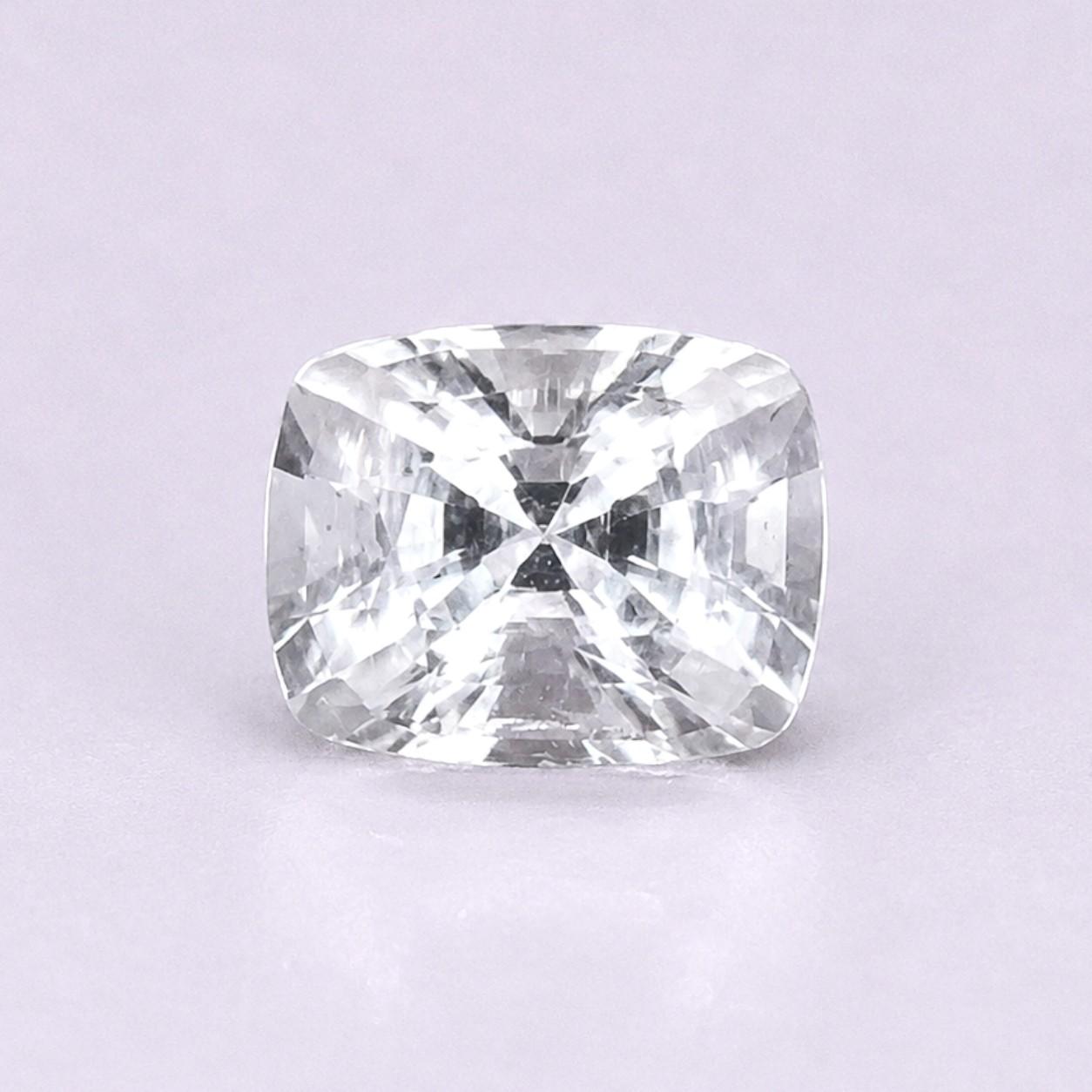
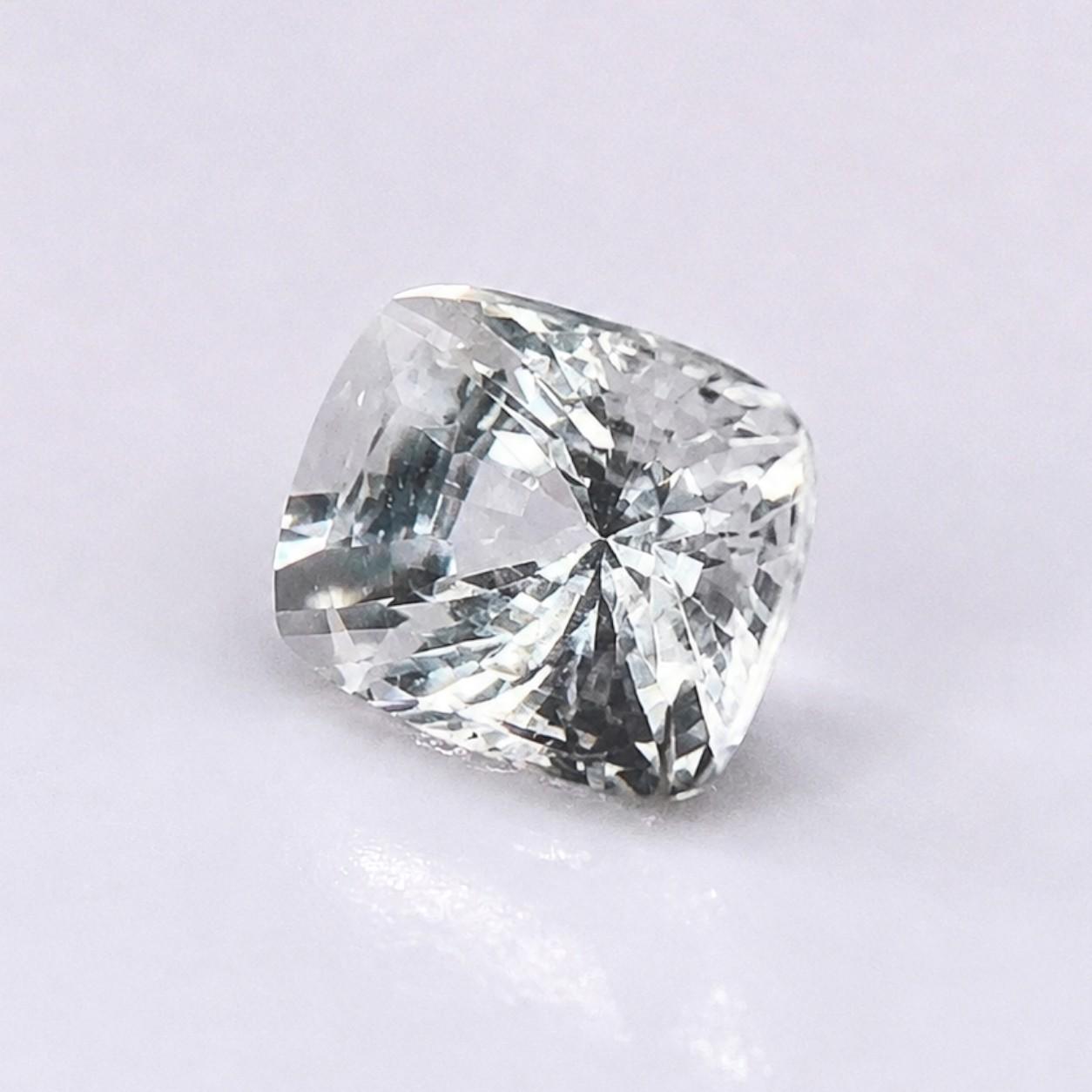
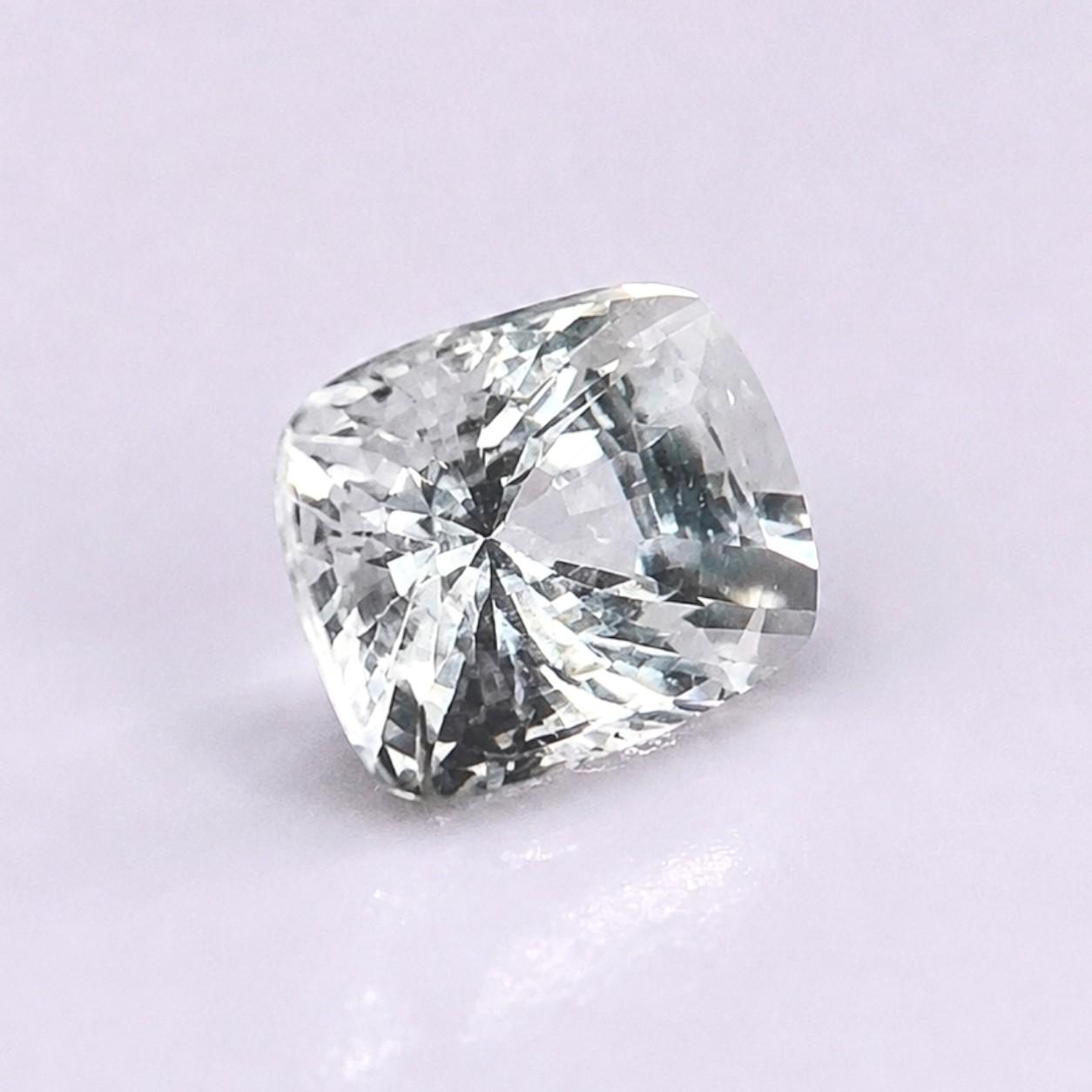
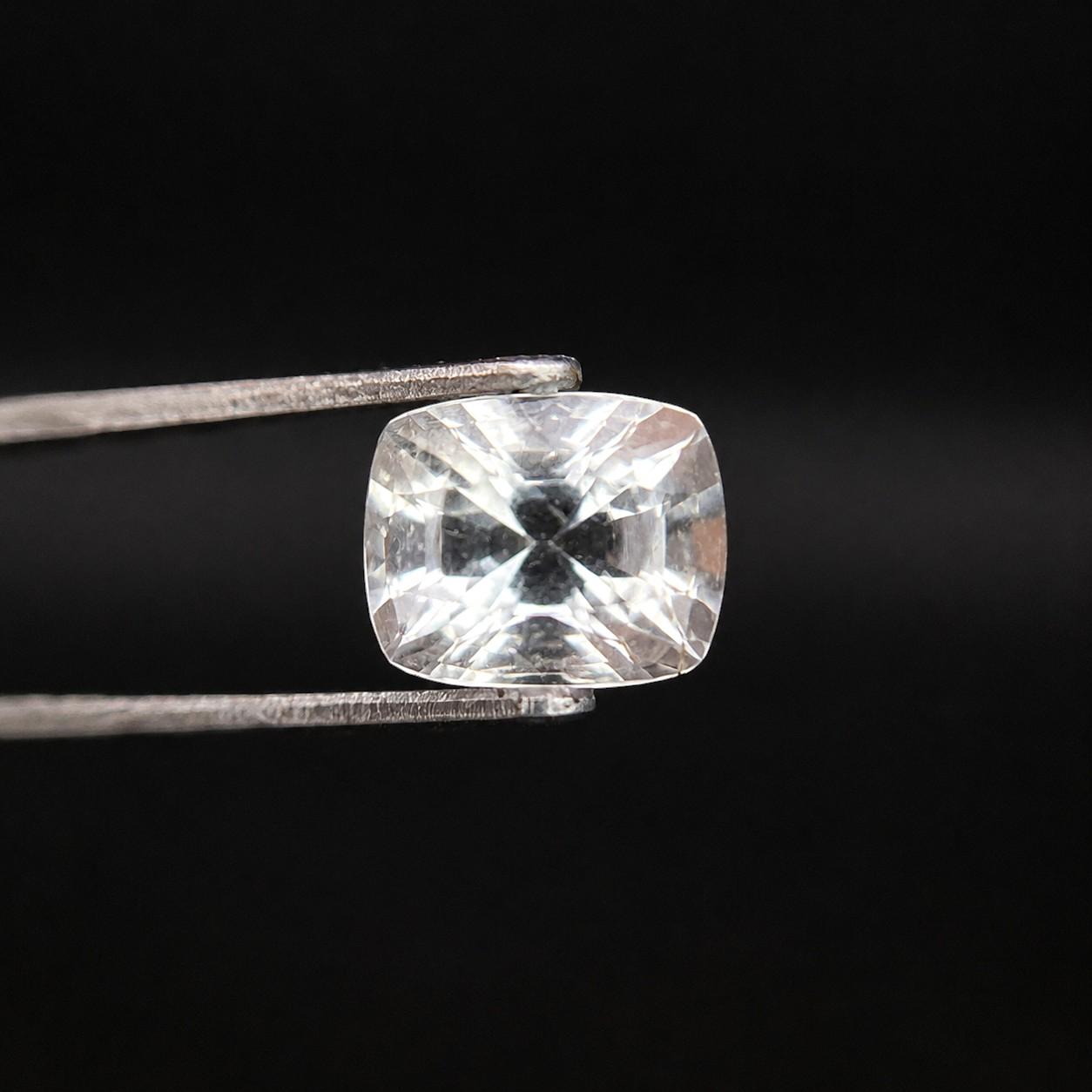
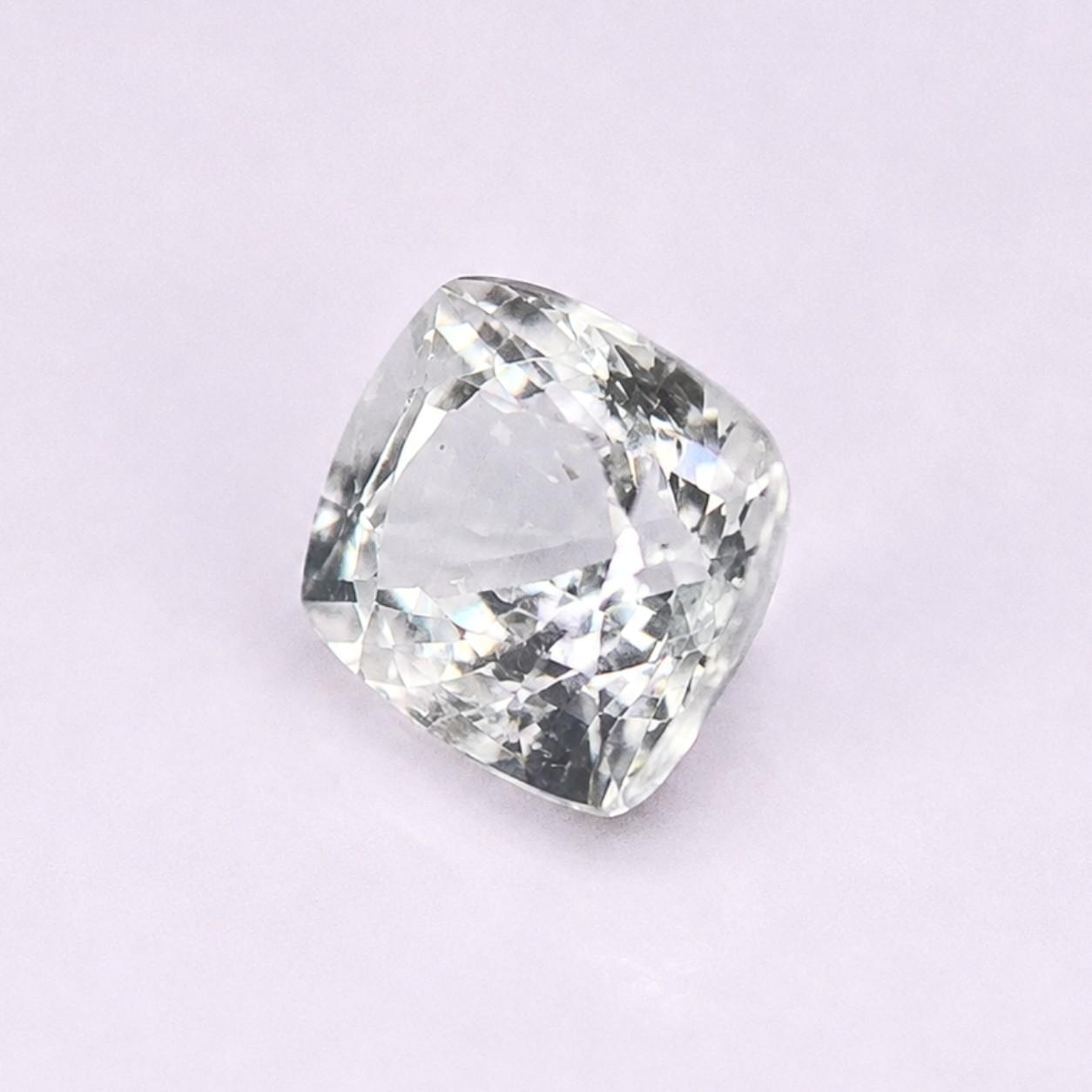
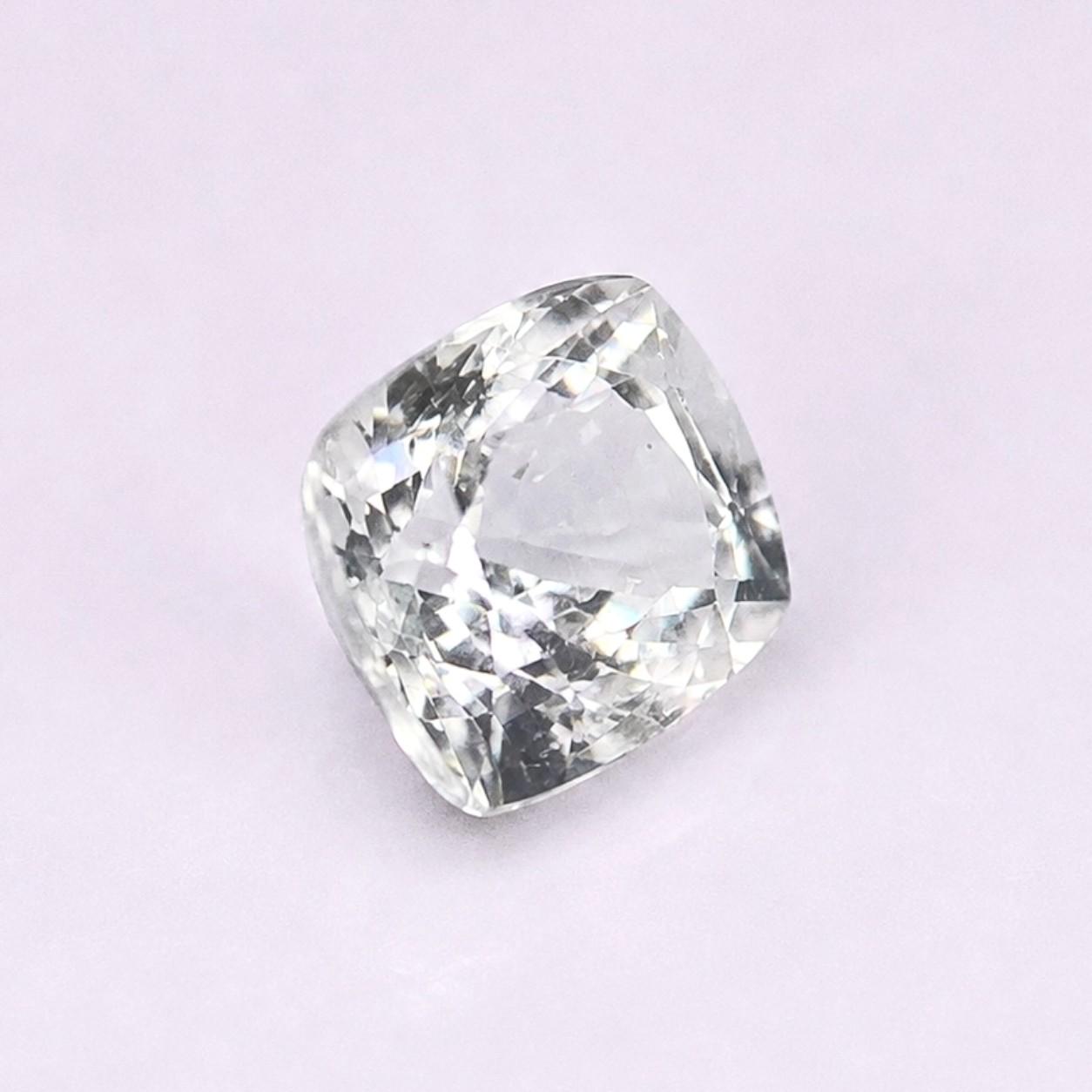
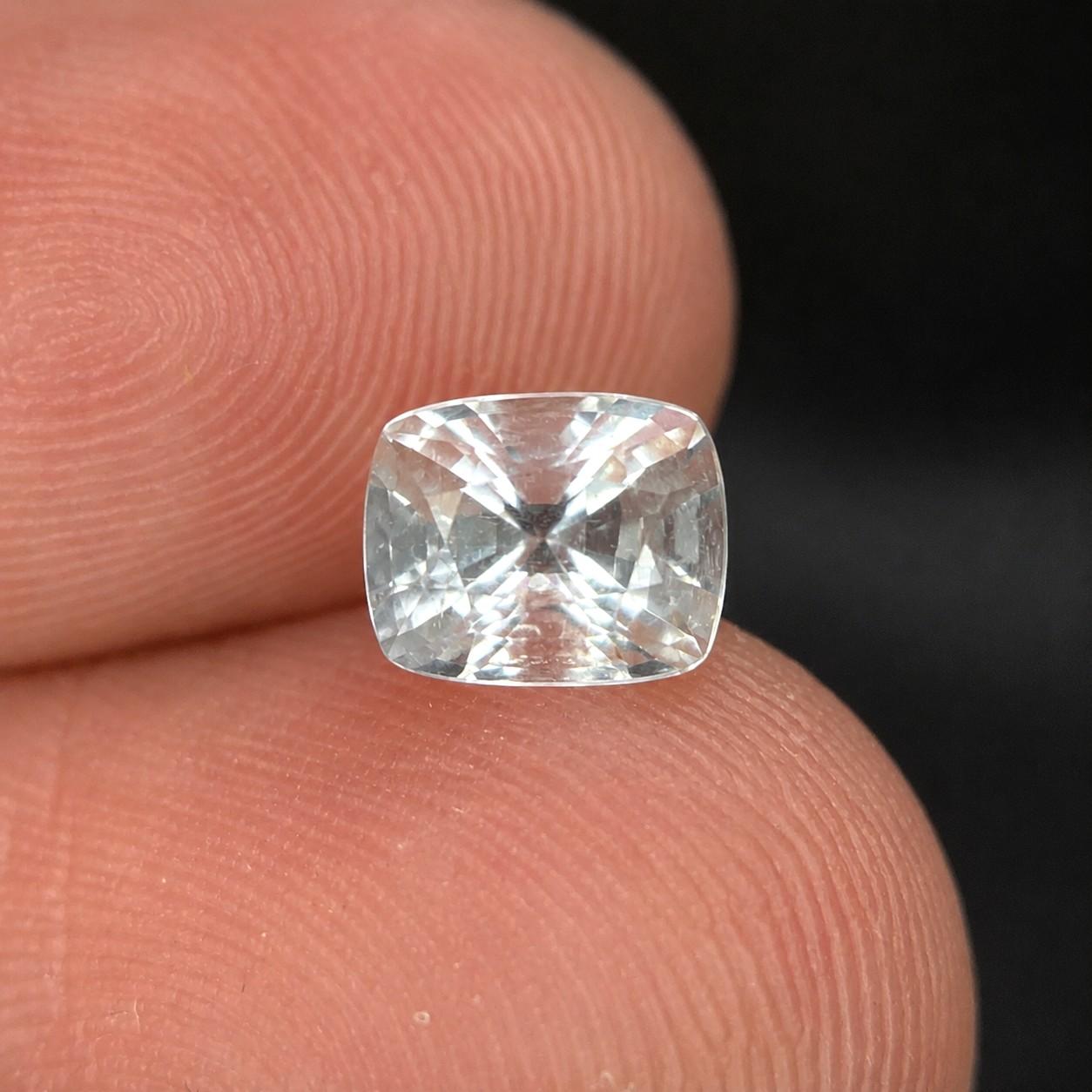
0.96 ct SCAPOLITE – MYANMAR
EXPERT VERIFIED
- Expert Verified Gemstone
- Fast Handling & Shipping
- Secure Vault Packaging
$ 90
Offer amount Feild


Smart Collector Choice


Pay with Crypto & Get 10% Automatic Discount

Availability: 1 in stock


- Freakingcats Gemstone Database
Scapolite (Myanmar)
Scapolite from the legendary high-grade metamorphic terrains of Myanmar represents the absolute peak of complex aluminosilicate structural clarity and dramatic optical phenomena. A fascinating solid-solution series between sodium-rich marialite and calcium-rich meionite, it is a species I have always respected for its “champagne-gold” to “soft-lavender-neon” saturation and its status as a masterpiece of “tetragonal” structural discipline. For the specialist, a top-tier Burmese Scapolite—particularly the water-clear gem crystals or the dense, fibrous blocks that exhibit a mesmerizing cat’s-eye effect—is a prize of specialized volatile-rich metamorphic fluid mobilization; it offers a brilliant vitreous to pearly luster and a highly radiant presence that makes it a true “high-vibration” asset for the systematic vault. As an artist, I find the stark, liquid transparency of its prismatic crystals and its exceptional, light-reactive behaviors to be one of nature’s most sophisticated and airy palettes.
The Heritage & Discovery
Historical Significance Scapolite is a vital index species for understanding the behavior of volatile elements like chlorine, sulfur, and carbon dioxide within deep, high-grade metamorphic and pegmatitic environments. Historically, the gem-rich valleys of Myanmar (formerly Burma) have held an unparalleled position in mineralogical lore, famous for centuries for producing the world’s most coveted gems. Within this elite geological setting, Burmese scapolite emerged as a connoisseur’s favorite, celebrated for its rare, natural clarity and its ability to incorporate trace elements that activate remarkable color profiles. It serves as a stark reminder that the slow, pressurized cooking of the continental crust can organize complex framework silicates into extraordinary, light-gathering crystalline pillars.
Discovery While the scapolite group was initially recognized in Europe during the early 19th century, the discovery of world-class, facet-grade macrocrystalline material in upper Myanmar completely redefined our global appreciation of the mineral’s optical limits. Scientifically, its highly balanced tetragonal framework easily experiences elemental shifts, where the ratio of sodium to calcium directly dictates its refractive indices and specific gravity. The exploration of these remote alluvial gravels and primary marble contacts provided mineralogists with spectacular, deeply striated prismatic columns. My own respect for this material grew from observing its exceptional light sensitivity; specifically, the way many Burmese scapolites exhibit an intense, bright yellow fluorescence under short-wave ultraviolet illumination, or display a sharp, silvery band of chatoyancy (cat’s-eye effect) caused by parallel tube-like cavities, is a visual impact that is unmistakable to the trained eye.
Important Mines The undisputed capital for fine collector-grade expressions of this species remains the legendary Mogok Stone Tract in the Mandalay Region of Myanmar. Famed for its unique, complex metamorphic marbles, skarns, and pegmatites, the Mogok valley yields outstanding, freestanding crystals and gem-quality alluvial pebbles. Notable pockets from the surrounding mountains, including the historic mines at Pein Pyit and Bernardmyo, have historically yielded magnificent colorless, pink, violet, and golden specimens. For the vault, I prioritize specimens that exhibit high internal optical transparency, sharp unblemished prism faces, or a perfectly centered, sharp cat’s eye, as they represent a highly active, pristine masterpiece of deep-crustal geology.
Mineralogical Profile
Description Scapolite is a complex sodium calcium aluminum silicate containing chlorine, carbonate, or sulfate groups that crystallizes in the tetragonal system. It sits at a moderate 5.5 to 6 on the Mohs scale, meaning its highly lustrous prismatic crystals must be handled with care and protected from physical abrasion to safeguard its smooth, waxy to vitreous surfaces. It is characterized by its bright vitreous luster and a diverse color palette ranging from colorless and pale straw-yellow to rich violet and pink.
One of its most identifying traits is its distinct prismatic cleavage, frequently forming elongated, column-like crystals with deeply striated faces that trace old volatile fluid channels through metamorphic fractures. It possesses a moderate refractive index running from approximately 1.540 to 1.575, contributing to its soft internal color depth and liquid brilliance, and a light average specific gravity ranging between 2.50 and 2.74 that increases directly with its calcium and carbonate content. Because it forms in high-temperature regional metamorphic zones and altered pegmatites, it is commonly found in close association with Calcite, Diopside, Actinolte, Phlogopite, and Titanite. When I select a piece for the collection, I look for sharp, “crisp” crystal terminations or highly transparent, facet-grade specimens, as these highlight the sophisticated, multi-element chemistry of the mineral’s fluid-driven birth.
Chemical Formula (Na,Ca)4[Al(Al,Si)Si2O8]3(Cl,CO3,SO4)


