
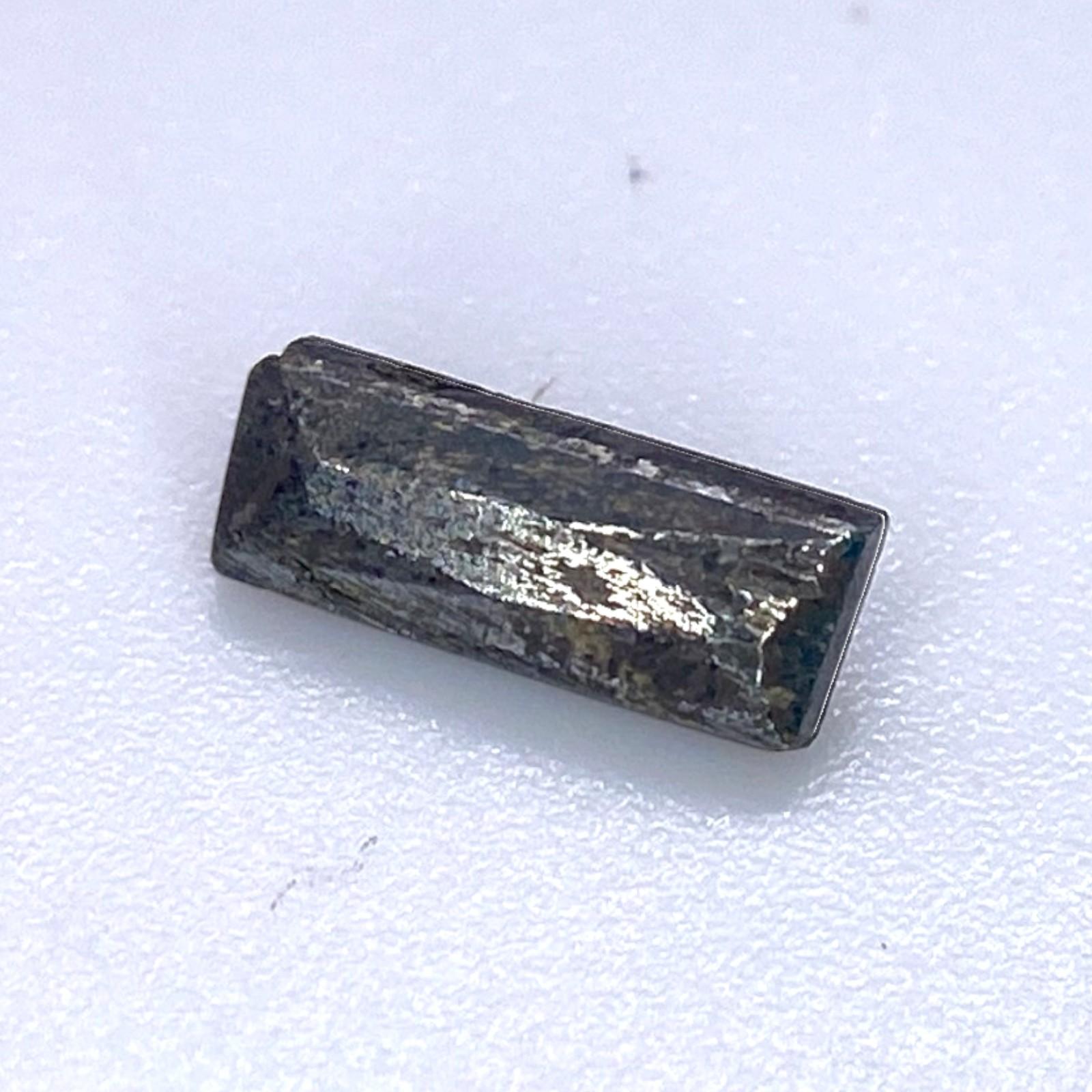
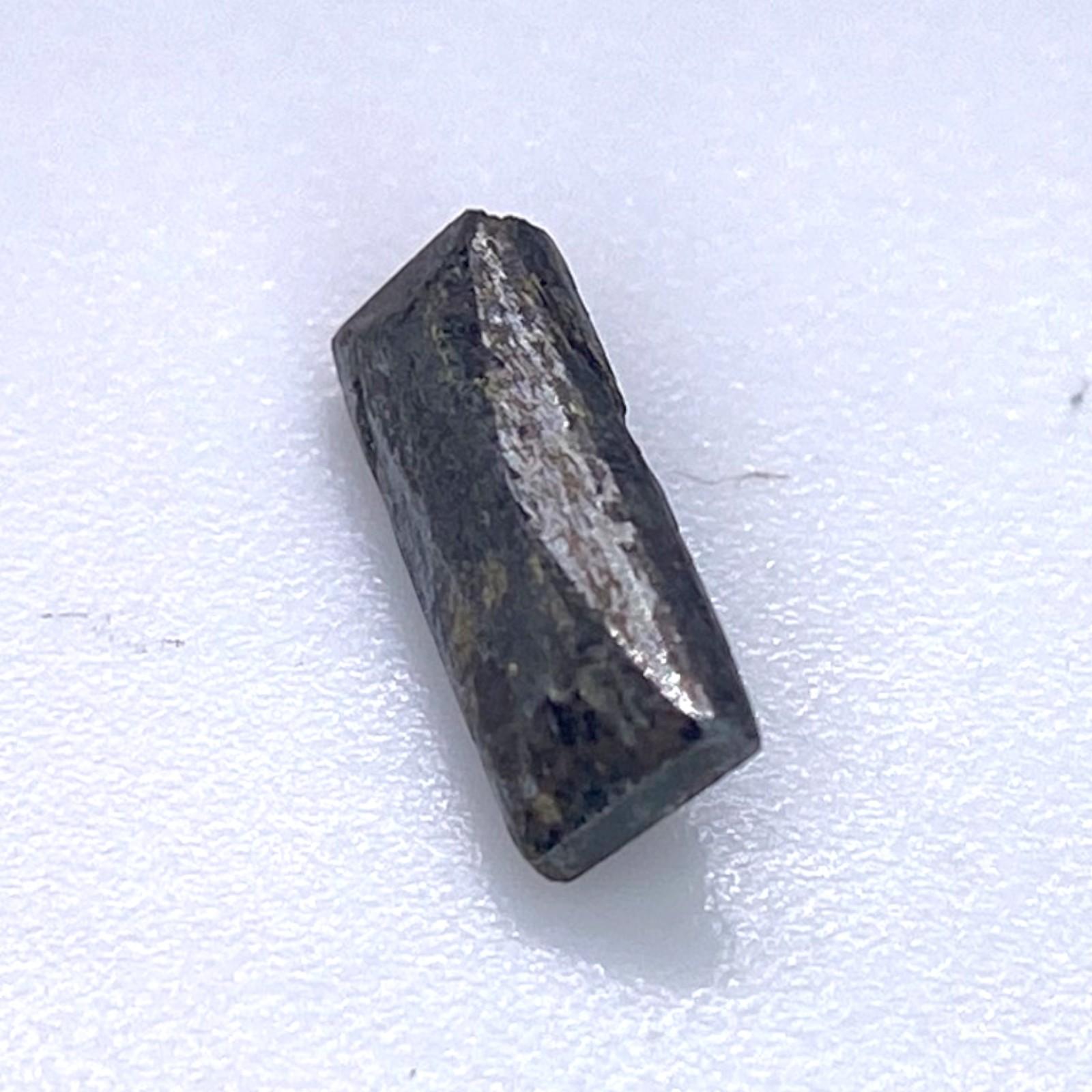
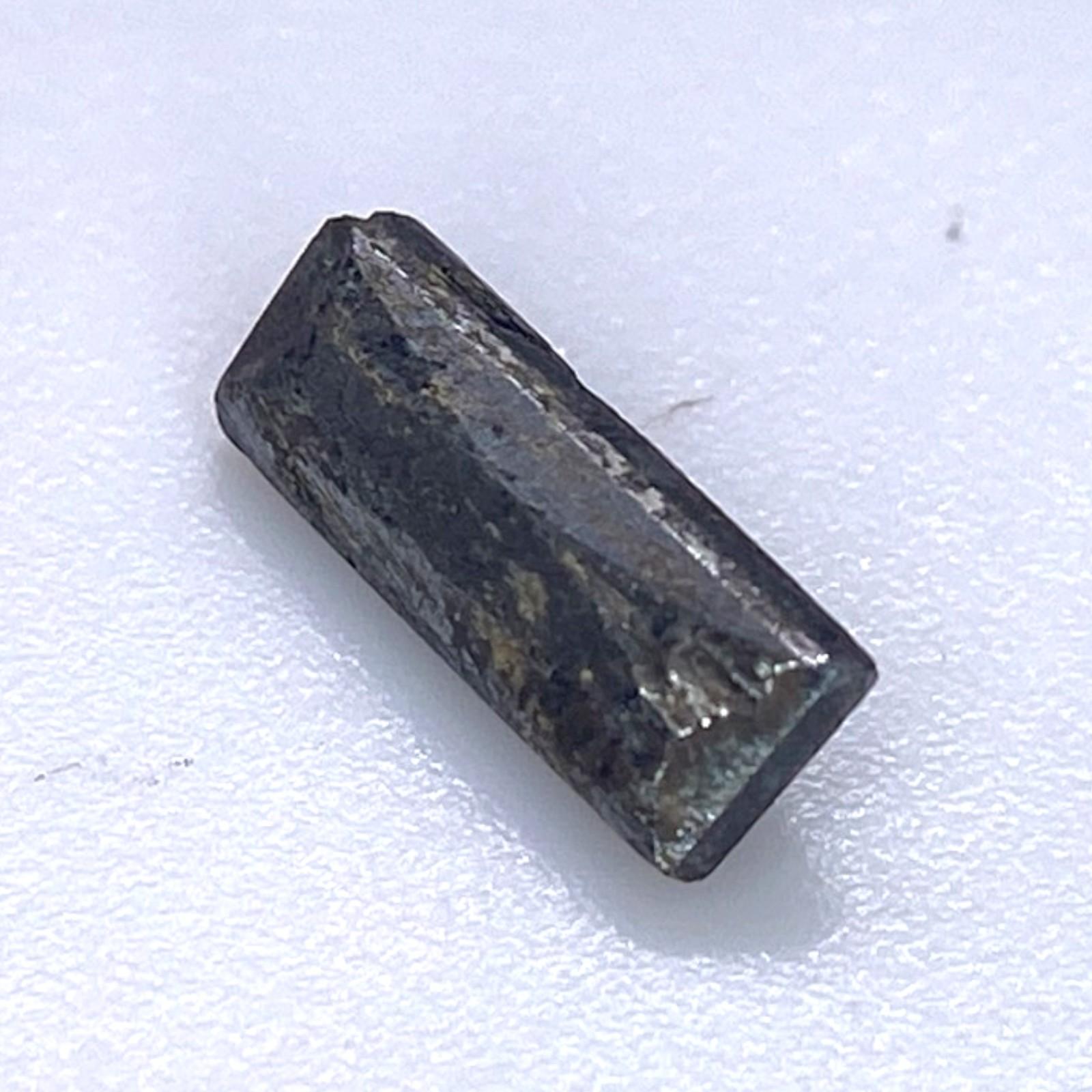
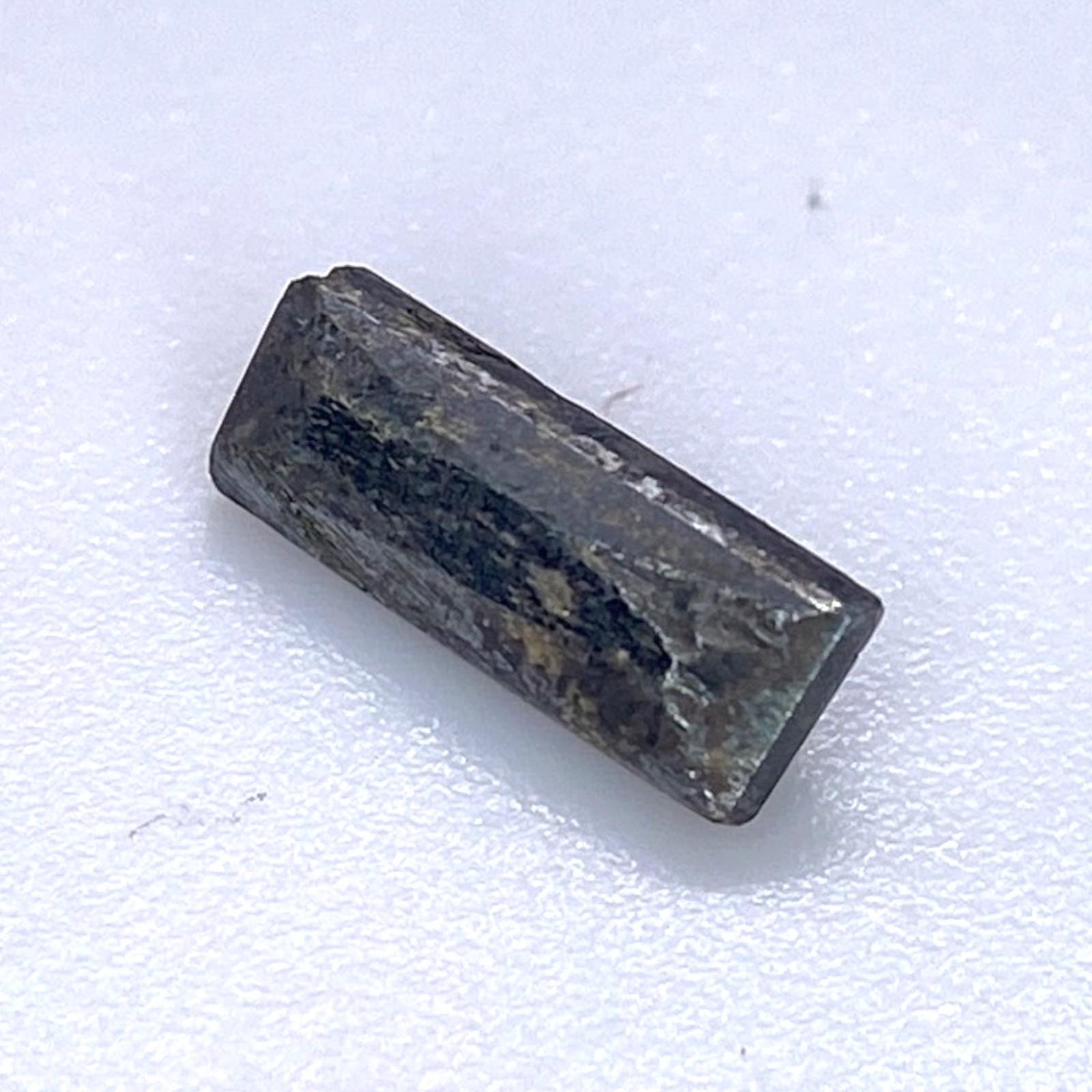
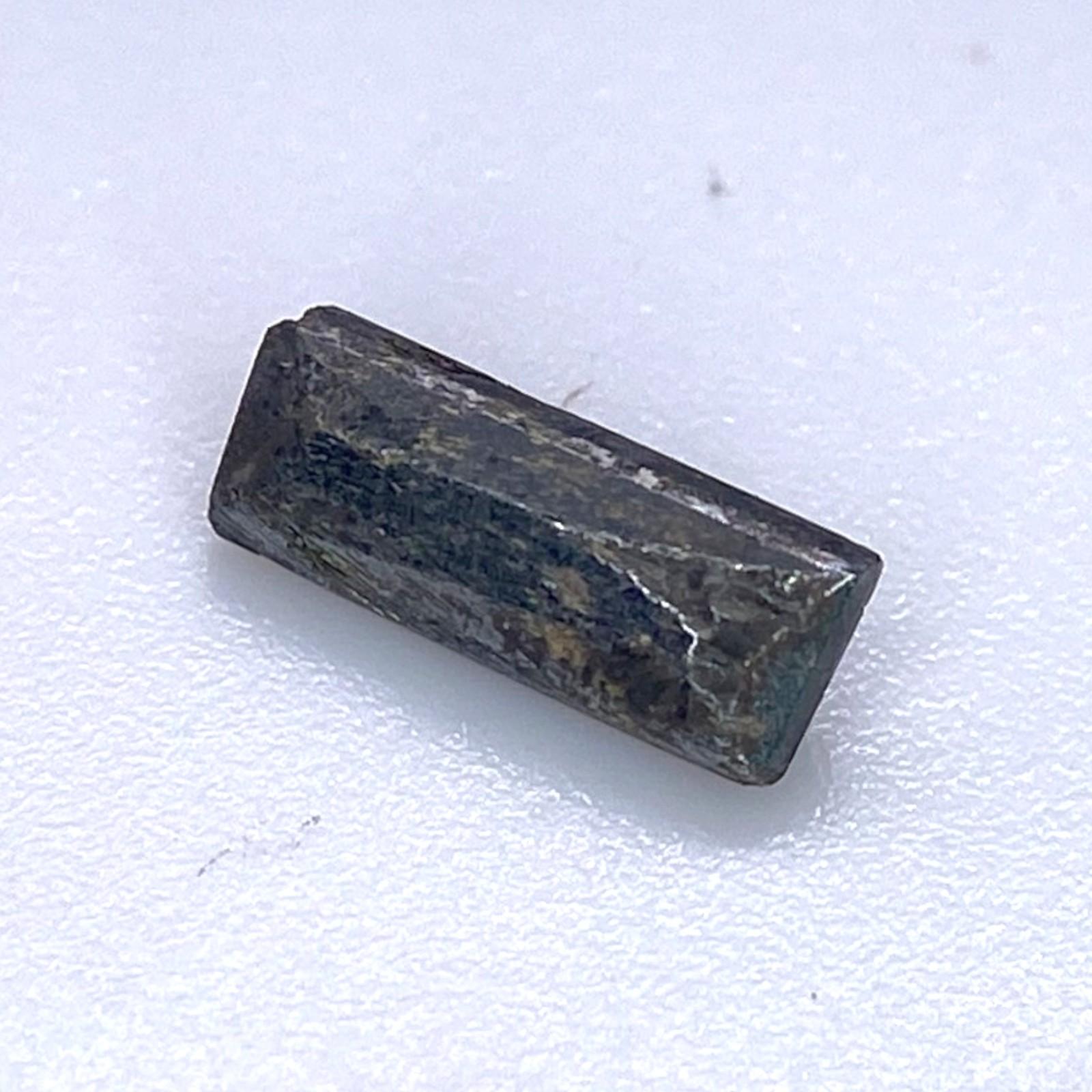
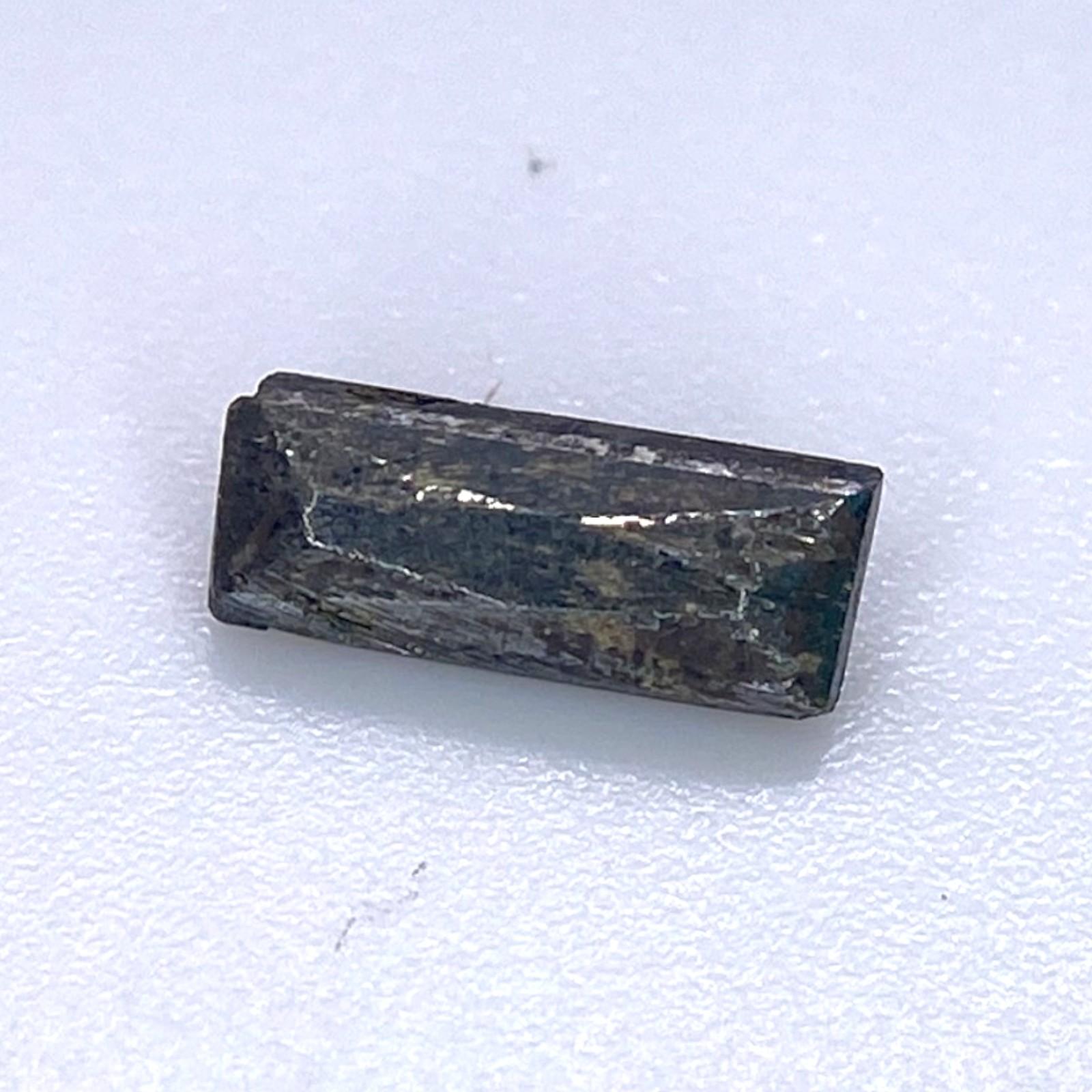
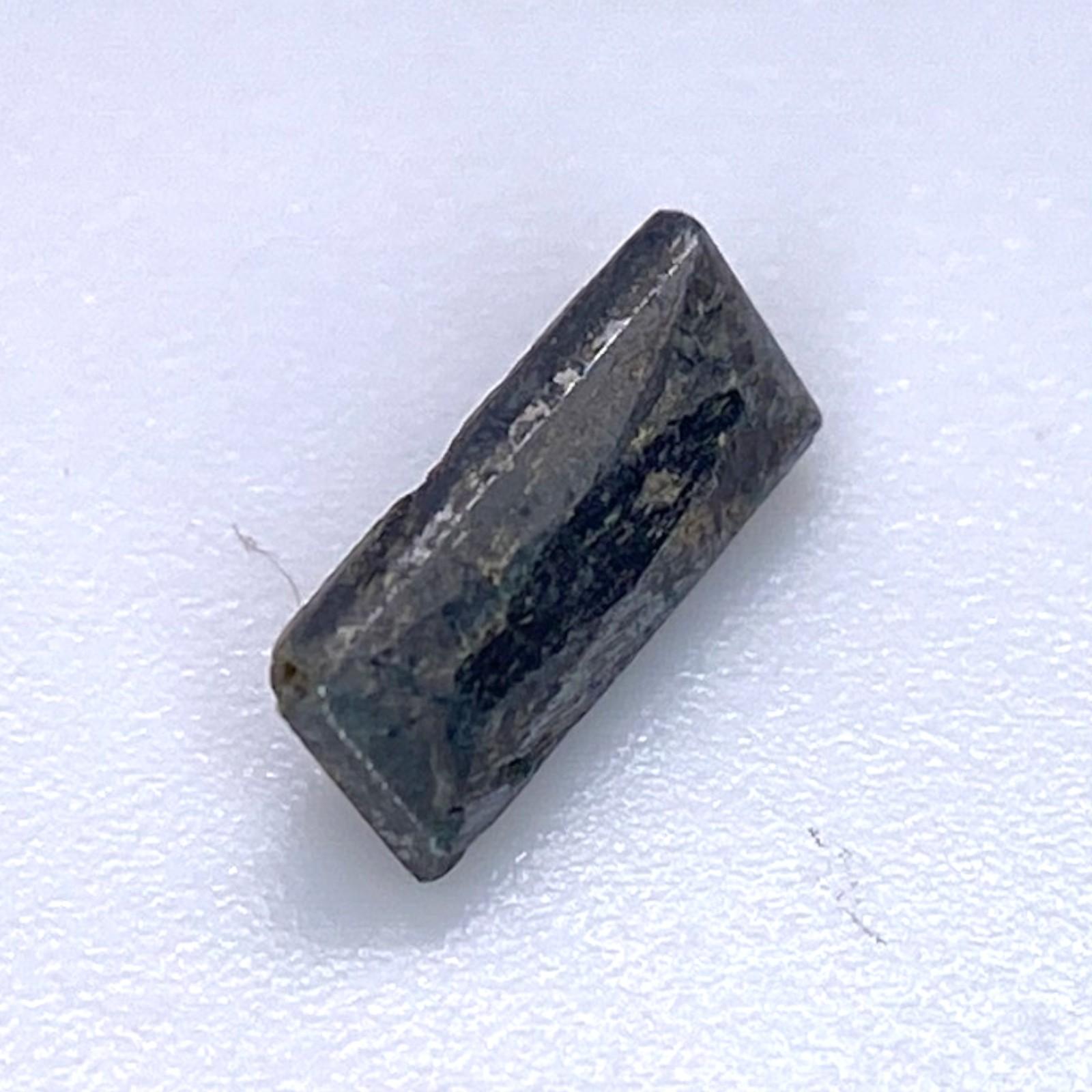
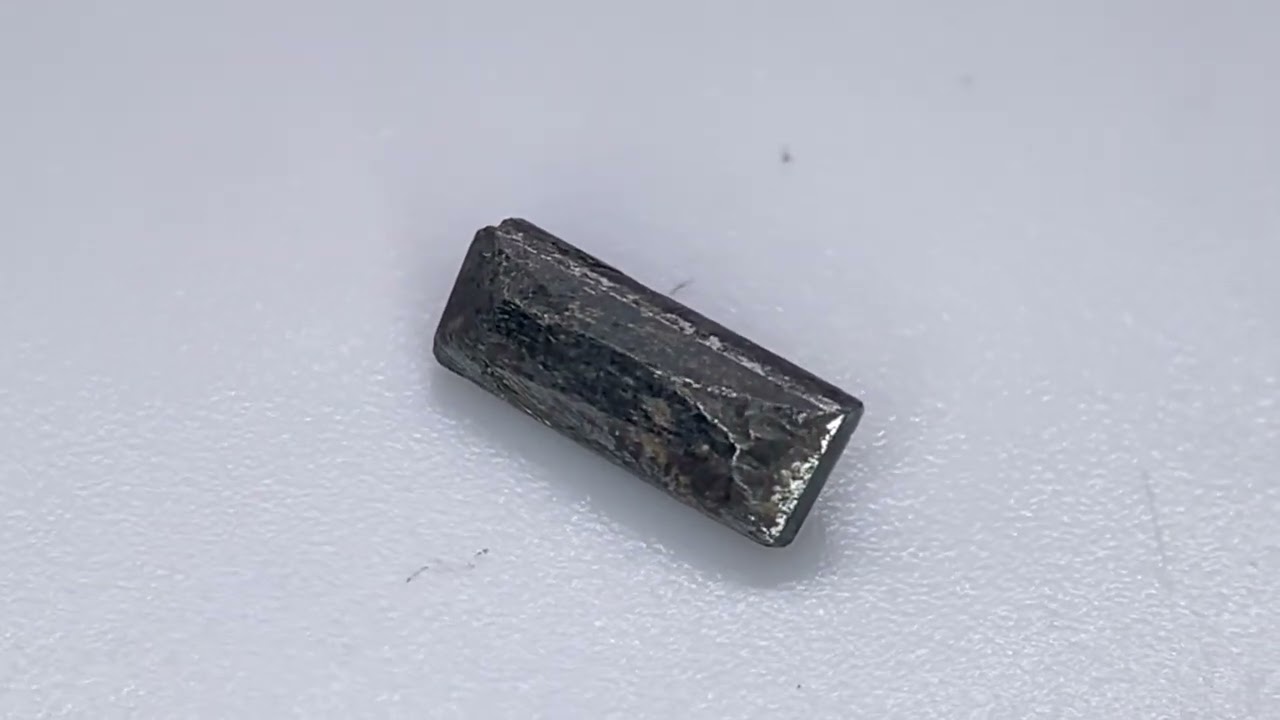
0.97 ct ANDORITE – BOLIVIA
EXPERT VERIFIED
- Expert Verified Gemstone
- Fast Handling & Shipping
- Secure Vault Packaging
$ 150
Offer amount Feild


Smart Collector Choice


Pay with Crypto & Get 10% Automatic Discount

Availability: 1 in stock


- Freakingcats Gemstone Database
Andorite
Andorite is a gemstone that represents the pinnacle of “sulfosalt” complexity. A lead silver antimony sulfide, it is a mineral I have always held in high regard for its sharp, “metallic-gothic” aesthetic; it typically presents in dark steel-grey to lead-grey crystals that possess a brilliant, sub-metallic luster. It is a stone of the high-energy hydrothermal veins, often found as perfectly formed, striated orthorhombic prisms that look like they were machined rather than grown. For the specialist, Andorite is a prize of chemical density and structural rarity—it is the “heavy metal” of the silver world, offering a sophisticated, mirror-like brilliance that is far more elusive than common silver ores. It is a mineral for the vault, where its geometric precision and dark elegance can be truly appreciated under a directed light.
The Heritage & Discovery
Historical Significance: Andorite is a vital species for understanding the complex geochemistry of silver-rich mineral systems. Historically, it was a significant discovery because it helped mineralogists map the “Andorite Group,” a family of minerals that show subtle variations in their lead-to-silver ratios. In the world of fine minerals, it is celebrated for its spectacular “striated” faces, which catch the light in a rhythmic, accordion-like fashion. It stands as a symbol of structural integrity and chemical focus, bridging the gap between simple silver sulfides and the incredibly rare sulfosalts that contain antimony and lead. It is a favorite among systematic collectors who seek the “aristocrats” of the sulfide world.
Discovery: The mineral was first described in 1889 and was named in honor of Andor von Semsey (1833–1923), a Hungarian nobleman and mineralogist who was a legendary patron of the Hungarian Natural History Museum. The type-locality is Baia Sprie, Romania. Naming this dense and geometrically perfect mineral after a man who dedicated his fortune to the preservation of natural history was a fitting tribute to his immense contribution to the field. Since its formal identification, it has become a “must-have” for collectors of European and South American silver minerals.
Important Mines: The legendary and type-locality for world-class Andorite is Baia Sprie (Felsőbánya), Romania. I also have a high regard for the spectacular, large-scale crystals found in the Itos Mine and San José Mine in Oruro, Bolivia, which are widely considered the finest in the world. For the vault, I prioritize the Bolivian material for its exceptional crystal size and the Romanian specimens for their historical pedigree and sharp, mirror-like terminations.
Mineralogical Profile
Description: Andorite is a lead silver antimony sulfide that crystallizes in the orthorhombic system. It sits at a 3 to 3.5 on the Mohs scale, making it a relatively soft mineral that should be protected from abrasion to maintain its high-gloss metallic surfaces. It is characterized by its brilliant metallic luster and its iron-grey to blackish-grey color, often showing a subtle iridescent tarnish over time.
One of its most identifying traits is its deep vertical striations and its high density (5.3 to 5.4 g/cm³), which gives even small, slender crystals a surprising “heaviness.” It has a dark grey to black streak and is completely opaque. Because it is a complex sulfosalt, it is often found in association with Stibnite, Galena, and Jamesonite. When I select a piece for the collection, I look for “sharp” terminations and “wet-look” luster, as these represent the species in its most perfect and geometrically pure form. It is a dense, grounding mineral that offers a unique, “architectural” depth unlike any other silver species.
Chemical Formula: PbAgSb3S6


