

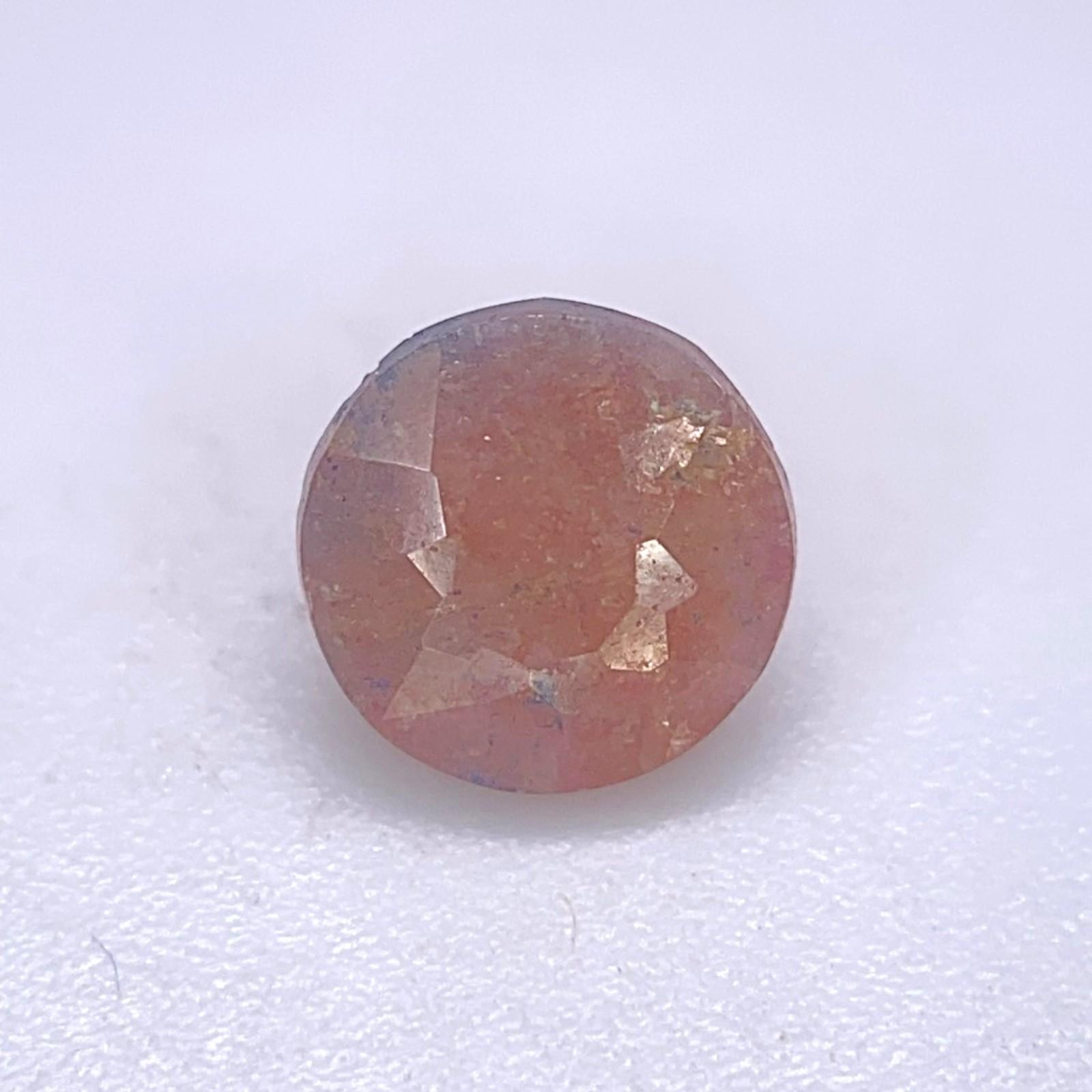
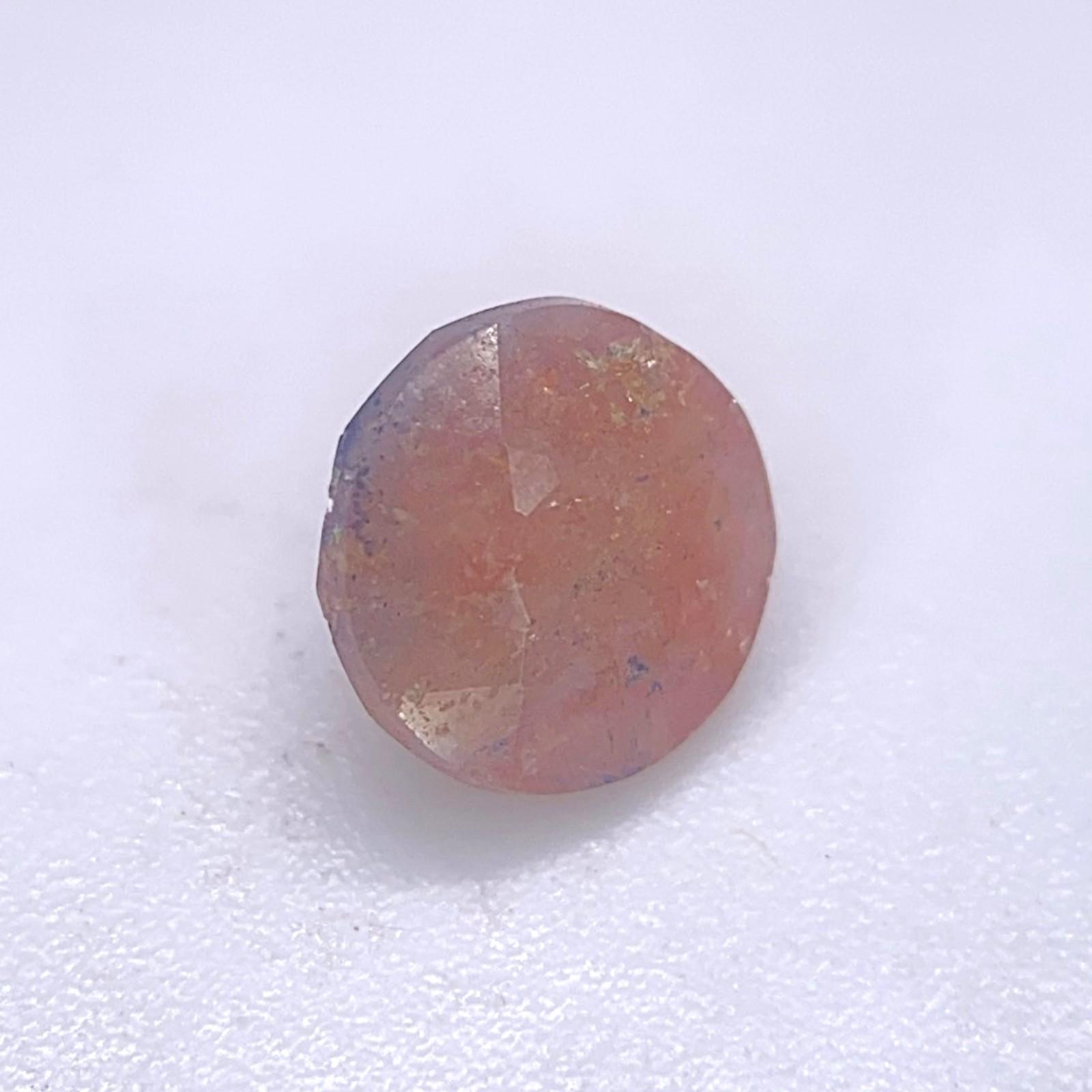
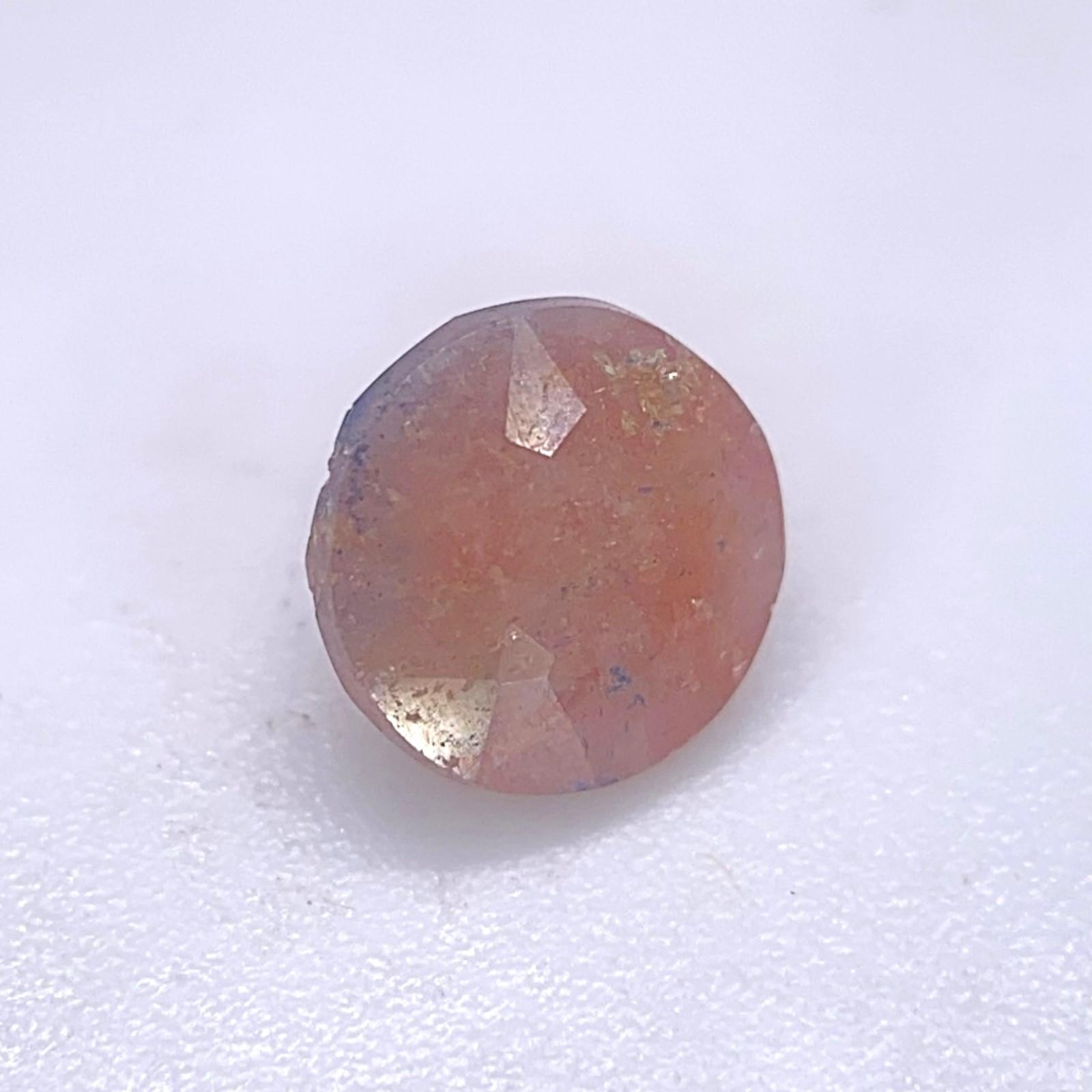
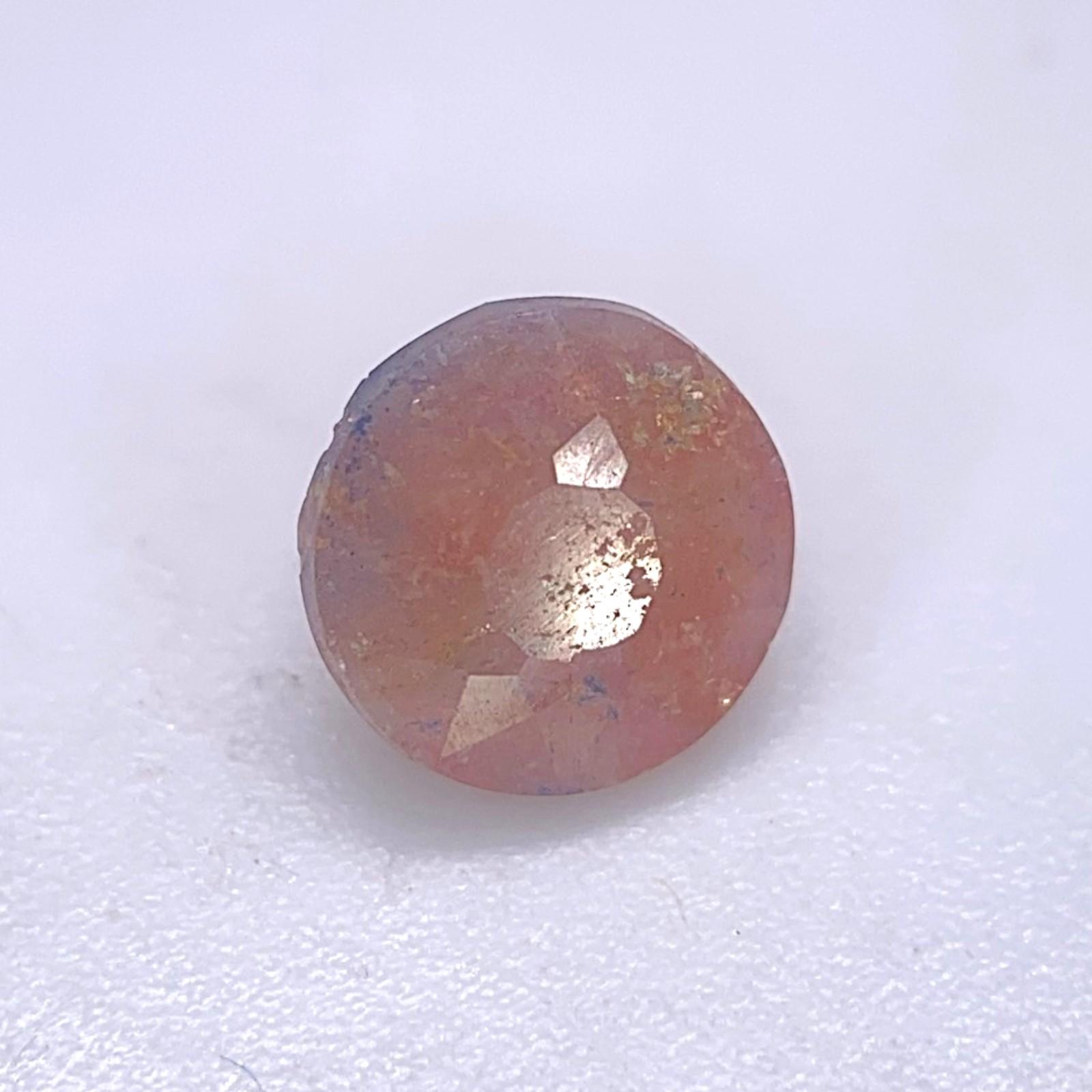
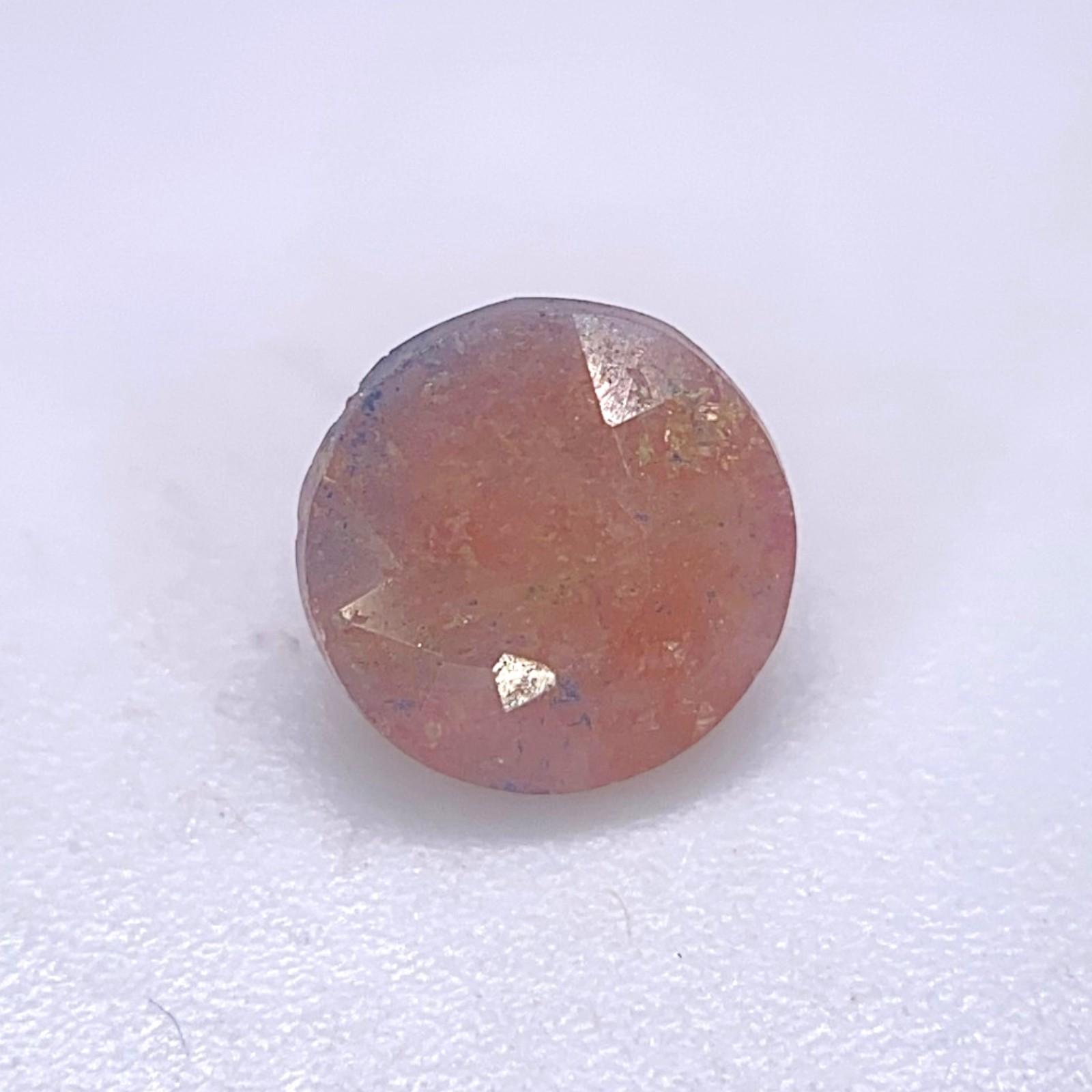
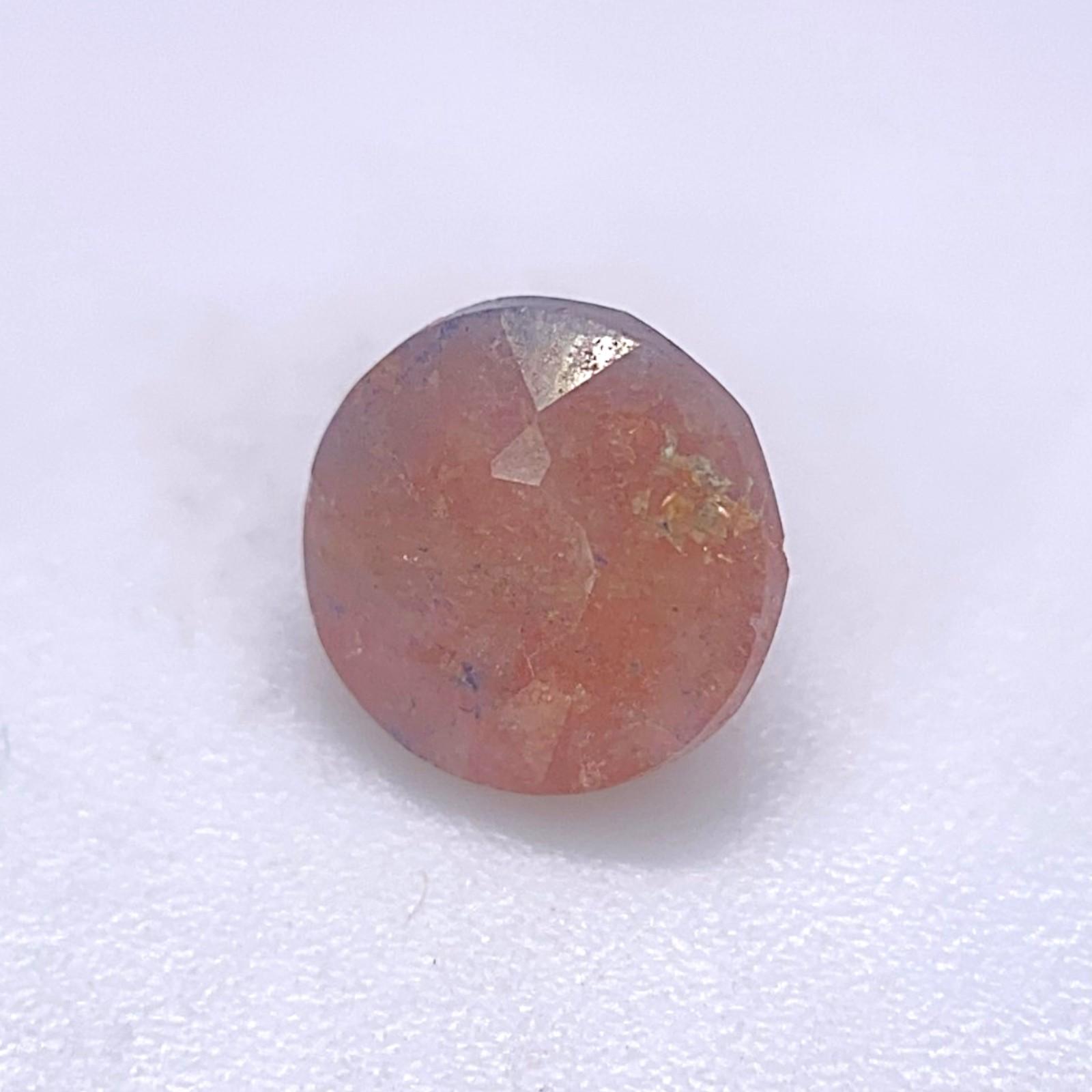
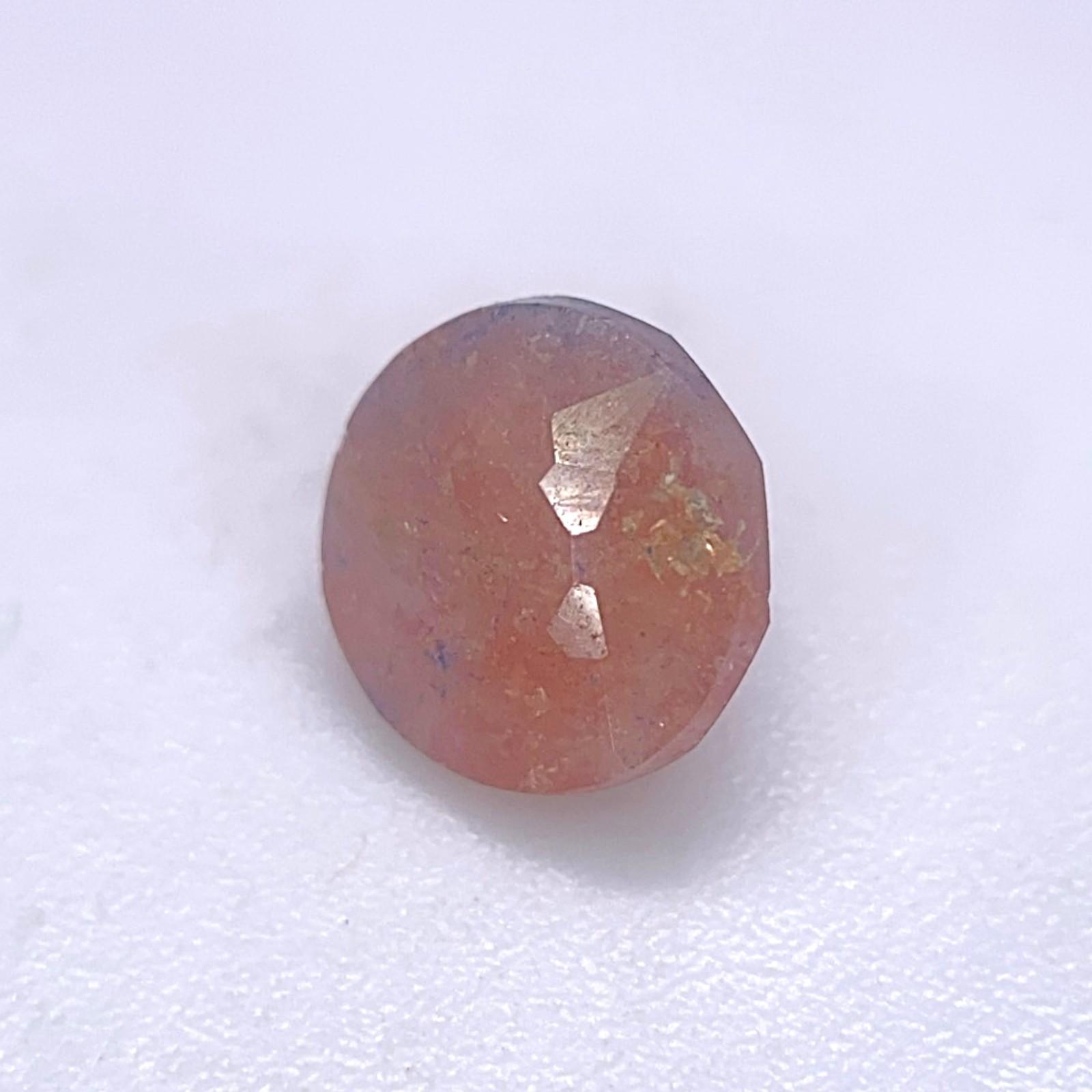
1.08 ct HUREAULITE – BRAZIL
EXPERT VERIFIED
- Expert Verified Gemstone
- Fast Handling & Shipping
- Secure Vault Packaging
$ 150 Original price was: $ 150.$ 120Current price is: $ 120.
Offer amount Feild


Smart Collector Choice


Pay with Crypto & Get 10% Automatic Discount

Availability: 1 in stock


- Freakingcats Gemstone Database
Hureaulite
Hureaulite is a gemstone that represents the “rose-hued” heart of the secondary phosphate world. A hydrated manganese phosphate, it is a species I have always admired for its warm, vibrant palette—ranging from a delicate “peach-blossom” pink to a deep “sunset” orange. It typically presents as beautiful, vitreous to pearly crystals that form in the complex cavities of granite pegmatites. For the specialist, Hureaulite is a prize of late-stage hydrothermal evolution; it forms as primary phosphates like Lithiophilite or Triphylite are altered by circulating fluids. It is a stone of “crystalline warmth,” offering a sharp, monoclinic geometry and a luminous transparency that makes it a true “connoisseur’s choice” for the systematic vault.
The Heritage & Discovery
Historical Significance: Hureaulite is a vital species for understanding the complex recycling of manganese and iron within evolved pegmatite systems. Historically, it was a rare curiosity found in the classic European mineral localities of the 19th century. In the world of fine minerals, it is celebrated for its diverse crystal habits, which can range from blocky prisms to delicate, radiating druses. It stands as a symbol of transformation and persistence, bridging the gap between heavy primary ores and the elite world of “neon-colored” secondary crystals. It serves as a reminder that the most beautiful colors in the mineral kingdom are often the result of “destructive” fluids creating something entirely new and refined.
Discovery: The mineral was first described in 1825 by the French mineralogist François Alluaud. It was named after its type-locality: Les Hureaux in the Saint-Sylvestre-sur-Gartempe region of France. Scientifically, it is a manganese phosphate. Its discovery provided mineralogists with the first clear look at this specific structural arrangement of manganese and water, helping to map the chemical diversity of the phosphate-rich pegmatites of the Limousin region. Since its identification, it has become a “must-have” for collectors who value the “physics of color” and high-purity phosphate species.
Important Mines: The undisputed world capital for the finest, largest, and most “gemmy” Hureaulite is the Jocão Mine (Conselheiro Pena) in Minas Gerais, Brazil. These specimens are world-famous for their intense orange-pink color and razor-sharp crystal faces. I also have a high regard for the classic, historic specimens from Hagendorf South in Bavaria, Germany, and the “shimmering” crystals from the White Picacho District in Arizona, USA. For the vault, I prioritize the Brazilian material for its unmatched transparency and the German pieces for their historical pedigree and structural complexity.
Mineralogical Profile
Description: Hureaulite is a manganese phosphate that crystallizes in the monoclinic system. It sits at a 5 on the Mohs scale, making it a relatively durable phosphate, though it should still be handled with care to preserve its lustrous faces. It is characterized by its vitreous luster and its unmistakable warm, reddish-orange to pink coloration.
One of its most identifying traits is its transparent to translucent clarity and its high density ($SG \approx 3.2$), which gives it a substantial feel for its size. It has a moderate refractive index (n \approx 1.63 to 1.66) and a characteristic “depth” of color that can appear almost like a fine Garnet or Spessartine in its darkest forms. Because it is a secondary phosphate, it is often found in association with Vivianite, Strengite, and Rockbridgeite. When I select a piece for the collection, I look for “sharp” terminations and a “saturated” orange hue, as these highlight the sophisticated, three-dimensional geometry of the mineral’s growth. It is a dense, high-vibration mineral that offers a unique, “sunset” beauty unlike any other phosphate species.
Chemical Formula: Mn2+5(PO4)2(PO3OH)2·4H2O
Related products
- Sale!Suggest a Price
![1.48 ct ANDALUSITE - BRAZIL]()
- Sale!Suggest a Price
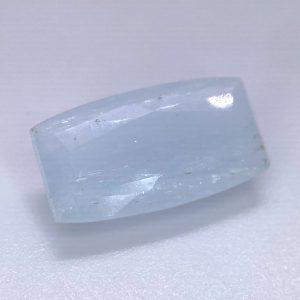
![7.06 ct ANHYDRITE - PERU]()
- Sale!Suggest a Price
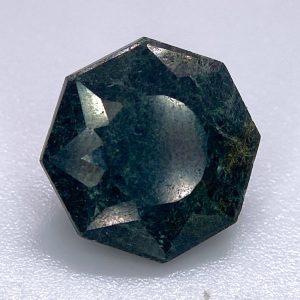
![5.85 ct AERINITE - SPAIN]()
- Sale!Suggest a Price
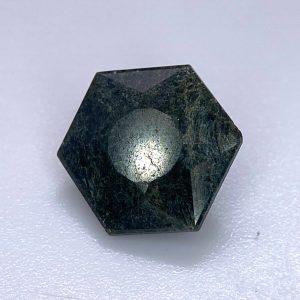
![3.90 ct AERINITE - SPAIN]()


