
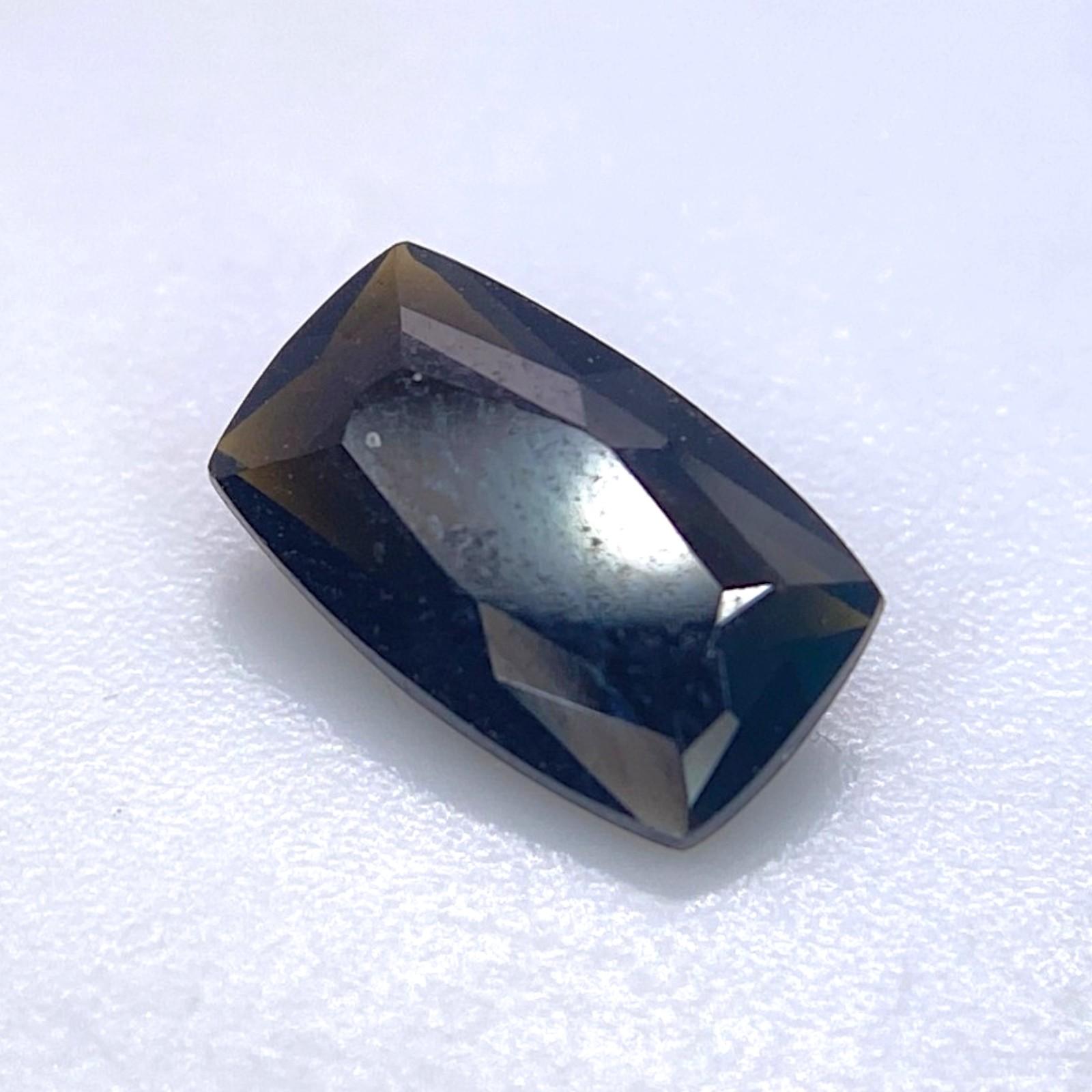
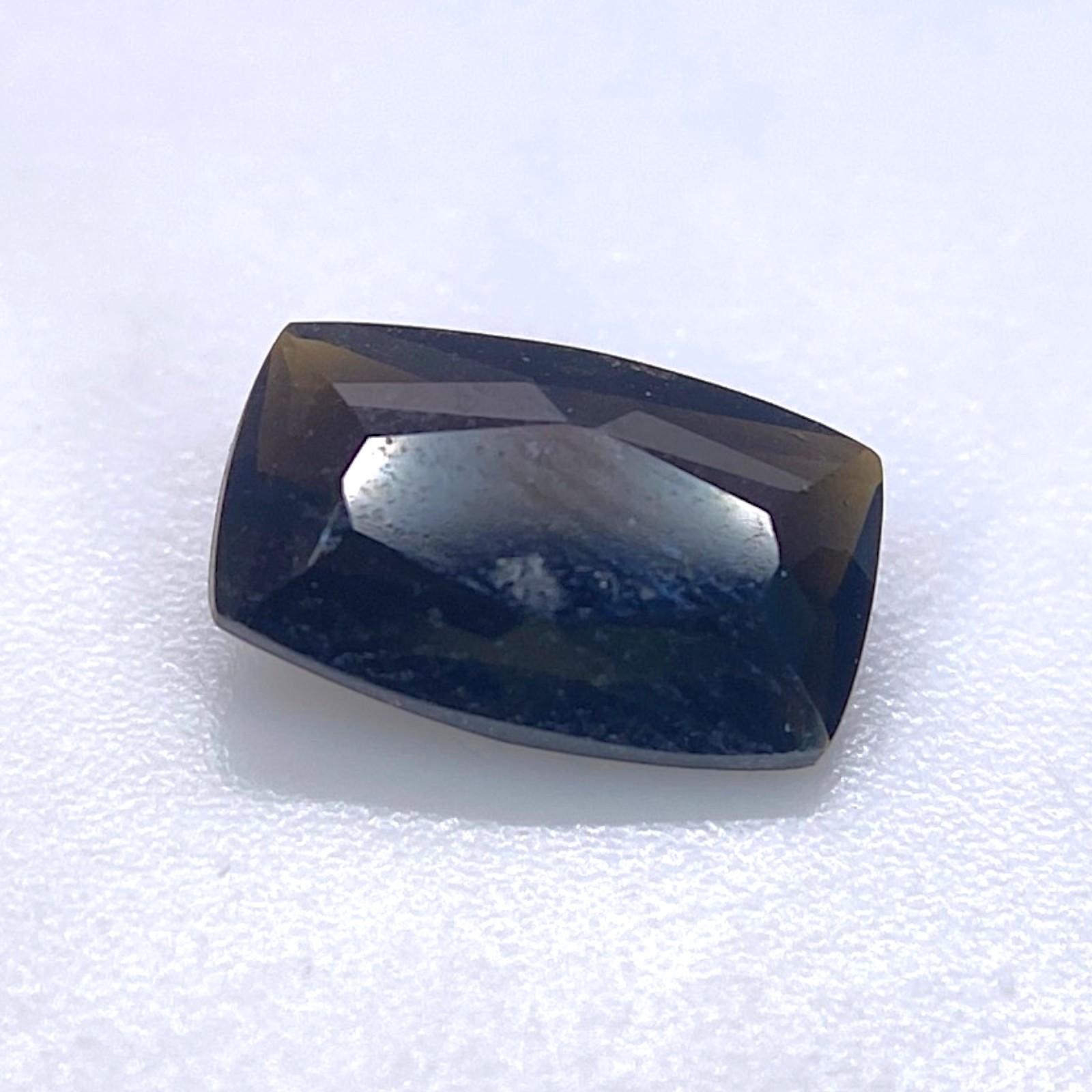
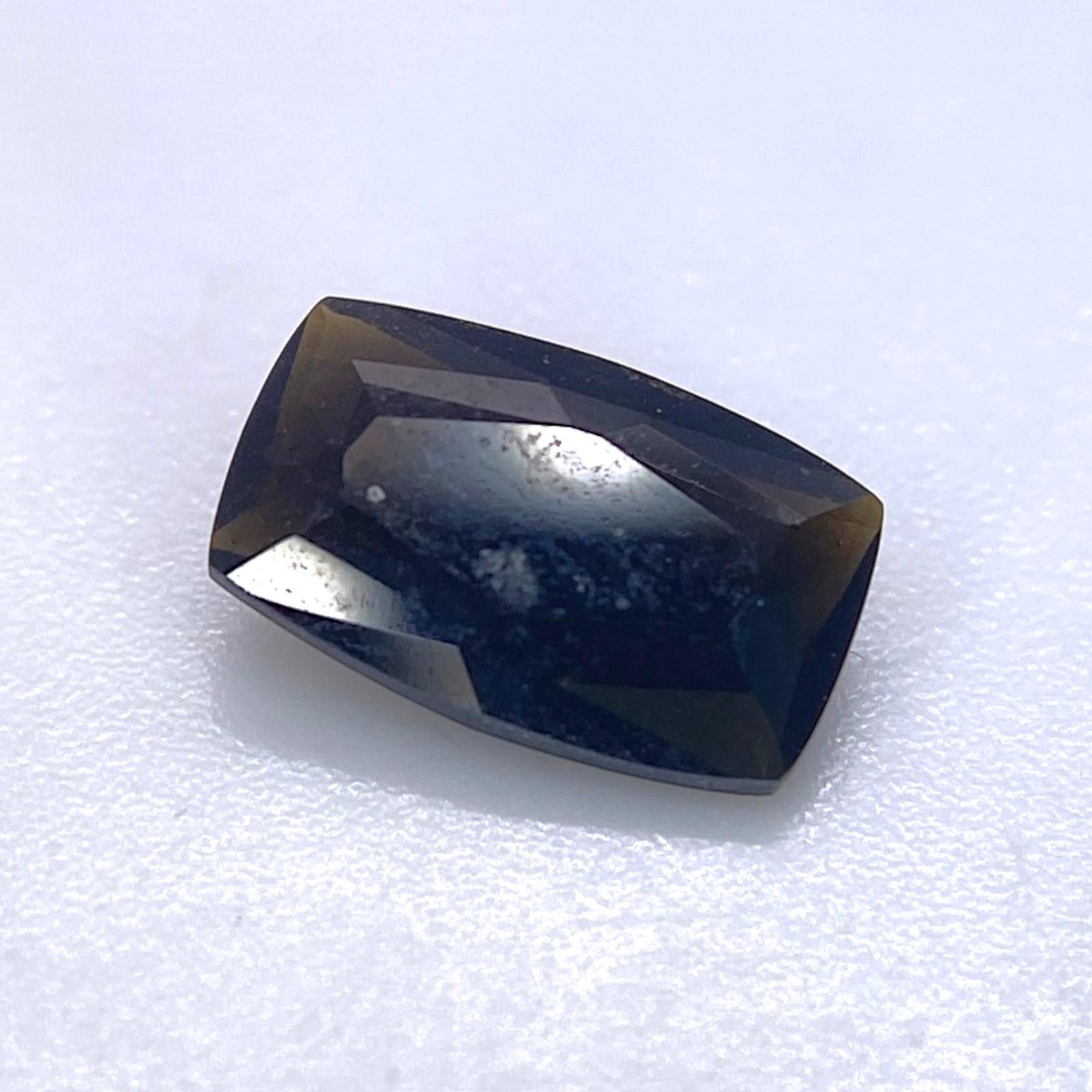
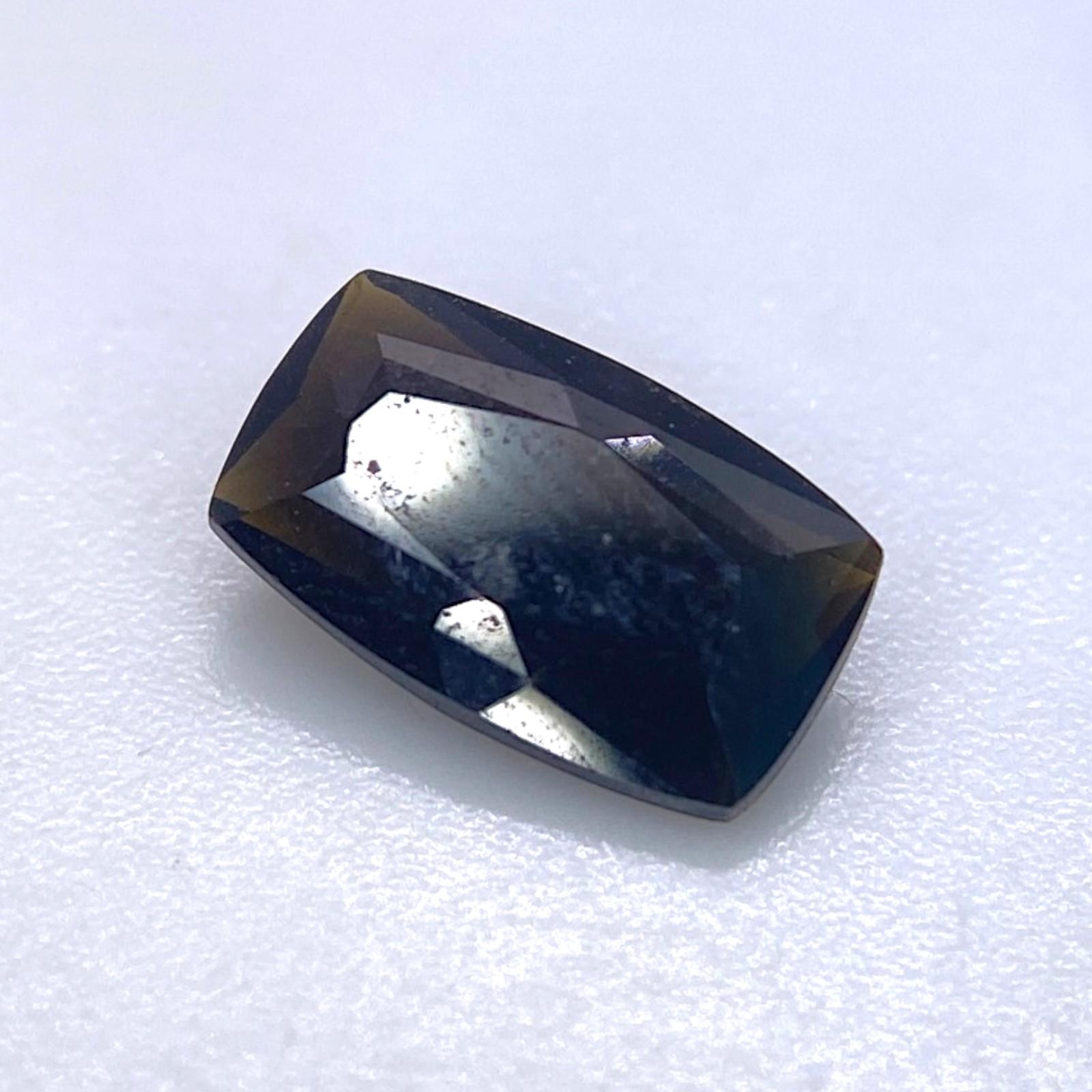
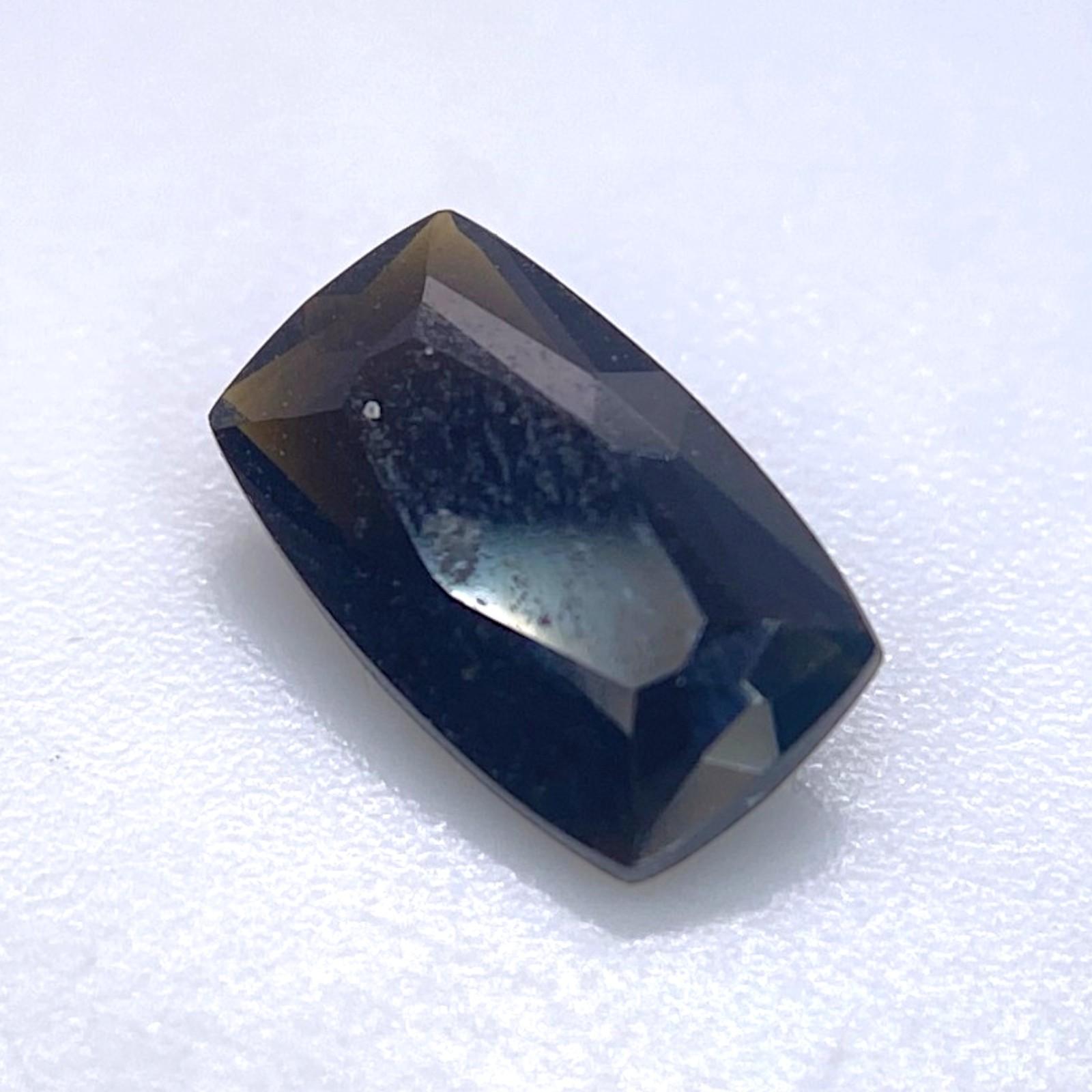
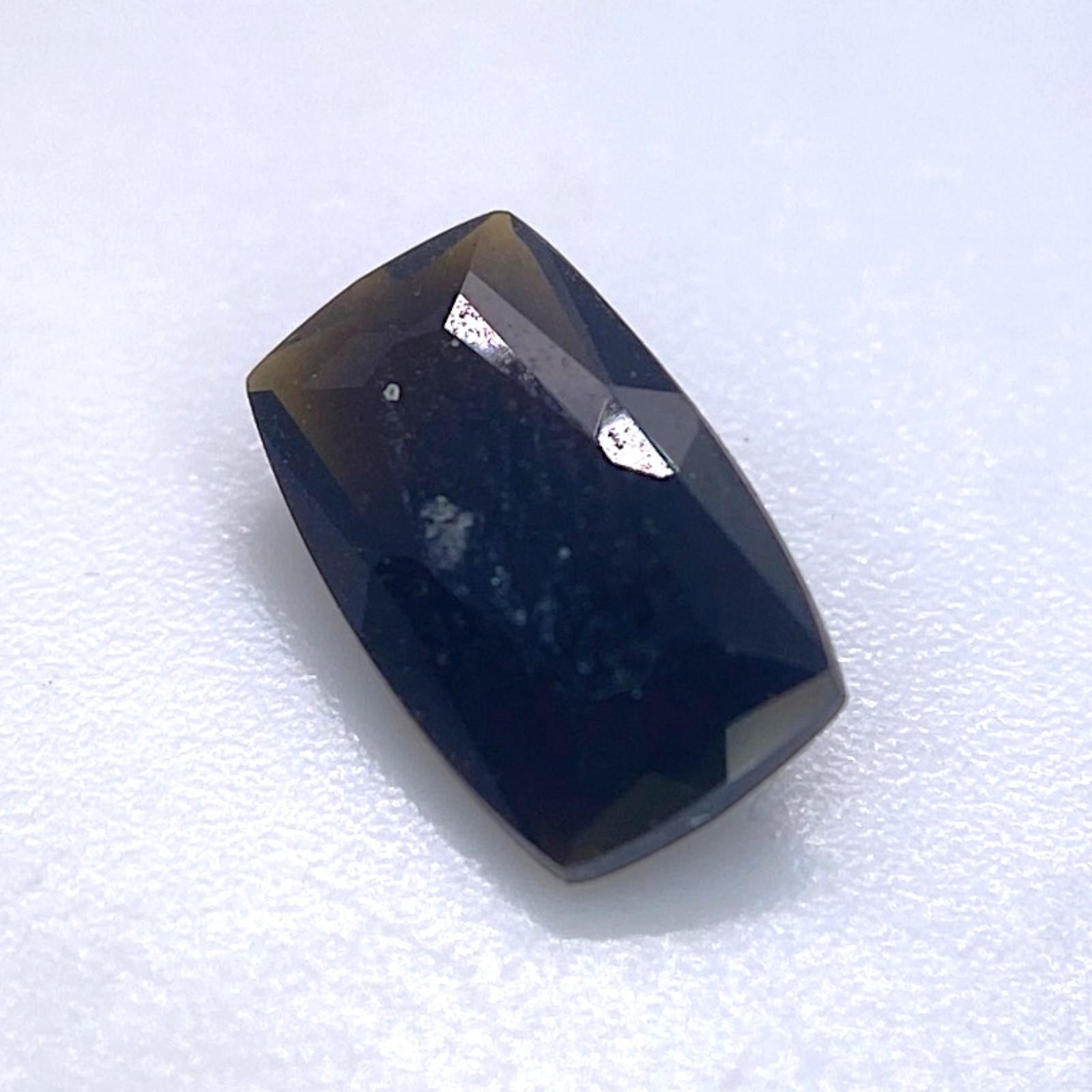
1.08 ct INDOCHINITE TEKTITE – THAILAND
EXPERT VERIFIED
- Expert Verified Gemstone
- Fast Handling & Shipping
- Secure Vault Packaging
$ 120
Offer amount Feild


Smart Collector Choice


Pay with Crypto & Get 10% Automatic Discount

Availability: 1 in stock


- Freakingcats Gemstone Database
Indochinite Tektite
Faceted Indochinite from the vast strewn fields of Southeast Asia represents the “kinetic-silica” peak of the tektite world. A natural impact glass forged during a catastrophic meteorite collision approximately 780,000 years ago, it is a species I have always respected for its “midnight-charcoal” to “deep-olive-black” saturation and its status as a masterpiece of “fluid-dynamic” structural discipline. For the specialist, a faceted Indochinite is a prize of extreme lapidary focus; it offers a high-adamantine to vitreous luster and a “solid” presence that makes it a true “high-vibration” asset for the systematic vault. As an artist, I find the “shadow-neon” depth and the “spectral” challenge of transforming raw, cosmic glass into a highly disciplined, geometric gemstone to be one of the lapidary world’s most sophisticated and “intense” undertakings.
The Heritage & Discovery
Historical Significance Indochinite is a vital species for understanding the extreme thermodynamics of hypervelocity meteorite impacts on terrestrial sediments. Historically, these dark tektites belong to the largest splash-form group of the Australasian strewn field. In the world of fine minerals, a faceted example is celebrated for its rare, “intense-black” brilliance, which stands as a symbol of cosmic transformation and structural focus. It serves as a reminder that the most “violent” moments in Earth’s history can leave behind raw materials that can be tamed into high-luster, gem-grade masterpieces when subjected to the exacting eye of an expert gem cutter.
Discovery & The Lapidary Peril While Indochinites are found abundantly across Thailand, Vietnam, and Cambodia, transforming an uncut specimen into a faceted gemstone reveals the extreme internal stress locked within the material. Scientifically, it is an amorphous, high-silica glass containing volatile-free impact melt. This extreme internal tension makes faceting them exceptionally difficult and hazardous. When a lapidary saw cuts open a raw tektite, the relief of this ancient, pent-up kinetic energy can be so violent that the stone literally explodes and scatters. This unexpected shattering poses a genuine danger to the craftsman, sending razor-sharp fragments of tectonic glass airborne. My own respect for faceted pieces grew from understanding this risk; navigating this volatile structural pressure to yield a flawless, smooth table requires a “sharp” precision that distinguishes true masters from the amateur listings seen on platforms like eBay.
Important Locations The undisputed world capitals for the finest, high-density Indochinite specimens suitable for faceting are the deep alluvial soils of the Khorat Plateau in Thailand and the coastal regions of the Indochina Peninsula. These locations set the global benchmark for size, density, and structural integrity. I also have a high regard for the classic splash-forms from Guangdong Province, China. For the vault, I prioritize the Thai material for its local historical significance and its status as a rarely conquered challenge of the lapidary arts.
Mineralogical Profile
Description Indochinite is an impact glass (tektite) that is amorphous, lacking a crystal lattice. It sits at a 5.5 to 6.5 on the Mohs scale, making it a durable glass, though its “brittle” nature and high internal stress mean it must be handled with care to preserve its polished facets and vitreous surfaces. It is characterized by a bright vitreous luster when polished and an unmistakable, “pitch-black to dark-brownish-green” color palette when viewed under intense, transmitted light.
One of its most identifying traits is its conchoidal fracture and the presence of microscopic lechatelierite (high-temperature melted quartz) and gas bubbles captured inside the glass matrix. It has a refractive index (n approx 1.50) and a specific gravity (SG approx 2.4) that reflects its dry, silica-rich volcanic-like origin. Because it forms instantly during a cosmic impact, it lacks the crystal faces of standard minerals but gains a unique, liquid-like depth when cut. When I select a faceted piece for the collection, I look for “pure” polish symmetry and an absence of internal stress fractures, as these highlight the sophisticated, three-dimensional geometry of the gem’s successful transformation. It is a heavy, high-vibration material that offers a unique, “shadow-neon” beauty unlike any other faceted glass variety.
Chemical Formula SiO2 (+ Al2O3) — A high-silica cosmic glass dominated by silicon dioxide, with secondary percentages of aluminum, iron, and potassium oxides.


