
1.17 ct PERICLINE – PAKISTAN
EXPERT VERIFIED
- Expert Verified Gemstone
- Fast Handling & Shipping
- Secure Vault Packaging
$ 150
Offer amount Feild


Smart Collector Choice


Pay with Crypto & Get 10% Automatic Discount

Availability: 1 in stock
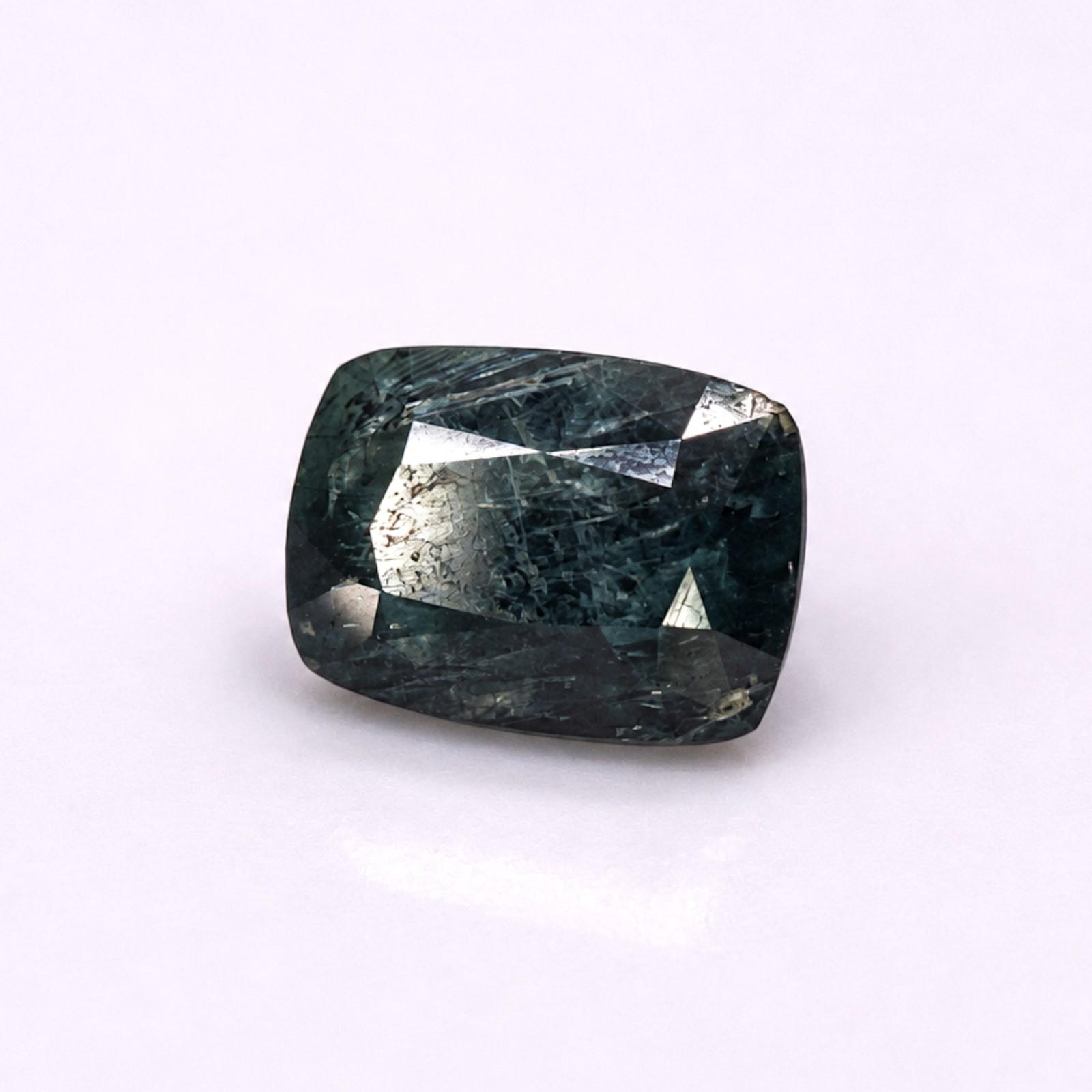
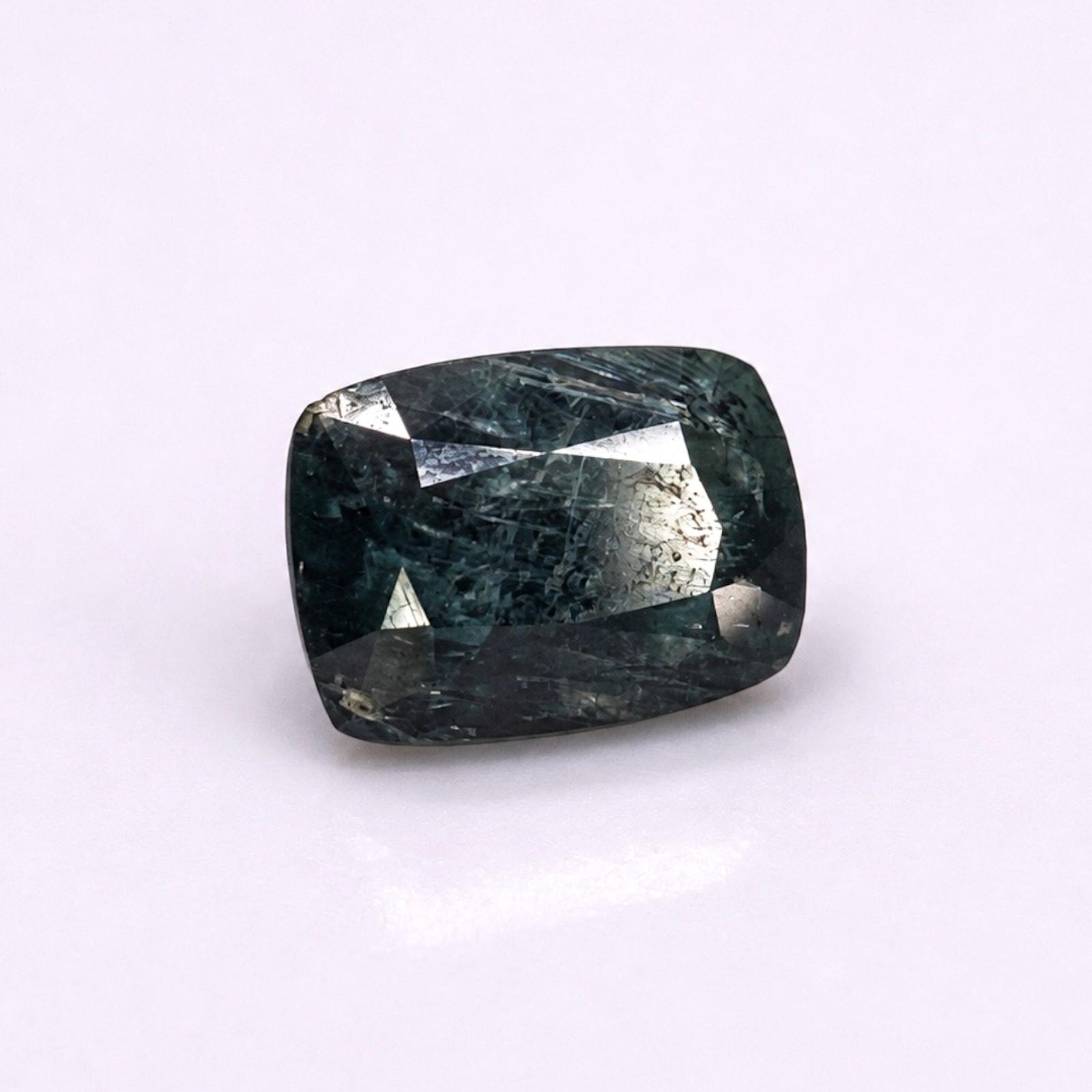
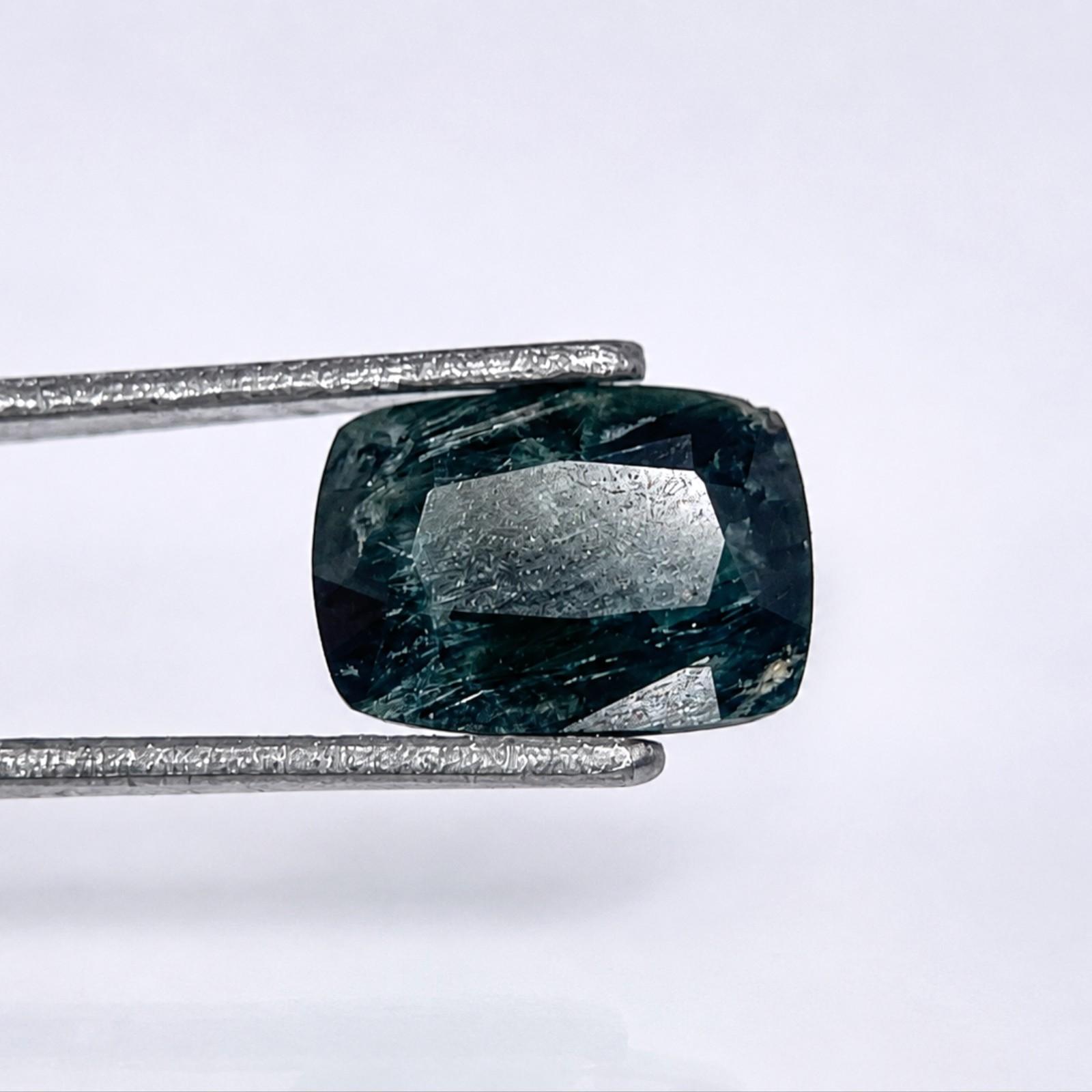
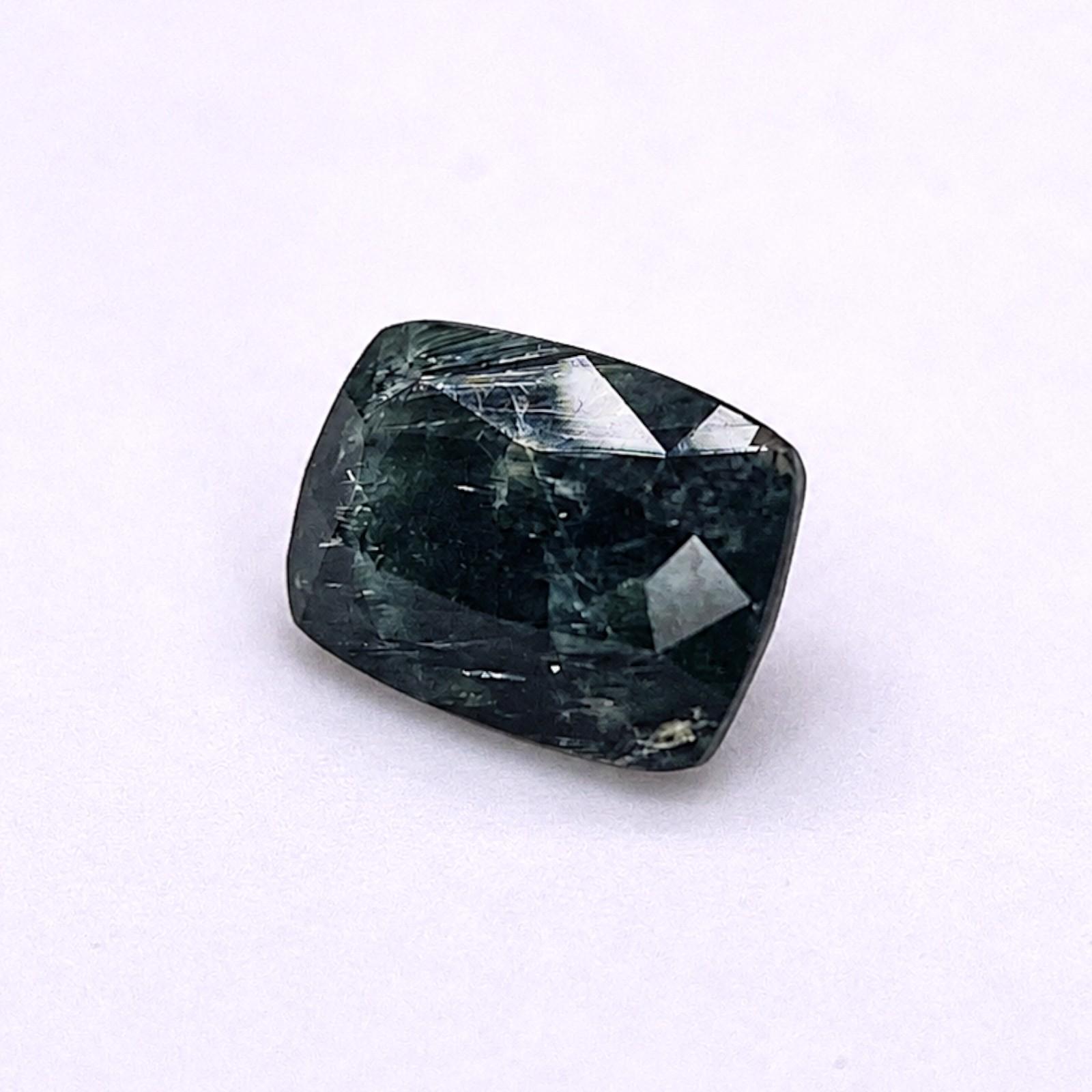
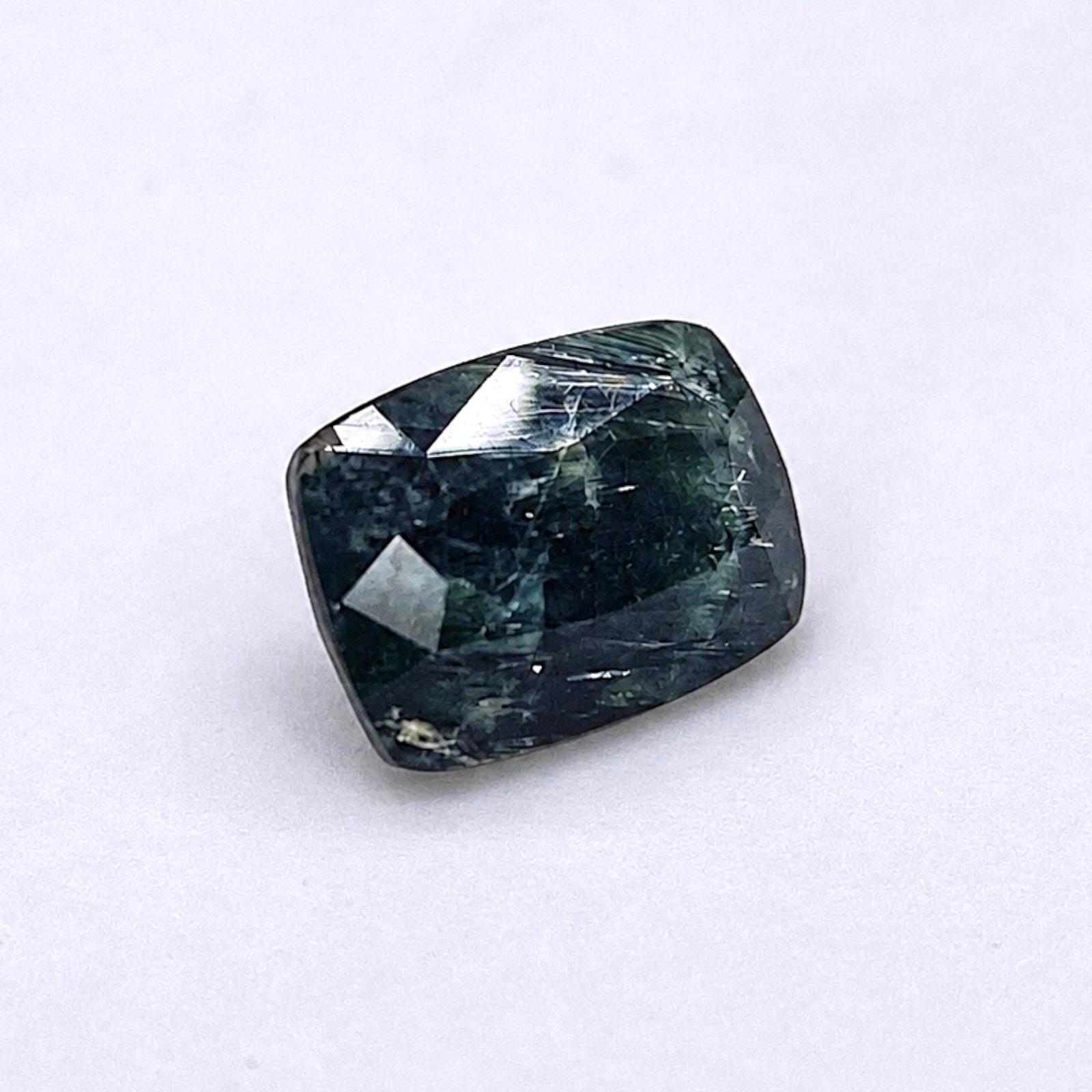
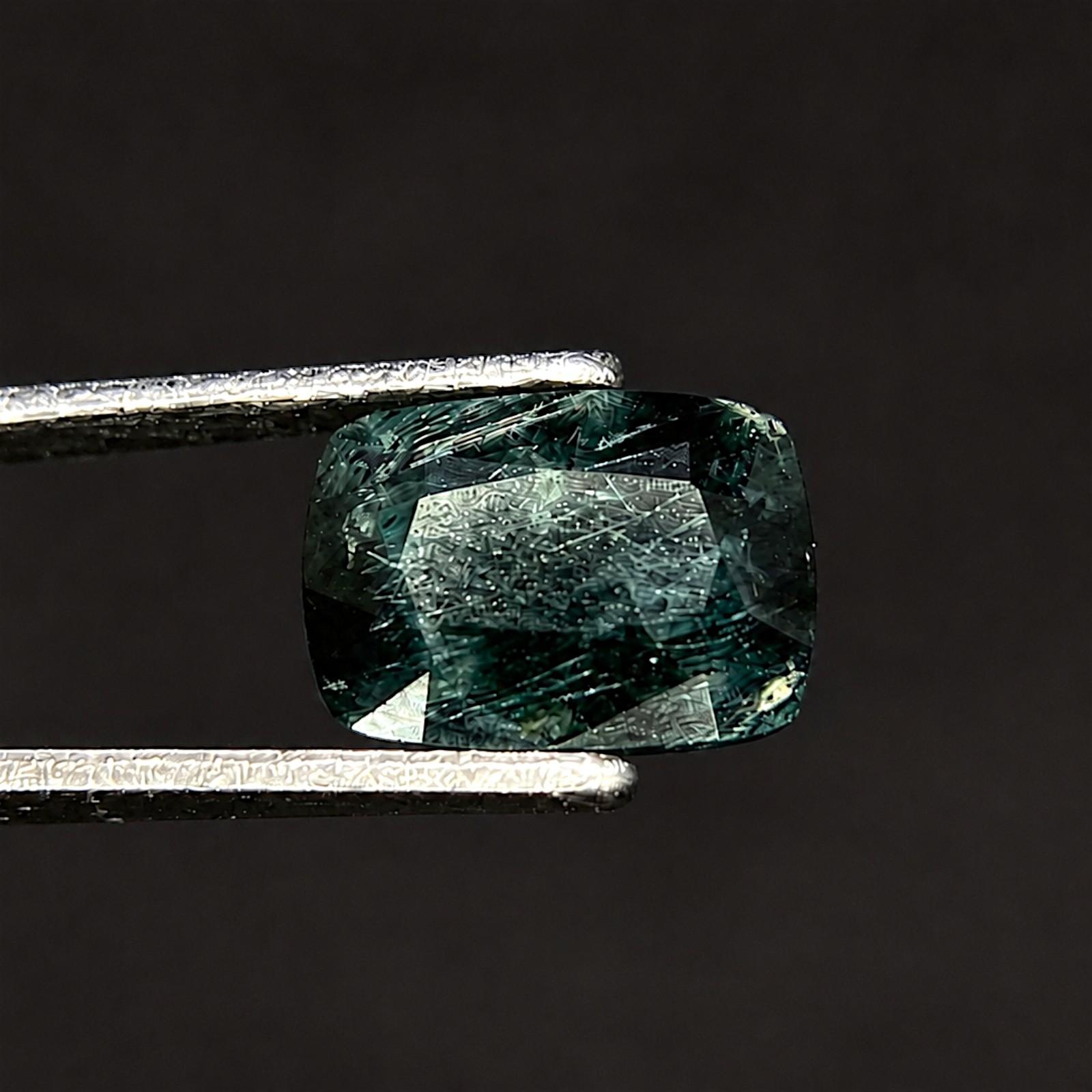
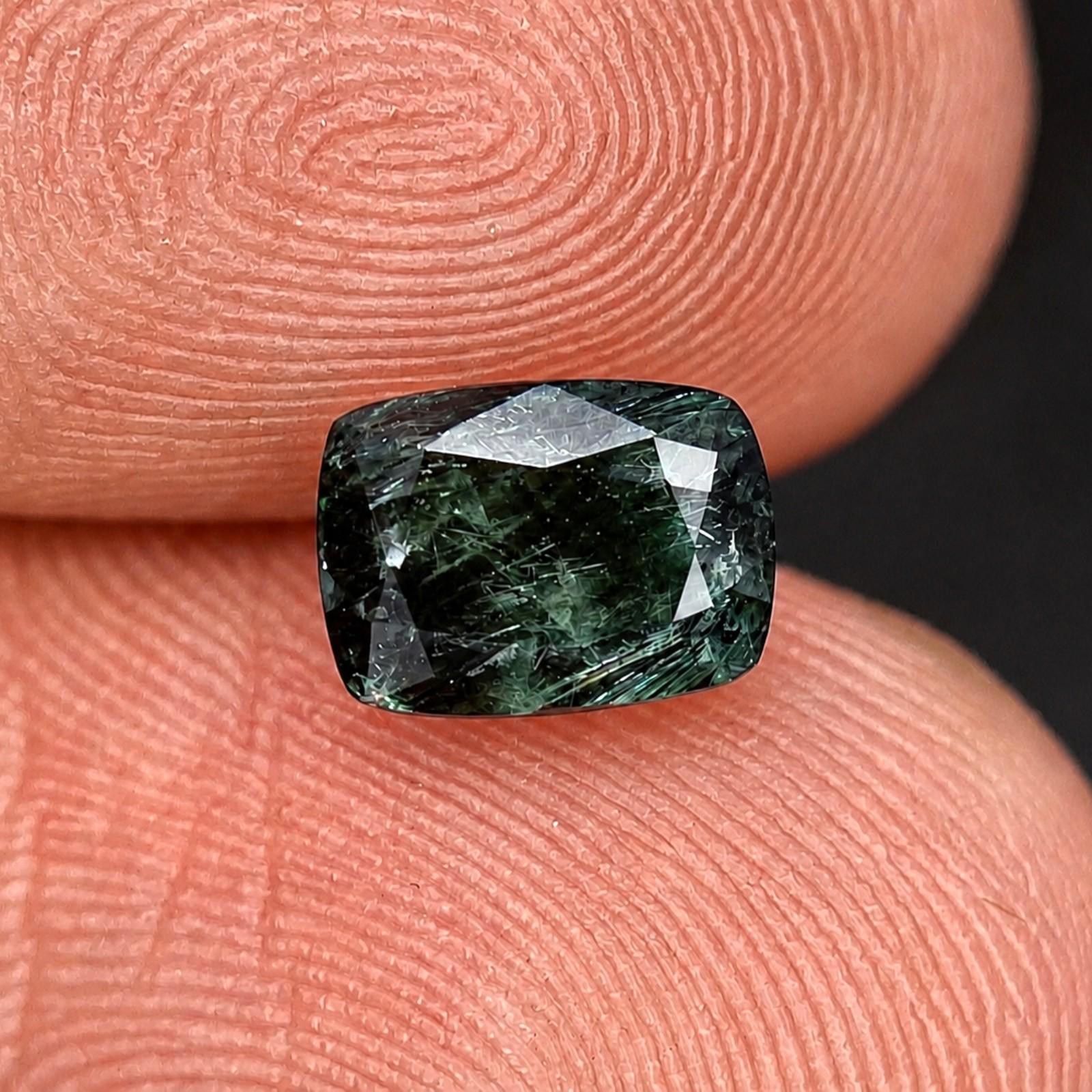


- Freakingcats Gemstone Database
Pericline (Pakistan)
Pericline from the high-altitude alpine-type fissures of Pakistan represents the absolute architectural pinnacle of specialized plagioclase feldspar twinning. A distinctive, structurally elongated variety of albite, it is a species I have always respected for its “milky-opal” to “stark-porcellaneous-neon” opacity and its status as a masterpiece of “triclinic” structural discipline. For the specialist, a top-tier Pakistani Pericline is a coveted prize of low-temperature hydrothermal fluid tension, acting as the ultimate textural pedestal that hosts elite accessory minerals; it offers a bright vitreous to highly developed pearly luster and a highly structured, anchoring presence that makes it a true asset for the systematic vault. As an artist, I find the clean, rhythmic geometry of its milk-white, blocky crystal aggregates contrasting against the intense coloration of gemmy tourmalines or electric green epidotes to be one of nature’s most sophisticated and balancing canvases.
The Heritage & Discovery
Historical Significance
Pericline is a vital geological marker for understanding the precise crystallographic stresses, low-temperature fluid paths, and sodic alteration vectors that define alpine cleft paragenesis. Historically, the variety holds a prominent place in European mineralogical history, named in the early 19th century from the Greek word periklines (meaning “folded all around” or “sloping on all sides”) in direct reference to its highly modified, acutely angled crystal morphology. In the world of fine minerals, Pakistani specimens are celebrated for their sharp, architectural development, serving as a masterclass in the eponymous “pericline twin law” where structural shearing forces create elongated, prismatic habits along the b-axis that contrast sharply with standard, tabular albite crystals.
Discovery
While classic alpine occurrences were documented across Switzerland and Austria for generations, the systematic exploration of the tectonic fault zones within northern Pakistan completely redefined our global appreciation of the scale and clarity this feldspar variety could achieve. Scientifically, Pericline represents a specific structural adaptation of sodium aluminum silicate, frequently developing complex internal twin lamellae as the lattice stabilizes under slow cooling parameters. The opening of these rugged, vertical mountain clefts provided mineralogists with spectacular, freestanding blocks and matrix sheets that showcase its unique, light-reflective beauty. My own respect for this material grew from observing its behavior as a structural foundation; specifically, the way its highly defined, ivory-like steps and micro-striated faces reflect light with a soft, sub-pearly depth is a visual impact that is unmistakable to the trained eye.
Important Mines
The undisputed modern capital for aesthetic, collector-grade expressions of this variety within Pakistan remains the prolific alpine cleft networks of the Gilgit-Baltistan region. Outstanding museum-quality matrices have historically emerged from the high-altitude pegmatites and metamorphic veins of the Shigar Valley and the legendary districts around Skardu, alongside highly aesthetic, sharply formed groups secured from the alpine pockets of the Swat Valley and the Tormiq region. For the vault, I prioritize specimens that exhibit sharp, unblemished edge geometry, stark color purity, and an active host role supporting contrasting species like titanite, quartz, or clinozoisite, as they represent a beautifully balanced masterpiece of primary metamorphic geology.
Mineralogical Profile
Description
Pericline is an elongated, structurally twinned variety of Albite, a sodium aluminum silicate belonging to the plagioclase feldspar group that crystallizes in the triclinic system. It sits at a robust 6 to 6.5 on the Mohs scale, meaning its tough, interlocking crystal blocks are highly resistant to physical abrasion and require only standard archival handling to safeguard its brilliant vitreous to pearly surfaces. It is characterized by its bright surface reflectivity and a clean, minimalist color palette dominated by snow-white, milky-cream, or pale translucent gray tones.
One of its most identifying traits is its perfect basal and good prismatic cleavage intersecting at nearly ninety degrees, combined with its signature elongation along the b-axis to form distinctively blocky, prism-like twins that cleanly trace historical fluid paths through host rock fractures. It possesses a relatively low refractive index running from approximately 1.528 to 1.542, contributing to its soft internal color depth and frosty appearance, and a light average specific gravity ranging between 2.60 and 2.65. Because it forms in late-stage alpine-type fissures and altered pegmatite cavities, it is commonly found in close association with Quartz, Epidote, Titanite (Sphene), Chlorite, and Muscovite. When I select an example for documentation, I look for sharp, “crisp” stepped geometry or dense, freestanding groups acting as an intact matrix, as these highlight the sophisticated, three-dimensional chemistry of the mineral’s fluid-driven birth.
Chemical Formula NaAlSi3O8


