
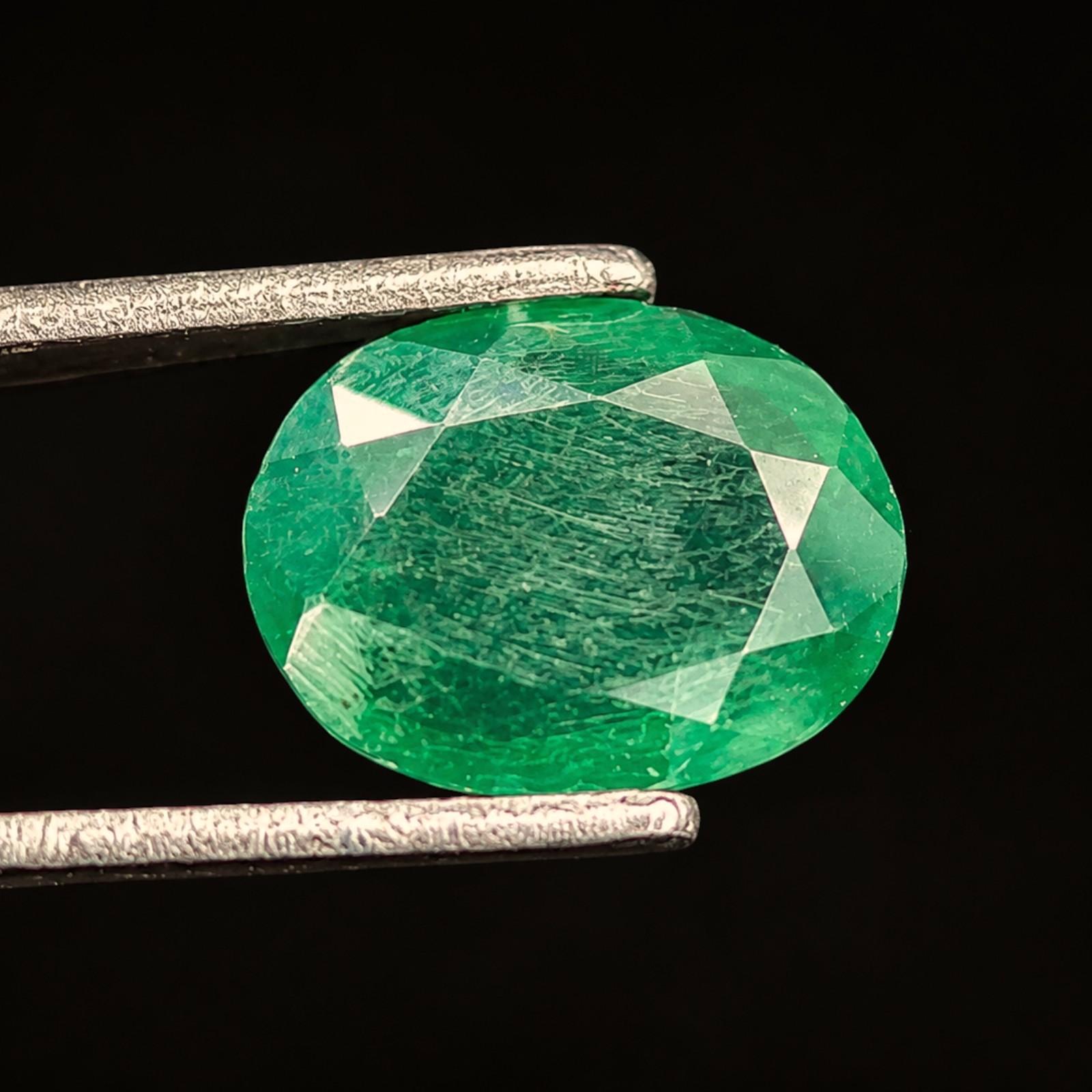
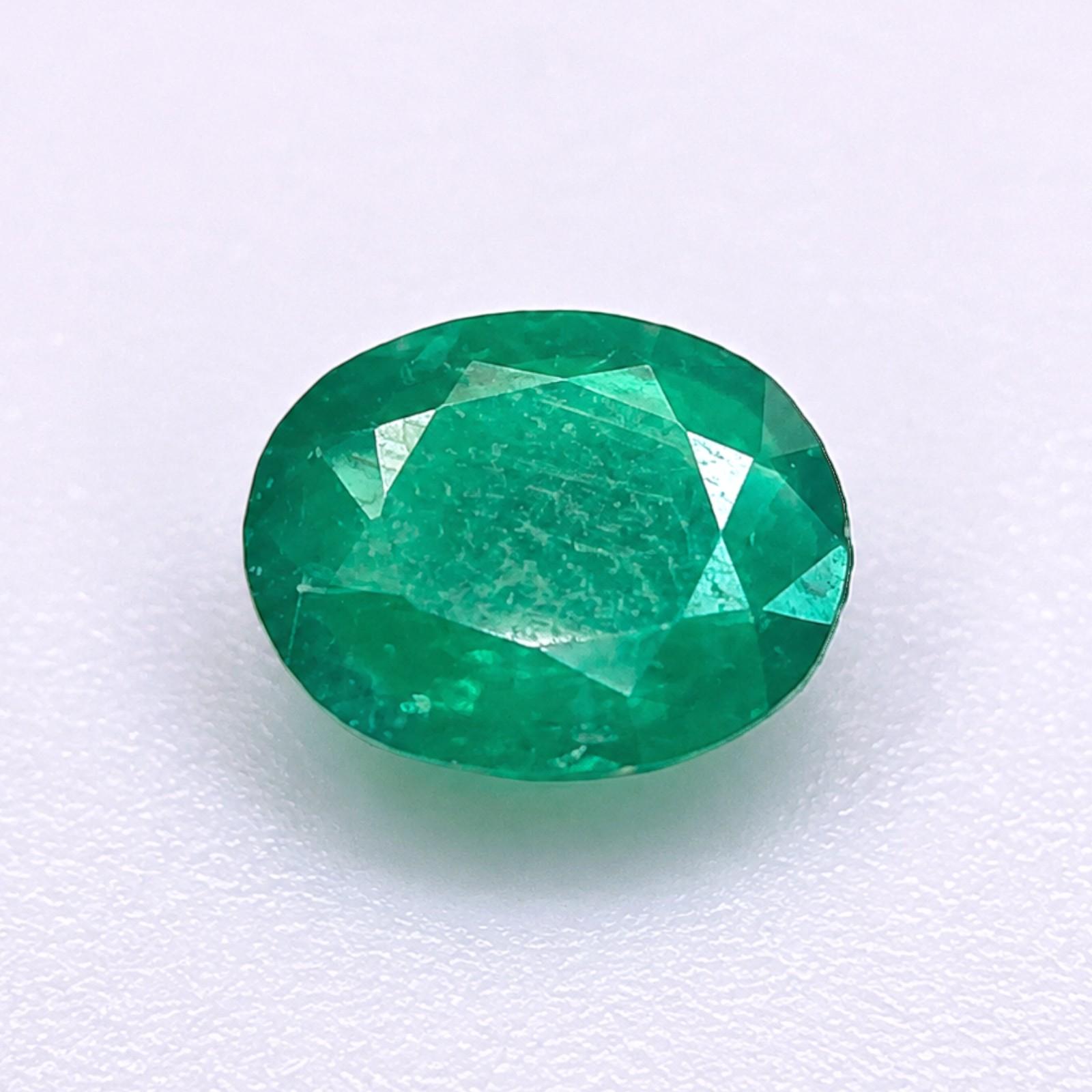
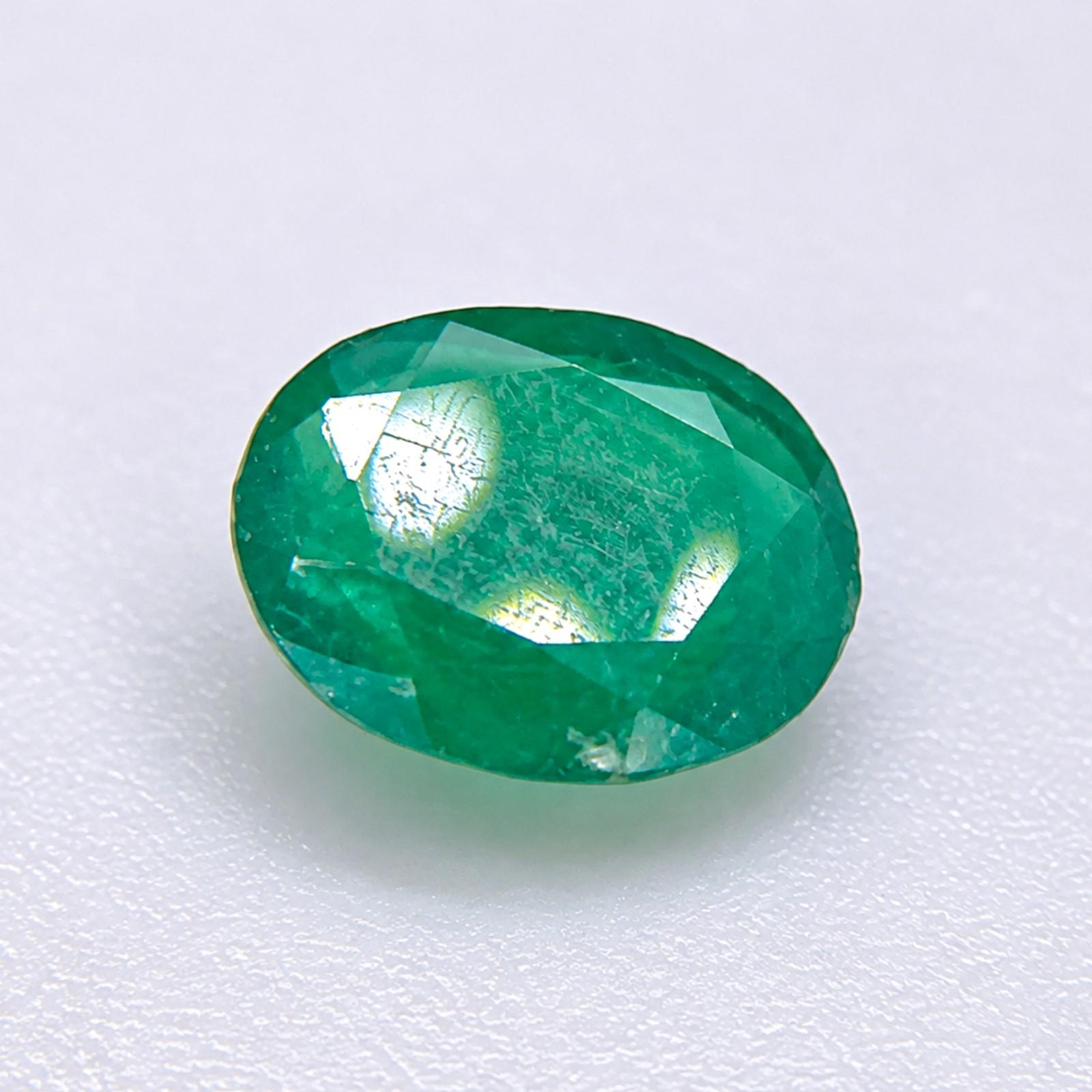
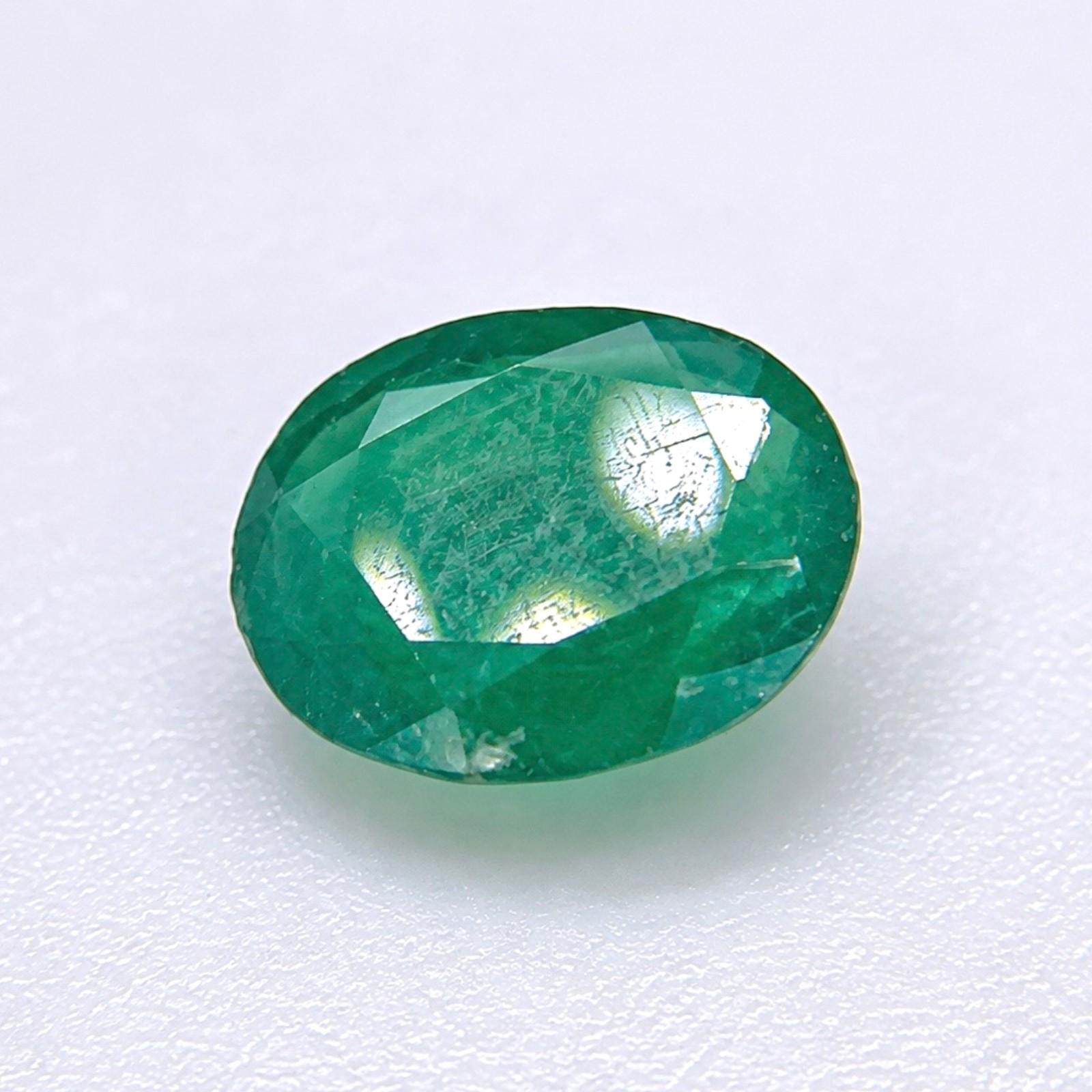
1.21 ct EMERALD – BRAZIL
EXPERT VERIFIED
- Expert Verified Gemstone
- Fast Handling & Shipping
- Secure Vault Packaging
$ 160
Offer amount Feild


Smart Collector Choice


Pay with Crypto & Get 10% Automatic Discount

Availability: 1 in stock
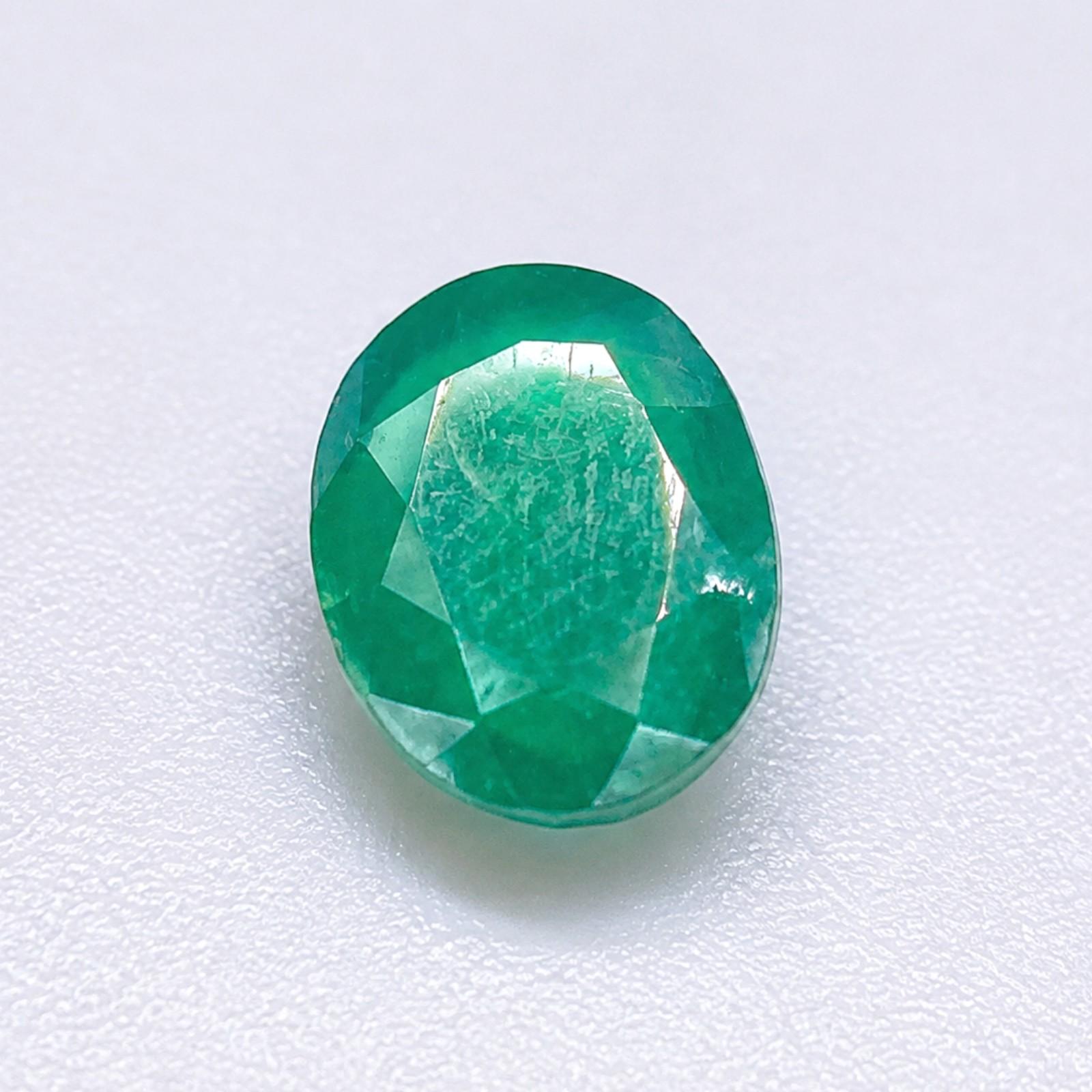
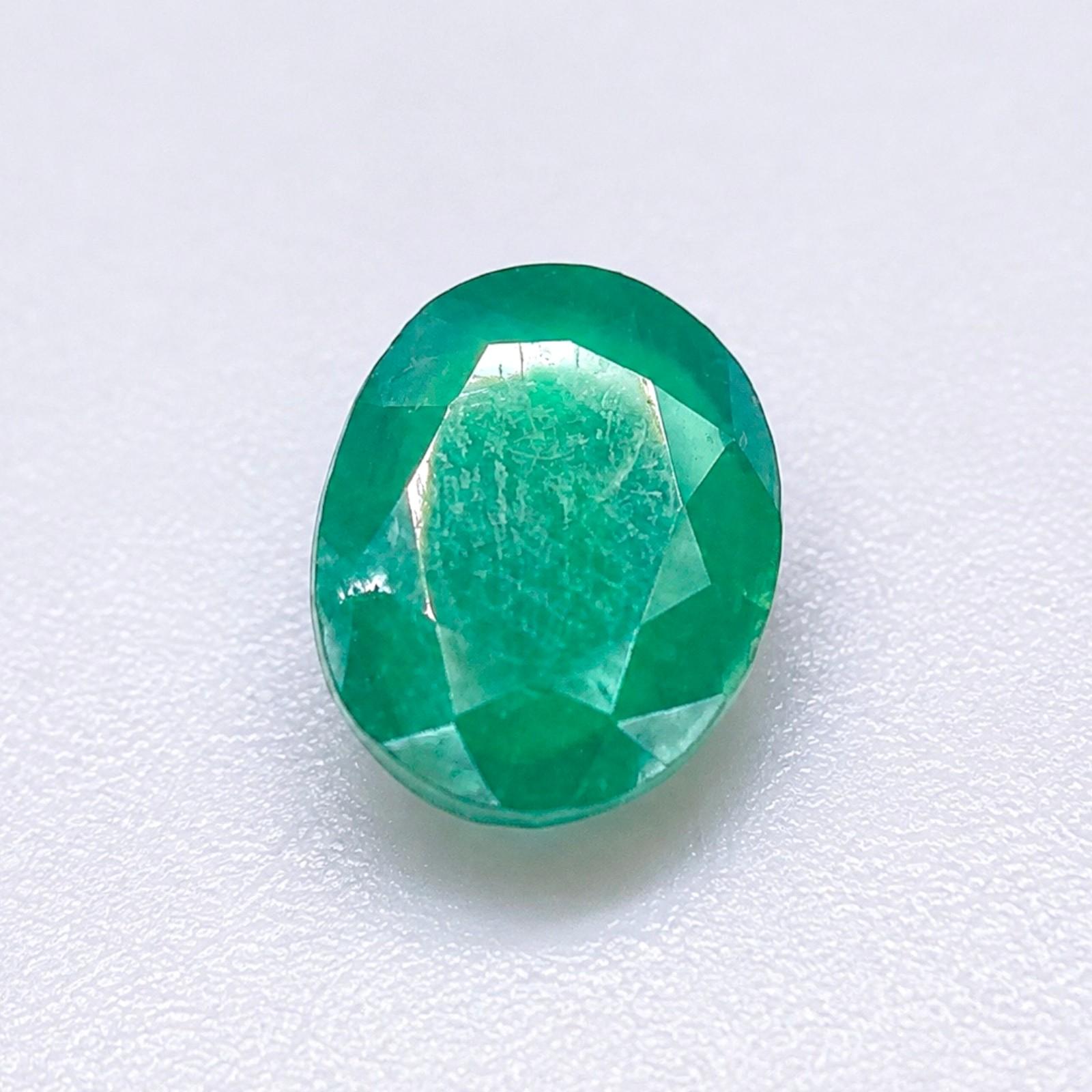
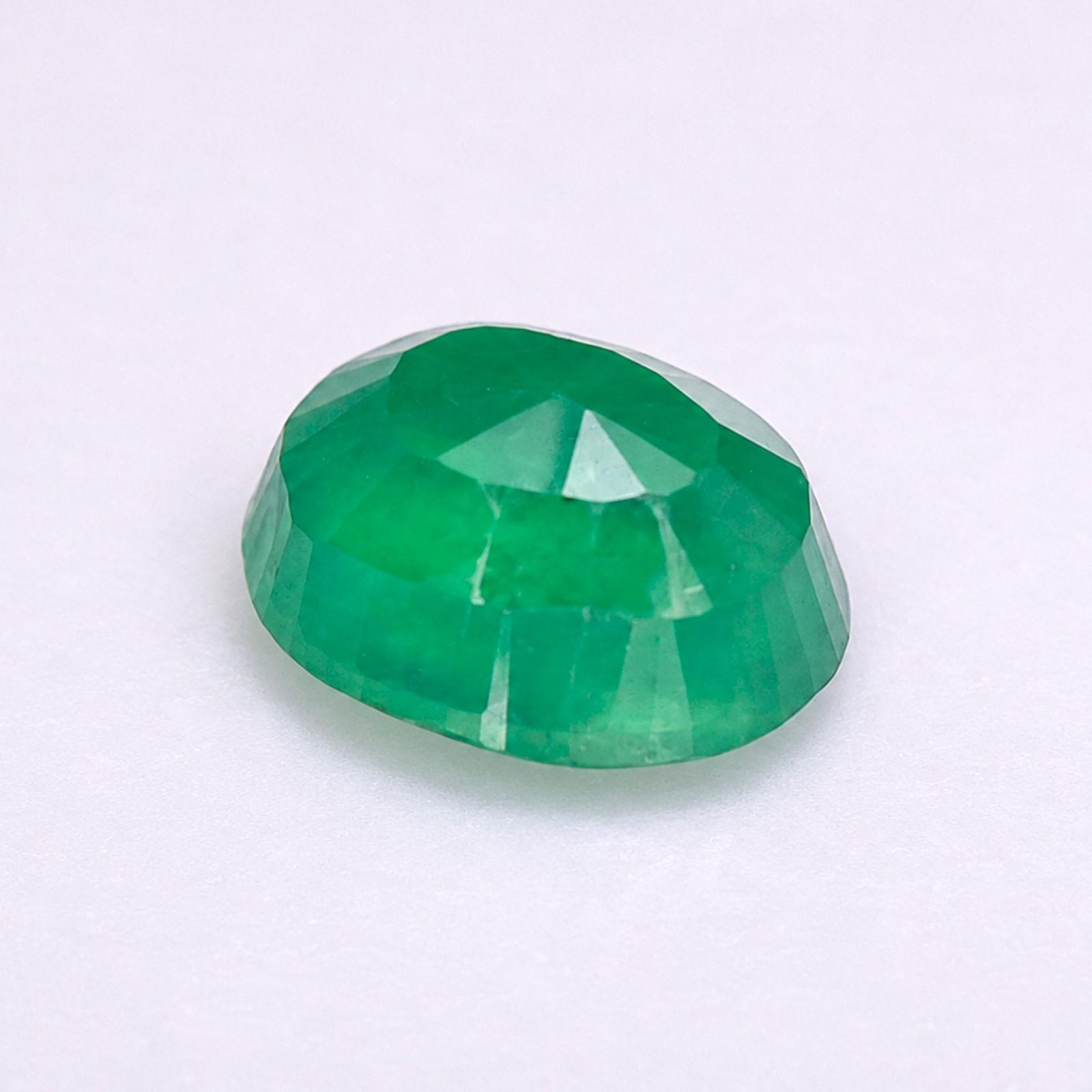


- Freakingcats Gemstone Database
Emerald (Brazil)
Emerald from the classic pegmatite-schist contact zones of Brazil represents the absolute peak of tectonic convergence and robust, deep-seated green saturation. The most legendary chromium-bearing variety of the beryl family, it is a species I have always respected for its “mint-jungle” to “electric-mint-neon” intensity and its status as a masterpiece of “hexagonal” structural discipline. For the specialist, a top-tier Brazilian Emerald—particularly those classic, sharply formed prisms anchored directly into dark phlogopite schist—is a prized trophy of complex beryllium mobilization and intense pressure; it offers a brilliant vitreous luster and a highly commanding, radiant presence that makes it a true “high-vibration” asset for the systematic vault. As an artist, I find the electrifying contrast between its rich, translucent green columns and the dark, glittering fields of its host biotite or phlogopite matrix to be one of nature’s most sophisticated and powerful palettes.
The Heritage & Discovery
Historical Significance
Emerald is a vital cornerstone species for decoding the complex, cross-boundary geochemical interactions where beryllium-bearing granitic fluids collide with chromium-rich mafic or ultramafic host rocks. Historically, while Colombia has historically dominated the narrative of sedimentary-hosted emeralds, the discovery of world-class, macrocrystalline expressions across the vast shield regions of Brazil completely redefined the mineralogical study of schist-hosted beryl groups in the 20th century. In the world of fine collectibles, Brazilian specimens are celebrated for their structural toughness and historical abundance, serving as an enduring symbol of geological structural focus and trace-element interaction.
Discovery
While individual sparse finds occurred during the colonial “Bandeirantes” expeditions, the discovery of major primary pegmatite-schist contact zones in the latter half of the 20th century completely transformed the global mineral market. Scientifically, Brazilian emeralds are highly distinctive, often incorporating both chromium and vanadium alongside trace amounts of iron, which modulates the body color to include a subtle, highly attractive yellowish-green or deep mint secondary undertone. The unearthing of these rich pocket networks provided mineralogists with spectacular, well-terminated hexagonal columns that showcase an exceptional internal depth. My own respect for this material grew from observing its distinct structural habits; specifically, the way its crisp, six-sided geometry holds its ground against the twisting, high-pressure layers of its host metamorphic environment is a visual impact that is unmistakable to the trained eye.
Important Mines
The undisputed capital for aesthetic, matrix-supported expressions of this species within Brazil remains the prolific mining districts of Bahia, most notably the legendary Carnaíba and Socotó mines, famous for producing highly aesthetic museum specimens of emerald crystals embedded in dark schist. Globally significant, facet-grade crystalline masses have also historically emerged from the modern mining complexes of Itabira and Nova Era in Minas Gerais, as well as the prolific Santa Terezinha deposits in Goiás. For the vault, I prioritize specimens that exhibit high internal optical translucency, sharp unblemished hexagonal face parameters, and a clean, freestanding presentation on a highly contrasting mica matrix.
Mineralogical Profile
Description
Emerald is a beryllium aluminum silicate mineral colored by trace amounts of chromium and vanadium that crystallizes in the hexagonal system. It sits at a robust 7.5 to 8 on the Mohs scale, meaning its highly lustrous crystal prisms are physically hard and exceptionally resistant to surface scratching, yet its internal architecture is frequently marked by natural microscopic healing fissures—traditionally termed “jardin” (garden)—demanding careful handling and protection from severe physical shocks. It is characterized by its bright vitreous luster and its unmistakable, “deep rich emerald-green to vivid yellowish-green” color palette.
One of its most identifying traits is its imperfect basal and prismatic cleavage, breaking along uneven or conchoidal fractures, routinely forming sharp hexagonal prisms with flat, pinacoidal terminations that cleanly map historical fluid pathways through metamorphic contact fractures. It possesses a moderate refractive index running from approximately 1.570 to 1.600, contributing to its rich internal color depth, and an average specific gravity ranging between 2.67 and 2.78 that reflects its tightly bound cyclosilicate framework. Because it forms almost exclusively along active magmatic-metamorphic boundary horizons, it is commonly found in close association with Phlogopite, Biotite, Quartz, Albite, Molybdenite, and Fluorite. When I select an example for documentation, I look for sharp, “crisp” hexagonal columns or freestanding, backlit crystals standing proud of their natural matrix, as these emphasize the sophisticated, multi-element chemistry of the mineral’s deep-seated birth.
Chemical Formula
Be3Al2(SiO3)6


