
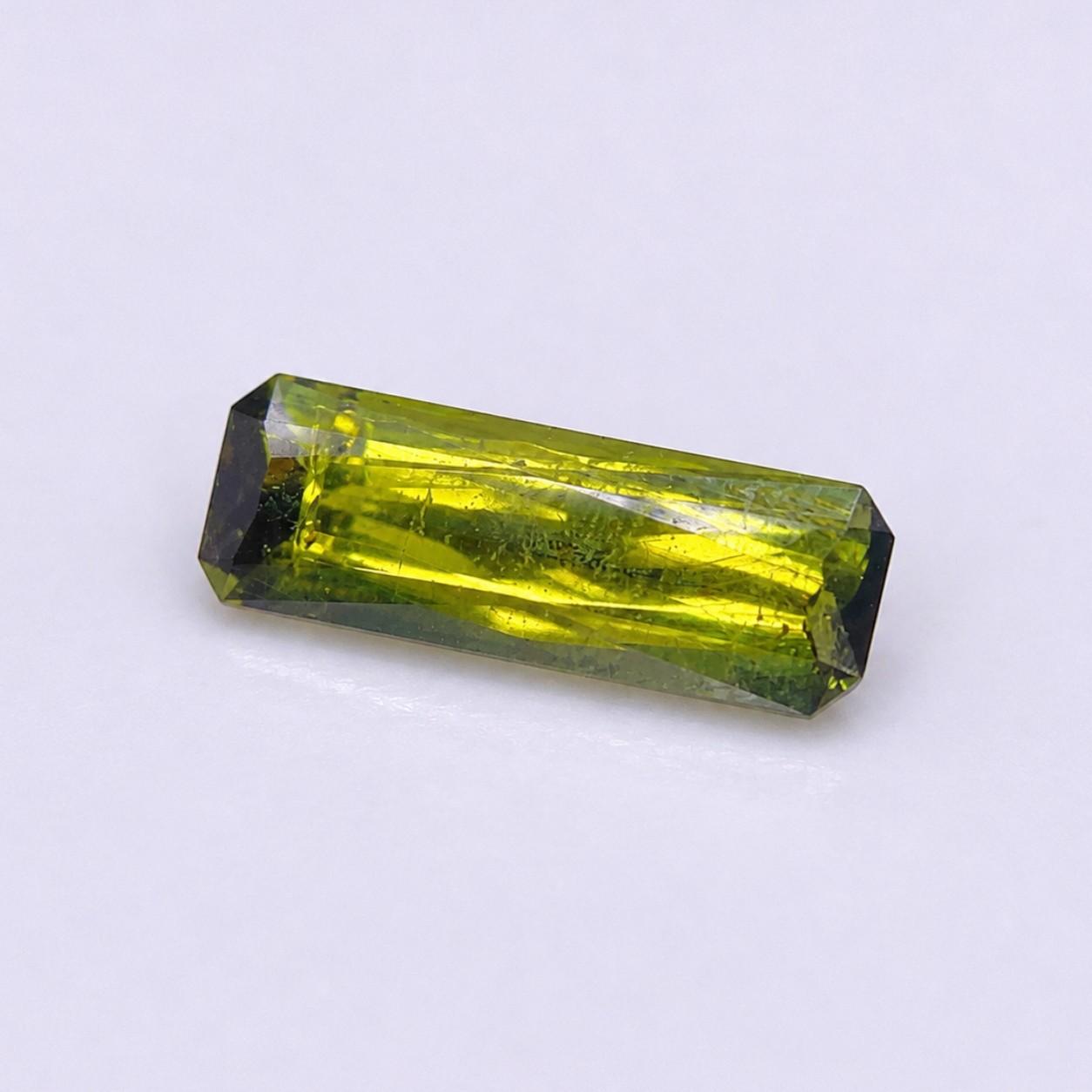
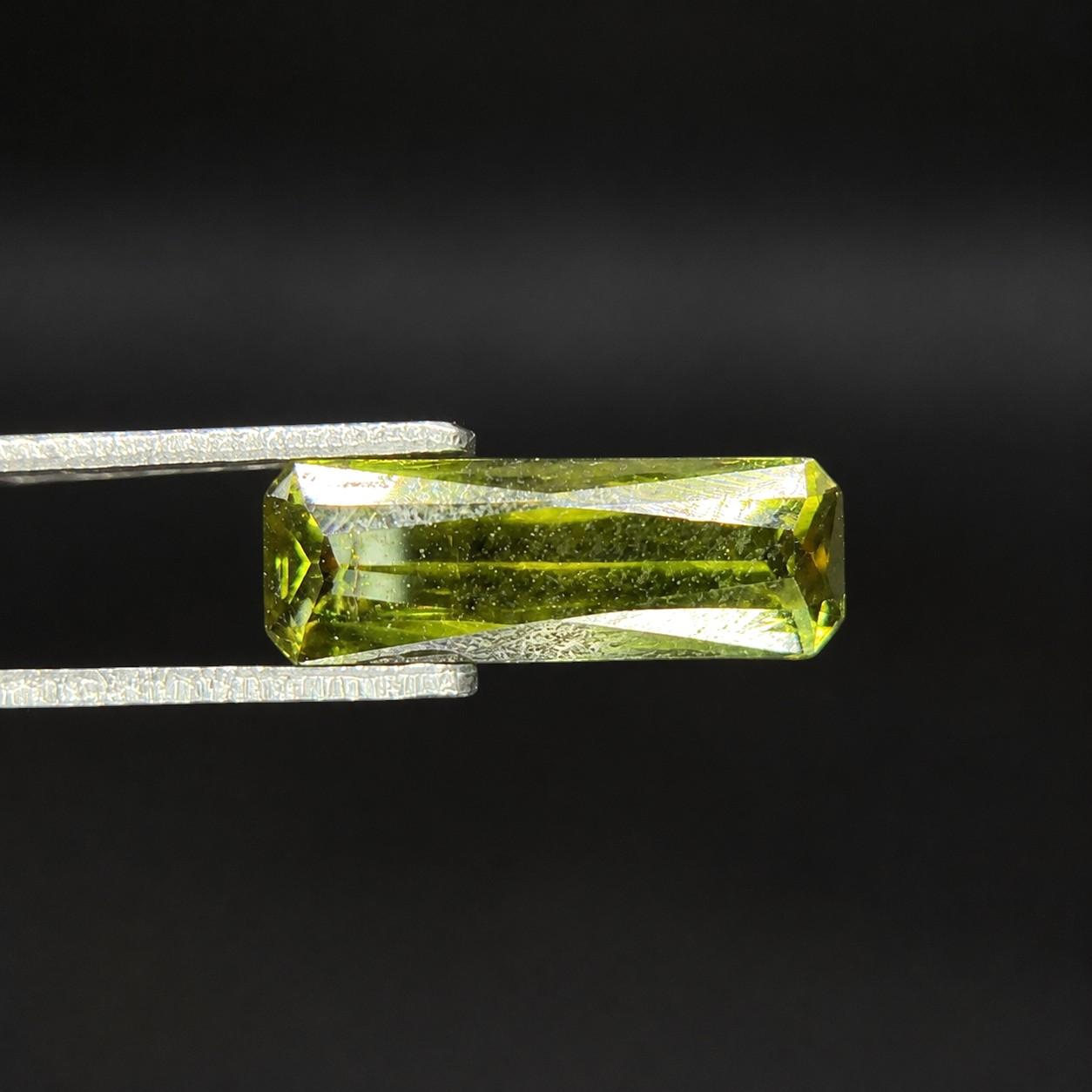
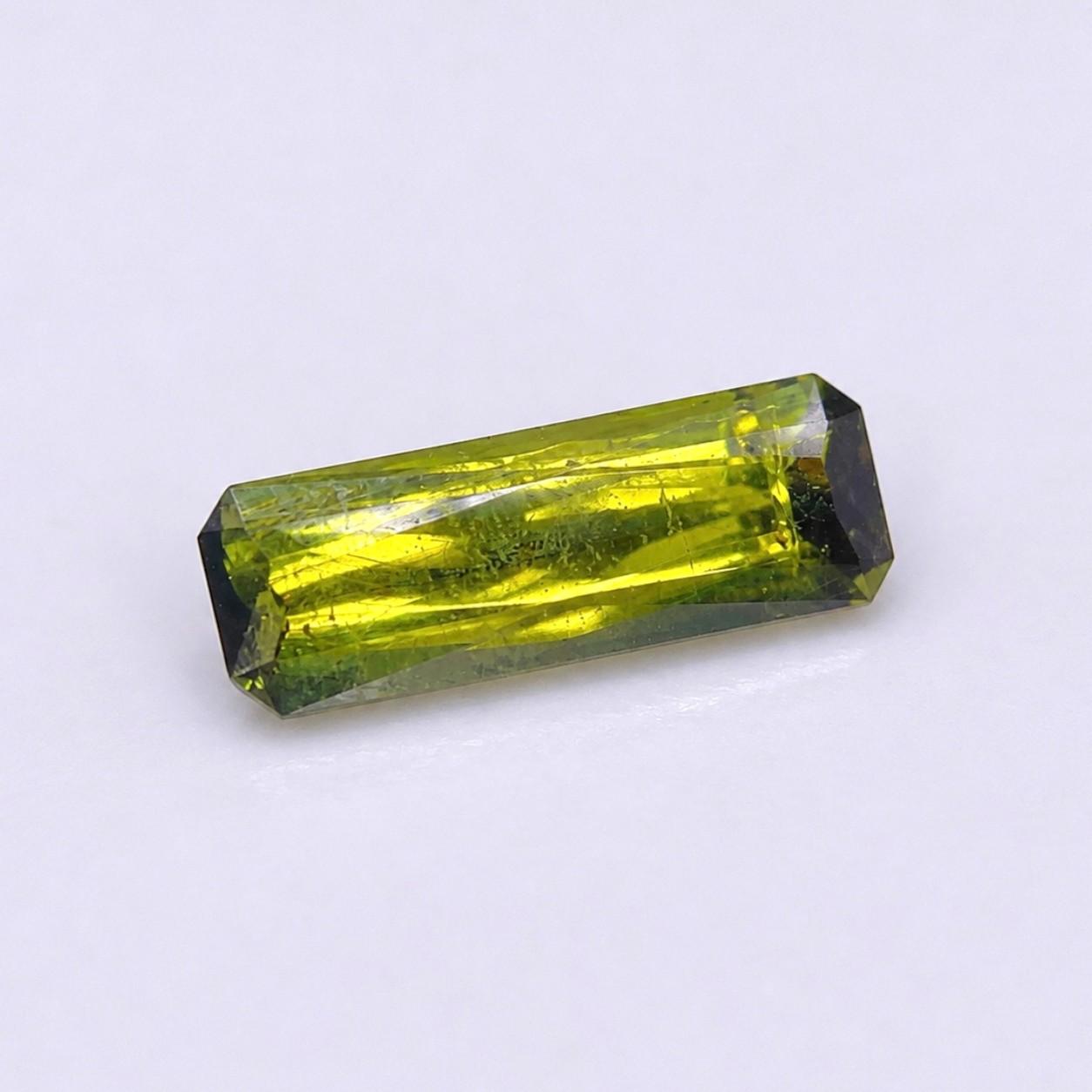
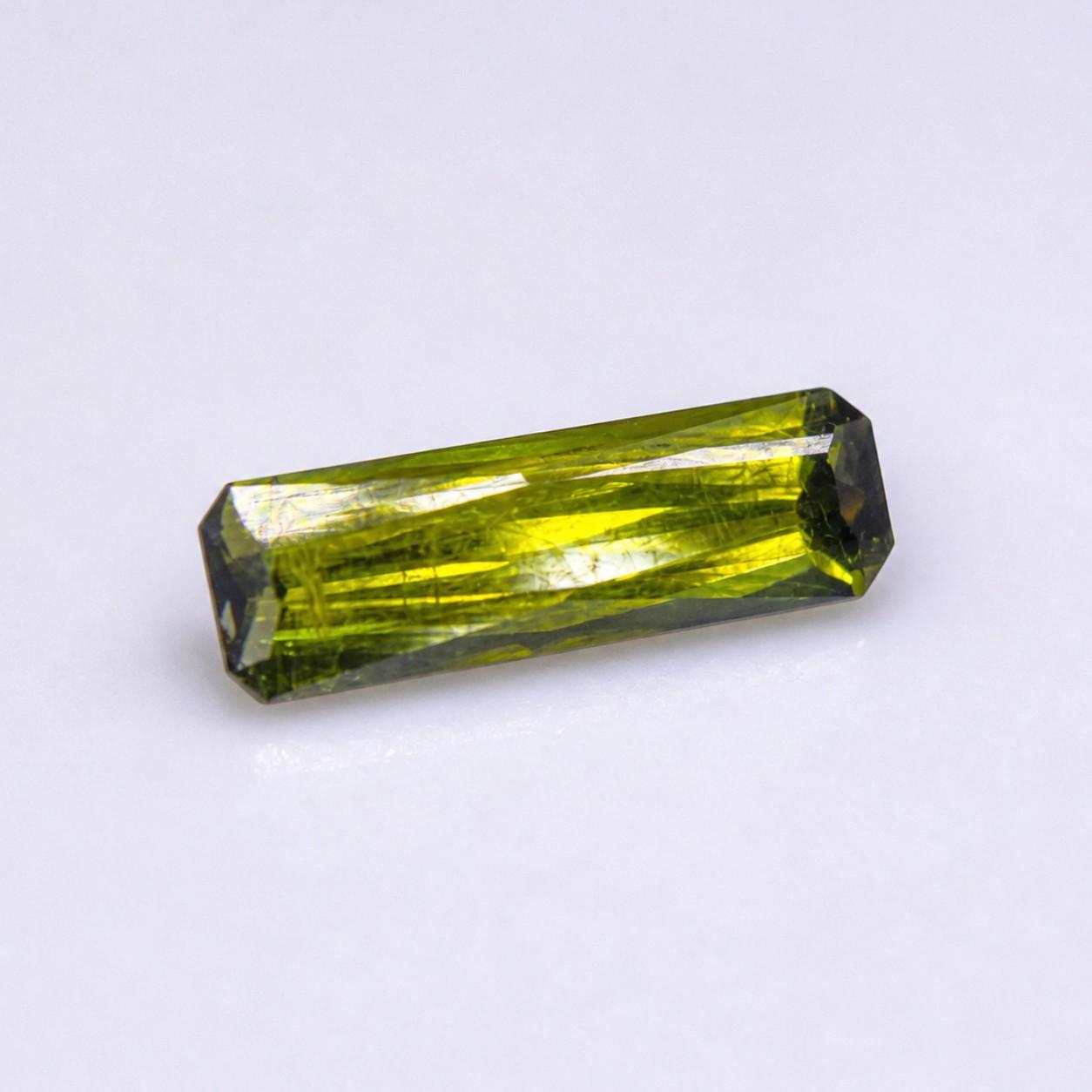
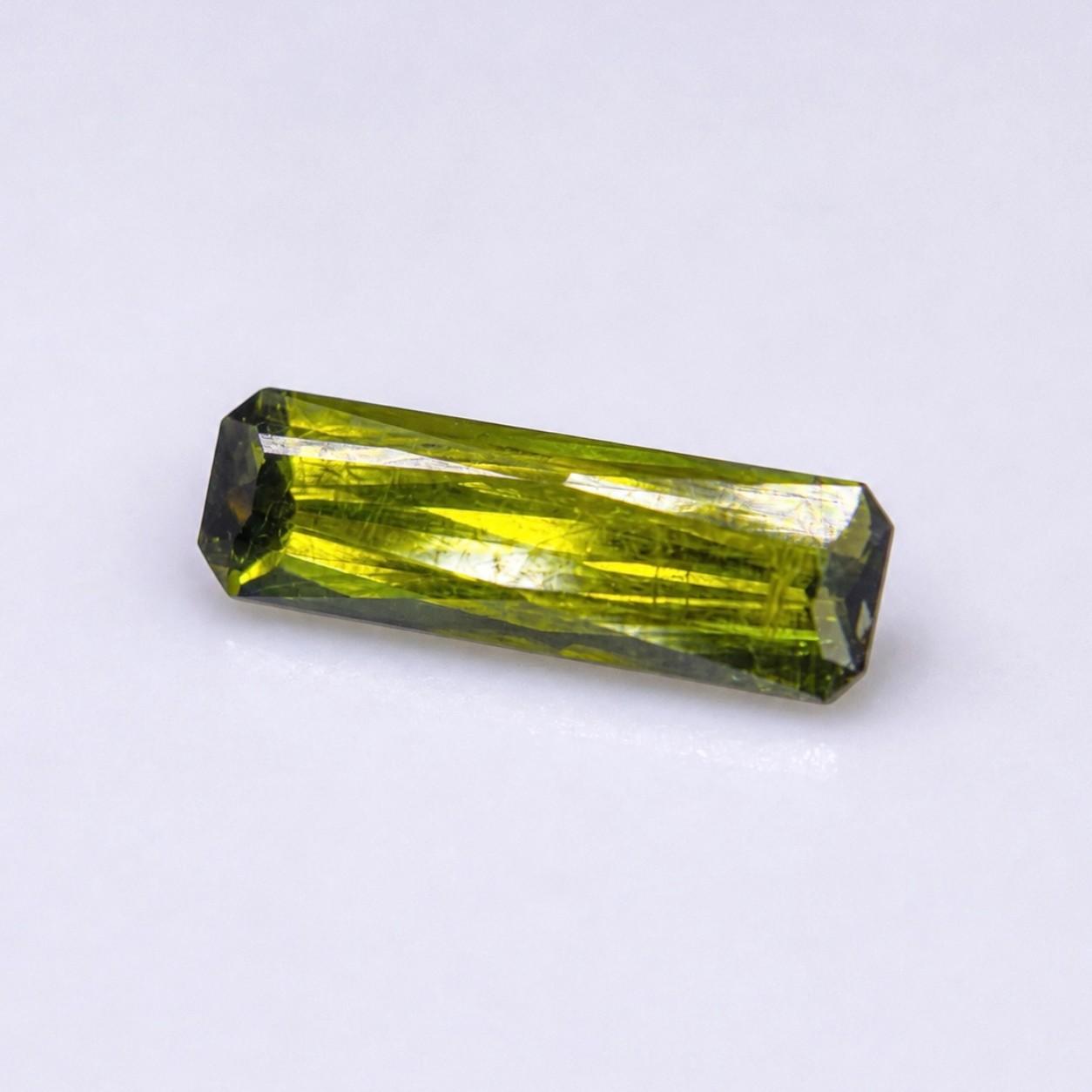
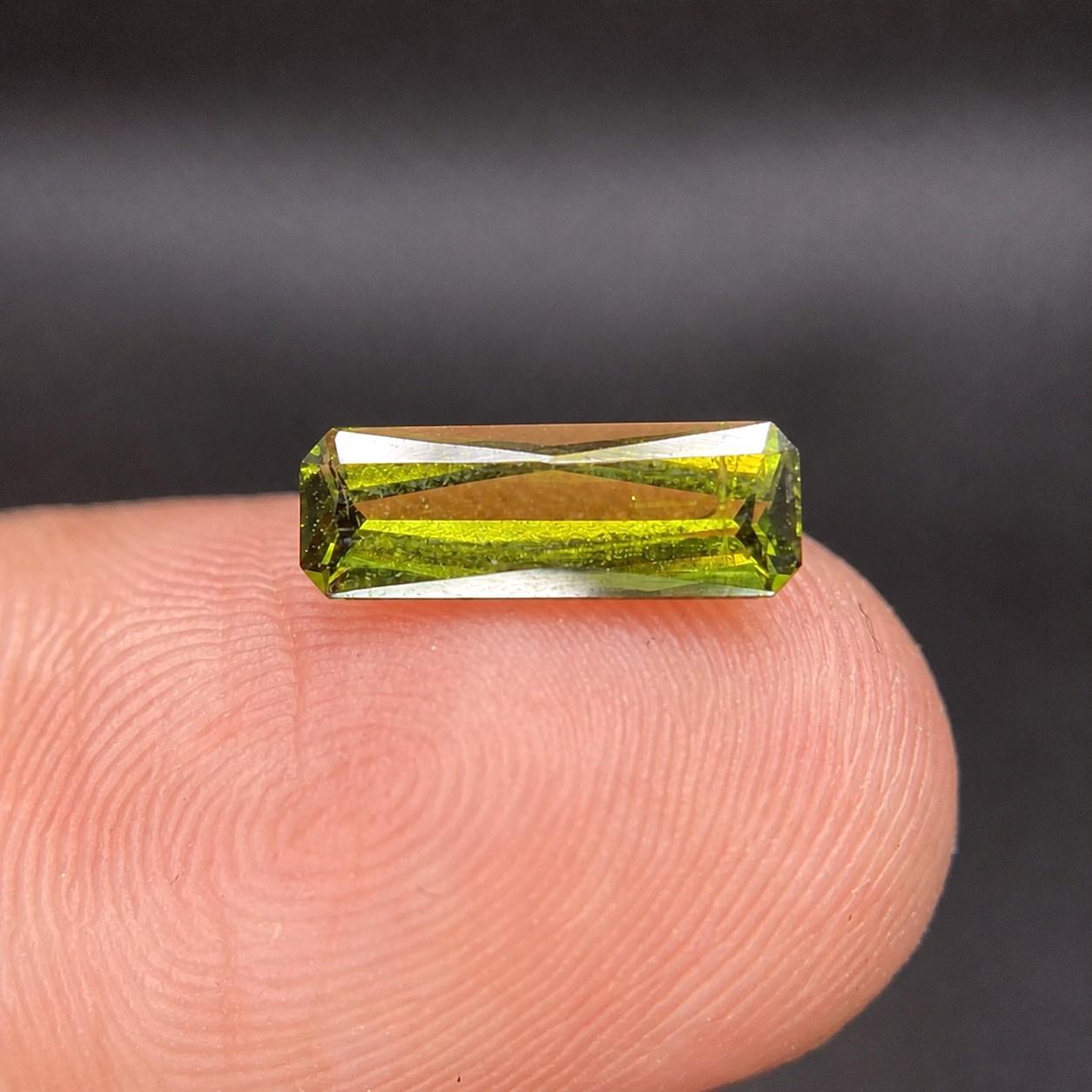
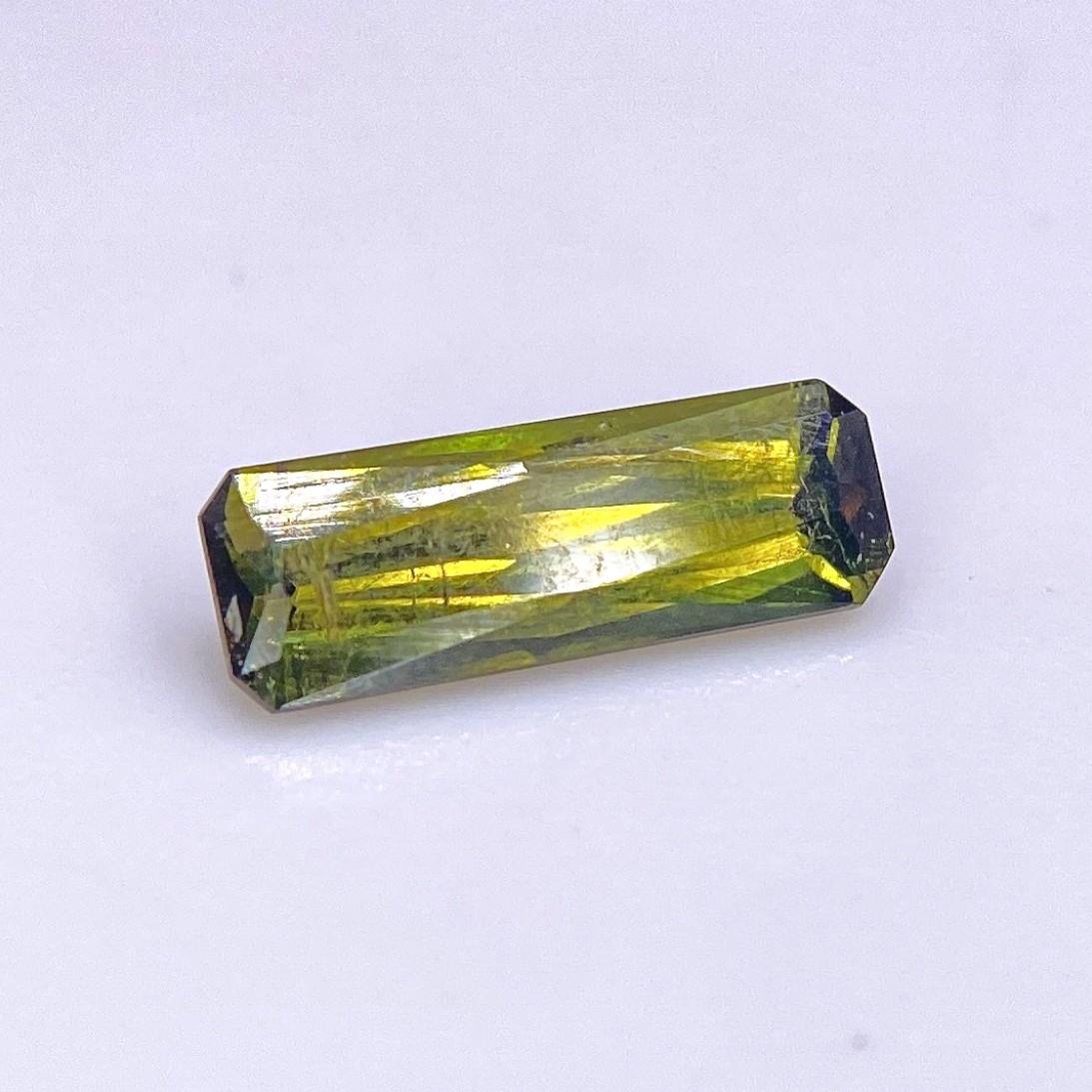
1.21 ct VESUVIANITE – PAKISTAN
EXPERT VERIFIED
- Expert Verified Gemstone
- Fast Handling & Shipping
- Secure Vault Packaging
$ 120
Offer amount Feild


Smart Collector Choice


Pay with Crypto & Get 10% Automatic Discount

Availability: 1 in stock


- Freakingcats Gemstone Database
Vesuvianite (KP, Pakistan)
Vesuvianite from the specialized, high-altitude metamorphic skarns of the Khyber Pakhtunkhwa (KP) region in Pakistan represents the absolute peak of complex sorosilicate crystallization and structural focus. A complex calcium magnesium aluminum silicate hydroxy-mineral, it is a species I have always respected for its “deep-olive-oil” to “vivid-lime-neon” saturation and its status as a masterpiece of “tetragonal” structural discipline. For the specialist, a top-tier Pakistani Vesuvianite is a prize of intense, fluid-driven contact metamorphism; it offers a brilliant vitreous to resinous luster and a highly radiant, sharp presence that makes it a true “high-vibration” asset for the systematic vault. As an artist, I find the sophisticated contrast between its deep, glassy green prisms and the chalky, pale silicate matrix to be one of nature’s most geometrically focused and powerful palettes.
The Heritage & Discovery
Historical Significance
Vesuvianite is a critical species for understanding the intense chemical mass transport and elemental partitioning that occur when magmatic fluids invade carbonate country rocks. Historically, the species holds a legendary place in classical mineralogy, originally named in 1795 by Abraham Gottlob Werner after its famous type locality at Mount Vesuvius in Italy (and also widely known by its gemological synonym, idocrase). In the world of fine minerals, the specimens emerging from Khyber Pakhtunkhwa are celebrated for their exceptional optical clarity, rich chromium- or iron-activated color profiles, and sharp, blocky prism faces that stand as an enduring symbol of geological crystallization speed.
Discovery
While the species has been documented across Europe’s famous volcanic and metamorphic zones for centuries, the systematic opening of the rugged alpine clefts and contact zones within northwestern Pakistan completely redefined the global market for macrocrystalline vesuvianite in the late 20th century. Scientifically, its complex tetragonal framework features an elaborate crystalline structure that readily hosts a variety of trace elements, directly influencing its pleochroism and density. The discovery of these remote, high-altitude deposits provided mineralogists with spectacular, well-terminated crystalline clusters and thick bipyramidal habits. My own respect for this material grew from observing its phenomenal optical depth; specifically, the way its highly reflective crystal terminations interact with directional light, revealing warm bronze to vibrant lime-green internal reflections, is a visual impact that is unmistakable to the trained eye.
Important Mines
The undisputed modern capital for collector-grade expressions of this species within Pakistan is the historic Tribal Areas and rugged valleys of the Khyber Pakhtunkhwa Province, most notably the prolific mineral fields around the Mohmand Agency and Bajaur Agency. Famed for producing the world’s most robust and highly lustrous macrocrystalline blocks, these deep metamorphic veins yield outstanding, freestanding groups that are secured through hazardous, high-altitude mining efforts. For the vault, I prioritize specimens that exhibit high internal transparency, sharp unblemished edge geometry, and strong multi-directional luster, as they represent a highly active, pristine masterpiece of contact geology.
Mineralogical Profile
Description
Vesuvianite is a complex calcium silicate mineral containing magnesium, aluminum, and iron that crystallizes in the tetragonal system. It sits at a robust 6.5 on the Mohs scale, meaning its tough, durable crystal faces are highly resistant to physical abrasion and require only standard archival handling to safeguard its mirror-like vitreous to waxy surfaces. It is characterized by its bright vitreous luster and an unmistakable, “olive-green, yellowish-green, to deep bottle-green” color palette.
One of its most identifying traits is its poor prismatic cleavage, breaking along irregular or sub-conchoidal fractures, frequently forming stout prismatic columns, pyramids, or dense, intergrown crystalline sheets that trace the old fluid channels through contact skarns. It possesses a high refractive index running from approximately 1.700 to 1.746, contributing to its intense internal color depth and exceptional brilliance, and an average specific gravity ranging between 3.32 and 3.43 that reflects its dense, heavy calc-silicate architecture. Because it forms exclusively in the high-temperature oxidation zones of contact-metamorphosed limestones, it is commonly found in close association with Grossular Garnet, Diopside, Calcite, Wollastonite, and Epidote. When I select a piece for the collection, I look for sharp, “crisp” blocky geometry or highly transparent, freestanding crystals on a contrasting matrix, as these highlight the sophisticated, multi-element chemistry of the mineral’s deep-seated birth.
Chemical Formula
Ca19(Al,Mg,Fe)13Si18O68(OH,F)4


