
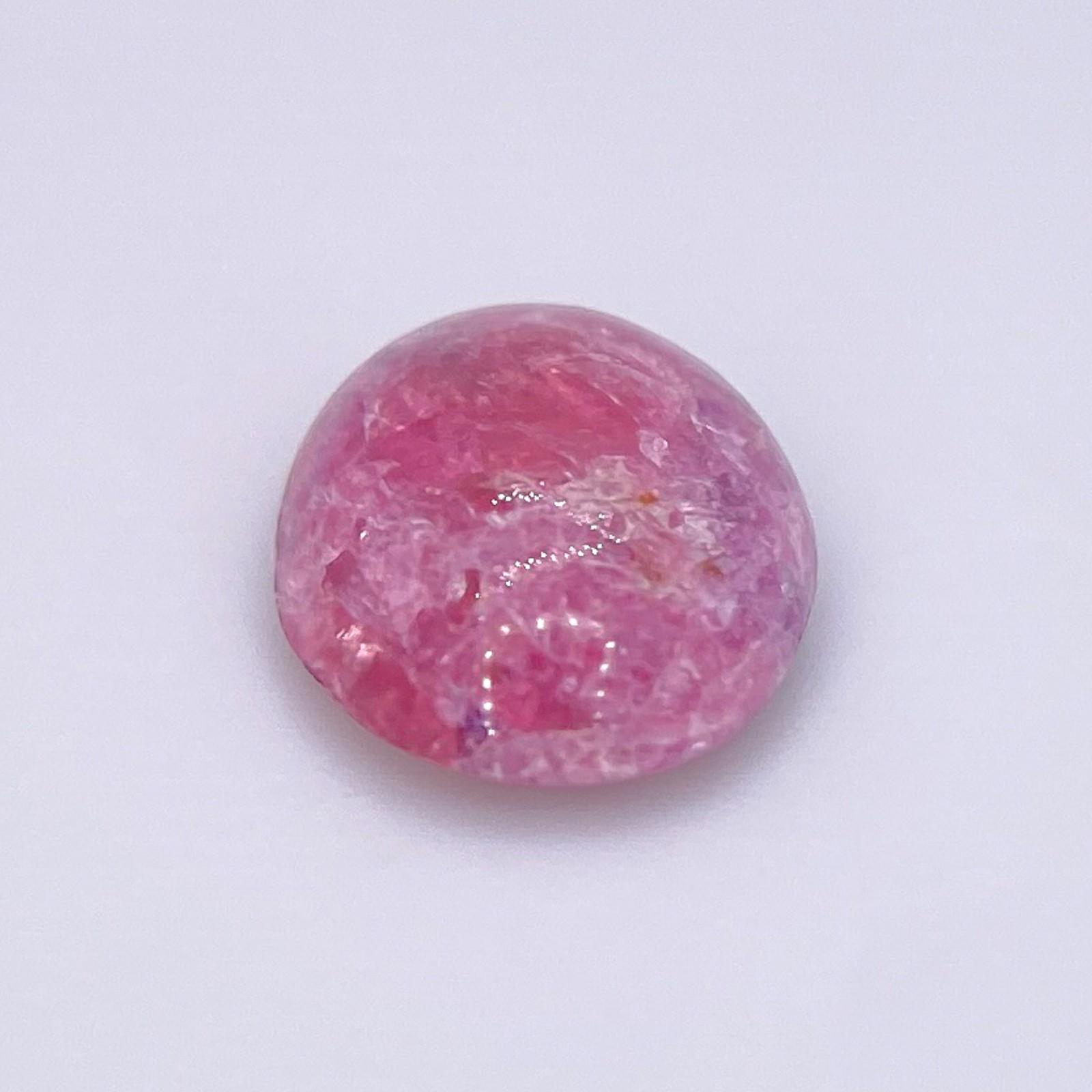
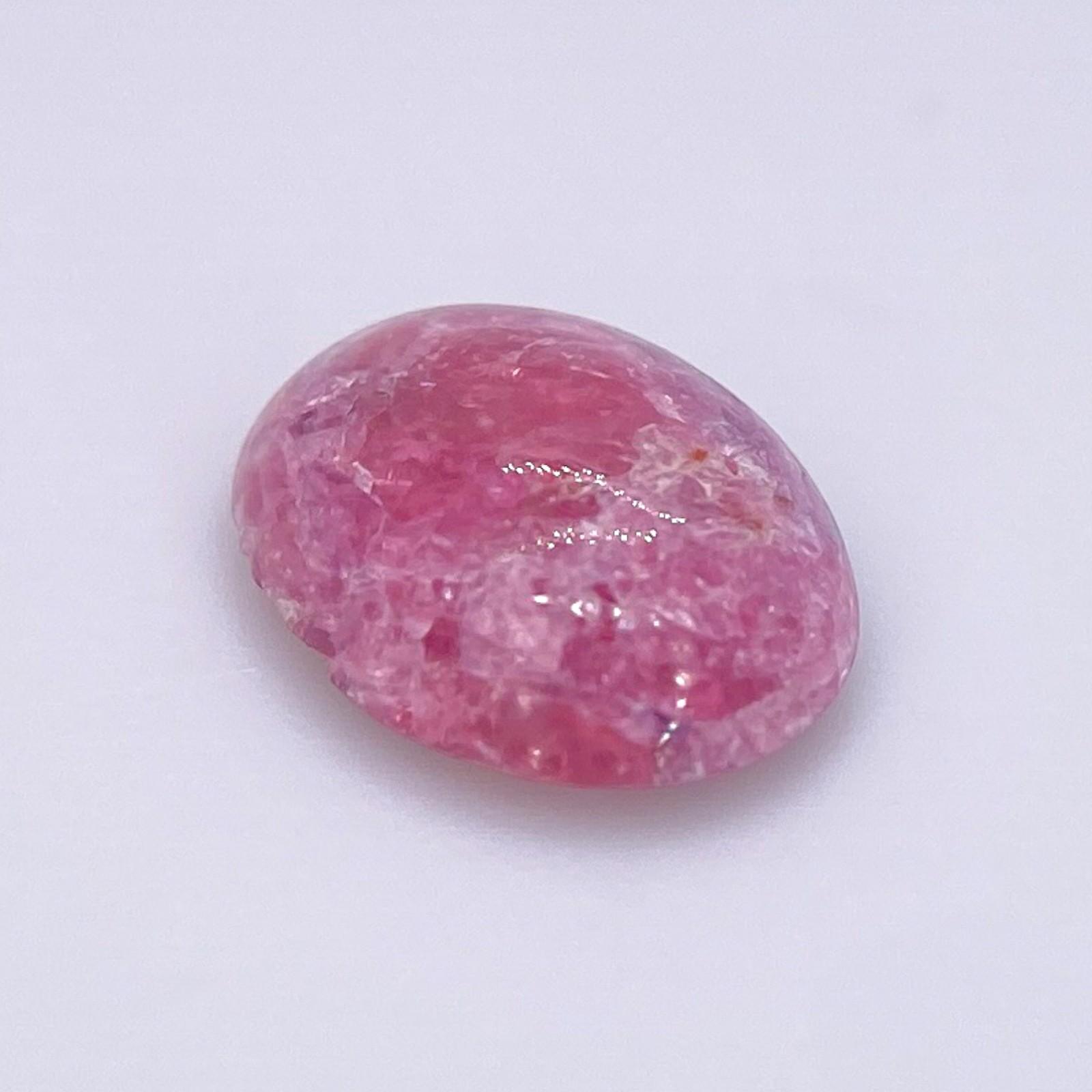
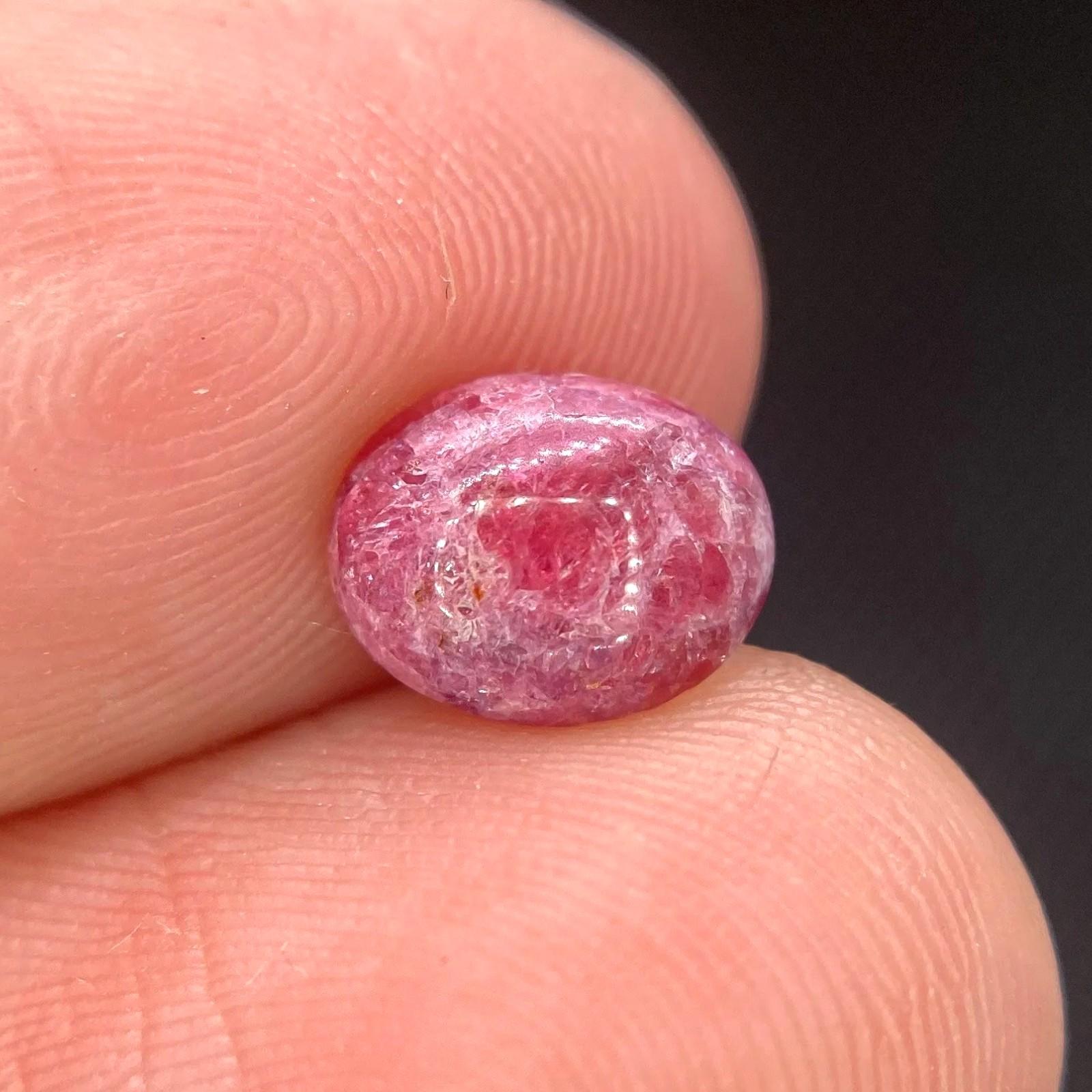
1.32 ct EUDIALYTE – CANADA
EXPERT VERIFIED
- Expert Verified Gemstone
- Fast Handling & Shipping
- Secure Vault Packaging
$ 90
Offer amount Feild


Smart Collector Choice


Pay with Crypto & Get 10% Automatic Discount

Availability: 1 in stock
Gemstone Details
Gem Variety:
Eudialyte
Origin:
Canada
Carat Weight:
1.32
Length (mm):
8.60
Width (mm):
6.90
Depth (mm):
3.00
Shape:
Cabochon
Color
Red
Treatment:
No Treatment
Certificate:
On Request
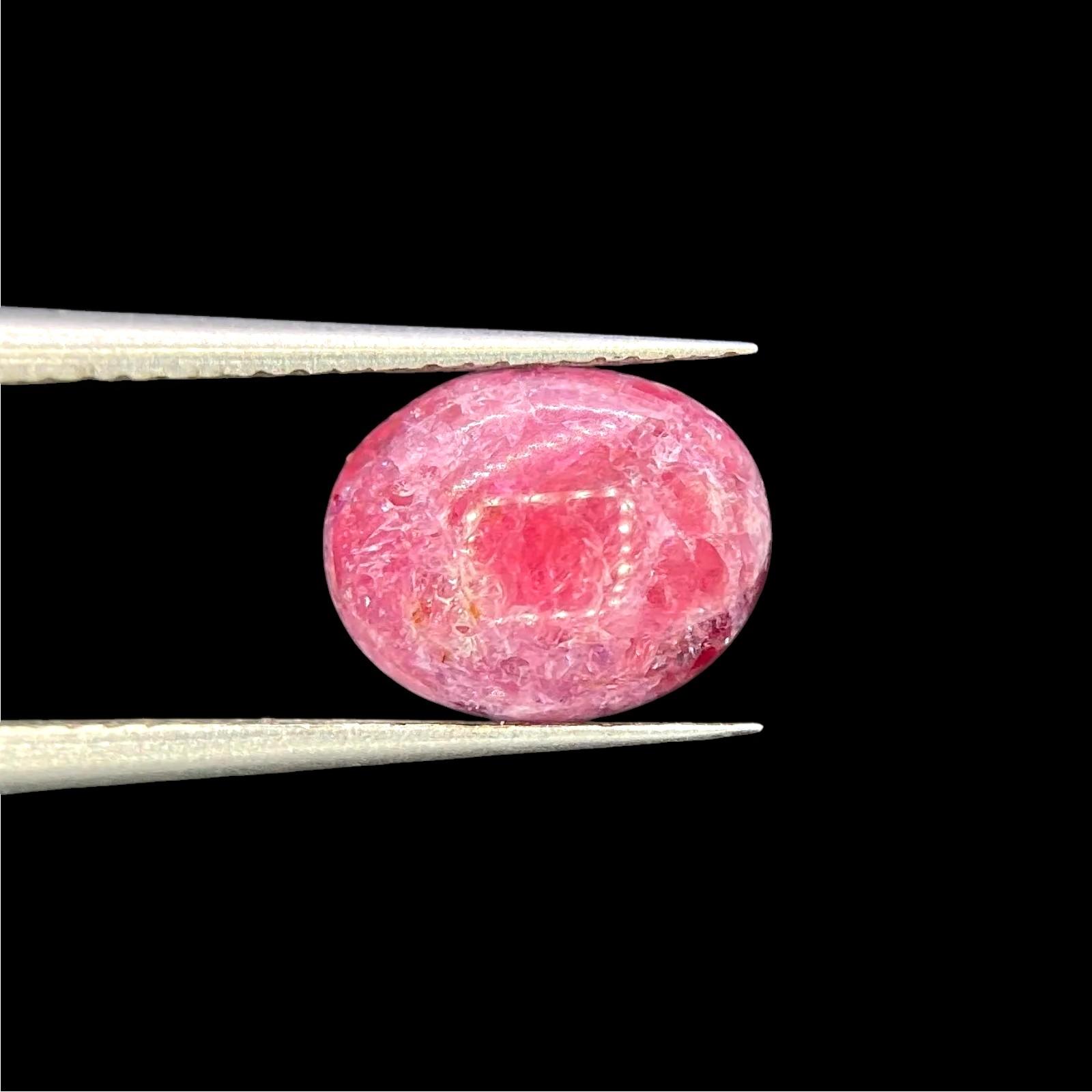
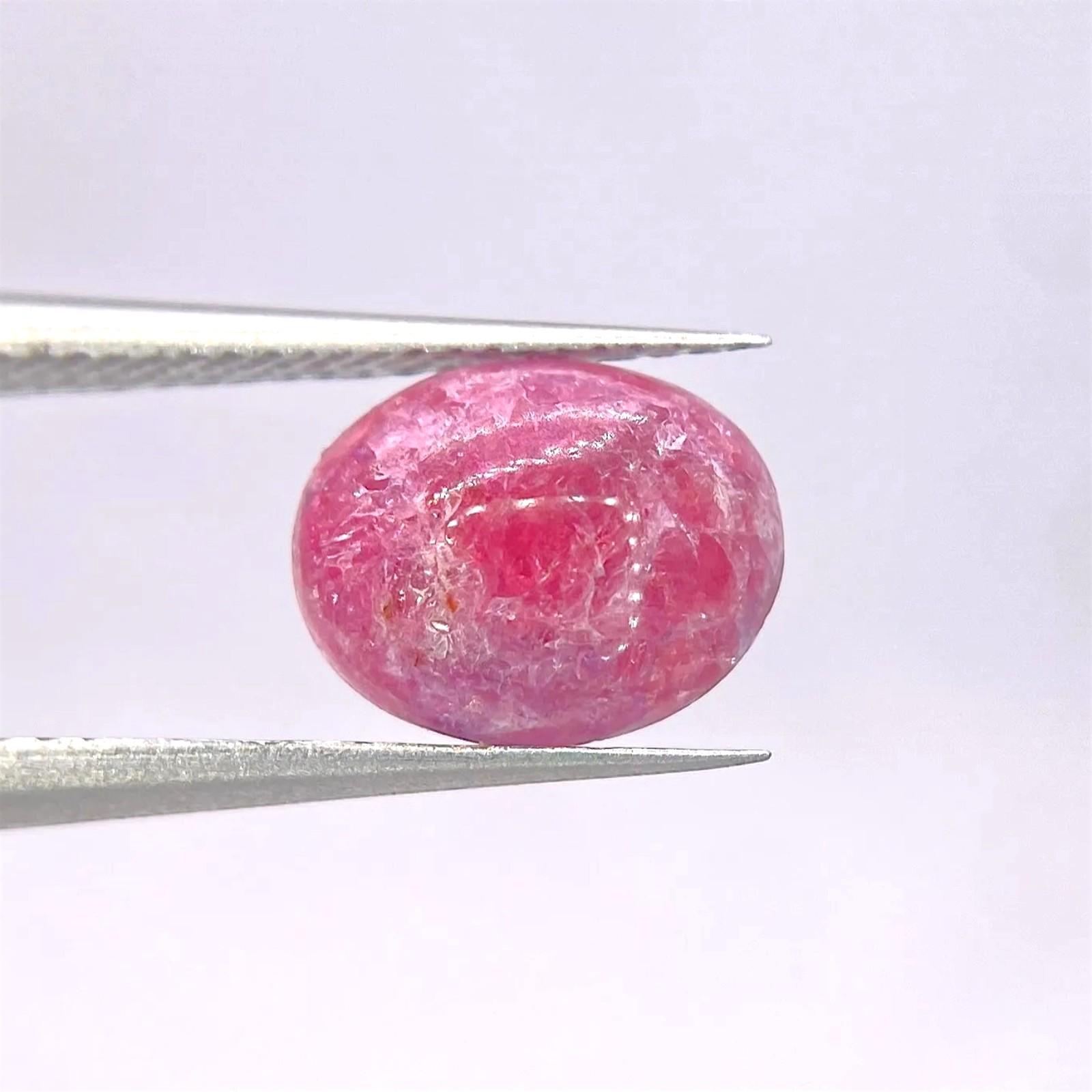
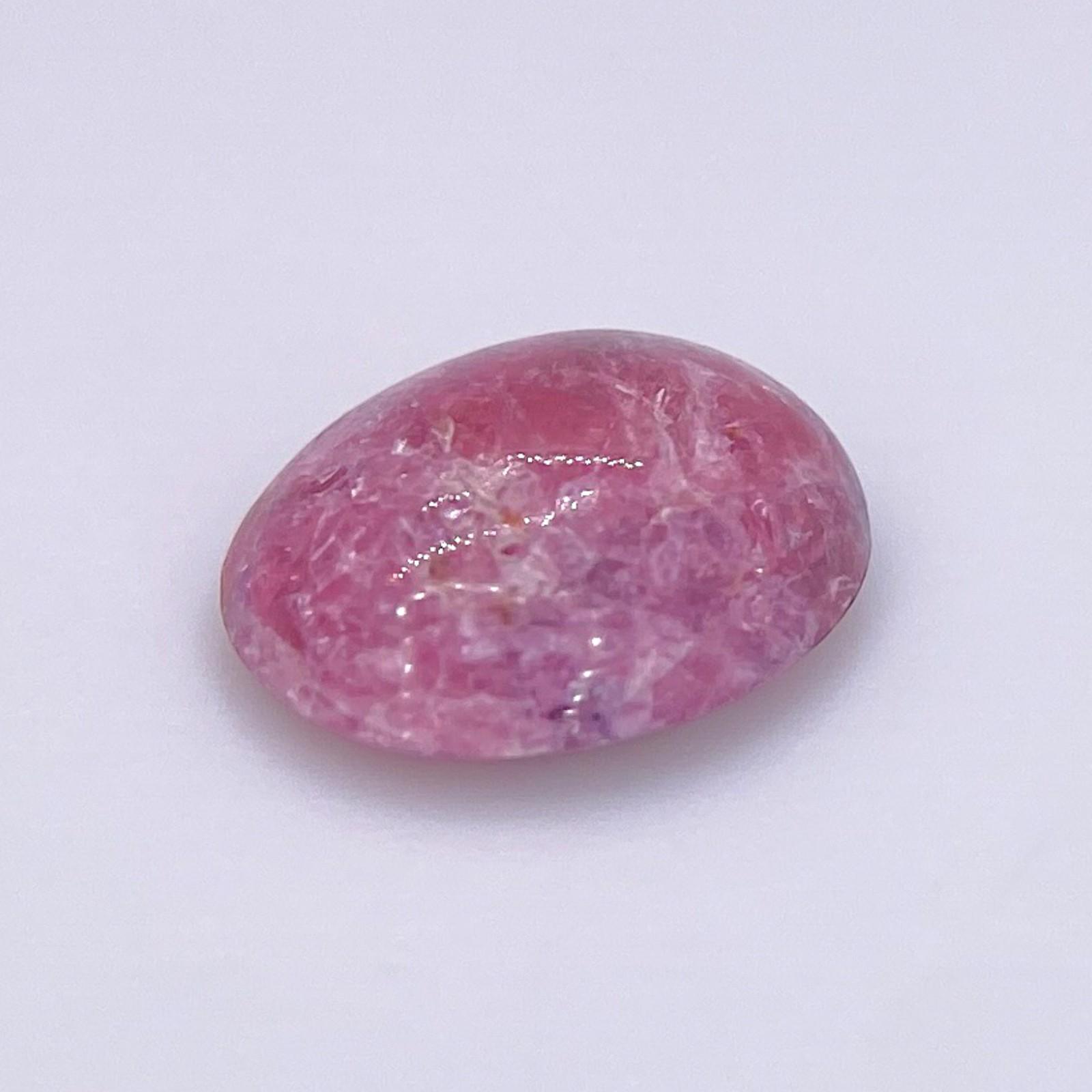
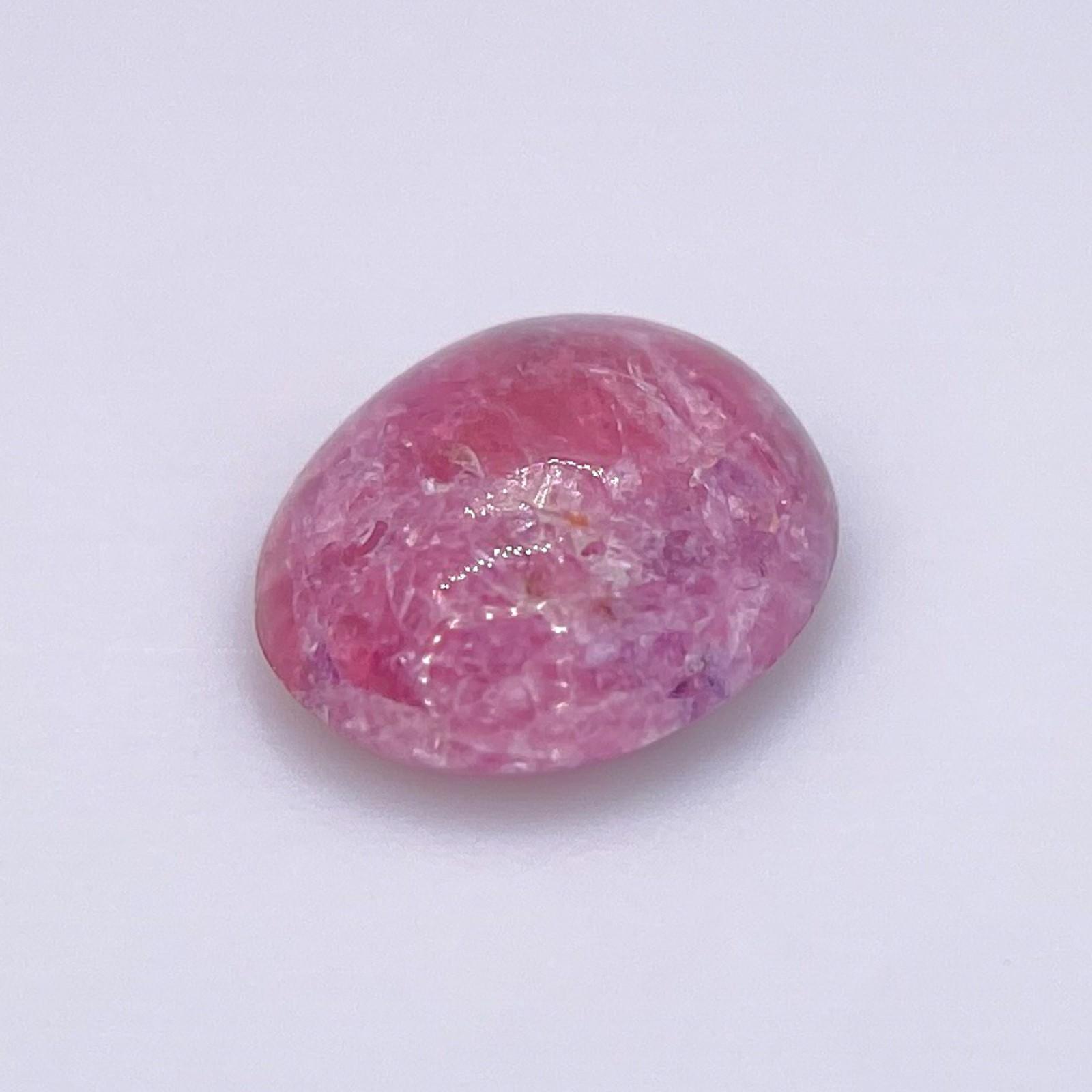


- Freakingcats Gemstone Database
Eudialyte (Canada)
Eudialyte from the highly alkaline, agpaitic nepheline syenites and pegmatite bodies of Canada—most celebrated from the Mont Saint-Hilaire intrusive complex in Montérégie, Quebec—represents one of the most chemically intricate and visually arresting zirconium cyclosilicates on Earth. A rare, sodium-calcium-zirconium silicate containing chlorine, iron, and manganese, it is a species I have always respected for its “ruby-magenta” to “raspberry-crimson” daylight saturation, intense vitreous fire, and its status as a masterclass in complex “trigonal-rhombohedral” structural discipline. For the specialist, a top-tier Canadian Eudialyte—whether presenting as sharp, lustrous rhombohedral crystals embedded in stark white albite, a crystalline pod alongside dark aegirine needles, or a gemmy collector cabochon—is a prized trophy of silica-undersaturated, volatile-rich magmatic differentiation; it offers a bright vitreous to greasy surface luster and an authoritative, highly contrasting presence that makes it an indispensable rare-element anchor for the systematic vault. As an artist, I find the breathtaking juxtaposition between its glowing, magenta-garnet crystalline bodies and the snowy-white feldspar or jet-black amphibole matrix to be one of nature’s most sophisticated and visually electrifying palettes.
The Heritage & Discovery
Historical Significance
Eudialyte is an indispensable index species for decoding the crystallization history, late-stage volatile accumulation (chlorine, fluorine, water), and zirconium-hafnium-rare-earth partitioning in agpaitic alkaline igneous complexes. Historically named in 1819 by German mineralogist Friedrich Stromeyer from the Greek eu (well/easy) and dialytos (dissolvable), in direct reference to its ready solubility and decomposition in acids, the mineral was initially recognized from the classic alkaline terrain of southern Greenland. However, the systematic discovery and documentation of macrocrystalline eudialyte in eastern Canada during the 20th century, particularly within the world-famous alkaline sub-volcanic pluton of Mont Saint-Hilaire, provided mineralogists with some of the finest, most euhedral crystals and diverse chemical variants ever cataloged.
Discovery
The unearthing of aesthetic eudialyte crystals across Canadian alkaline terrains occurred during commercial quarrying for crushed stone and detailed mineralogical investigations of Montérégian intrusive hills. Scientifically, Eudialyte possesses an exceptionally complex cyclosilicate framework structured from both three-membered [Si3O9]6- and nine-membered [Si9O27]18- rings of corner-sharing silica tetrahedra, linked by zirconium octahedra, calcium-manganese rings, and large structural channels that house sodium, potassium, water, and halogen anions. In Canadian agpaitic pegmatites, residual magmatic fluids enriched in sodium, zirconium, and rare-earth elements (REEs) cooled in confined cavities, allowing eudialyte to crystallize into sharp rhombohedral prisms rather than the granular, massive veins common to other worldwide localities. Its signature raspberry-red to burgundy color is dictated by the precise coordination and oxidation ratio of manganese (Mn2+) and iron (Fe2+) within the structural polyhedra. My own respect for this material grew from analyzing its diagnostic optical relief and chemical behavior; specifically, observing an isolated, sharp carmine-red rhombohedron set against stark white albite highlights a structural precision and color contrast that is deeply satisfying to the trained eye.
Important Mines
The undisputed international capital for collector-grade, crystallized eudialyte within Canada is the Poudrette Quarry at Mont Saint-Hilaire, Rouville County, Montérégie, Quebec. Internationally revered among researchers and advanced collectors as one of the richest mineral localities on the planet, the alkaline pegmatites and sodalite syenites of Mont Saint-Hilaire have produced world-class, sharp, lustrous crystals ranging from vibrant rose-magenta to deep reddish-brown. Additional significant occurrences of eudialyte and related eudialyte-group species have been documented in the Kipawa alkaline complex in Villedieu Township, Témiscamingue, Quebec (famed for extensive crystalline masses and veinlets in amphibolites), and the Red Wine alkaline complex in Labrador. For the systematic vault, I prioritize specimens that exhibit sharp, undamaged rhombohedral crystal faces, intense magenta-to-crimson color saturation with good internal translucency, and an active presentation perched high on contrasting matrix alongside aegirine or feldspar.
Mineralogical Profile
Description
Eudialyte is a complex sodium calcium iron manganese zirconium cyclosilicate mineral containing hydroxyl and halogen ions, crystallizing in the trigonal system (rhombohedral class). It sits at a moderate 5 to 5.5 on the Mohs scale, meaning its highly lustrous crystal faces are relatively firm but possess brittle tenacity and indistinct basal cleavage (parallel to {0001}), requiring careful archival handling to protect its crisp crystal edges, razor-sharp rhombohedral corners, and granular aggregates from mechanical shock, pressure, or chemical attack from household acids. It is characterized by its bright vitreous to greasy surface luster and an unmistakable, rich color palette dominated by raspberry-pink, ruby-magenta, crimson-red, carmine, brownish-red, and deep burgundy.
One of its most identifying traits is its habit versatility in alkaline rocks, routinely forming sharp rhombohedrons, modified tabular prisms, dense embedded crystalline pods, or irregular granular vein fillings that map out late-stage fluid injection channels. It possesses a moderate to high refractive index running from approximately 1.590 to 1.623, giving its translucent surfaces a lively, jewel-like optical depth, and an average specific gravity ranging between 2.80 and 3.00 that reflects its complex zirconium-bearing silicate architecture. Because it forms almost exclusively in silica-undersaturated nepheline syenites, agpaitic pegmatites, and fenites, it is commonly found in close association with Aegirine, Albite, Nepheline, Microcline, Sodalite, Natrolite, Astrophyllite, Analcime, and Catapleiite. When I select an example for documentation, I look for sharp crystal geometry, intense raspberry-to-ruby color saturation, and strong visual contrast against its light-toned host rock, as these emphasize the sophisticated, zirconium-rich chemistry of the mineral’s dramatic subterranean birth.
Chemical Formula
Na15Ca6(Fe2+,Mn2+)3Zr3(Si3O9)2(Si9O27)2(O,OH,H2O)3(OH,Cl)2 (with extensive REE, Sr, and K substitutions)


