
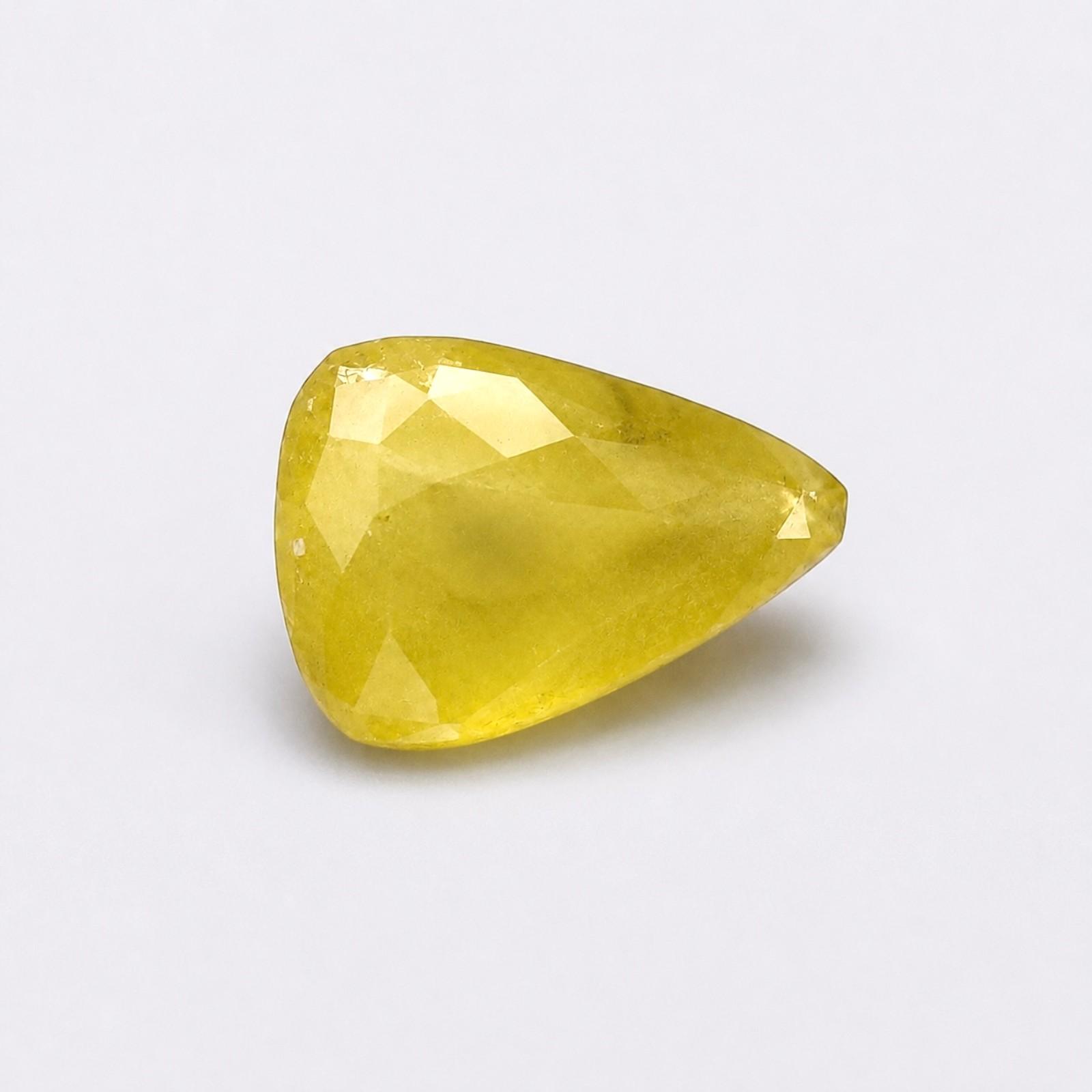
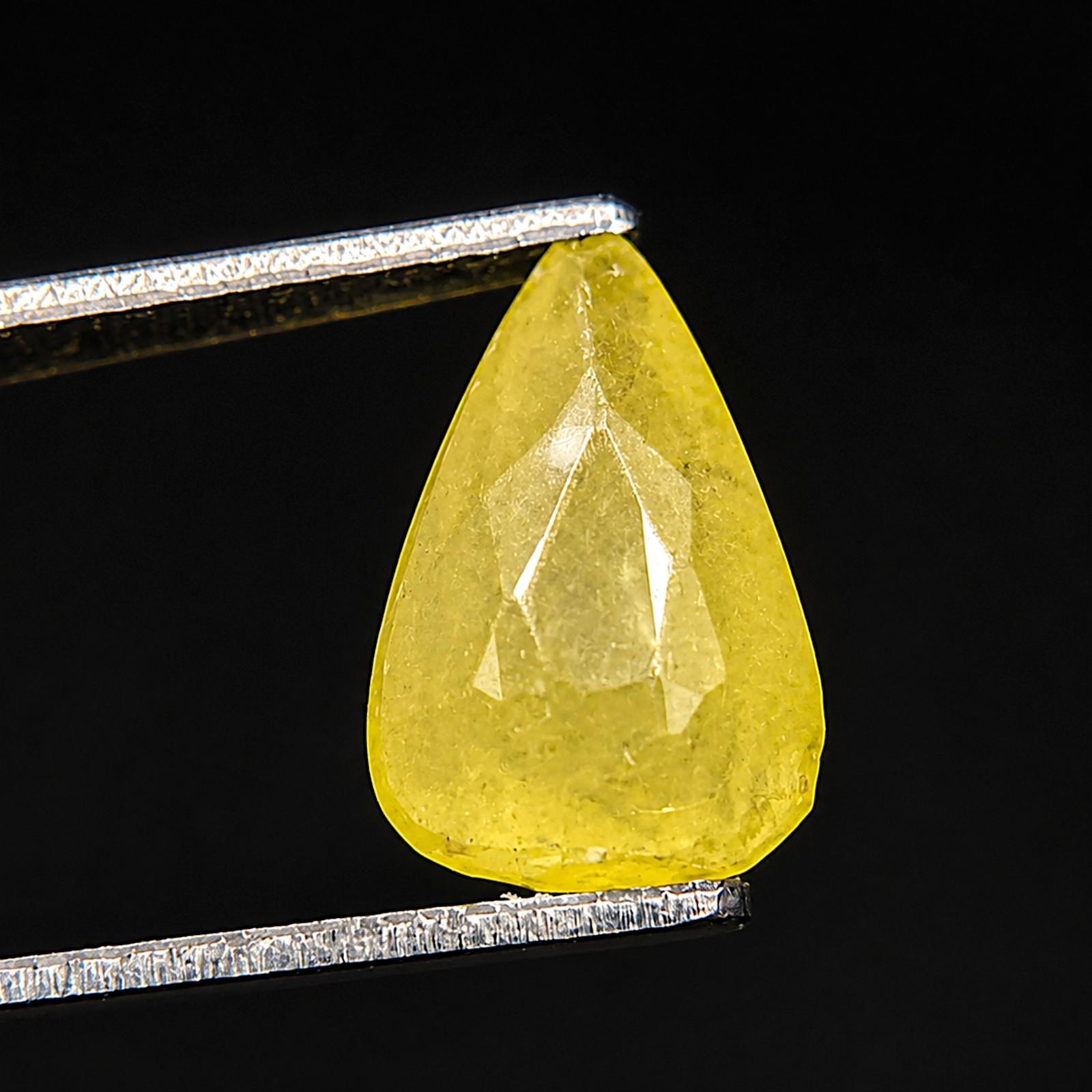
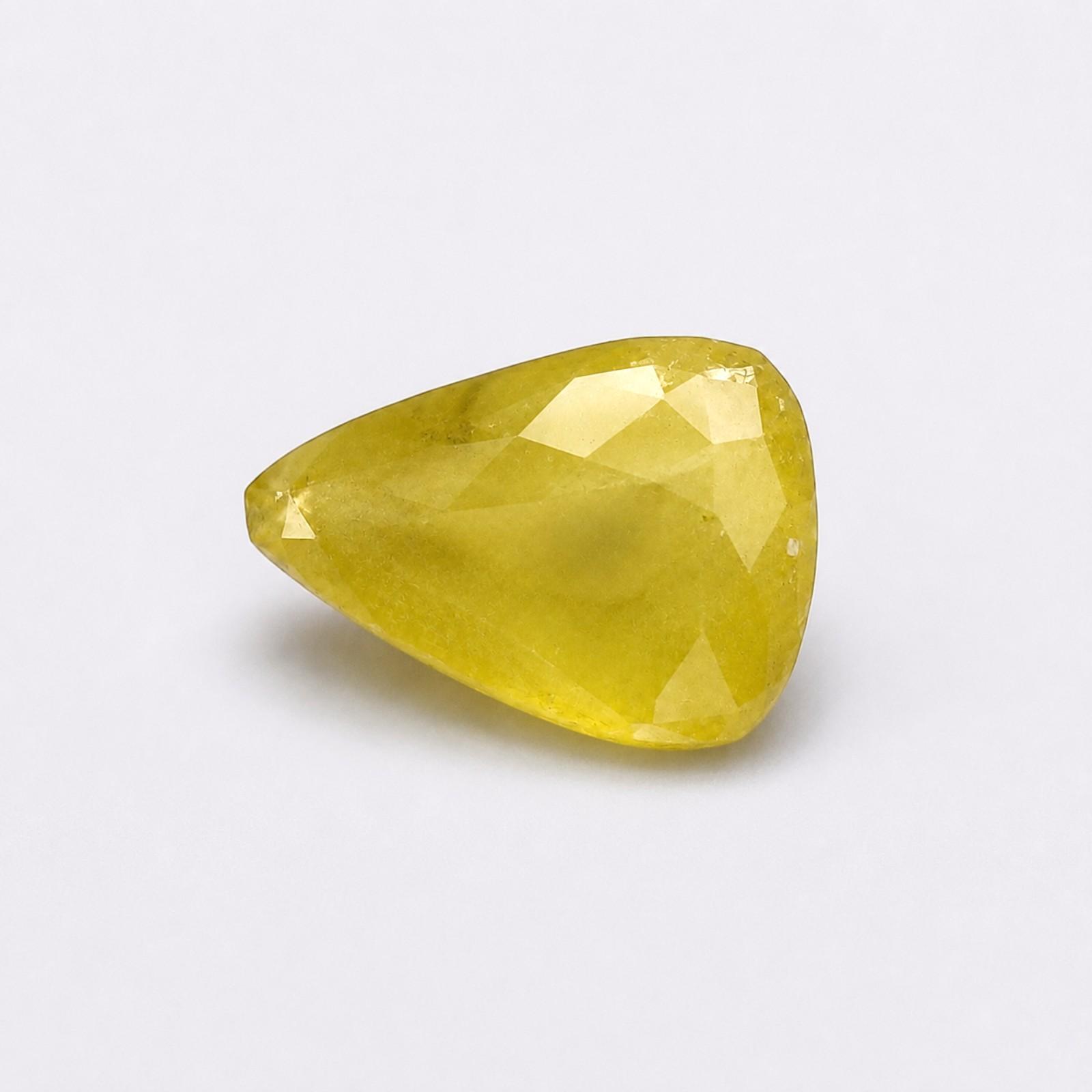
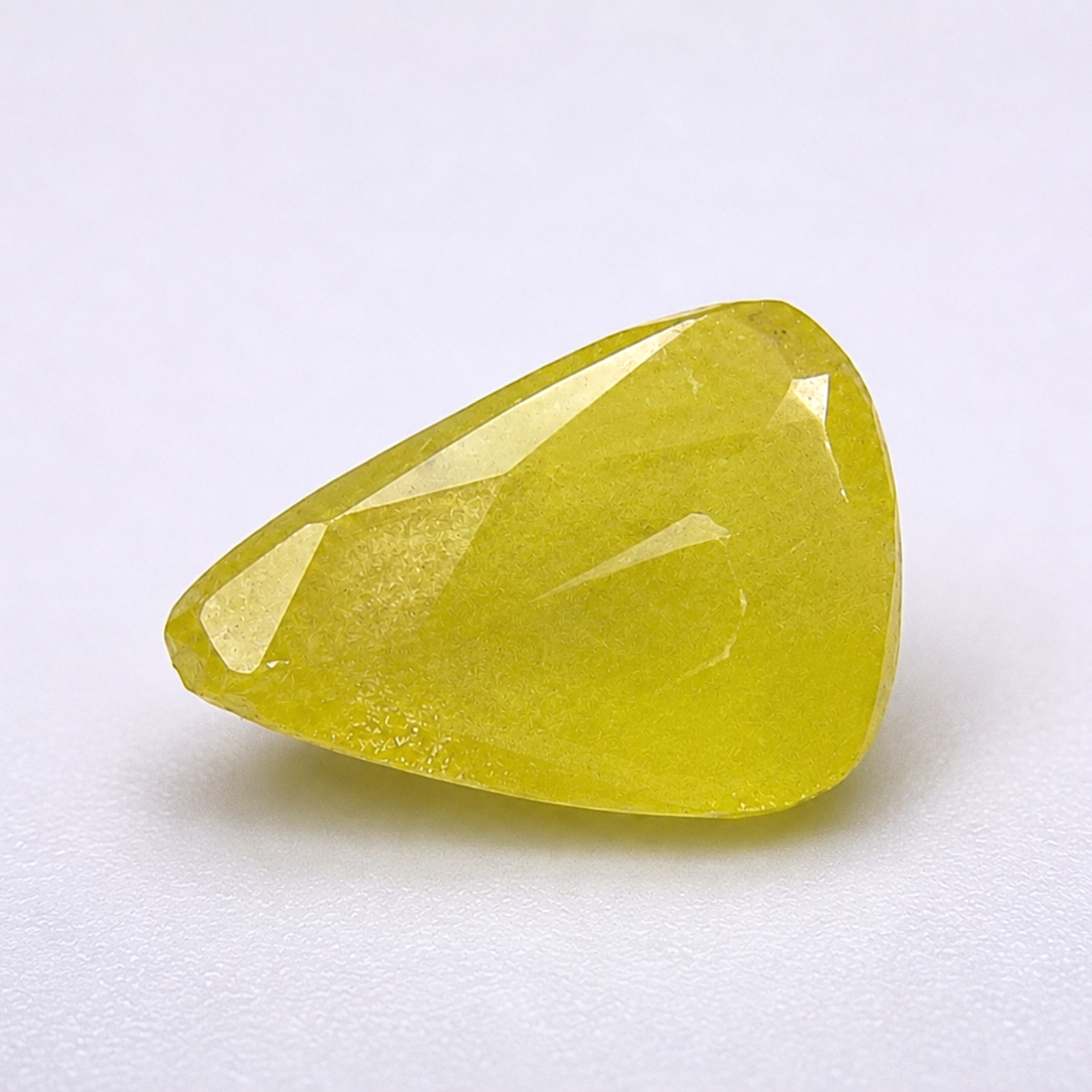
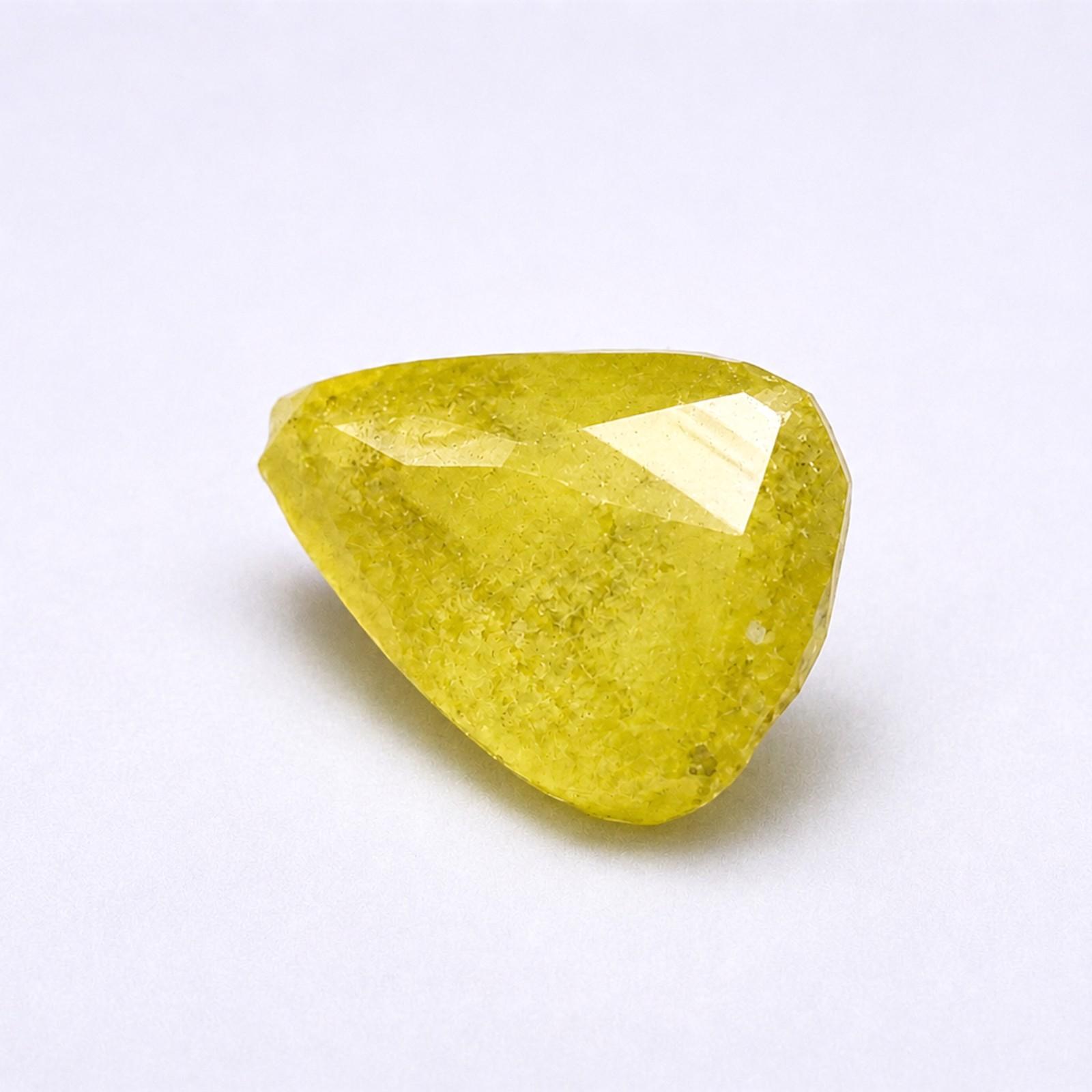
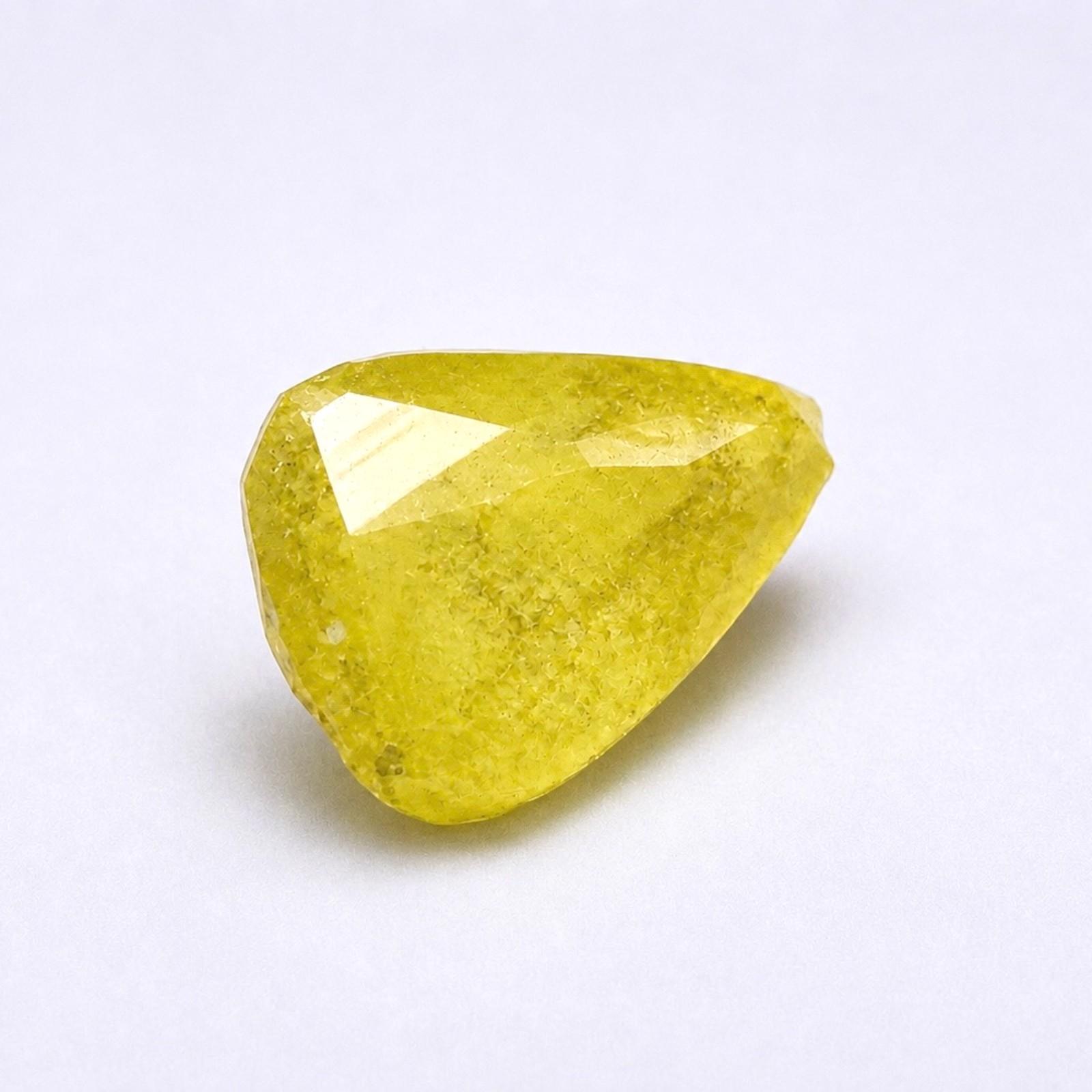
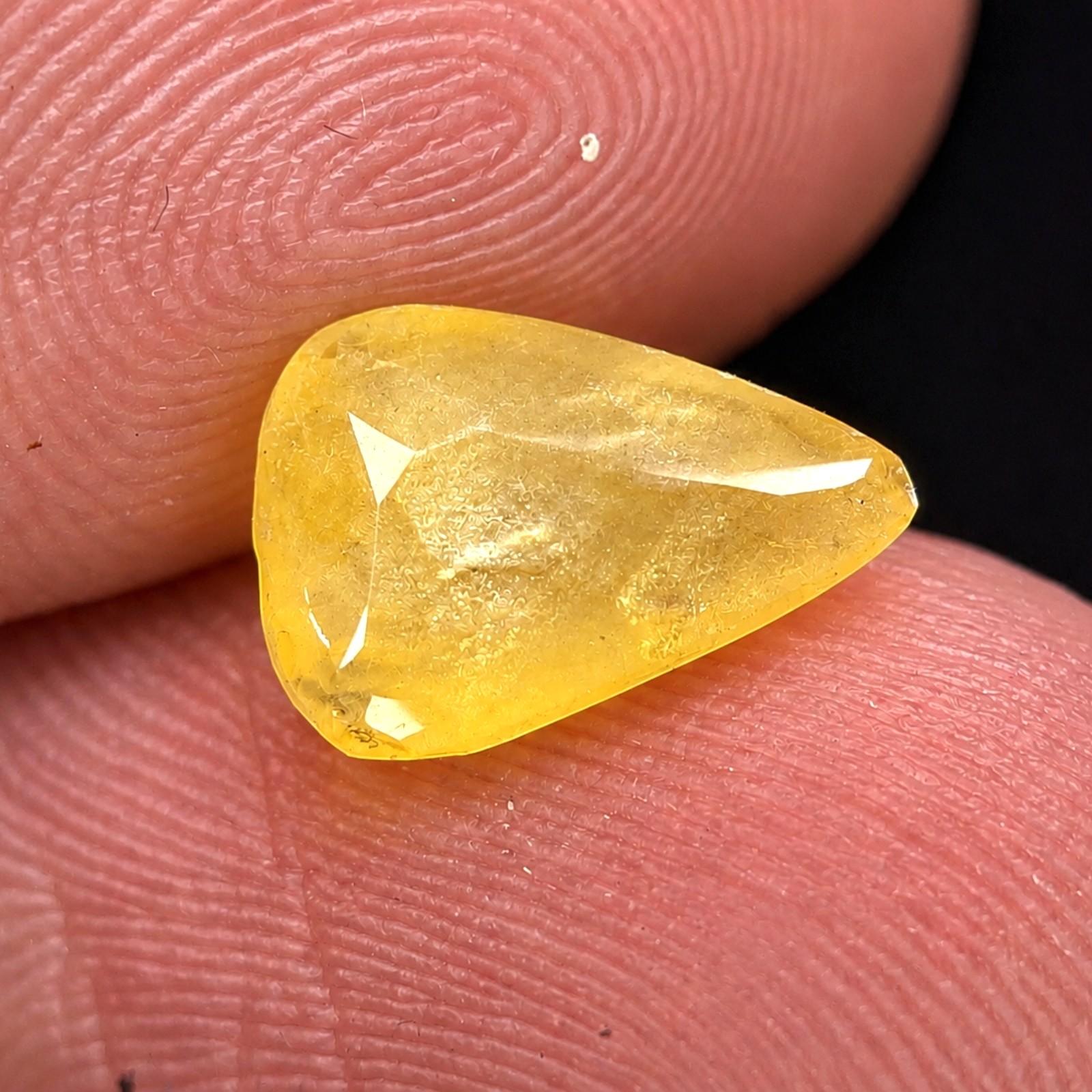
1.55 ct SULPHUR – BOLIVIA
EXPERT VERIFIED
- Expert Verified Gemstone
- Fast Handling & Shipping
- Secure Vault Packaging
$ 100
Offer amount Feild


Smart Collector Choice


Pay with Crypto & Get 10% Automatic Discount

Availability: 1 in stock


- Freakingcats Gemstone Database
Sulfur
Sulfur—the mineral from hell? Devil’s stuff? With that impossibly bright yellow color, it certainly looks the part! I’ve always been captivated by its neon intensity, a shade of yellow that feels like it’s vibrating. While most see it as a raw industrial material or a volcanic byproduct, we saw a challenge. We managed to facet this incredibly difficult material, and the results are breathtaking. Sulfur is notoriously “cranky” on the lap; it is extremely heat-sensitive and can literally crack from the warmth of your hand. But when you succeed, you are left with a gemstone that possesses an adamantine luster and a glow that looks like trapped sunlight from the Earth’s core.
The Heritage & Discovery
Historical Significance: Sulfur has been known since antiquity, referred to in the Bible and ancient texts as “brimstone.” Historically, it was a pillar of alchemy, representing the principle of combustibility and the “fiery” element of the soul. From ancient Greek medicine to the invention of gunpowder in China, Sulfur has fueled human progress (and conflict) for millennia. In the world of mineralogy, it is the primary element of the sulfide and sulfate families, acting as the foundational building block for some of our most beautiful ores.
Discovery: Because it occurs in its “native” elemental state near volcanoes and hot springs, Sulfur has no single discoverer. It was Antoine Lavoisier who finally convinced the scientific community in 1777 that Sulfur was an element, not a compound. Its name is derived from the Sanskrit word sulvere and the Latin sulfurium, both ancient terms for the yellow stone that burns.
Important Mines: While Sulfur is found in volcanic regions worldwide, the most magnificent, gem-quality crystals come from the Cianciana and Agrigento mines in Sicily, Italy. These historic localities produced large, sharp, transparent crystals that are the ultimate prizes for faceting. We also look at the Perticara Mine in Italy for specimens that exhibit the highest purity. Handling material from these legendary sites is like holding a piece of Mediterranean volcanic history.
Mineralogical Profile
Description: Native Sulfur is a non-metal element that crystallizes in the orthorhombic system. It is very soft, sitting at only a 1.5 to 2.5 on the Mohs scale, which is why faceting it is considered a feat of lapidary skill. It is characterized by its resinous to adamantine luster and its signature “Sulfur-yellow” color.
One of its most unique properties is its extremely low thermal conductivity; if you hold a crystal to your ear, you can sometimes hear it “crackle” as the heat from your fingers causes it to expand unevenly. When faceted, it has a high refractive index (n \approx 1.95 to 2.04), giving it a fire and brilliance that rivals many much harder gemstones. It is a light mineral, but its visual impact is incredibly heavy.
Chemical Formula: S8


