
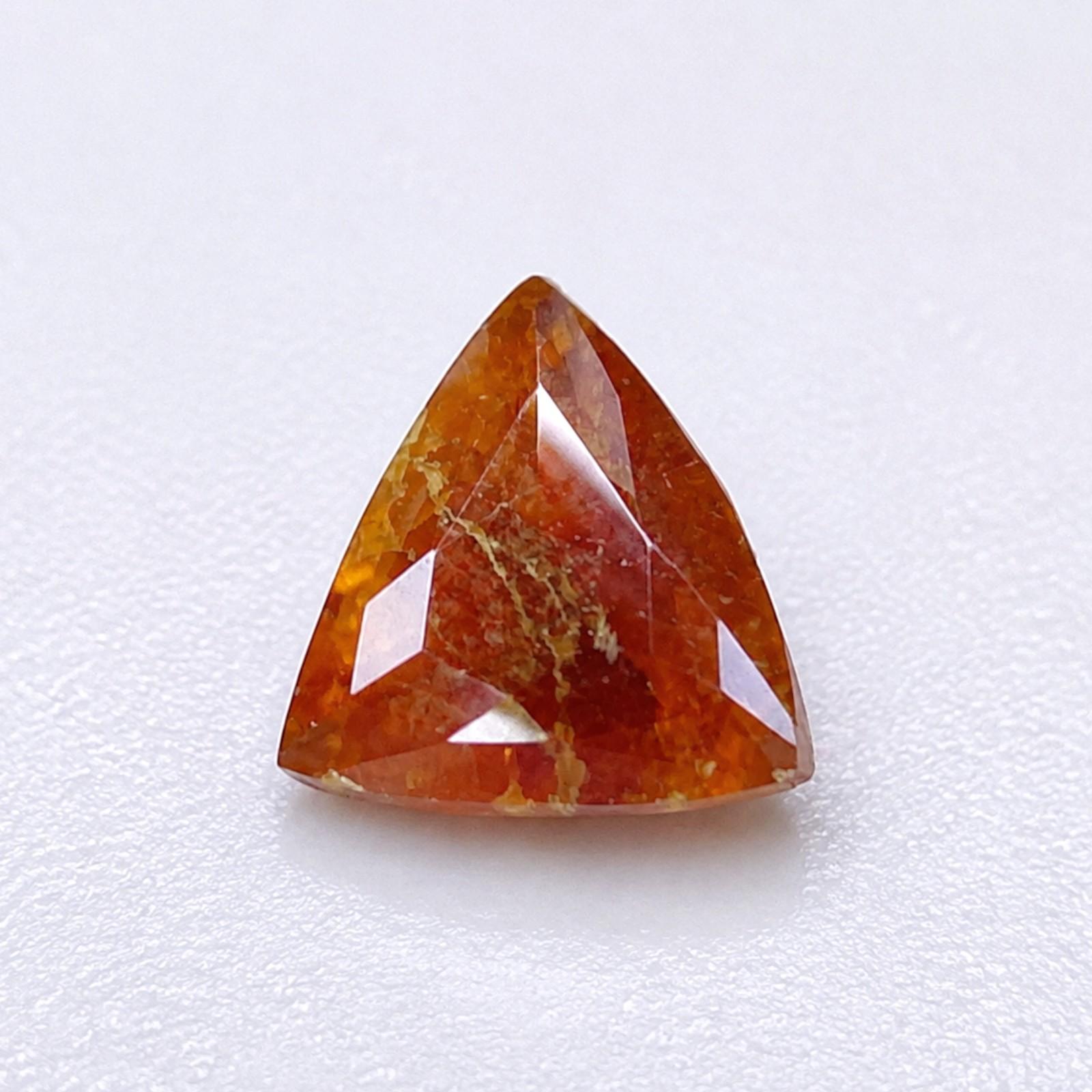
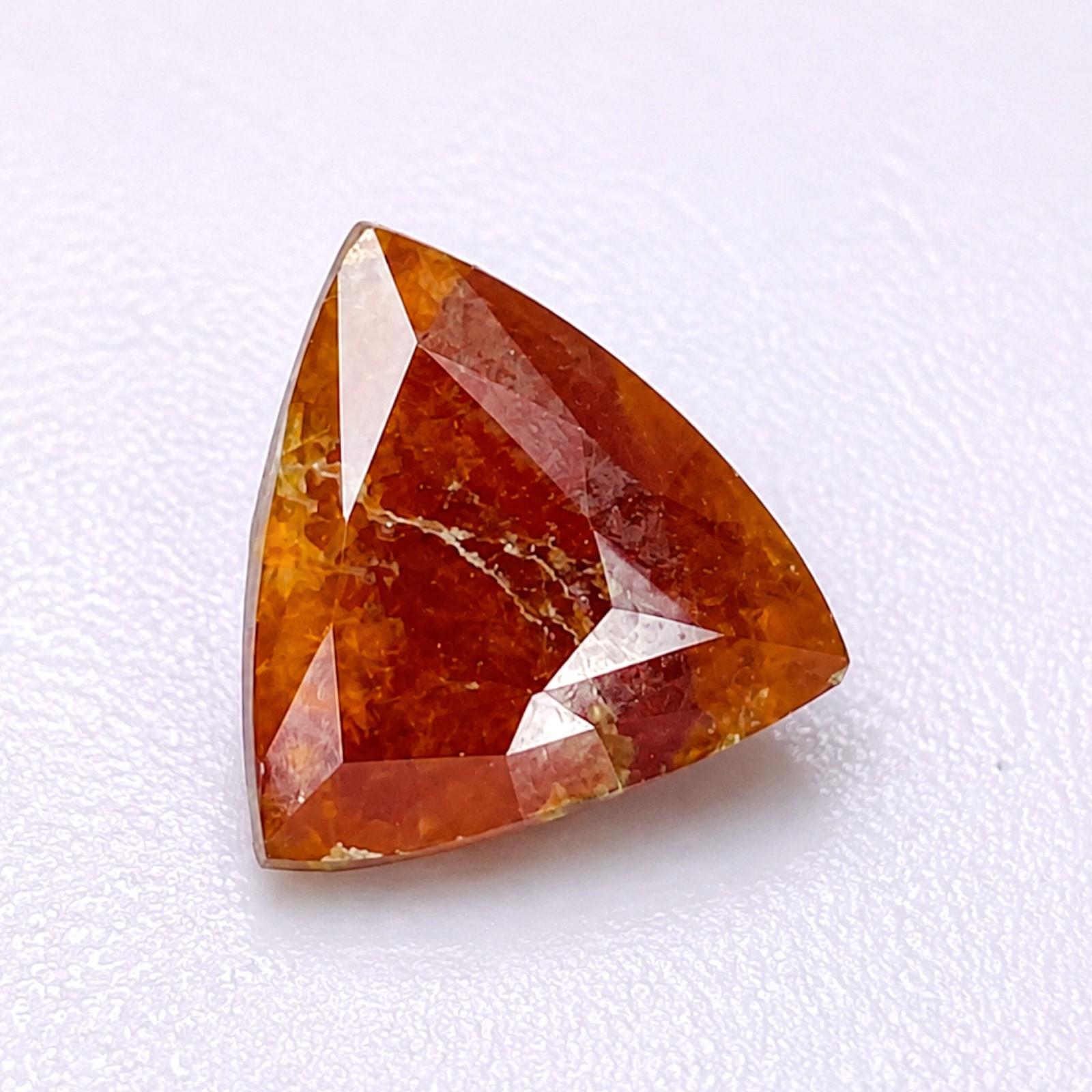
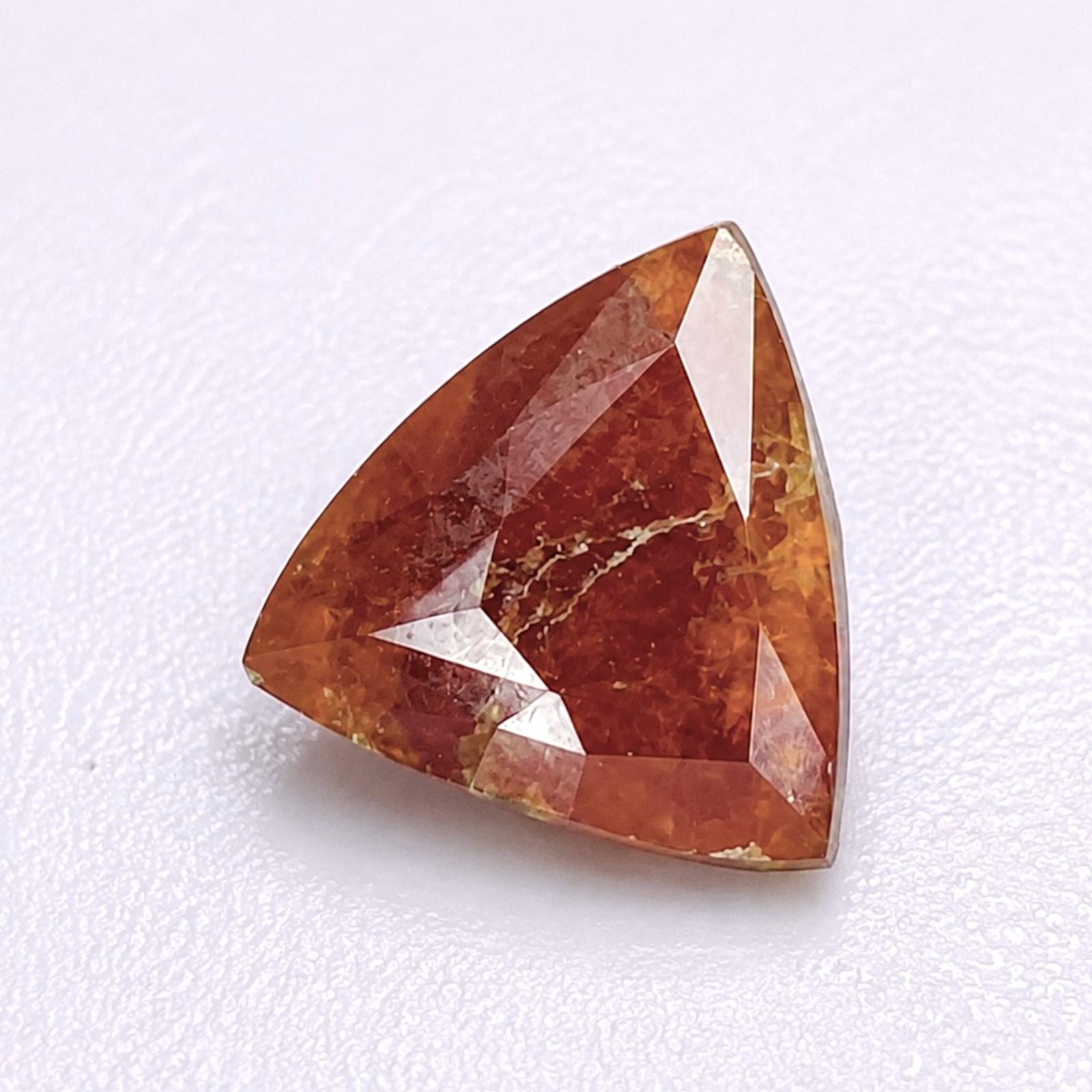
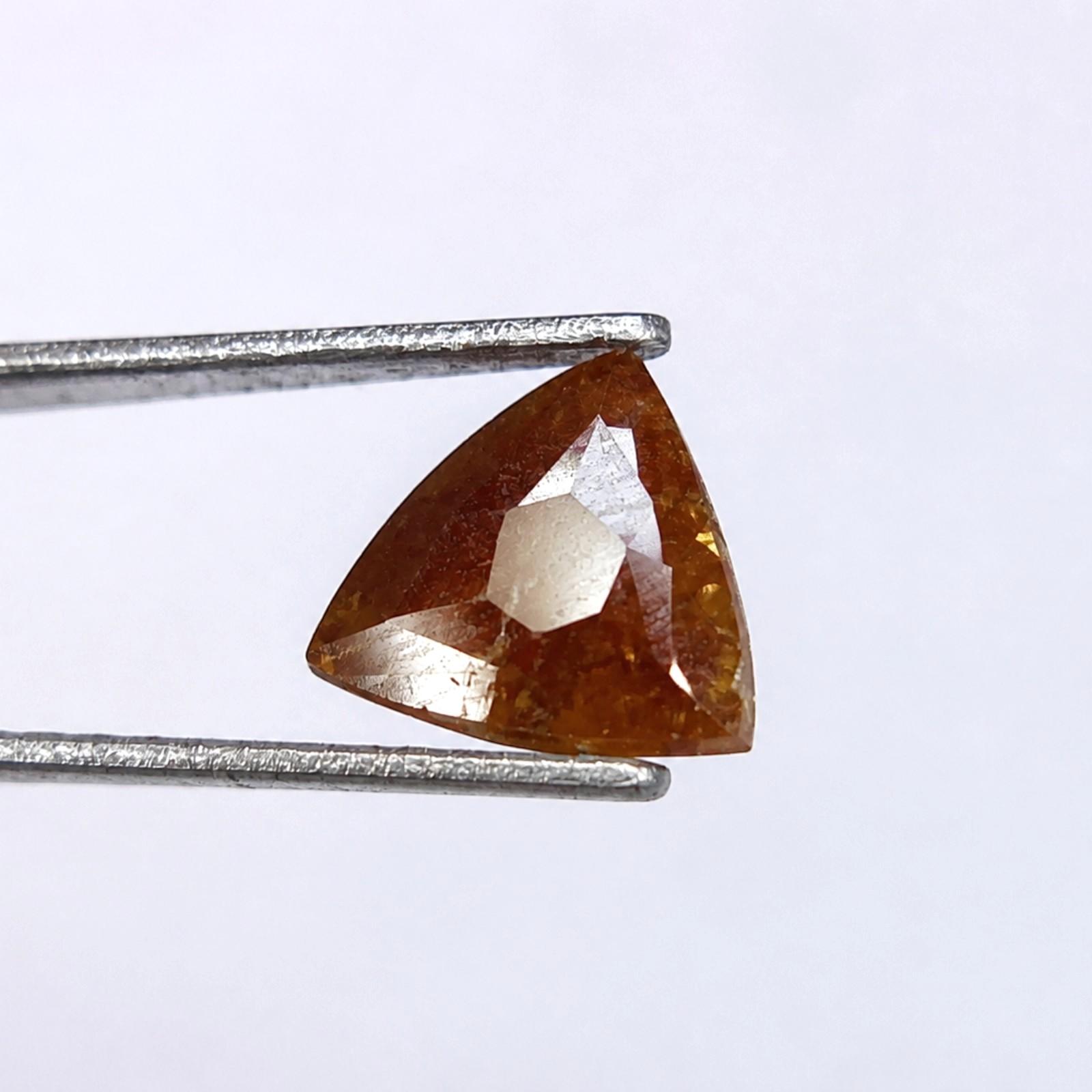
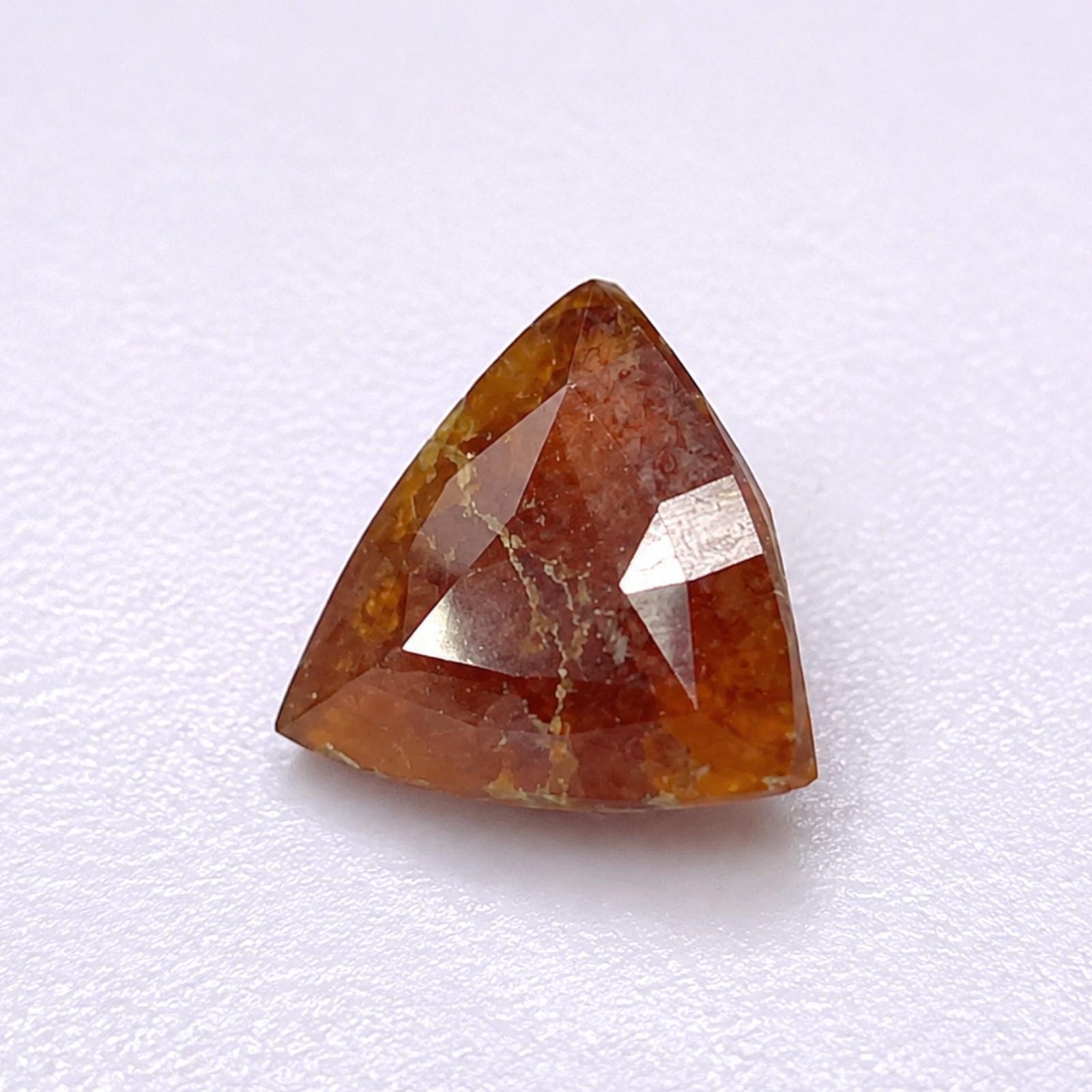
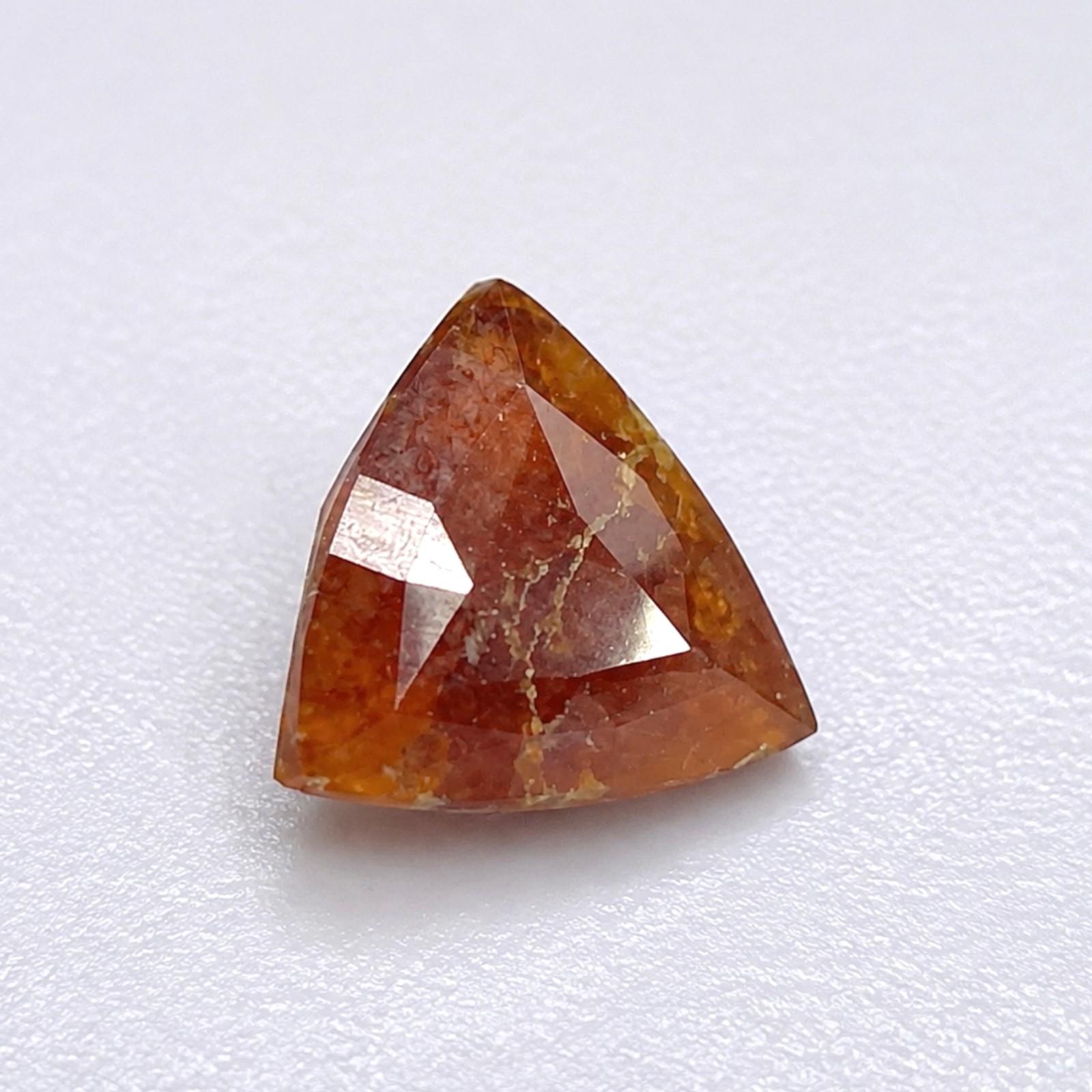
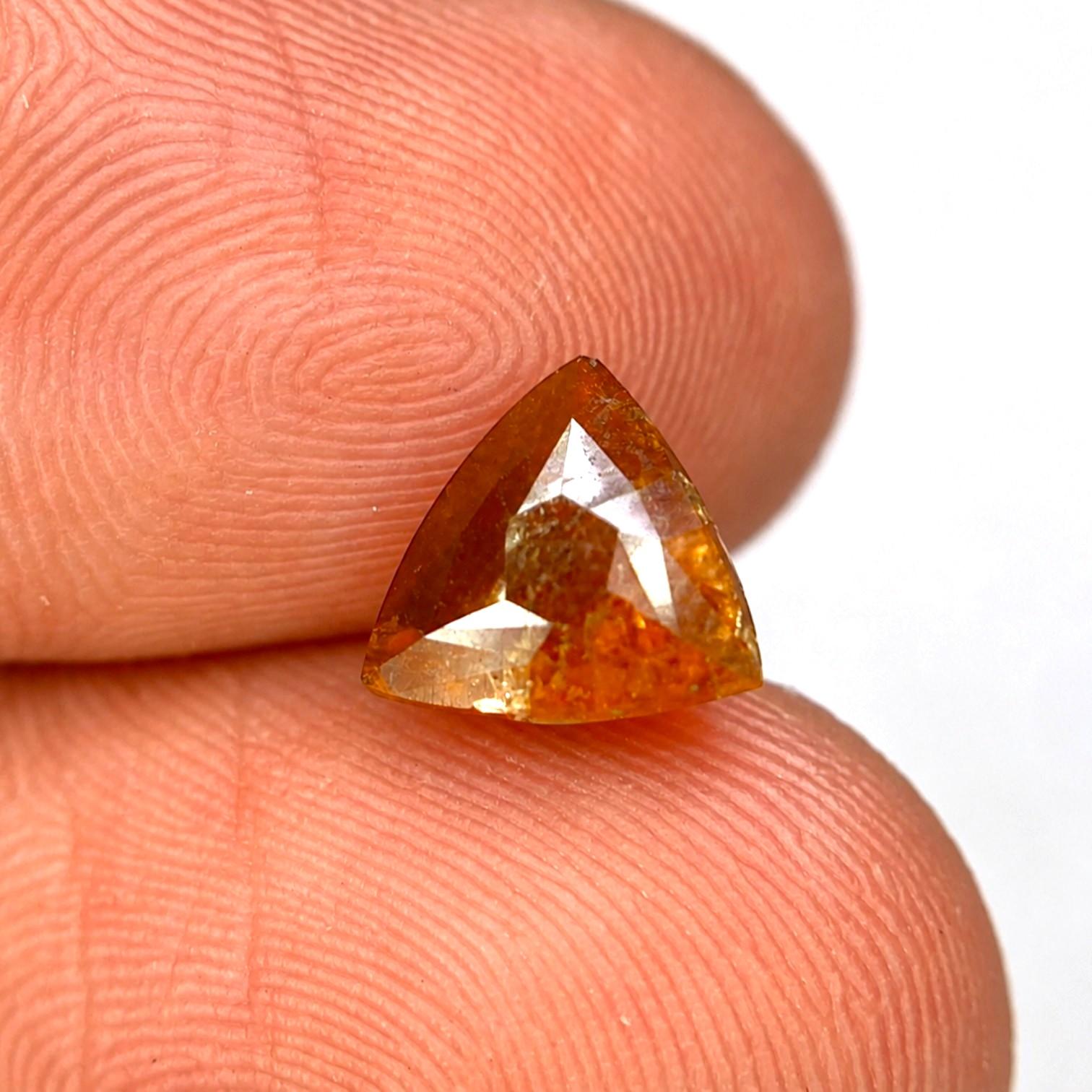
1.62 ct SEPTARIAN NODULE – USA
EXPERT VERIFIED
- Expert Verified Gemstone
- Fast Handling & Shipping
- Secure Vault Packaging
$ 100
Offer amount Feild


Smart Collector Choice


Pay with Crypto & Get 10% Automatic Discount

Availability: 1 in stock


- Freakingcats Gemstone Database
Septarian Nodule
The first time I saw a Septarian Nodule, it reminded me of something prehistoric—a “Dragon Egg” pulled directly from the earth. These are geological formations that tell a story of ancient seabeds and the slow, rhythmic drying of marine mud. As a collector, I’ve always been drawn to the incredible contrast between the rugged, unassuming exterior and the intricate, crystalline world hidden inside. When we cut and polish these nodules, we aren’t just revealing minerals; we are exposing a 50-to-70-million-year-old geometric puzzle. The way the yellow calcite radiates within the darker aragonite veins creates a pattern that is entirely unique to every piece, making them one of the most aesthetic decorative stones in the vault.
The Heritage & Discovery
Historical Significance: Septarian nodules serve as geological time capsules, often forming around a central organic nucleus—sometimes even preserving an ammonite fossil at their heart. They represent a rare combination of biological and chemical processes. Historically, they have been a favorite for lapidaries and collectors who value “natural geometry.” The name itself comes from the Latin word septum, meaning “partition,” referring to the distinct cracks or separations that divide the interior of the nodule into angular blocks.
Discovery: These formations have been documented for centuries across various continents, with major scientific interest peaking as geologists began to map ancient Cretaceous sea beds. While they aren’t “discovered” in the way a rare element is, the identification of the specific shrinkage and mineralization process helped geologists understand the dehydration of marine sediments during the late Cretaceous period.
Important Mines: While they are found globally, the most iconic and vibrant specimens come from the high deserts of Utah, USA, and the fossil-rich grounds of Madagascar. The Utah nodules are particularly famous for their bright yellow “honey” calcite, while the Madagascar material often provides the best opportunity to find a hidden ammonite fossil inside. I’ve always sourced the most stable, solid nodules from these regions to ensure that once they are polished, the crystalline veins remain sharp and vibrant.
Mineralogical Profile
Description: A Septarian Nodule is a carbonate-rich concretion that sits at a 3.5 to 4 on the Mohs scale, depending on the mineral fill. It forms through a multi-stage process: mud accretes around a nucleus, hardens, and then shrinks, creating internal fractures. Later, mineral-rich fluids seep into these voids, depositing yellow Calcite, brown Aragonite, and sometimes Siderite or Bentonite. The result is a hard, clay-rich outer shell protecting a crystalline interior. When we work with this material, we focus on preserving the “polygonal” blocks of matrix separated by the radiating, mineral-lined veins.
Chemical Formula: Primarily CaCO3 (Calcite/Aragonite) with varied clay and iron inclusions.


