
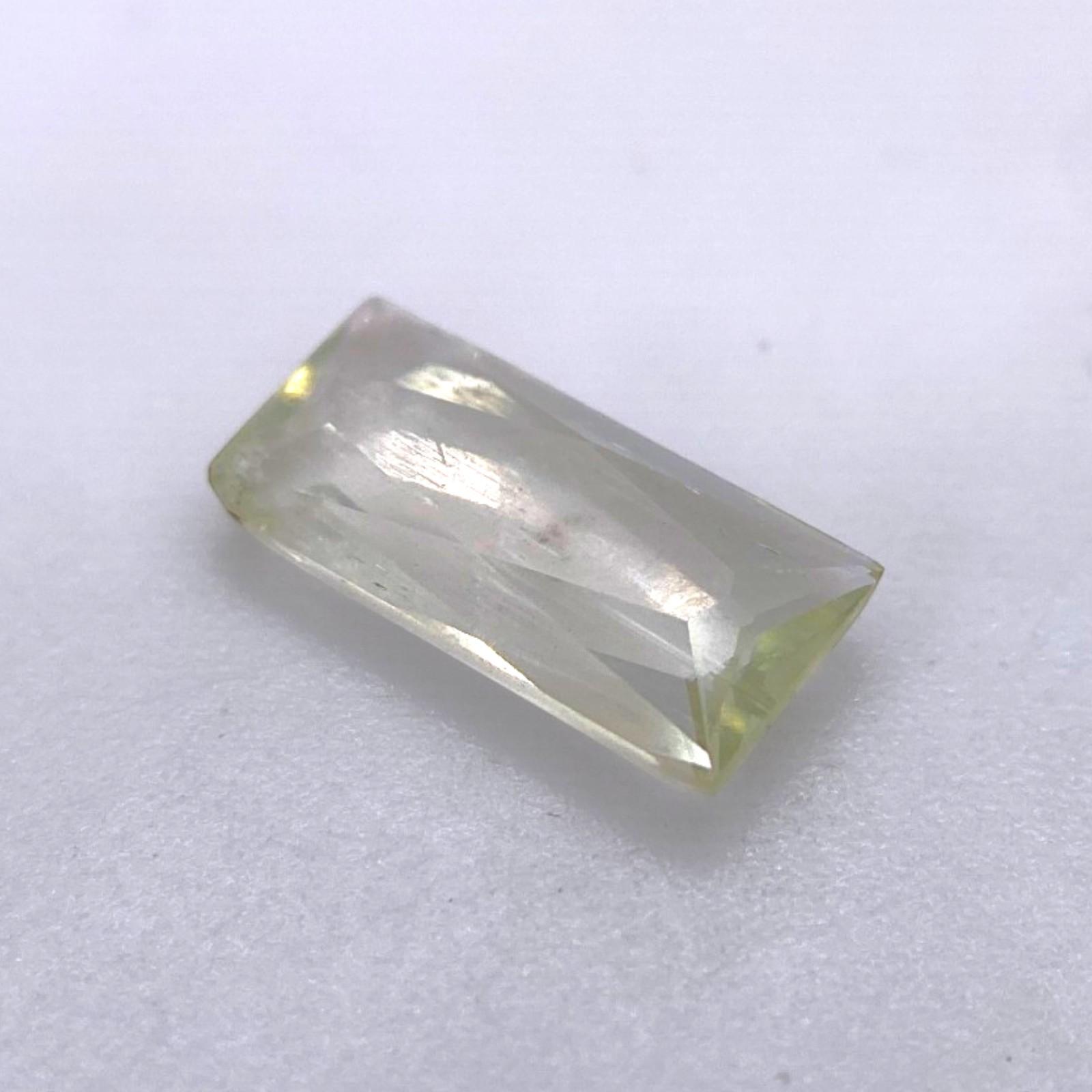
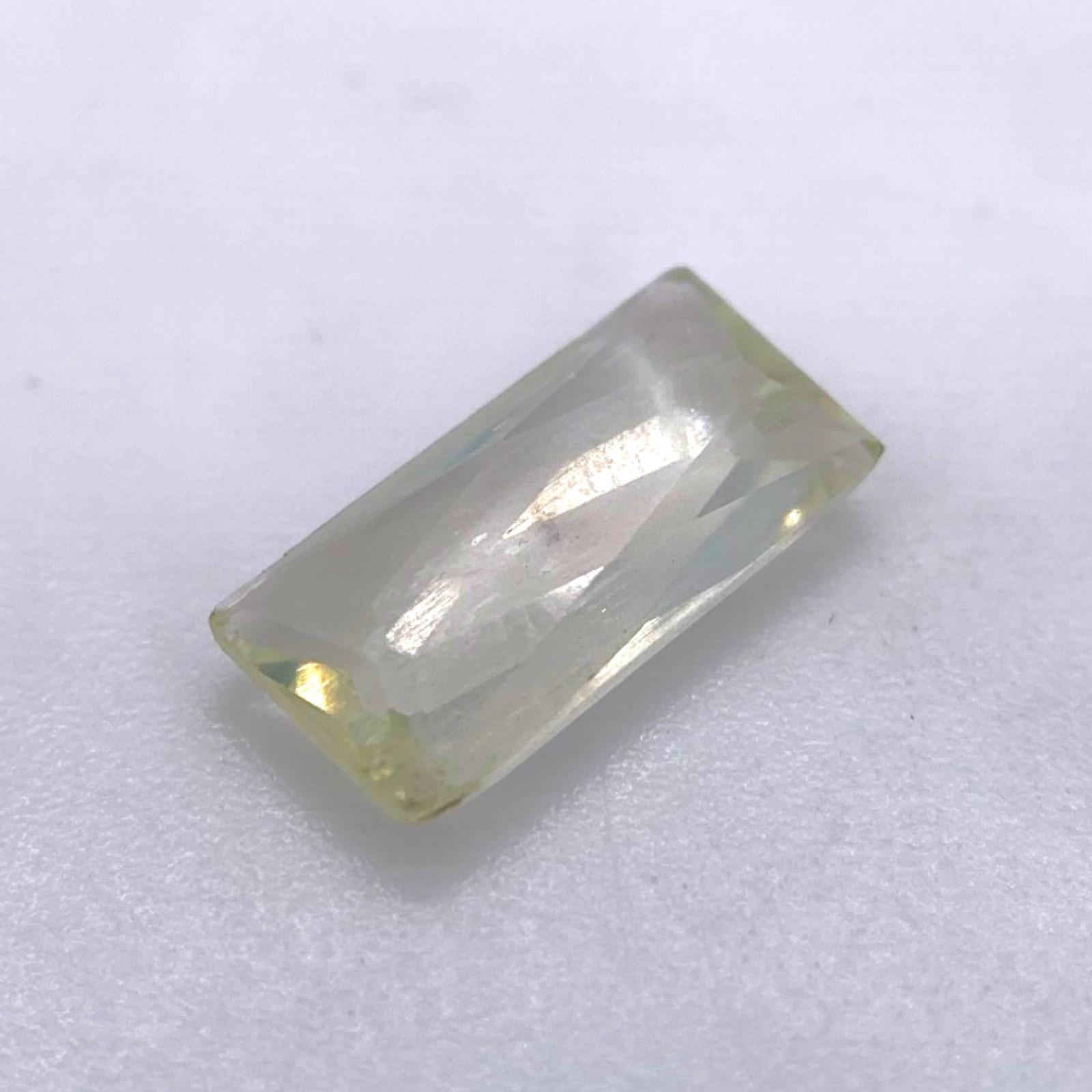
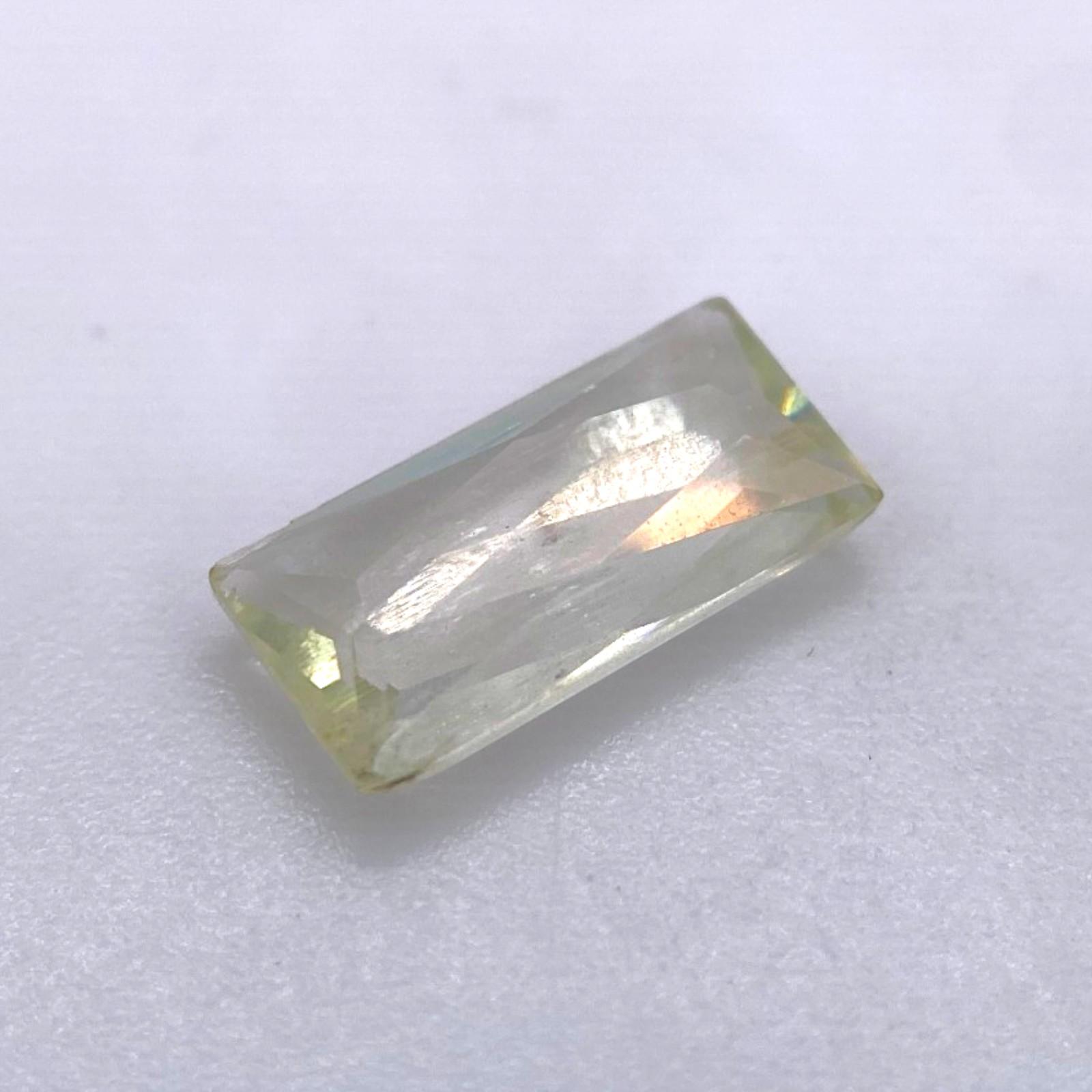
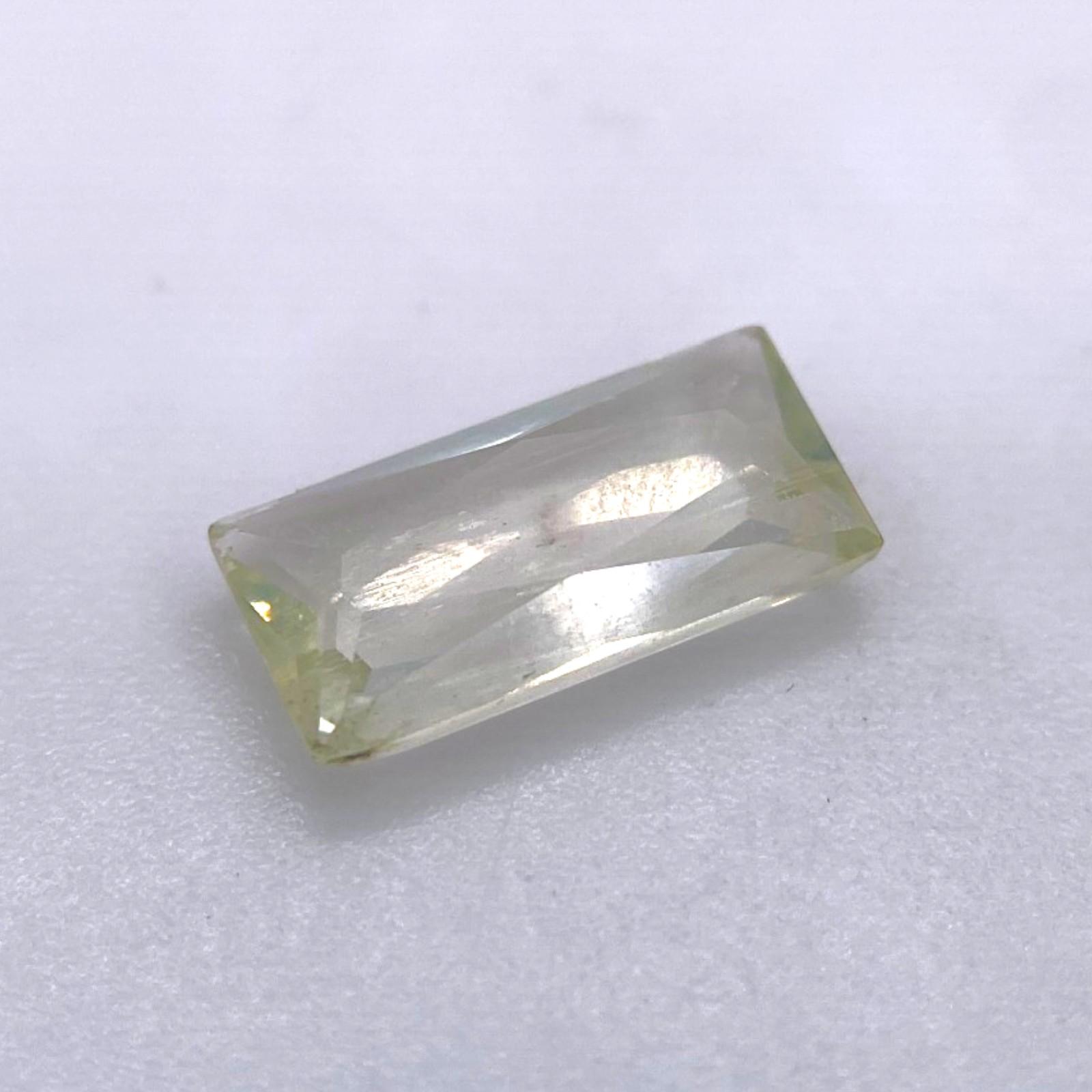
1.80 ct EDENITE – SRI LANKA
EXPERT VERIFIED
- Expert Verified Gemstone
- Fast Handling & Shipping
- Secure Vault Packaging
$ 450
Offer amount Feild


Smart Collector Choice


Pay with Crypto & Get 10% Automatic Discount

Availability: 1 in stock
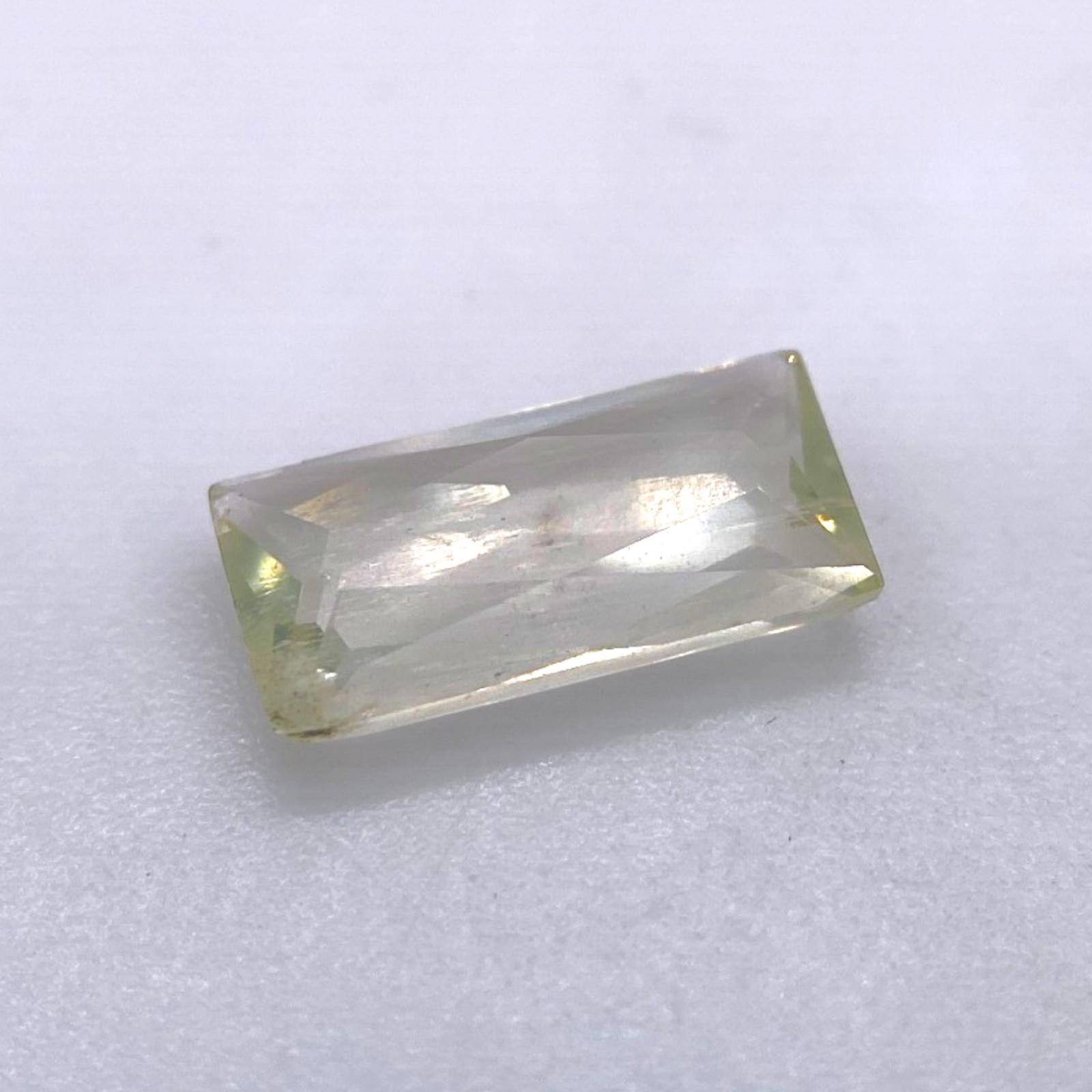
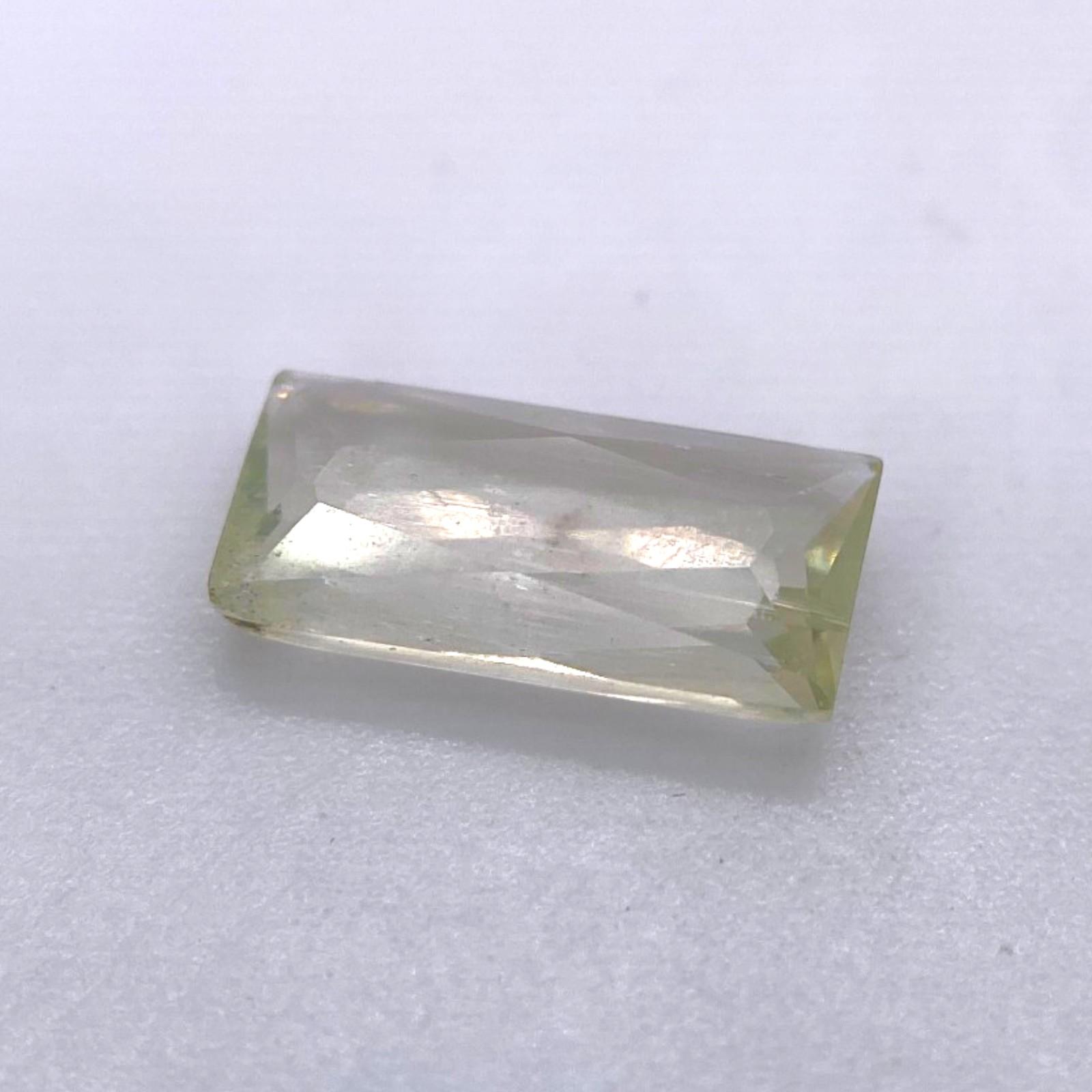
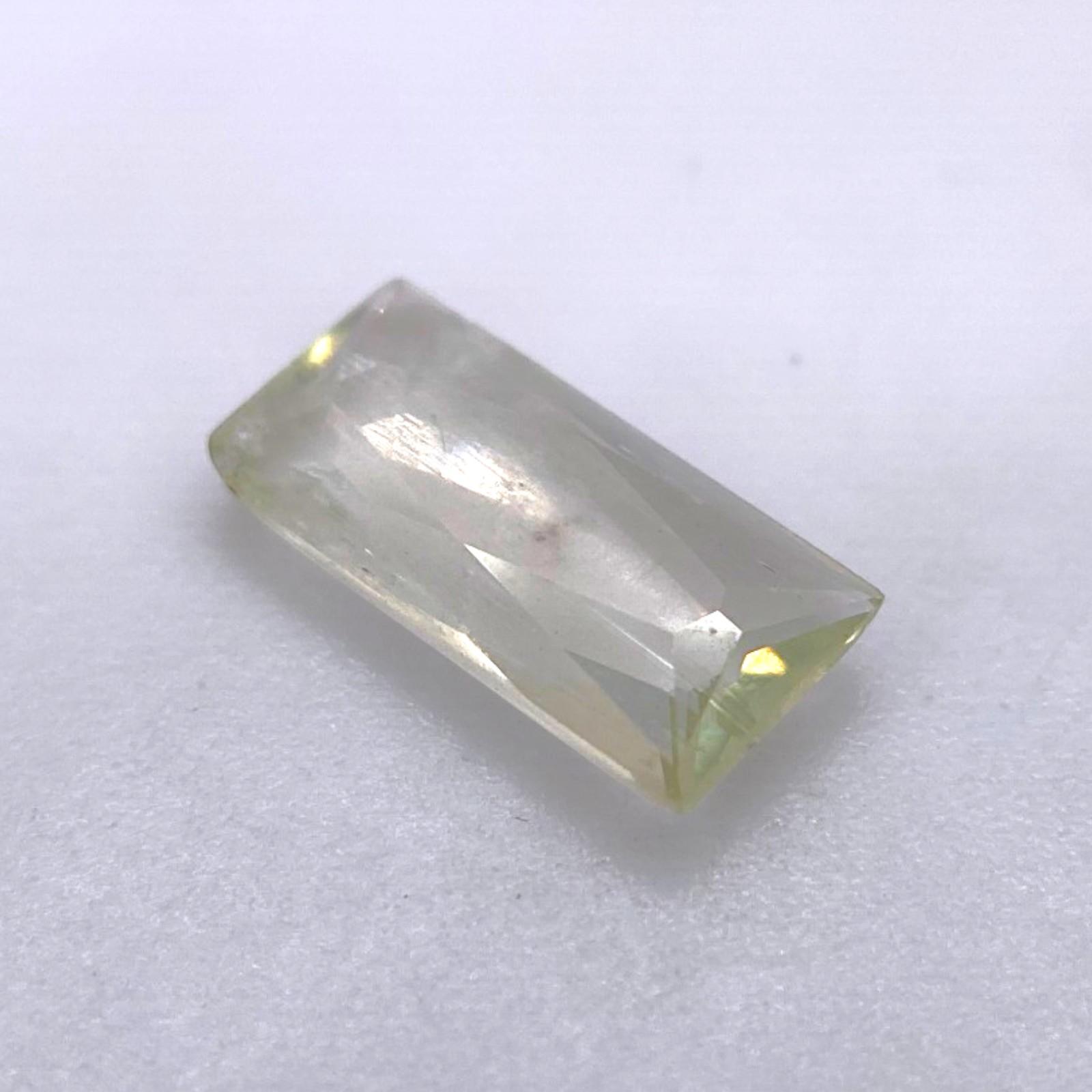


- Freakingcats Gemstone Database
Edenite
Edenite represents the “hidden refinement” of the amphibole group. A sodium calcium magnesium aluminum silicate, it is a species I have always respected for its subtle complexity and its status as a significant rarity within the silicate world. While it is often overlooked in favor of its more famous cousins, for the specialist, a clean, gem-grade Edenite from Sri Lanka is a prize of geochemical purity. It typically presents in shades of “honey-yellow,” “olive-green,” or a “smoky-tan.” It is a stone of “quiet strength,” providing a sophisticated, sub-vitreous luster that makes it a true “connoisseur’s choice” for the systematic vault.
The Heritage & Discovery
Historical Significance: Edenite is a vital species for understanding the mineralogical evolution of metamorphic rocks and high-pressure skarn environments. Historically, it was a rare discovery that challenged early mineralogists to differentiate it from the more common Tremolite or Actinolite. In the world of fine minerals, it is celebrated for its sharp, prismatic architecture. It stands as a symbol of geological discipline, bridging the gap between common rock-forming silicates and the elite world of “gem-grade” collector rarities. It serves as a reminder that the most “humble” tones in nature often harbor the most stable and balanced chemical structures.
Discovery: The mineral was formally named in 1839 in reference to its type-locality: Edenville, New York. Scientifically, it is a sodium-dominant amphibole. Its discovery provided mineralogists with the first clear look at how sodium and aluminum can be integrated into the amphibole lattice to create a distinct, high-pressure species. My own respect for this material grew from its “earthy” transparency; in rare, facet-grade specimens from the gravels of Sri Lanka, the light passes through the structure with a warmth and depth that is unmistakable to the trained eye.
Important Mines: While the type-locality is in New York, the undisputed world capital for the finest, “gem-grade” transparent Edenite is the Ratnapura district in Sabuwa Province, Sri Lanka. These Sri Lankan “alluvial” specimens set the global benchmark for clarity and “honey-hued” saturation. I also have a high regard for the spectacular, well-formed crystals from Pargas, Finland, and the rare occurrences in Mogok, Myanmar. For the vault, I prioritize the Sri Lankan material for its unmatched transparency and its status as one of the world’s few sources of facet-grade amphibole crystals.
Mineralogical Profile
Description: Edenite is a complex silicate that crystallizes in the monoclinic system. It sits at a 5 to 6 on the Mohs scale, making it a relatively durable mineral, though its characteristic amphibole cleavage requires a delicate touch and a stable environment. It is characterized by its vitreous to pearly luster and its unmistakable “autumnal” color palette.
One of its most identifying traits is its perfect cleavage, which intersects at angles of approximately 56° and 124°. It has a moderate refractive index (n approx 1.60 to 1.62) and a specific gravity (SG approx 3.0 to 3.1). Because it forms in metamorphic environments, it is often found in association with Calcite, Chondrodite, and Phlogopite. When I select a piece for the collection, I look for “eye-clean” transparency and a lack of the “fibrous” inclusions common in other amphiboles, as these highlight the sophisticated, three-dimensional geometry of the mineral’s growth. It is a dense, high-vibration mineral that offers a unique, “grounded” beauty unlike any other silicate species.
Chemical Formula: NaCa2Mg5(Si7Al)O22(OH)2


