

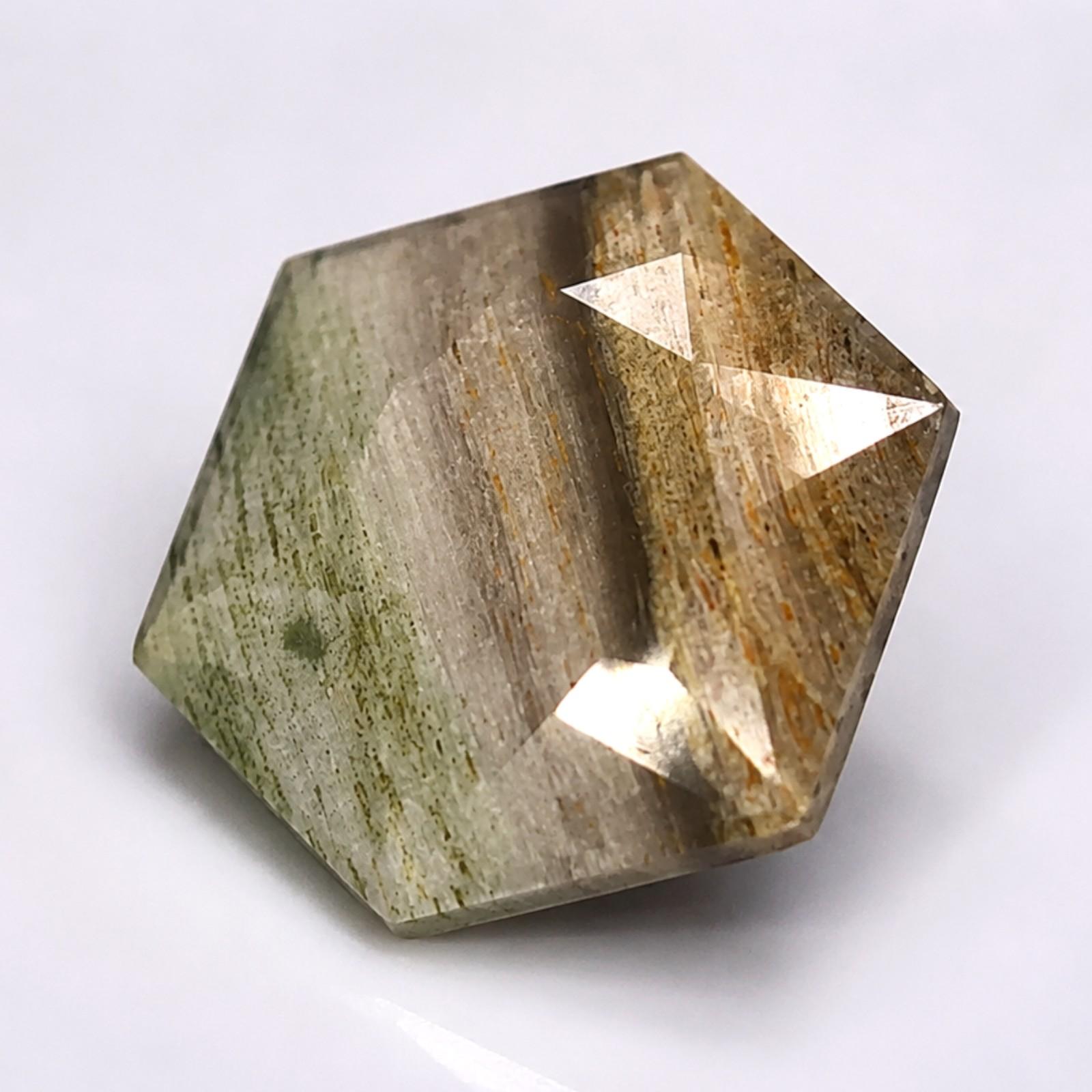
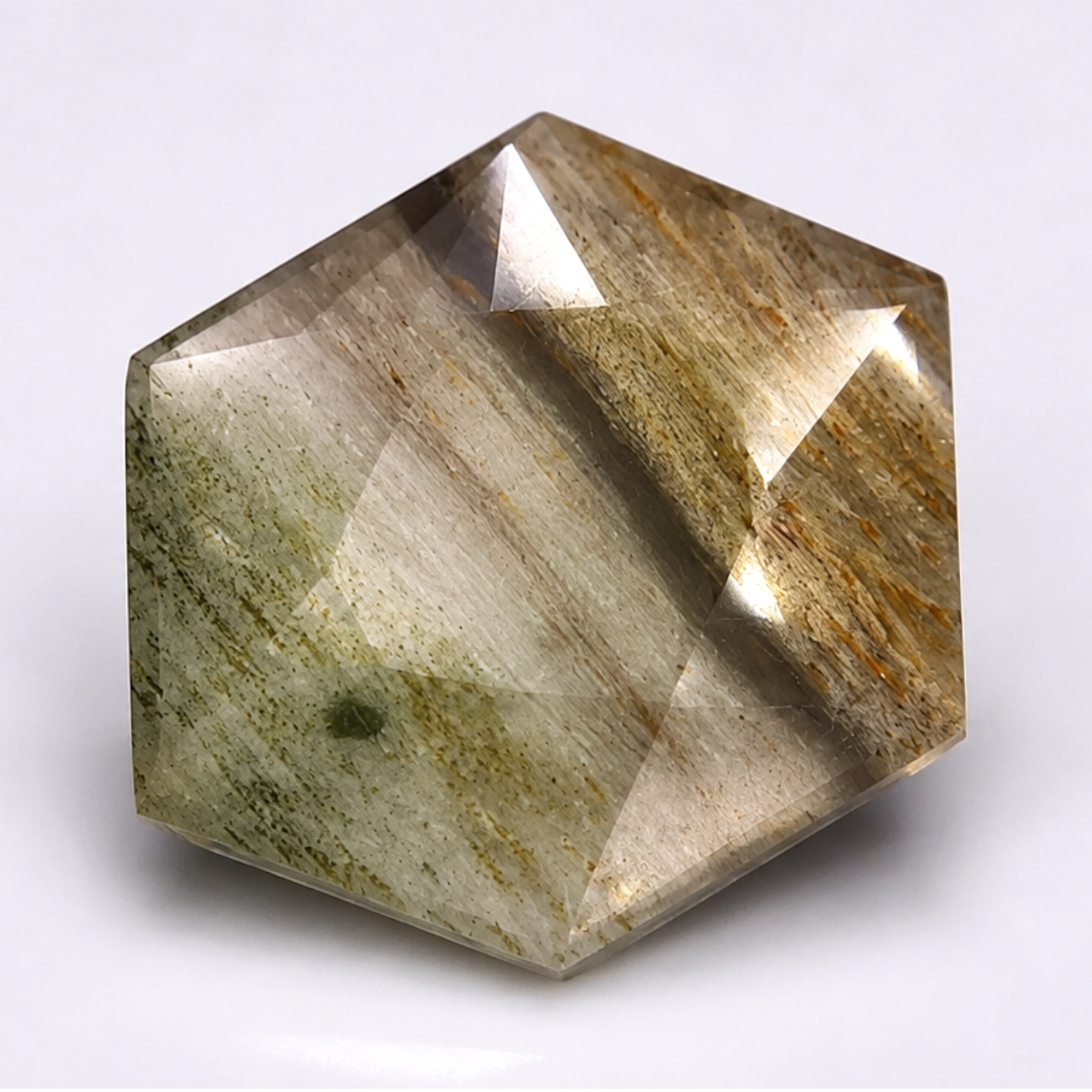
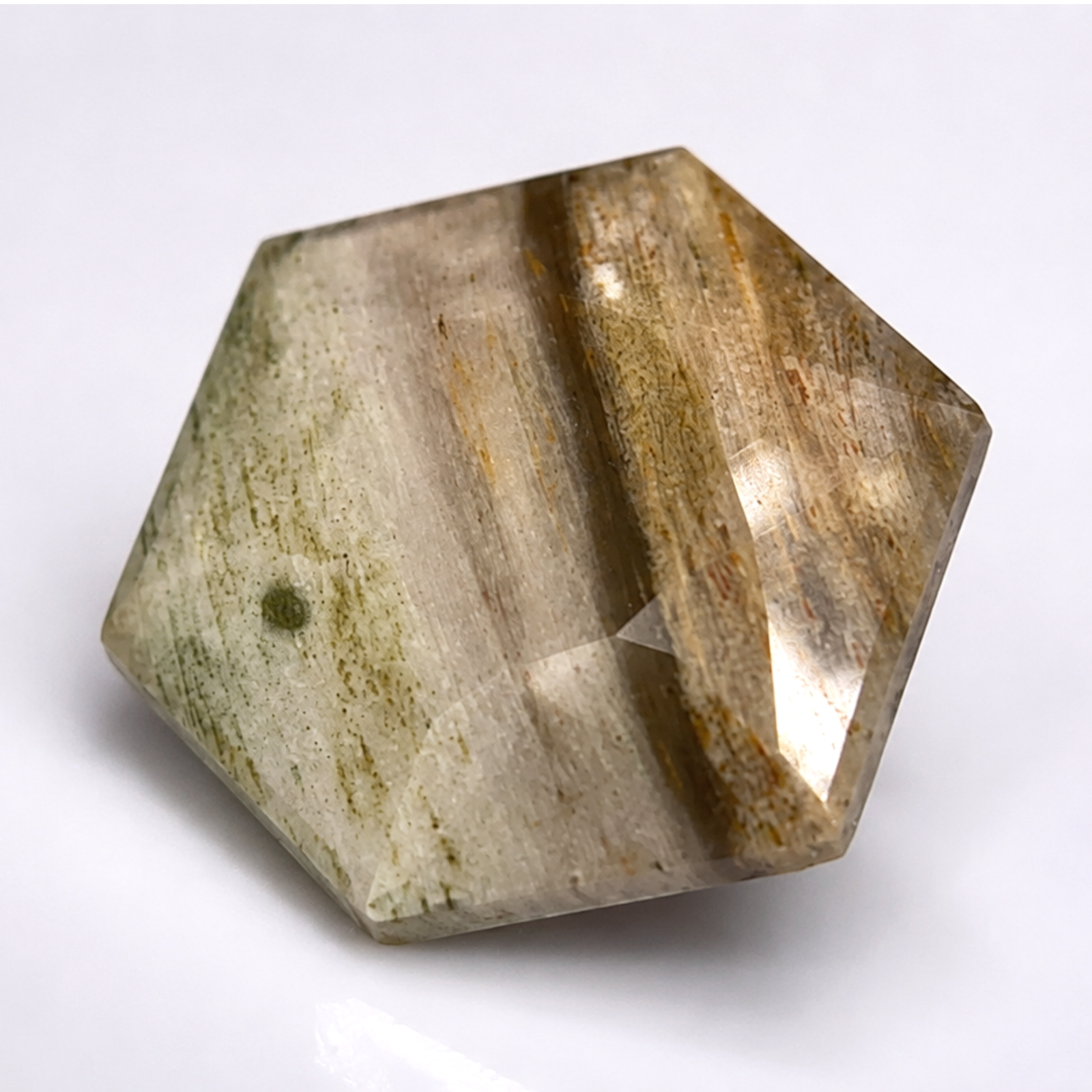
10.35 ct FOSSILIZED WOOD – USA
EXPERT VERIFIED
- Expert Verified Gemstone
- Fast Handling & Shipping
- Secure Vault Packaging
$ 150 Original price was: $ 150.$ 120Current price is: $ 120.
Offer amount Feild


Smart Collector Choice


Pay with Crypto & Get 10% Automatic Discount

Availability: 1 in stock
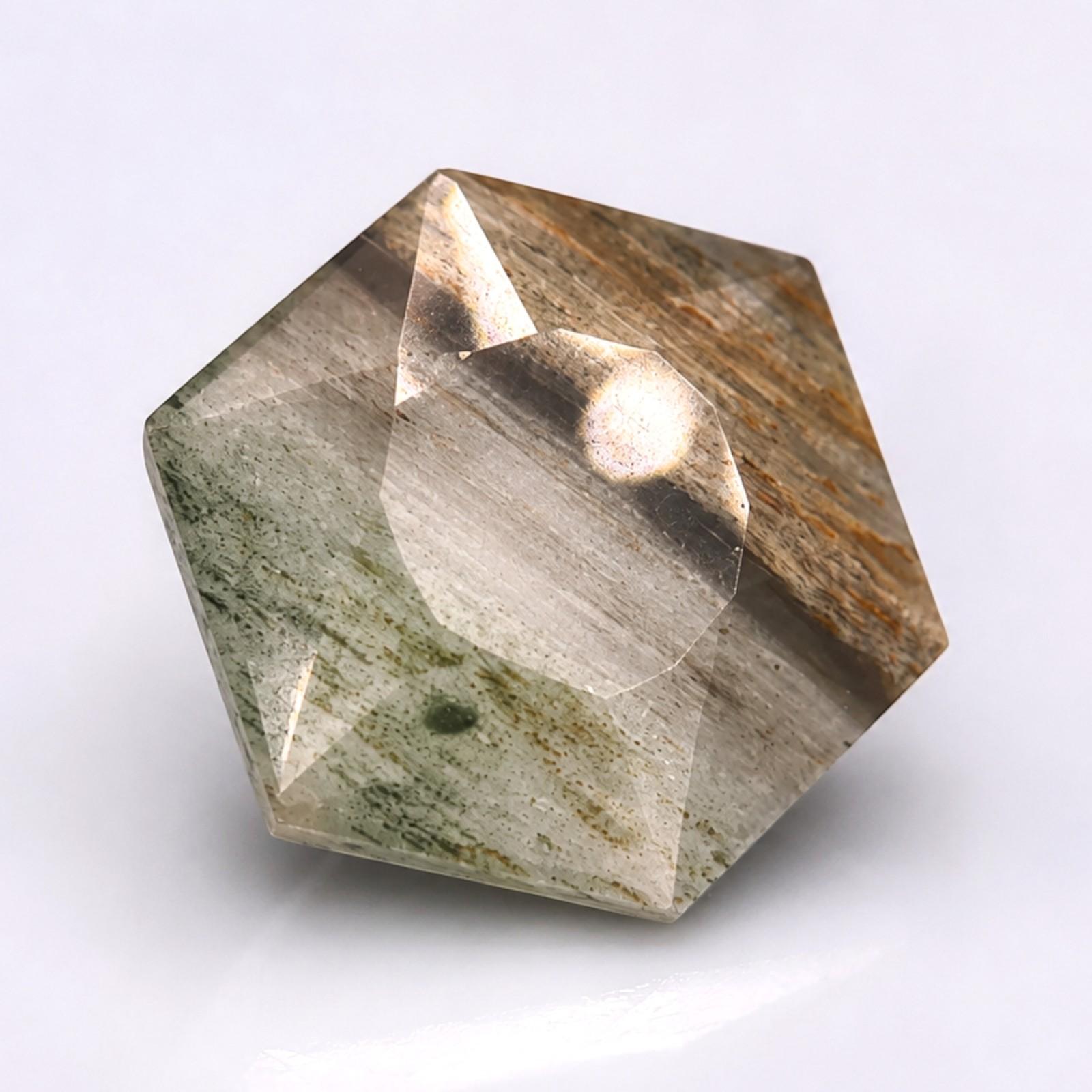
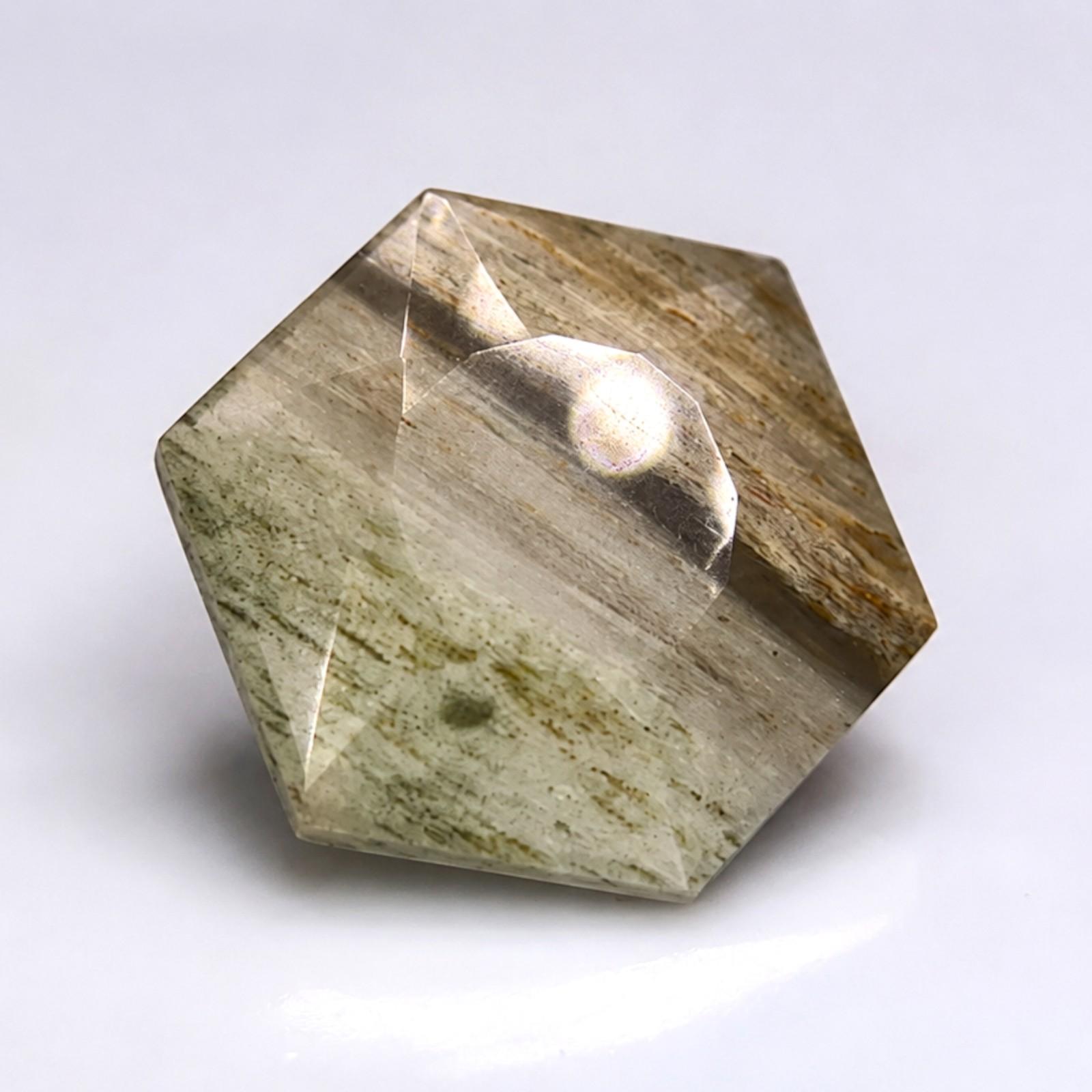
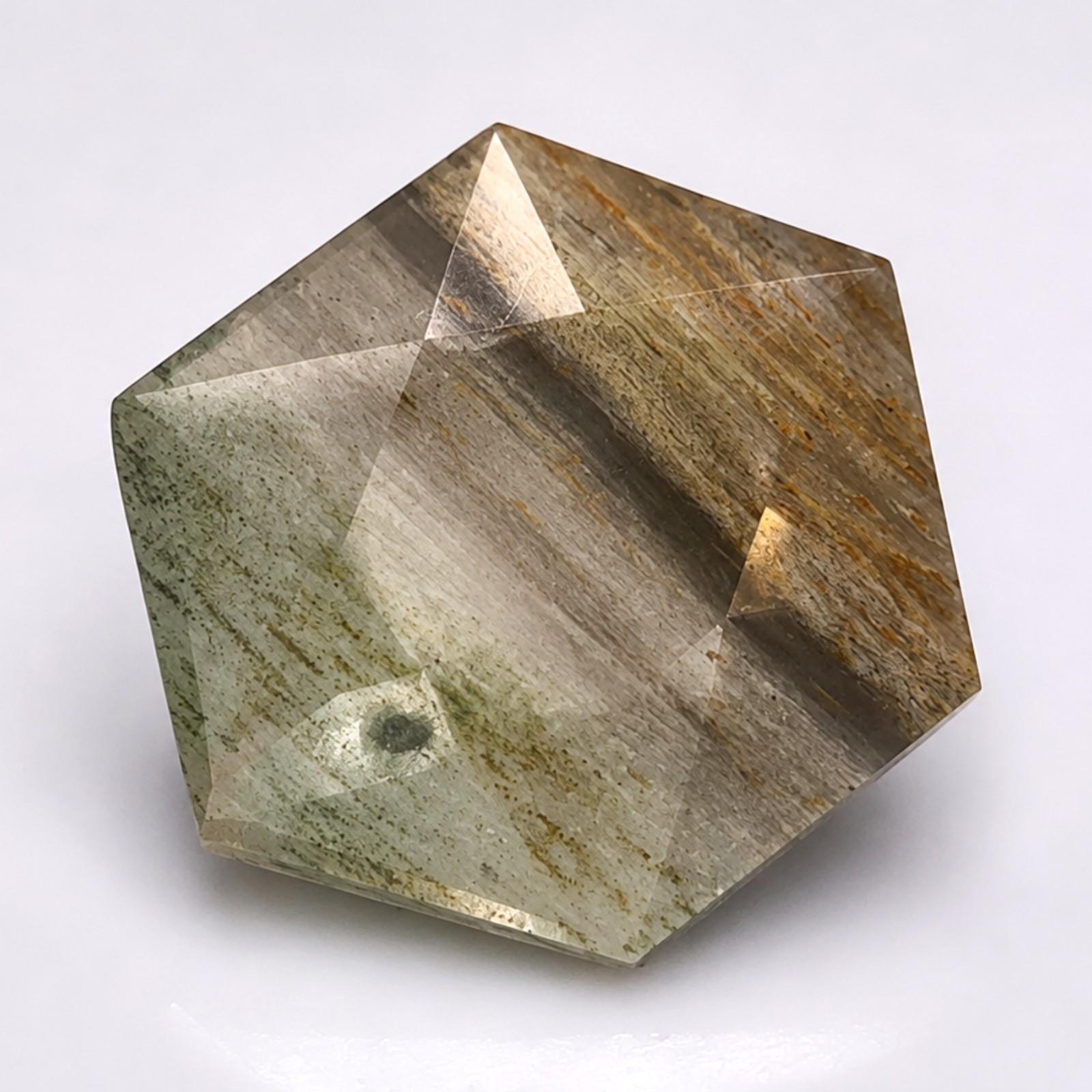
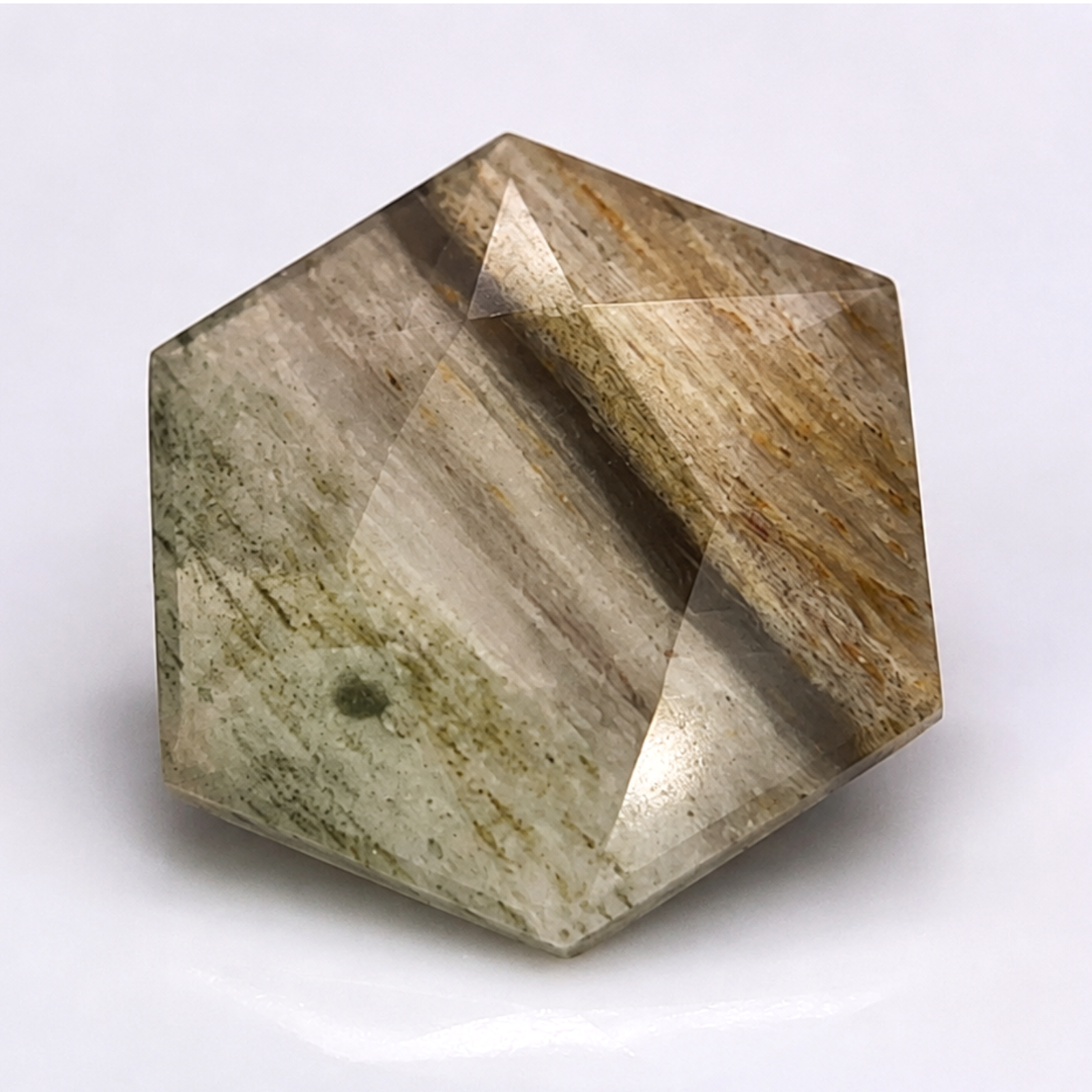


- Freakingcats Gemstone Database
Fossilized Wood (USA)
Fossilized wood from the classic ancient basins of the United States represents the absolute pinnacle of organic silhouette preserved through silica-driven substitution. A pseudomorph of agate, chalcedony, or opal after original woody tissue, it is a material I have always respected for its “chromatic-explosion” to “deep-earth-ocher” saturation and its status as a masterpiece of cellular-level structural discipline. For the specialist, a top-tier American fossilized wood specimen—particularly a polished round showing complete perimeter bark—is a prize of intense, low-temperature groundwater petrification, offering a brilliant vitreous to waxy luster and a highly grounded, ancient presence that makes it a true asset for the systematic vault. As an artist, I find the breathtaking contrast between its intense, rainbow-hued internal ring structures and the rough, weathered exterior texture of the original bark to be one of nature’s most sophisticated and time-honored palettes.
The Heritage & Discovery
Historical Significance Fossilized wood is a vital material for understanding the complex hydrologic transport of silica-rich fluids and the microscopic preservation of ancient ecosystems. Historically, American deposits have held a legendary place in both paleobotanical and mineralogical history, documented extensively since the pioneering geological surveys of the American West in the 19th century. In the world of fine minerals and fossils, it is celebrated for its natural, iron- and manganese-activated pigments, which stand as a symbol of deep-time transformation and structural focus. It serves as a reminder that volcanic ash and groundwater can break down primordial forests and replace them molecule-by-molecule into extraordinary, hyper-saturated crystalline records.
Discovery While fossilized wood occurs globally, the discovery of massive, completely silica-mapped logs across the arid landscapes of North America completely redefined the scientific study of permineralization. Scientifically, the process relies on an oxygen-depleted burial environment where dissolved volcanic silica gradually replaces cell walls before the organic material can decay. The discovery of these vast fossilized forests provided mineralogists with spectacular, macrocrystalline cross-sections that showcase its unique, structural beauty. My own respect for this material grew from observing its dense cellular preservation; specifically, the way its polished faces reveal concentric growth rings and radiant cell structures stained by trace metals is a visual impact that is unmistakable to the trained eye.
Important Mines The undisputed historical capital for this material remains the world-famous Petrified Forest National Park region near Holbrook, Arizona, renowned for its brightly colored Chinle Formation logs. Globally, the most “aesthetic” multi-colored expressions have emerged from the prolific fossil belts of the western United States, including the legendary Hub Allen Ranch in Arizona, the vibrant yellow and red deposits of Utah, and the pristine, structural wood from the Ginkgo Petrified Forest in Washington state. For the vault, I prioritize specimens that exhibit vibrant color purity, complete structural ring definitions, and a solid, intact outer bark layer, as they represent a highly stable masterpiece of secondary geology.
Mineralogical Profile
Description Fossilized wood is an organic material that has undergone permineralization, commonly crystallizing in the trigonal system when replaced by microcrystalline Quartz or Chalcedony, or remaining amorphous when replaced by Opal. It sits at a robust 6.5 to 7 on the Mohs scale, meaning its tough, durable surfaces are highly resistant to physical abrasion and take a magnificent, mirror-like polish. It is characterized by its bright vitreous to waxy luster and an unmistakable, multi-hued color palette ranging from deep reds and bright yellows to earthy browns and jet blacks.
One of its most identifying traits is its preservation of the original organic morphology, often forming distinct log sections, branches, or roots that clearly trace the ancient growth rings and cellular anatomy of the original tree. It possesses a refractive index running from approximately 1.54 to 1.55 (characteristic of quartz), contributing to its rich internal color depth, and an average specific gravity ranging between 2.6 and 2.65 that reflects its dense, silica-heavy architecture. Because it forms in sedimentary basins rich in volcanic ash, it is commonly found in close association with Jasper, Agate, Calcite, Hematite, and Limonite. When I select a piece for the collection, I look for well-defined, “crisp” cellular structures and bold, contrasting color bands, as these highlight the sophisticated, multi-million-year chemistry of the mineral’s post-biological birth.
Chemical Formula SiO2
Related products
- Sale!Suggest a Price
![4.05 ct ANHYDRITE - MEXICO]()
- Sale!Suggest a Price
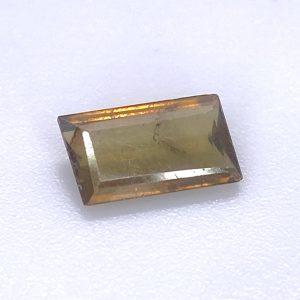
![1.48 ct ANDALUSITE - BRAZIL]()
- Sale!Suggest a Price
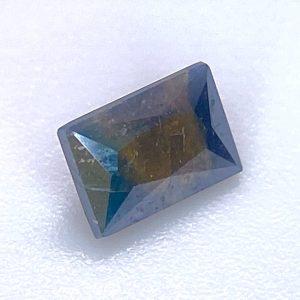
![0.60 ct ANATASE - PAKISTAN]()
- Sale!Suggest a Price
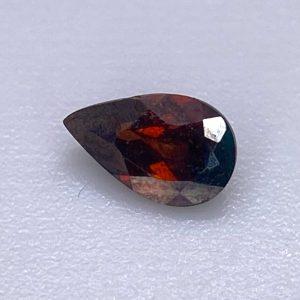
![0.42 ct ANATASE - PAKISTAN]()


