

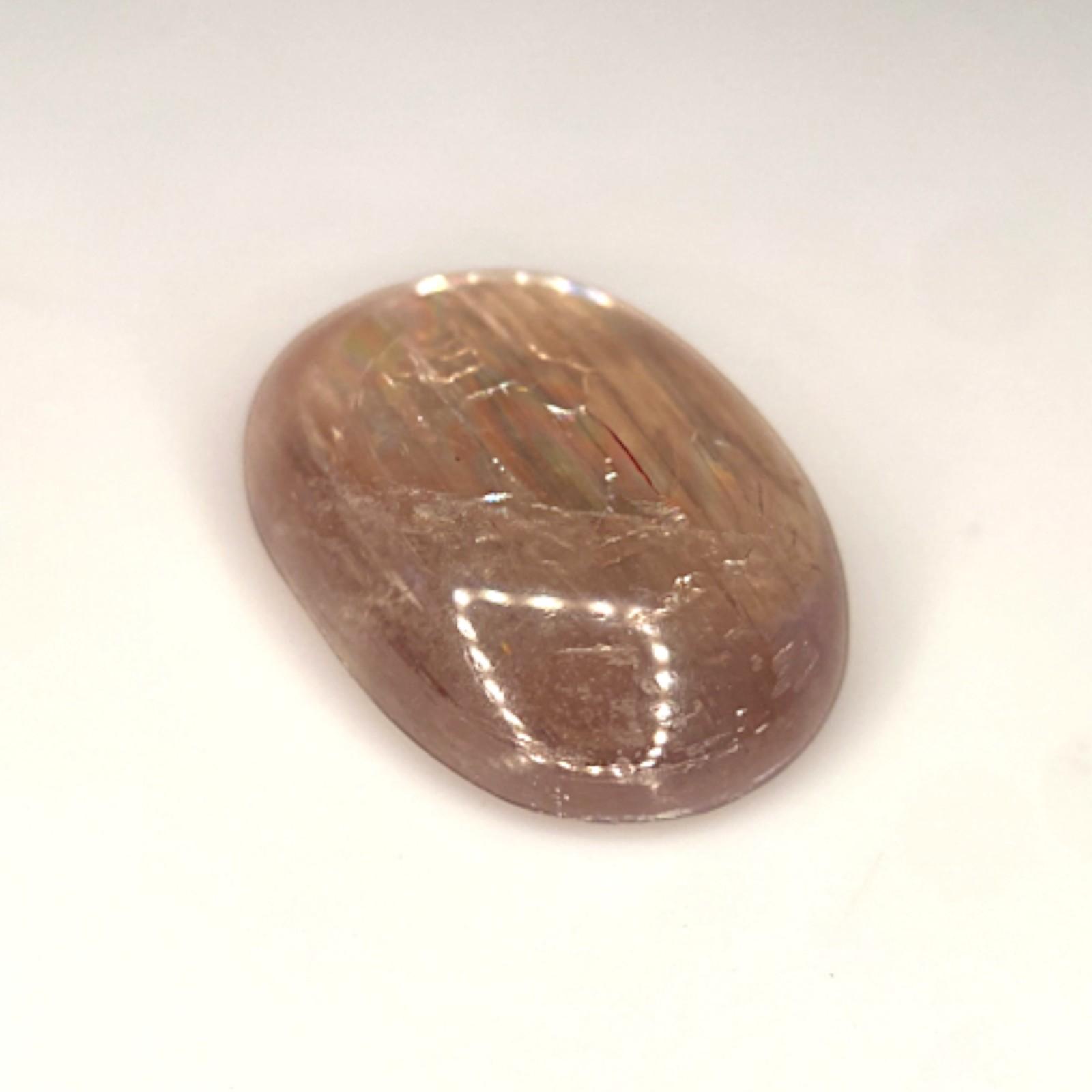
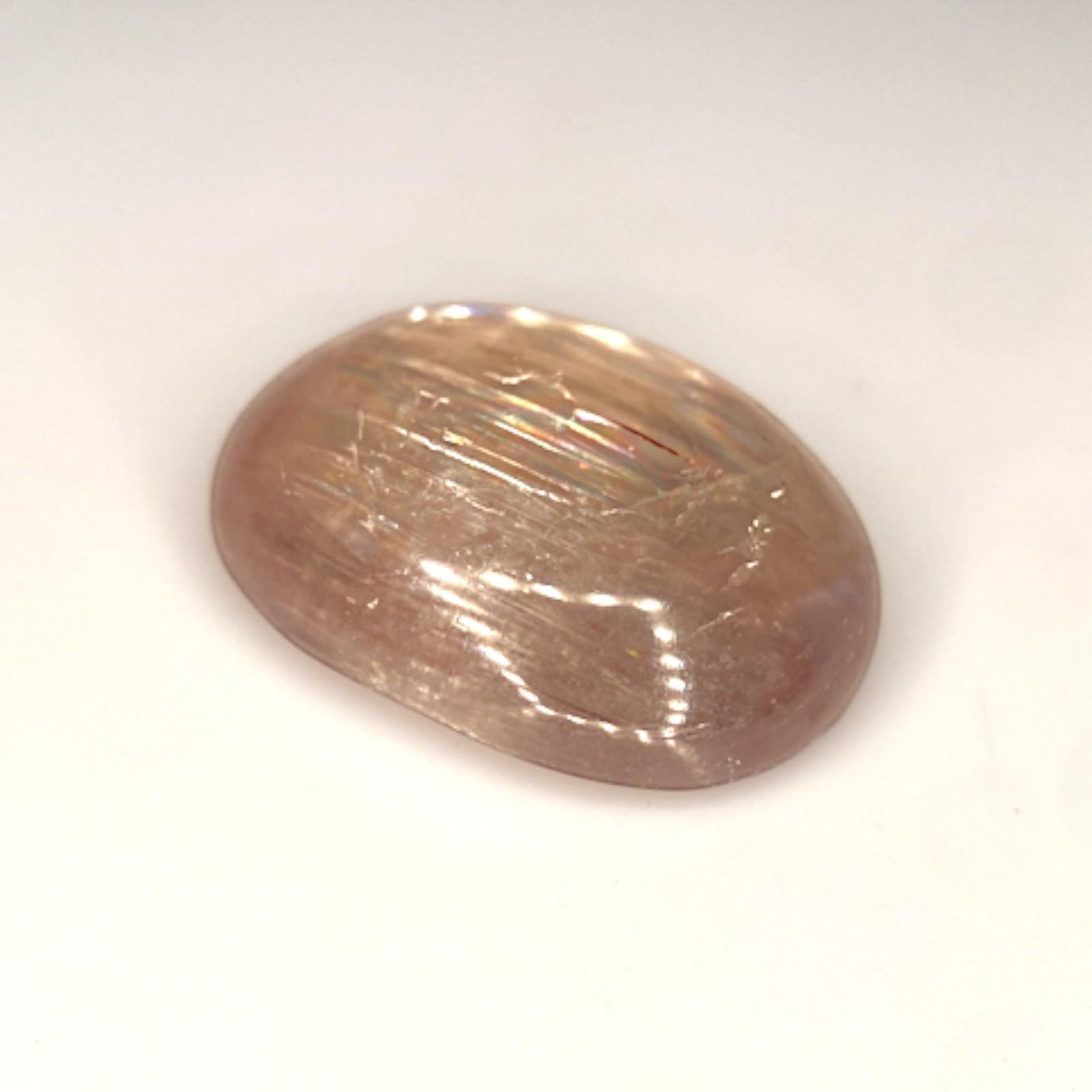
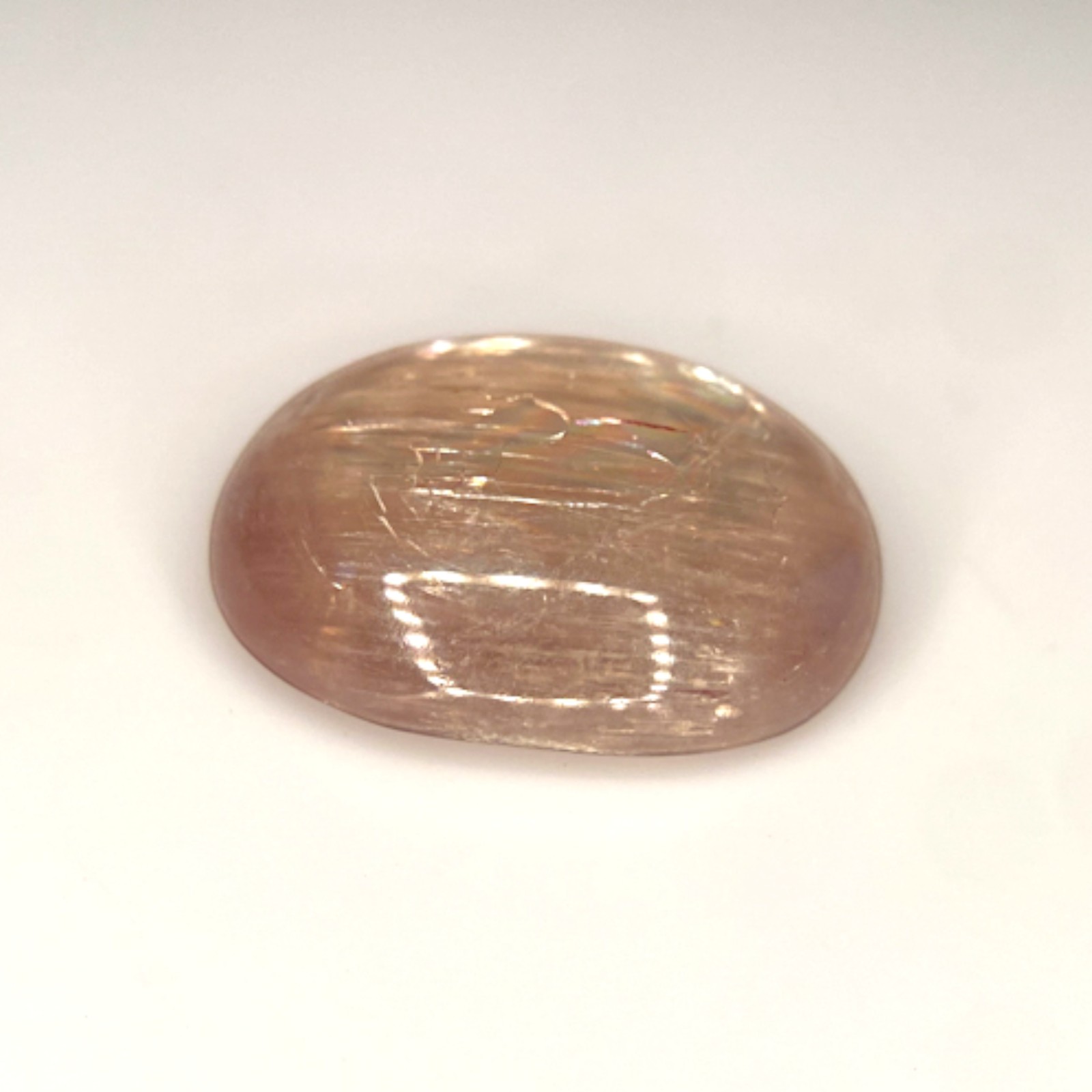
11.55 ct MONSTER DIASPORE – TURKEY
EXPERT VERIFIED
- Expert Verified Gemstone
- Fast Handling & Shipping
- Secure Vault Packaging
$ 150 Original price was: $ 150.$ 90Current price is: $ 90.
Offer amount Feild


Smart Collector Choice


Pay with Crypto & Get 10% Automatic Discount

Availability: 1 in stock
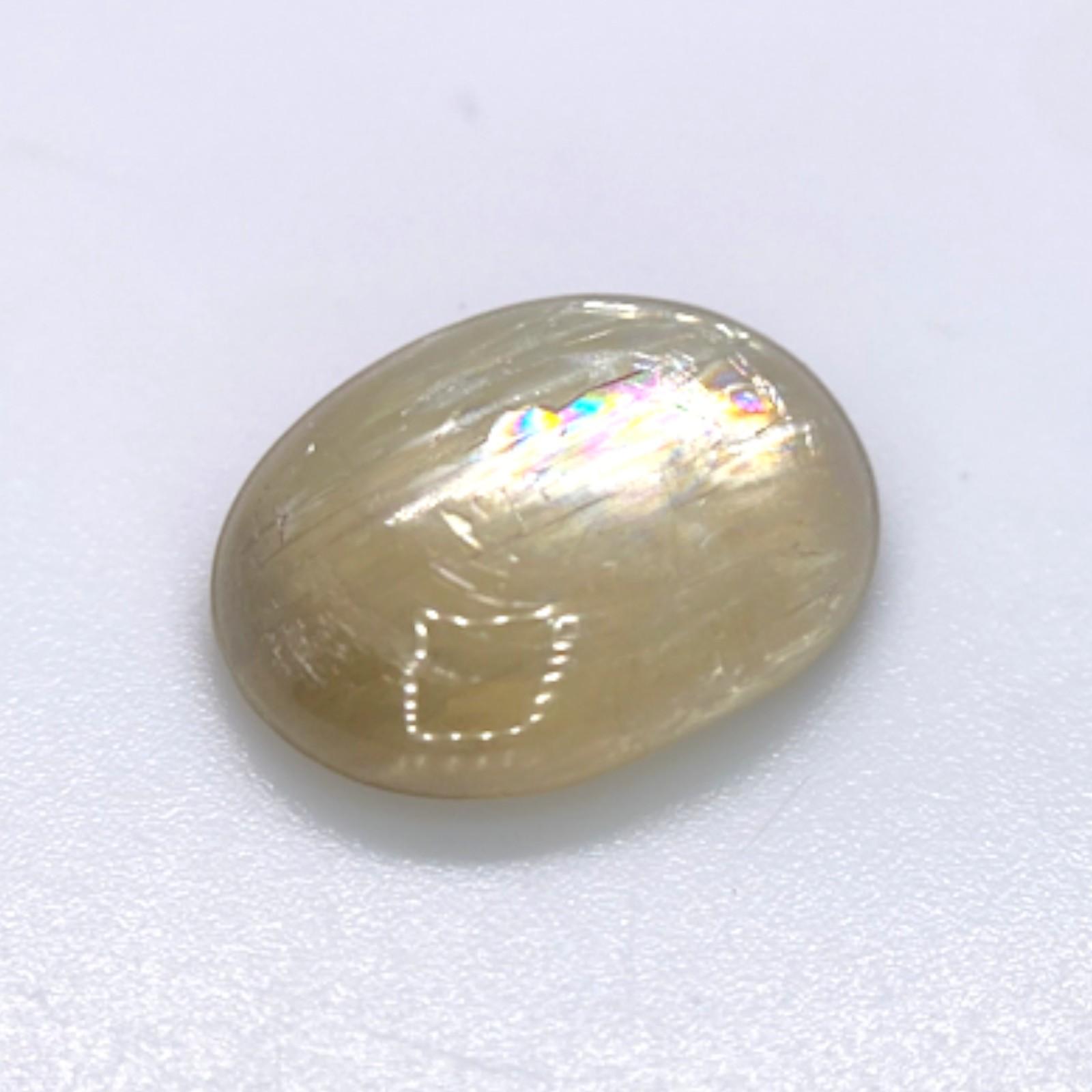
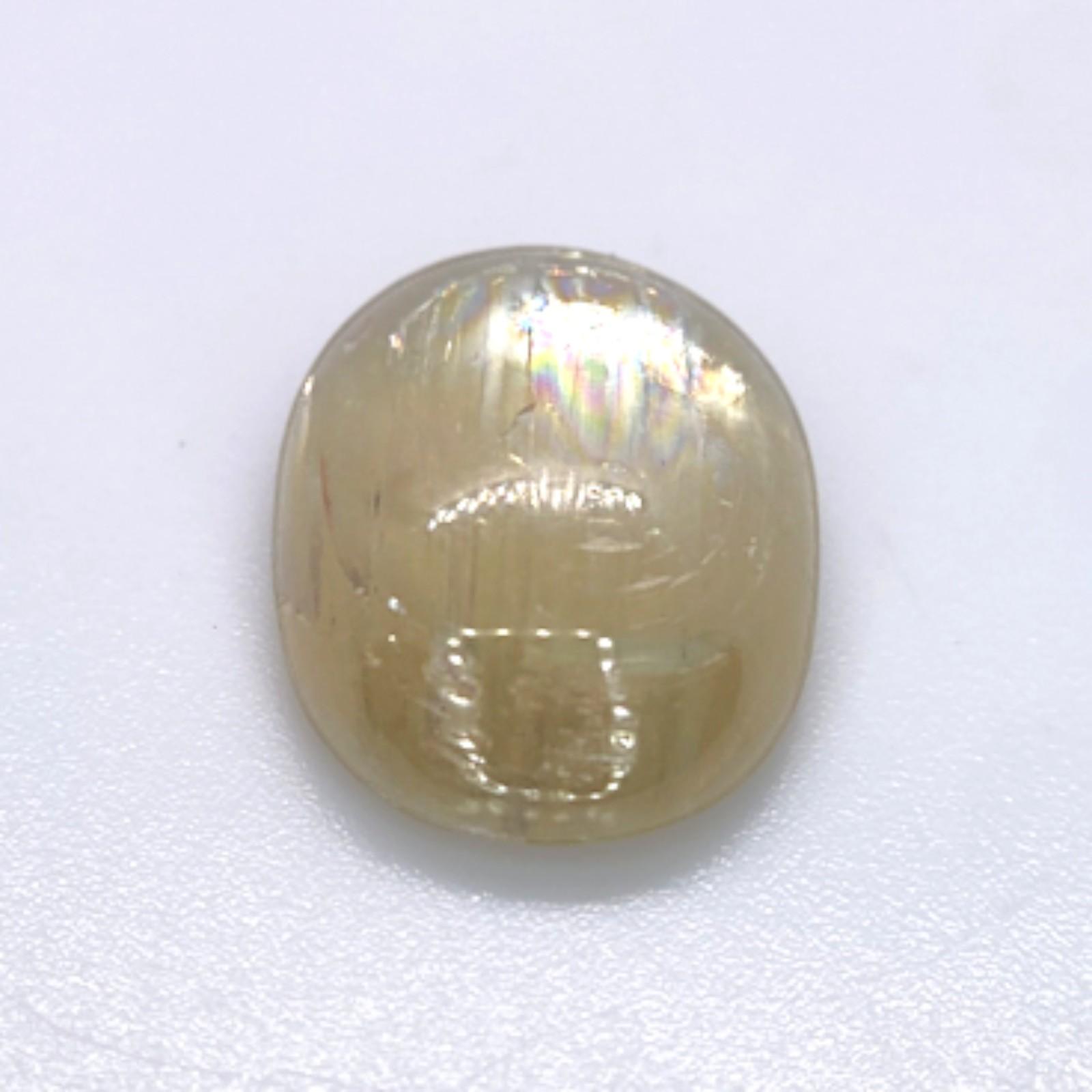
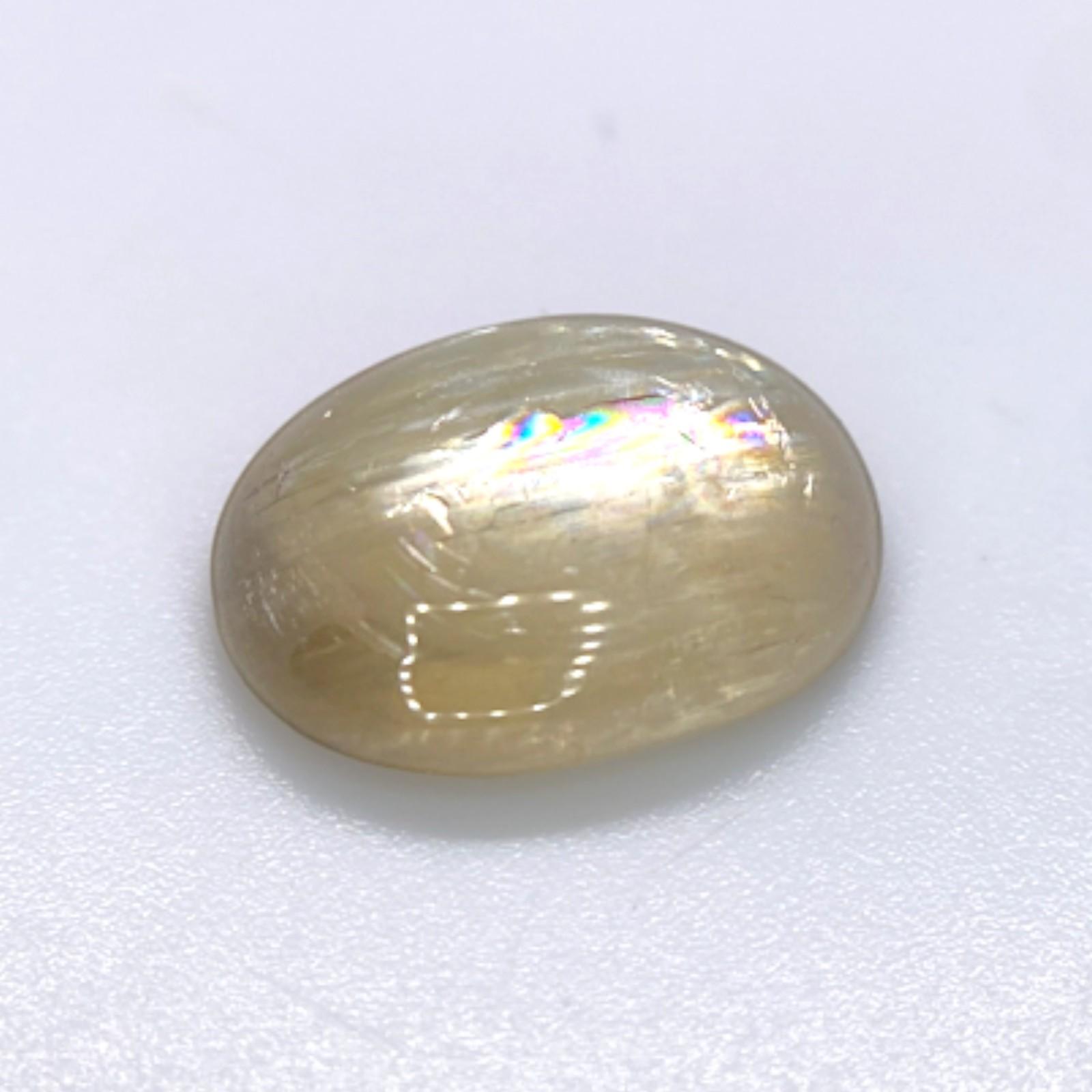
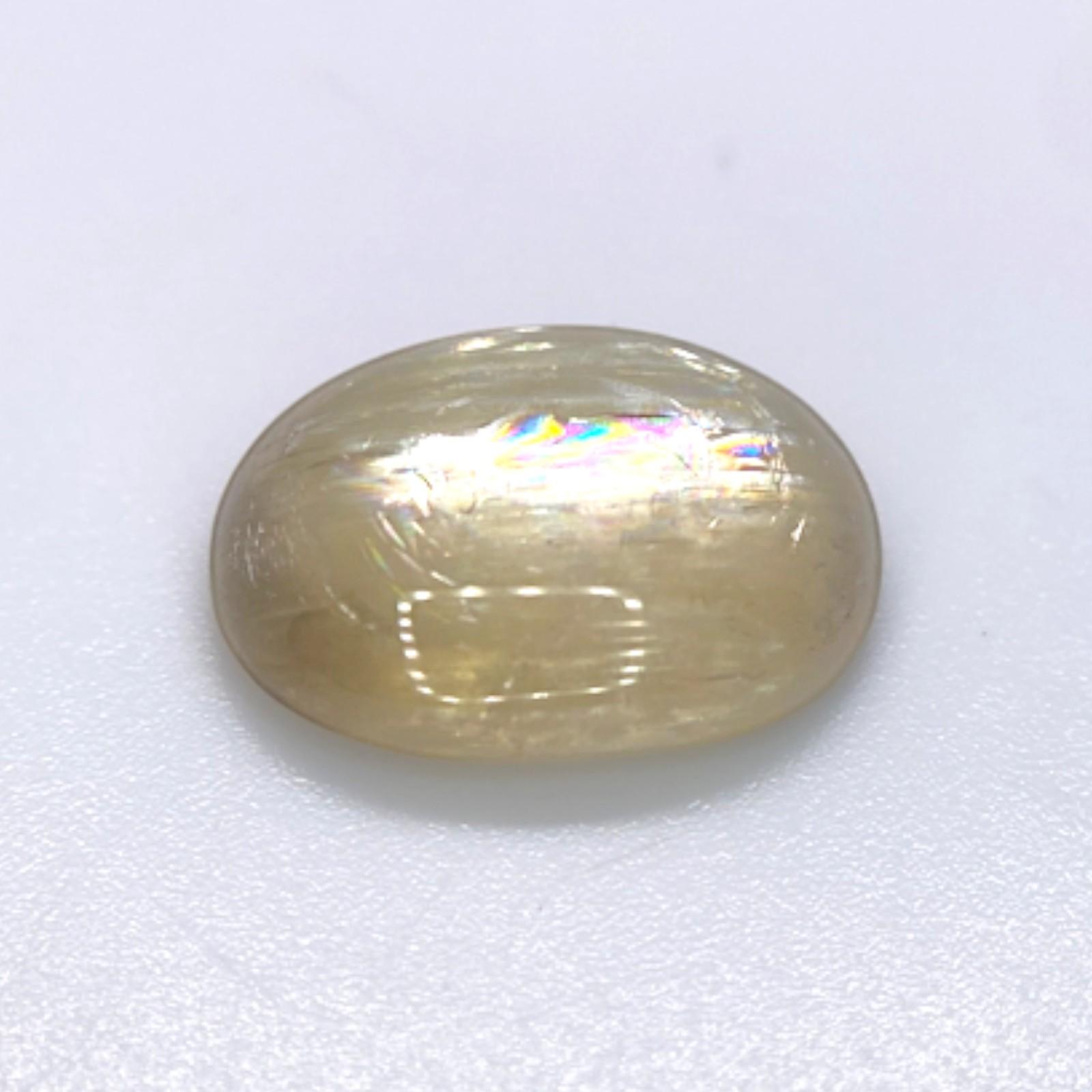


- Freakingcats Gemstone Database
Diaspore
Diaspore represents the “chromatic chameleon” of the oxide world. An aluminum oxide hydroxide, it is a species I have always respected for its sophisticated, shifting personality. While it can occur in “icy” white or “pale” lilac varieties, the definitive gem-grade specimens from Turkey are famous for their remarkable color change—shifting from a “kiwi-green” in daylight to a “champagne-pink” or “raspberry-tan” under incandescent light. For the specialist, Diaspore is a prize of optical depth; it possesses a sub-adamantine luster and a “liquid” brilliance that makes it a true “high-vibration” centerpiece for the systematic vault.
The Heritage & Discovery
Historical Significance: Diaspore is a vital species for understanding the formation of bauxite and metamorphic environments. Historically, it was a rare mineralogical curiosity until the discovery of large, transparent crystals in the 1970s. In the world of fine minerals, it is celebrated for its natural, untreated phenomenon. It stands as a symbol of integrity, bridging the gap between common aluminum ores and the elite world of “phenomenal” precious gems. It serves as a reminder that the most “humble” chemical formulas can yield the most “magical” optical results when crystallized under perfect conditions.
Discovery: The mineral was formally named in 1801 by René Just Haüy. When suddenly a few years ago a new material flooded the market under the name Sultanite which looked to me the exactly same as Diaspore, alarm bells started to ring. I found out that one big, well known buyer from Bangkok had bought a big parcel of rough dispores, cut it up and tried to market with a lot of money them as new gems with the trade name: Sultanite. Just for profit. I always refused to accept any of these marketing tricks. Here for you, awesome colorchange Diaspores from Turkey. My own respect for this material grew from its “honest” beauty; it does not need a manufactured name to command attention in a systematic collection.
Important Mines: The undisputed world capital for the finest, “color-change” gem-grade Diaspore is the İlbir Mountains of the Milas district in Muğla, Turkey. These Turkish specimens set the global benchmark for size, transparency, and the intensity of the “green-to-pink” shift. I also have a high regard for the classic, historic crystals from the Ural Mountains, Russia, and the “lilac” varieties from South Africa. For the vault, I prioritize the Turkish material for its unmatched optical performance and its “water-clear” interior.
Mineralogical Profile
Description: Diaspore is an aluminum oxide hydroxide that crystallizes in the orthorhombic system. It sits at a 6.5 to 7 on the Mohs scale, making it a durable gemstone, though its perfect cleavage requires a master lapidary’s touch to avoid splitting during the cutting process. It is characterized by its vitreous to sub-adamantine luster and its unmistakable “shifting” color palette.
One of its most identifying traits is its extreme pleochroism and color-change phenomenon, caused by the presence of manganese within the lattice. It has a high refractive index (n approx 1.70 to 1.75) and a specific gravity (SG approx 3.3 to 3.5). Because it is a product of hydrothermal activity, it is often found in association with Corundum, Spinel, and Chlorite. When I select a piece for the collection, I look for “eye-clean” transparency and a “sharp” color transition, as these highlight the sophisticated, three-dimensional geometry that makes Diaspore a standout for the systematic specialist. It is a dense, high-vibration mineral that offers a unique, “chameleon-like” beauty unlike any other oxide species.
Chemical Formula: AlO(OH)
Related products
- Sale!Suggest a Price
![1.48 ct ANDALUSITE - BRAZIL]()
- Sale!Suggest a Price
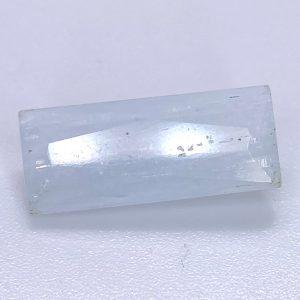
![4.05 ct ANHYDRITE - MEXICO]()
- Sale!
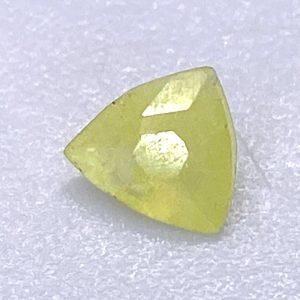
![0.32 ct ADAMITE - MEXICO]()
- Sale!Suggest a Price
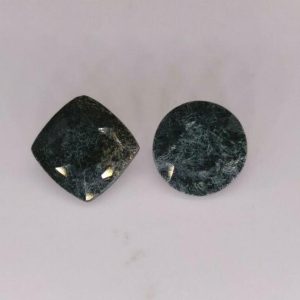
![6.80 ct 2 pc AERINITE - SPAIN]()


