
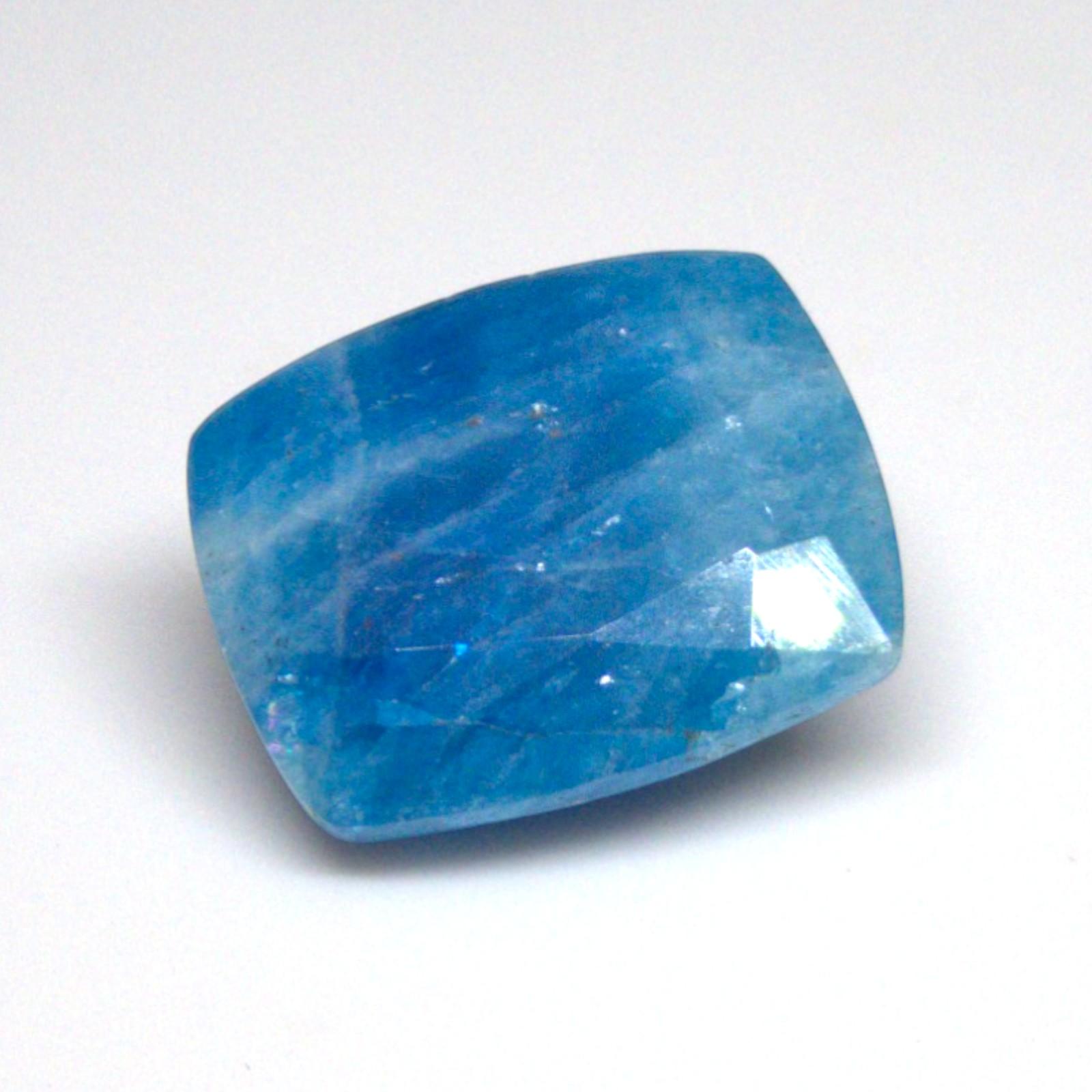
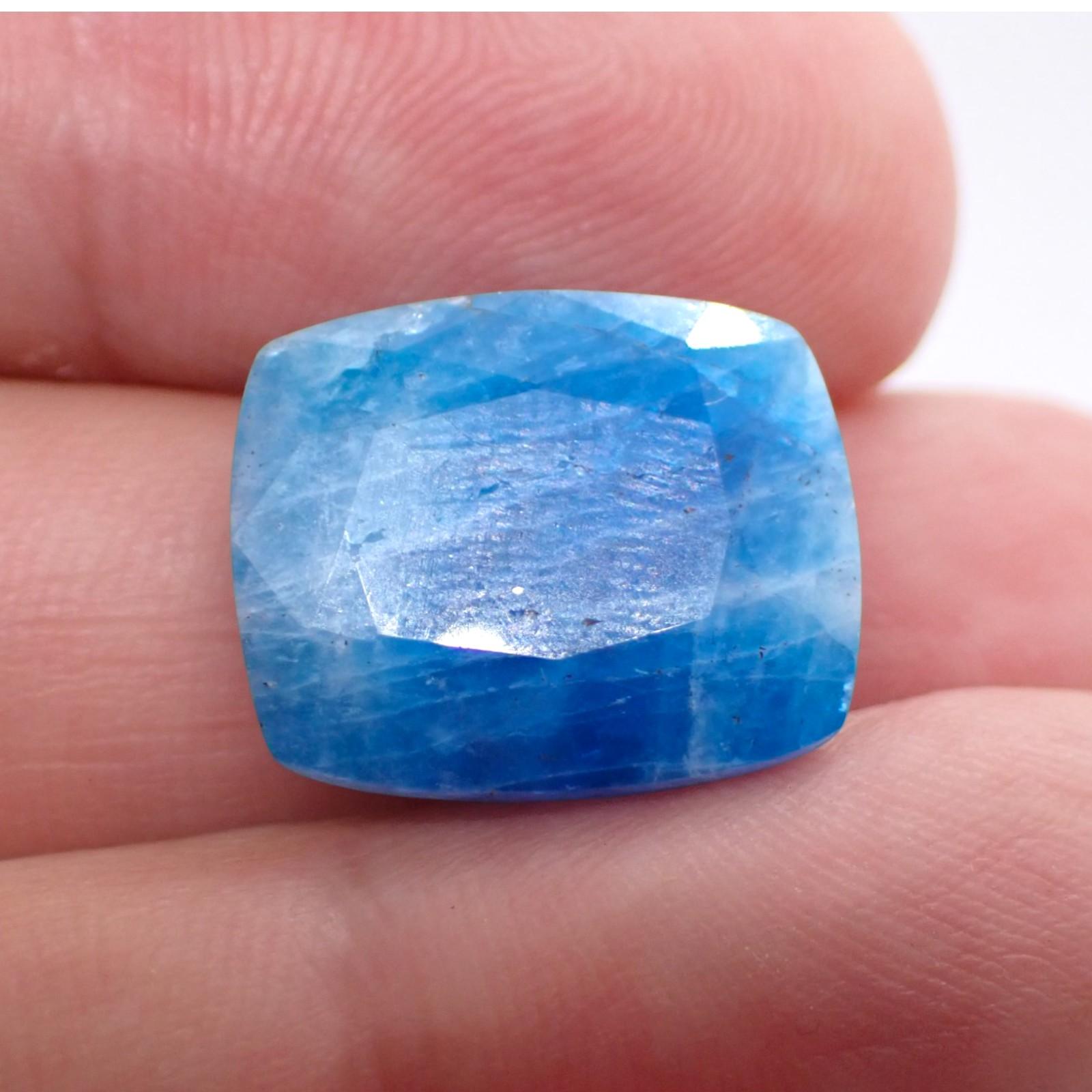
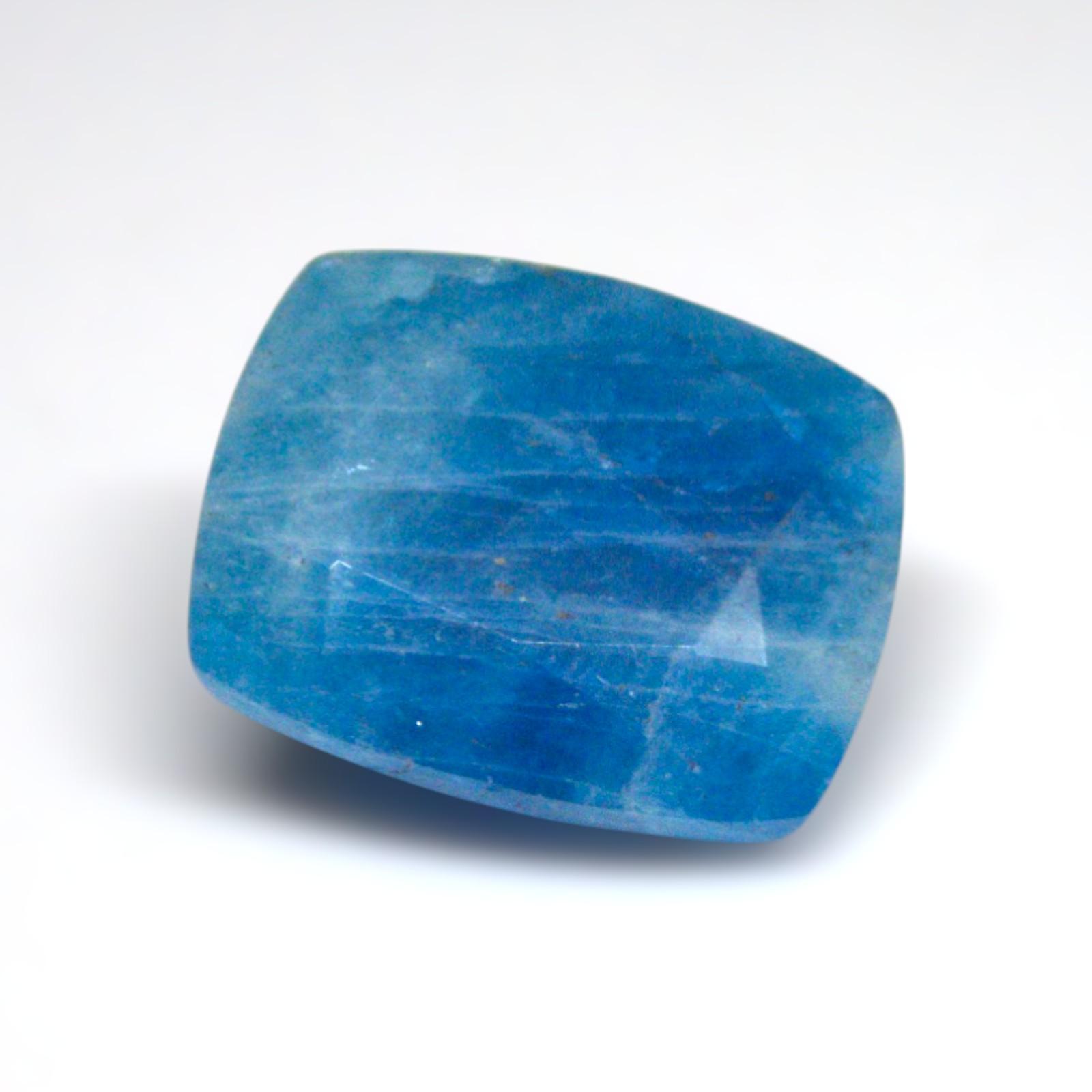
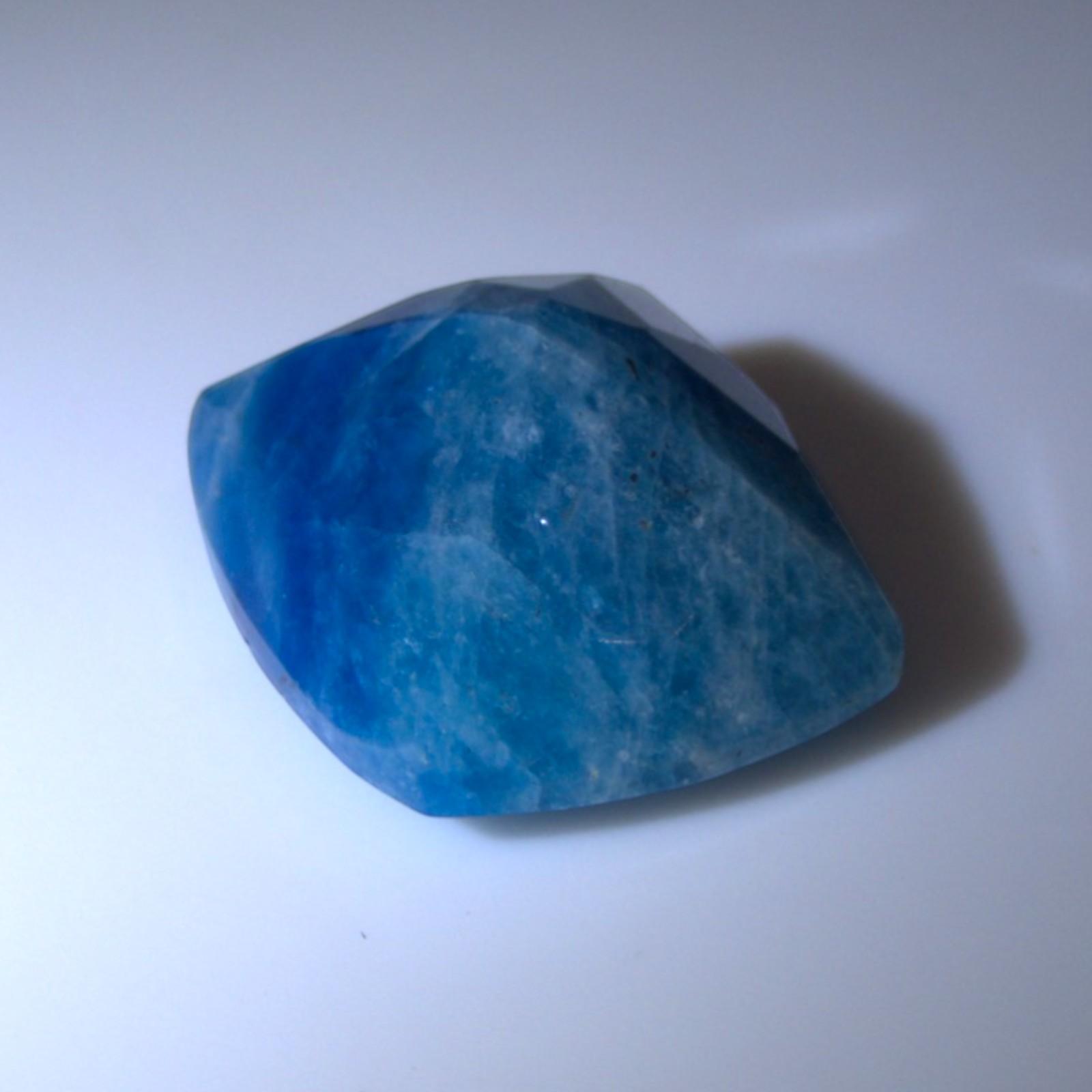
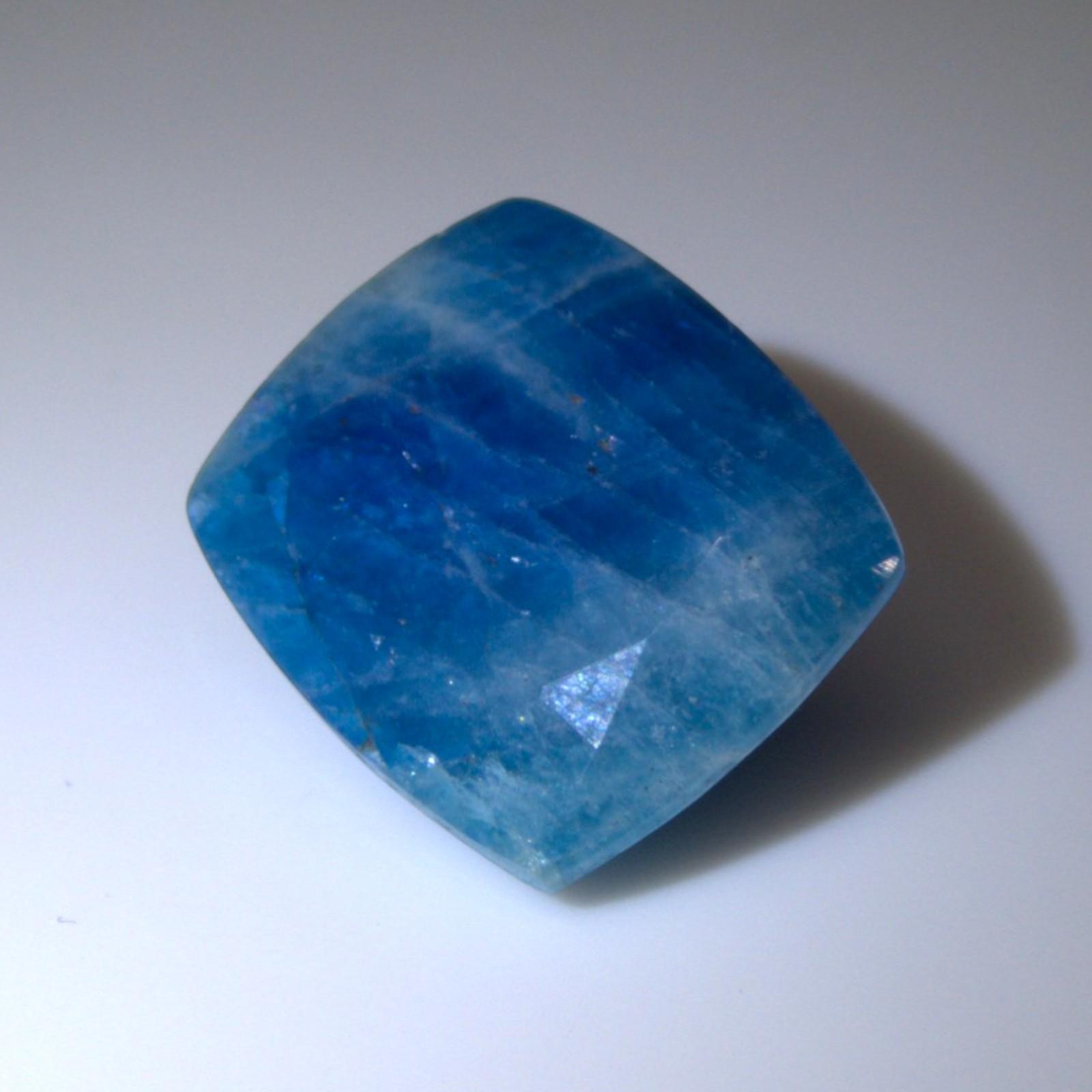
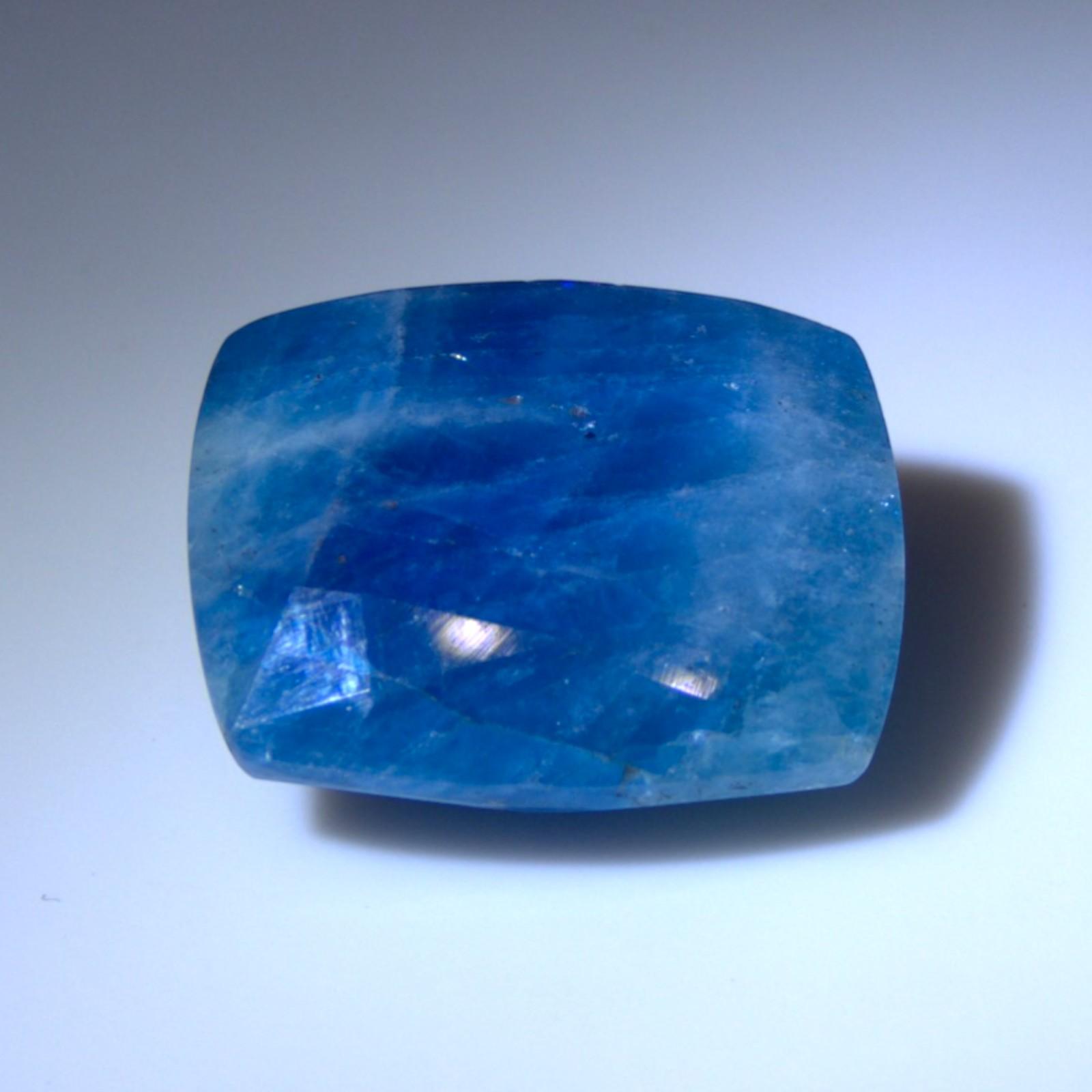
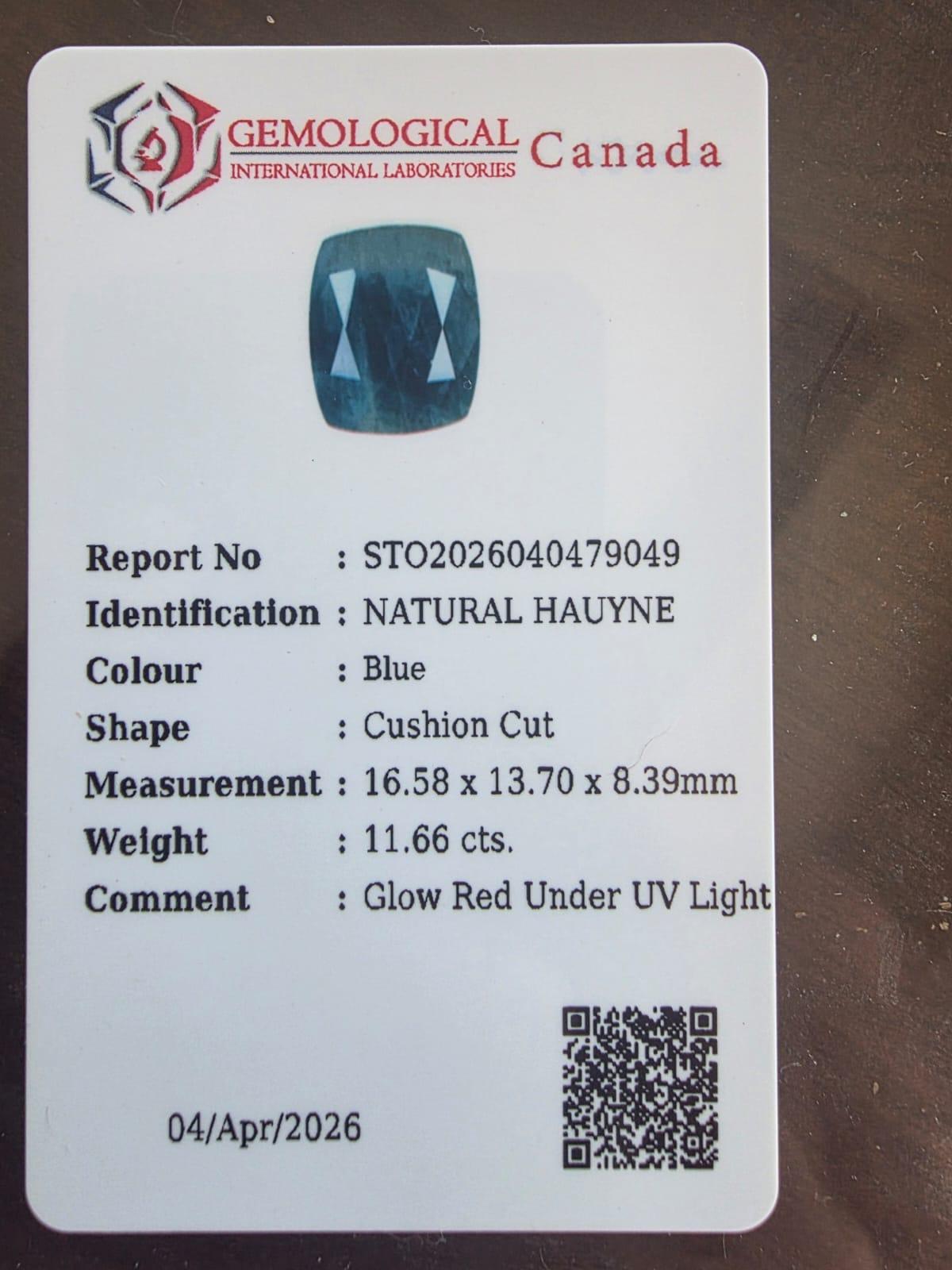
11.66 ct Hauyn – Monstersize – Extreme UV Colorchange – Afghanistan
EXPERT VERIFIED
- Expert Verified Gemstone
- Fast Handling & Shipping
- Secure Vault Packaging
$ 2,000
Offer amount Feild


Smart Collector Choice


Pay with Crypto & Get 10% Automatic Discount

Out of stock


- Freakingcats Gemstone Database
Hauyn
Hauyn represents the “neon-depth” of the sodalite group. A complex sodium calcium aluminum silicate sulfate, it is a species I have always respected for its “electric” saturation—historically famous in its “vibrant-blue” form from the Eifel mountains. However, this material from Pakistan reaches an entirely different level of prestige. For the specialist, a monstersize 11.65 ct Hauyn is a prize of unprecedented scale; it offers a vitreous to pearly luster and an optical presence that defies the typical “micro-gem” status of this species. It is a stone of “condensed energy,” providing a sophisticated, high-saturation aesthetic that makes it an ultimate centerpiece for the systematic vault.
The Heritage & Discovery
Historical Significance: Hauyn is a vital species for understanding the chemistry of silica-undersaturated volcanic rocks. Historically, it was a rare mineralogical curiosity, with “lapis-blue” crystals from Germany defining the species for over a century. In the world of fine minerals, it is celebrated for its natural, high-vibration color. It stands as a symbol of rarity and structural focus, bridging the gap between common rock-forming silicates and the elite world of “hyper-saturated” collector gems. It serves as a reminder that nature can concentrate the most “neon” of palettes within a stable, cubic framework.
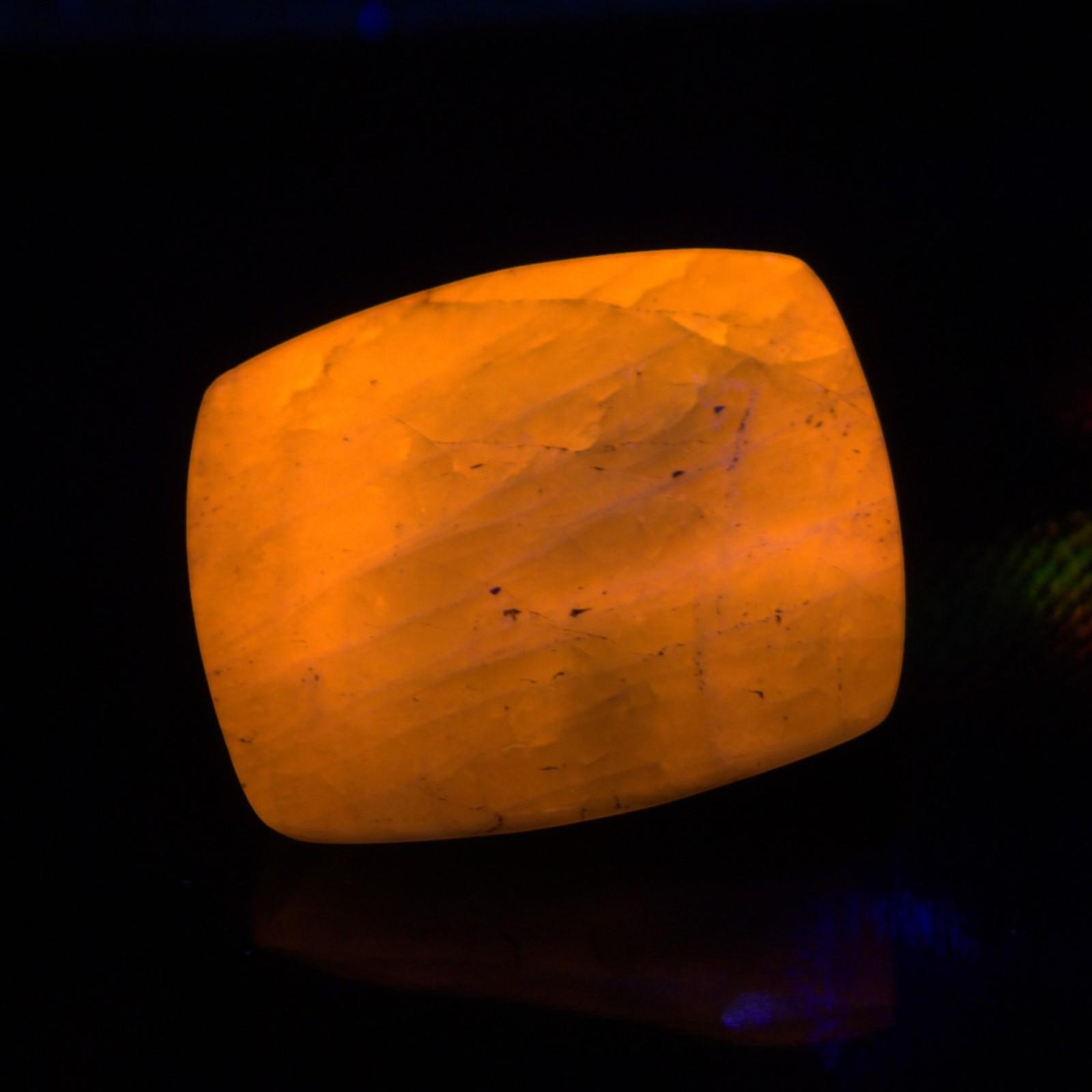
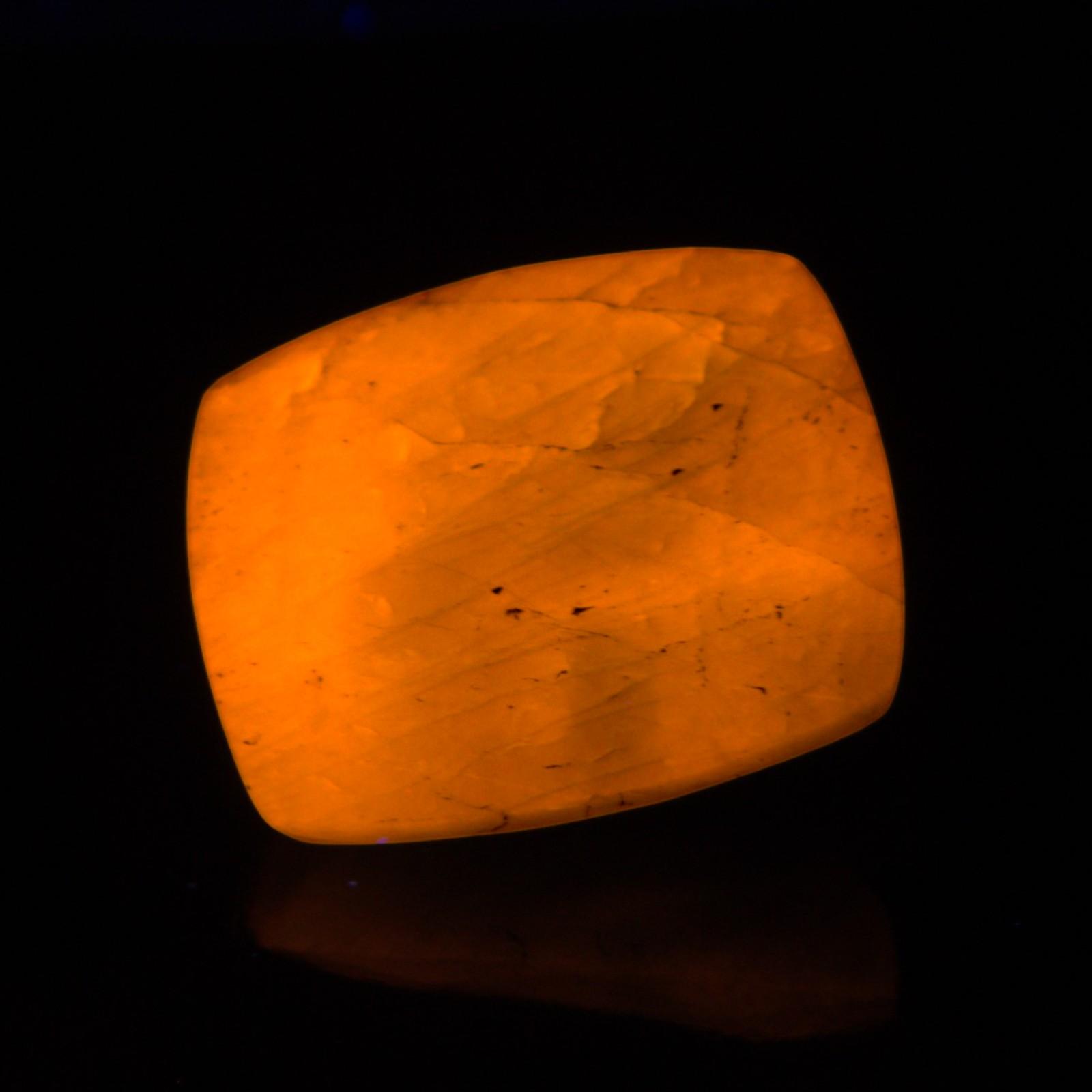
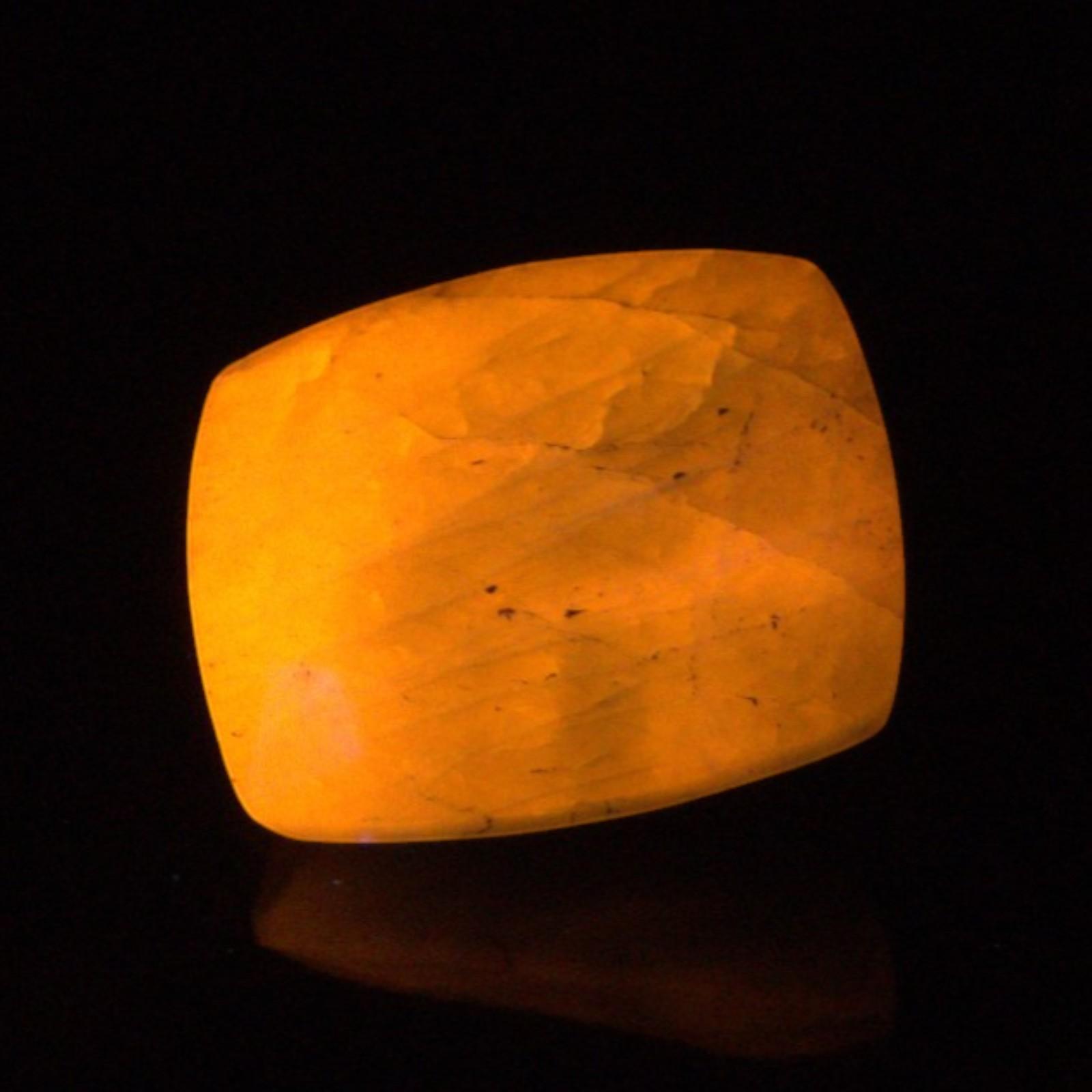
Discovery: The mineral was formally named in 1807 in honor of the legendary crystallographer René Just Haüy. Scientifically, it is a tektosilicate. While the European deposits produced small, intense blues, the discovery of large, transparent crystals in Pakistan has completely rewritten the possibilities for this species. My own respect for this material grew from observing its extreme UV color change; under ultraviolet light, it shifts into a “vibrant” glow that highlights its unique chemical composition. At a monstersize 11.65 ct, this specimen is a true geological miracle, as Hauyn rarely survives in faceted forms exceeding even a single carat without shattering.
Important Mines: While the Eifel District in Germany is the historic type-locality, the undisputed world capital for these “monstrous,” gem-grade crystals is the Badakhshan region (extending into Pakistan and Afghanistan). These specimens set the global benchmark for size and “liquid” transparency. I also have a high regard for the rare, “sky-blue” crystals from the Alban Hills, Italy. For the vault, I prioritize the Pakistani material for its unmatched scale and its extraordinary response to UV stimulation.
Mineralogical Profile
Description: Hauyn is a member of the sodalite group that crystallizes in the isometric (cubic) system. It sits at a 5.5 to 6 on the Mohs scale, making it relatively durable, though its distinct cleavage and brittle nature make it a “perilous” stone to facet. It is characterized by its vitreous luster and its unmistakable, “electric” color palette.
One of its most identifying traits is its intense fluorescence and its moderate refractive index (n approx 1.50), which allows its deep color to remain “bright” even in larger stones. It has a relatively light specific gravity (SG approx 2.4 to 2.5). Because it is a foid mineral, it is often found in association with Nepheline, Leucite, and Apatite. When I select a piece for the collection, I look for “even” saturation and a lack of the “internal veiling” that usually plagues larger crystals, as these highlight the sophisticated, three-dimensional geometry of the mineral’s growth. It is a light, high-vibration mineral that offers a unique, “cosmic-neon” beauty unlike any other silicate species.
Chemical Formula: (Na,Ca)4-8Al6Si6(O,S)24(SO4,Cl)1-2


