
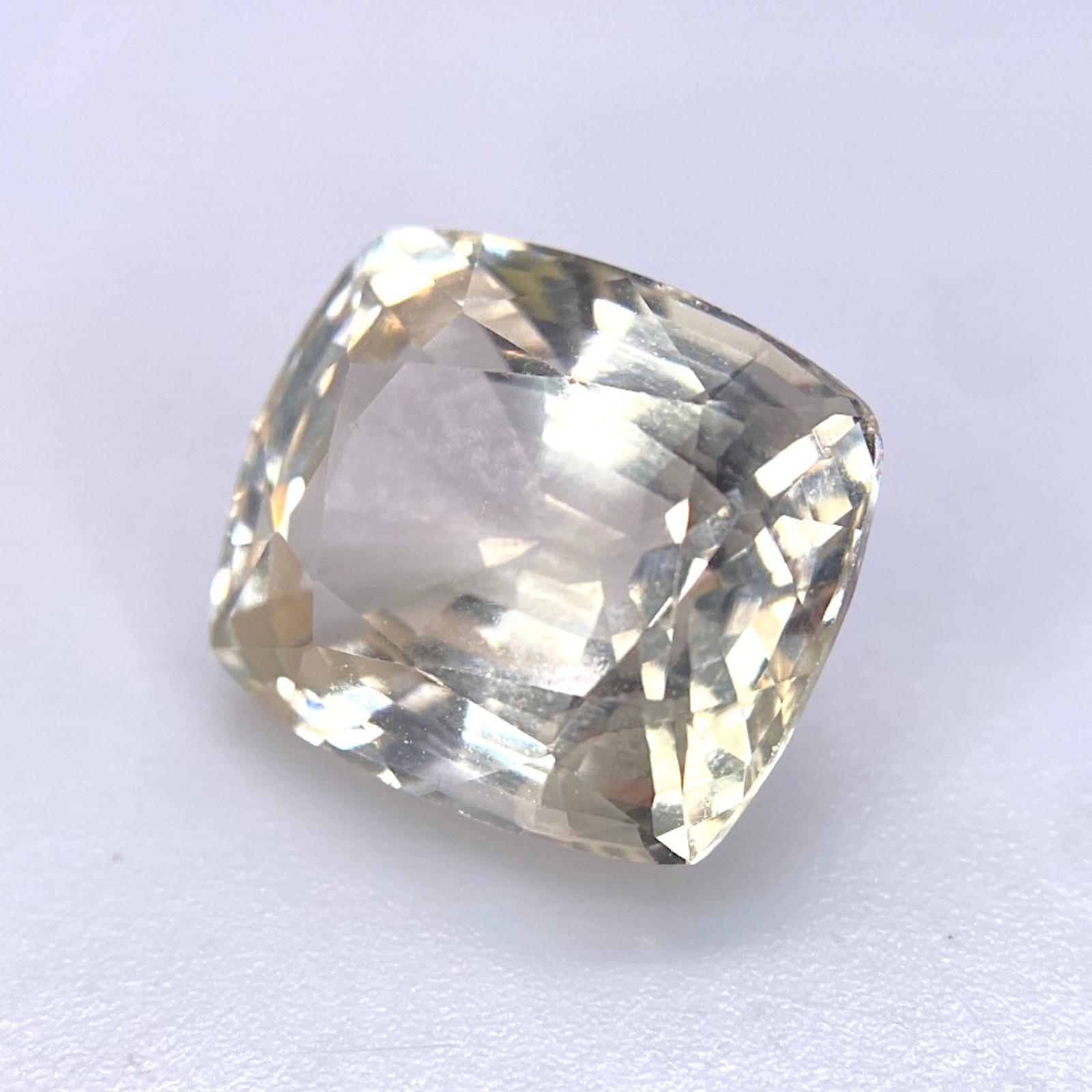
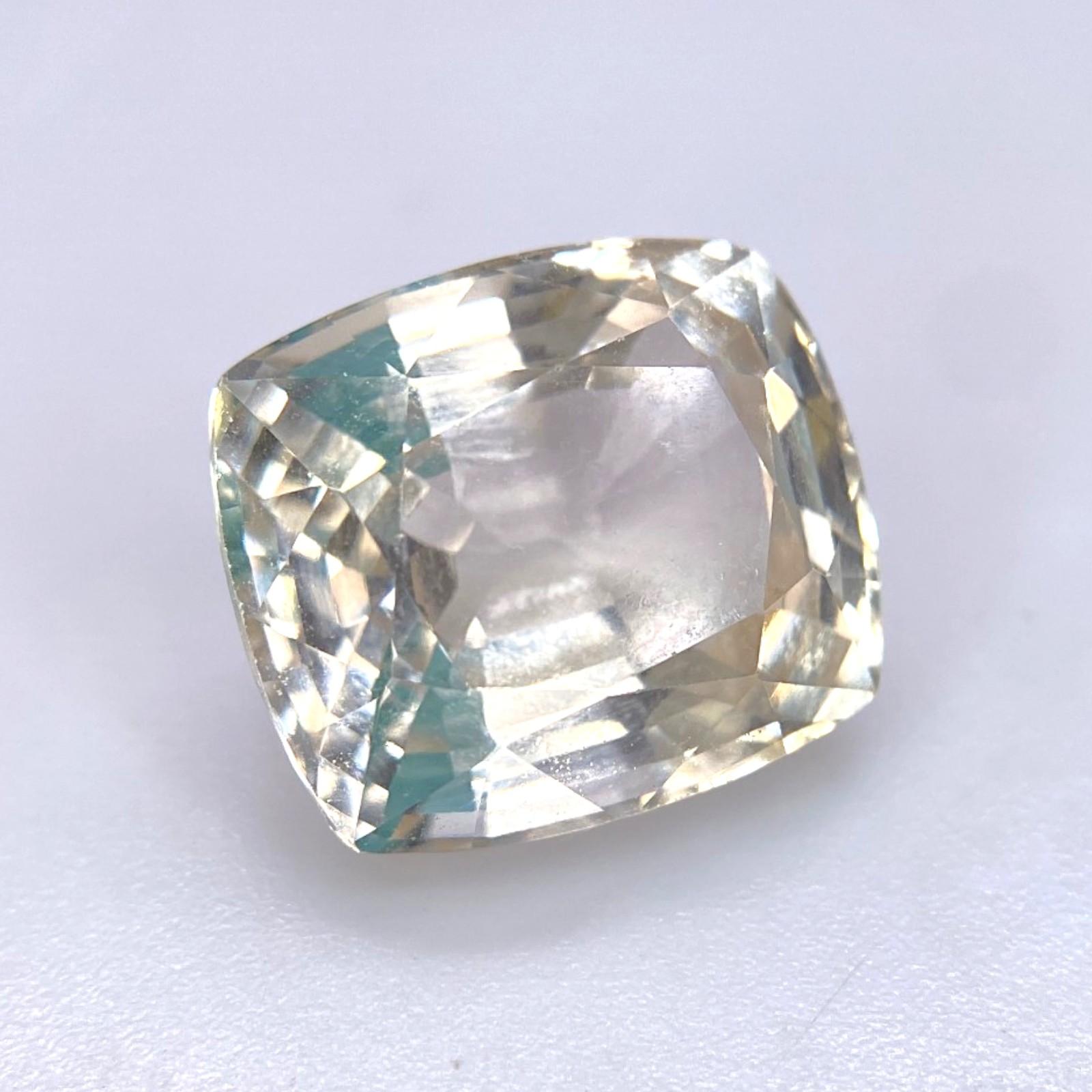
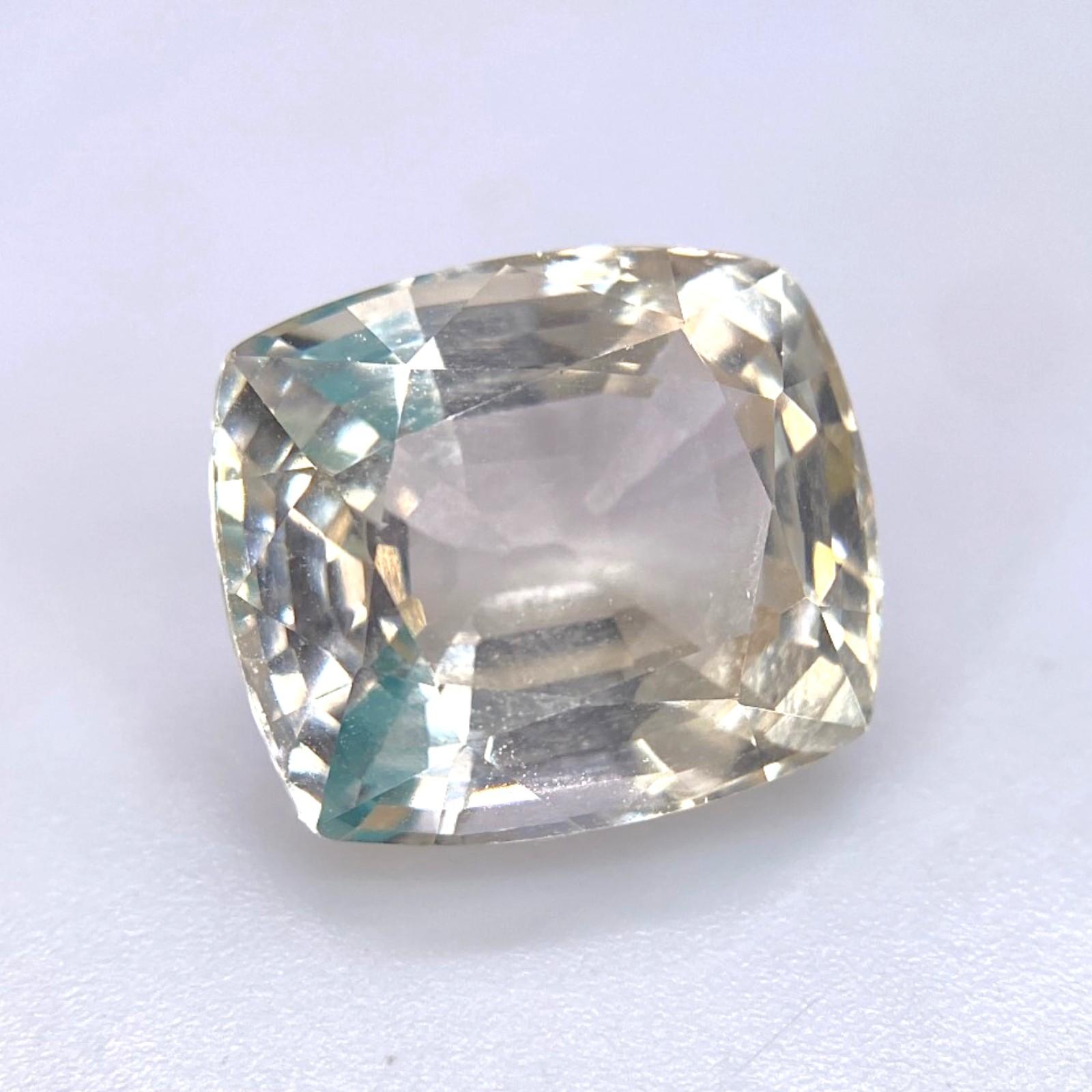
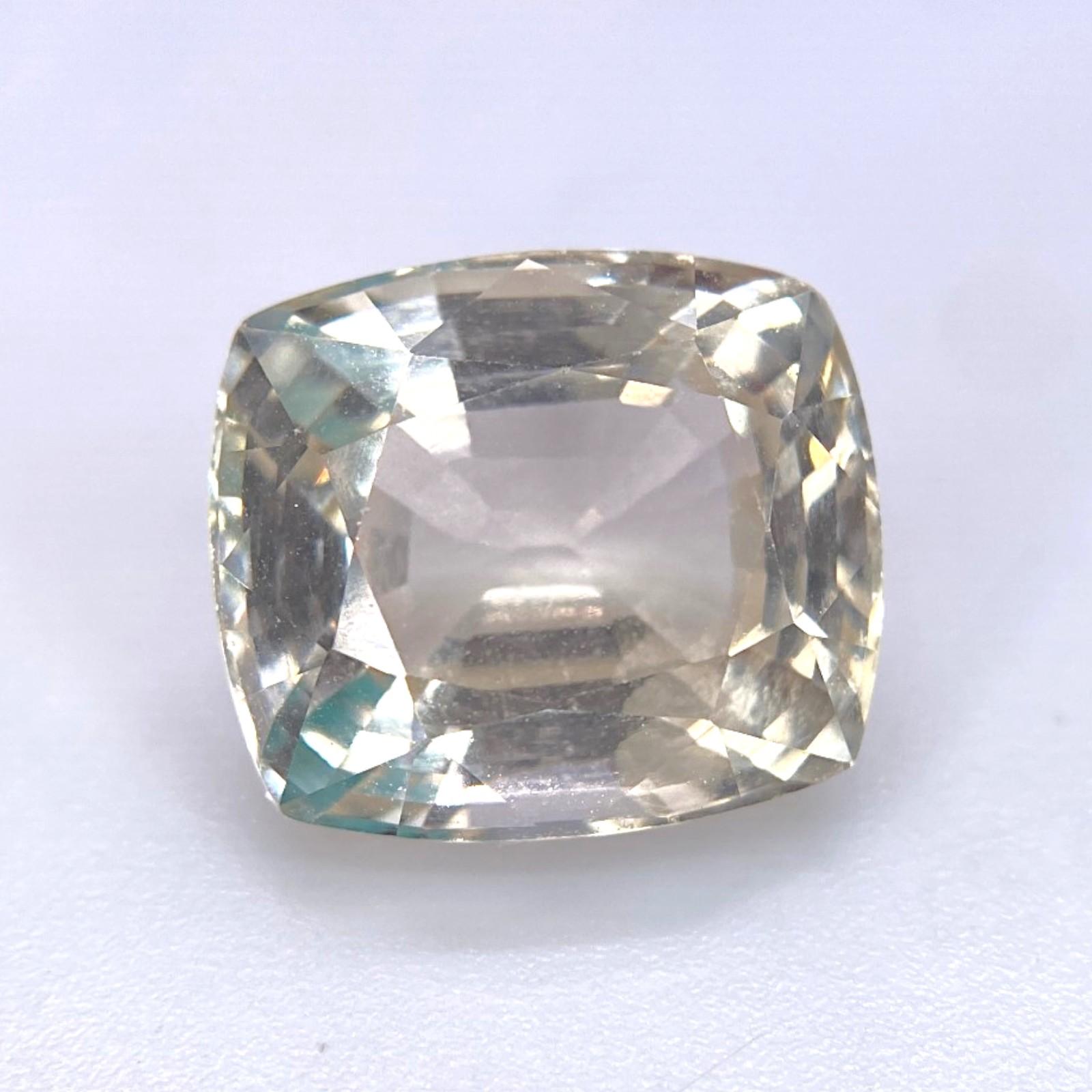
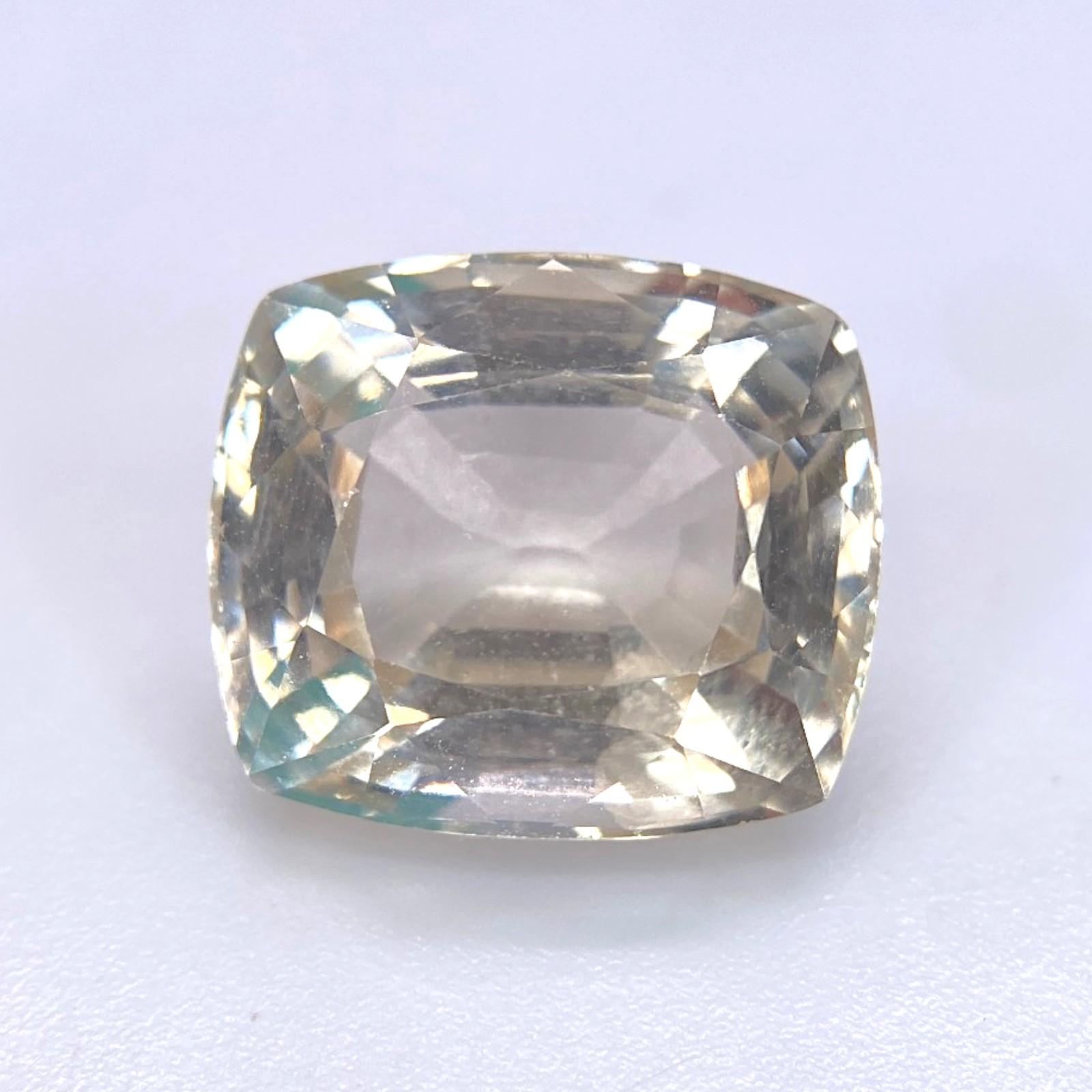
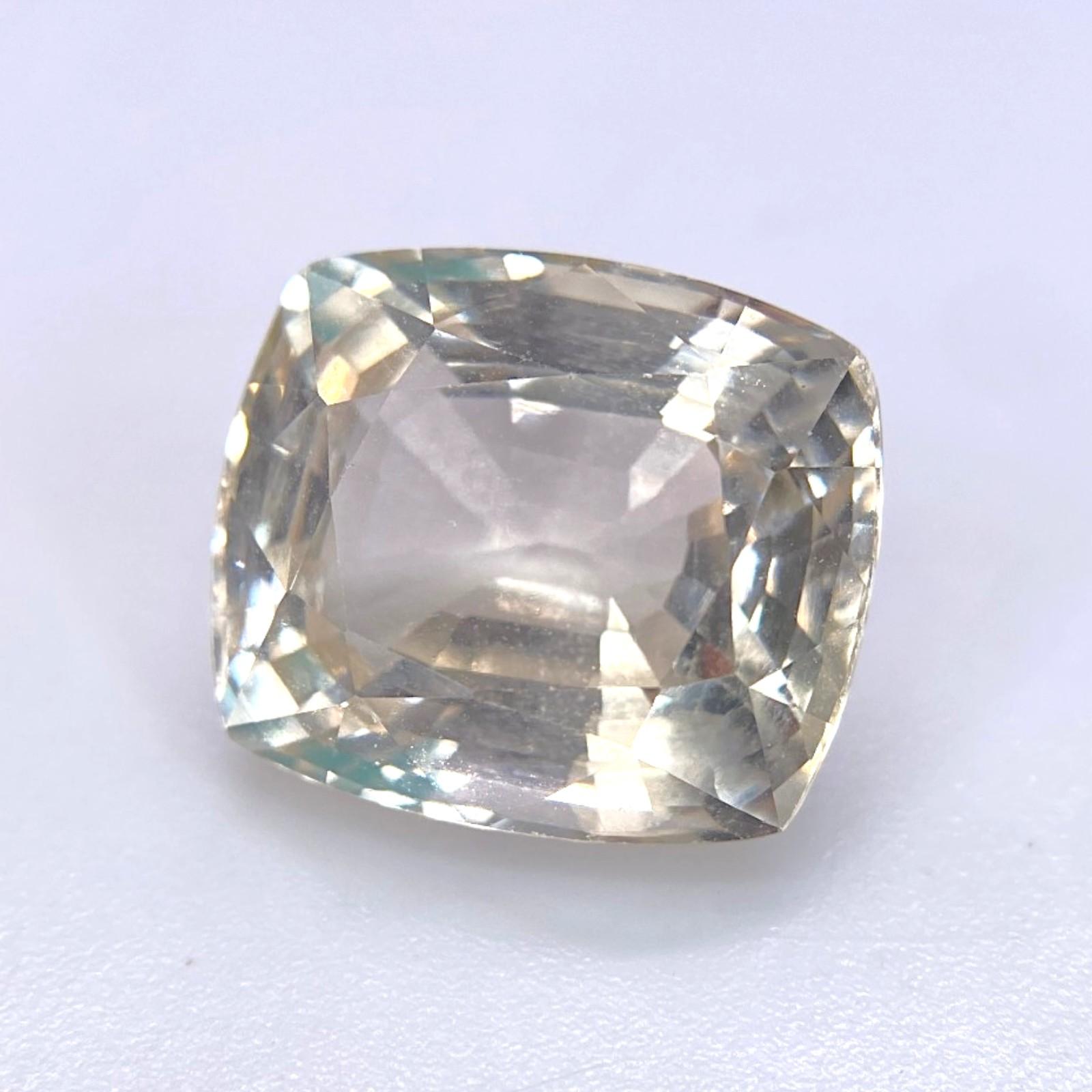
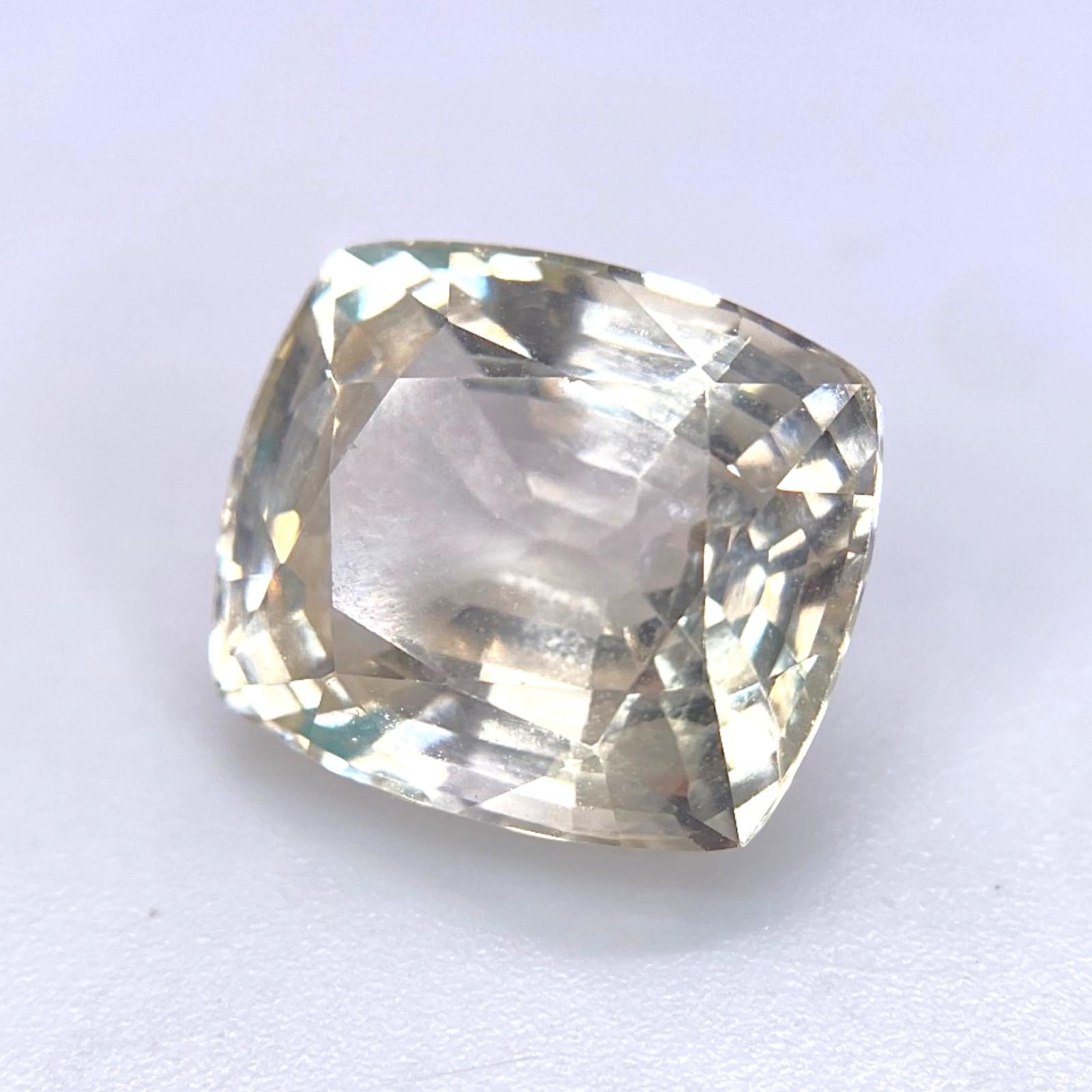
11.89 ct TOPAZ – MYANMAR
EXPERT VERIFIED
- Expert Verified Gemstone
- Fast Handling & Shipping
- Secure Vault Packaging
$ 160
Offer amount Feild


Smart Collector Choice


Pay with Crypto & Get 10% Automatic Discount

Availability: 1 in stock


- Freakingcats Gemstone Database
Topaz (Myanmar)
Topaz from the legendary pegmatite fields of Upper Myanmar represents the “fluorine-hydroxyl-silicate” peak of the nesosilicate world. An aluminum silicate fluoride hydroxide, it is a species I have always respected for its “water-clear” to “vivid-straw-yellow” saturation and its status as a masterpiece of “orthorhombic” structural discipline. For the specialist, a top-tier Burmese Topaz—especially from the historic Sakangyi pegmatites—is a prize of extreme pegmatitic focus; it offers a high-vitreous to sub-adamantine luster and a “luminous” presence that makes it a true “high-vibration” asset for the systematic vault. As an artist, I find the “aqueous” depth and the “razor-sharp” geometric discipline of these monumental crystals to be one of nature’s most sophisticated and “pristine” palettes.
The Heritage & Discovery
Historical Significance Topaz is a vital species for understanding the concentration of fluorine and volatile elements in deep-seated granitic pegmatites. Historically, while the name Topaz has ancient roots, the “gem-grade” discoveries in Myanmar have established a legendary reputation for producing crystals of staggering size and optical perfection. In the world of fine minerals, it is celebrated for its natural, “pure-spectrum” brilliance, which stands as a symbol of mental clarity and structural focus. It serves as a reminder that the highly fractionated pegmatites of the Mogok and Momeik shields can produce extraordinary crystalline results when aluminum and silica are perfectly bound under high fluorine pressure.
Discovery While Topaz is found in massive quantities across Brazil and Russia, the discoveries in Myanmar redefined the mineralogical benchmark for the species’ crystal luster, clarity, and euhedral development. Scientifically, it is a fluorine-bearing aluminum silicate. Its discovery in the Mogok Stone Tract provided mineralogists with some of the finest examples of “sharp,” vertically striated prisms that exhibit pristine transparency, entirely free from the heavy internal veiling or fractures common in other global localities. My own respect for this material grew from observing its “optical” depth; specifically, the way its perfectly flat pinacoid and pyramidal faces handle daylight—projecting a crisp, glassy internal flash—is a visual impact that is unmistakable to the trained eye.
Important Mines The undisputed world capital for the finest “aesthetic” macrocrystalline Topaz in Myanmar is the Sakangyi pegmatite area, located on the western edge of the Mogok region. These specimens set the global benchmark for color purity and “sharp” orthorhombic architecture, often found as giant, water-clear individuals sitting alongside smoky quartz and microcline feldspar. I also have a high regard for the spectacular finds from the Kathay mine and the alluvial gravels of Kyatpyin. For the vault, I prioritize the Sakangyi material for its unmatched “crystalline-sharpness” and its status as a rare-purity masterpiece of Southeast Asian pegmatite mineralogy.
Mineralogical Profile
Description Topaz from Myanmar is an aluminum silicate fluoride hydroxide that crystallizes in the orthorhombic system. It sits at an 8 on the Mohs scale, making it an exceptionally hard and durable mineral, though its perfect basal cleavage means it must be handled with extreme care to preserve its “razor-sharp” edges and vitreous surfaces. It is characterized by its vitreous to sub-adamantine luster and its unmistakable, “colorless, pale-blue, to warm-champagne” color palette.
One of its most identifying traits is its highly striated prismatic faces running parallel to the crystal length, and its association with highly evolved granite pegmatites. It possesses a refractive index running from approximately 1.61 to 1.63, providing a bright, sharp internal reflection, and a specific gravity (SG approx 3.4 to 3.6) that reflects its dense silicate structure. Because it forms in volatile-rich pockets, it is often found in association with Quartz, Lepidolite, and Albite. When I select a piece for the collection, I look for absolute “water-white” transparency and pristine, un-etched terminations, as these highlight the sophisticated, three-dimensional geometry of the mineral’s undisturbed growth. It is a dense, high-vibration mineral that offers a unique, “aqueous-neon” beauty unlike any other silicate variety.
Chemical Formula Al2(SiO4)(F,OH)2


