
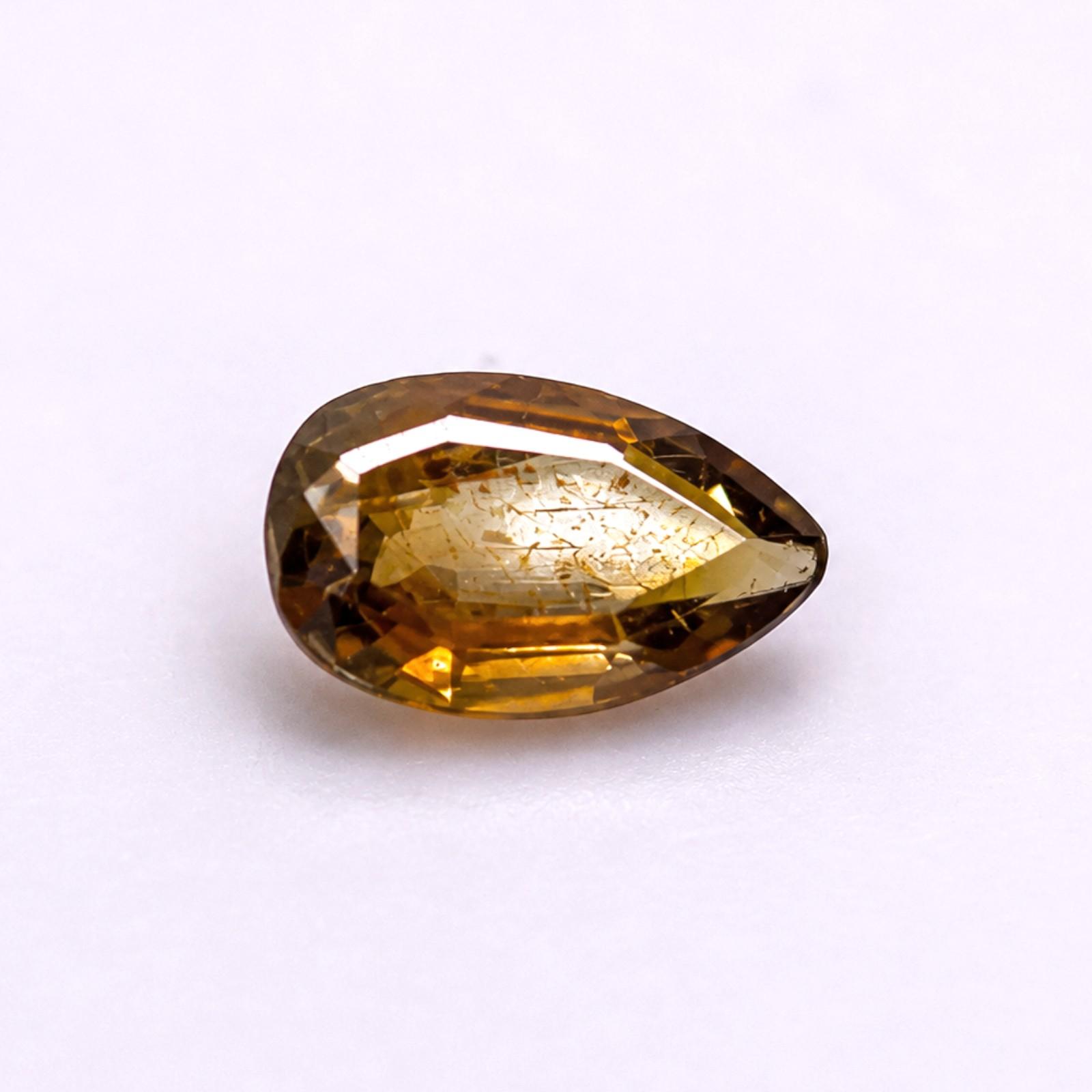
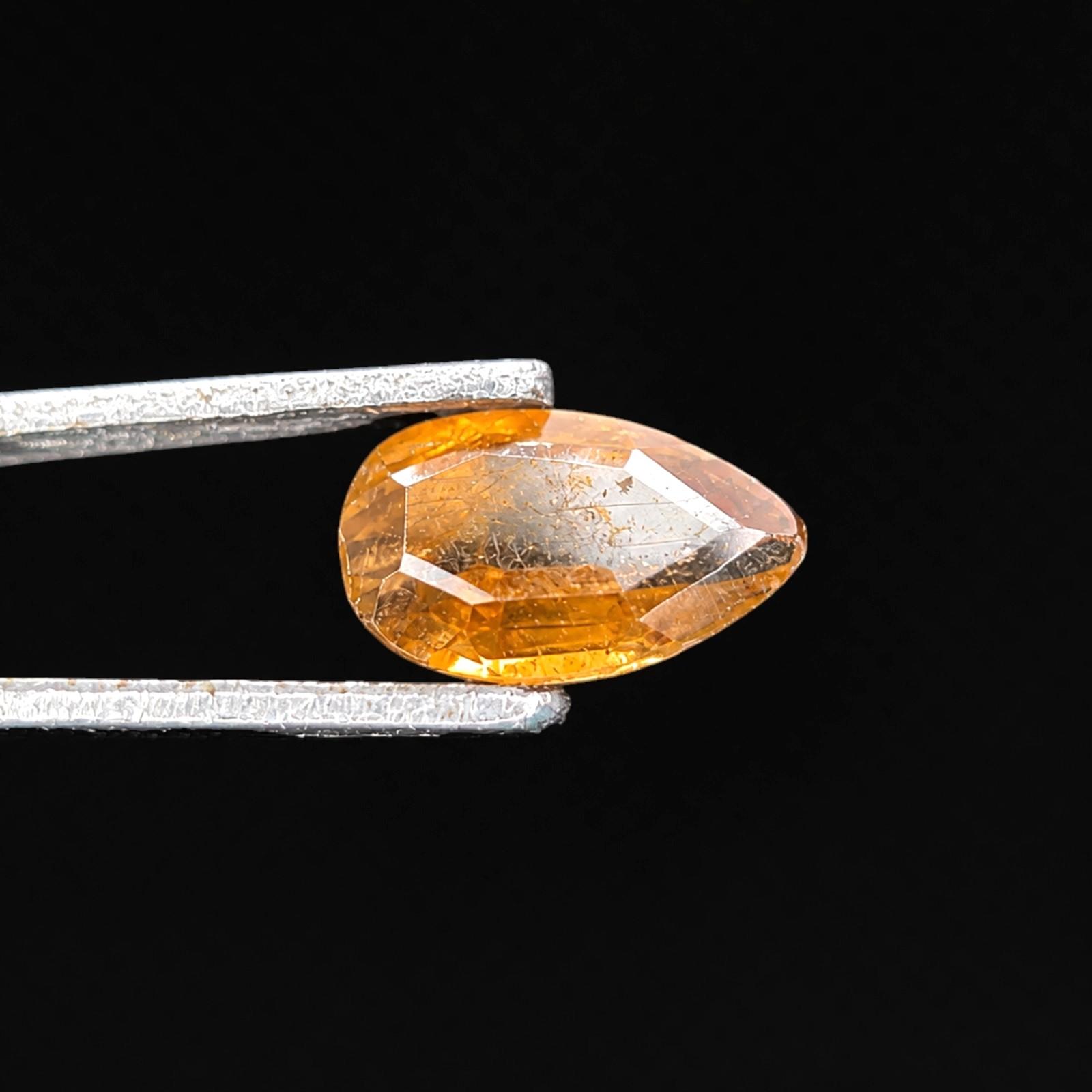
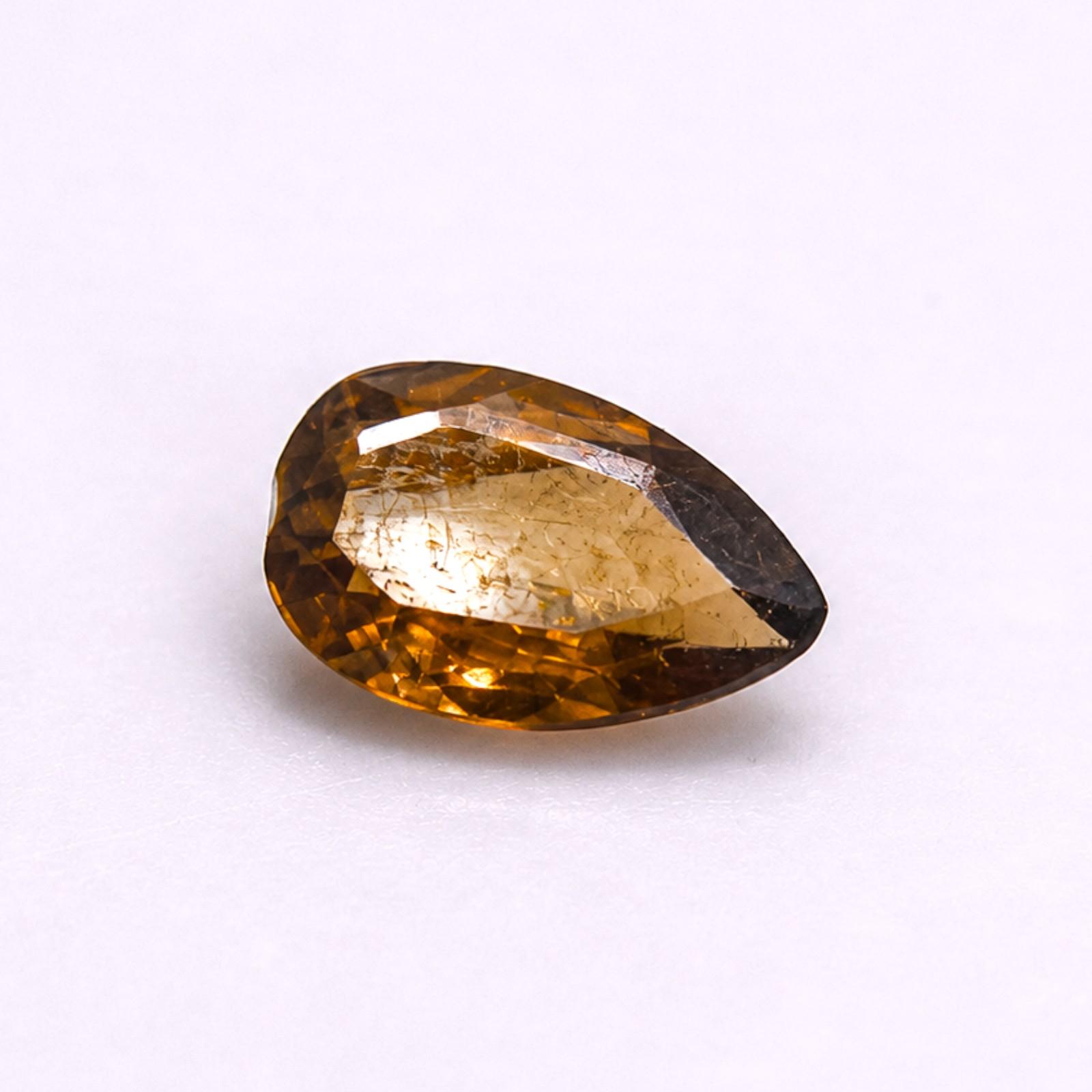
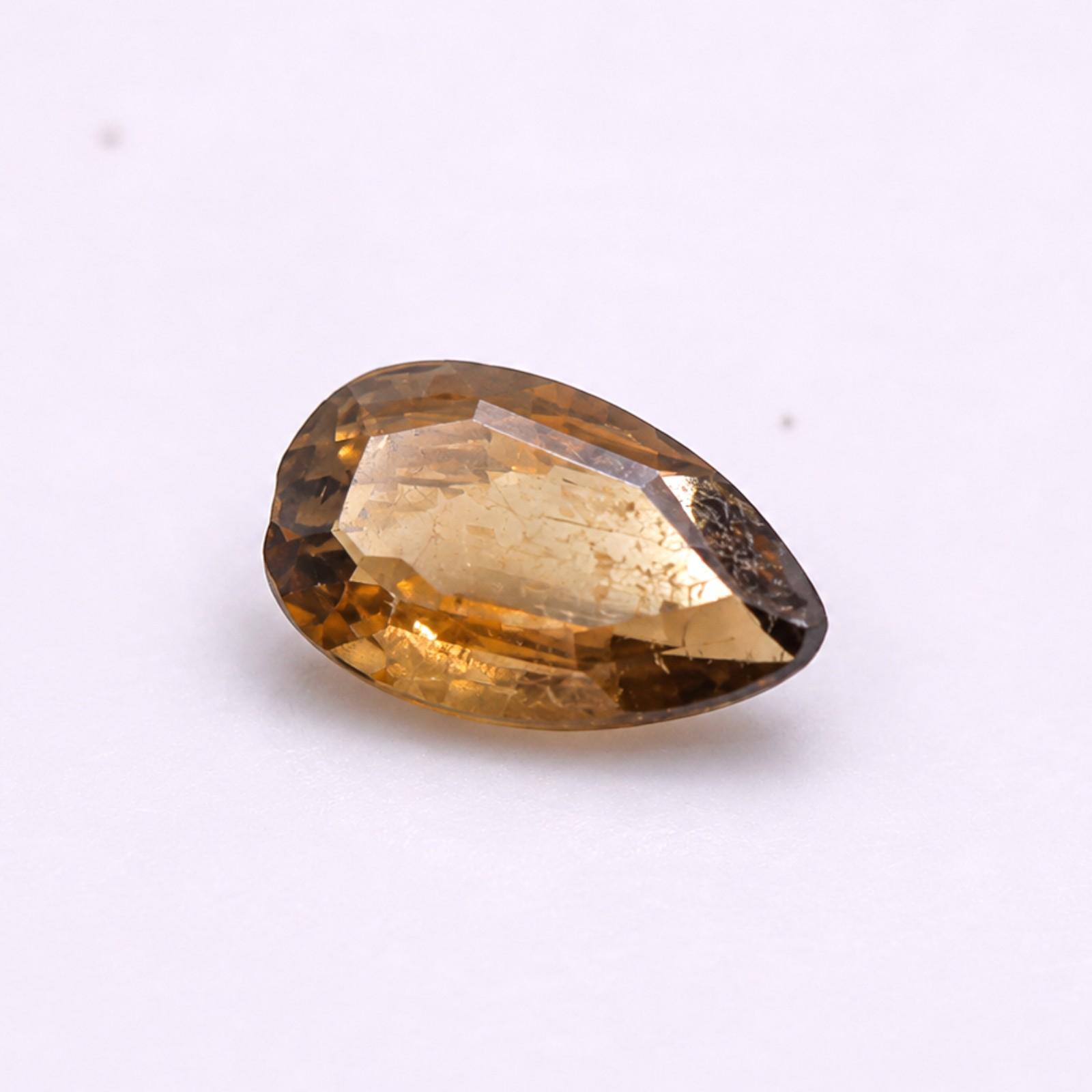
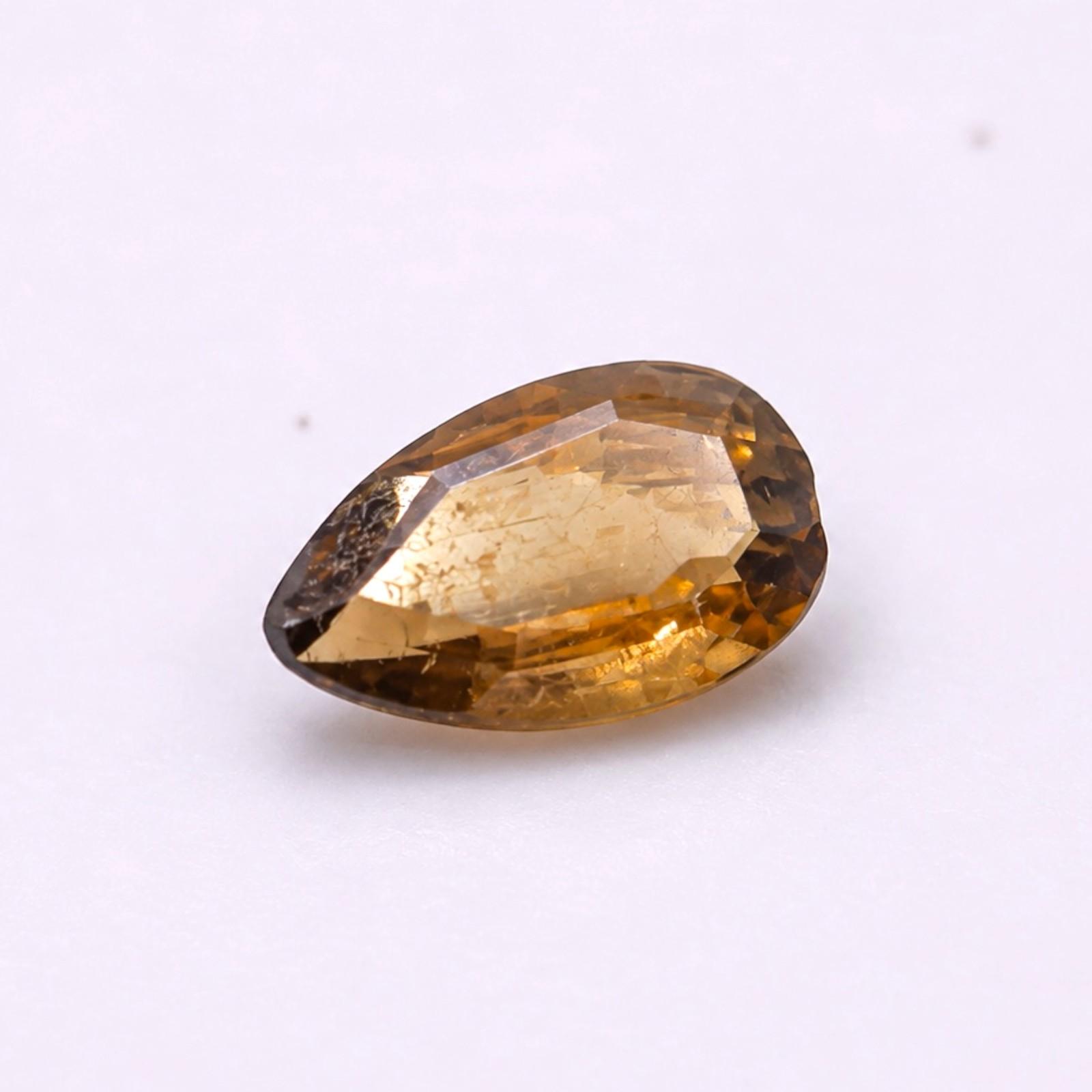
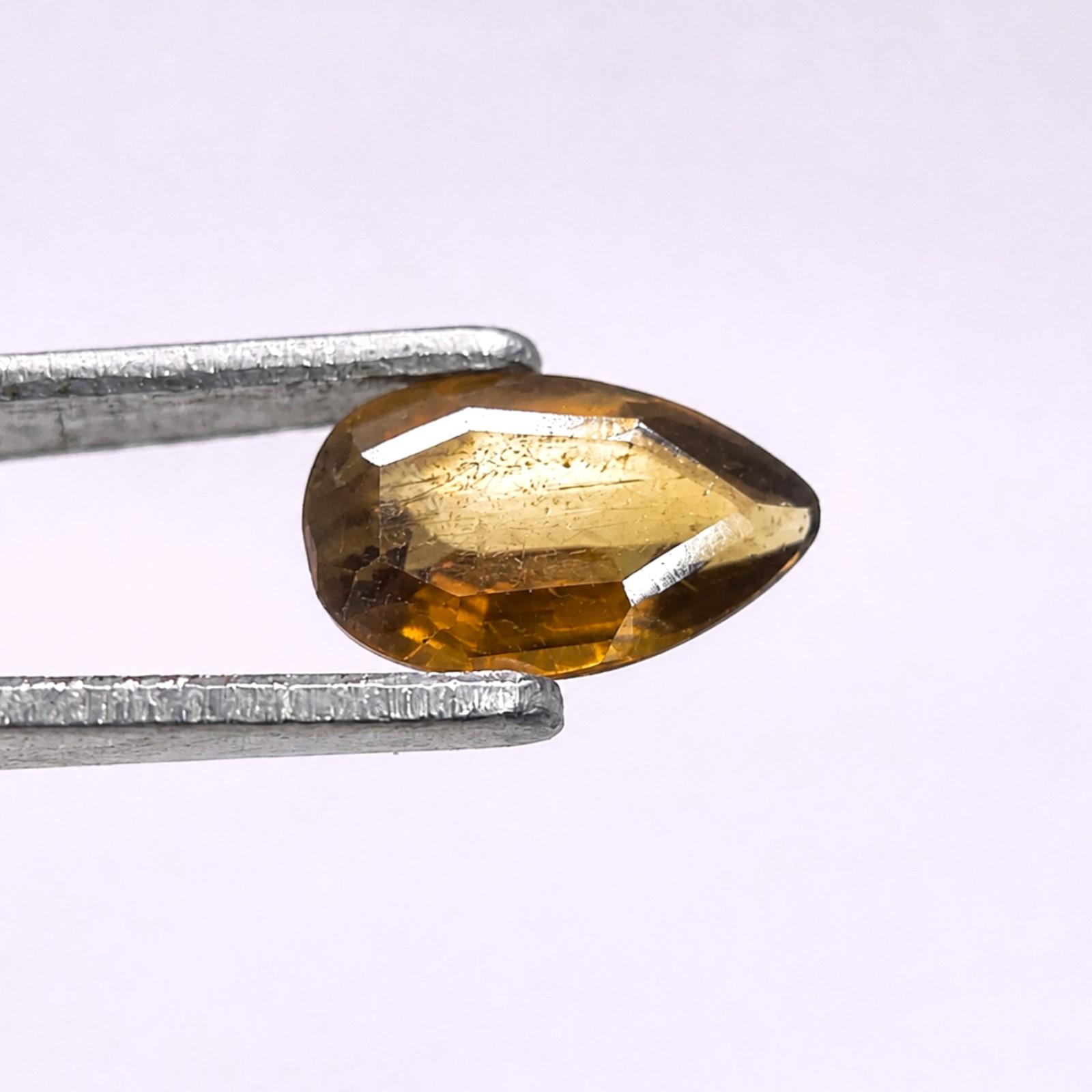
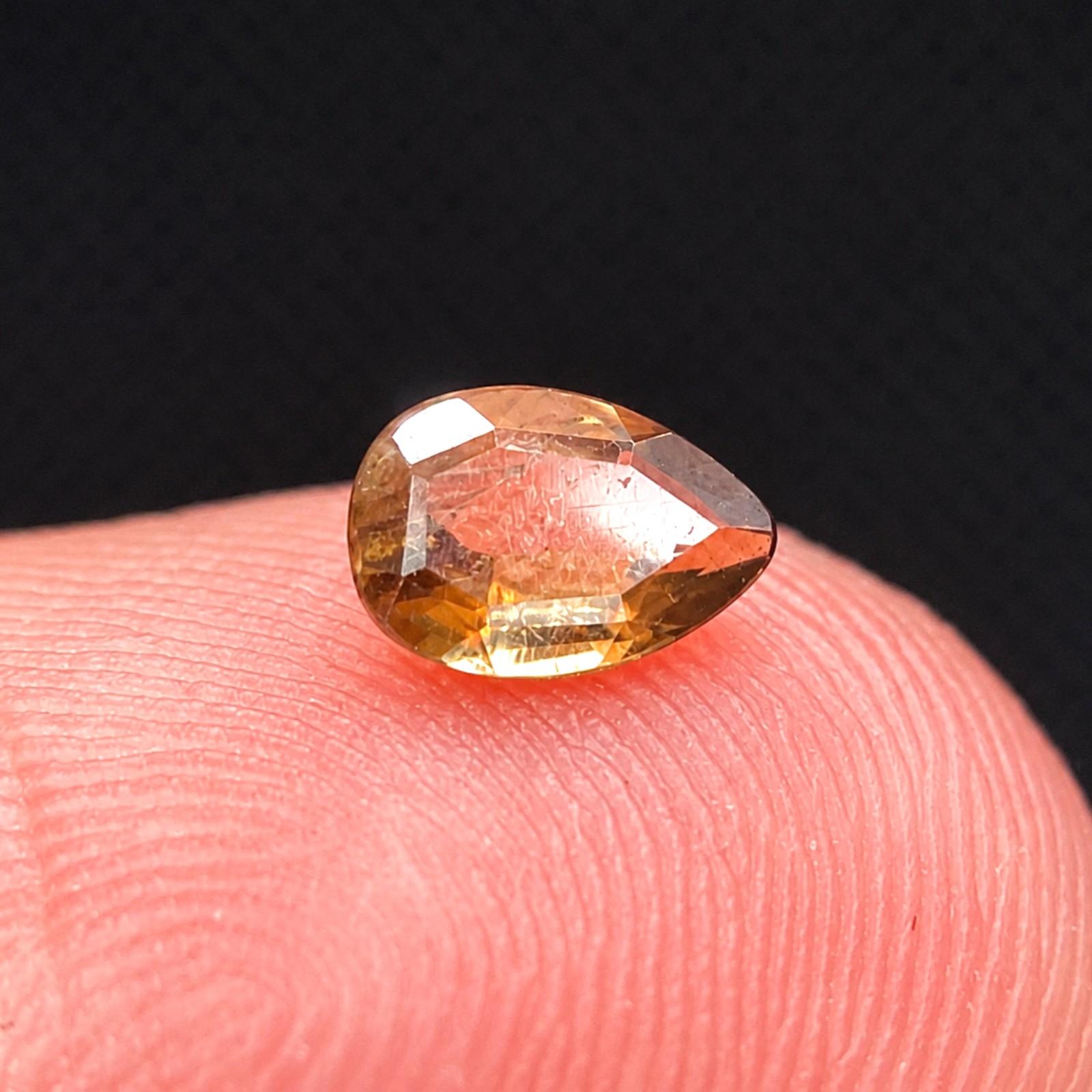
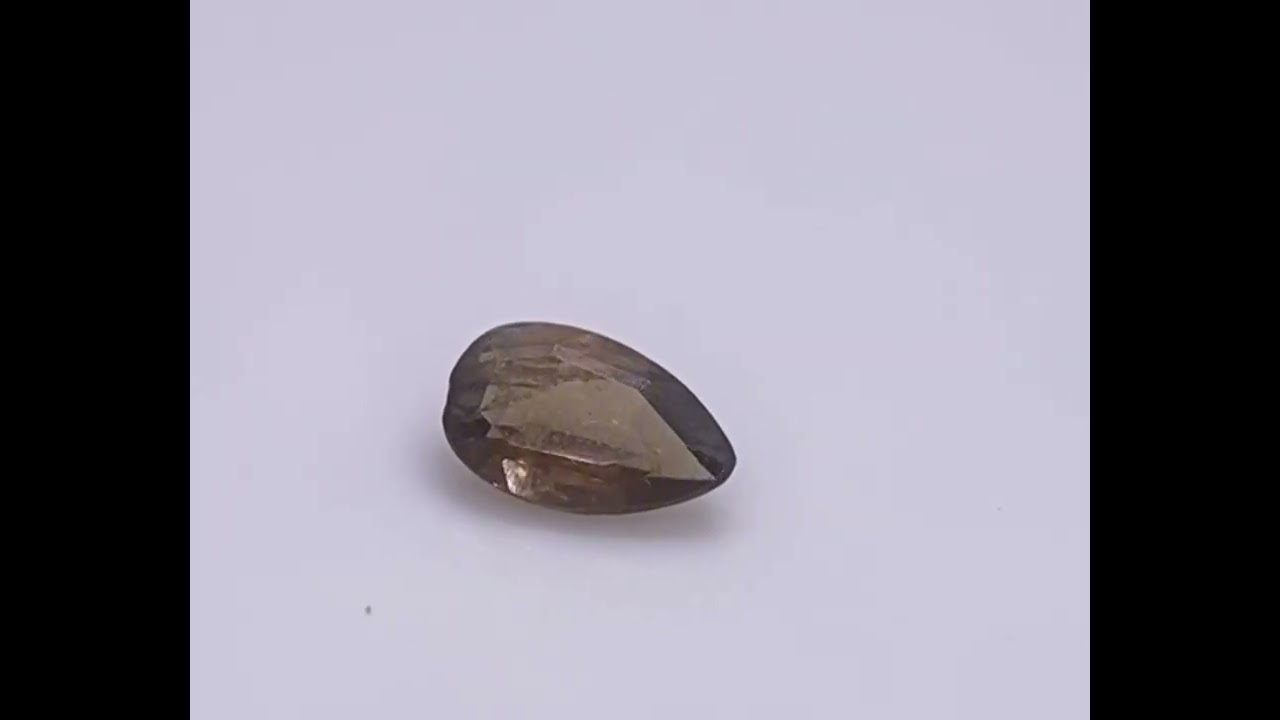
0.42 ct TRIPHYLITE – PAKISTAN
EXPERT VERIFIED
- Expert Verified Gemstone
- Fast Handling & Shipping
- Secure Vault Packaging
$ 120
Offer amount Feild


Smart Collector Choice


Pay with Crypto & Get 10% Automatic Discount

Availability: 1 in stock


- Freakingcats Gemstone Database
Triphylite (Pakistan)
Triphylite from the high-altitude, highly fractionalized lithium-cesium-tantalum (LCT) pegmatite fields of Pakistan represents an exceptional, high-density expression of iron-rich lithium phosphate crystallization. An essential member of the triphylite-lithiophilite solid-solution series, it is a species I have always respected for its “bluish-slate” to “deep-clove-bronze” tonal depth and its status as a masterpiece of “orthorhombic” structural discipline. For the specialist, a top-tier Pakistani Triphylite—particularly when exhibiting sharp, unblemished crystal faces rather than its typical massive form—is a prized trophy of late-stage magmatic differentiation; it offers a bright vitreous to resinous luster and a dense, authoritative presence that makes it an indispensable asset for the systematic vault. As an artist, I find the muted, brooding beauty of its deep greenish-blue to brownish-gray bodies contrasting against light cleavelandite or pink lepidolite matrix fields to be one of nature’s most understated and sophisticated palettes.
The Heritage & Discovery
Historical Significance
Triphylite is a critical index species for understanding the complex geochemical mechanics of lithium and phosphorus partitioning during the final, highly evolved stages of granitic pegmatite consolidation. Historically, the species holds a venerable place in classical mineralogy, named in 1834 by Johann Nepomuk von Fuchs from the Greek words tri (three) and phylē (family), honoring the three distinct ions—lithium, iron, and manganese—found within its original chemical layout. In the world of fine collectibles, specimens emerging from the high alpine environments of Pakistan are celebrated for their structural integrity and rare macrocrystalline development, standing as a permanent symbol of elemental isolation and crystallization focus.
Discovery
While known mostly as dense, dark masses within classic Euro-American pegmatite districts for generations, the systematic opening of the rugged, high-altitude pegmatite pockets across northern Pakistan completely redefined our appreciation of the species’ aesthetic potential. Scientifically, Triphylite forms a complete solid-solution series with lithiophilite, where the dominance of iron over manganese dictates its darker, more brooding body color and higher specific gravity. The exploration of these remote Himalayan and Karakoram veins provided mineralogists with rare, freestanding or matrix-anchored crystals. My own respect for this material grew from observing its distinct alteration behavior; specifically, the way its fresh, slate-blue surfaces slowly develop a thin, iridescent oxidation rind of secondary iron-manganese phosphates—such as purpurite or heterosite—is a diagnostic transformation that is unmistakable to the trained eye.
Important Mines
The primary capital for collector-grade expressions of this species within Pakistan is the prolific pegmatite fields of Gilgit-Baltistan and Khyber Pakhtunkhwa. Outstanding specimens have historically emerged from the high-altitude gem veins of the Shigar and Stak Nala valleys near Skardu, as well as the specialized lithium pegmatites of the Kunar-adjacent border districts. For the vault, I prioritize specimens that exhibit sharp crystal geometry, verified structural purity, and a clean, protective matrix association alongside companion species like albite, quartz, or tourmaline, as they represent a beautifully balanced masterpiece of primary pegmatitic geology.
Mineralogical Profile
Description
Triphylite is a lithium iron phosphate mineral that crystallizes in the orthorhombic system. It sits at a moderate 4 to 5 on the Mohs scale, meaning its lustrous crystal faces are relatively soft and brittle, requiring careful, archival handling and protection from physical shock or humid atmospheric conditions to prevent surface oxidation. It is characterized by its bright vitreous to sub-resinous luster and a distinct, “bluish-gray, dark clove-brown, to deep teal-black” color palette.
One of its most identifying traits is its perfect cleavage in one direction combined with good cleavage in two others at right angles, frequently forming blocky prismatic crystals or compact, cleavage-rich masses that trace old fluid channels through host pegmatite cavities. It possesses a moderate to high refractive index running from approximately 1.688 to 1.703, contributing to its rich internal color depth, and an average specific gravity ranging between 3.42 and 3.56 that reflects its iron-heavy molecular framework. Because it forms exclusively in highly fractionalized, lithium-rich granitic pegmatites, it is commonly found in close association with Lithiophilite, Spodumene, Montebrasite, Lepidolite, Cleavelandite, Beryl, and Quartz. When I select an example for documentation, I look for sharp, “crisp” crystal boundaries or dense, unaltered cores showing fresh slate-blue color, as these highlight the sophisticated, multi-element chemistry of the mineral’s deep-seated birth.
Chemical Formula LiFe2+PO4


