
SKU: OPAL0133
2.00 ct OPAL – MEXICO
EXPERT VERIFIED
- Expert Verified Gemstone
- Fast Handling & Shipping
- Secure Vault Packaging
$ 120
Offer amount Feild


Smart Collector Choice


Pay with Crypto & Get 10% Automatic Discount

Availability: 1 in stock
Gemstone Details
Gem Variety:
Opal
Origin:
Mexico
Carat Weight:
2.00
Length (mm):
8.90
Width (mm):
7.10
Depth (mm):
5.30
Shape:
Oval
Color
Orange
Treatment:
No Treatment
Certificate:
On Request
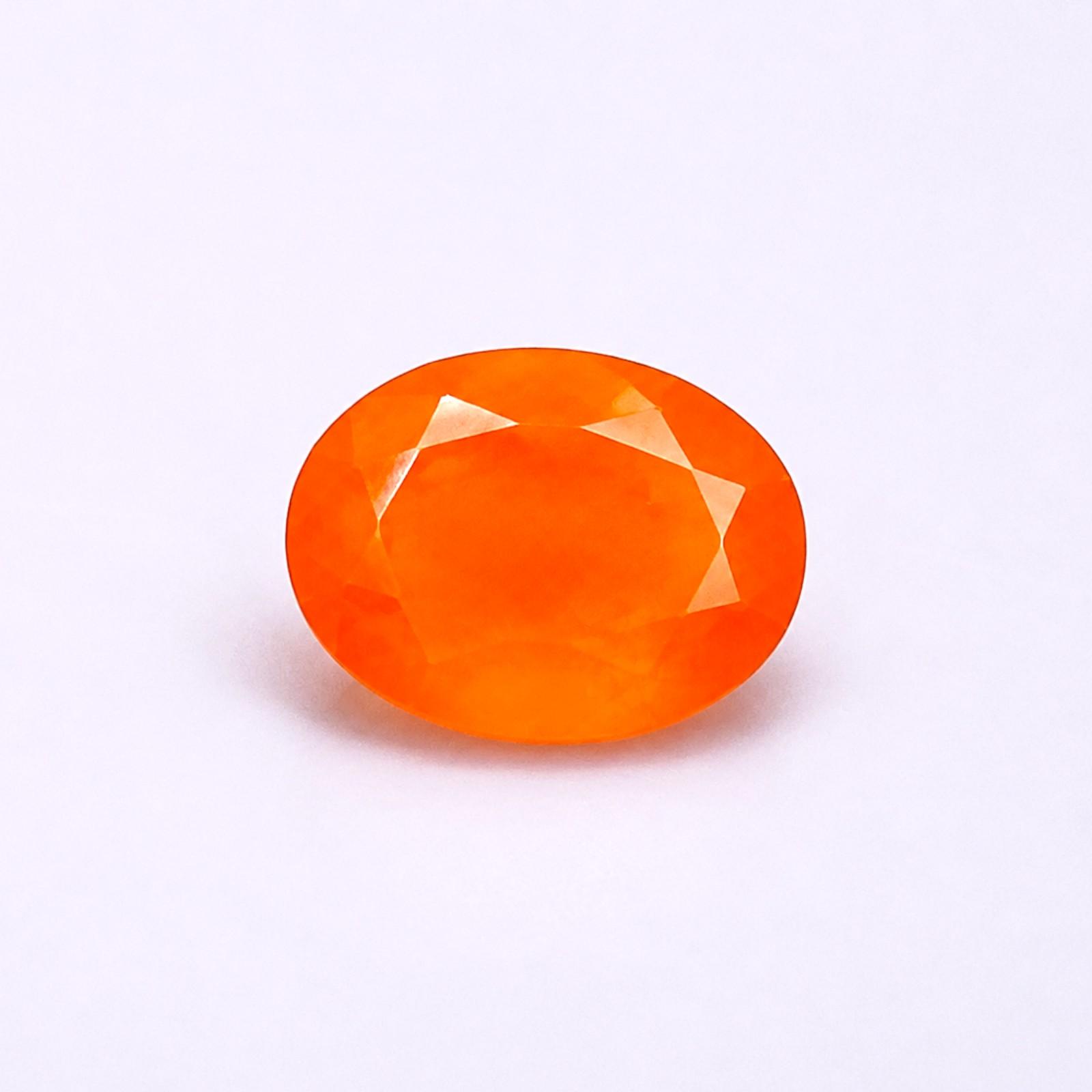
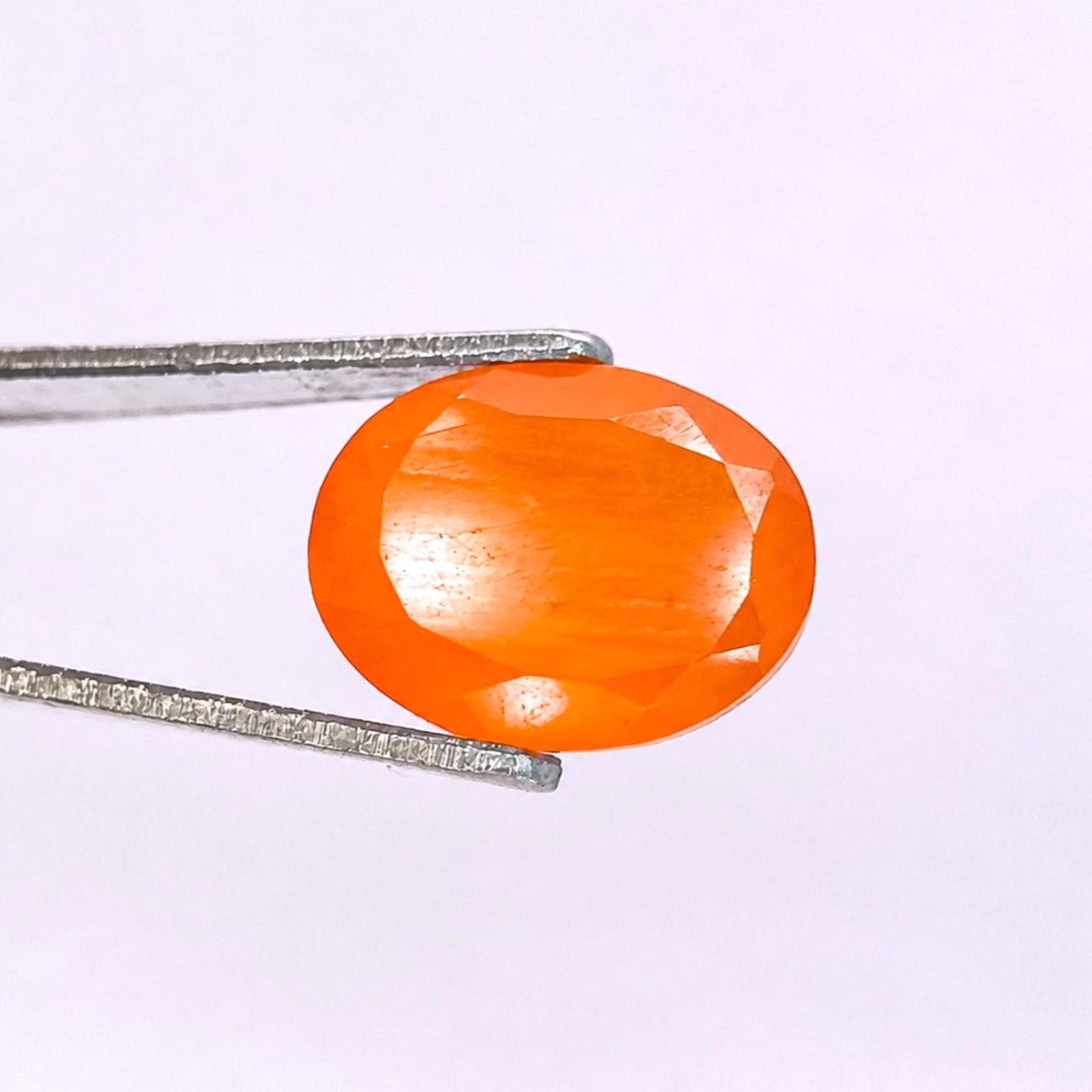
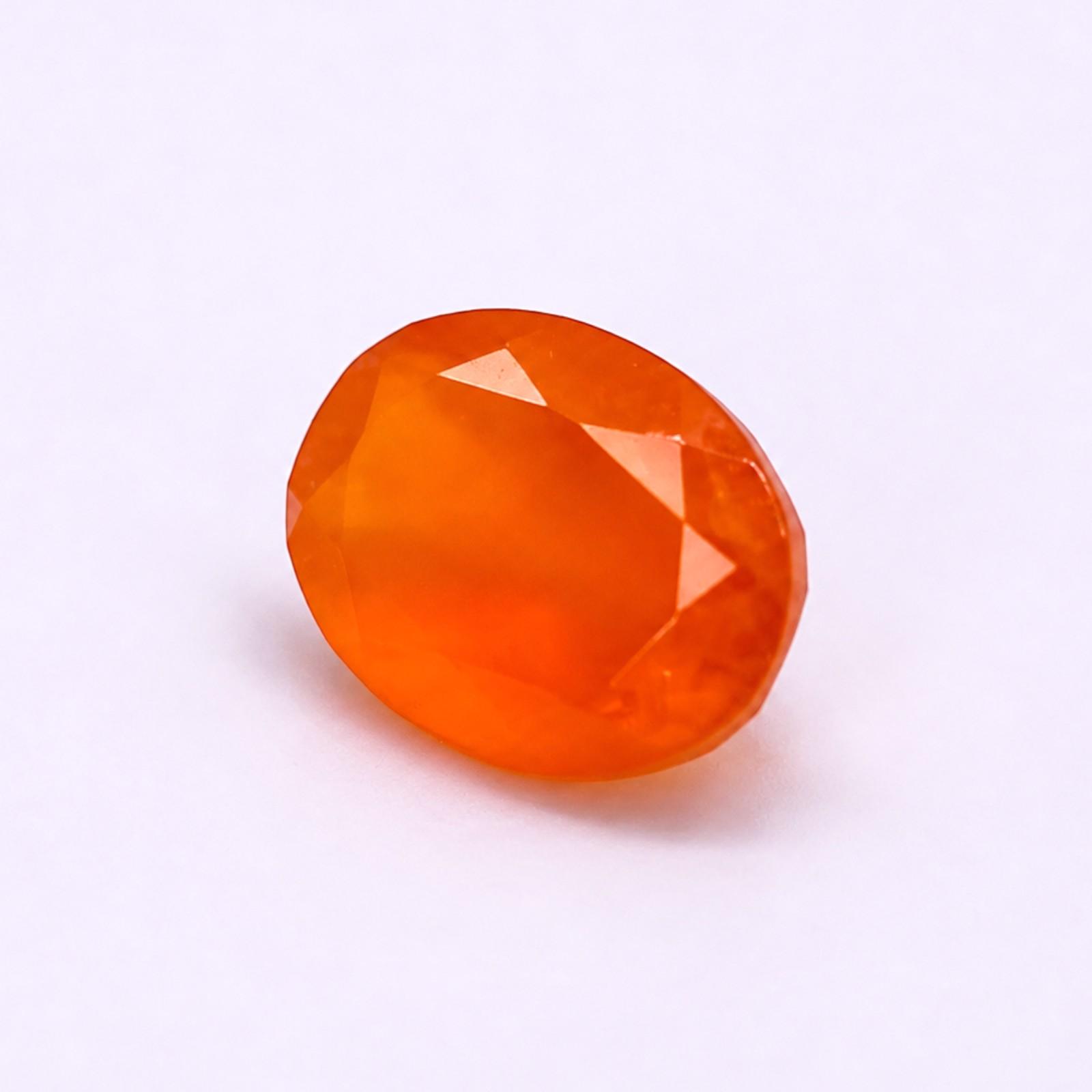
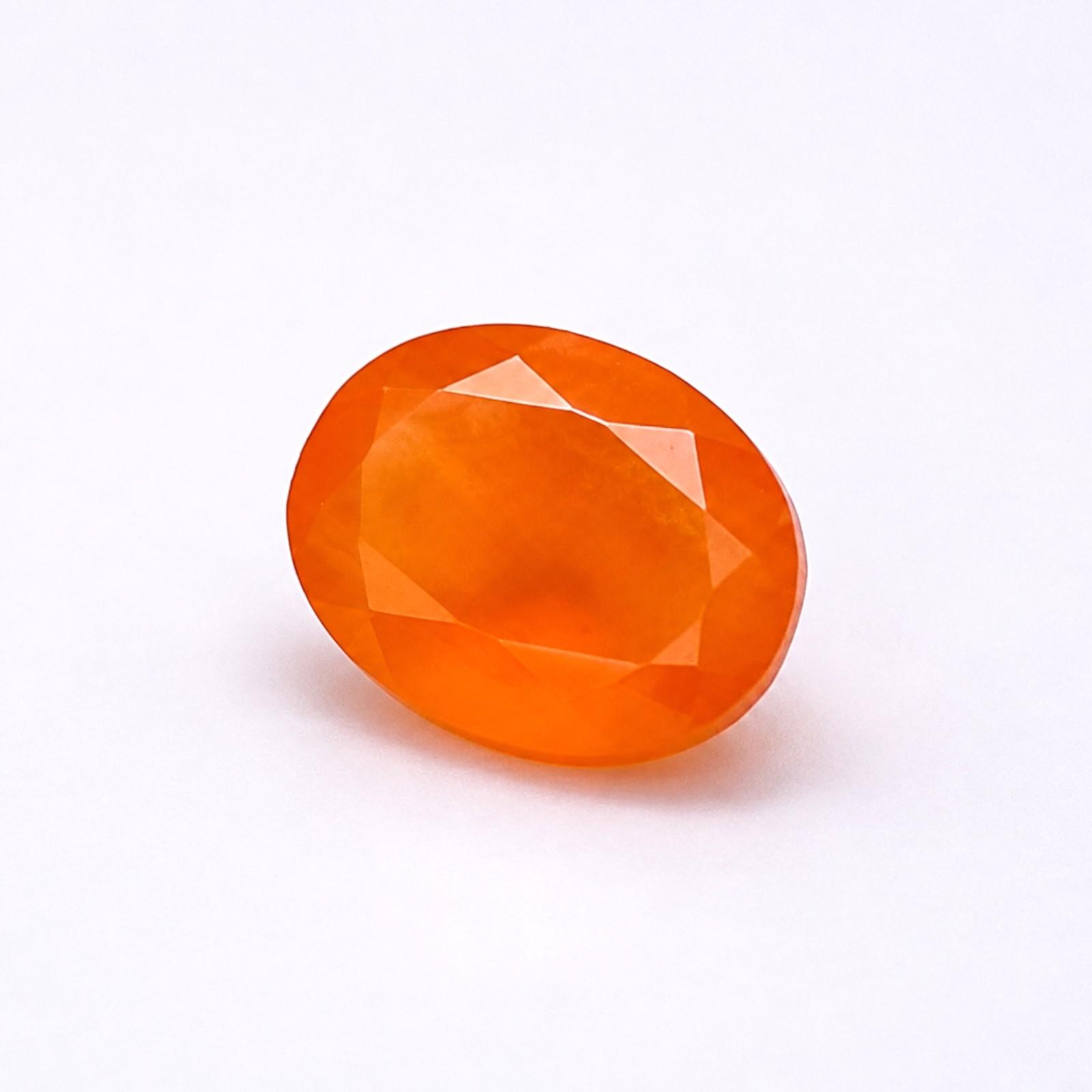
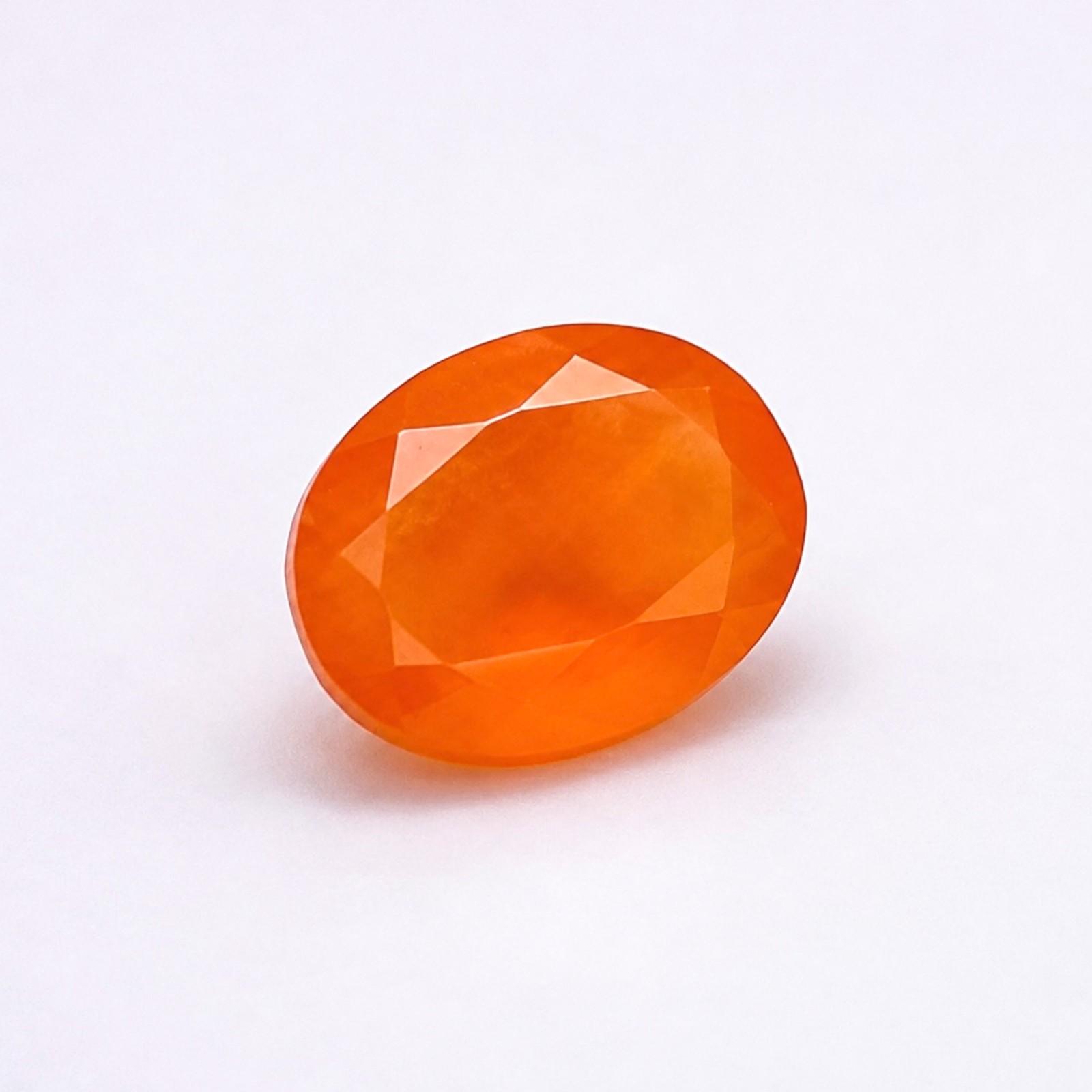
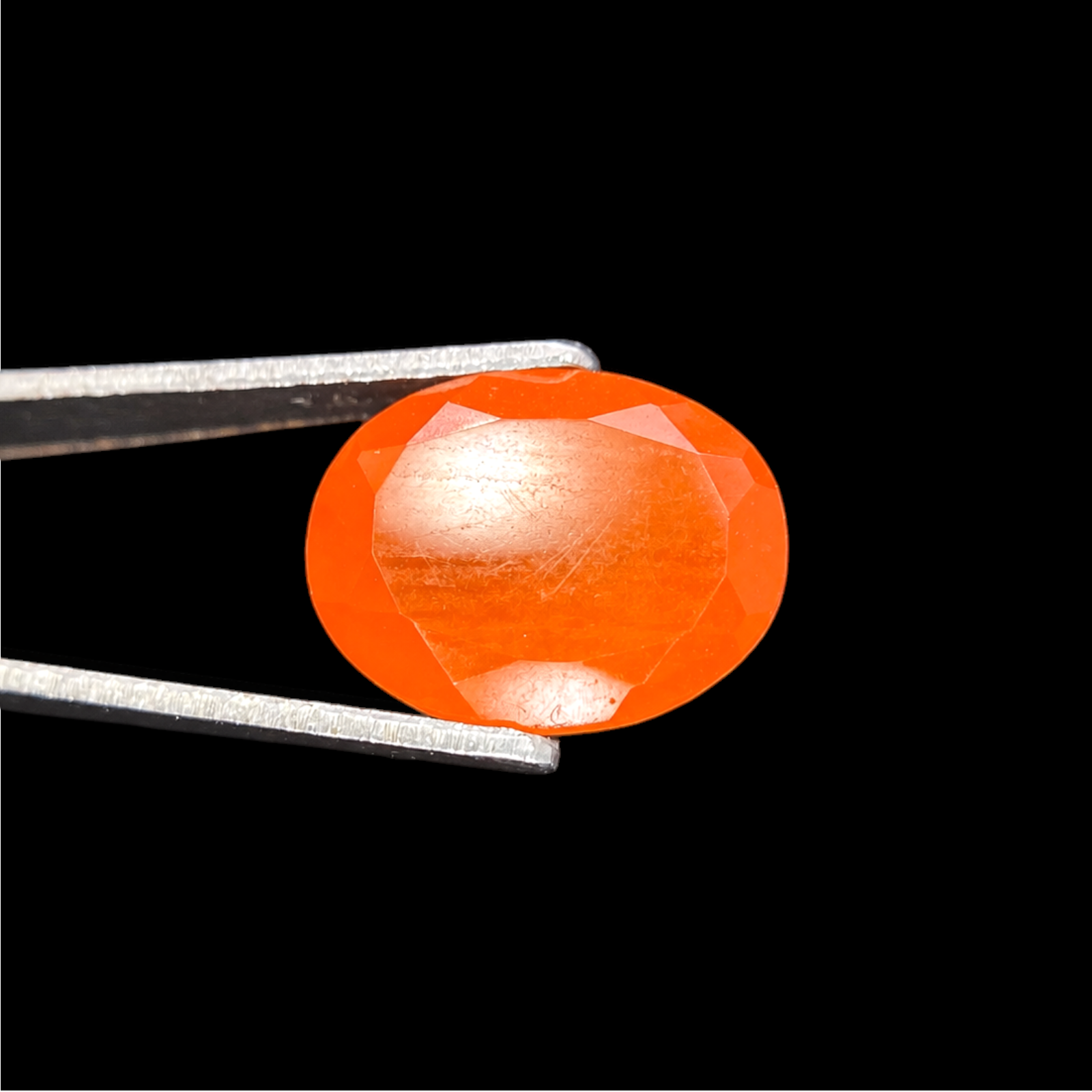
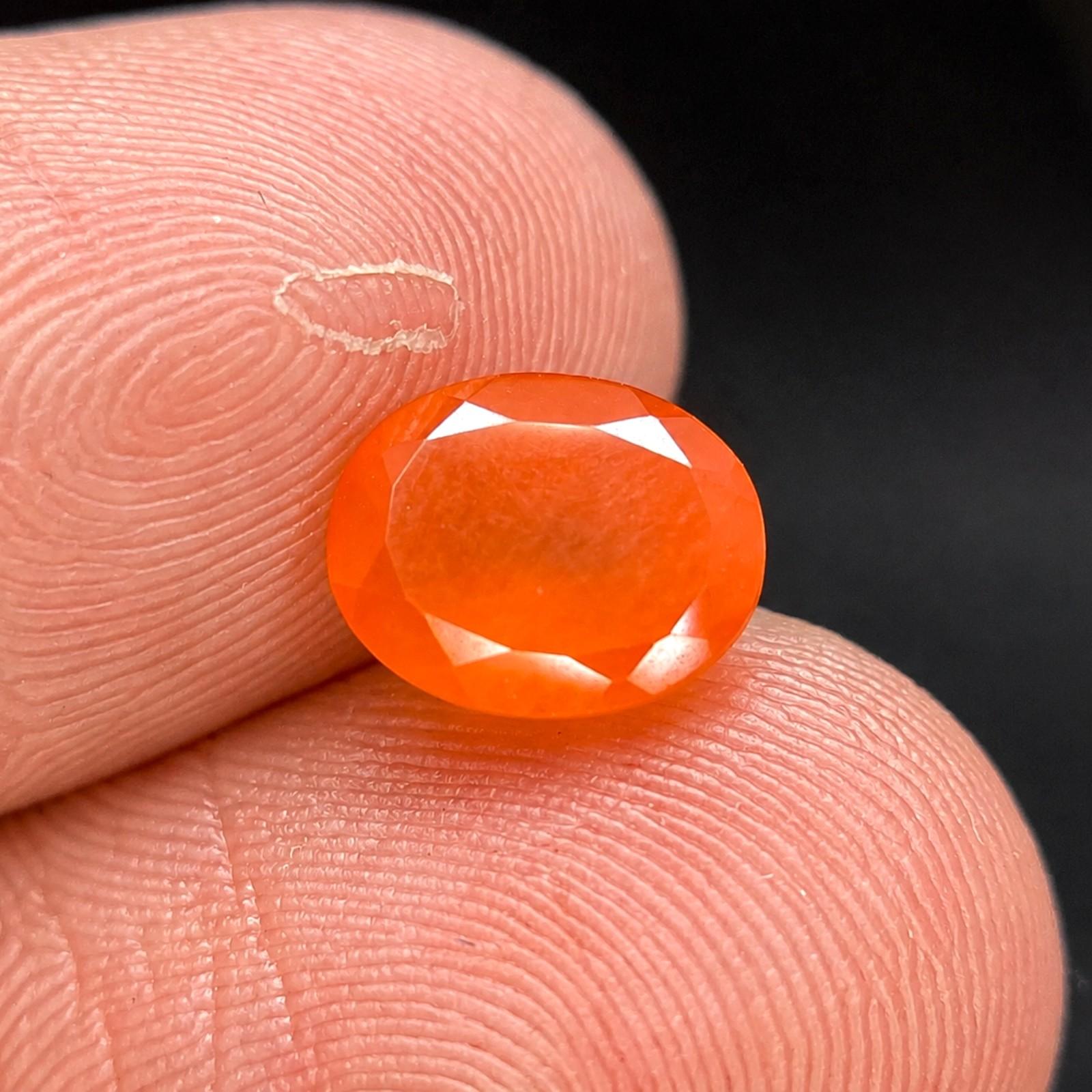


- Freakingcats Gemstone Database
Opal (Mexico)
Opal from the ancient volcanic highlands and rhyolitic dome complexes of Mexico—most notably the historic mining fields of Querétaro, Jalisco, and Chihuahua—represents the absolute global benchmark for fire-red volcanic gel encapsulation, transparent play-of-color, and extraordinary structural color depth. A hydrated amorphous silicon dioxide, it is a species I have always respected for its “electric-cherry-crimson” to “vivid-sunburst-neon” brilliance and its status as a masterpiece of volcanic hydrothermal fluid discipline. For the specialist, a top-tier Mexican Opal—whether presenting as a water-clear “Mexican Water Opal,” a fiery red “Cherry Fire Opal,” or a gem-grade matrix specimen nestled inside its original pinkish-brown rhyolite host—is a prized trophy of silica-rich volcanic exhalations; it offers a bright vitreous to resinous luster and a radiant, commanding presence that makes it an essential anchor for the systematic vault. As an artist, I find the dramatic, glowing contrast between its burning-orange or cherry-red silica body and the rustic, earthy rhyolite matrix to be one of nature’s most sophisticated and visually arresting canvases.
The Heritage & Discovery
Historical Significance
Mexican Opal is a critical index material for decoding the precise cooling rates, silica-gel concentrations, and trace-iron oxidation parameters that occur when low-temperature, silica-rich hydrothermal solutions interact with fractured volcanic rhyolites. Historically, the use of Mexican fire opal extends back to the Aztec civilization, where it was revered as Vitzitziltecpatl (the “hummingbird stone”) in honor of its vibrant, flickering play-of-color. In the world of fine collectibles and loose gems, Mexican fire opal stands completely distinct from sedimentary Australian opals, celebrated worldwide for its transparent, glass-like body color, warm sunset palette, and unique volcanic origin story.
Discovery
The systematic rediscovery of Mexican opal deposits in the mid-19th century in Querétaro introduced modern gemology to an entirely unique structural expression of the species. Scientifically, Mexican Fire Opal formed during the Tertiary period, when silica-saturated hydrothermal fluids filled gas cavities, fractures, and spherulites within acidic rhyolitic lavas. Trace amounts of iron oxides (such as goethite and hematite) micro-dispersed throughout the silica gel drive its iconic tangerine-orange, canary-yellow, and deep cherry-red body colors. When microscopic silica spheres are arranged in uniform grids within the gel, the mineral displays a brilliant play-of-color (precious fire opal); when the spheres are disordered, it produces a clear, glowing, jelly-like body without spectral flash (jelly or fire opal). My own respect for this material grew from analyzing its interaction with light; specifically, the way a clean, transparent Mexican fire opal traps ambient light and glows from within like an burning ember is an optical phenomenon that is deeply captivating to the trained eye.
Important Mines
The primary capitals for world-class, museum-grade Mexican opals are centered in the state of Querétaro (notably around Cadereyta, San Juan del Río, and Colón) and the prolific volcanic fields of Jalisco (around Magdalena and San Martín de Bolaños). Equally celebrated are the historic deposits of Chihuahua, Michoacán, and Hidalgo. For the vault, I prioritize specimens that exhibit high optical transparency, deep cherry-red or fiery tangerine body color, strong play-of-color (when present), and an undamaged, artistic presentation anchored in its natural, fine-grained rhyolite matrix.
Mineralogical Profile
Description
Mexican Opal is a hydrated amorphous silicon dioxide hosted within a volcanic rhyolite or trachyte matrix. The opal itself sits at a 5.5 to 6.5 on the Mohs scale, meaning its smooth, glassy surfaces are relatively delicate and sensitive to sudden thermal shock, desiccation, or physical abrasion, requiring careful archival handling and temperature-controlled storage. It is characterized by its exceptionally bright vitreous to resinous surface luster and a warm, luminous color palette dominated by cherry-red, mandarin-orange, golden-yellow, bronze-amber, and water-clear crystal.
One of its most identifying traits is its amorphous (non-crystalline) nature, forming as smooth, liquid-like cavity fillings, rounded botryoidal pods, or veins that cleanly trace old gas vesicles and fractures in rhyolite domes. It possesses a low refractive index ranging from 1.370 to 1.460, giving it a soft, water-like glass appearance, and a light average specific gravity between 1.98 and 2.25, reflecting its water-bearing internal structure (3\% to 10\% bound H_2O). Because it forms in post-volcanic hydrothermal environments, it is commonly found in close association with Cristobalite, Tridymite, Chalcedony, Quartz, Hematite, and Kaolinite. When I select an example for documentation, I look for high body clarity, deep uniform color saturation, and a strong contrast between the gemmy silica pod and the surrounding volcanic matrix, as these emphasize the slow, fluid-driven chemistry of the mineral’s subterranean birth.


