
2.11 ct REALGAR – CHINA
EXPERT VERIFIED
- Expert Verified Gemstone
- Fast Handling & Shipping
- Secure Vault Packaging
$ 290
Offer amount Feild


Smart Collector Choice


Pay with Crypto & Get 10% Automatic Discount

Availability: 1 in stock
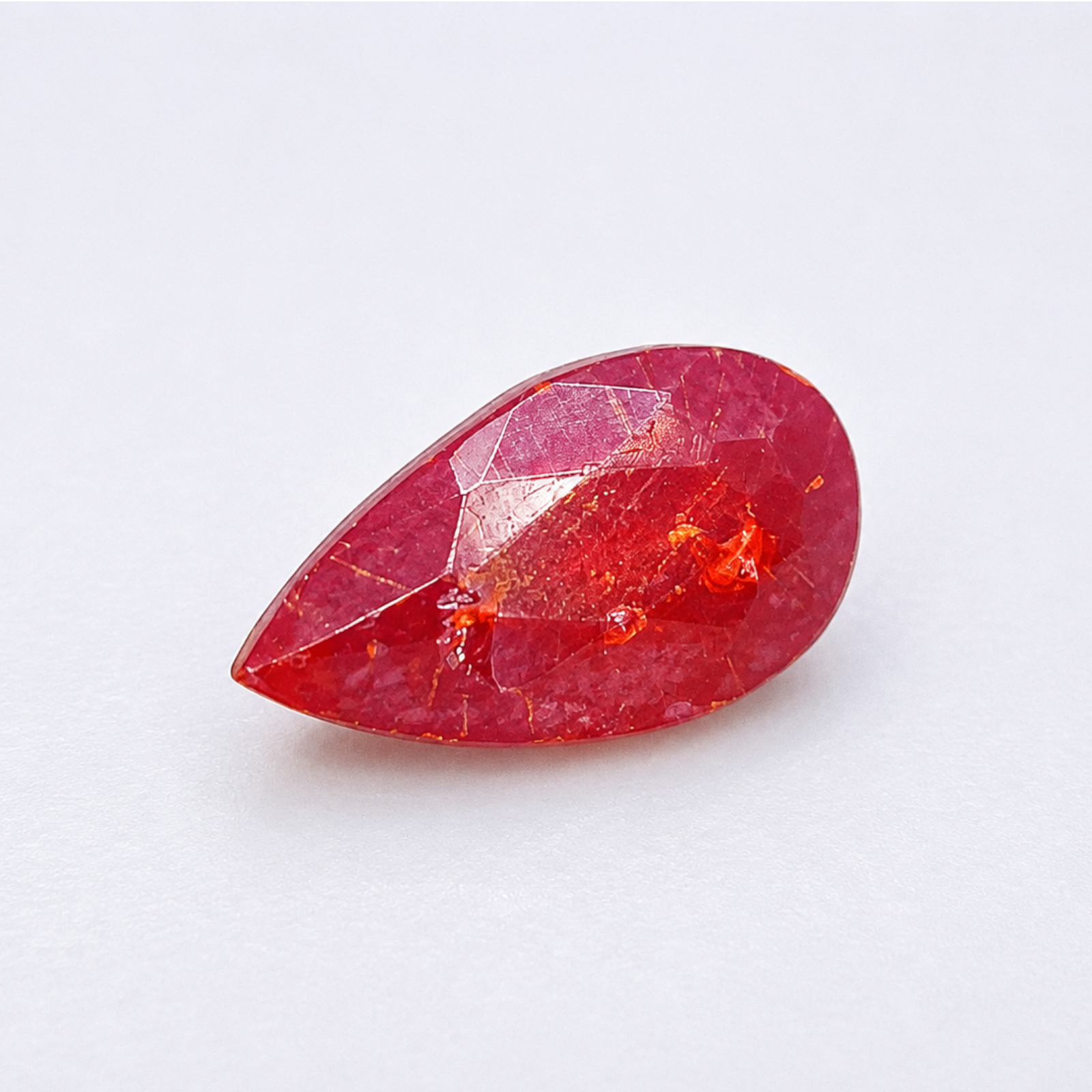
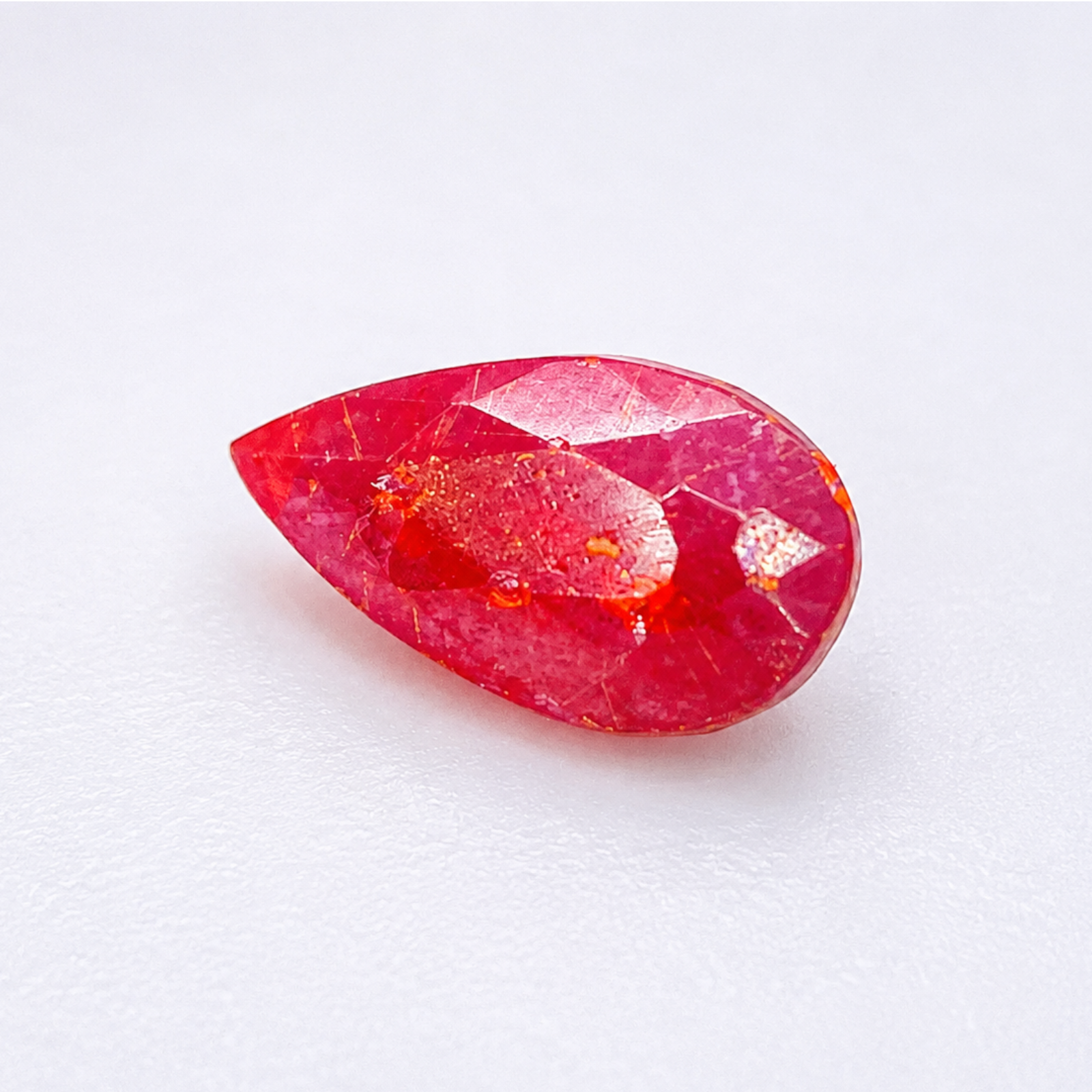
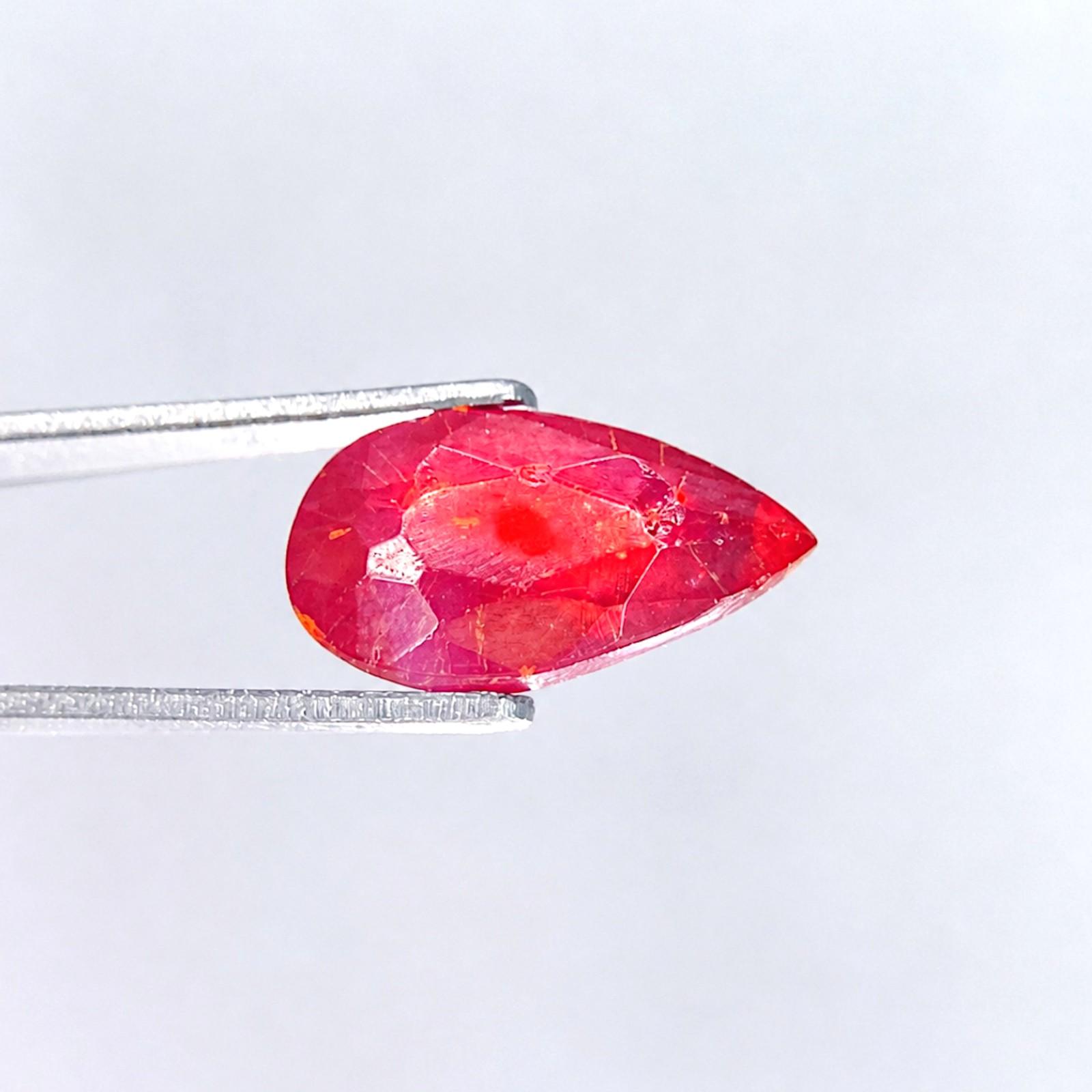
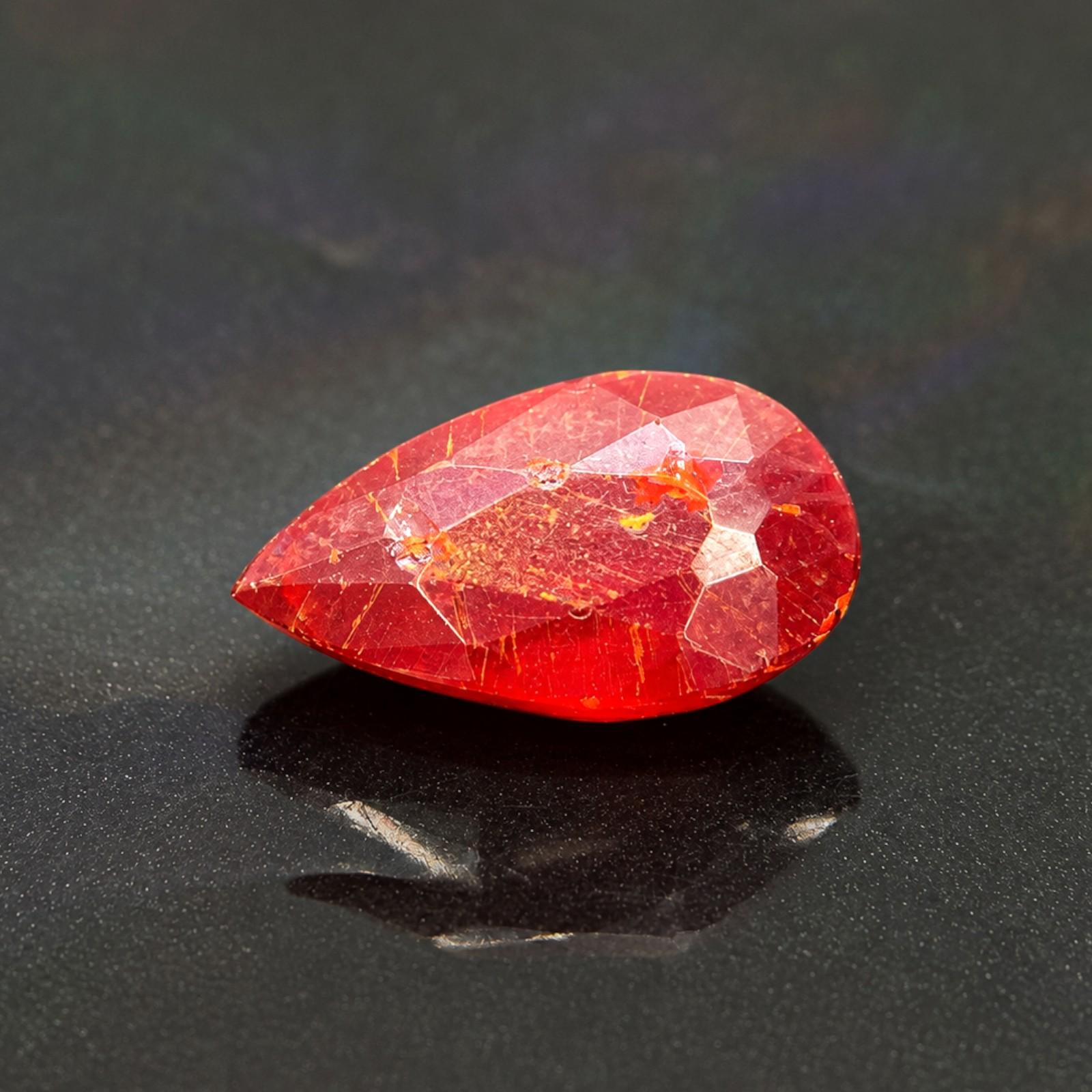
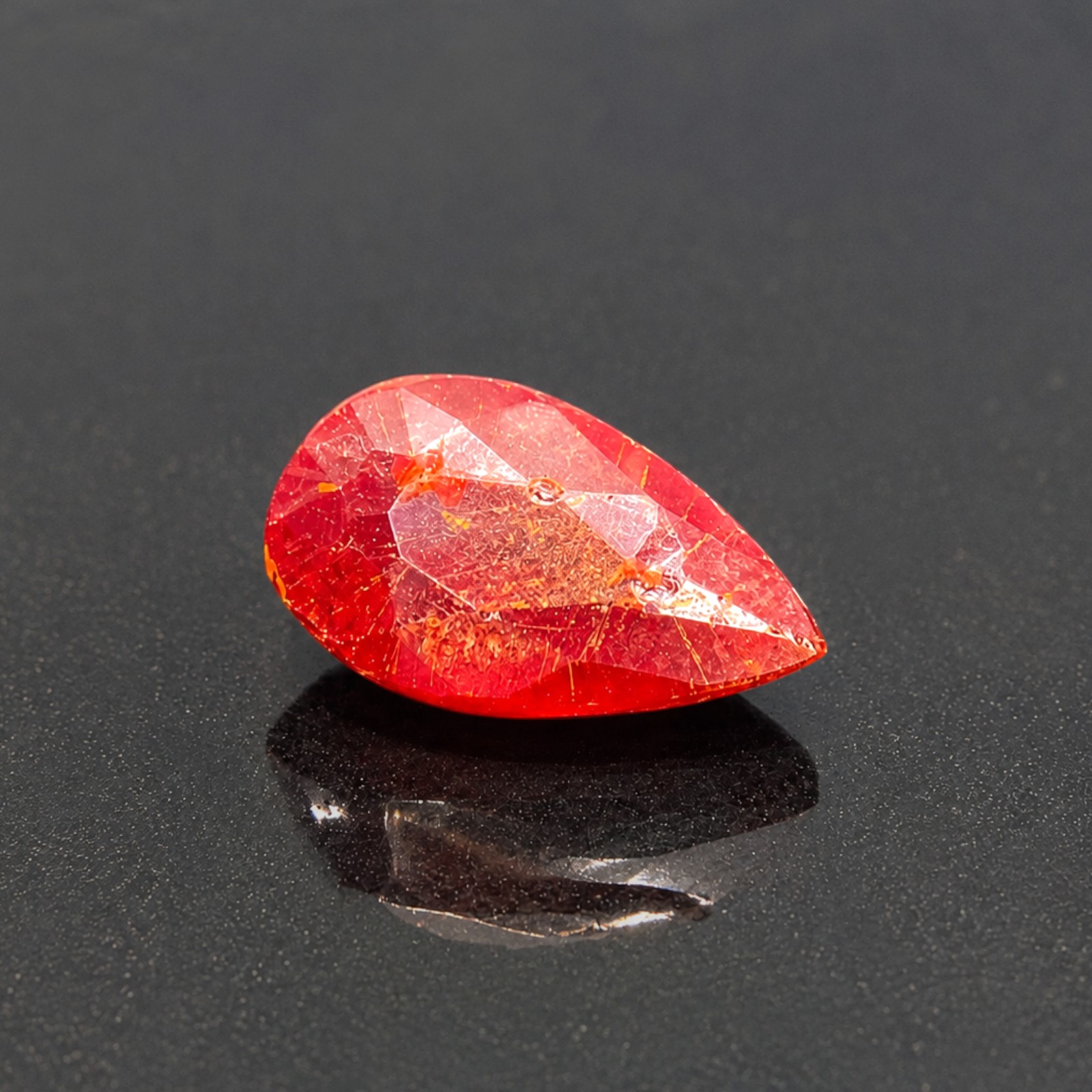
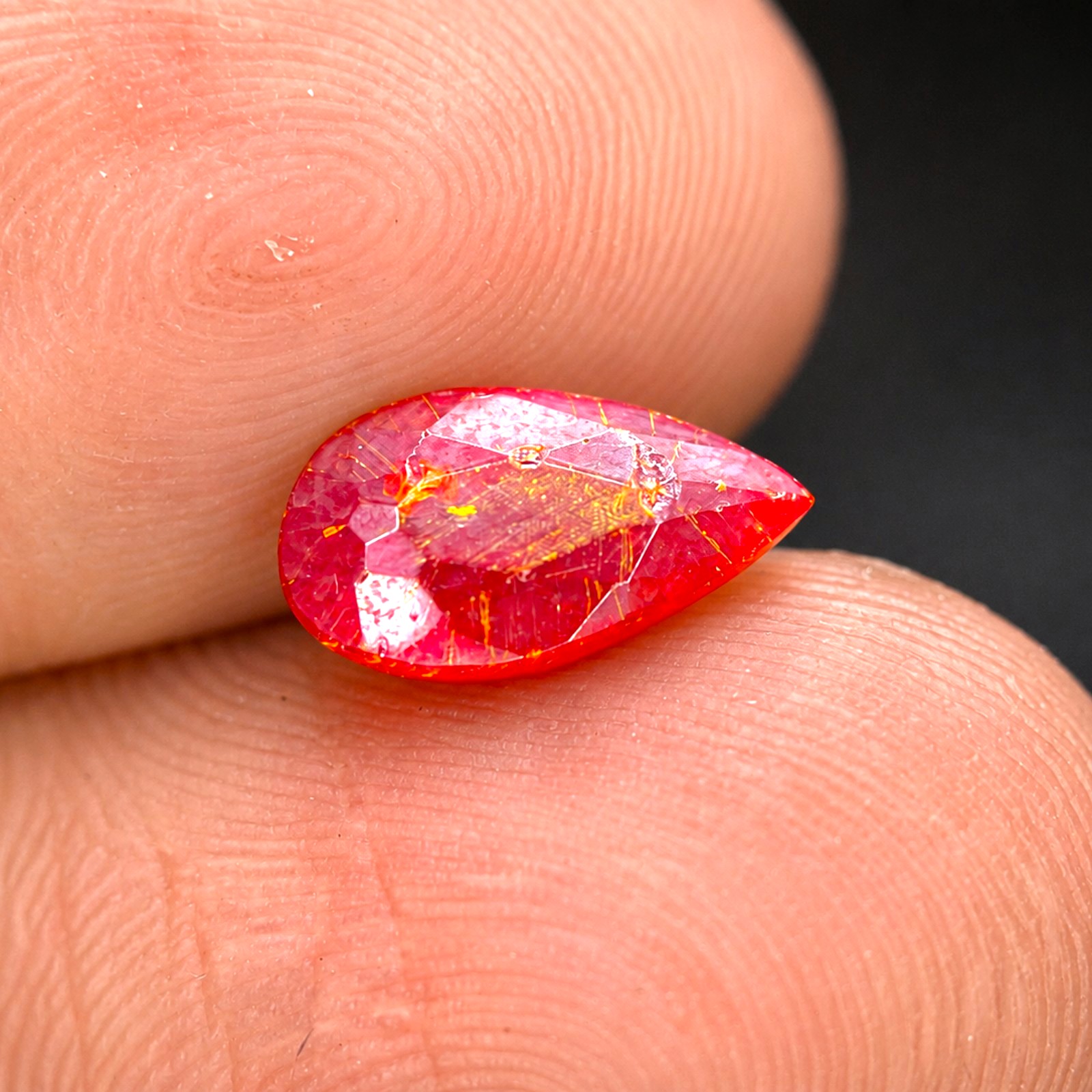
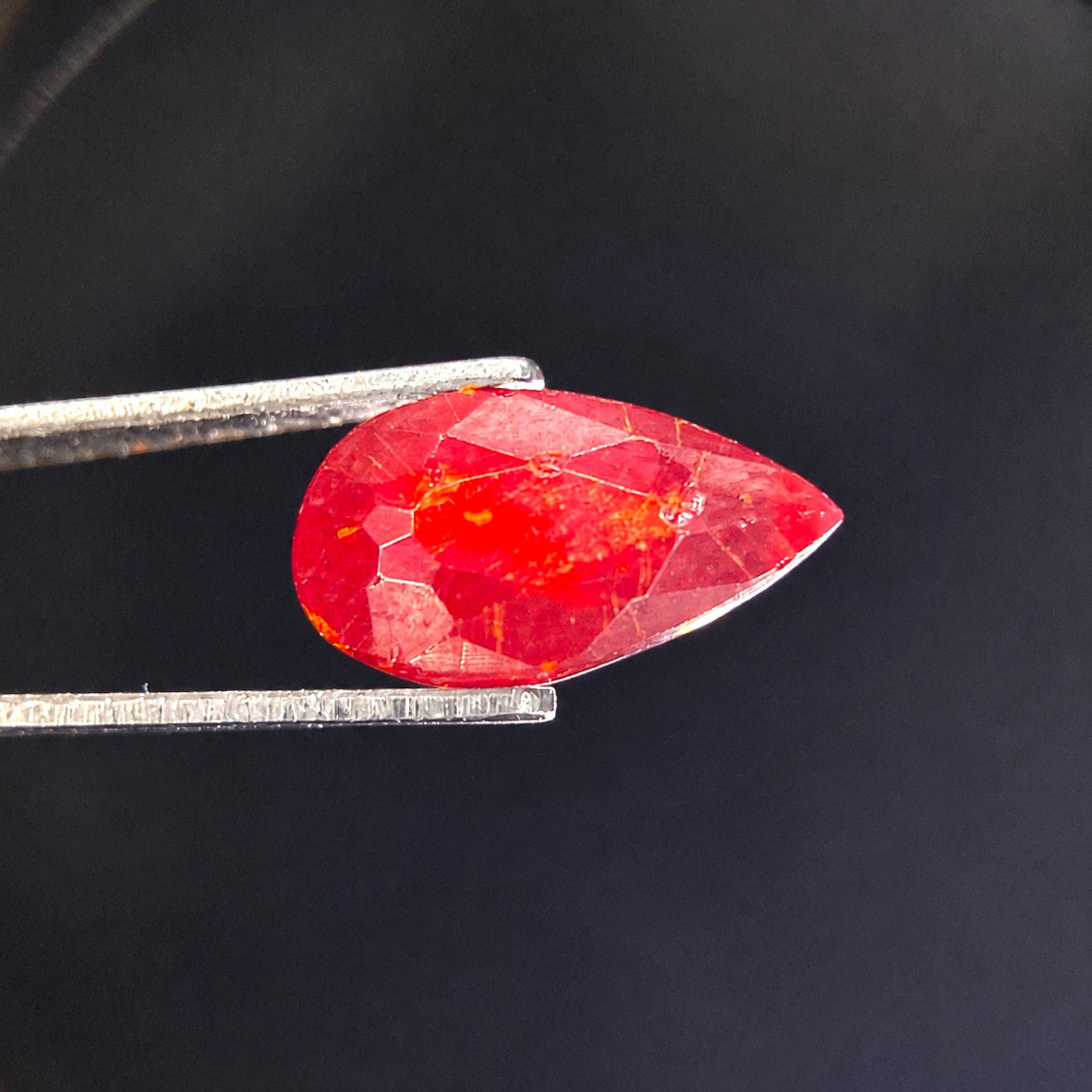


- Freakingcats Gemstone Database
Realgar (China)
Realgar from the hydrothermal antimony-arsenic veins and carbonate-hosted deposits of China—most famously the historic Jiepaiyu (Shimen) Mine in Hunan Province—represents the undisputed international gold standard for giant crystal scale, intense “ruby-scarlet” to “fiery-orange-red” saturation, and mirror-bright prismatic luster. An arsenic sulfide mineral, it is a species I have always respected for its “electric-vermilion” to “deep-cherry-neon” optical punch and its status as a masterclass in “monoclinic” structural discipline. For the specialist, a top-tier Chinese Realgar—featuring sharp, highly lustrous, vertically striated prismatic crystals perched dramatically in contrasting snowy white calcite—is a prized trophy of low-temperature hydrothermal precipitation; it offers a bright sub-adamantine to resinous luster and a commanding, high-contrast presence that makes it an essential anchor for the systematic vault. As an artist, I find the breathtaking juxtaposition between its blazing, fiery-red crystalline bodies and the stark, frosted white marble or calcite matrix to be one of nature’s most sophisticated and visually electrifying palettes.
The Heritage & Discovery
Historical Significance Realgar is a vital index species for decoding low-temperature, epithermal fluid pathways, sulfur fugacity, and heavy-metal transport dynamics in sedimentary and skarn-hosted hydrothermal systems. Historically, China holds the longest and most revered relationship with the species in the world: known in traditional Chinese culture as Xionghuang, it was utilized for over two millennia in traditional medicine, alchemy, and during the Dragon Boat Festival as a protective talisman. In modern systematic mineralogy, the opening of major deposits in Hunan in the late 20th century revolutionized the global collector market, setting all-time world records for crystal size, structural perfection, and aesthetic matrix contrast that remain unmatched anywhere on Earth.
Discovery The unearthing of world-record pockets in central China provided mineralogists with unprecedented access to large, freestanding monoclinic realgar crystals. Scientifically, Realgar is an arsenic sulfide comprised of covalently bonded As4S4 cage-like molecules. In Chinese epithermal deposits, alkaline hydrothermal fluids rich in arsenic and sulfur cooled slowly within cavities in limestone and dolomite, allowing the mineral to develop exceptionally sharp, thick prismatic crystals up to several centimeters in length. My own respect for this material grew from analyzing its light-reactive structural behavior; specifically, the species requires light-safe archival preservation, as exposure to high-energy visible light can induce a slow photochemical transition from monoclinic realgar into powdery yellow-orange pararealgar. Stored in proper dark, temperature-controlled vault conditions, its razor-sharp faces and fiery red core remain fully preserved and intensely brilliant.
Important Mines The undisputed international capital for museum-grade realgar is the world-famous Jiepaiyu Mine (commonly referenced as the Shimen Mine) in Shimen County, Changde, Hunan Province, China. Celebrated globally for producing the finest realgar crystals ever found, this locality yields sharp, lustrous red prisms perched on pristine white calcite, often associated with rich yellow orpiment. Outstanding specimens have also historically emerged from the Dayingezhuang Mine in Shandong and various deposits across Guizhou and Yunnan provinces. For the vault, I prioritize specimens that exhibit razor-sharp, undamaged crystal terminations, deep vermilion-to-scarlet transparency, pristine face luster, and a clean, high-contrast matrix anchor on white calcite or quartz.
Mineralogical Profile
Description Realgar is an arsenic sulfide mineral that crystallizes in the monoclinic system. It sits at a soft 1.5 to 2 on the Mohs scale, meaning its highly lustrous crystal faces are delicate and brittle, featuring good pinacoidal cleavage that requires careful, dedicated archival handling to protect its crisp crystal edges, striations, and terminations from physical abrasion or impact. It is characterized by its brilliant sub-adamantine to resinous surface luster and an unmistakable, fiery color palette dominated by ruby-red, scarlet-vermilion, deep orange-red, and bright crimson.
One of its most identifying traits is its stout to elongated prismatic habit, routinely forming vertically striated columns with complex, wedge-like terminations that cleanly map out late-stage hydrothermal fluid conduits. It possesses an extraordinarily high refractive index running from approximately 2.538 to 2.704, giving thin edges and gemmy crystals incredible internal fire and surface sparkle, paired with an average specific gravity ranging between 3.56 and 3.60. Because it precipitates in low-temperature hydrothermal veins, hot-spring deposits, and altered dolomites, it is commonly found in close association with Orpiment, Calcite, Stibnite, Pyrite, Cinnabar, Quartz, and Dolomite. When I select an example for documentation, I look for crisp monoclinic geometry, intense internal scarlet light transmission, and sharp contrast against white calcite, as these emphasize the sophisticated, volatile-rich chemistry of the mineral’s dramatic subterranean birth.
Chemical Formula As4S4 (also formulated as AsS)


