
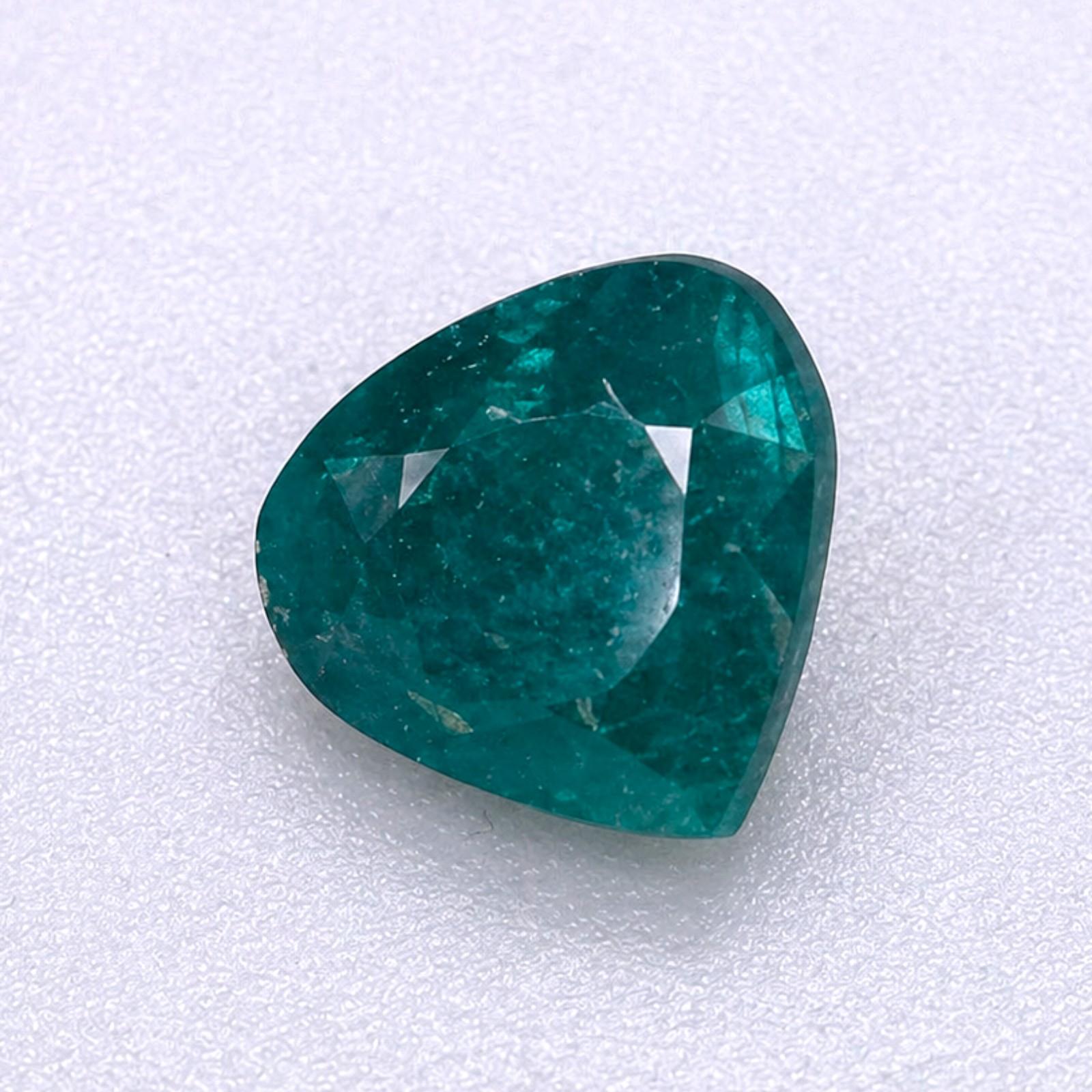
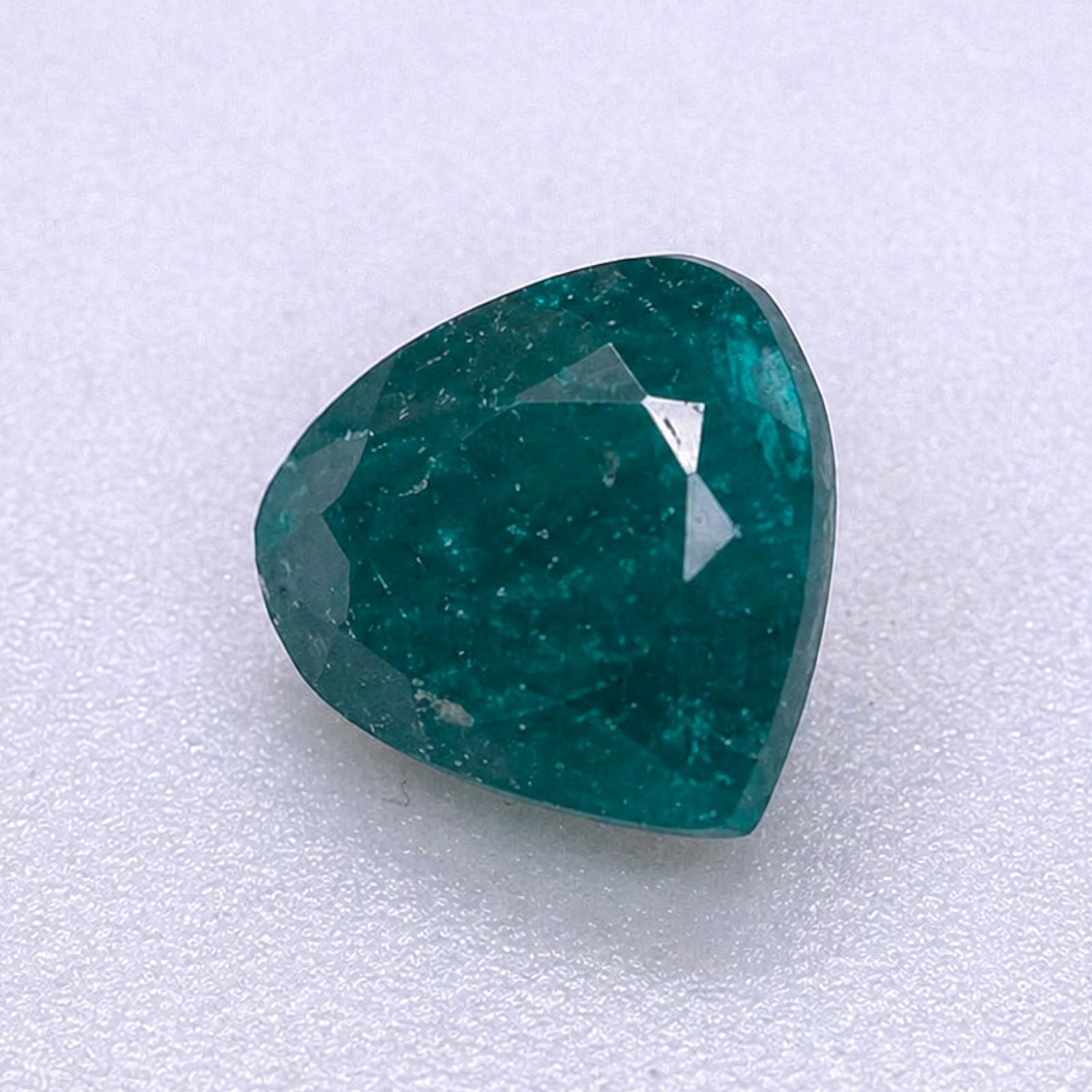
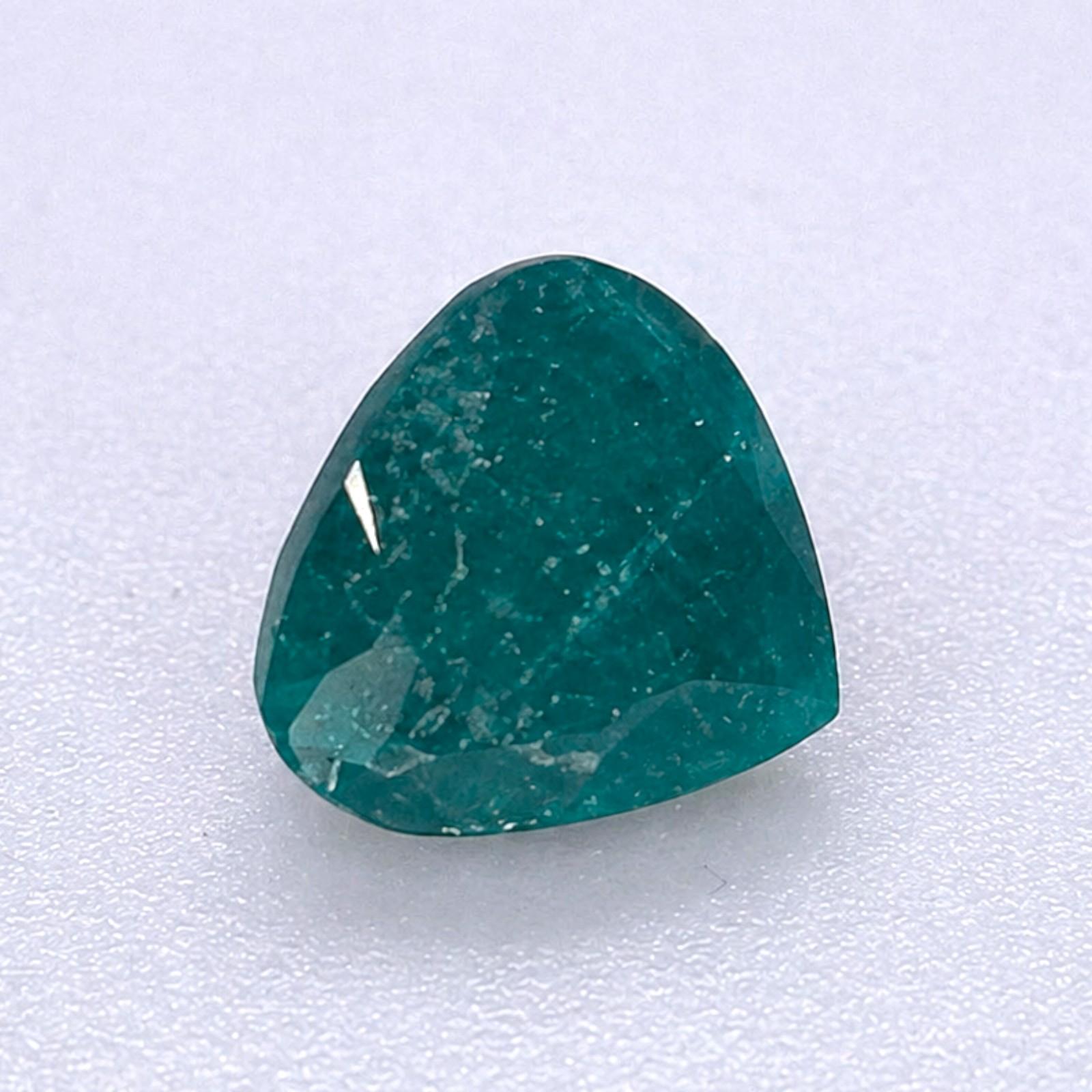
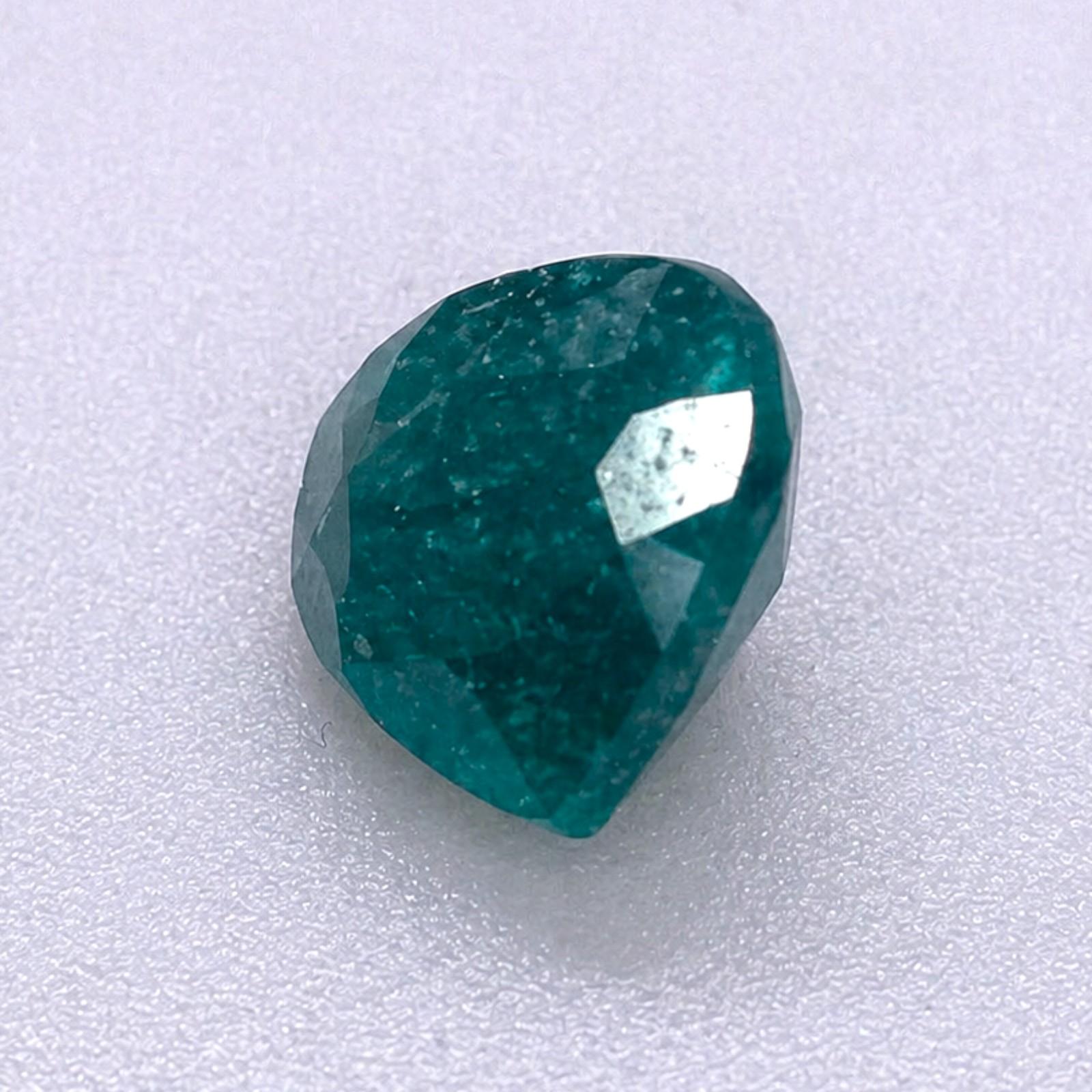
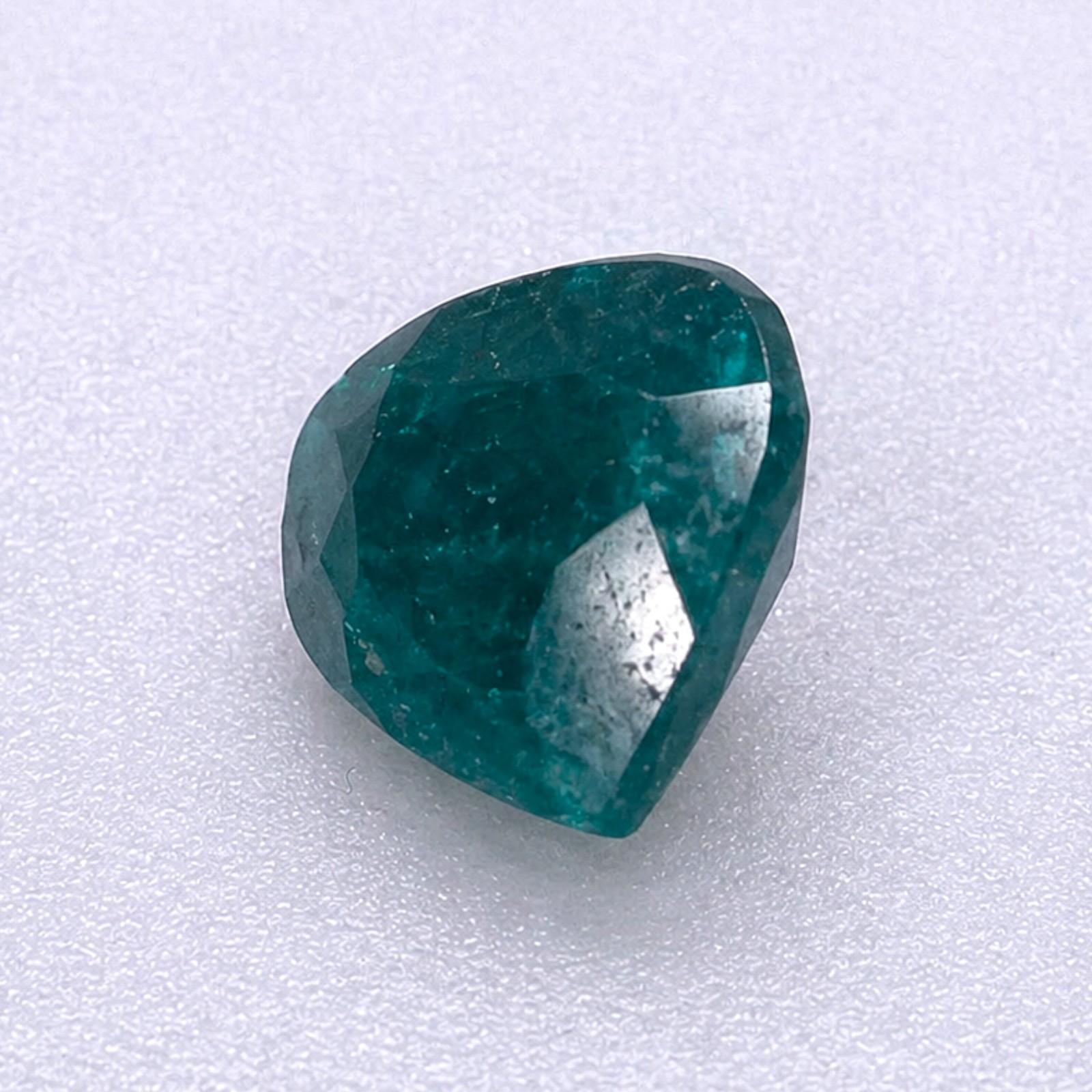
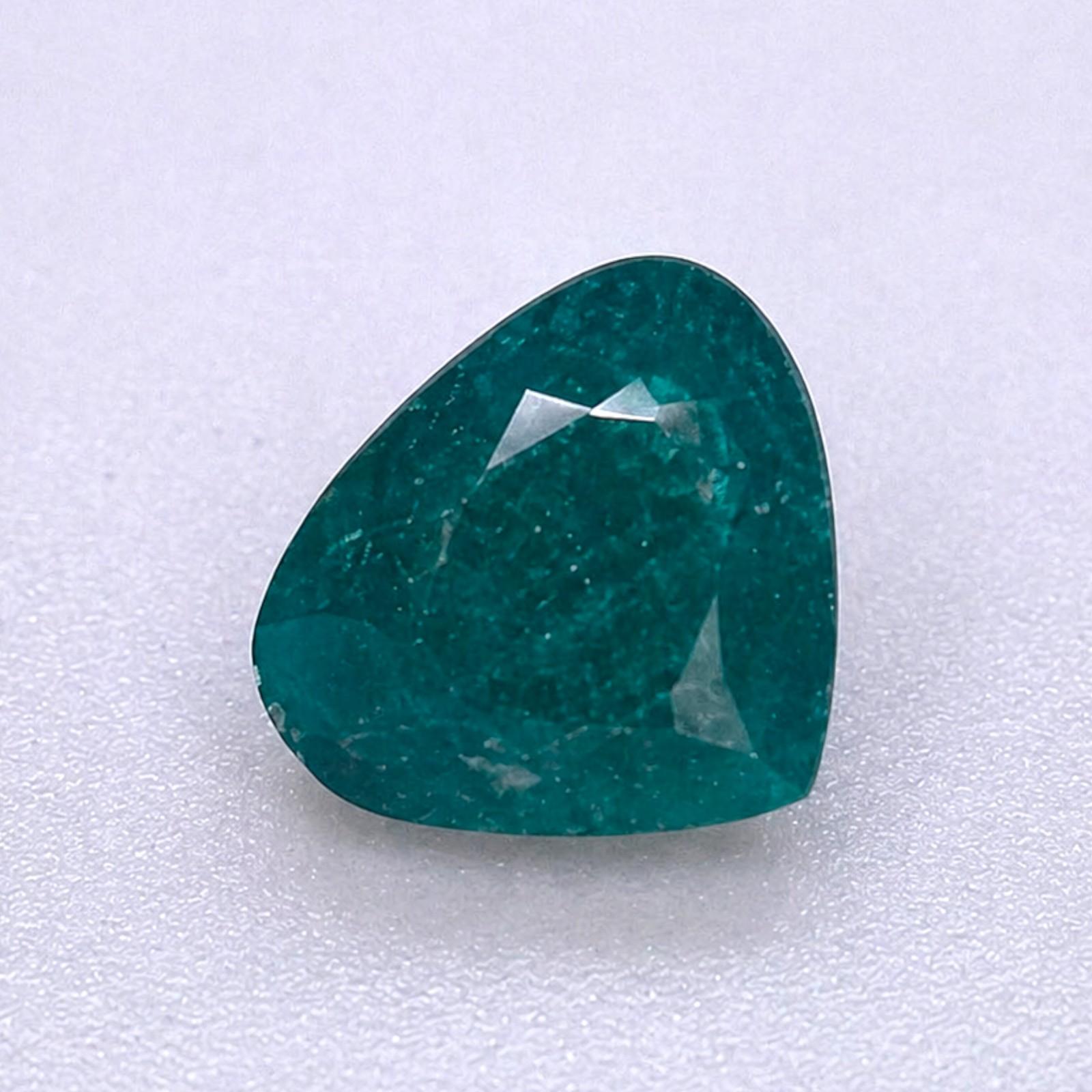
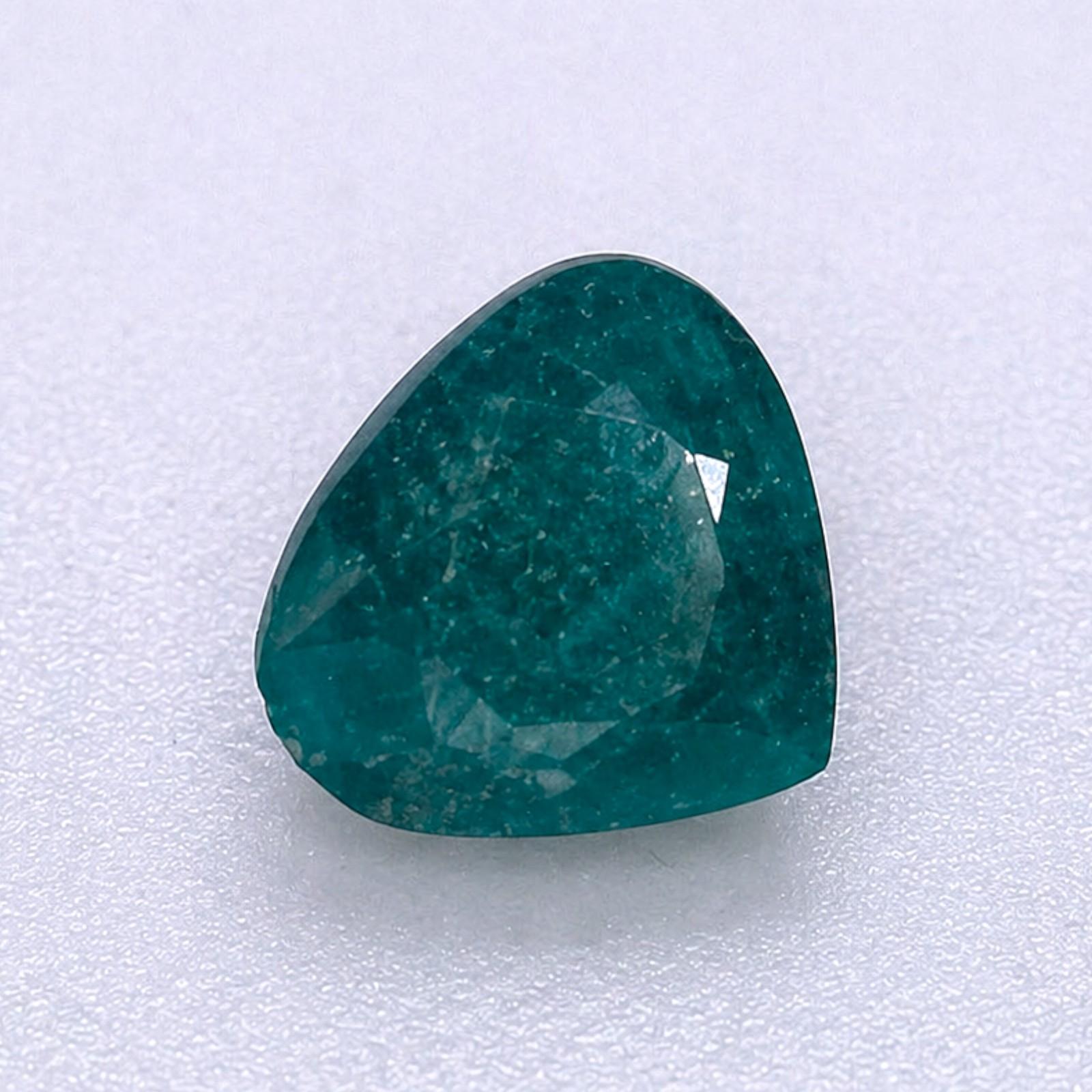
2.13 ct DIOPTASE – NAMIBIA
EXPERT VERIFIED
- Expert Verified Gemstone
- Fast Handling & Shipping
- Secure Vault Packaging
$ 300
Offer amount Feild


Smart Collector Choice


Pay with Crypto & Get 10% Automatic Discount

Out of stock


- Freakingcats Gemstone Database
Dioptase
Dioptase is a gemstone that possesses arguably the most intense green in the mineral kingdom. A hydrous copper silicate, it is often mistaken for Emerald by the untrained eye, but its color is far more “electric”—a deep, saturated emerald-green with a distinct bluish undertone. I have always been captivated by its rhombohedral crystals; they possess a sub-adamantine luster that makes them sparkle with a fire that common silicates simply cannot match. It is a stone of the “oxidation zone,” born from the weathering of copper deposits in arid climates. For me, Dioptase is the ultimate “connoisseur’s green,” representing a perfect geological moment where copper and silica aligned to create a crystal of unmatched color purity.
The Heritage & Discovery
Historical Significance: Dioptase has a history of being a “tease” to miners. Historically, it was first brought to light in the late 18th century by copper miners in Kazakhstan who genuinely believed they had discovered a massive emerald deposit—hence the early misnomer “Copper Emerald.” In the world of fine minerals, it is celebrated for its incredible color saturation. It stands as a symbol of the heart’s renewal and is often used by collectors as a “healing” stone for its vibrant, life-affirming hue. It represents the transition from primary copper ores to the beautiful, secondary treasures found near the Earth’s surface.
Discovery: The mineral was formally described in 1797 by the French mineralogist René Just Haüy. The name is derived from the Greek dia (through) and optos (visible), referring to the fact that the stone’s internal cleavage planes are visible through the crystal. Scientifically, its discovery allowed mineralogists to differentiate between the beryllium-based green of Emerald and the copper-based green of Dioptase, a milestone in early chemical mineralogy.
Important Mines: The legendary source for the world’s finest Dioptase is the Tsumeb Mine in Namibia, which produced crystals of unparalleled size and “gemmy” transparency. I also have a high regard for the material from Altyn-Tyube in Kazakhstan (the type-locality) and the Reneville deposits in the Republic of the Congo. For the vault, I prioritize the Tsumeb specimens, as their luster and crystal definition are the global benchmark for the species.
Mineralogical Profile
Description: Dioptase is a hydrous copper silicate that crystallizes in the trigonal system. It sits at a 5 on the Mohs scale, making it a delicate stone. While it is too soft and brittle for most rings, its color makes it a highly sought-after specimen for pendants and protected settings. It is characterized by its sub-adamantine to vitreous luster and its unmistakable deep green color.
One of its most identifying traits is its perfect cleavage in three directions, which gives the crystals their “shattered glass” look if handled roughly. It has a high refractive index (n approx 1.64 to 1.71), which contributes to its brilliant, “inner” glow. Because it is a copper mineral, it is often found in association with other secondary beauties like Malachite or Chrysocolla. When I select a piece for the collection, I look for “sharp” rhombohedral terminations and a lack of internal fracturing, as these highlight the sophisticated, three-dimensional geometry that makes Dioptase a standout. It is a dense, high-vibration mineral that offers a visual intensity that is, quite literally, second to none.
Chemical Formula: Cu6Si6O18·6H2O


