
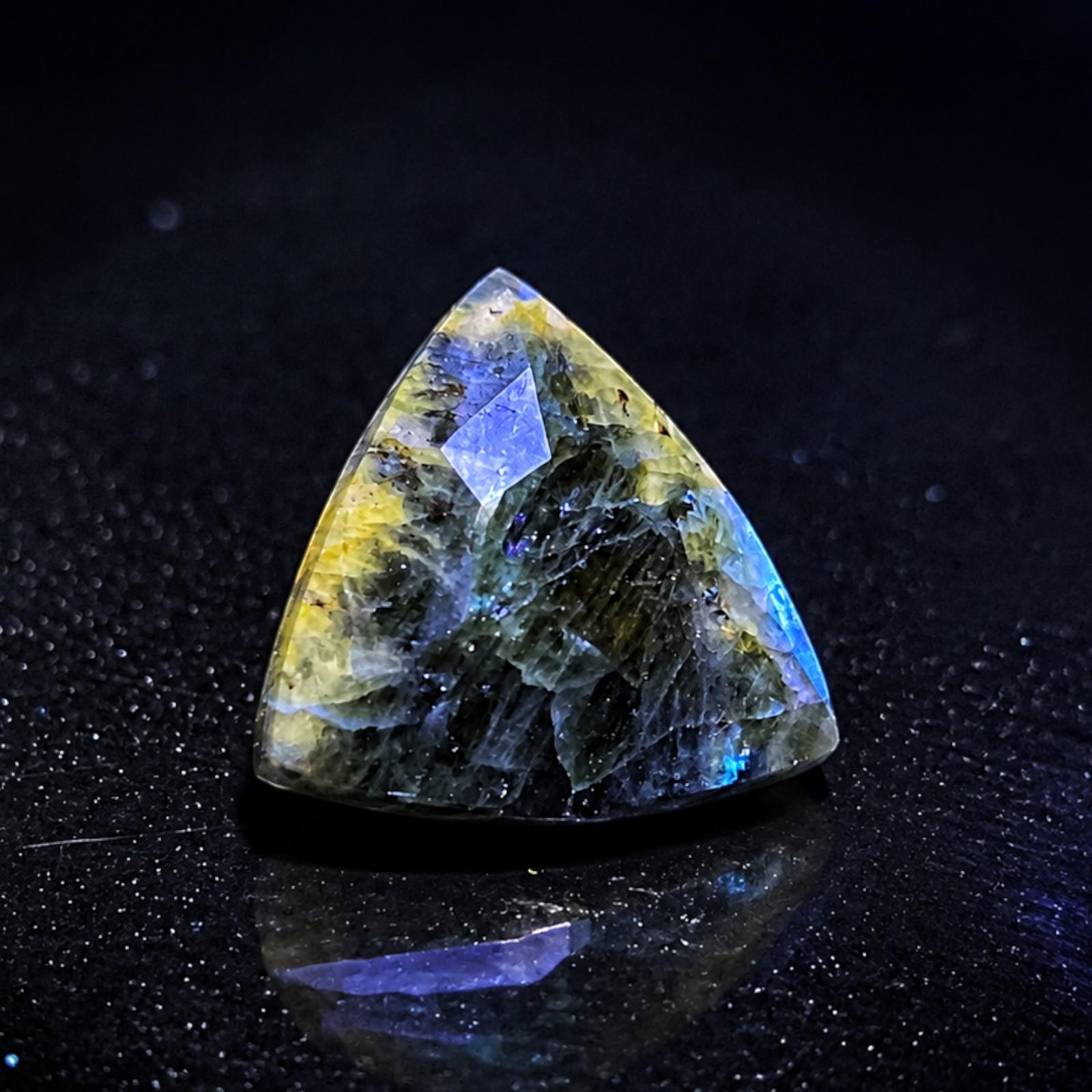
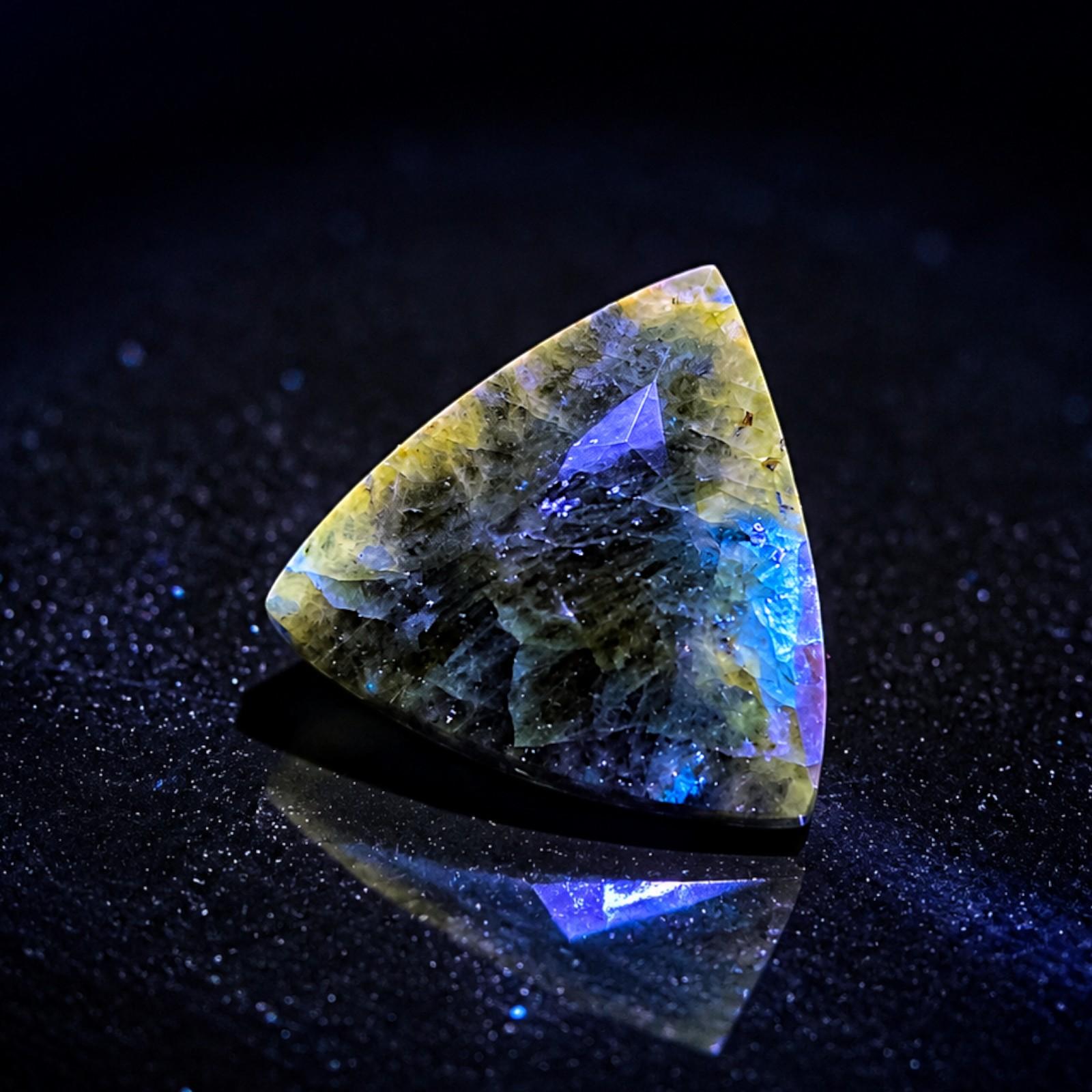
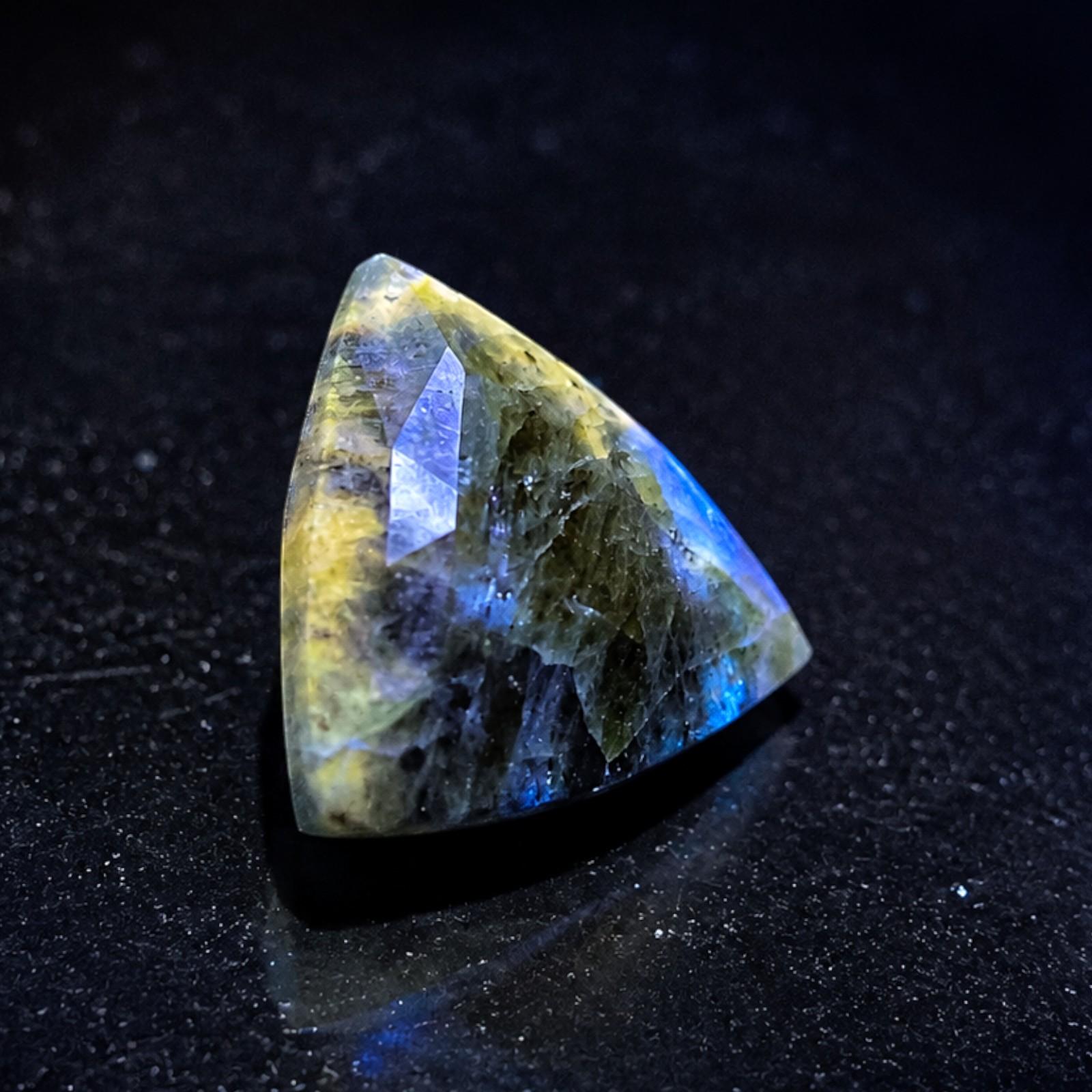
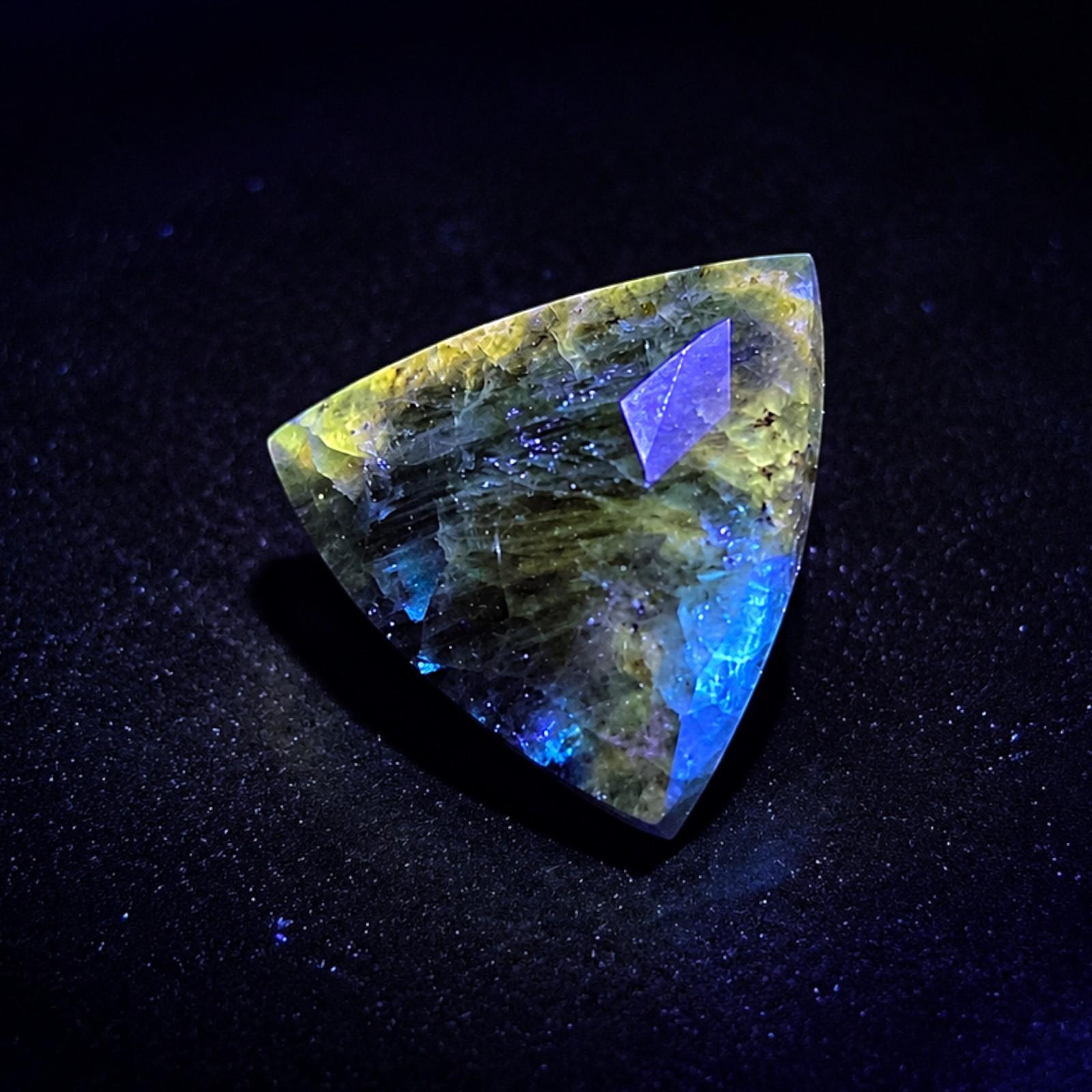
2.30 ct HYALITE UV – USA
EXPERT VERIFIED
- Expert Verified Gemstone
- Fast Handling & Shipping
- Secure Vault Packaging
$ 120
Offer amount Feild


Smart Collector Choice


Pay with Crypto & Get 10% Automatic Discount

Availability: 1 in stock
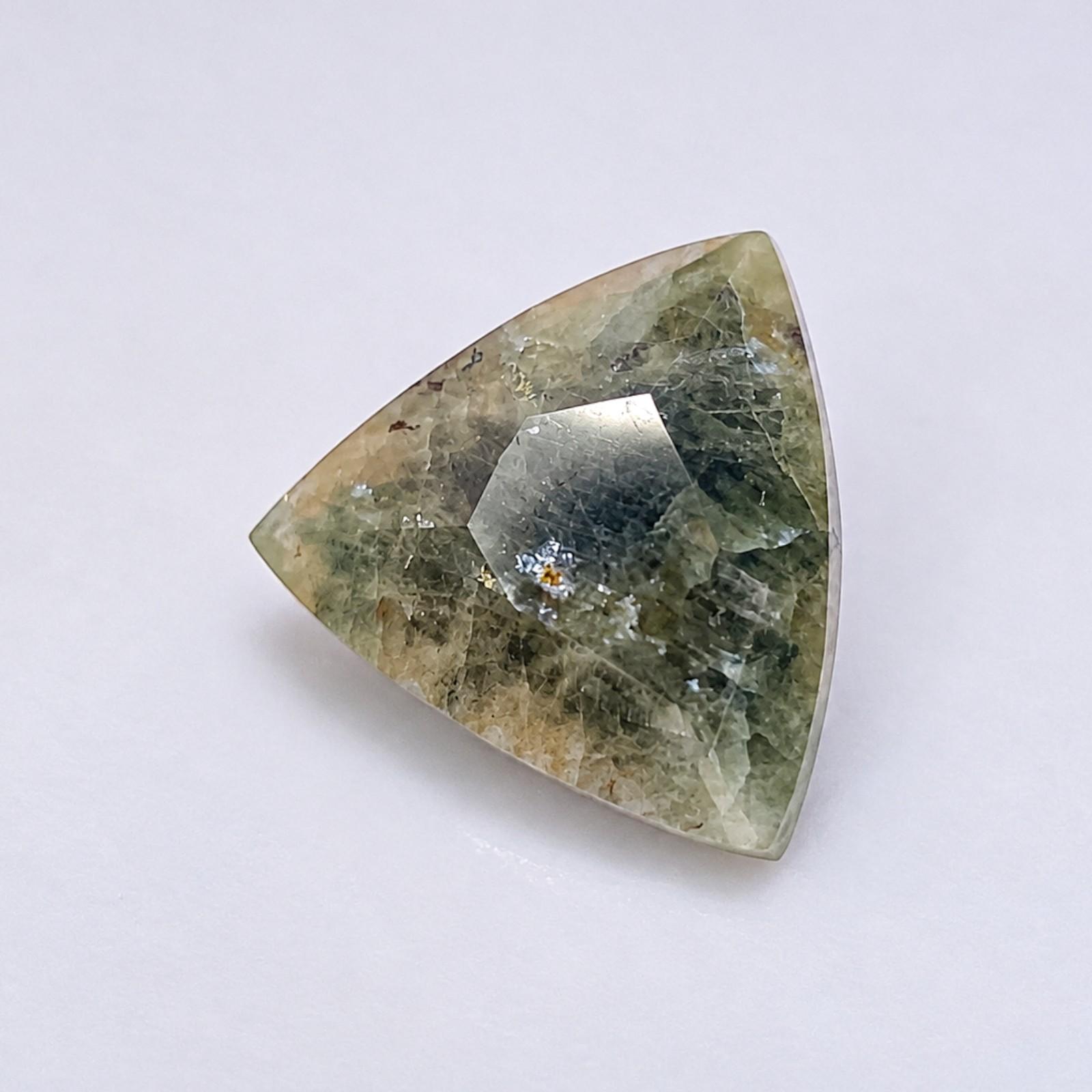
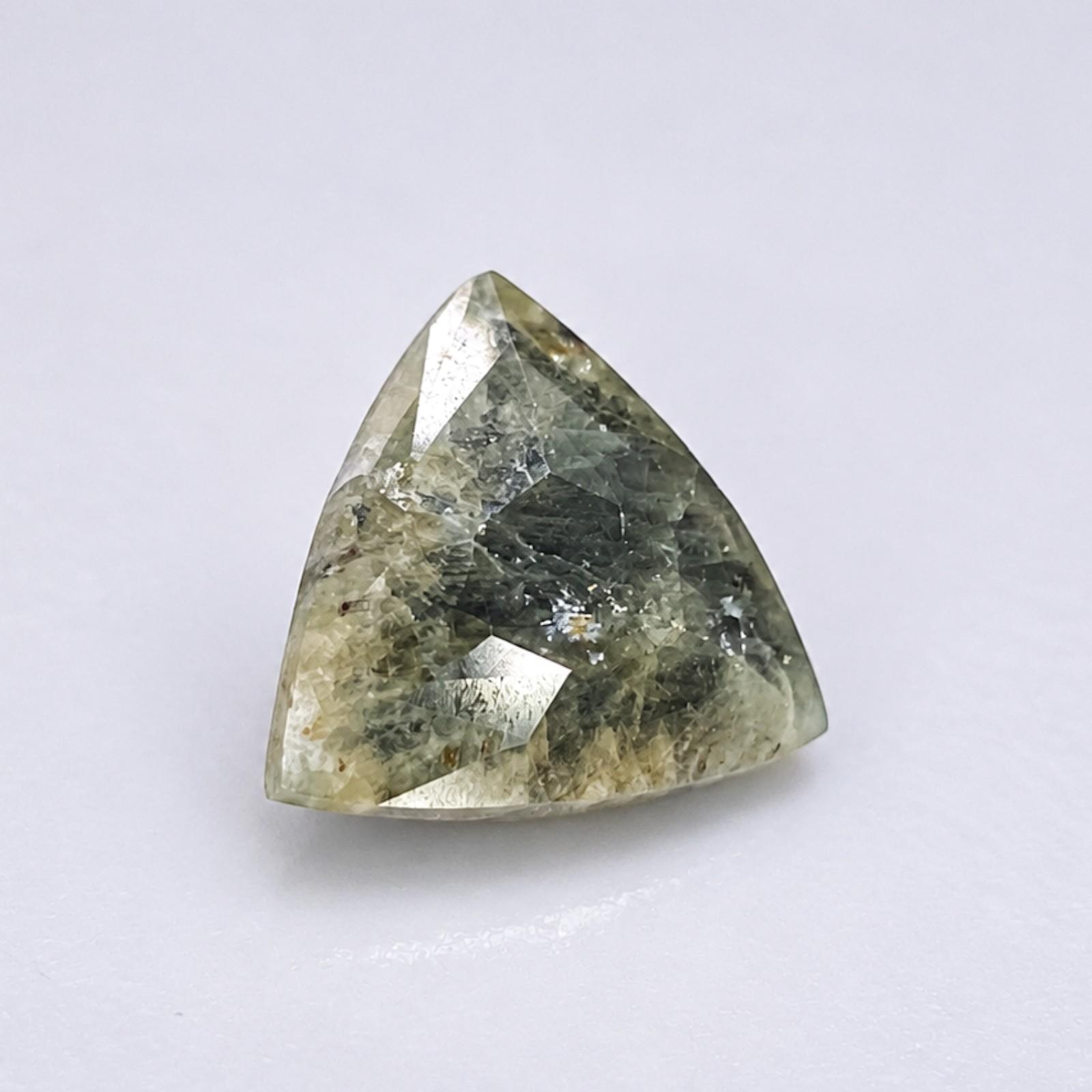
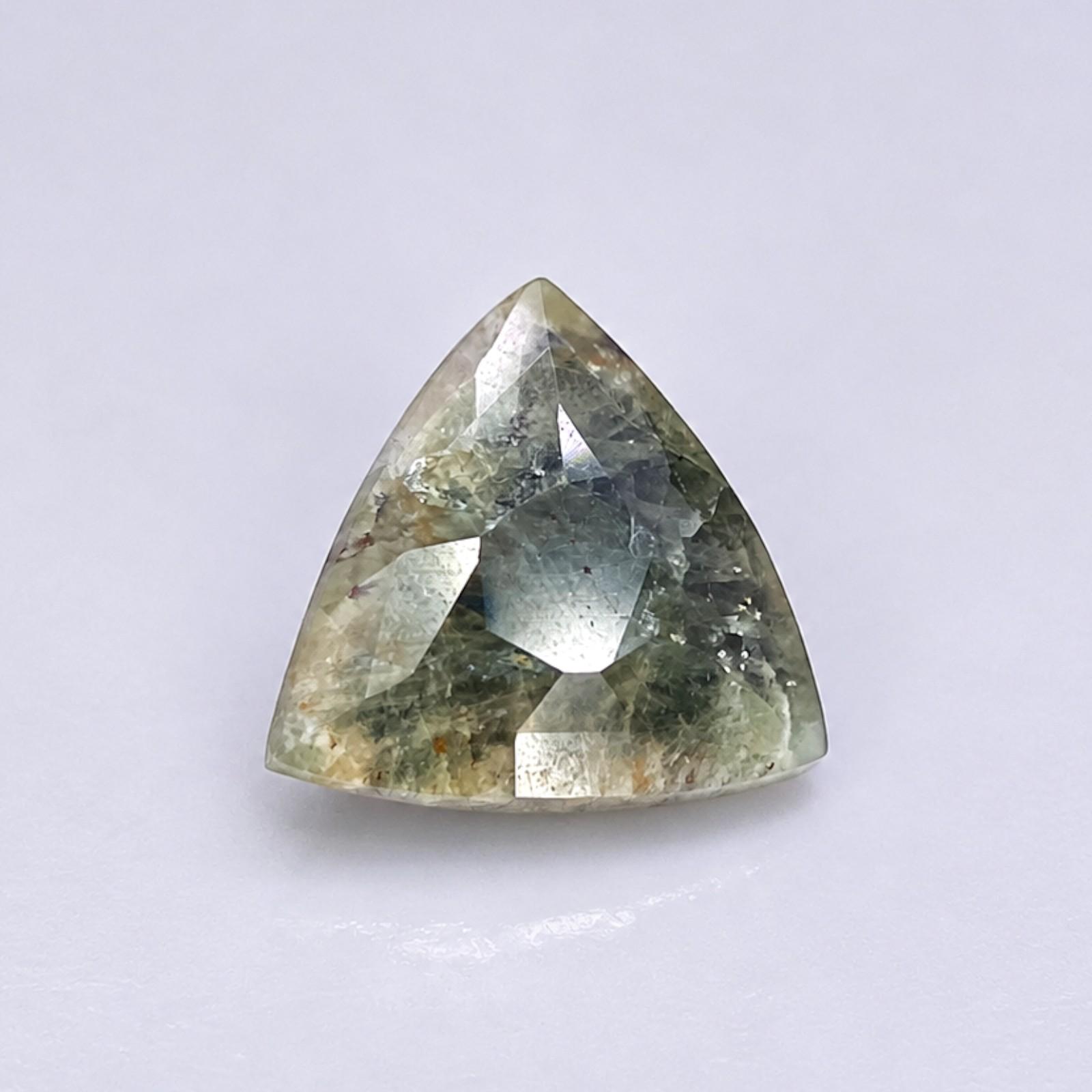


- Freakingcats Gemstone Database
Hyalite (USA) – UV Fluorescence
Hyalite (Opal-AN) from the pegmatitic pockets, volcanic lithophysae, and hydrothermal fractures of the United States—most celebrated from the historic Spruce Pine pegmatite district in Mitchell County, North Carolina, and the Tertiary volcanic fields of the American West—represents the absolute pinnacle of amorphous silica botryoidal growth, celebrated for its electrifying ultraviolet luminescence. A hydrated amorphous network silica mineraloid, it is a material I have always respected for its “liquid-water” to “melted-glass” daylight transparency and its status as a masterclass in low-temperature colloidal silica precipitation. For the specialist, a top-tier American Hyalite—whether presenting as a glistening, botryoidal crust of water-clear droplets cascading over smoky quartz, feldspar, or weathered volcanic rhyolite—is a prized trophy of late-stage hydrothermal vapor and groundwater fluid circulation; it offers a bright vitreous luster, remarkable internal optical clarity, and a commanding, luminous presence that makes it an essential anchor for the systematic vault. As an artist, I find the breathtaking nocturnal transformation—when an unassuming, perfectly colorless coating of frozen glass drops suddenly ignites into a blazing, supernatural electric-neon green under ultraviolet light—to be one of nature’s most sophisticated and visually arresting optical performances.
The Heritage & Discovery
Historical Significance Hyalite is an indispensable index material for decoding late-stage hydrothermal fluid cooling, vapor-phase silica transport, and trace-element actinide scavenging in igneous systems. Historically named from the Greek hyalos (glass) in reference to its transparent, glass-like appearance, hyalite has long served as a classic indicator of late-stage hydrothermal activity. While non-fluorescent hyalite occurs globally, the discovery of uranium-activated, intensely luminescent botryoidal coatings in North American pegmatites and volcanic clefts during the 19th and 20th centuries established an enduring global standard for collector-grade fluorescent silica. In systematic collections, fine American specimens stand as a celebrated bridge between pegmatitic crystallization, post-magmatic alteration, and modern luminescence physics.
Discovery The unearthing of macro-botryoidal, UV-reactive hyalite across classic American mining districts occurred during quarrying for industrial feldspar, mica, and gem beryl in North Carolina, as well as mineral exploration across the volcanic terrains of Utah, Nevada, and Washington. Scientifically, Hyalite is classified as Opal-AN—an amorphous, continuous network of silica tetrahedra with structurally bound water, distinct from the sphere-stacked Opal-AG found in sedimentary play-of-color opals. Its legendary fluorescence is caused by minute, sub-nanoscale inclusions of the uranyl ion ((UO2)2+) trapped directly within the open silica-water matrix during late hydrothermal condensation. The linear uranyl ion acts as an extraordinary luminescence center: under short-wave ultraviolet light (254 nm) and mid-wave UV (312 nm)—as well as under long-wave UV (365 nm) and intense natural sunlight—it absorbs high-energy photons and undergoes vibronic transitions, erupting into a saturated, brilliant neon-green to electric lime-green glow. My own respect for this material grew from analyzing this optical duality; specifically, watching an optically pure, water-clear crust of botryoidal droplets ignite into a vivid, radioactive-green beacon under a targeted UV beam is a dramatic transformation that remains deeply captivating to the trained eye.
Important Mines The undisputed historical capital for museum-grade, fluorescent hyalite within the United States is the Spruce Pine Mining District in Mitchell and Yancey Counties, North Carolina—most famously the historic Chalk Mountain Mine and the McKinney Mine. In these prolific pegmatites, sparkling, water-clear hyalite crusts formed over lustrous smoky quartz prisms, orthoclase feldspar, and muscovite books. Equally notable are occurrences in the volcanic lithophysae and clefts of Utah (including the Thomas Range in Juab County), the basaltic cavities of Washington and Oregon, and the desert ranges of Nevada and Arizona. For the systematic vault, I prioritize specimens that exhibit pristine, undamaged botryoidal droplets, glass-like daylight clarity without milky cloudiness, strong aesthetic contrast against a dark matrix, and an immediate, saturated electric-green response across both short-wave and long-wave ultraviolet wavelengths.
Mineralogical Profile
Description Hyalite is a hydrated amorphous network silica mineraloid (Opal-AN) belonging to the opal group. It sits at a moderate 5.5 to 6 on the Mohs scale, meaning its smooth, droplet-like surfaces possess moderate hardness but exhibit brittle tenacity and conchoidal fracture without cleavage, requiring careful archival handling to protect its delicate botryoidal mounds and glassy edges from physical impact, abrasion, or sudden thermal shock. It is characterized by its brilliant vitreous to sub-vitreous surface luster and a daylight color palette dominated by pure water-clear, ice-white, pale watery-yellow, and delicate translucent amber.
One of its most identifying traits is its colloform habit, routinely forming bubbly botryoidal crusts, dripping stalactitic formations, globular clusters, or smooth encrustations that map out ancient vapor-condensation pathways across fracture walls. It possesses a relatively low refractive index running from approximately 1.440 to 1.460, giving it a soft, liquid-water visual depth, and a light average specific gravity ranging between 1.90 and 2.15 that reflects its internal water content (typically 3% to 8% bound H2O). Because it forms from late-stage hydrothermal vapor and low-temperature fluids in igneous rocks, it is commonly found in close association with Smoky Quartz, Microcline, Albite, Muscovite, Spodumene, Topaz, Garnet, and Biotite. When I select an example for documentation, I look for crisp, undamaged botryoidal contours, exceptional daylight transparency, and an intense, uniform neon-green fluorescent flare under ultraviolet illumination, as these emphasize the sophisticated, uranyl-activated chemistry of the mineraloid’s subterranean birth.
Chemical Formula SiO2 · nH2O (Hydrated Amorphous Network Silica with trace (UO2)2+ uranyl ion activators)


