

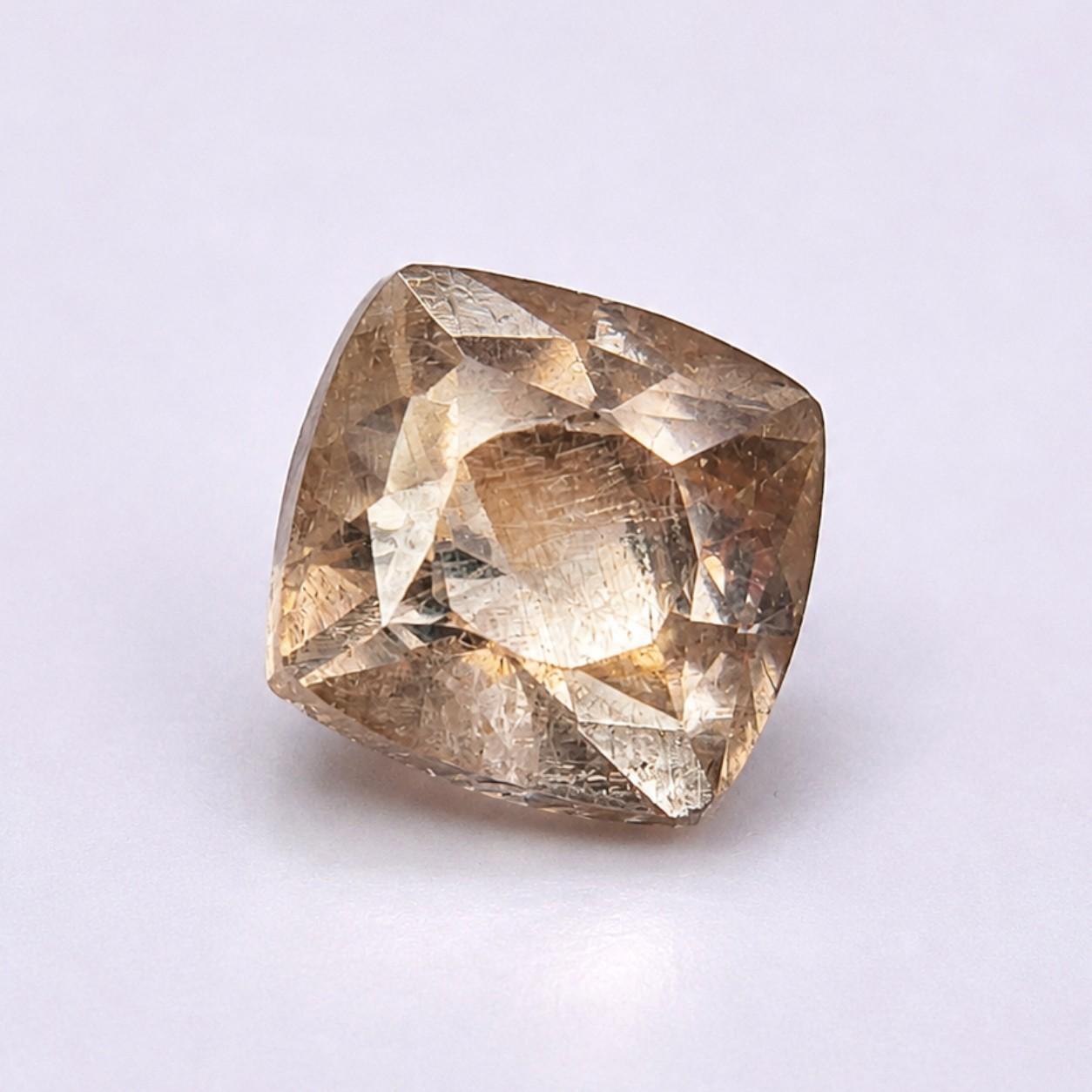
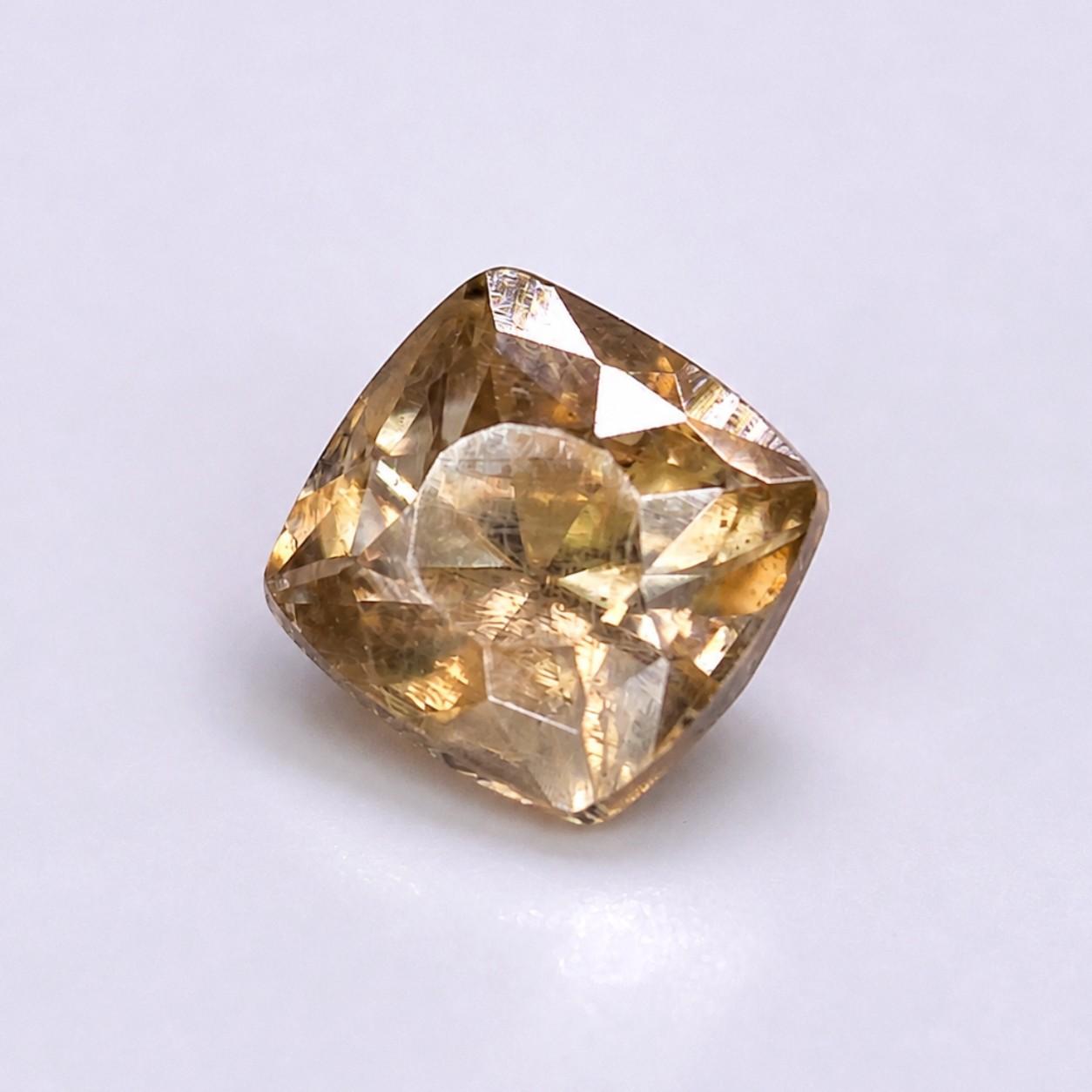
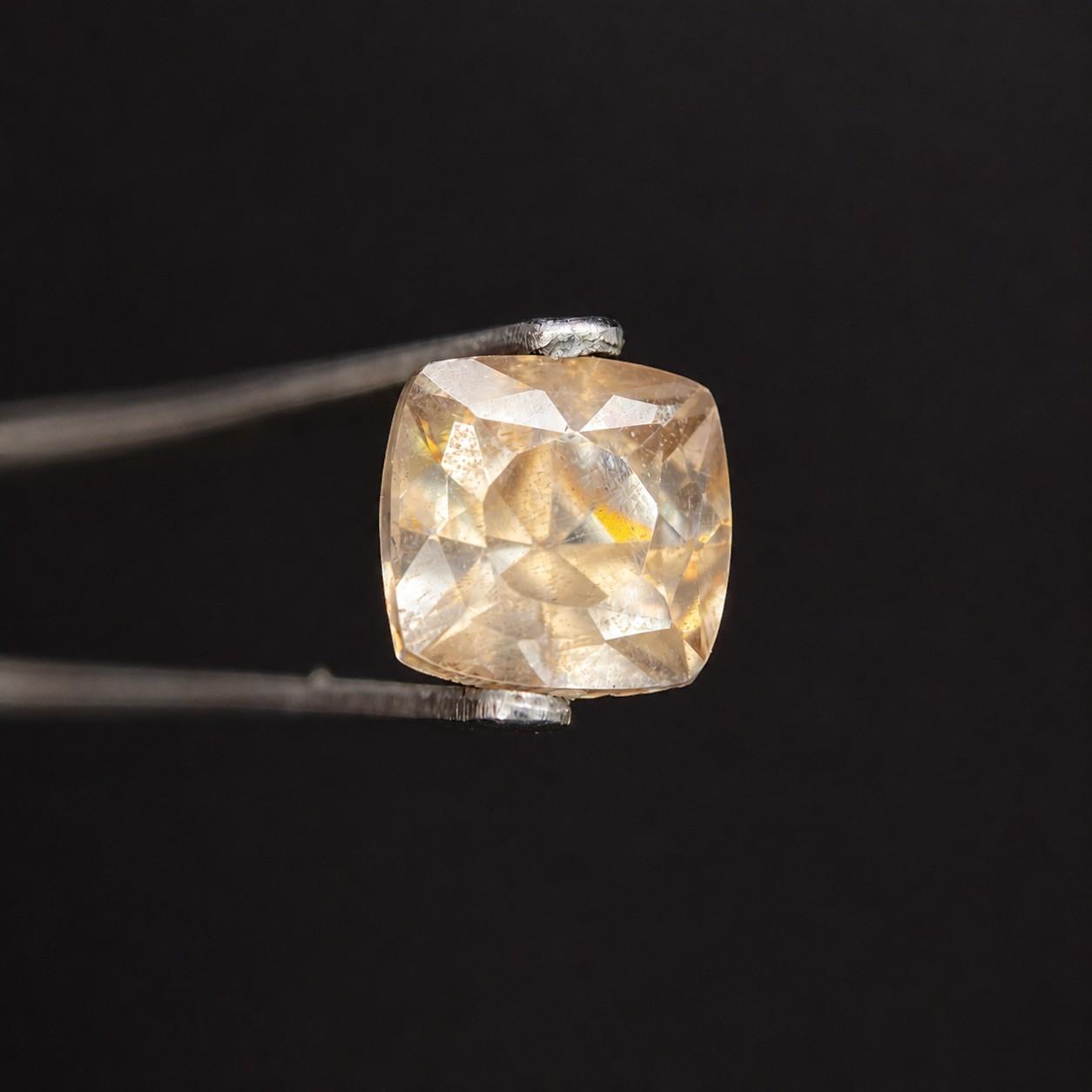
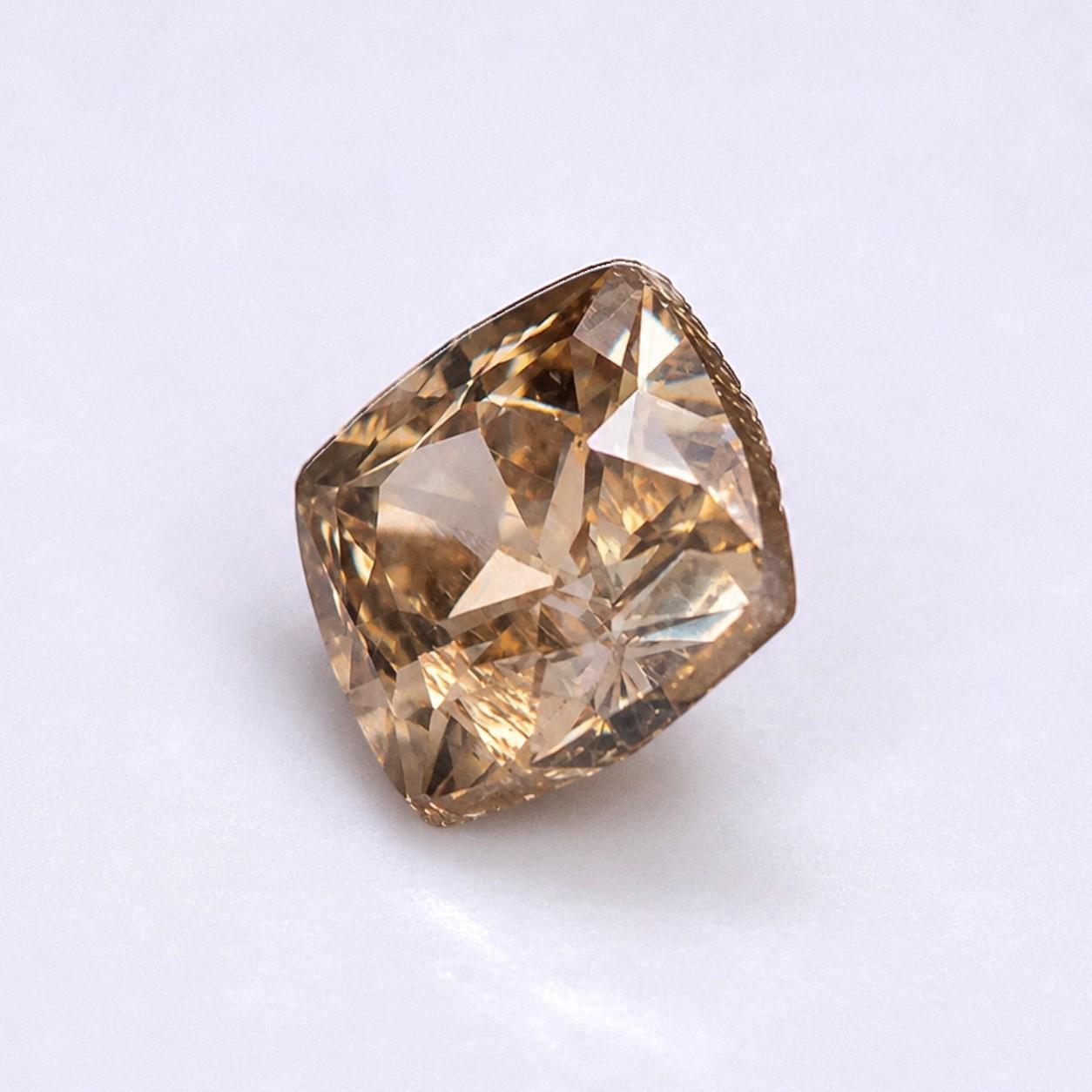
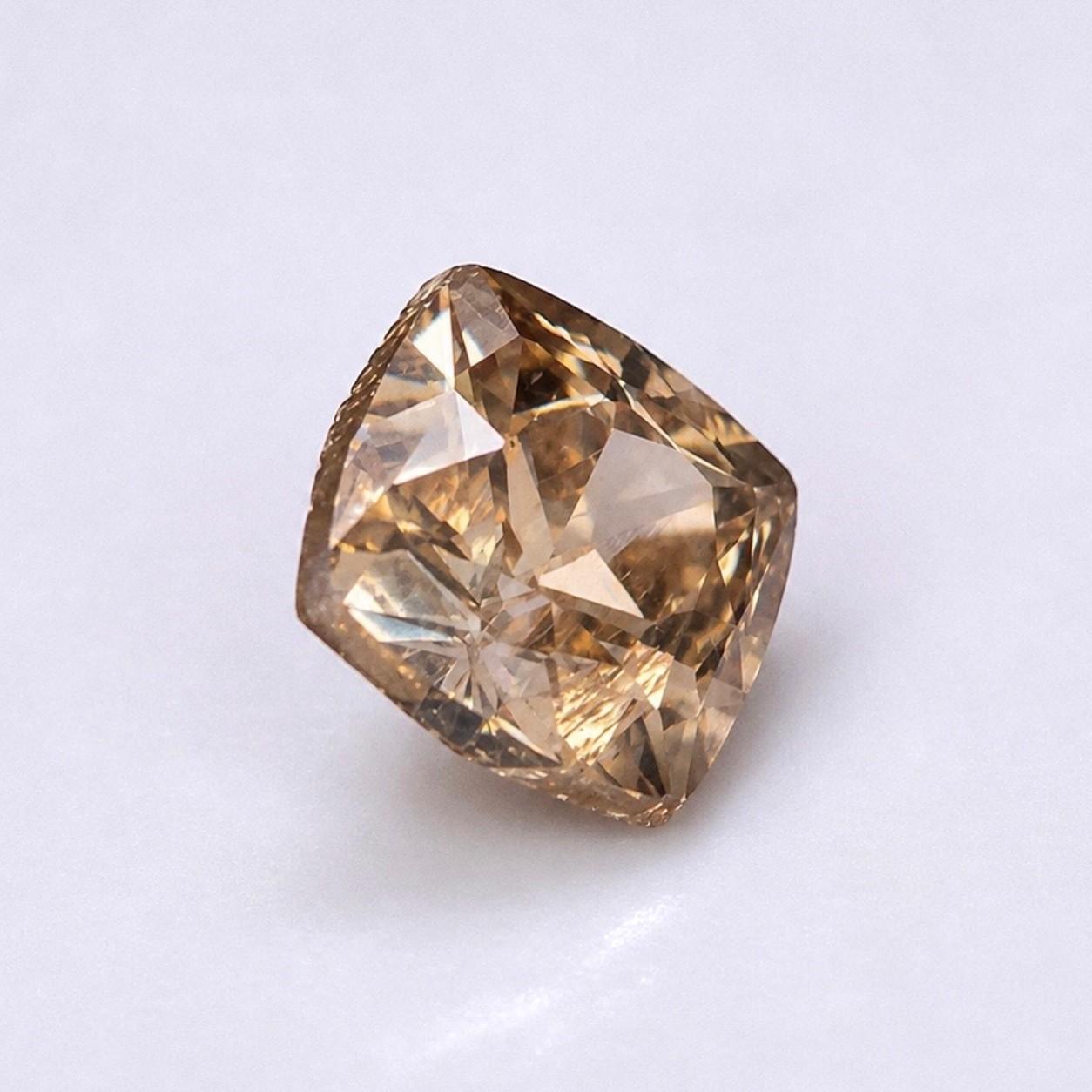
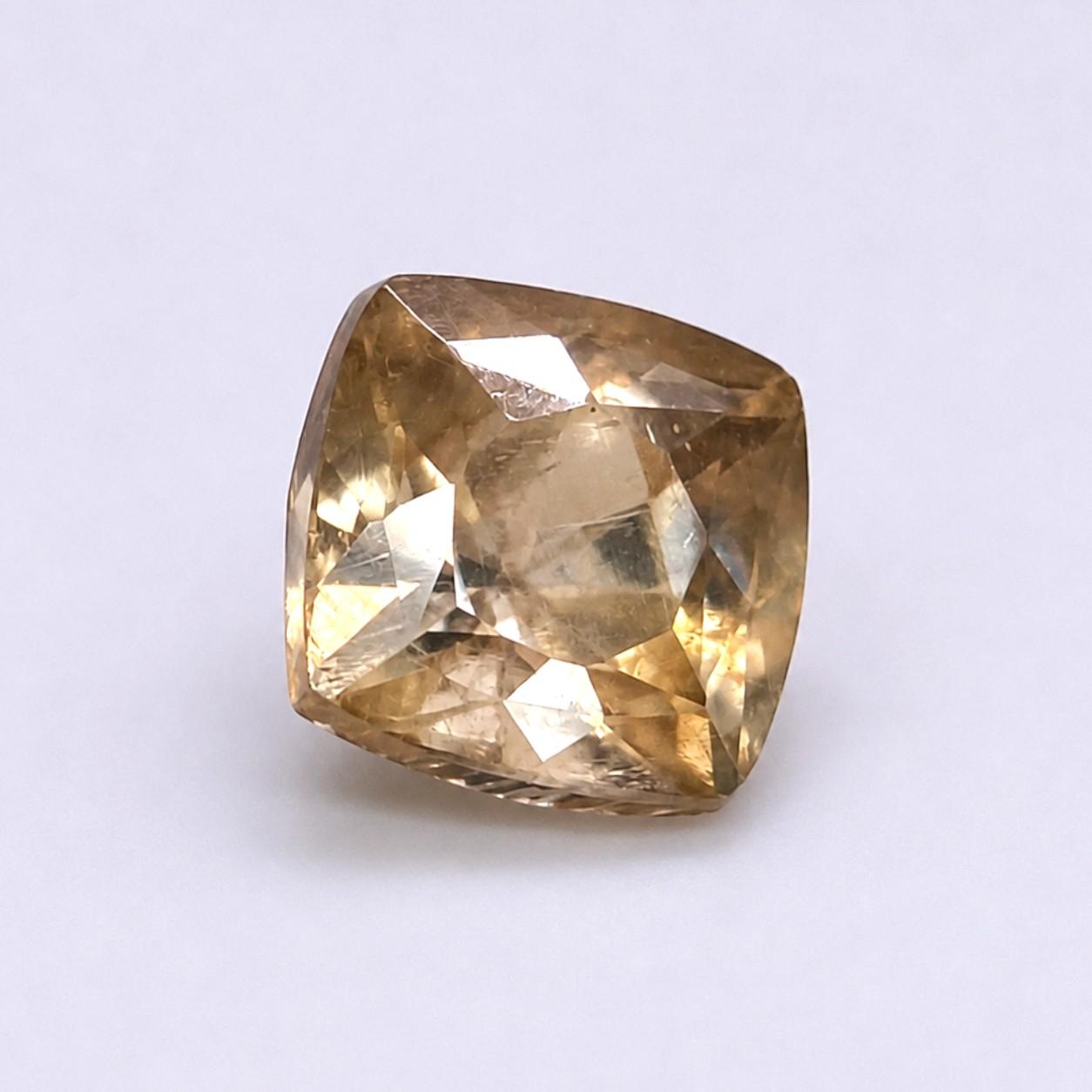
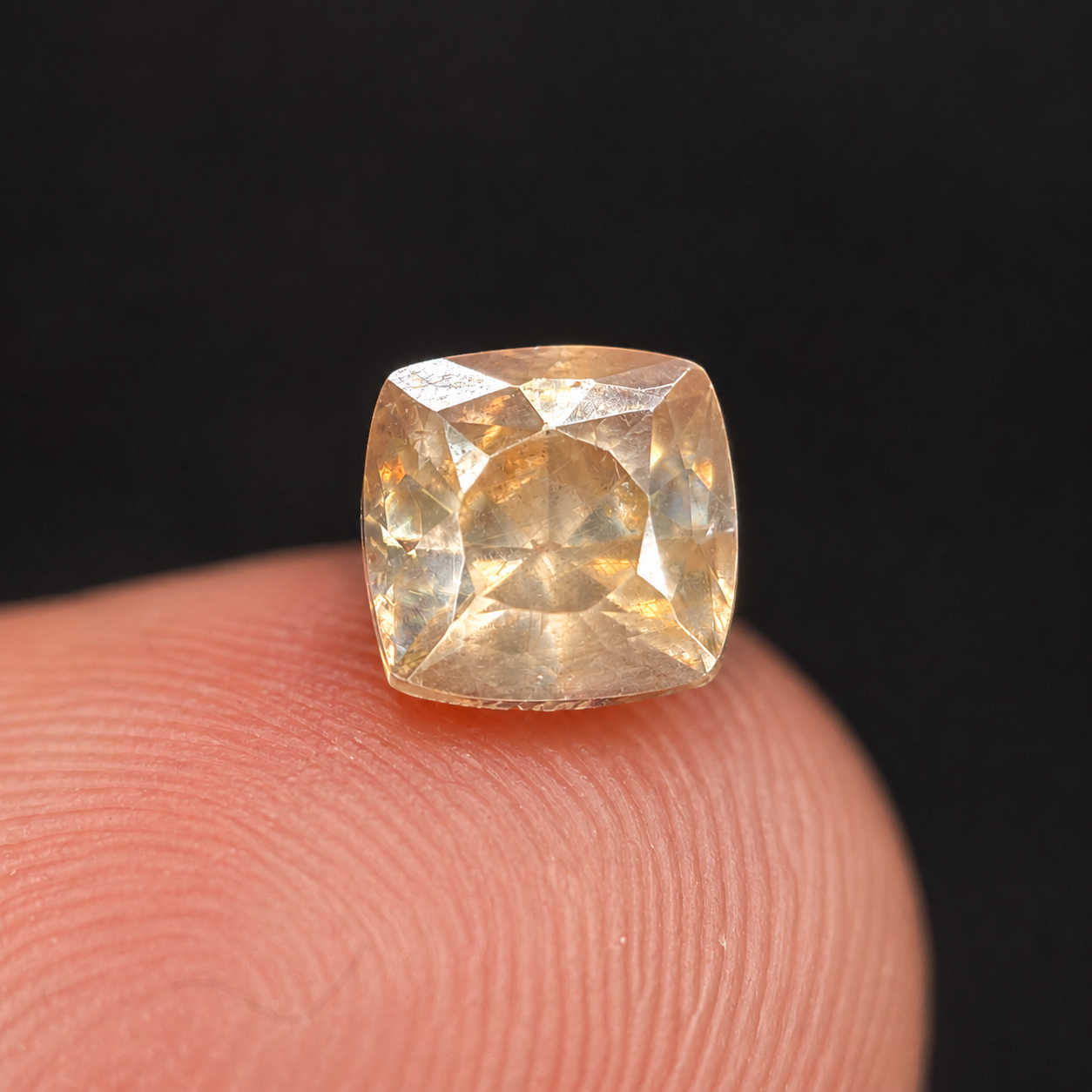
2.45 ct PHOSGENITE – ITALY – CERTIFICATE
EXPERT VERIFIED
- Expert Verified Gemstone
- Fast Handling & Shipping
- Secure Vault Packaging
$ 390 Original price was: $ 390.$ 350Current price is: $ 350.
Offer amount Feild


Smart Collector Choice


Pay with Crypto & Get 10% Automatic Discount

Availability: 1 in stock


- Freakingcats Gemstone Database
Phosgenite
Phosgenite is a must-have gem for every serious collector. It is rare, incredibly beautiful, and possesses a soft, smoky elegance that is hard to find in any other mineral. An unusual lead chlorocarbonate, it often forms as heavy, adamantine crystals that range from colorless to a rich, honey-brown or “smoke” gray. I have always been fascinated by its luster; it has a “greasy” yet brilliant quality that makes it look like it was carved out of solidified silk. Because it is a lead-based mineral, it has a remarkable heft that surprises you the moment you pick it up. Faceting Phosgenite is a true masterclass in delicacy—it is soft and sensitive, but a well-cut stone has a depth and a “glow” that makes it a crown jewel in any high-end collection.
The Heritage & Discovery
Historical Significance: Phosgenite is a classic secondary mineral, typically found in the oxidation zones of lead ore deposits where seawater or chlorine-rich fluids have interacted with the ore. Historically, it was a prized rarity of the 19th-century European mineral cabinets. It represents a rare chemical intersection where chlorine, carbon, and lead harmonize into a transparent crystal. In the world of rare gems, it is celebrated for its unusual composition and its ability to form large, well-defined crystals that are as structurally perfect as they are aesthetically pleasing.
Discovery: The mineral was first described in 1841 and was named by August Breithaupt. The name is derived from “phosgene” (carbonyl chloride), as the mineral contains the same chemical components (carbon, oxygen, and chlorine). For a time, it was also known as “cromfordite,” named after the locality where it was famously found in England. Its classification helped mineralogists understand the complex secondary chemistry that occurs in ancient lead mines that have been exposed to the elements for centuries.
Important Mines: The most legendary and world-renowned source for Phosgenite is the Monteponi Mine in Sardinia, Italy. This locality has produced the largest and finest gem-quality crystals ever found, known for their incredible honey-smoke color. Another historic source is Cromford in Derbyshire, England. I have also seen remarkable specimens from the Touissit mine in Morocco. I prioritize the Sardinian material for the vault, as the clarity and size of the Monteponi crystals are the absolute gold standard for those wishing to facet this rare lead-bearing treasure.
Mineralogical Profile
Description: Phosgenite is a lead carbonate chloride that crystallizes in the tetragonal system. It sits at a 2 to 3 on the Mohs scale, making it a very soft mineral that requires a steady hand and a “dry” environment, as it is strictly a collector’s stone. It is characterized by its adamantine to greasy luster and its high transparency.
One of its most identifying features is its high density (6.1 g/cm³), which gives even small faceted gems a substantial “heavy” feel. It also exhibits a distinct fluorescence, often glowing a soft yellow or greenish-yellow under ultraviolet light. When faceted, its high refractive index (n \approx 2.11 to 2.14) provides a brilliance that is truly piercing, despite its soft body color. It is a dense, delicate, and deeply rewarding mineral that captures the sophisticated chemistry of the lead oxidation zone.
Chemical Formula: Pb2(CO3)Cl2
Related products
- Sale!Suggest a Price
![4.05 ct ANHYDRITE - MEXICO]()
- Sale!Suggest a Price
![0.60 ct ANATASE - PAKISTAN]()
- Sale!Suggest a Price
![2.52 ct AMAZONITE - USA]()
- Sale!Suggest a Price
![5.35 ct AERINITE - SPAIN]()


