
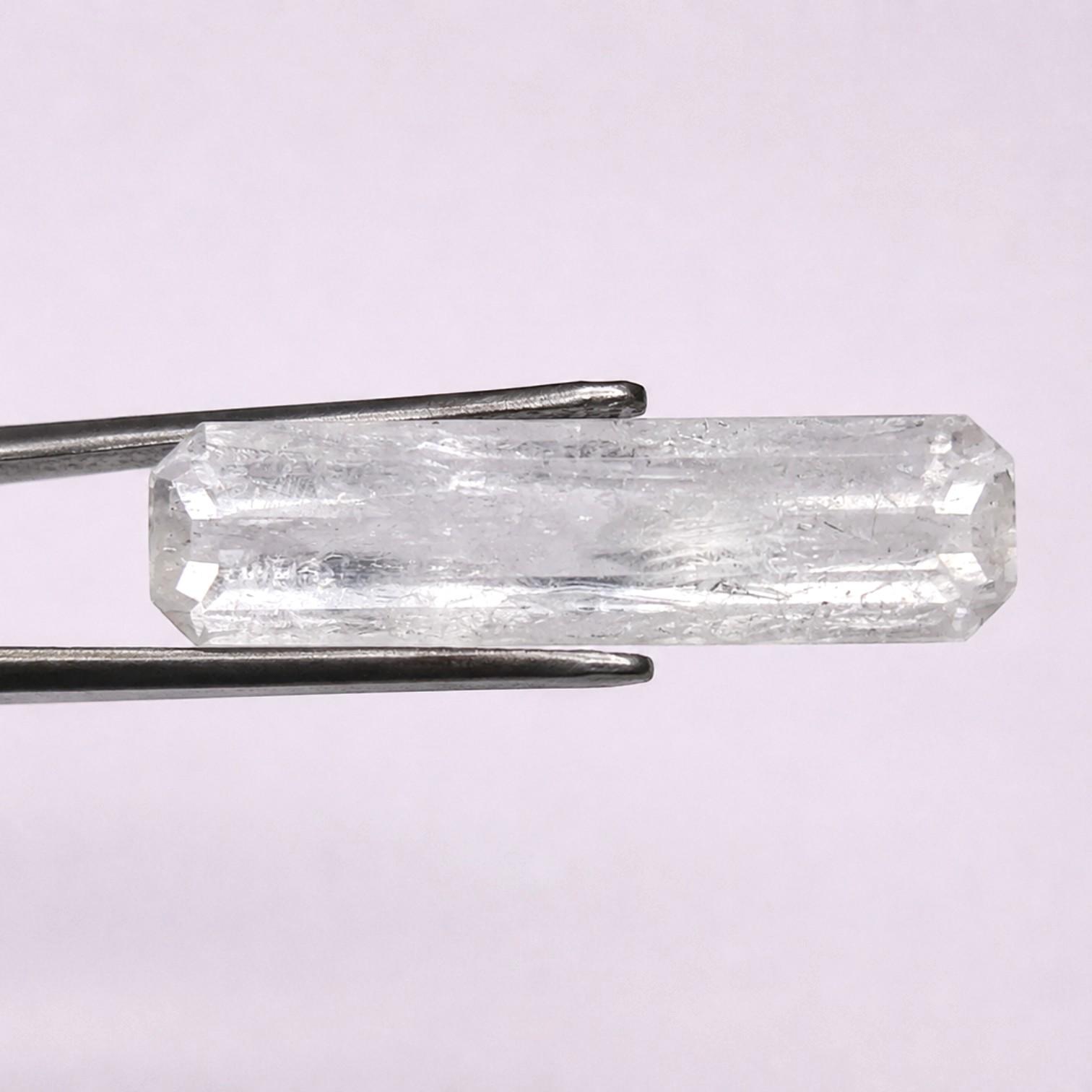
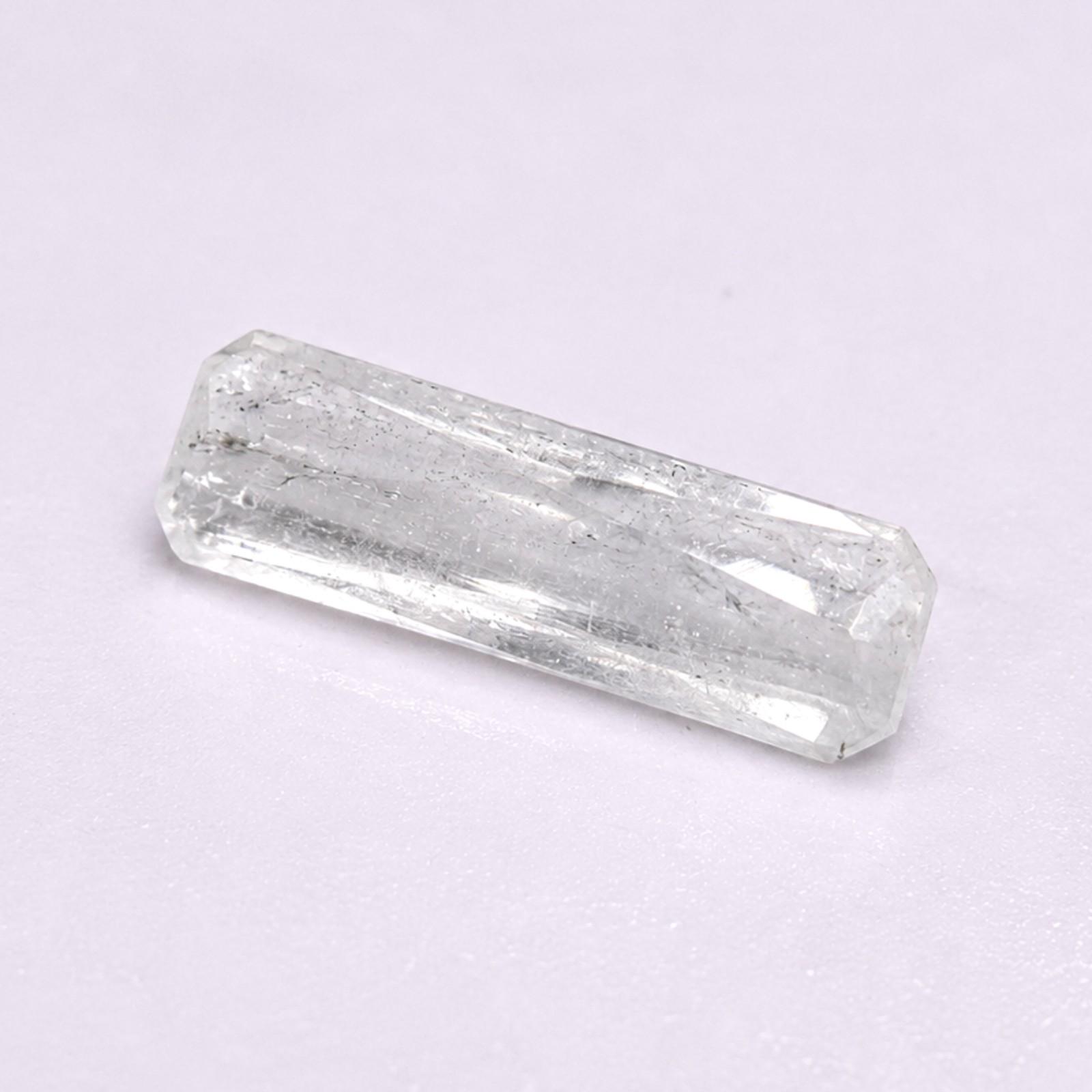
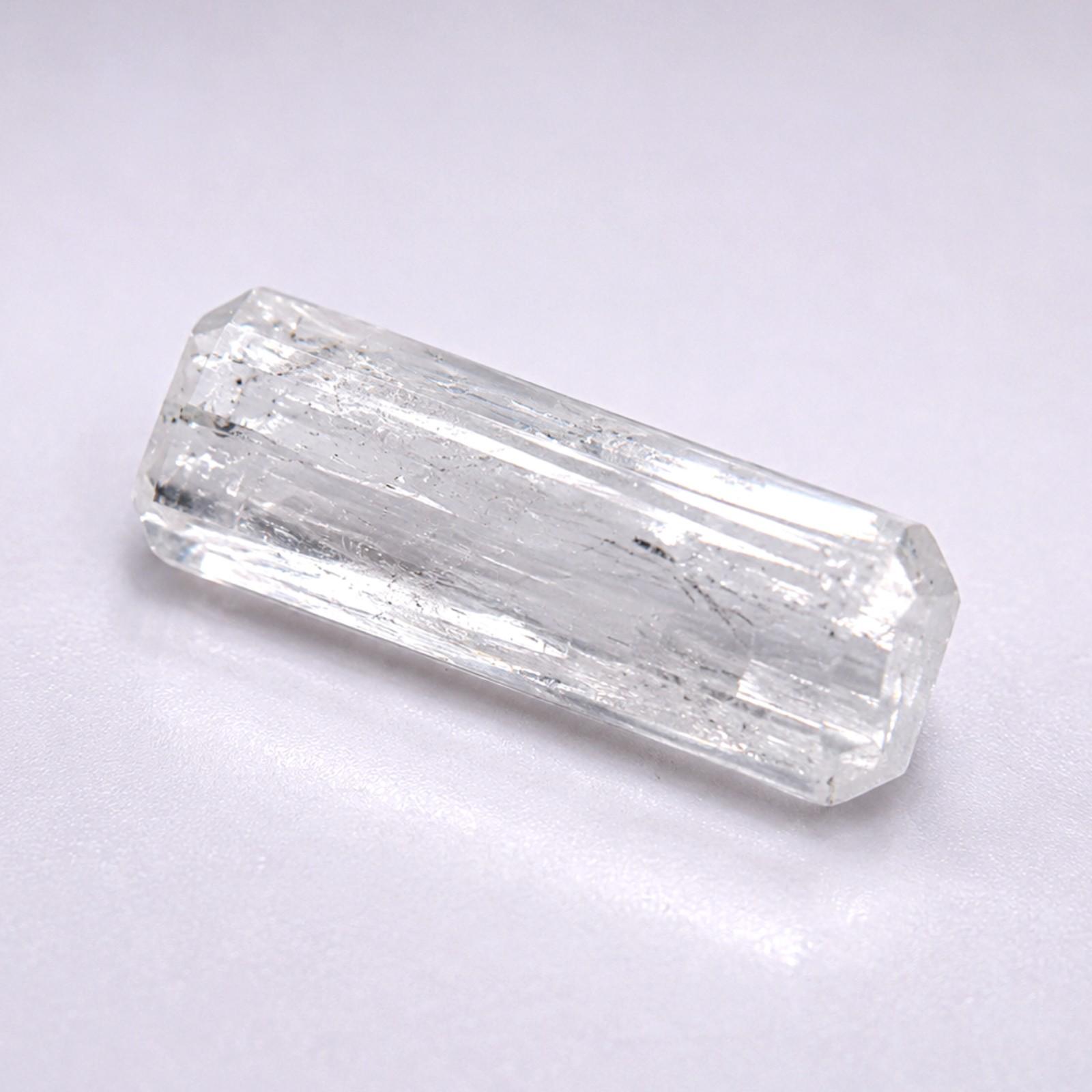
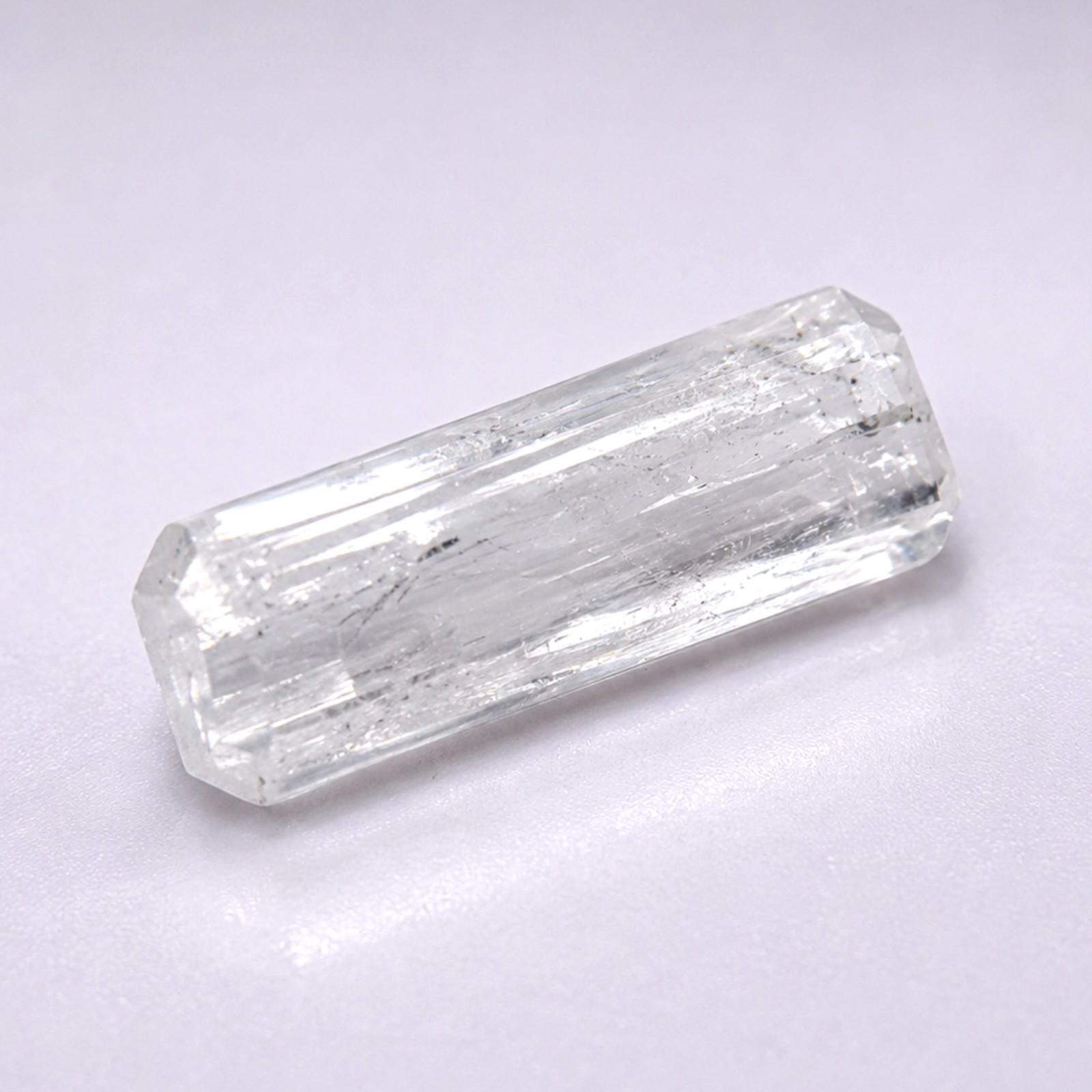
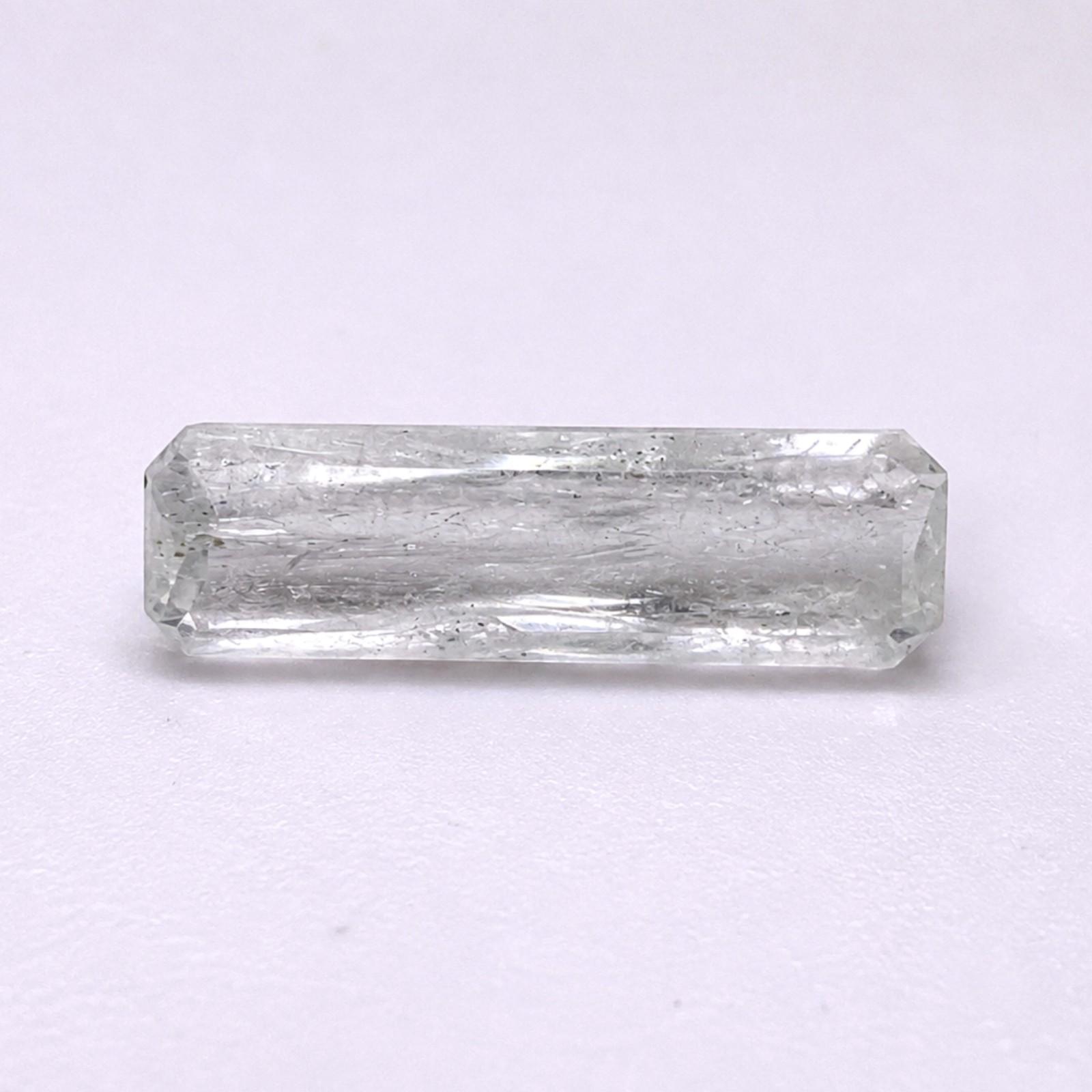
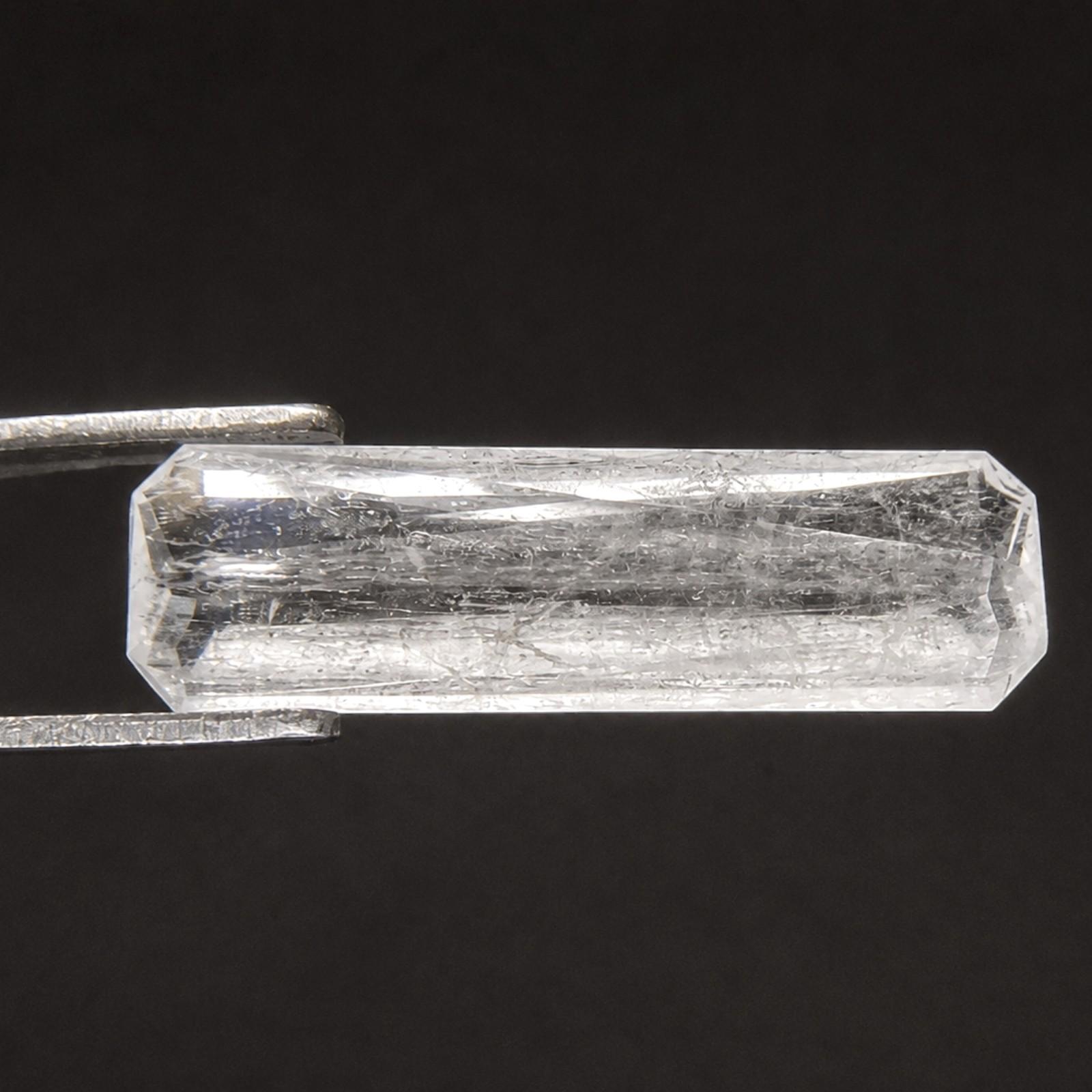
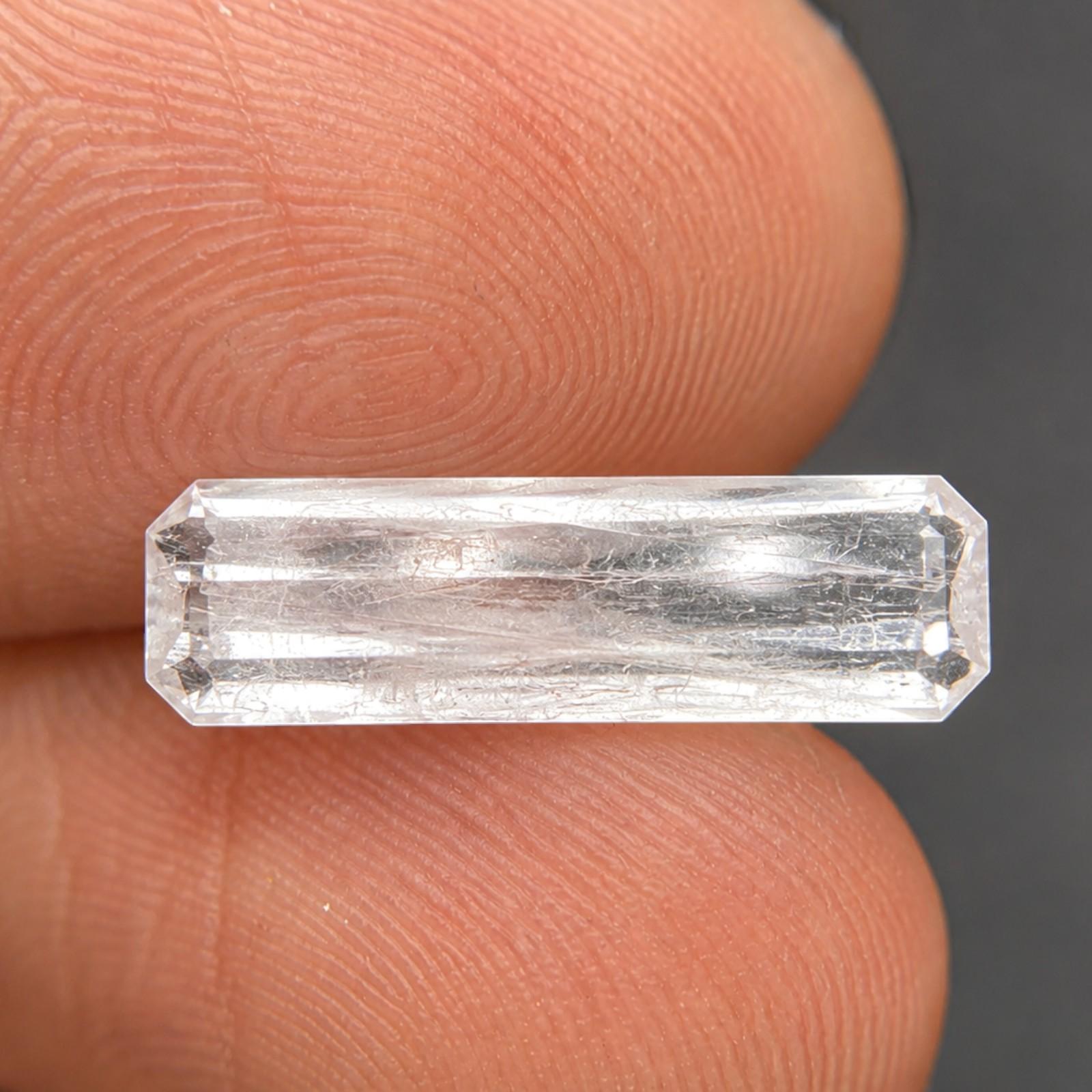
2.54 ct SCOLECITE – INDIA
EXPERT VERIFIED
- Expert Verified Gemstone
- Fast Handling & Shipping
- Secure Vault Packaging
$ 240
Offer amount Feild


Smart Collector Choice


Pay with Crypto & Get 10% Automatic Discount

Availability: 1 in stock


- Freakingcats Gemstone Database
Scolecite
Scolecite is a mineral of pure, sculptural grace. A member of the Zeolite group, it is most famous for its stunning “spray” formations—clusters of long, needle-like crystals that radiate from a central point like a frozen white explosion. I have always been captivated by its silky luster; there is a softness to its appearance that contrasts with the sharp, geometric precision of its needles. While it is often found in massive, fibrous forms, the rare, transparent prismatic crystals are a dream for the specialist collector. Faceting Scolecite is a delicate operation due to its fragile nature, but a well-cut stone possesses a unique, watery brilliance. It is a mineral that represents the quiet, slow growth of crystals within the protected pockets of ancient volcanic rock.
The Heritage & Discovery
Historical Significance: Scolecite is a classic “calcium zeolite,” and like its relatives, it has the remarkable ability to absorb and release water and ions within its open framework. Historically, it has been a favorite for those studying the low-temperature hydrothermal alteration of basalt. It is often found alongside other zeolites like Stilbite or Heulandite, creating some of the most aesthetic “mineral gardens” known to science. For the collector, it stands as the pinnacle of acicular (needle-like) mineral habits, prized for its stark white purity and architectural form.
Discovery: The mineral was first described in 1813 and was named from the Greek word skolex, meaning “worm.” This curious name refers to the mineral’s reaction under a blowpipe flame: it typically curls and twists like a worm as it loses its water content and fuses into a bubbly glass. This unique “pyrognostic” test was one of the primary ways early mineralogists identified the species before modern chemical analysis was available.
Important Mines: The undisputed home of world-class Scolecite is the Nasik and Pune districts in Maharashtra, India. The basalt quarries in these regions produce massive, breathtaking sprays that can reach over 20 centimeters in length. I have also seen fine specimens from Iceland and the Isle of Skye in Scotland. I prioritize the Indian material for our documentation because the crystal clarity and the perfection of the radiating sprays from the Deccan Traps are simply unmatched by any other locality.
Mineralogical Profile
Description: Scolecite is a hydrated calcium aluminum silicate that crystallizes in the monoclinic system. It sits at a 5 to 5.5 on the Mohs scale, making it relatively hard for a zeolite but still delicate due to its brittle, fibrous nature. It is characterized by its vitreous to silky luster and its colorless to snow-white appearance.
The crystals are typically slender, prismatic needles that are often twinned, which contributes to the “worm-like” curling when heated. One of its most identifying features is its pyroelectric and piezoelectric properties—it can generate an electrical charge when heated or subjected to pressure. When faceted, it shows a soft, “moonlight” glow, though it is most commonly seen in the market as spectacular “hedgehog” clusters or polished as chatoyant cabochons that display a sharp cat’s-eye effect.
Chemical Formula: CaAl2Si3O10·3H2O


