
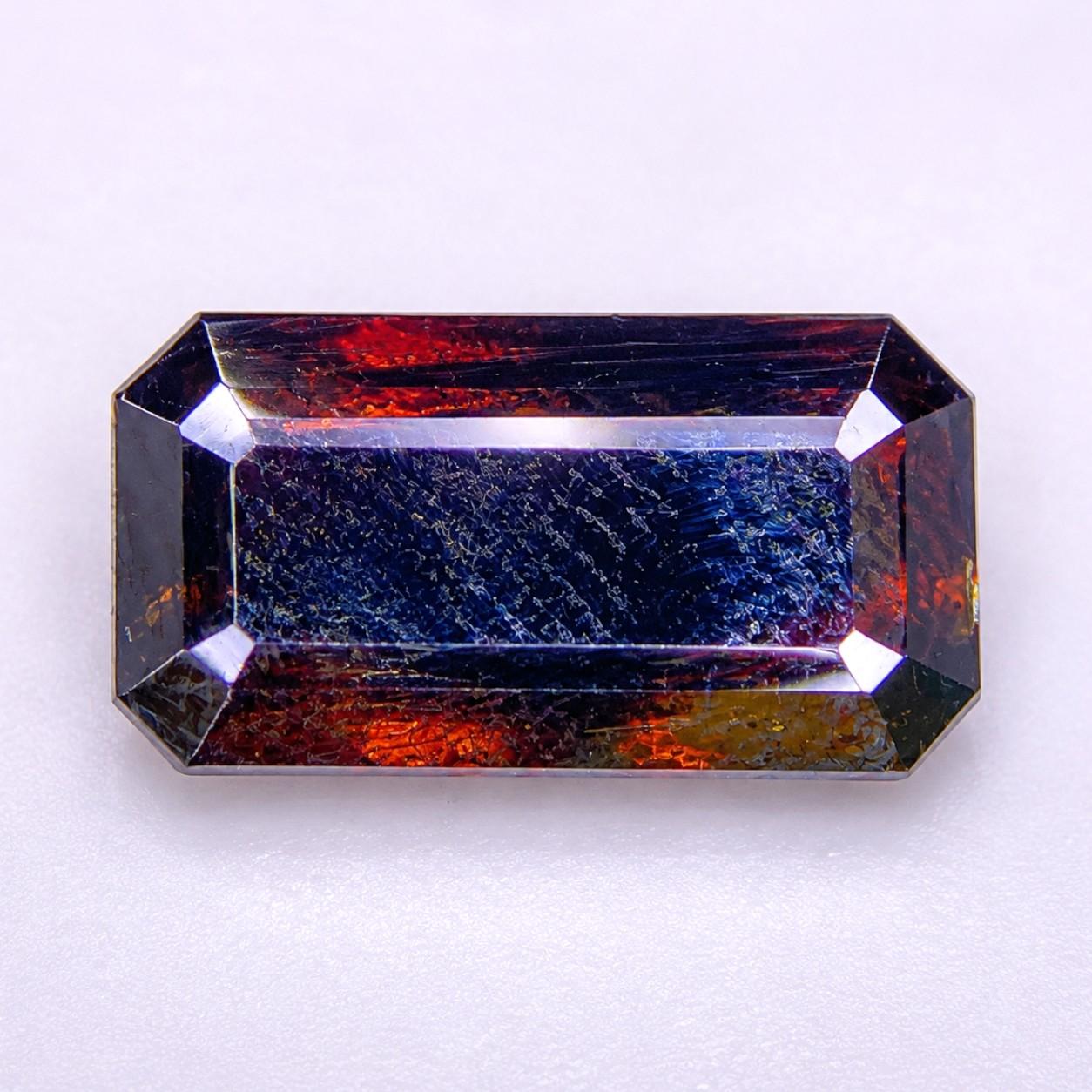
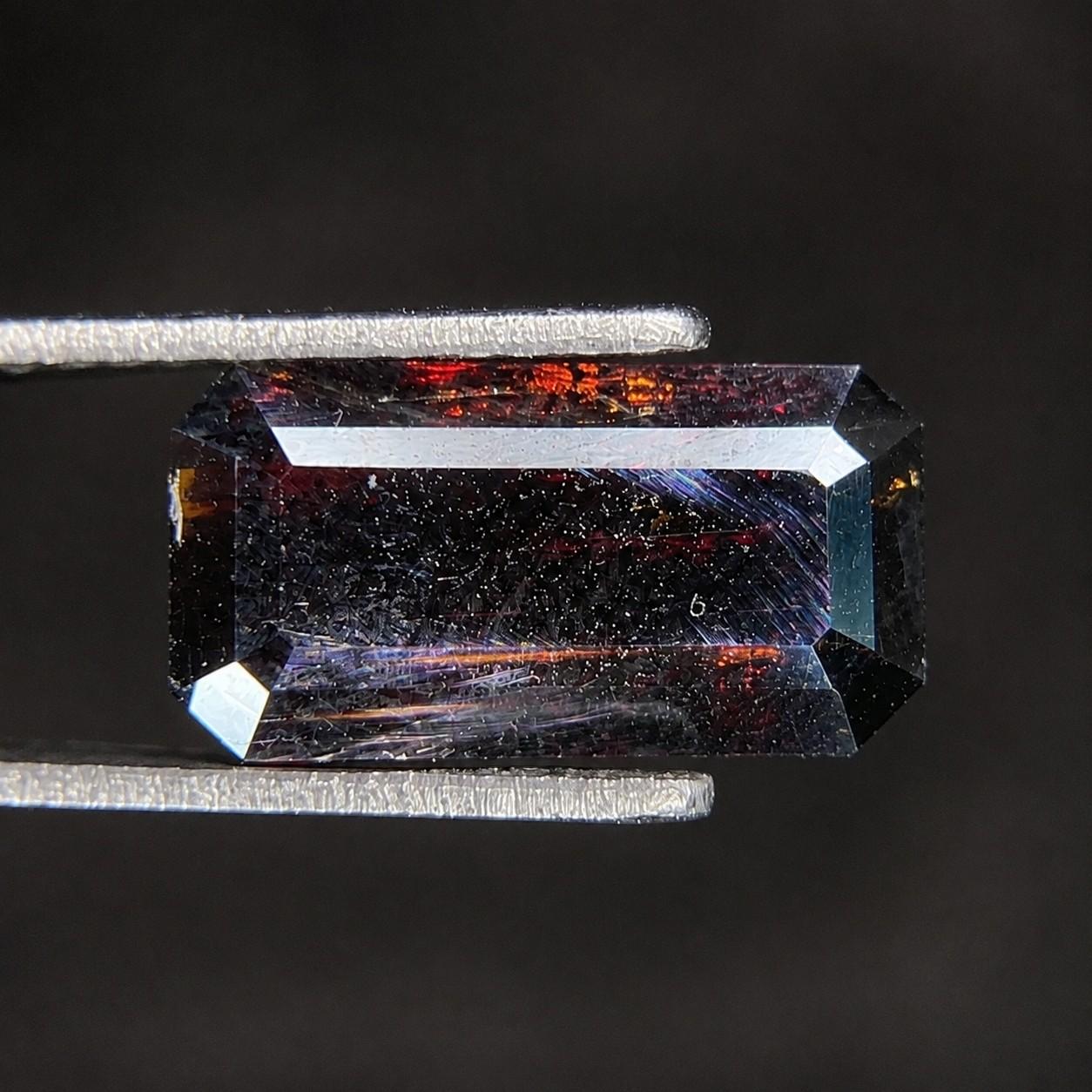
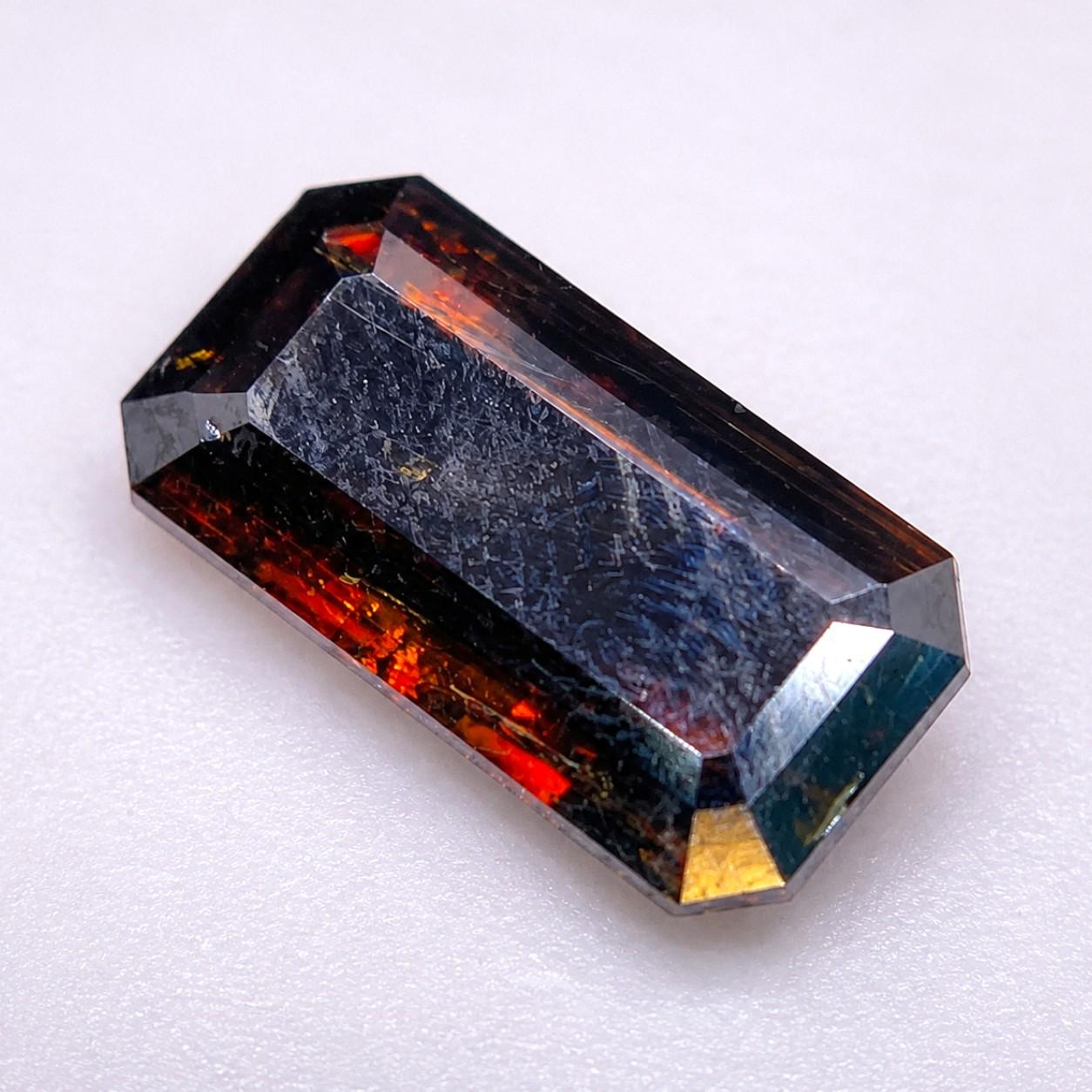
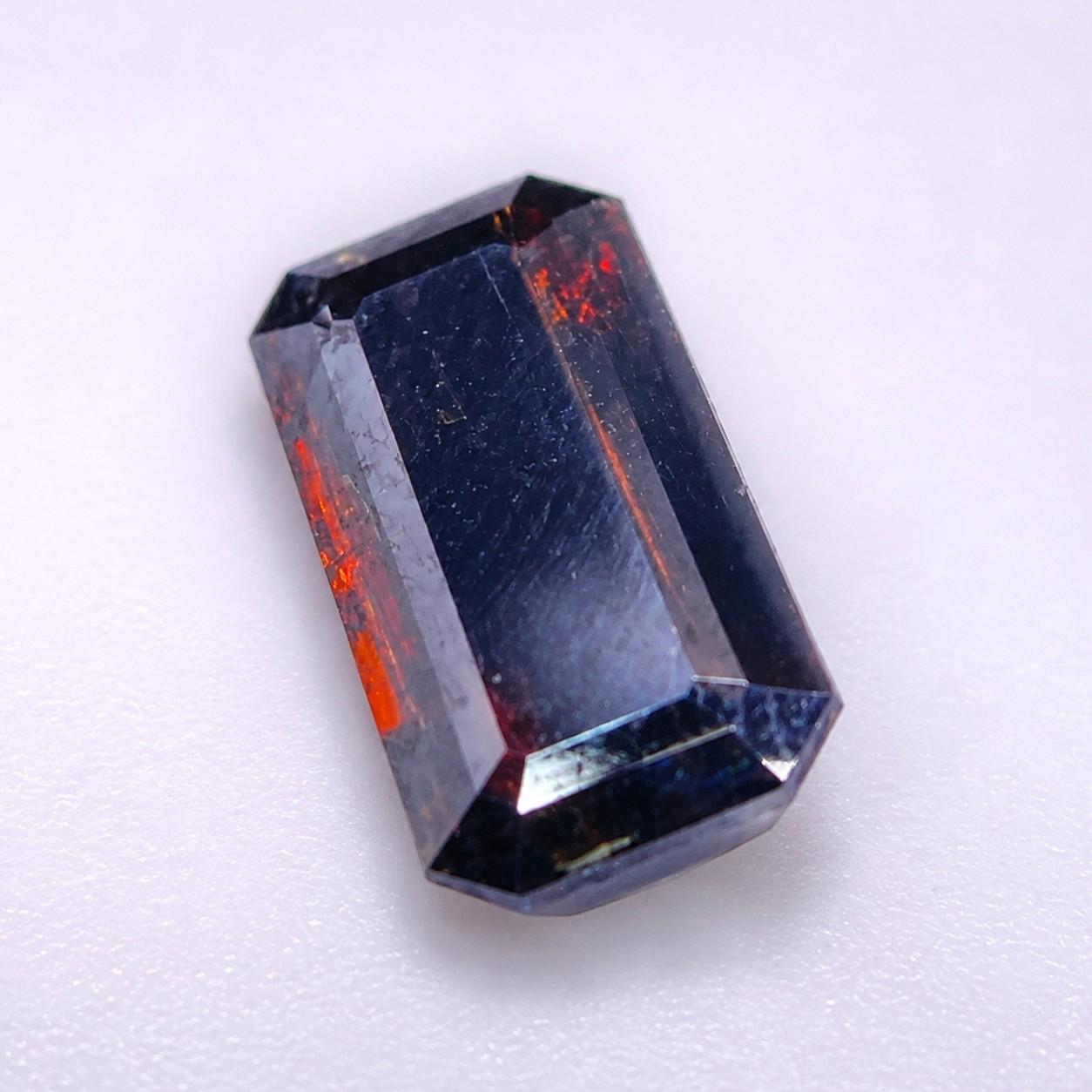
2.88 ct RUTILE – PAKISTAN
EXPERT VERIFIED
- Expert Verified Gemstone
- Fast Handling & Shipping
- Secure Vault Packaging
$ 180
Offer amount Feild


Smart Collector Choice


Pay with Crypto & Get 10% Automatic Discount

Availability: 1 in stock
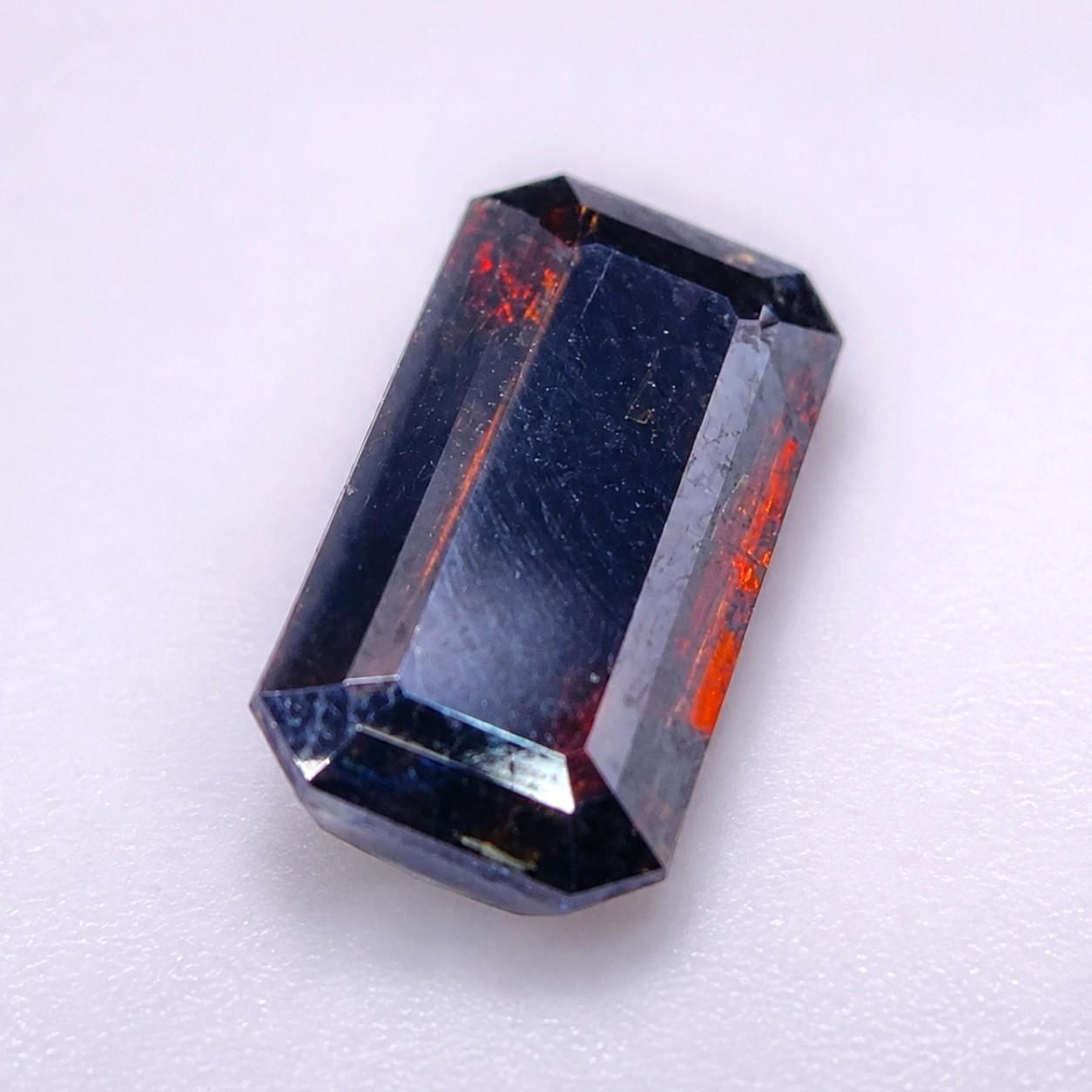
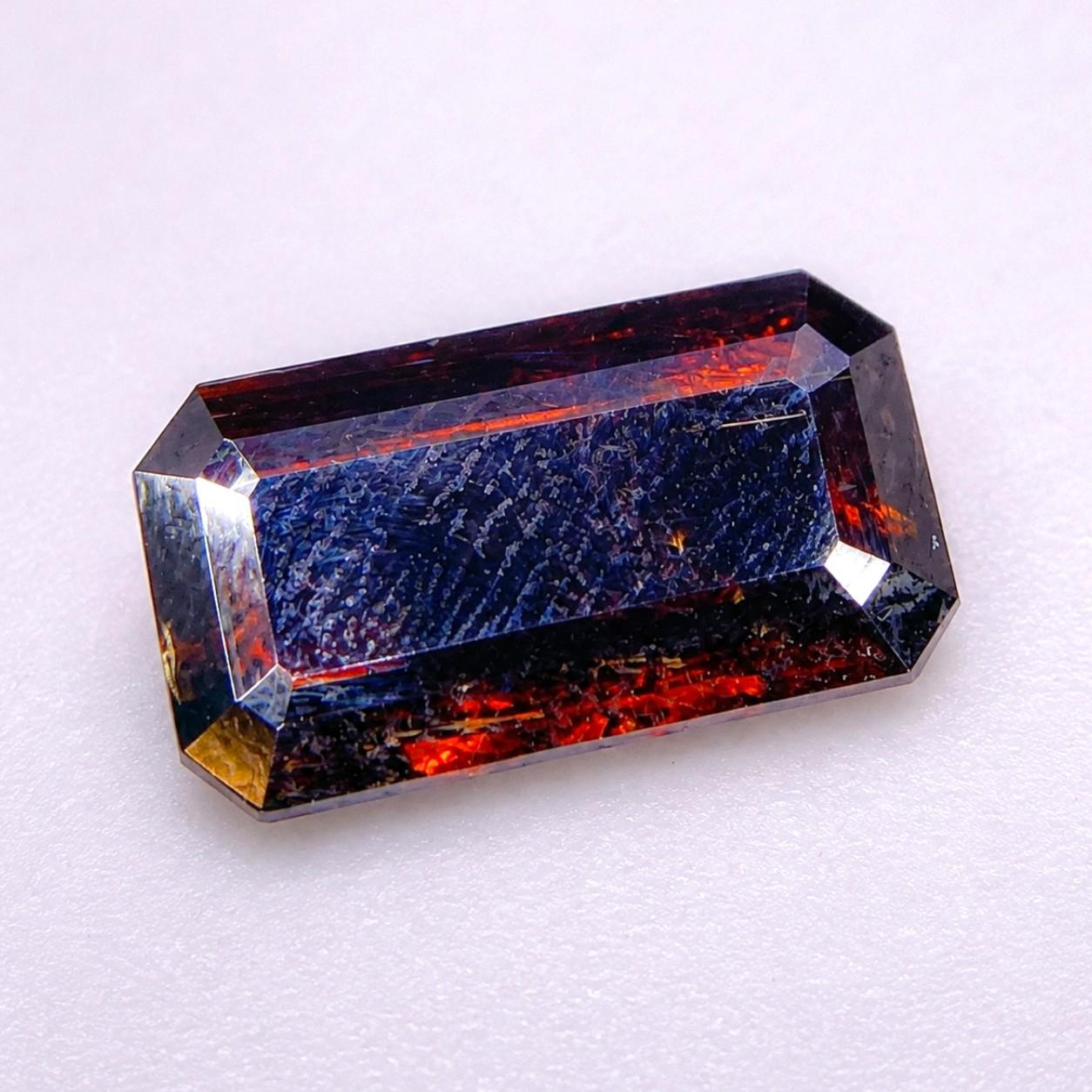
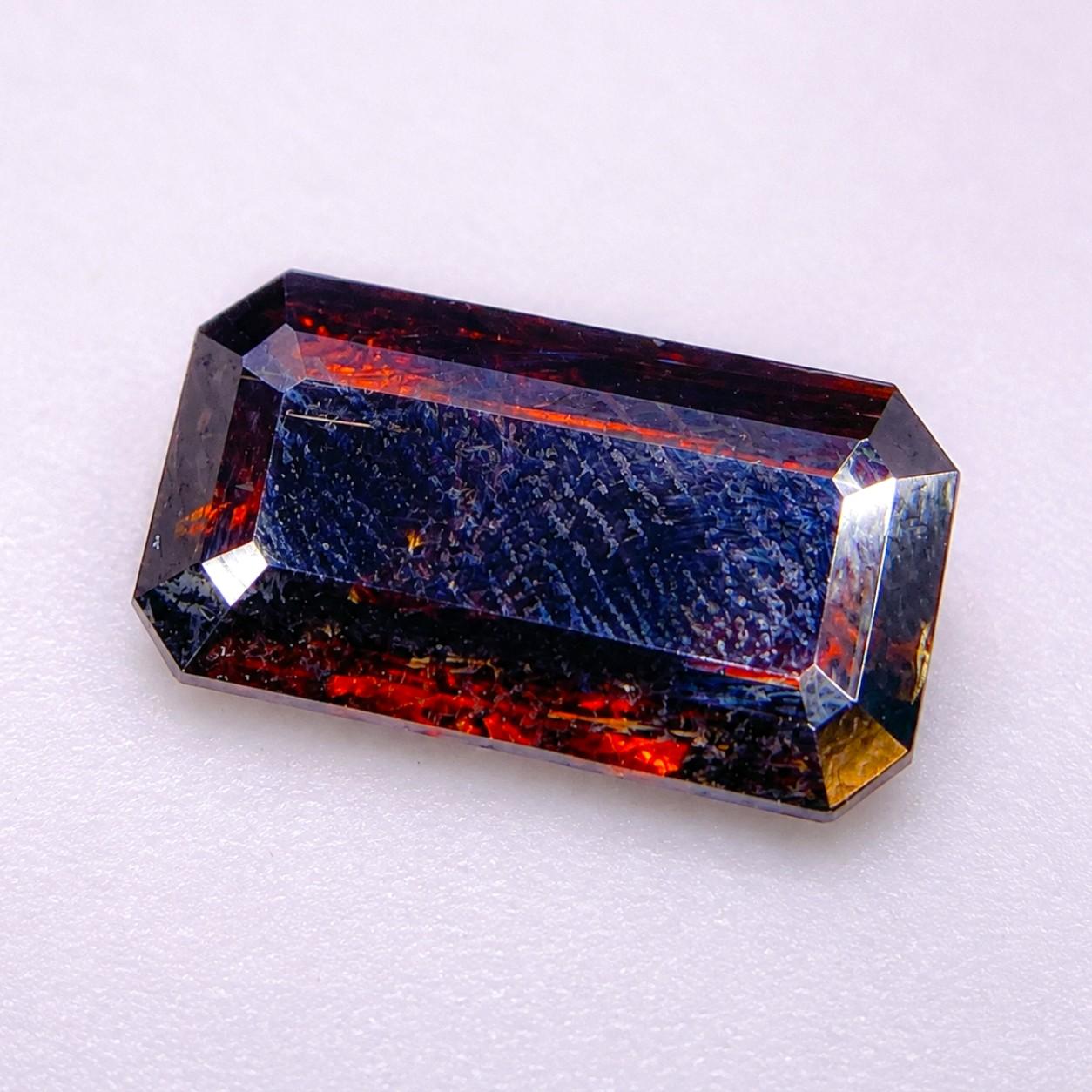


- Freakingcats Gemstone Database
Rutile (Pakistan)
Rutile from the breathtaking Alpine-type veins and high-altitude pegmatites of Pakistan represents the absolute zenith of natural metallic-needle architecture and structural focus. A titanium dioxide mineral, it is a species I have always respected for its “coppery-crimson” to “brilliant-golden-neon” internal reflectivity and its status as a masterpiece of “tetragonal” structural discipline. For the specialist, a top-tier Pakistani Rutile—whether presenting as heavy, freestanding metallic prisms or as pristine, hair-like needles trapped within optically clear quartz—is a prized trophy of late-stage hydrothermal mineralization; it offers a brilliant adamantine to sub-metallic luster and a highly radiant, sharp presence that makes it a true asset for the systematic vault. As an artist, I find the electrifying geometric contrast between its sharp, highly reflective metallic needles and the icy transparency of its host crystal fields to be one of nature’s most sophisticated and dynamic structural palettes.
The Heritage & Discovery
Historical Significance
Rutile is a cornerstone species for understanding the complex thermodynamic stabilities, elemental partitioning, and high-pressure-temperature metamorphic conditions within the Earth’s crust. Historically, it holds a venerable place in advanced crystallography, famously serving as the principal polymorph of titanium dioxide alongside anatase and brookite. In the world of fine minerals, Pakistani specimens are celebrated for their exceptional structural diversity—yielding both stout, deeply striated prismatic blocks and legendary sagenite networks of intersecting golden lattice. It serves as a striking reminder that fluid-driven metamorphic clefts can organize simple titanium dioxide into extraordinary, hyper-reflective metallic architectures that capture and manipulate light with fierce intensity.
Discovery
While rutile was recognized in Europe during the early 19th century, the systematically exposed alpine clefts across the towering mountain ranges of northern Pakistan completely revolutionized the global collector market for macrocrystalline titanium oxides in the late 20th century. Scientifically, its highly rigid tetragonal framework easily accommodates trace amounts of iron, which heavily influences its coloration, driving it from a brilliant metallic gold to a deep, brooding blood-red or jet-black hue. The opening of these rugged, remote pockets provided mineralogists with spectacular, undamaged twins and rutilated clusters that showcase its unique, light-reactive beauty. My own respect for this material grew from studying its extreme optical properties; specifically, the way its sub-metallic crystal faces split light with an incredibly high birefringence is a visual impact that is unmistakable to the trained eye.
Important Mines
The undisputed capital for aesthetic, collector-grade expressions of this species remains the high-altitude pegmatite fields and alpine veins of the Skardu District and the Shigar Valley in Gilgit-Baltistan, Pakistan. Famed for producing magnificent freestanding crystals and flawless rutilated quartz combinations, these deep tectonic fissures yield outstanding specimens that are carefully secured by local mountain miners. For the vault, I prioritize pieces that exhibit sharp, unblemished crystal boundaries, brilliant metallic surfaces, or perfectly preserved inclusion networks within water-clear matrix, as they represent a highly active, pristine masterpiece of primary metamorphic geology.
Mineralogical Profile
Description
Rutile is a titanium dioxide mineral that crystallizes in the tetragonal system. It sits at a robust 6 to 6.5 on the Mohs scale, meaning its tough, structurally stable prisms are highly resistant to physical abrasion and require only standard archival handling to safeguard its mirror-like adamantine surfaces. It is characterized by its bright sub-metallic to adamantine luster and an unmistakable, “reddish-brown, golden-amber, to deep iron-black” color palette.
One of its most identifying traits is its distinct prismatic cleavage, frequently forming vertically striated, elongated prismatic crystals, geniculate (elbow) twins, or delicate, acicular needles that trace old structural fractures through quartz or feldspar fields. It possesses an exceptionally high refractive index running from approximately 2.62 to 2.90, giving it an internal fire and surface reflectivity that surpasses diamond, and an average specific gravity ranging between 4.23 and 4.25 that reflects its dense, titanium-heavy architecture. Because it forms in late-stage alpine fissures and evolved granitic environments, it is commonly found in close association with Quartz, Anatase, Brookite, Hematite, Albite, and Ilmenite. When I select an example for documentation, I look for crisp, freestanding elbow twins or perfectly defined golden needle stars suspended in pristine crystal, as these highlight the sophisticated, three-dimensional chemistry of the mineral’s fluid-driven birth.
Chemical Formula
TiO2


