
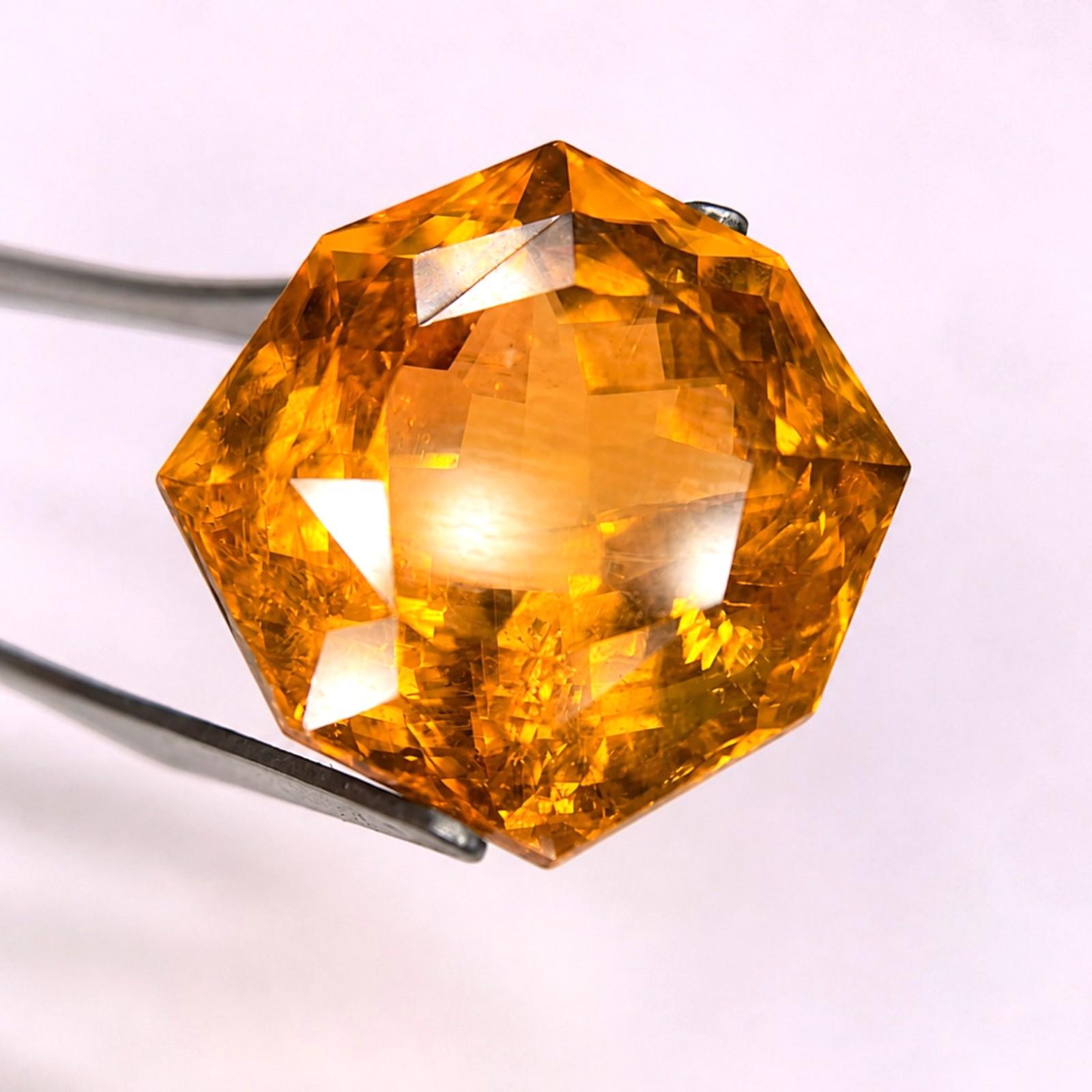
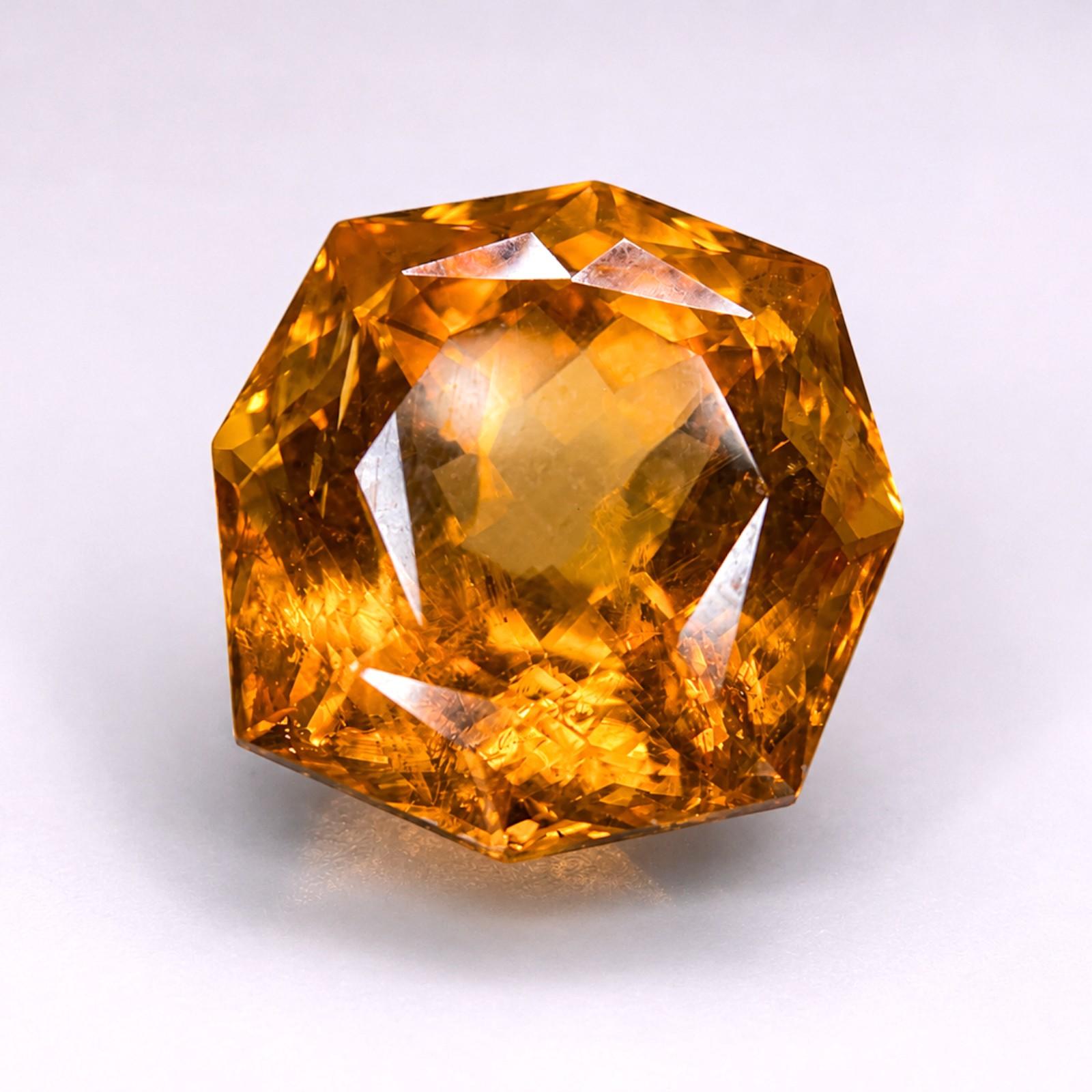
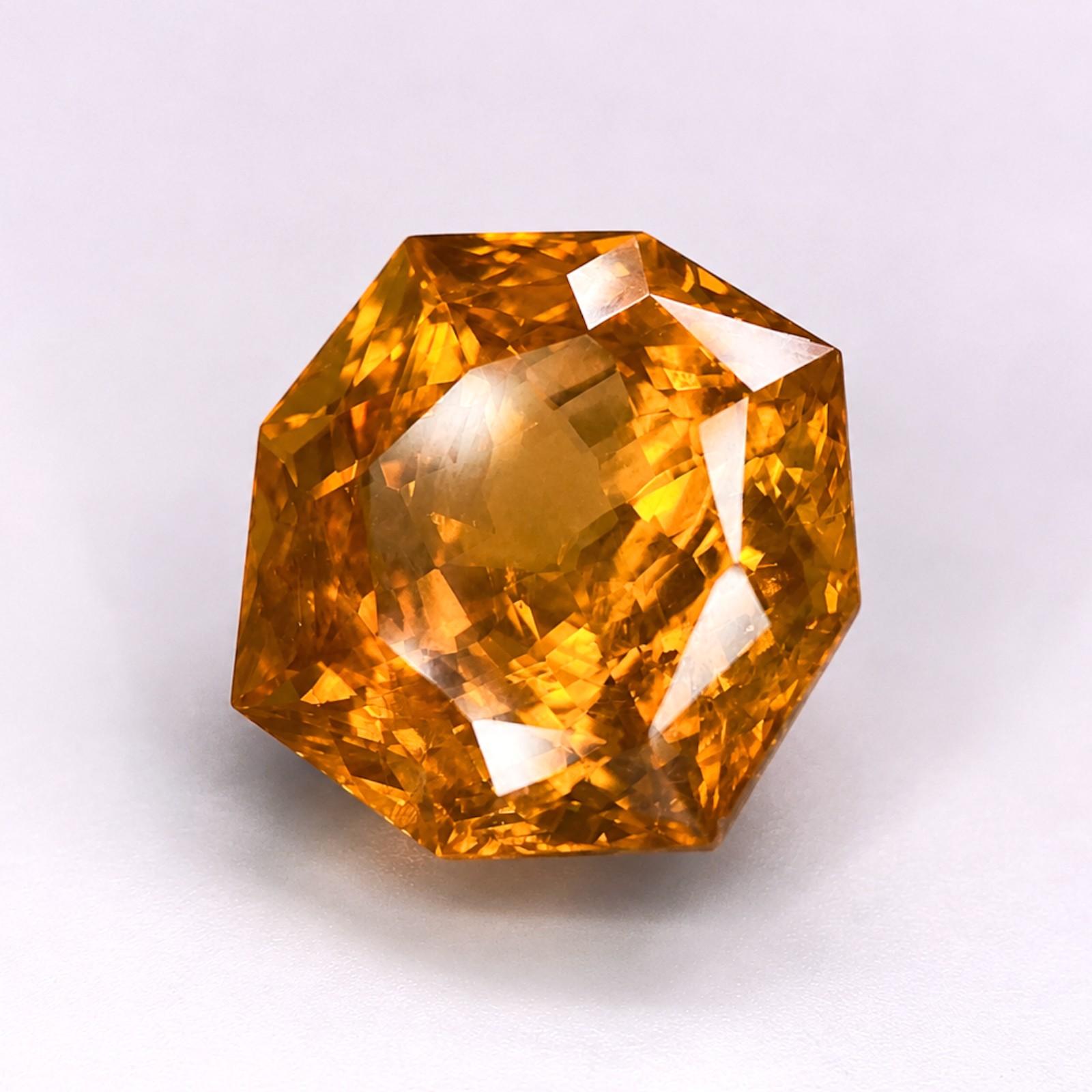
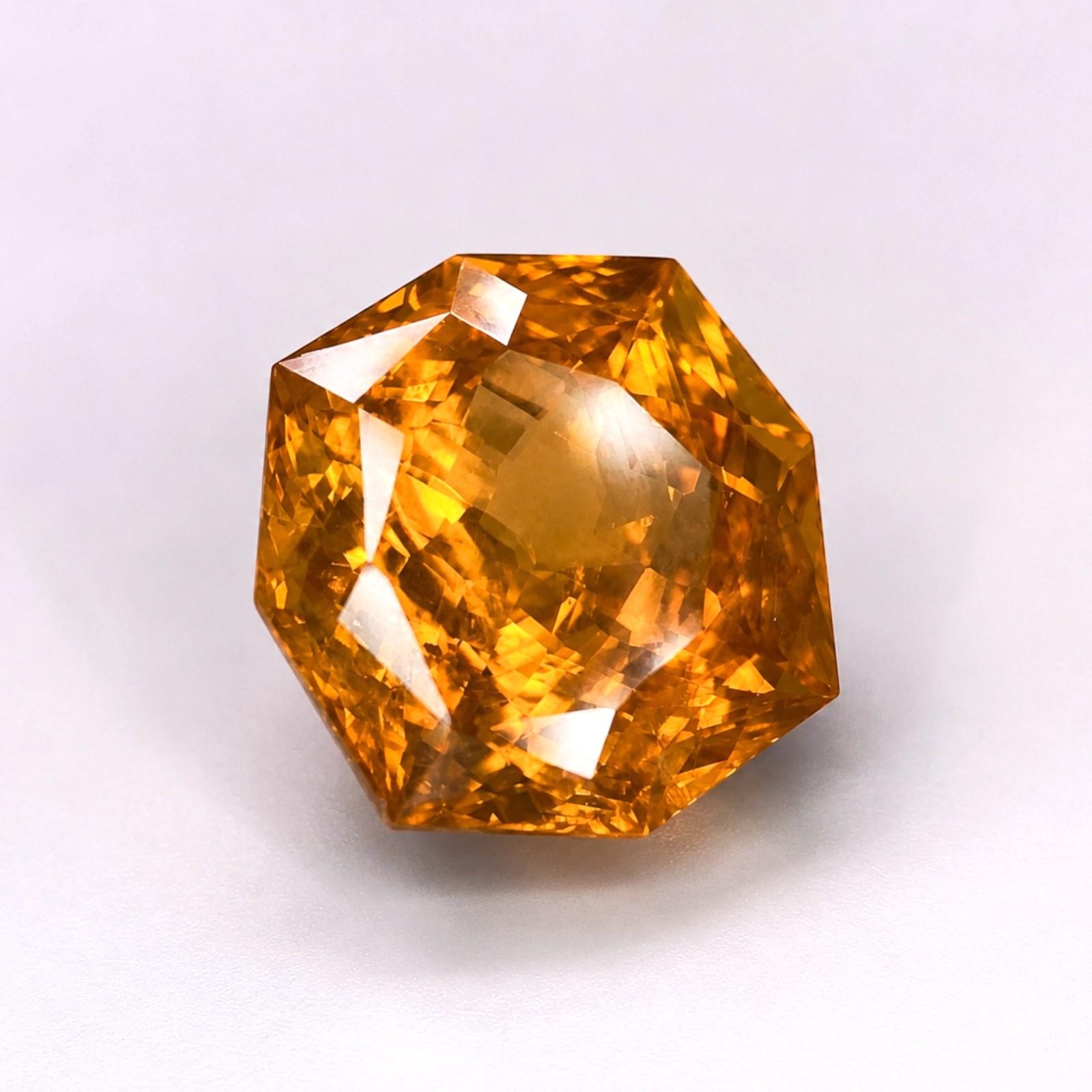
22.53 ct CALCITE – CHINA
EXPERT VERIFIED
- Expert Verified Gemstone
- Fast Handling & Shipping
- Secure Vault Packaging
$ 400
Offer amount Feild


Smart Collector Choice


Pay with Crypto & Get 10% Automatic Discount

Availability: 1 in stock
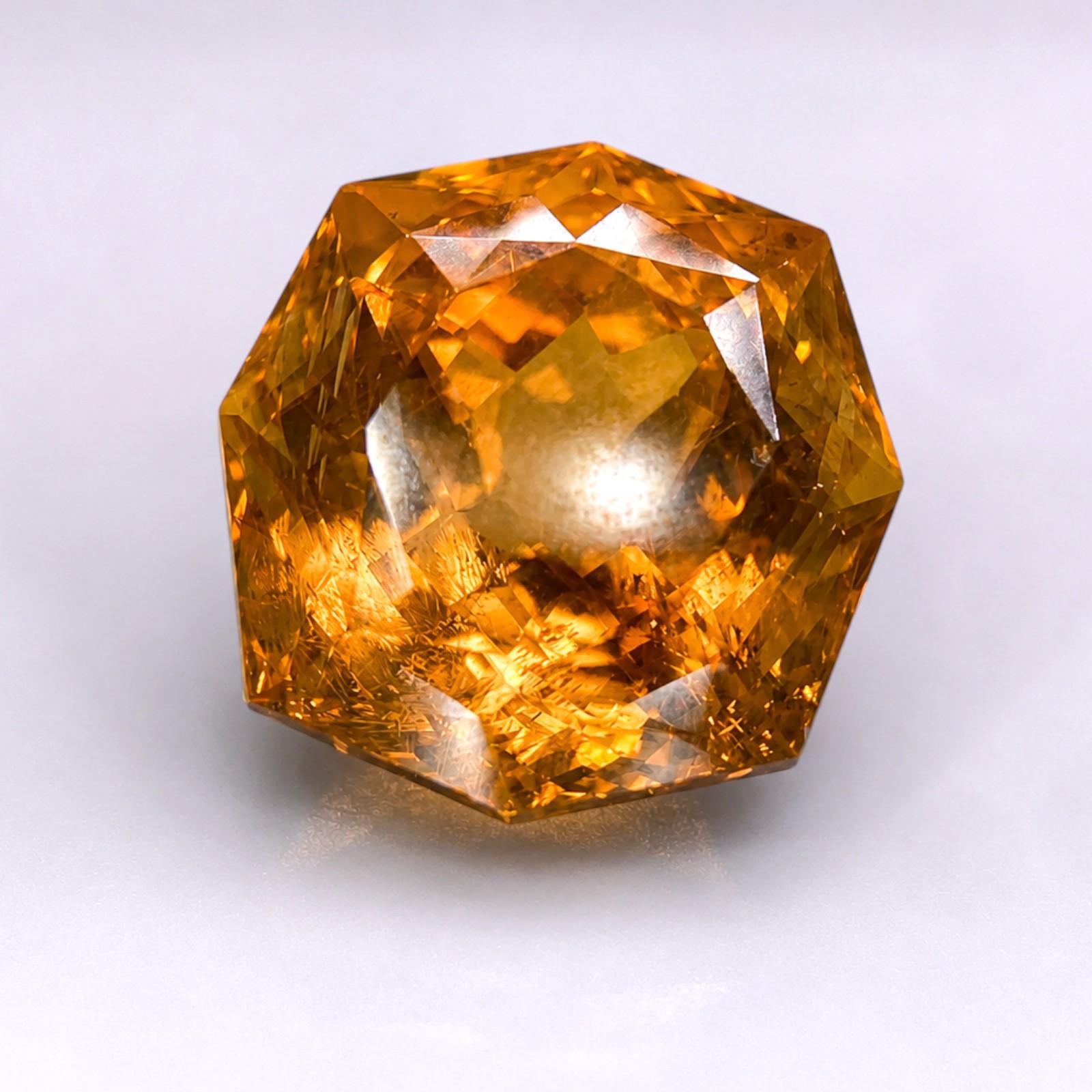
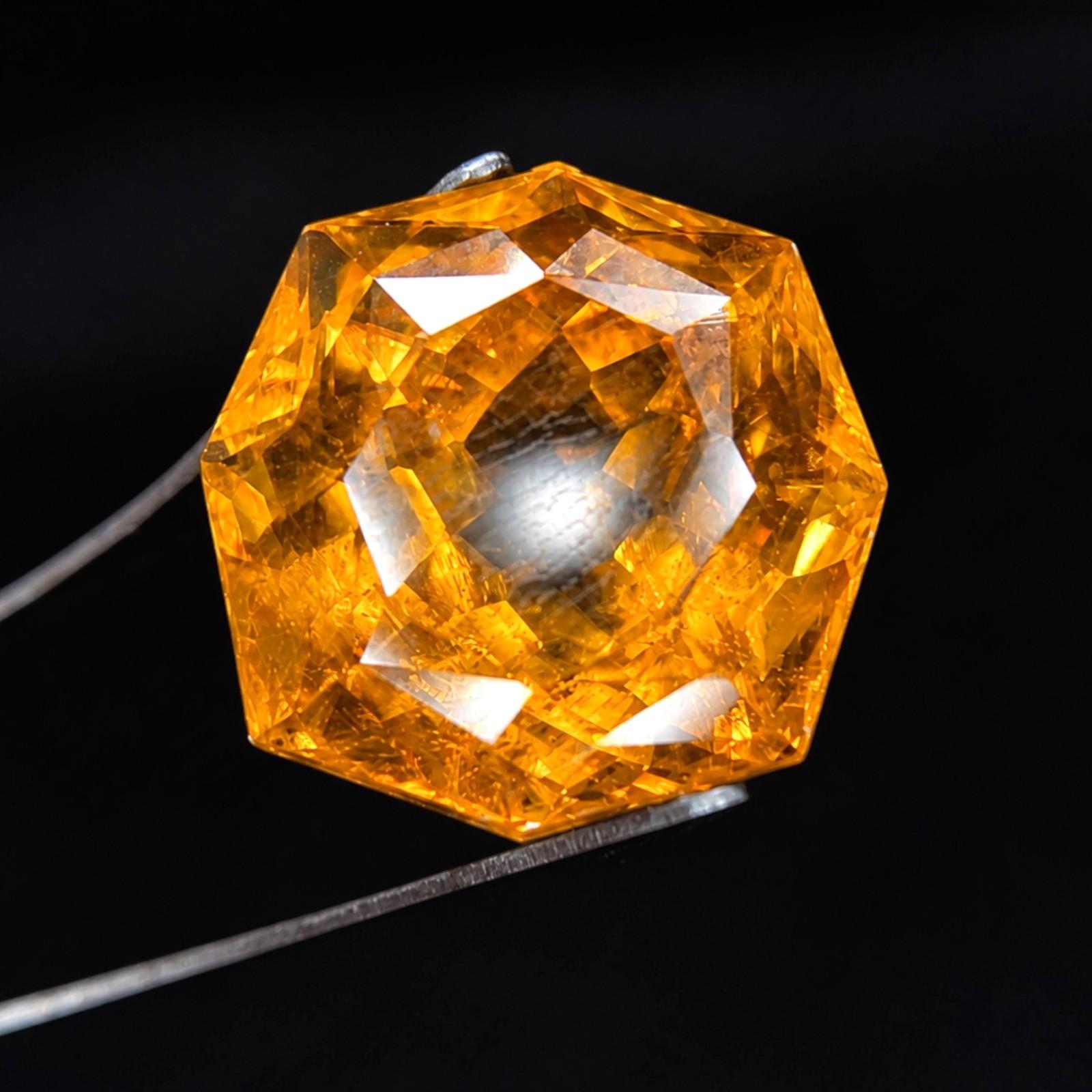
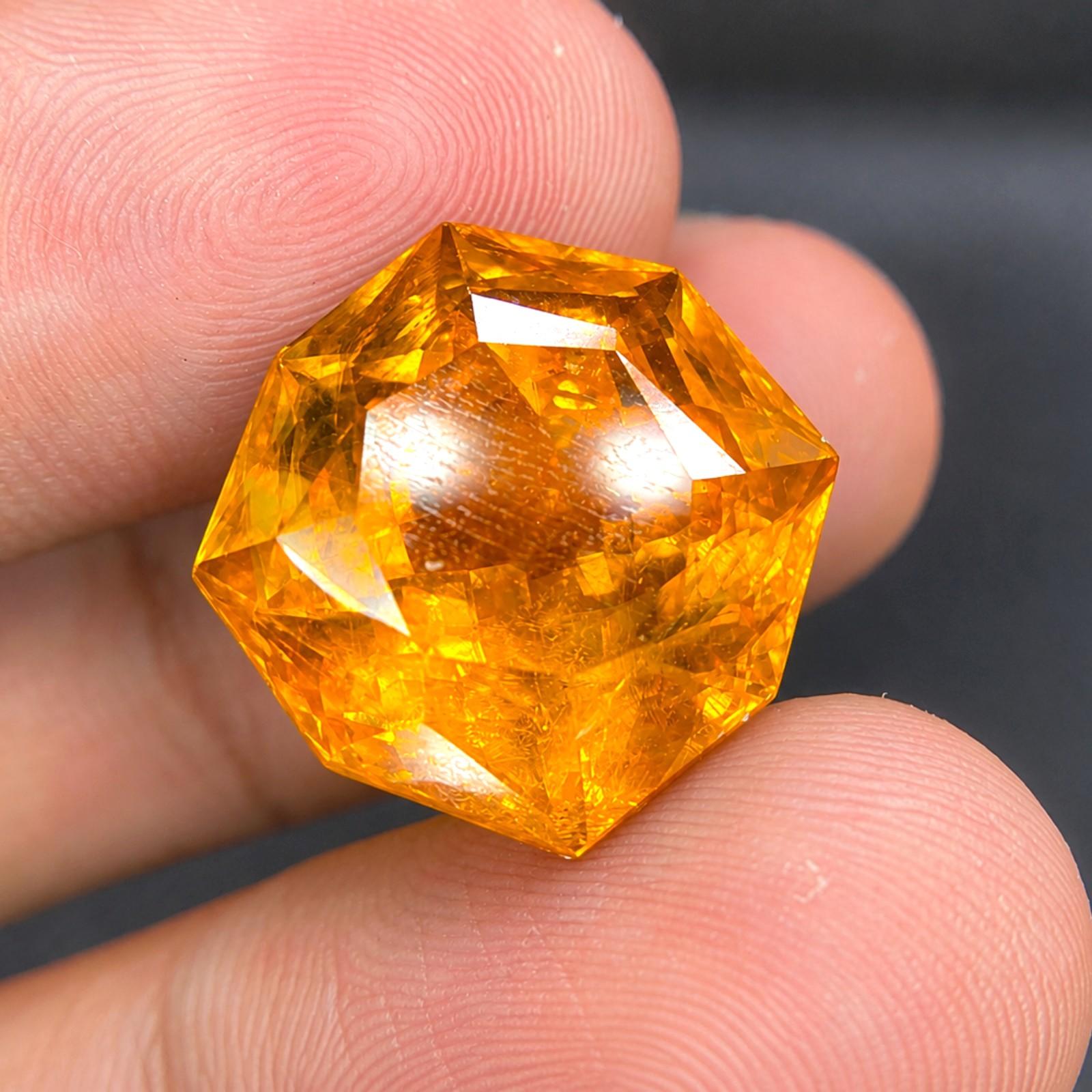


- Freakingcats Gemstone Database
Calcite (China)
Calcite from the vast, structurally diverse skarns and polymetallic ore fields of China represents the absolute pinnacle of carbonate crystal morphology and fluid-driven architectural variety. A polymorph of calcium carbonate, it is a species I have always respected for its “ice-water” to “vivid-amber-neon” transparency and its status as a masterclass in “trigonal” structural versatility. For the specialist, a top-tier Chinese Calcite—whether forming razor-sharp “poker-chip” tabular disks, lustrous scalenohedral “dogtooth” columns, or complex phantom-bearing rhombohedrons—is a prized trophy of low-to-medium temperature hydrothermal deposition; it offers a bright vitreous to waxy luster and an extraordinarily luminous presence that makes it an essential staple for the systematic vault. As an artist, I find the stark geometric rhythm of its pristine, light-splitting crystals contrasting against dark sphalerite, purple fluorite, or brassy pyrite matrices to be one of nature’s most sophisticated and balancing canvases.
The Heritage & Discovery
Historical Significance
Calcite is the foundational index mineral for decoding the complex thermodynamic paths, pH fluctuations, and carbon dioxide partial pressures that govern hydrothermal fluid circulation through host carbonates and skarns. Historically, while calcite is ubiquitous across the globe, the rapid expansion of deep mining operations across China in the late 20th and early 21st centuries unveiled mineral treasures of unprecedented crystallographic complexity. In the world of fine collectibles, Chinese calcite specimens are revered for their extraordinary optical clarity, architectural diversity, and spectacular multi-mineral associations, standing as an enduring symbol of tectonic fluid dynamics and crystallization focus.
Discovery
The discovery of major primary pocket networks throughout central and southern China completely redefined the global standards for collectible carbonate species. Scientifically, Calcite exhibits more crystal habits than almost any other mineral known to science, readily adapting its external geometry to subtle changes in temperature, pressure, and fluid chemistry during growth. The unearthing of these rich, undisturbed skarns provided mineralogists with spectacular, large-scale crystal groups featuring distinctive color zoning, double-terminated scalenohedrons, and dramatic inclusions. My own respect for this material grew from observing its famous optical properties; specifically, the way its powerful double refraction (birefringence) splits passing light into two distinct rays—creating a clean doubling of any image viewed through a transparent rhombohedron—is a visual phenomenon that remains deeply captivating to the trained eye.
Important Mines
The primary capital for world-class, aesthetic expressions of calcite within China includes the legendary polymetallic and skarn deposits of Hunan Province, most notably the Shangbao Pyrite Mine, the Yaogangxian Mine, and the Chenzhou ore fields, famed for producing flawless crystals alongside fluorite and tungsten minerals. Equally famous are the vast karst-hosted and base-metal deposits of Guangdong, Guizhou, and Yunnan provinces, as well as the Daye District in Hubei Province, renowned for its dramatic red and orange iron-stained scalenohedral groups. For the vault, I prioritize specimens that exhibit sharp, unblemished crystal terminations, high internal optical transparency, and an active presentation anchored cleanly to a contrasting matrix of sulfides or fluorite.
Mineralogical Profile
Description
Calcite is a calcium carbonate mineral that crystallizes in the trigonal system. It sits at a standard 3 on the Mohs scale, serving as a defining benchmark mineral; its soft, structurally delicate faces possess perfect rhombohedral cleavage in three directions, requiring careful, archival handling to protect its crisp crystal edges and lustrous surfaces from physical shock or acidic compounds. It is characterized by its exceptionally bright vitreous to resinous surface luster and a remarkably broad color palette ranging from entirely colorless and water-clear to soft pink, honey-yellow, vibrant orange, and deep cobalt-blue.
One of its most identifying traits is its perfect rhombohedral cleavage intersecting at 74 and 106 degrees, routinely forming scalenohedral, rhombohedral, tabular, or prismatic habits that cleanly trace historical fluid channels through metamorphic and hydrothermal fractures. It possesses an extreme optical birefringence with refractive indices running from 1.486 to 1.658, contributing to its brilliant light transmission, and a light average specific gravity of 2.71. Because it forms in a wide range of geological environments, it is commonly found in close association with Fluorite, Quartz, Sphalerite, Galena, Pyrite, Fluorfluorapatite, and Dolomite. When I select an example for documentation, I look for sharp, “crisp” crystal geometry or freestanding, highly translucent groups, as these highlight the sophisticated, fluid-driven chemistry of the mineral’s subterranean birth.
Chemical Formula CaCO3


