
SKU: BARI0006
23.87 ct BARITE – MOROCCO – CERTIFIED
EXPERT VERIFIED
- Expert Verified Gemstone
- Fast Handling & Shipping
- Secure Vault Packaging
$ 520
Offer amount Feild


Smart Collector Choice


Pay with Crypto & Get 10% Automatic Discount

Availability: 1 in stock
Gemstone Details
Gem Variety:
Barite
Origin:
Morocco
Carat Weight:
23.87
Length (mm):
15.81
Width (mm):
15.57
Depth (mm):
10.89
Shape:
Cushion
Color
Yellow
Treatment:
No Treatment
Certificate:
GIL Lab Bangkok
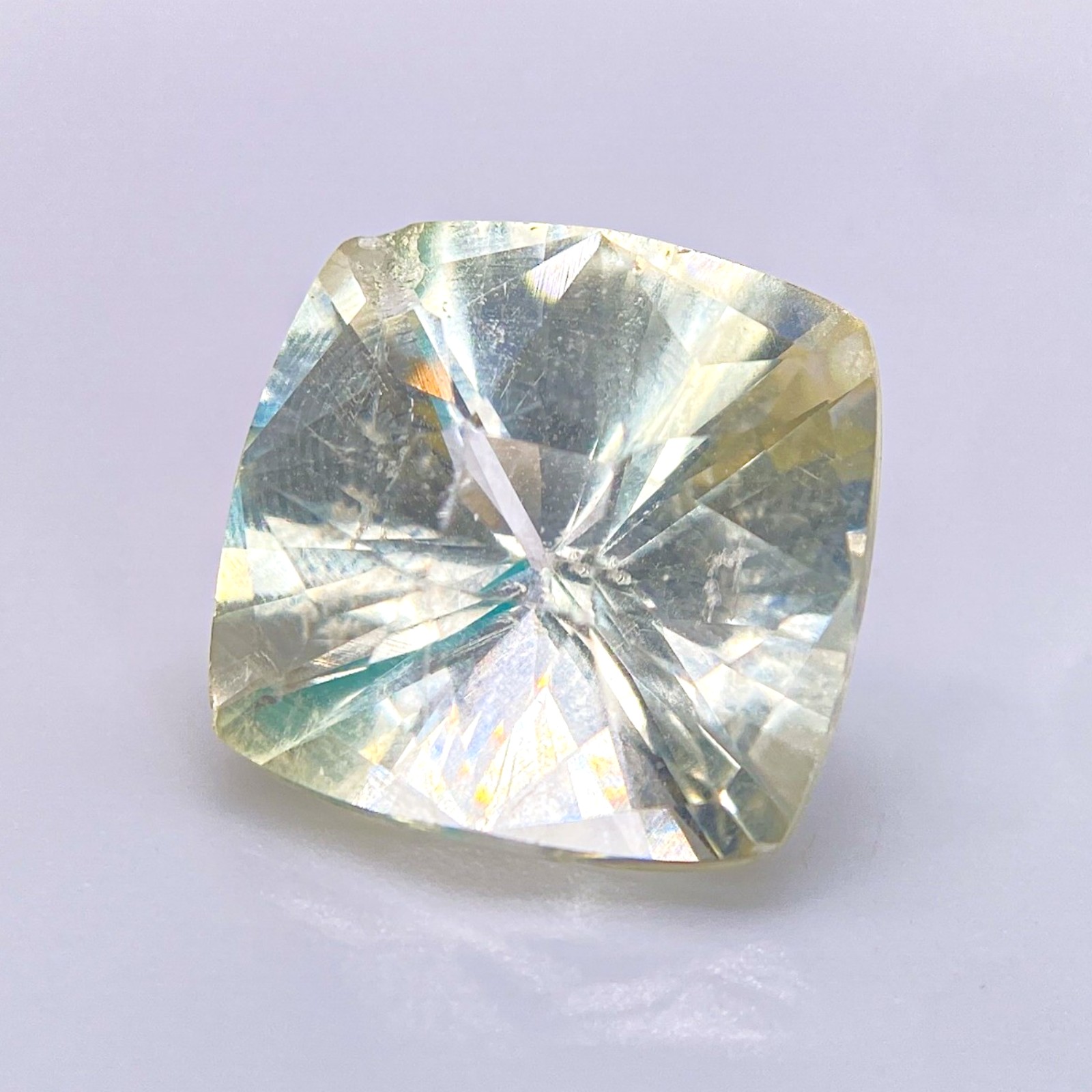
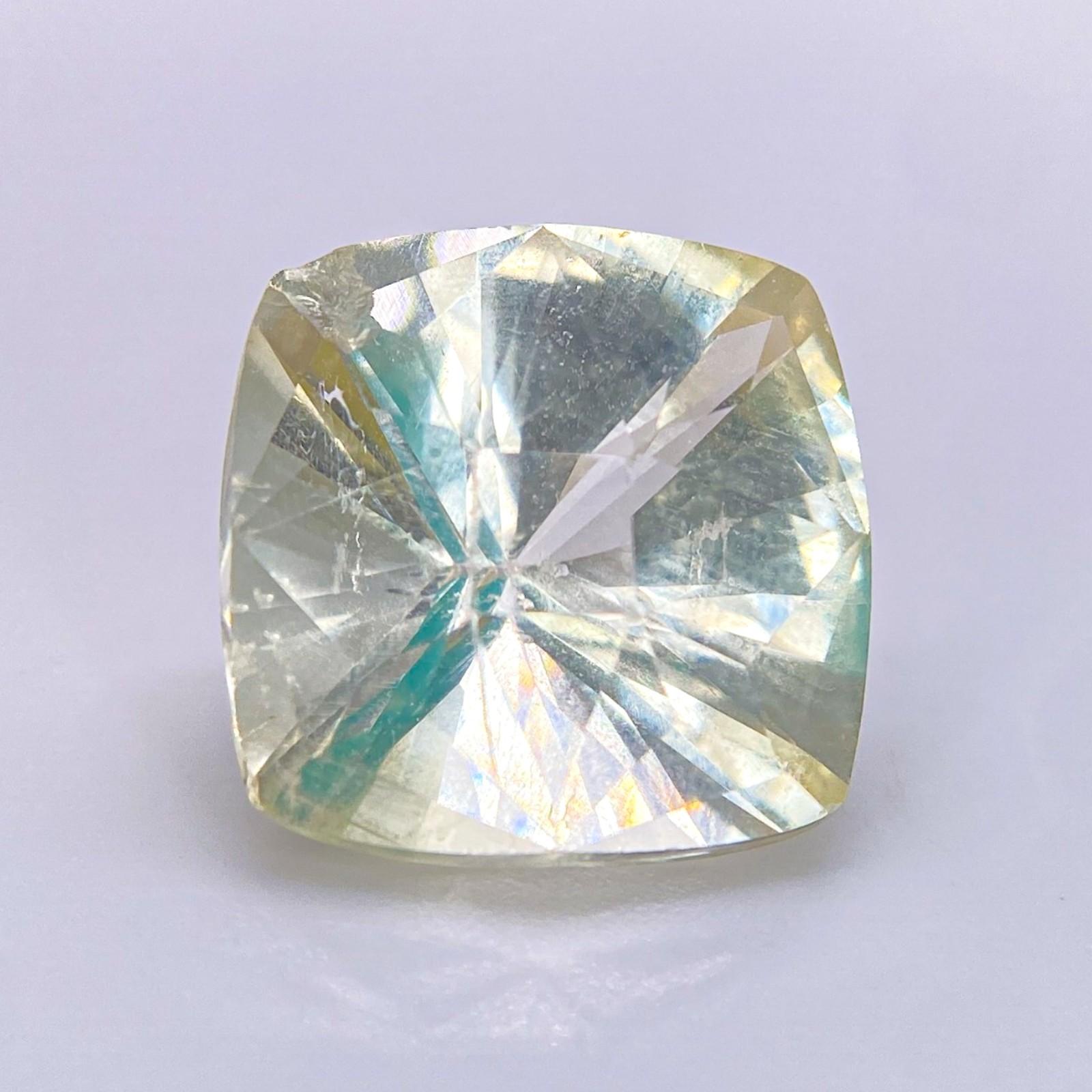
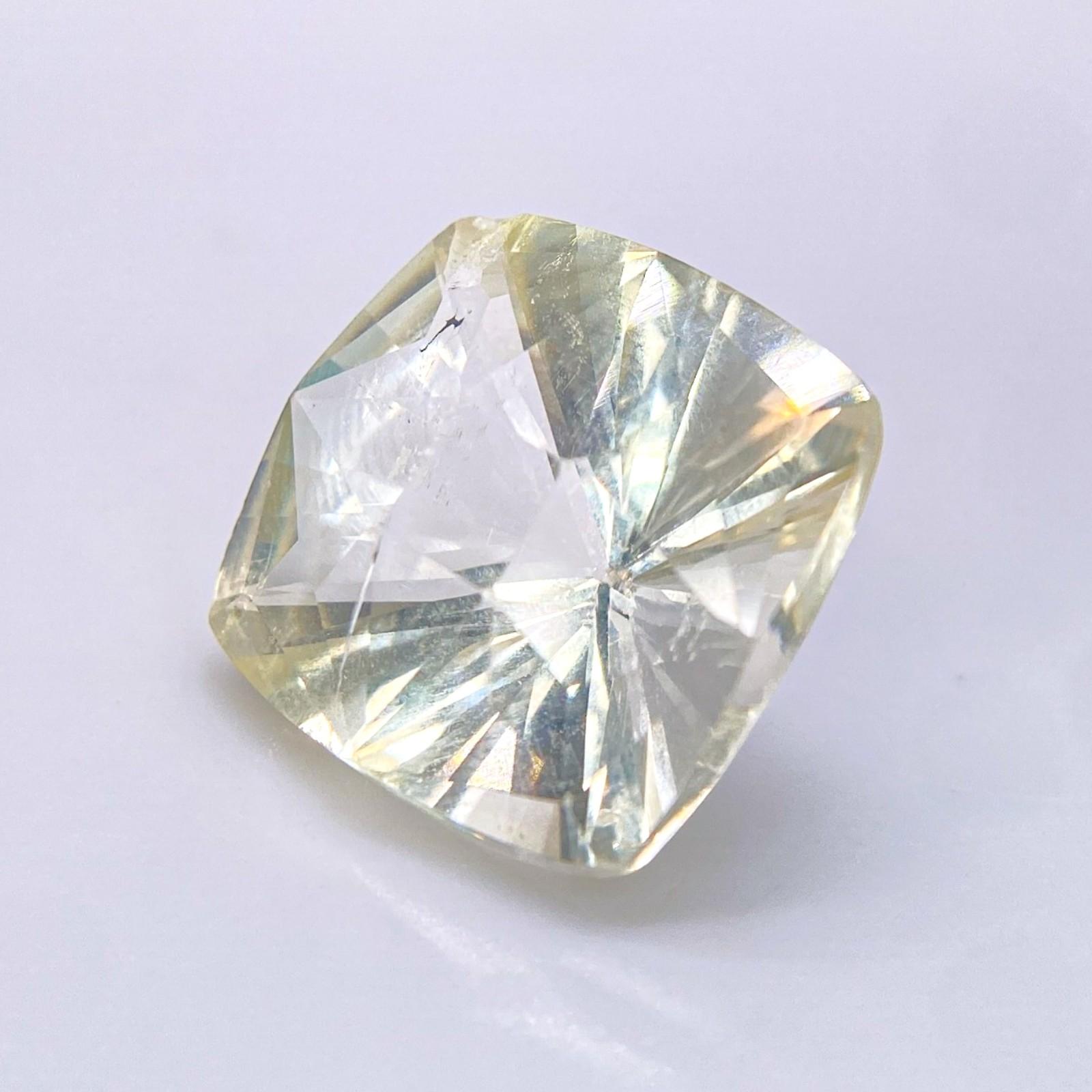
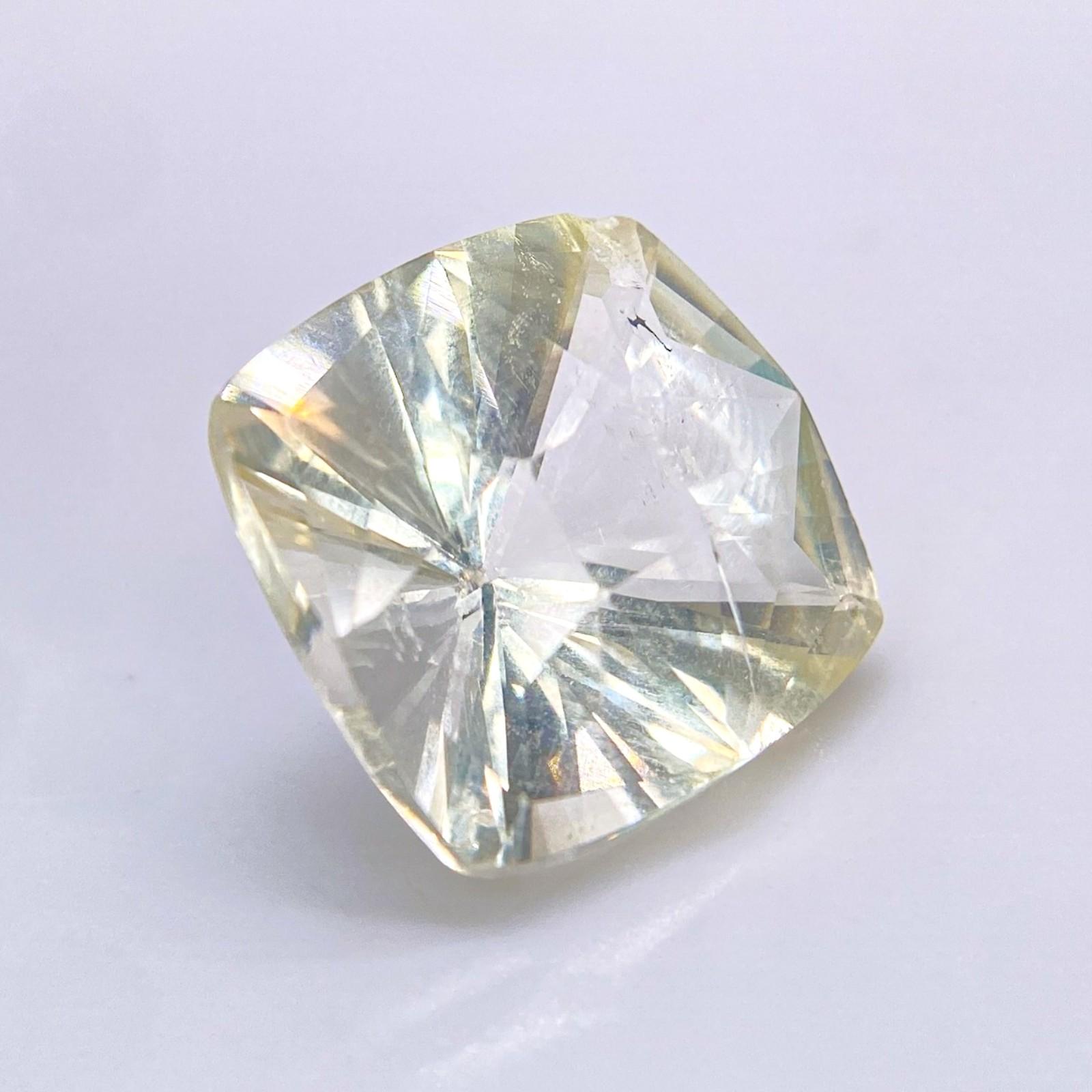
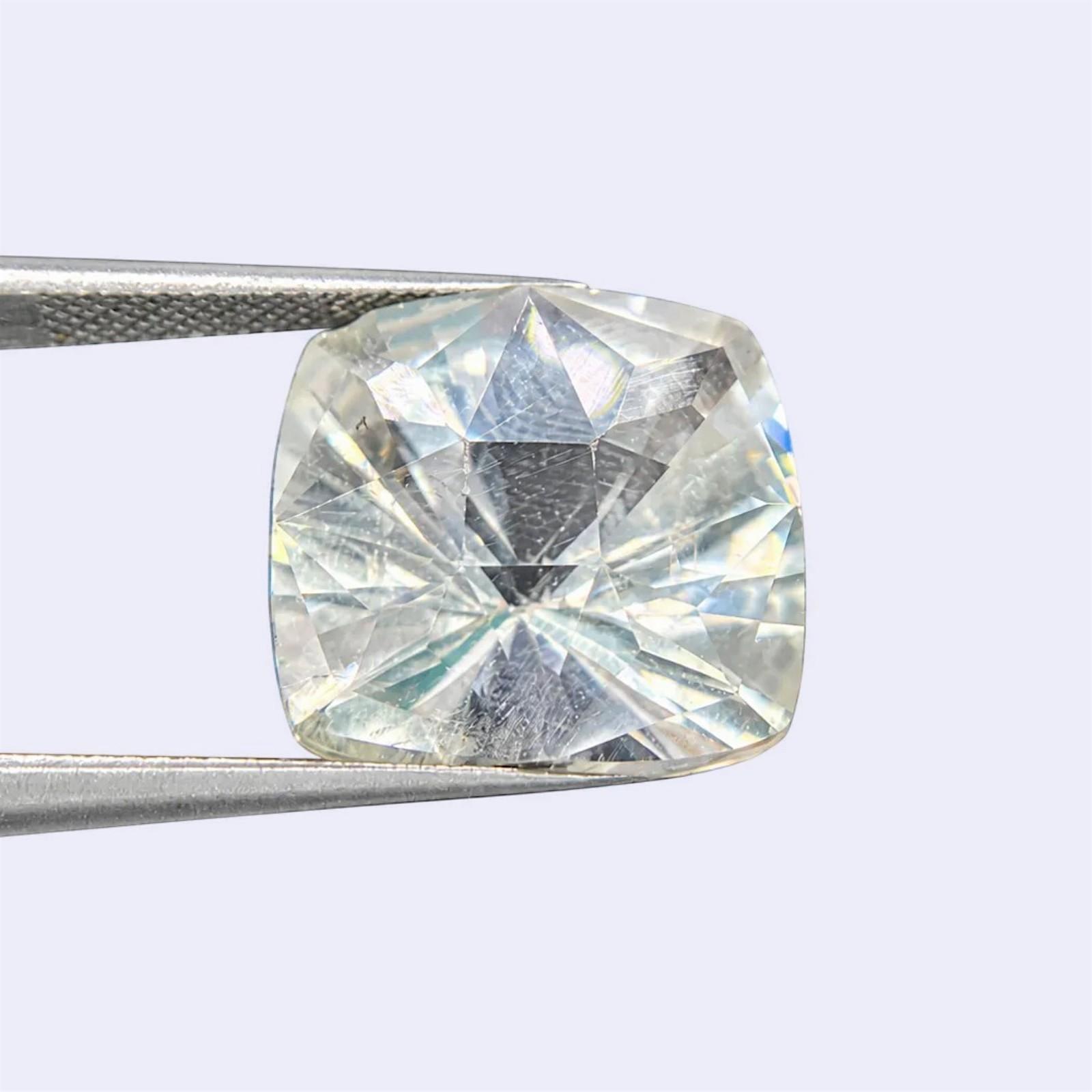
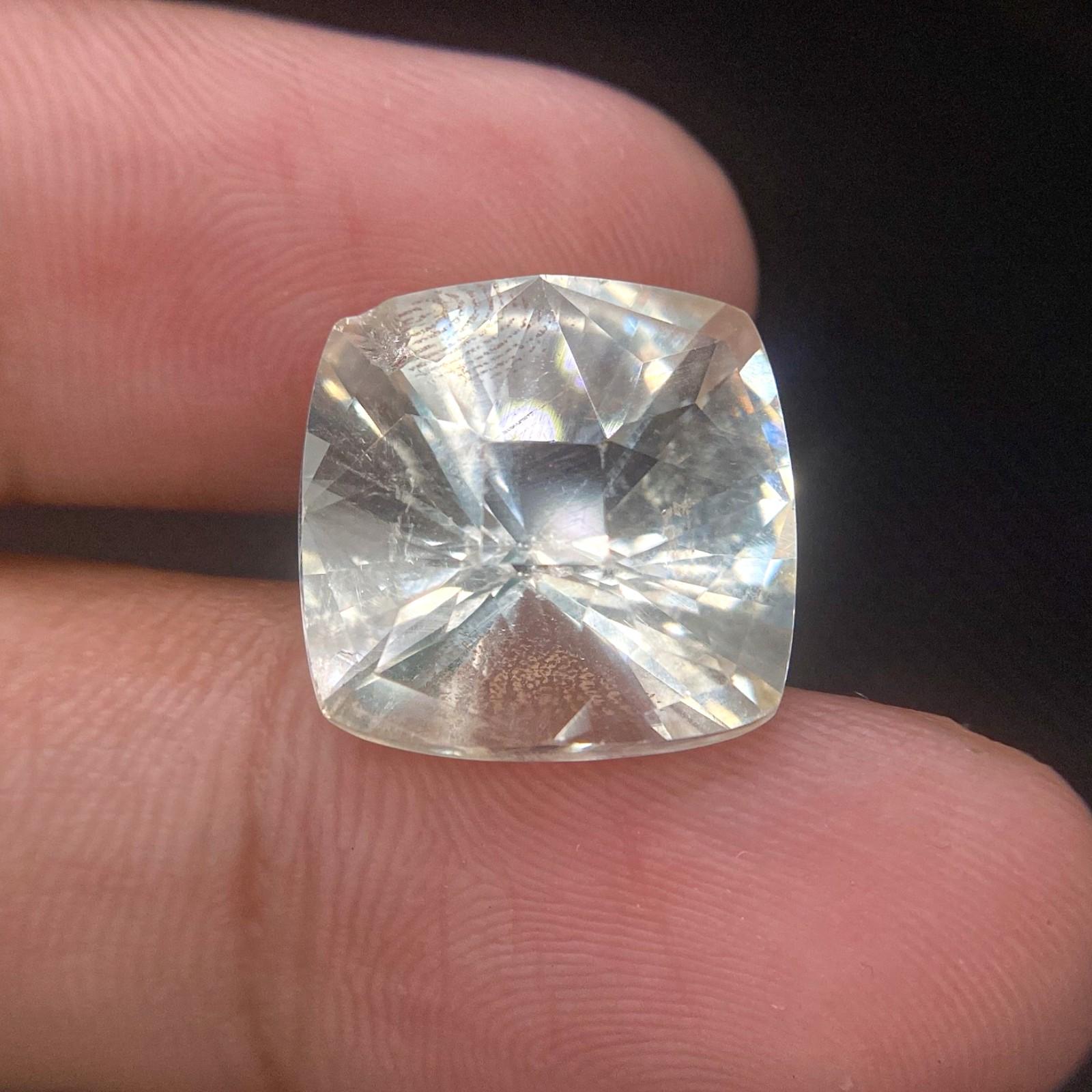
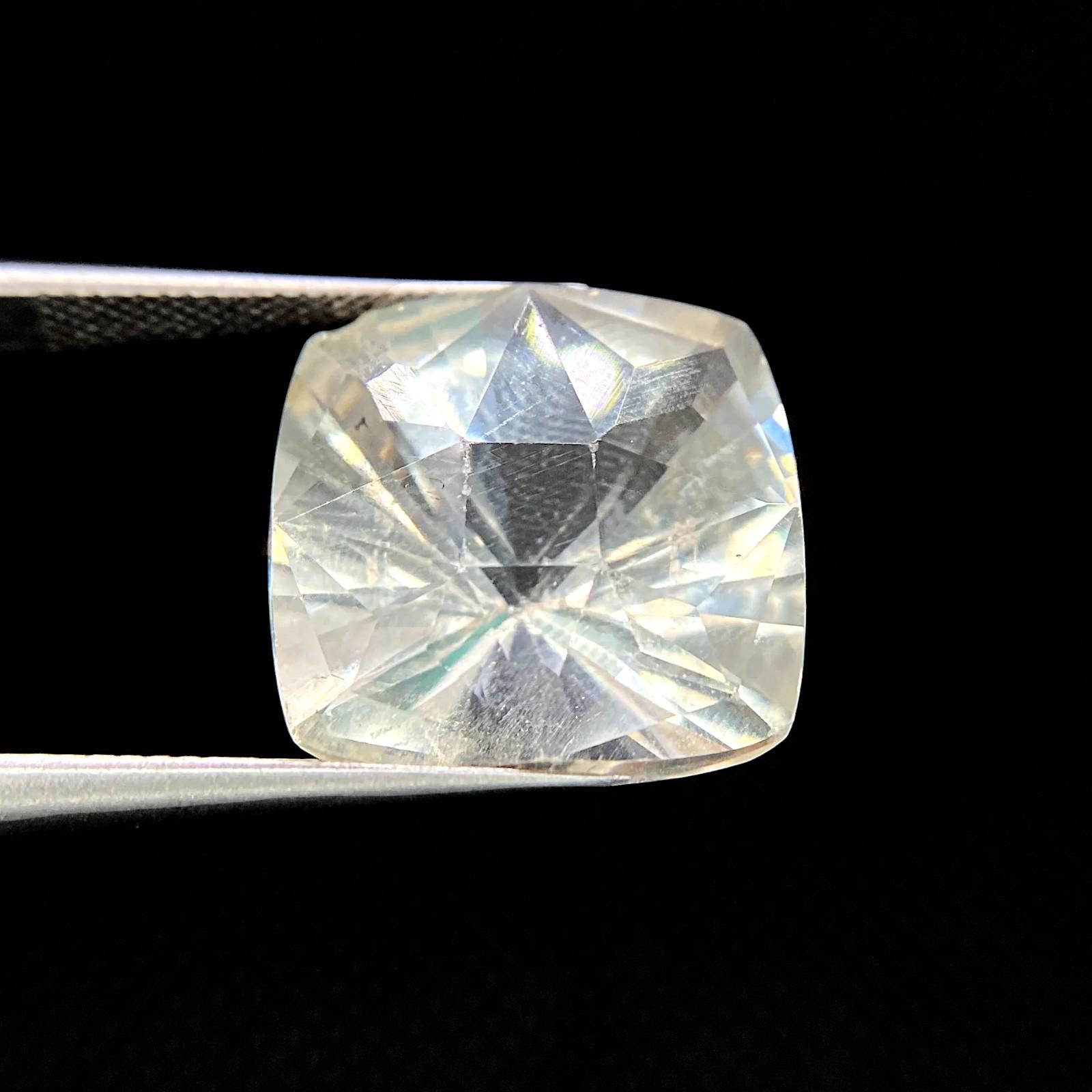


- Freakingcats Gemstone Database
Barite (Morocco)
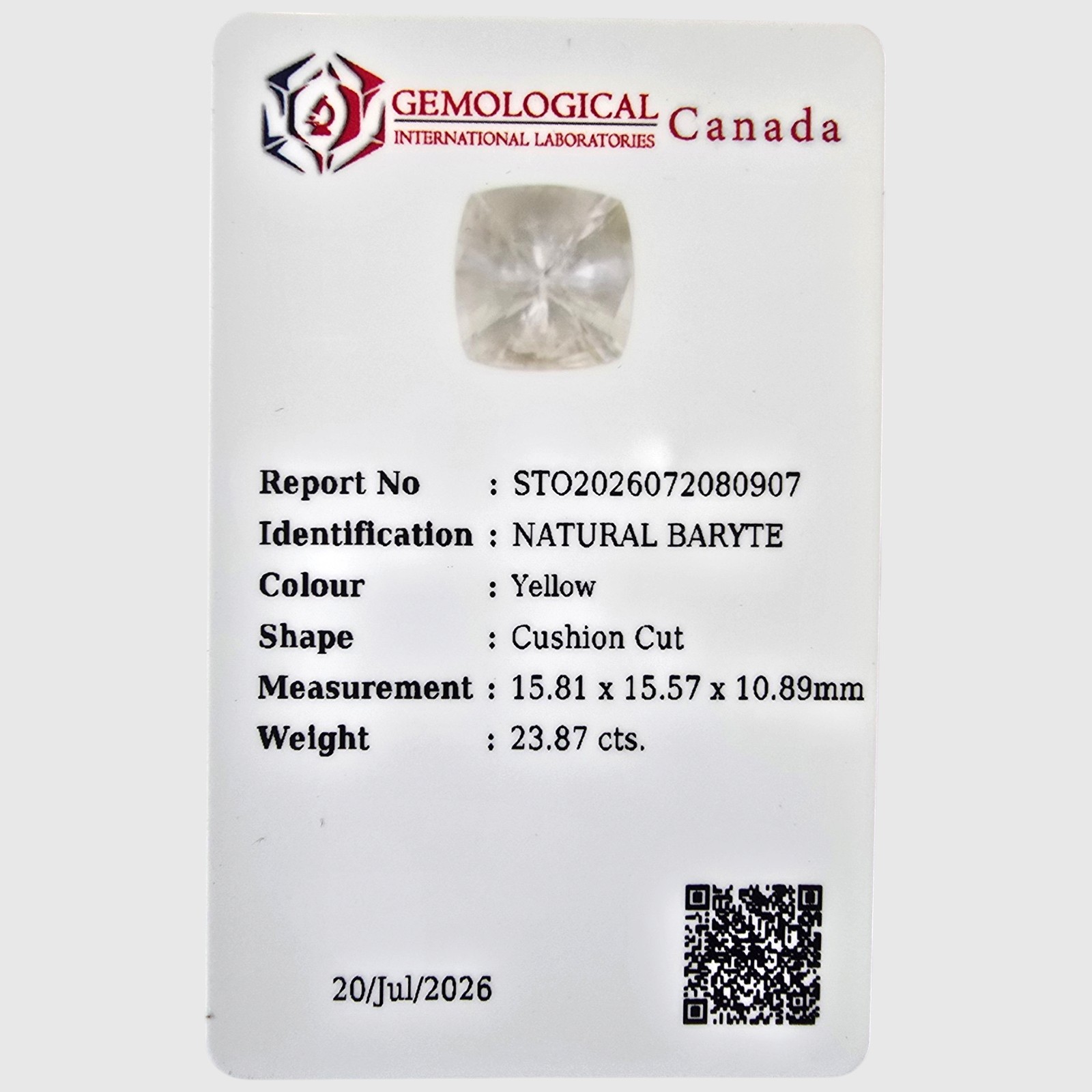
Certified on 20/07/26 by GIL Lab Bangkok
Barite from the extensive hydrothermal vein systems and mineralized fault zones of Morocco—most famously the arid desert ranges of the Draa-Tafilalet Region—represents one of the most structurally refined and aesthetically commanding expressions of orthorhombic sulfate crystallization found worldwide. A barium sulfate mineral of premier geological interest, it is a species I have long respected for its sharp, chiselled tabular geometry, substantial heft in the hand, and remarkable daylight transparency that ranges from golden honey-amber, rich cognac, and sherry-orange to icy cerulean-blue and pristine water-clear. For the specialist, a fine Moroccan Barite—whether presenting as a lustrous, razor-sharp tabular blade, a complex “cockscomb” aggregate, or an isolated prism perched elegantly on contrasting matrix—is a classic cornerstone; it offers an exceptional vitreous to resinous luster and a commanding physical density that immediately distinguishes it from common carbonate or silicate minerals. As an artist, I find the clean architectural planes of these crystals—where mirror-smooth prism faces reflect ambient light with razor precision—to be one of nature’s most disciplined and visually satisfying geometric accomplishments.
The Heritage & Discovery
Historical Significance
Barite derives its name from the ancient Greek word barys, meaning “heavy,” chosen in direct reference to its unusually high specific gravity for a non-metallic mineral. Historically, while European districts in England and Germany defined early collector standards during the 18th and 19th centuries, Morocco established global preeminence throughout the late 20th and early 21st centuries by producing some of the largest, most transparent, and intensely colored crystals ever documented. Sourced from deep hydrothermal mineralization cutting through Paleozoic sedimentary sequences and volcanic basement rocks, Moroccan barites set an enduring benchmark for crystal scale, sharpness, and optical clarity, serving as a celebrated testament to North Africa’s extraordinary mineral wealth.
Discovery
The emergence of exceptional, collector-grade barite across eastern and central Morocco accompanied active commercial lead, zinc, and barite mining operations in the Anti-Atlas and High Atlas ranges. Scientifically, barite forms readily when barium-bearing hydrothermal fluids encounter sulfate-rich groundwaters in low-to-moderate temperature environments. In Moroccan deposits, tectonic fracturing created open fault cavities that allowed individual crystals to grow uninhibited into cavernous voids. Miners operating in specialized pocket zones began encountering untouched pockets lined with pristine, gem-quality blades. My own respect for this material grew from analyzing its structural perfection and optical balance; examining an unblemished Moroccan tabular crystal with razor-sharp terminal bevels and zero contact marks confirms an environment of subterranean calm that is deeply satisfying to the trained eye.
Important Mines
The undisputed capital for aesthetic barite in Morocco is the Mibladen mining district, situated near Midelt in the Draa-Tafilalet Region, universally renowned for producing dramatic, transparent orange-to-amber tabular blades, often perched on a contrasting matrix of white calcite, quartz, or glistening galena. Equally famous are the vibrant, lustrous golden-yellow and honey-sherry barites from the Nador and Touissit mining districts in the Oriental Region, as well as the sky-blue prismatic crystals occasionally unearthed in the Bou Nahas and Alnif regions. For the systematic vault, I prioritize specimens that exhibit sharp, undamaged chisel terminations, complete freedom from edge chipping or cleavage bruises, high internal transparency, and strong color saturation.
Mineralogical Profile
Description
Barite is a heavy barium sulfate mineral crystallizing in the orthorhombic system (dipyramidal class). It sits at 3.0 to 3.5 on the Mohs hardness scale, making it a delicate mineral that demands attentive archival curation; it displays three directions of cleavage—one perfect along {001}, one very good along {210}, and one imperfect along {010}—and an uneven fracture. It is distinguished by its vitreous luster on crystal faces, frequently transitioning to a pearly sheen across major cleavage planes, and a wide daylight color spectrum dominated by honey-amber, sherry-yellow, smoky cognac, pale sky-blue, and pure colorless water-clarity.
Morphologically, Moroccan barite typically forms flattened tabular plates, elongated chisel-like blades, radiating rosettes, and dense “cockscomb” groups. It possesses a moderate refractive index running from 1.634 to 1.648, with a low birefringence of 0.012 and positive optical character. Its defining physical hallmark is its remarkable specific gravity of approximately 4.48 to 4.50, lending it a distinctive, unmistakable weight in the hand. Because it precipitates along hydrothermal fault veins and cavity linings, it is commonly found in close association with Galena, Cerussite, Calcite, Fluorite, Quartz, and Chalcopyrite. When I select an example for documentation, I look for pristine face luster, undamaged terminal geometry, and high daylight transparency that highlights the pure crystallographic discipline of its formation.
Chemical Formula
BaSO4 (frequently containing minor trace substitutions of strontium or lead)


