
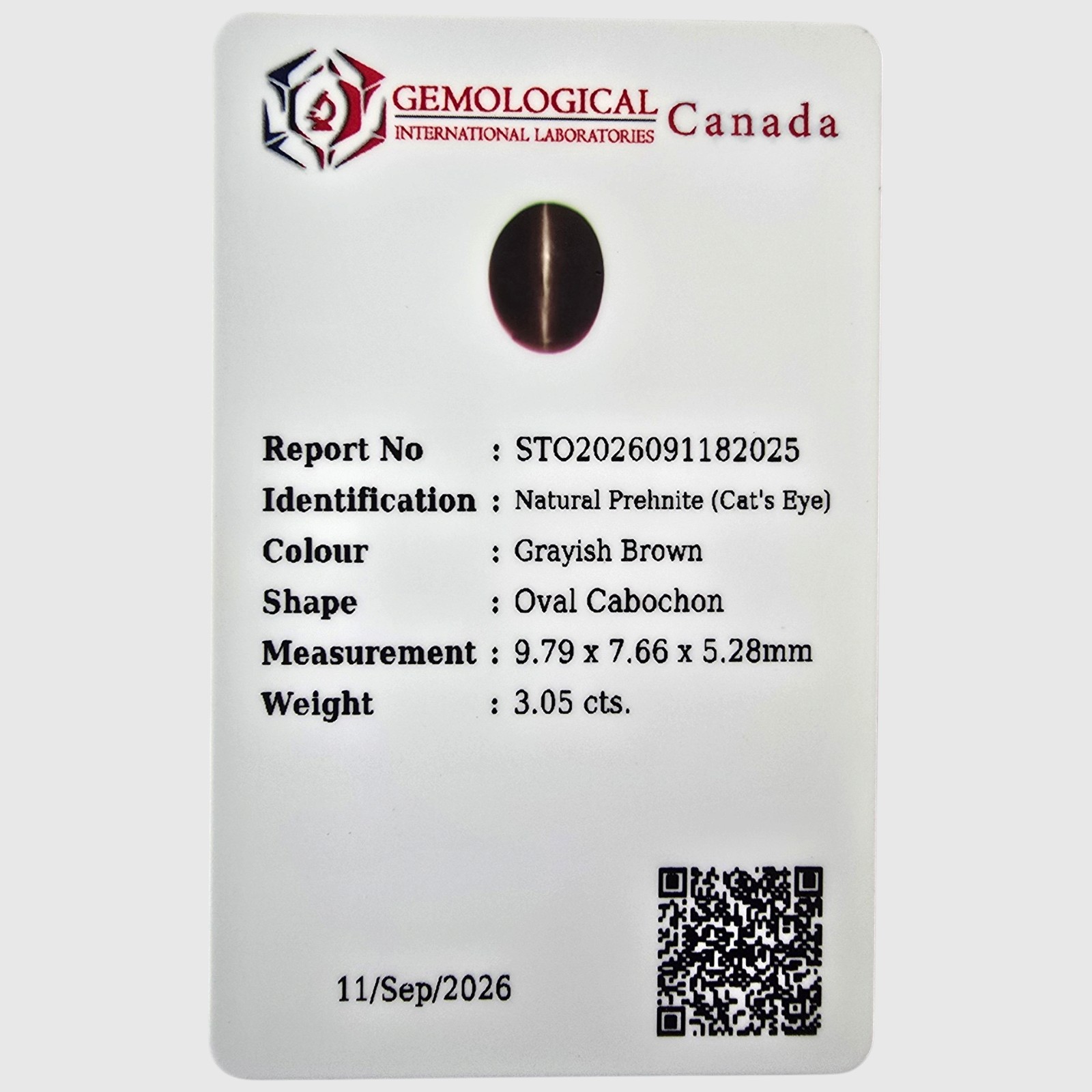
3.05 ct PREHNITE CATS EYE – MALI- CERTIFIED
EXPERT VERIFIED
- Expert Verified Gemstone
- Fast Handling & Shipping
- Secure Vault Packaging
$ 120
Offer amount Feild


Smart Collector Choice


Pay with Crypto & Get 10% Automatic Discount

Availability: 1 in stock
Gemstone Details
Gem Variety:
Prehnite Cats Eye
Origin:
Mali
Carat Weight:
3.05
Length (mm):
9.79
Width (mm):
7.66
Depth (mm):
5.28
Shape:
Cabochon
Color
Brown
Treatment:
No Treatment
Certificate:
GIL Lab Bangkok
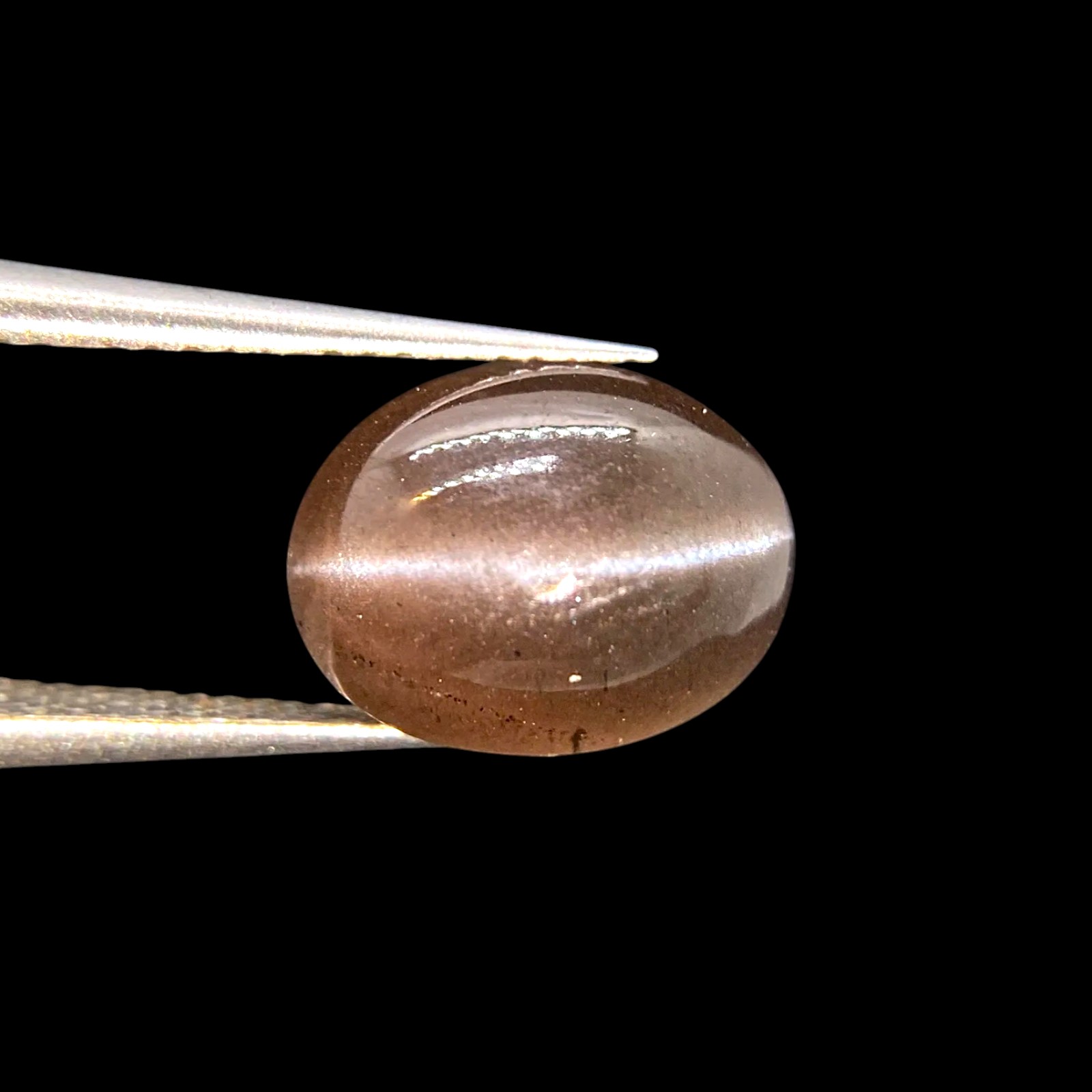
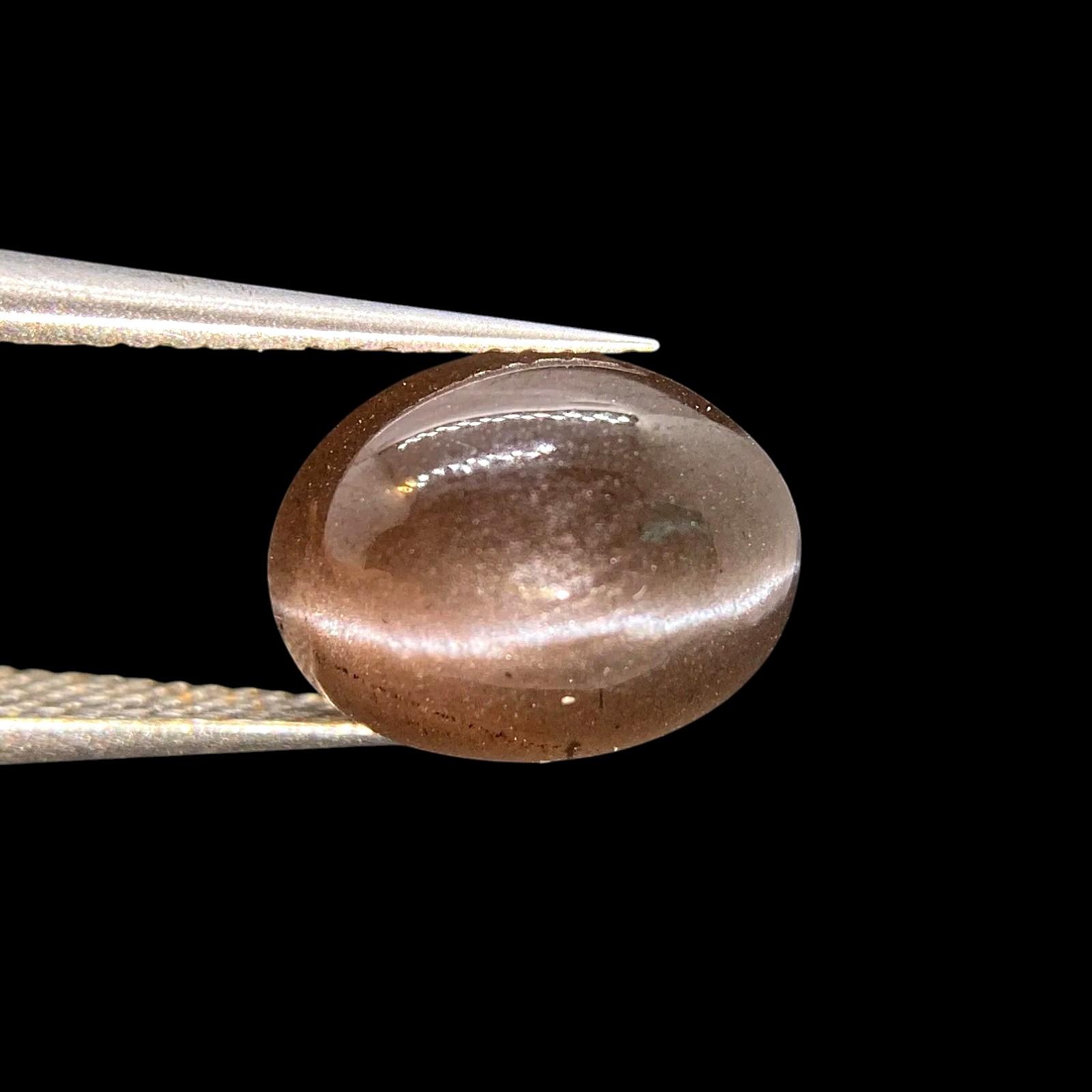
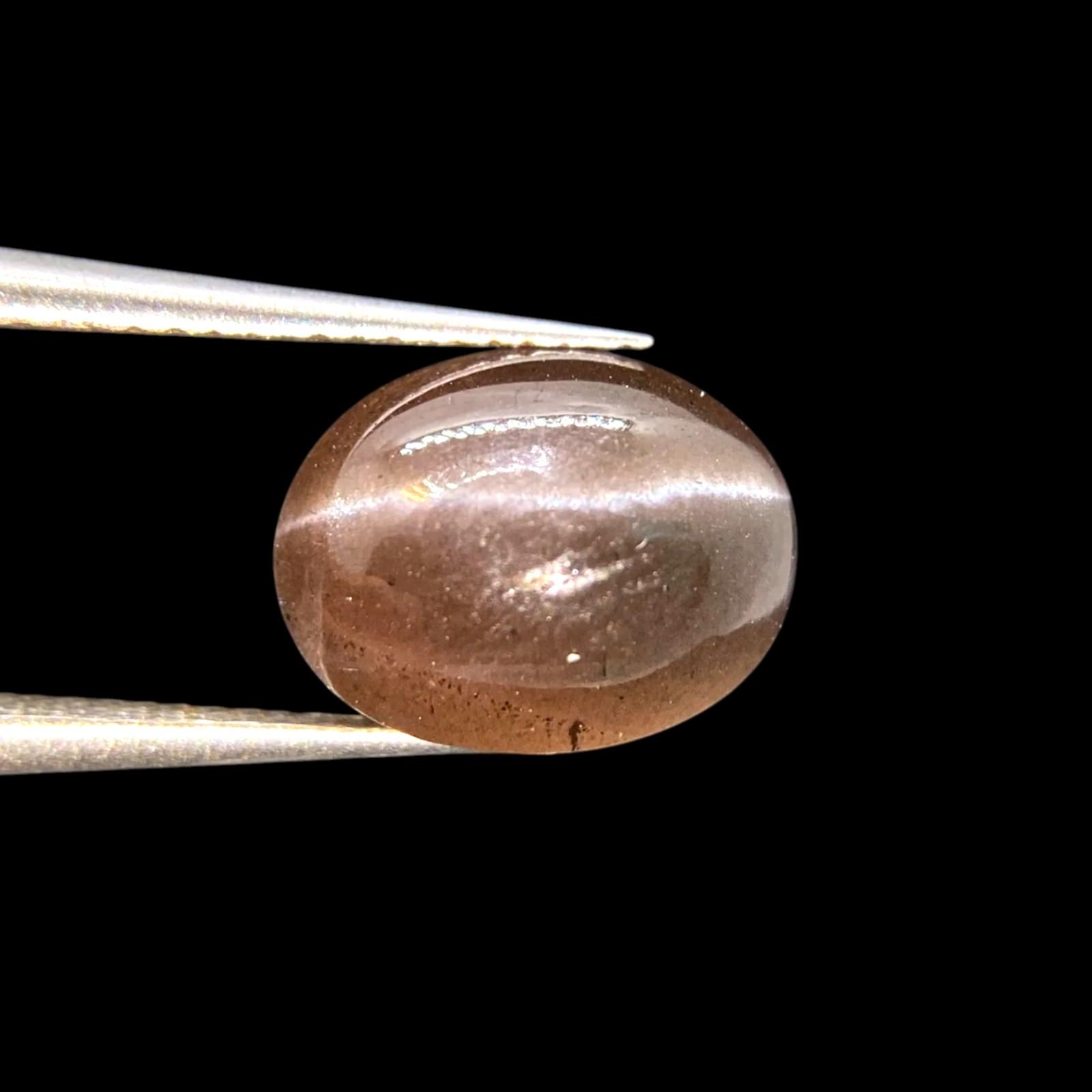
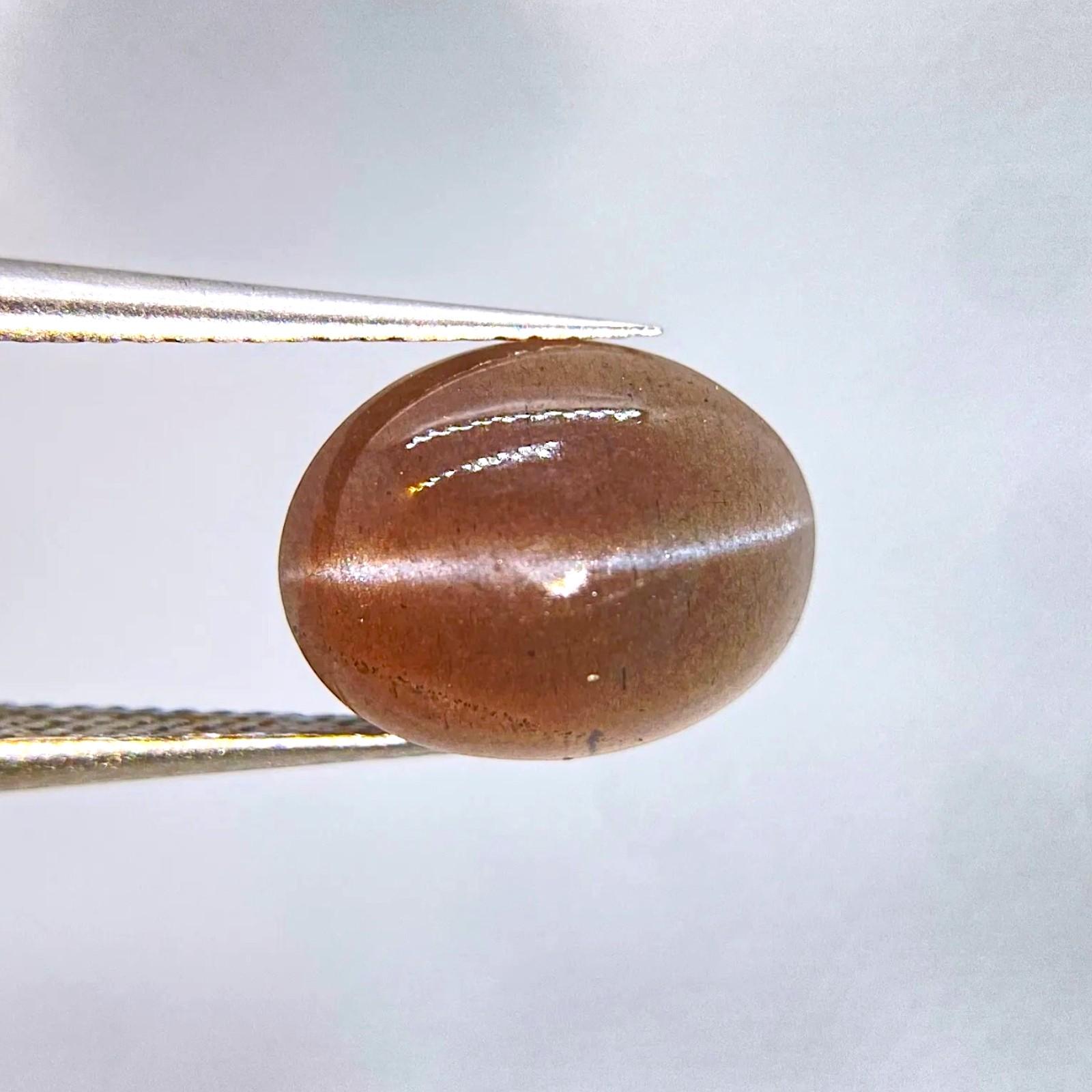
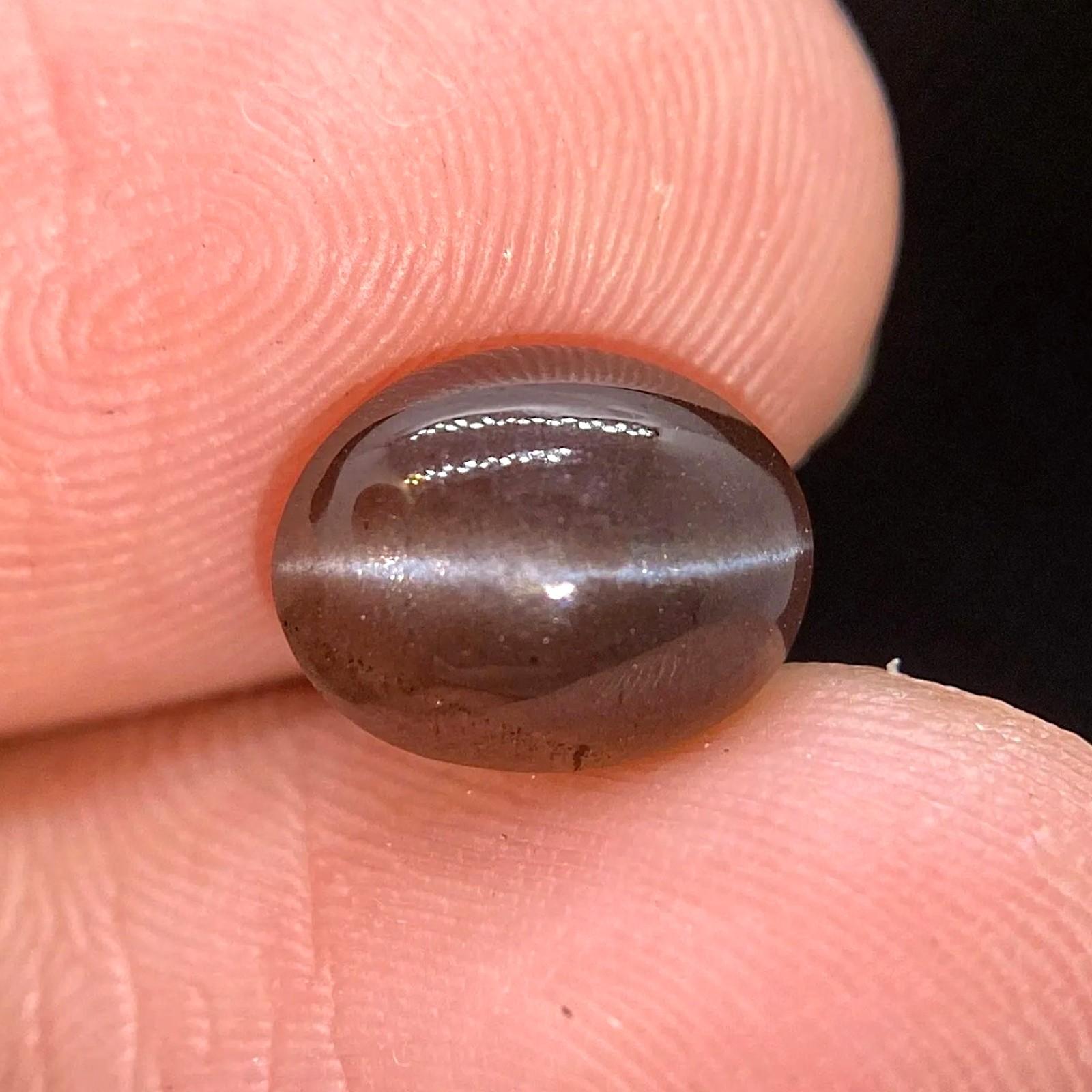


- Freakingcats Gemstone Database
Prehnite Cat’s Eye (Mali)
Certifed on11/09/26 by GIL Lab Bangkok
Prehnite from the hydrothermal volcanic horizons and contact-metasomatic zones of Mali—most celebrated from the mineralized deposits of the Kayes Region—represents one of the most distinctive and visually engaging expressions of inosilicate-sheet silicate crystallization, distinguished particularly when displaying natural chatoyancy. A calcium-aluminum phyllosilicate of pronounced geological interest, it is a species I have long respected for its soft, luminous daylight palette, typically ranging from translucent apple-green, olive, and chartreuse to warm golden-yellow, alongside its characteristic velvety internal glow. For the specialist, a fine Malian Cat’s Eye Prehnite—whether skillfully fashioned into a high-domed cabochon to concentrate its optical phenomenon or preserved as an exceptional aggregate—is a prized acquisition; it offers a pearly to vitreous luster and an elusive, moving slit of concentrated light that glides smoothly across the surface under a focused beam, establishing an intriguing presence in the systematic vault. As an artist, I find this fibrous optical alignment—where dense, micro-acicular inclusions transform an otherwise gentle, translucent green crystal into a sharp, responsive eye of light—to be one of nature’s most sophisticated demonstrations of internal structural discipline.
The Heritage & Discovery
Historical Significance
Prehnite holds historical importance in mineralogy as the first mineral named after an individual, designated in honor of Dutch military commander Colonel Hendrik von Prehn in the late 18th century. Historically, while localities in South Africa, Scotland, and the United States provided classic collector specimens, West Africa emerged in the late 19th and early 20th centuries as a premier global supplier of vibrant, gem-quality rough. Sourced from deep hydrothermal fractures within fractured dolerite sills, Malian prehnite redefined the international standard for crystal scale, saturated lime-green coloration, and rare chatoyant occurrences, standing as an enduring testament to the rich mineral heritage of the African continent.
Discovery
The discovery of gem-grade and chatoyant prehnite in western Mali occurred alongside regional exploration and artisanal mining for secondary mineral deposits within volcanic terrains. Scientifically, while common prehnite forms dense botryoidal masses or globular crystalline coatings, chatoyancy is an uncommon structural phenomenon governed entirely by internal inclusions. In Malian deposits, the mineral occasionally crystallizes around densely packed, parallel fibrous tubes or micro-inclusions of amphibole species, such as actinolite. When light strikes these finely aligned structures perpendicular to their length, it reflects outward as a concentrated, luminous streak. My own respect for this material grew from analyzing this optical axis; observing a cabochon display a sharp, centered eye that opens and closes cleanly as the stone is tilted confirms an internal fibrous alignment that is deeply satisfying to the trained eye.
Important Mines
The primary international capital for collector-grade prehnite within Mali is the Kayes Region, particularly centered around the artisanal diggings of Sandaré, Bendougou, and the adjacent Bafoulabé Cercle. In these localities, prehnite forms in the hydrothermal veins and dissolution cavities of Jurassic dolerite sills, frequently occurring in aesthetic association with dark green epidote prisms, quartz, and minor calcite. Pockets yielding dense, parallel-fibrous material suitable for cutting sharp cat’s eyes are exceedingly localized within these workings. For the systematic vault, I prioritize specimens that exhibit high translucency, a vivid and uniform mint-to-apple green body color, and a sharp, unbroken eye of light that tracks straight across the dome.
Mineralogical Profile
Description
Prehnite is a calcium aluminum silicate mineral crystallizing in the orthorhombic system (pyramidal class). It sits at 6.0 to 6.5 on the Mohs hardness scale, making it well-suited for cabochon cutting and display while maintaining good structural stability in archival storage; it possesses one distinct direction of cleavage along {001} and an uneven to sub-conchoidal fracture. It is characterized by a vitreous luster on crystal faces transitioning to a soft, pearly sheen along cleavage breaks and cabochon domes, with a daylight body color dominated by apple-green, oil-green, yellow-green, and pale champagne.
Morphologically, it typically occurs as globular, reniform, or botryoidal crystalline crusts, with individual prismatic crystals being quite rare. It possesses a moderate refractive index ranging from approximately 1.611 to 1.669, exhibiting positive optical character, and a specific gravity averaging 2.80 to 2.95. The cat’s eye phenomenon (chatoyancy) is produced by the reflection of light off tightly packed, parallel tubular cavities or fine mineral needles embedded within the crystal mass. Because it forms during late-stage hydrothermal alteration of mafic igneous rocks, it is commonly found in close association with Epidote, Calcite, Quartz, and Stilbite. When I select an example for documentation, I look for clean structural integrity, vibrant natural body color, and a crisp, centered chatoyant band that highlights the specialized conditions of its subterranean formation.
Chemical Formula
Ca2Al(AlSi3O10)(OH)2 (occasionally with trace Fe3+ substituting for Al)


