
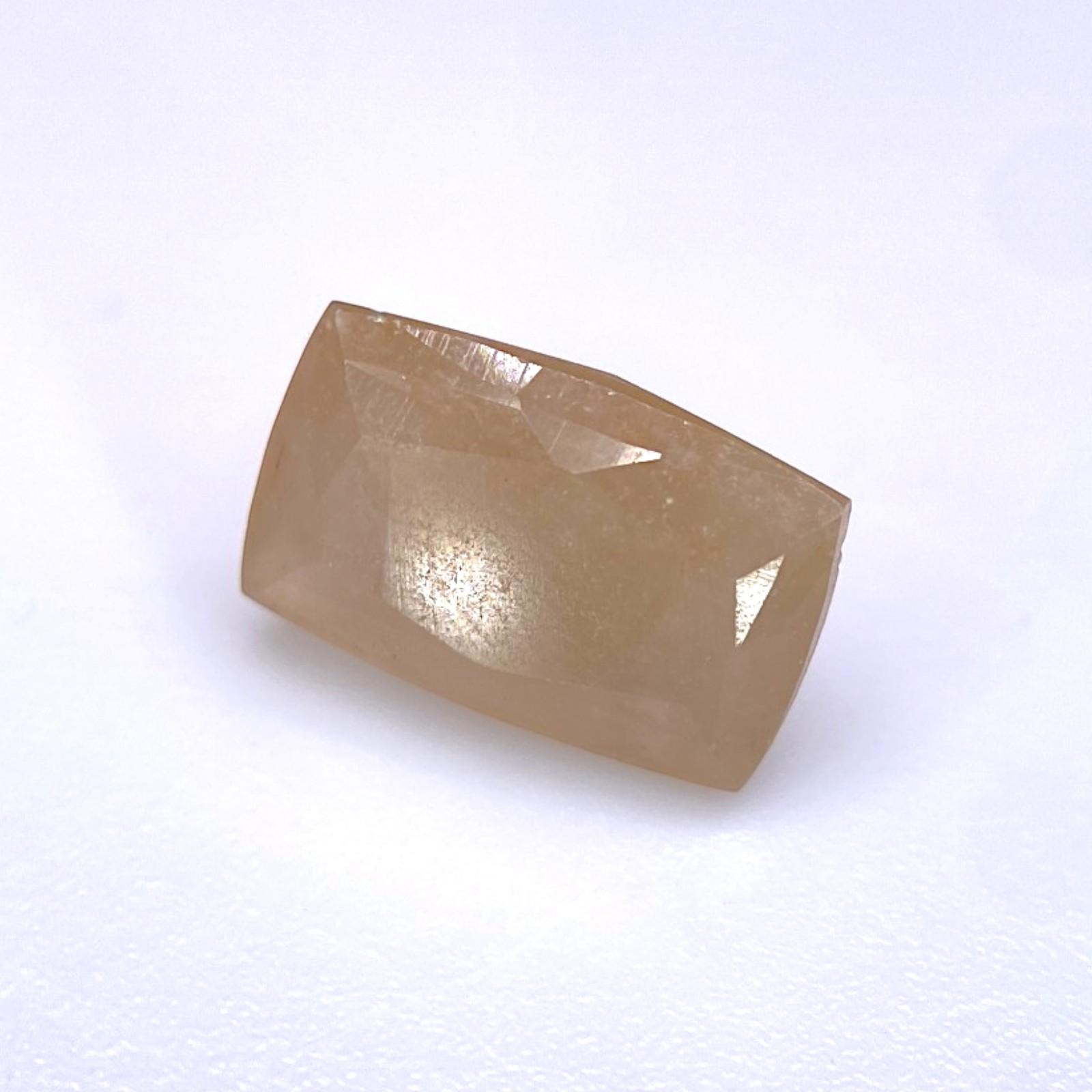
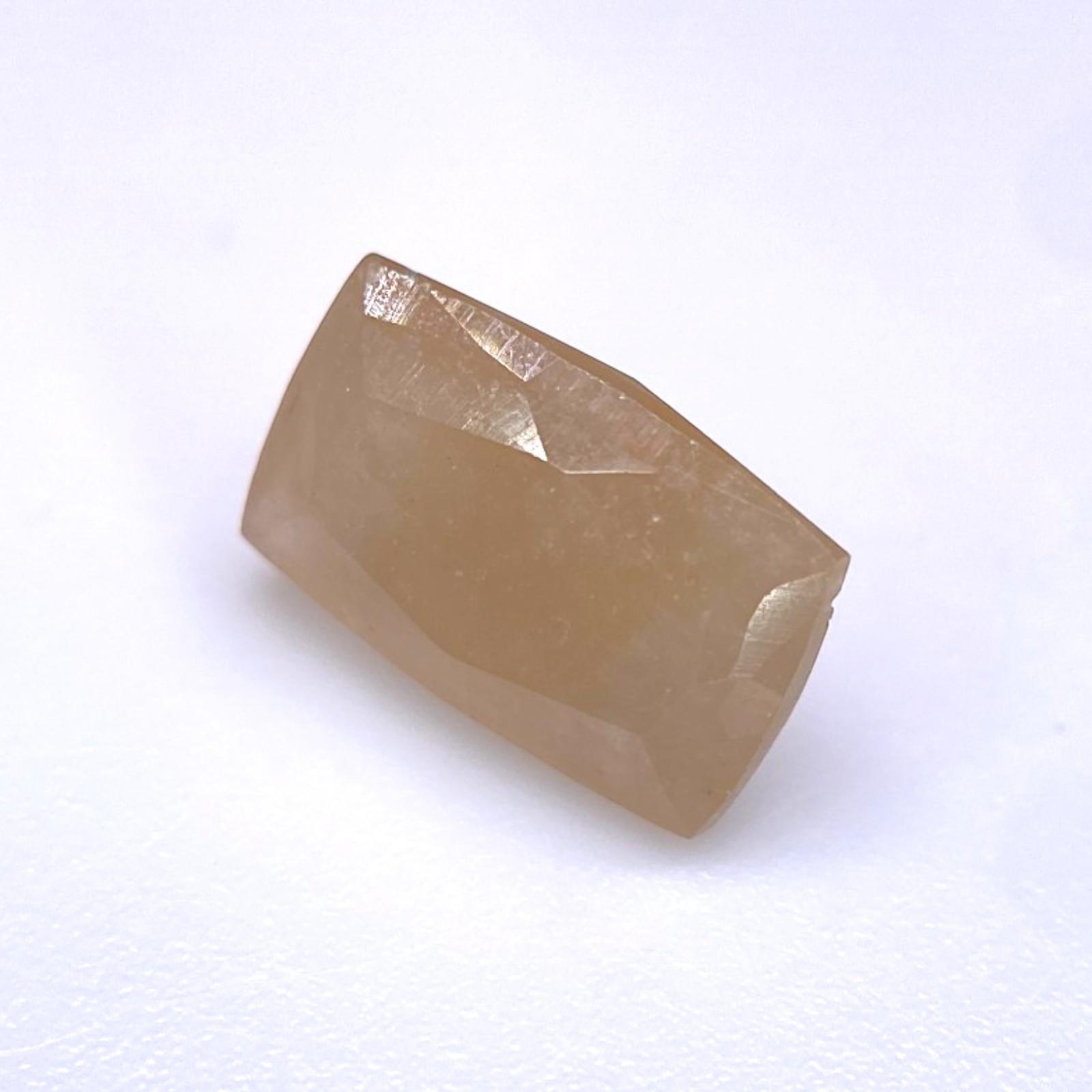
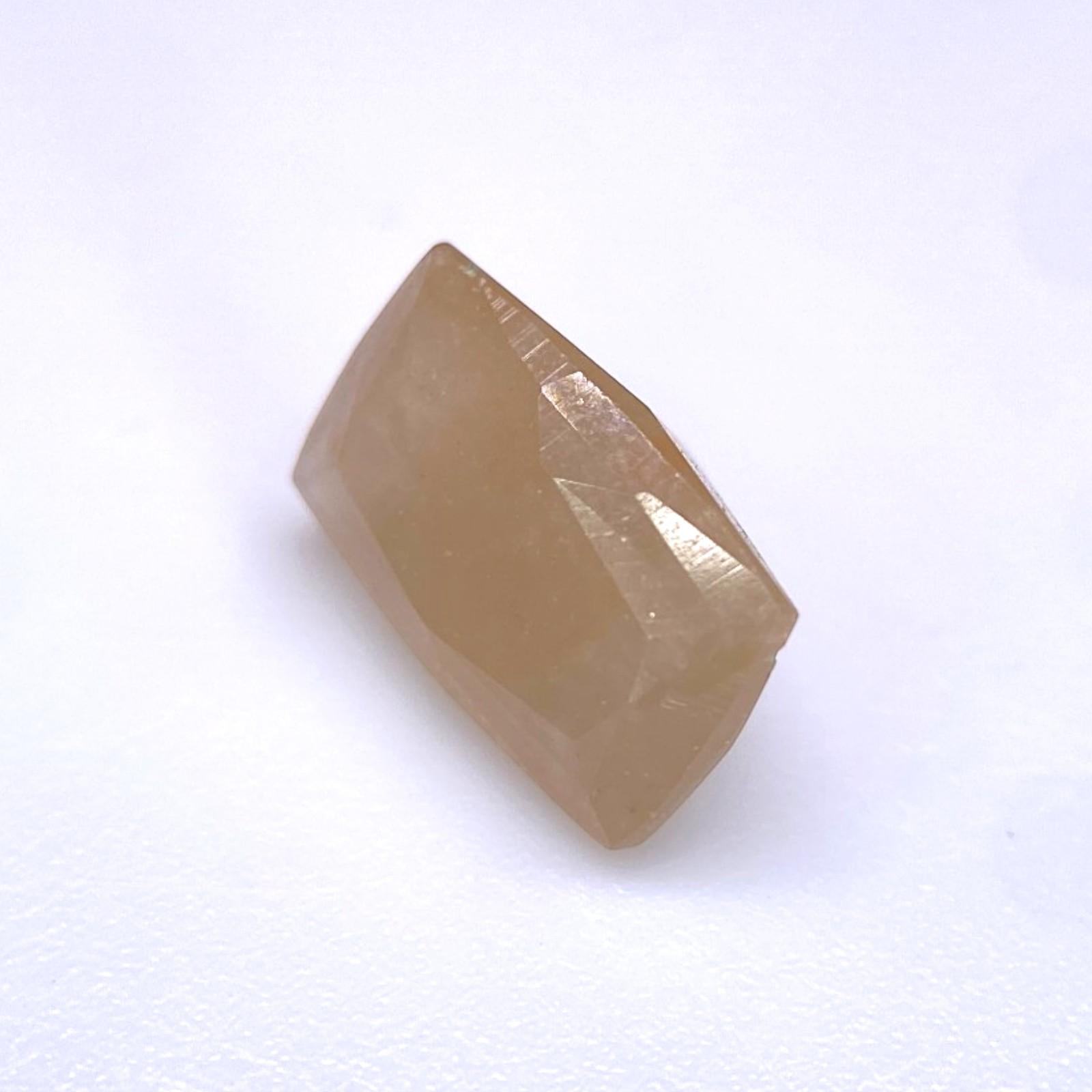
3.11 ct GORGEYITE – KAZAKHSTAN
EXPERT VERIFIED
- Expert Verified Gemstone
- Fast Handling & Shipping
- Secure Vault Packaging
$ 690
Offer amount Feild


Smart Collector Choice


Pay with Crypto & Get 10% Automatic Discount

Availability: 1 in stock
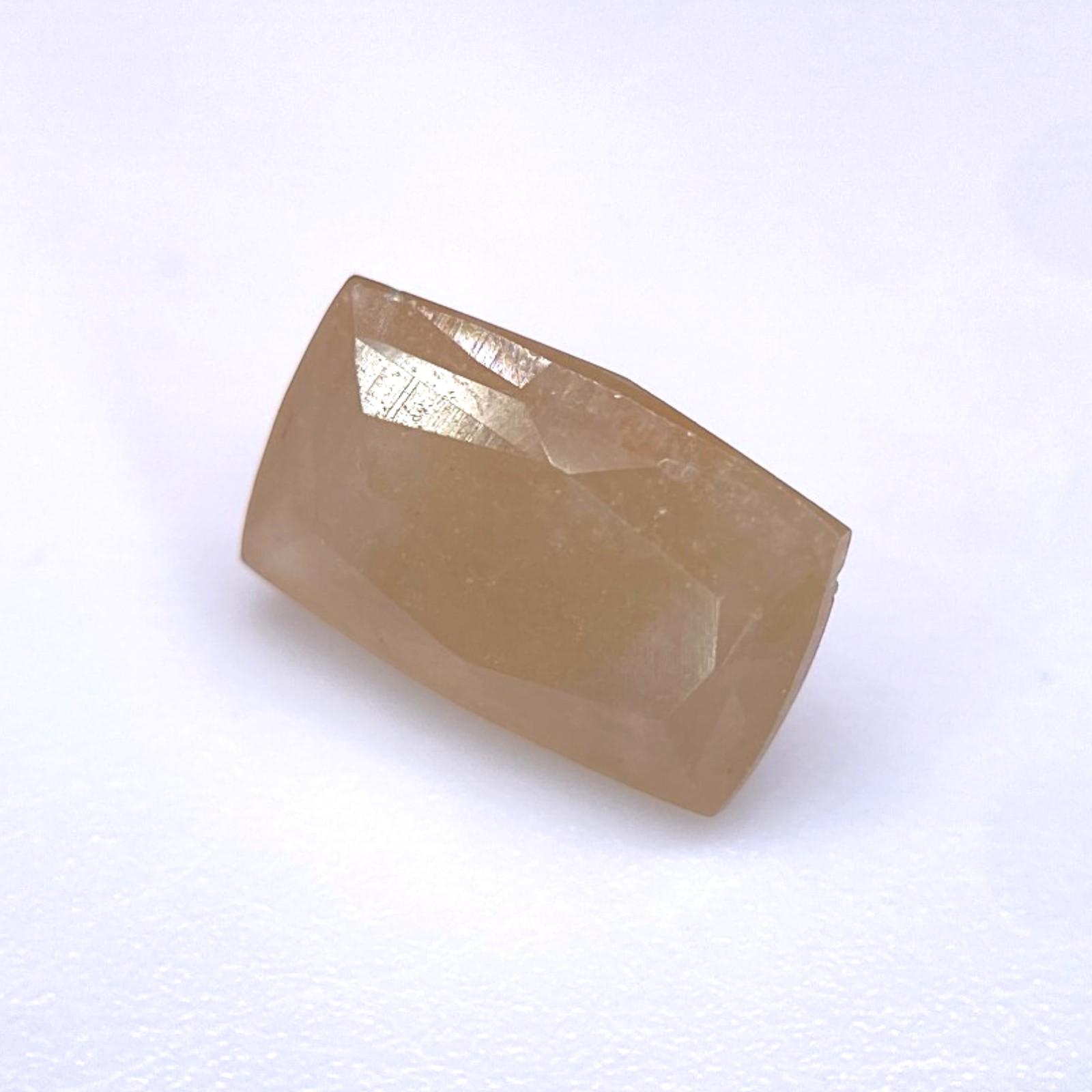
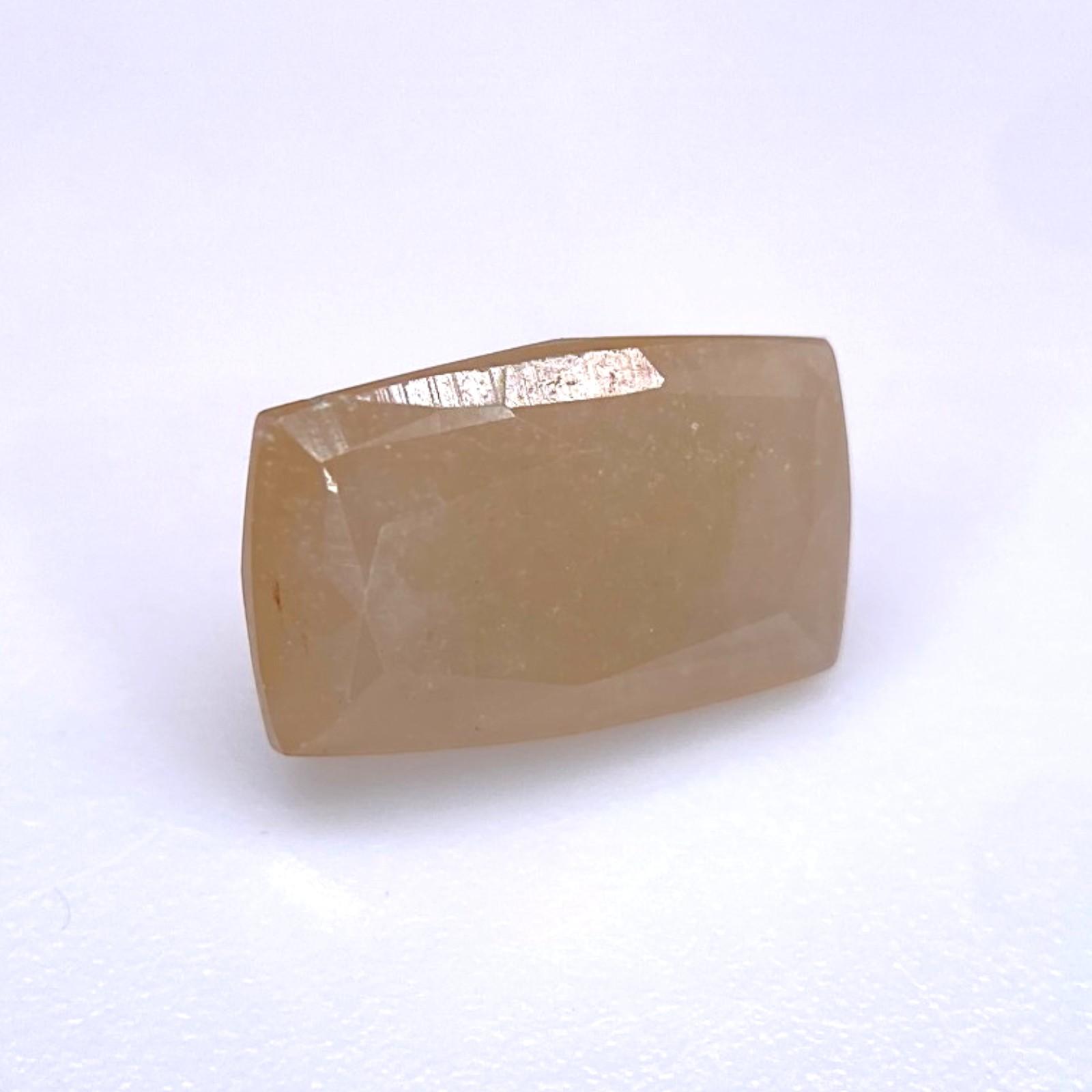
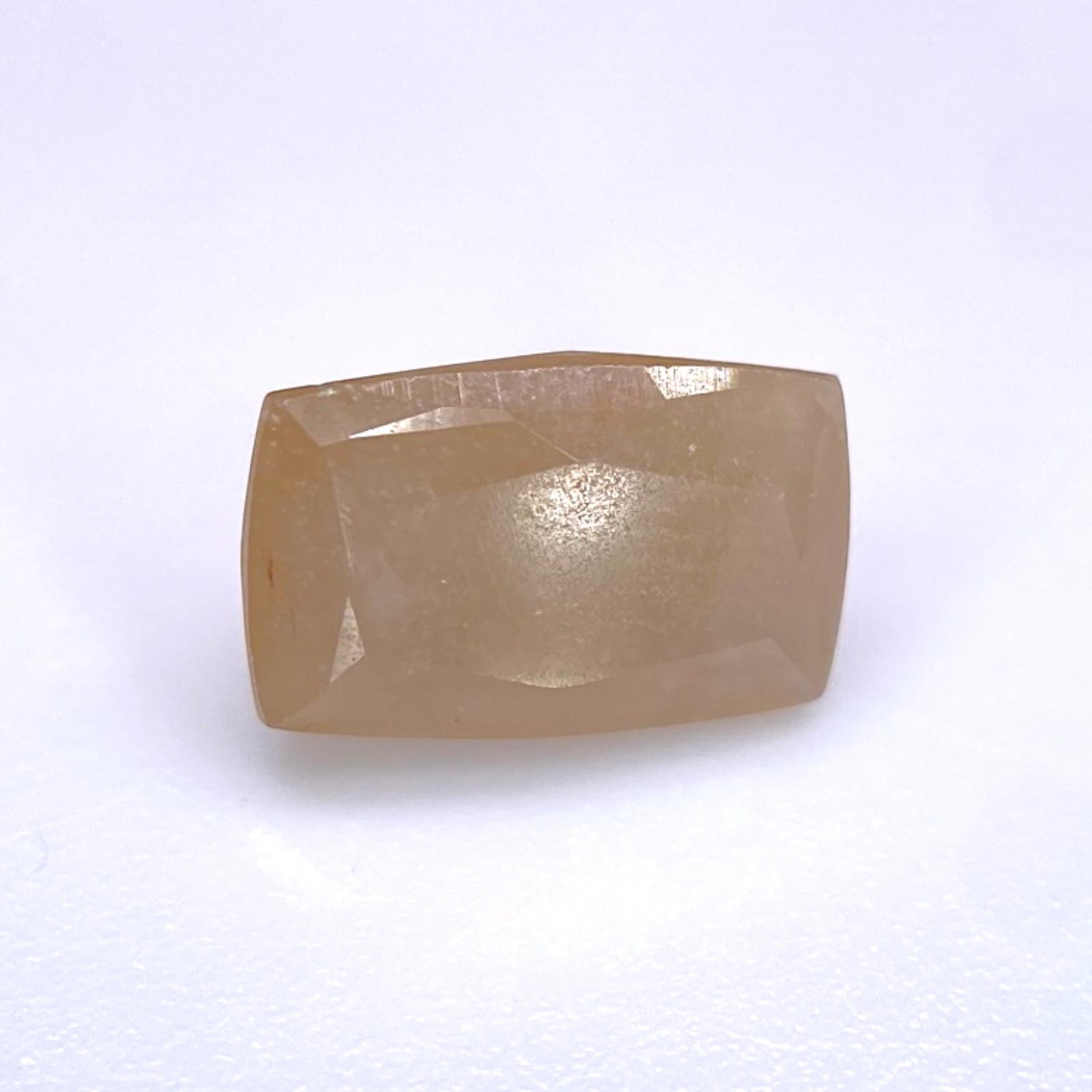
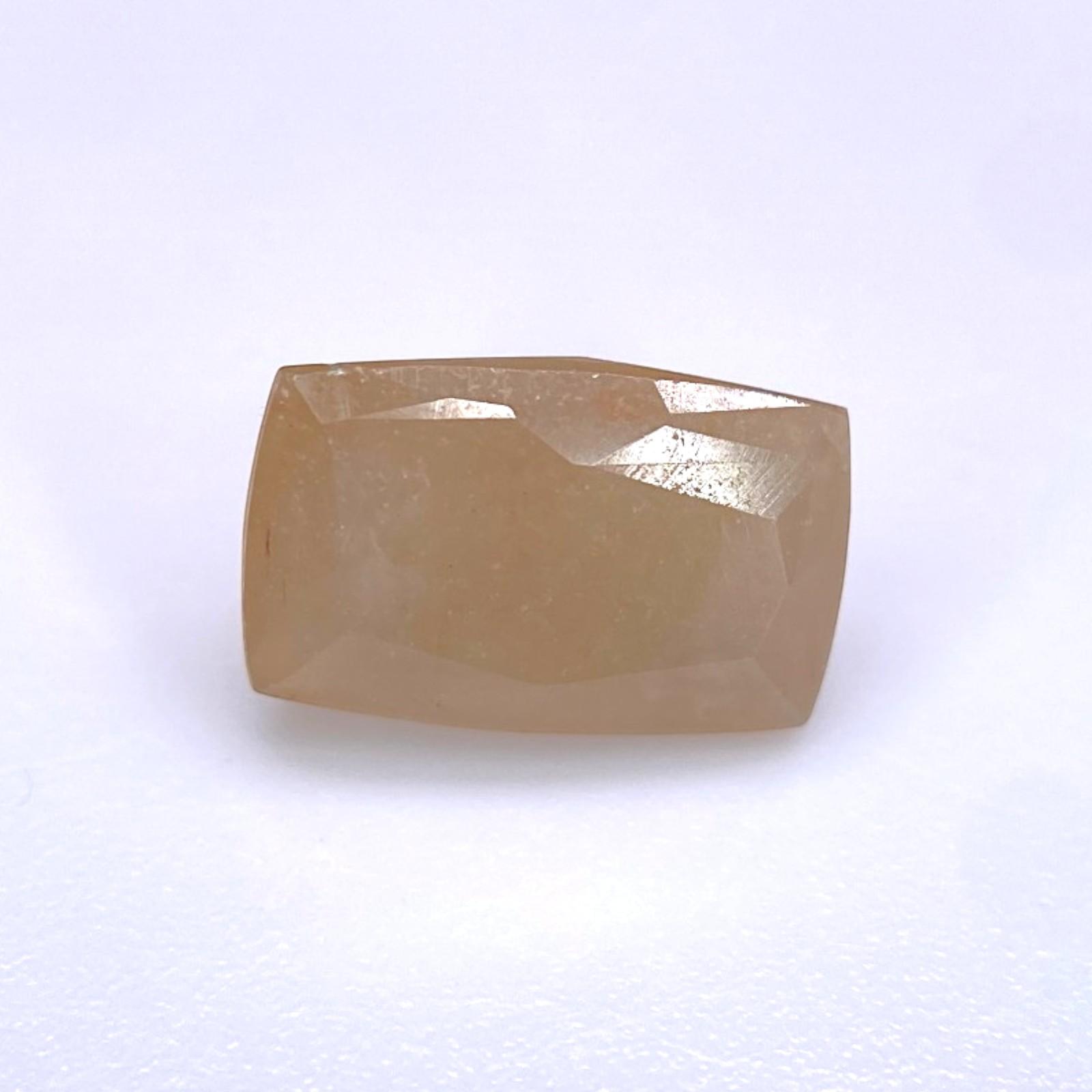


- Freakingcats Gemstone Database
Görgeyite (Kazakhstan)
Görgeyite from the vast evaporite basins of Western Kazakhstan represents the “potassium-calcium-sulfate” peak of the saline mineral world. A hydrated potassium calcium sulfate mineral, it is a species I have always respected for its “glass-clear” to “pale-champagne” absolute transparency and its status as a masterpiece of “monoclinic” structural discipline. An elite rarity prized by advanced systematic collectors, macrocrystalline Görgeyite of high-purity hydrothermal or deep evaporitic origin is exceptionally scarce. For the specialist, a top-tier Kazakh specimen is a prize of extreme chemical fractionation within complex salt dome environments; it offers a high-vitreous luster and a “luminous” presence that makes it a true “high-vibration” asset for the systematic vault. As an artist, I find the “aqueous” depth and the “razor-sharp” geometric perfection of these elongated, tabular crystals to be one of nature’s most sophisticated and “ethereal” palettes.
The Heritage & Discovery
Historical Significance
Görgeyite is a vital species for understanding the precise precipitation sequence and thermodynamic conditions of potassium and calcium salts in marine evaporite sequences. Historically, it was named in 1953 by the Austrian mineralogist Heinz Meixner in honor of Rolf Görgey, an Austrian mineralogist who pioneered the study of salt deposits. In the world of fine minerals, it is celebrated for its natural, “pure-spectrum” brilliance, which stands as a symbol of mental clarity and structural focus. It serves as a reminder that the deep, subterranean movements of tectonic salt structures can produce extraordinary optical results when potassium, calcium, and sulfate ions align under perfectly undisturbed pressure.
Discovery
While originally discovered in small quantities in the Ischl salt mine in Austria, the ground-breaking discoveries in Kazakhstan during the mid-to-late 20th century completely redefined the mineralogical benchmark for the species’ crystal size, clarity, and euhedral development. Scientifically, it forms as a rare double salt. Its discovery within the massive salt domes of the Pre-Caspian Depression provided mineralogists with the first large, “water-clear,” facet-grade crystals that display pristine tabular forms, entirely free from the heavy clay or mud inclusions that veil other sulfate minerals. My own respect for this material grew from observing its “optical” depth; specifically, the way its perfectly flat pinacoid and prism faces handle daylight—projecting a crisp, glassy internal flash—is a visual impact that is unmistakable to the trained eye.
Important Locations
The undisputed world capital for the finest “aesthetic” macrocrystalline Görgeyite is the Inder salt dome (Inder Boro-Sulfate Deposit), located near the Inder Lake in the Atyrau Region of Western Kazakhstan. These specimens set the absolute global benchmark for size and “sharp” monoclinic architecture, often found embedded in a contrasting matrix of gypsum, halite, or rare borate minerals like Hydroboracite. For the vault, I prioritize the Inder material for its unmatched “crystalline-sharpness” and its status as a rare-purity masterpiece of Central Asian evaporite mineralogy.
Mineralogical Profile
Description
Görgeyite from Kazakhstan is a hydrated potassium calcium sulfate that crystallizes in the monoclinic system. It sits at a 3.5 on the Mohs scale, making it a relatively soft mineral that must be handled with expert care and kept away from excess moisture to preserve its “razor-sharp” edges and vitreous surfaces. It is characterized by its brilliant vitreous luster and its unmistakable, “colorless to pale-yellow” color palette.
One of its most identifying traits is its distinctly tabular or elongated crystal habit with smooth, highly reflective faces and its intimate association with highly evolved borate-sulfate salt deposits. It possesses a moderate refractive index running from approximately 1.56 to 1.58, providing a bright, clear internal reflection, and a specific gravity (SG approx 2.9) that reflects its dense alkali-alkaline earth sulfate framework. Because it forms in specialized late-stage evaporite environments, it is often found in close association with Polyhalite, Gypsum, Glauberite, and Halite. When I select a piece for the collection, I look for absolute “water-white” transparency and pristine, un-etched terminations, as these highlight the sophisticated, three-dimensional geometry of the mineral’s undisturbed growth. It is a light, high-vibration mineral that offers a unique, “aqueous-neon” beauty unlike any other sulfate variety.
Chemical Formula
K2Ca5(SO4)6 · H2O


